 YardMate
Buenos Aires Nightshade
Solanum bonariense
Hard · Experienced growersAbout Buenos Aires Nightshade
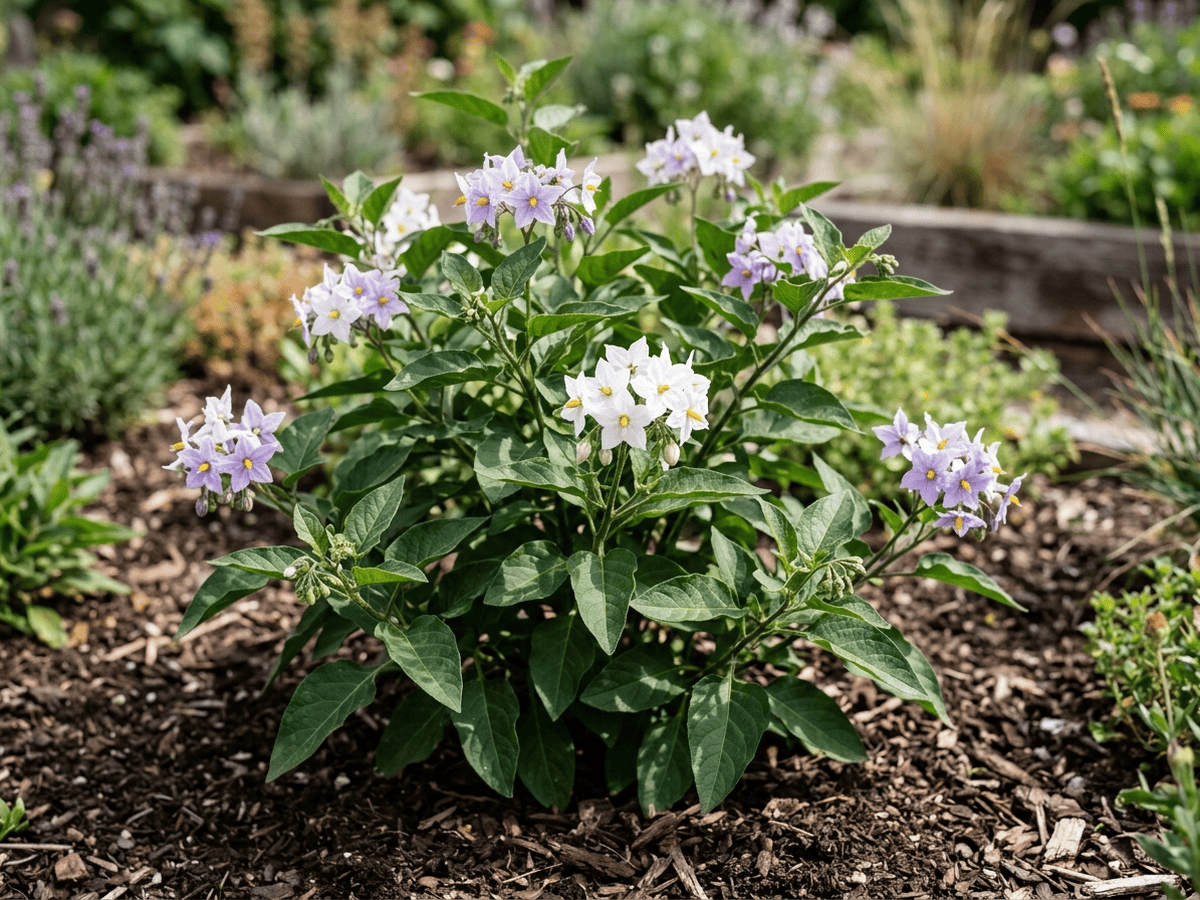
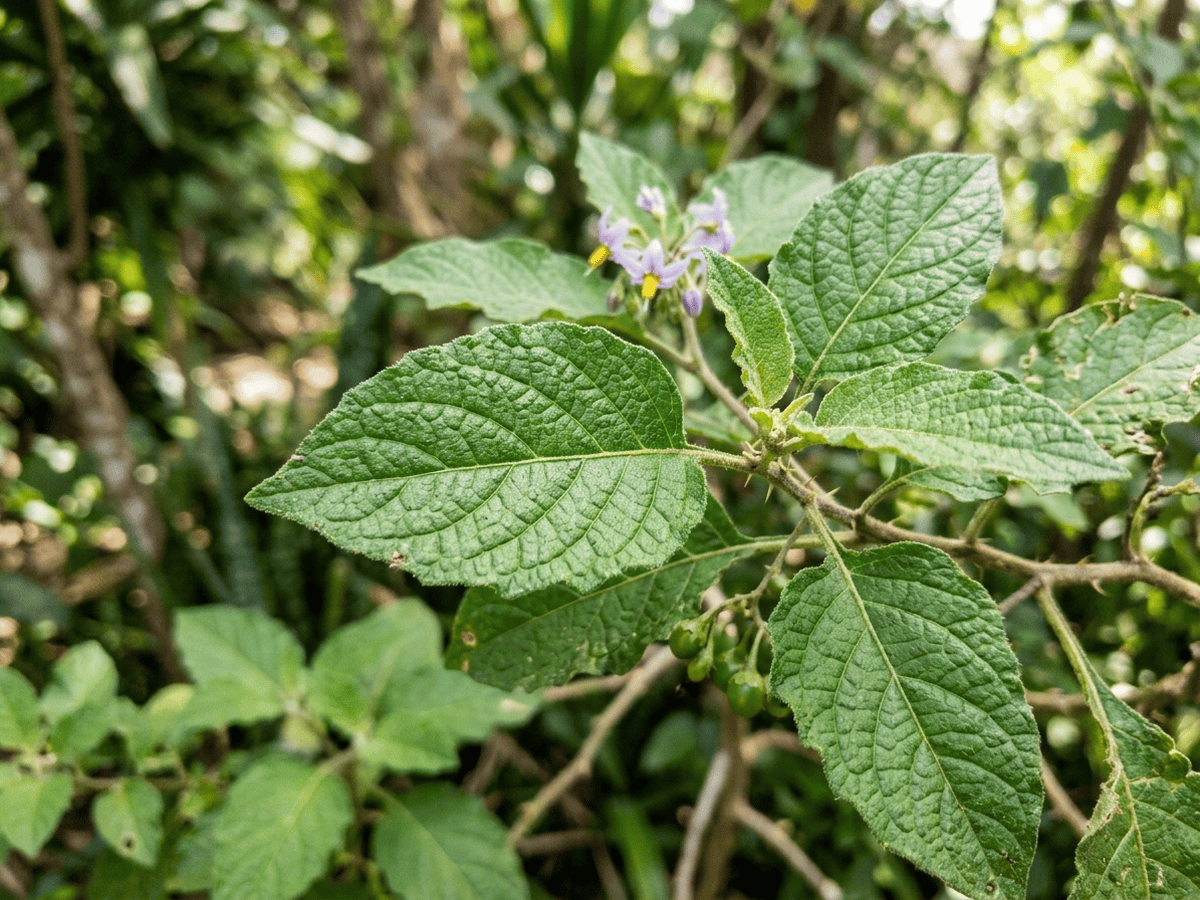
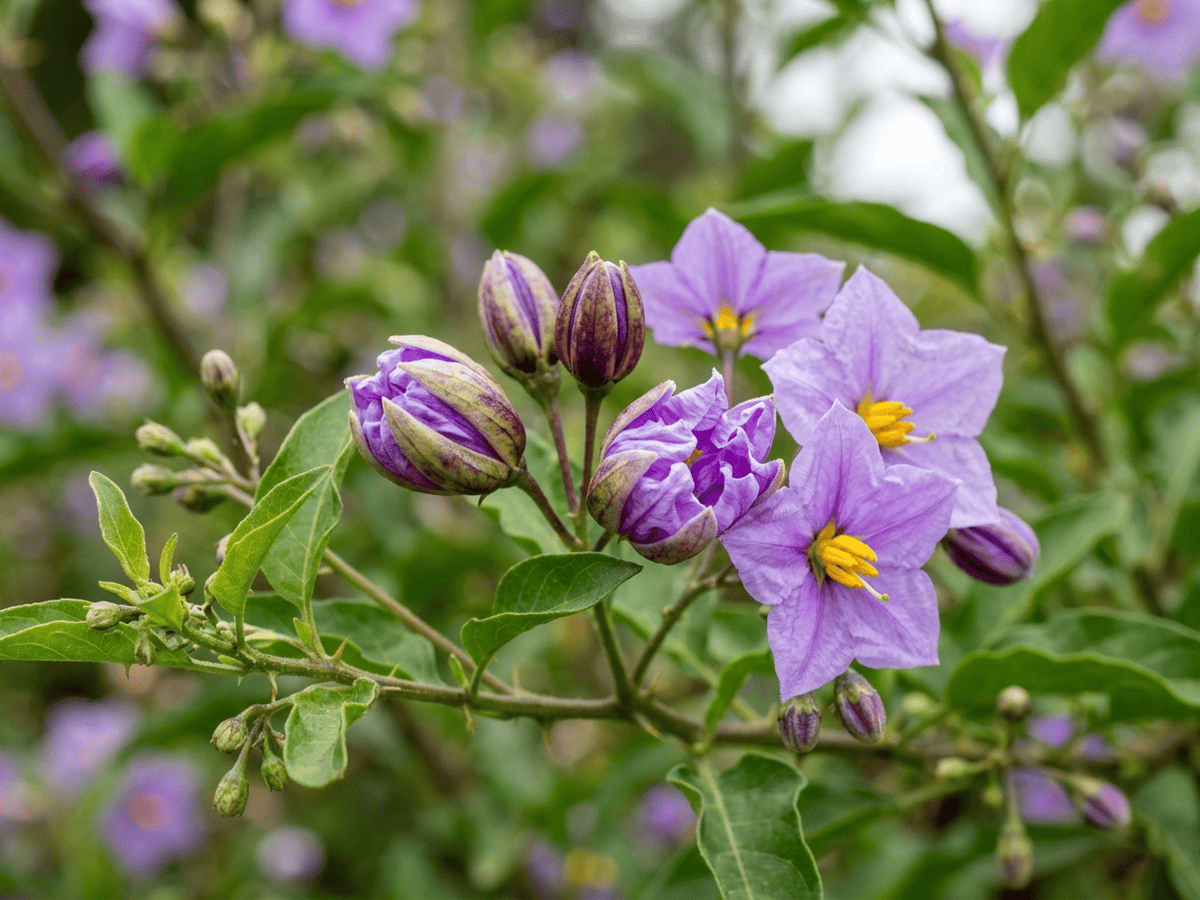
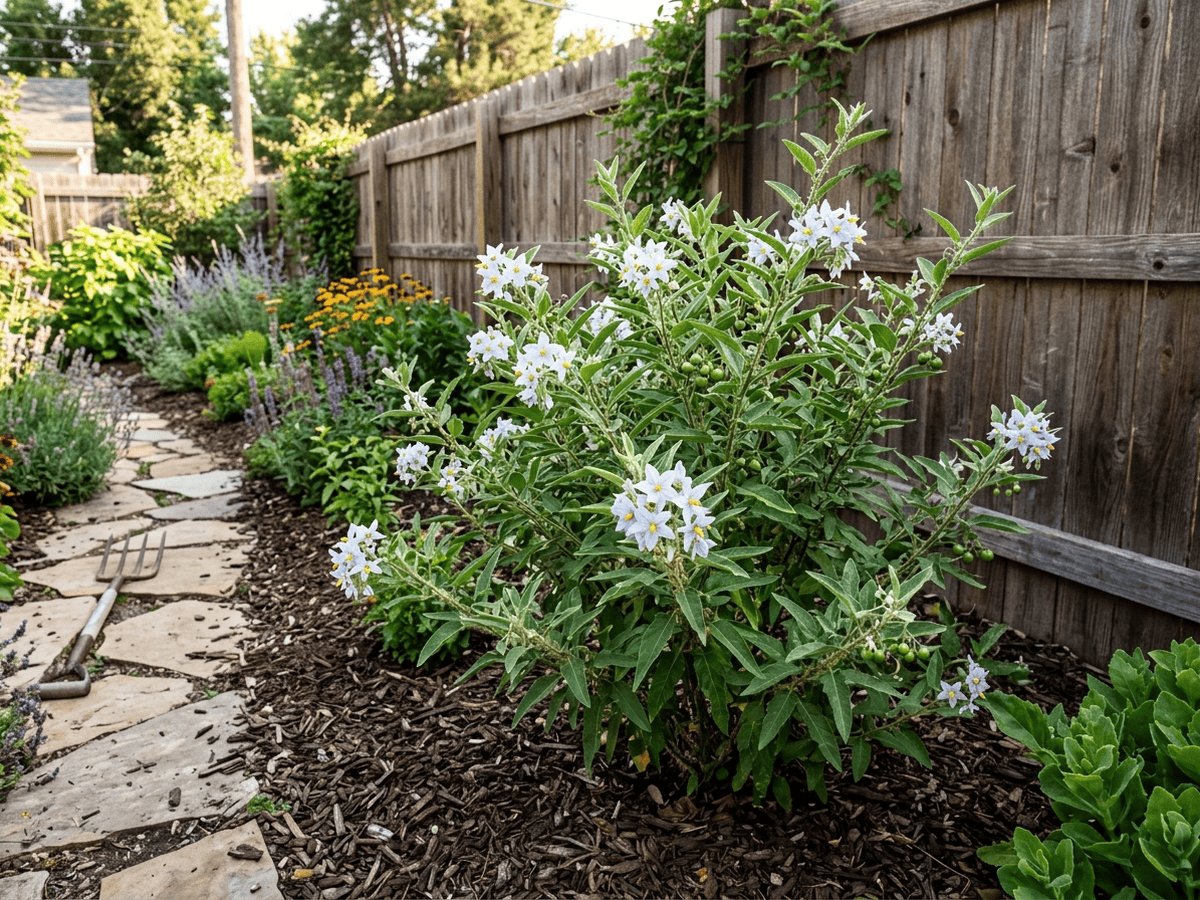
The Buenos Aires Nightshade is a modest, shrubby member of the nightshade family, native to the grasslands and scrub of Argentina and Uruguay. Growing 2 to 3 feet tall with a slightly wider spread, it bears wavy-lobed green leaves and small star-shaped violet flowers, each centered with a bright yellow cone of anthers typical of the Solanum genus, followed by small round berries. It thrives in well-drained to moist soil and partial sun, making an easy, low-maintenance accent for a patio or yard border. Like its relatives, its foliage and unripe fruit are toxic if eaten, so site it away from curious pets and children.
- Evergreen
- Drought-tolerant
- Pollinator-friendly
- Compact
How to care for Buenos Aires Nightshade
Watering
- Springevery 15 days
- Summerevery 10 days
- Fallevery 20 days
- Winterpause watering
Soil · Well-draining
- Top dressingPine bark mulch10%
- Main mixPotting soil + perlite 2:170%
- DrainageLECA / gravel20%
Never skip the drainage layer — standing water is the top cause of root rot.
FERTILIZER
Balanced Feed 14-14-14
An even feed covers all three needs at once, keeping leaves, roots and blooms moving together with nothing pushed out of balance.
- Nitrogen · Leaves
- Phosphorus · Roots + Blooms
- Potassium · Strength
- Springevery 30 days
- Summerevery 30 days
- Fallevery 30 days
At a Glance
- NativeSouth America
- Height2–3 ft (0.6–0.9 m)
- Spread3–4 ft (0.9–1.2 m)
- Foliage colorGreen
- SoilWell-drained, Moist
- LocationsYard · Patio
Toxicity
Pets Moderate
solanine, solasodine, and other Solanum glycoalkaloids
Unknown
EXPOSURE No exposure route is reported.
EFFECT No toxic effect is reported.
NOTE Toxicity for humans is not well documented; use caution until verified.
Moderate
- Leaf
- Stem
- Fruit
- Ingestion
EXPOSURE Eating leaves, stems, and fruit.
EFFECT Vomiting, diarrhea, drooling, and lethargy.
NOTE Like other Solanum species, the foliage, stems, and unripe berries contain solanine-type glycoalkaloids and can cause gastrointestinal upset if ingested by humans or pets; ripe berries are considered less toxic than green foliage and unripe fruit.
Moderate
- Leaf
- Stem
- Fruit
- Ingestion
EXPOSURE Eating leaves, stems, and fruit.
EFFECT Vomiting, diarrhea, and loss of appetite.
NOTE Like other Solanum species, the foliage, stems, and unripe berries contain solanine-type glycoalkaloids and can cause gastrointestinal upset if ingested by humans or pets; ripe berries are considered less toxic than green foliage and unripe fruit.
Educational information, not medical or veterinary advice. If exposure is suspected, contact a doctor or veterinarian.
DISTRIBUTION

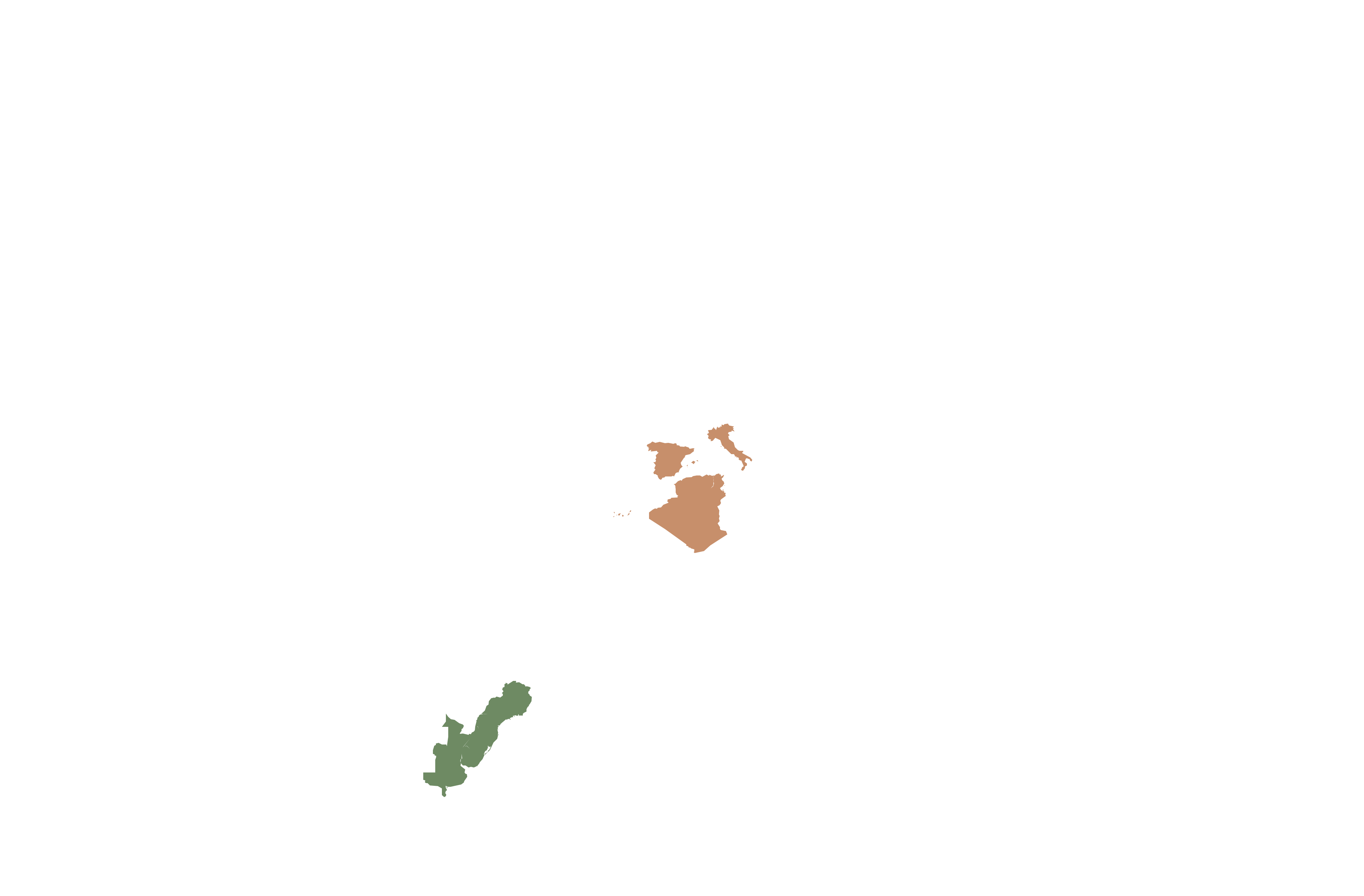
- Native
- Introduced
- South America
History
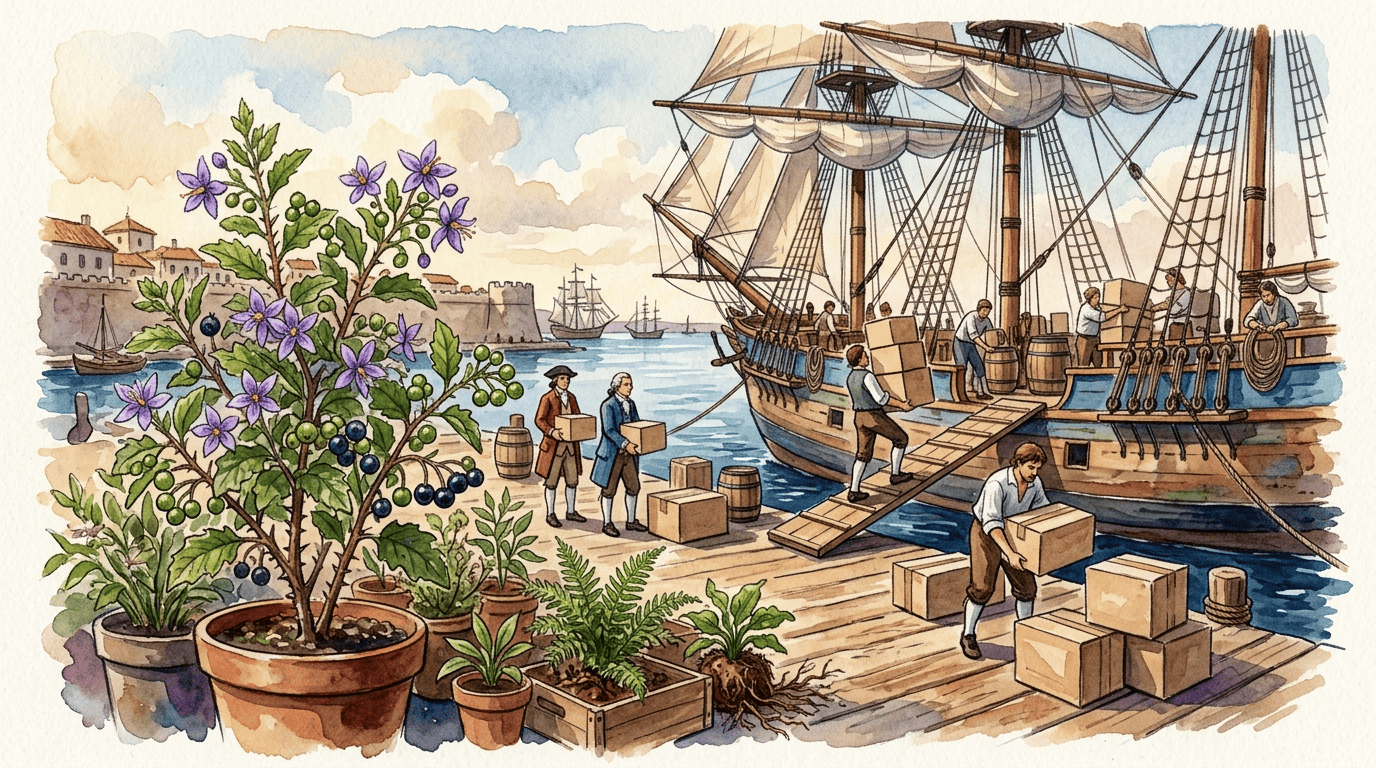
The Buenos Aires Nightshade (Solanum bonariense) carries a name that preserves a piece of colonial-era botany: the epithet bonariense derives from Bonaria, the old Latin rendering of Buenos Aires, marking the region where early European collectors first encountered the plant among the grasslands and river scrub of the Rio de la Plata. Carl Linnaeus formally described the species in 1753, in the same era that dozens of South American plants bearing the bonariense epithet entered European botanical literature, as pressed specimens crossed the Atlantic from colonial ports to herbaria in Europe.
The Buenos Aires Nightshade belongs to Solanum, one of the largest and most economically important genera in the plant kingdom, home to staples such as the potato, tomato, and eggplant alongside thousands of wild and weedy relatives spread across nearly every continent. Within this vast family tree, it sits among the many shrubby, spiny-leaved South American species that botanists still work to classify, its wavy-lobed foliage and star-shaped violet flowers echoing the same basic floral architecture seen in its cultivated cousins.
In its native range across Argentina and Uruguay, the Buenos Aires Nightshade persists as a hardy shrub of open ground and disturbed habitat, the kind of resilient nightshade that thrives at the margins of cultivated land. Its toughness has occasionally drawn the interest of horticulturists, who have looked to hardy wild Solanum relatives like this one as possible rootstock for grafting cultivated eggplant and other nightshade crops, even though it has never been widely grown as an ornamental itself. It remains best known not for fame but for its quiet place in the story of a genus that also feeds much of the world.
Symbolism & meaning
What It Symbolizes
Rooted in the open grasslands and scrub of Argentina and Uruguay, the Buenos Aires Nightshade has long grown wherever few other plants take hold, along disturbed roadsides, riverbanks, and pasture margins. Gardeners who grow it today see in its toughness a modest emblem of resilience, a plant that asks for little and holds its ground regardless of setting.
- Resilience — thriving in disturbed, open ground across the pampas where few other plants take hold
- Humility — a modest, unassuming shrub that asks little of its surroundings
Where the Name Comes From
The species epithet bonariense derives from Bonaria, the Latin name historically used for Buenos Aires, Argentina, marking this plant as "of Buenos Aires," the region where it was first documented by European botanists in the mid-18th century.
Uses & Fun Facts
- Grown as a hardy, low-maintenance shrub for patios and yard borders, valued for its violet star-shaped flowers.
- The flowers attract bees and other pollinators typical of the nightshade family.
Related plants
More Solanum plants
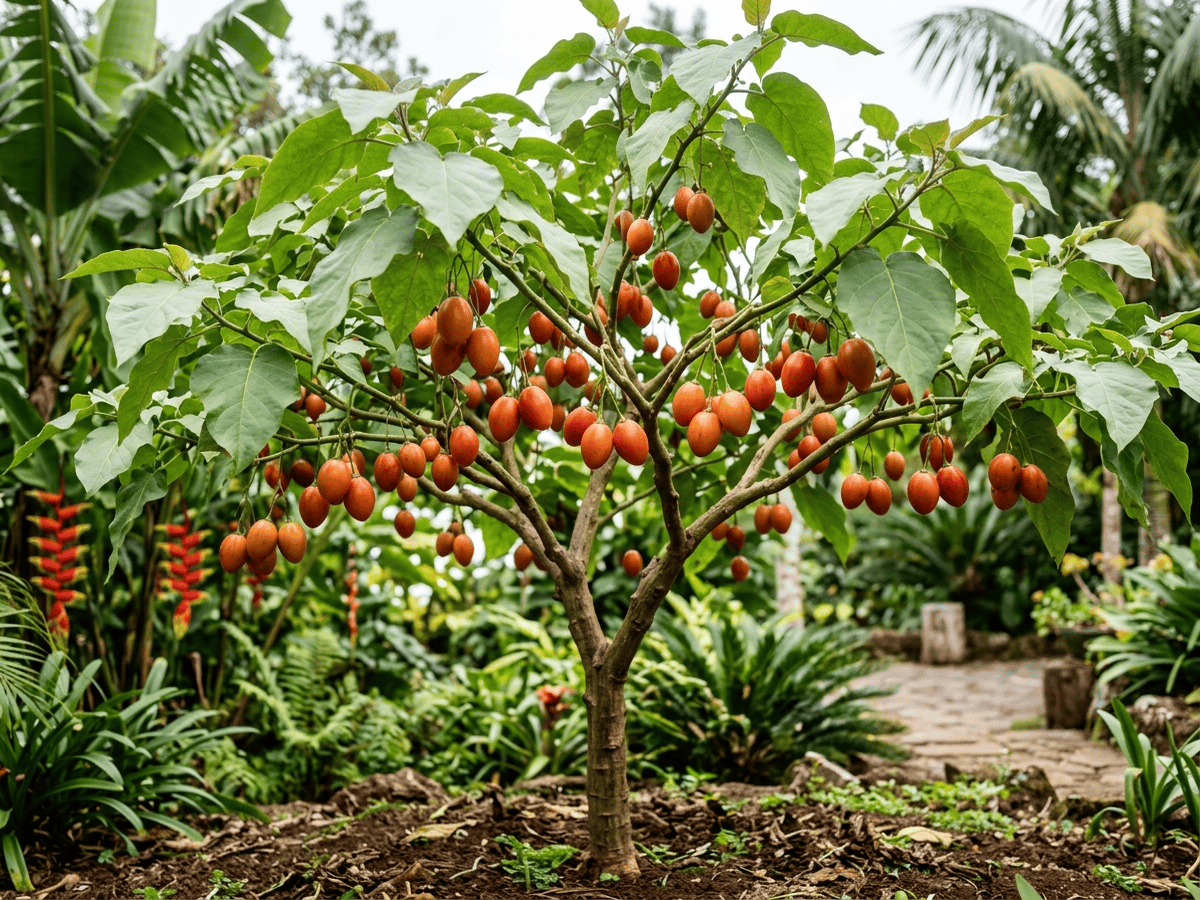 TamarilloSolanum betaceum
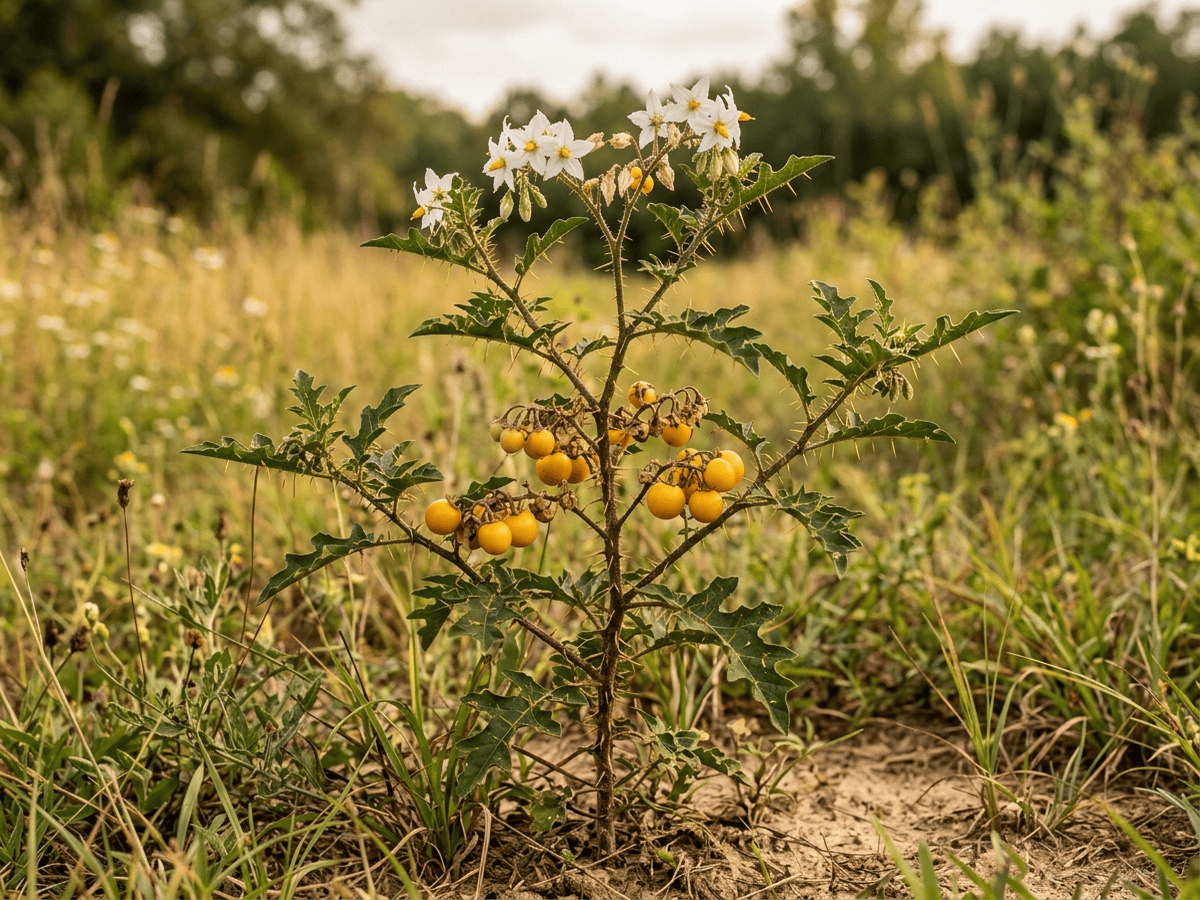 Carolina HorsenettleSolanum carolinense
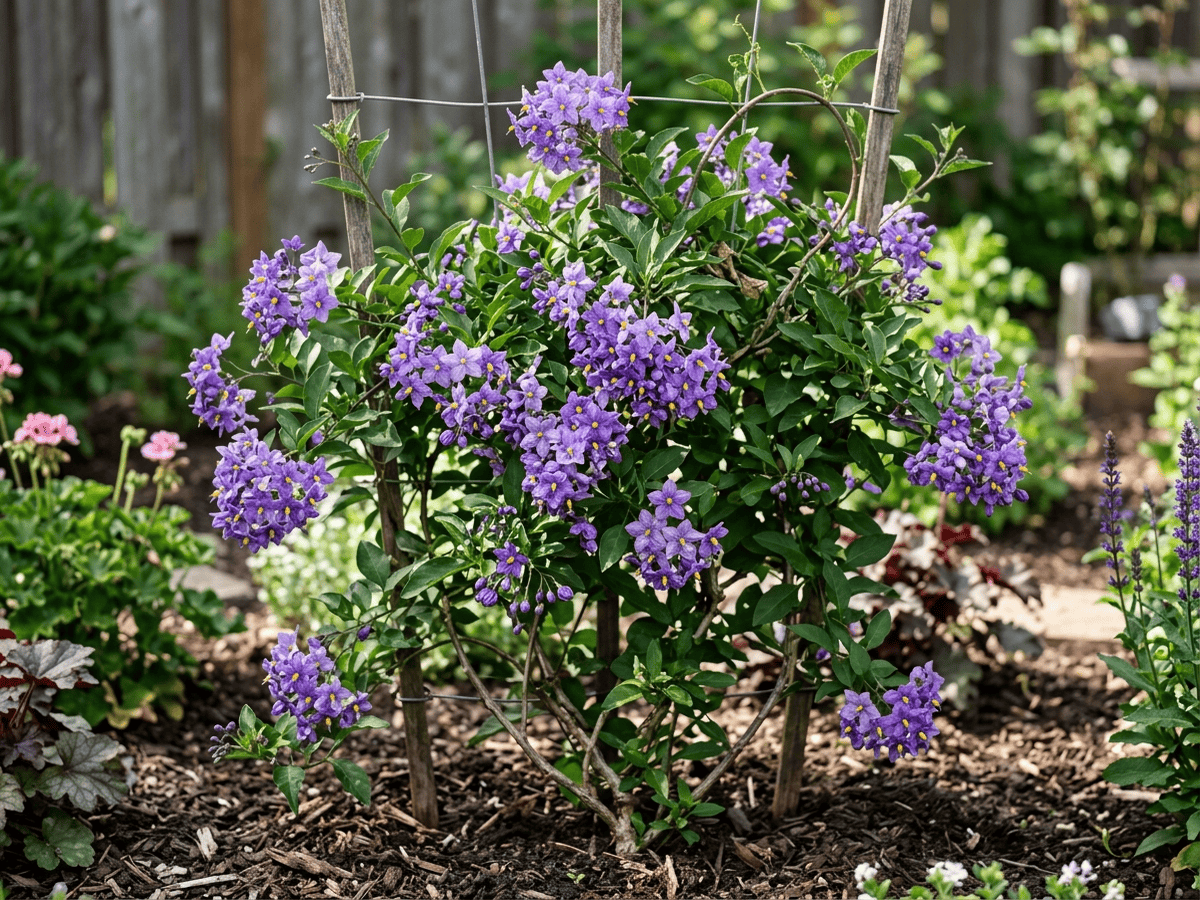 Chilean Potato VineSolanum crispum
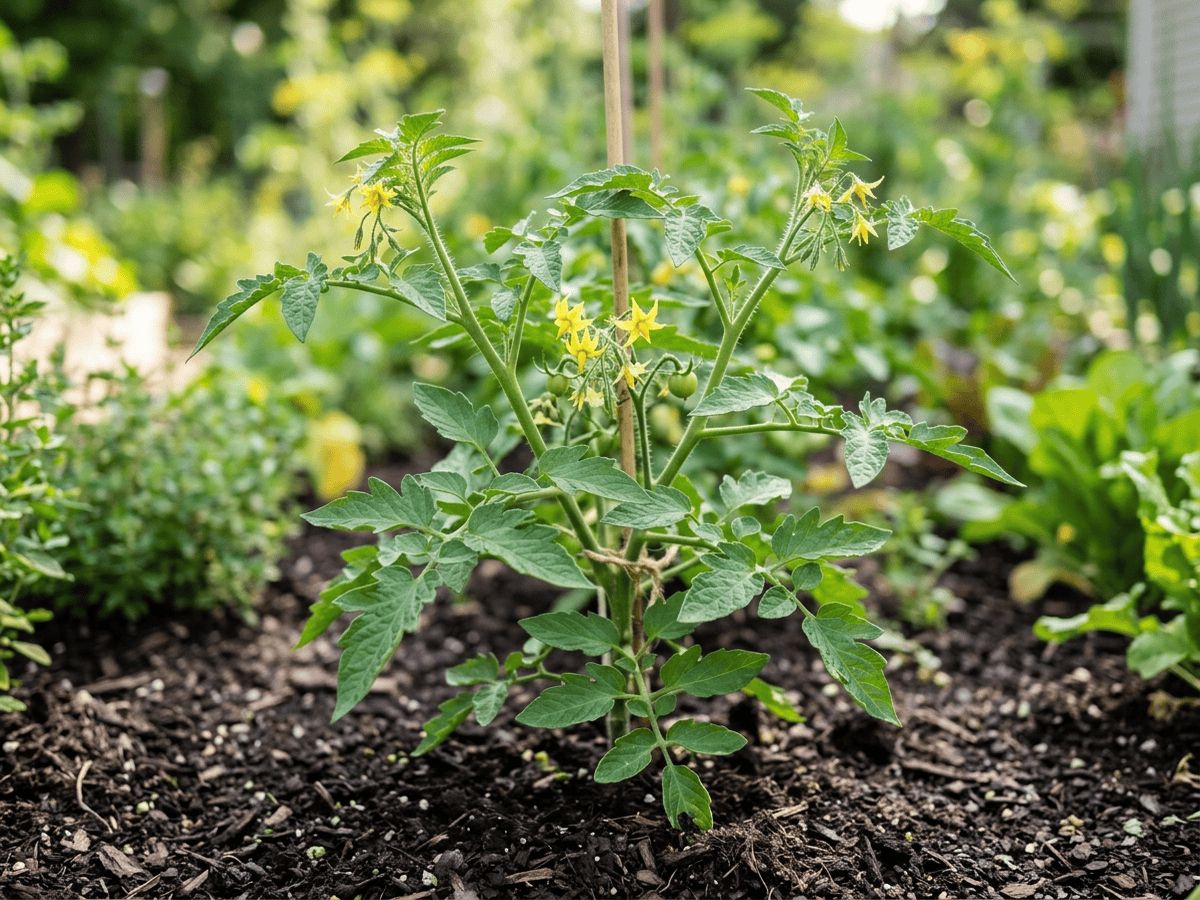 TomatoSolanum lycopersicum
Plants with similar care
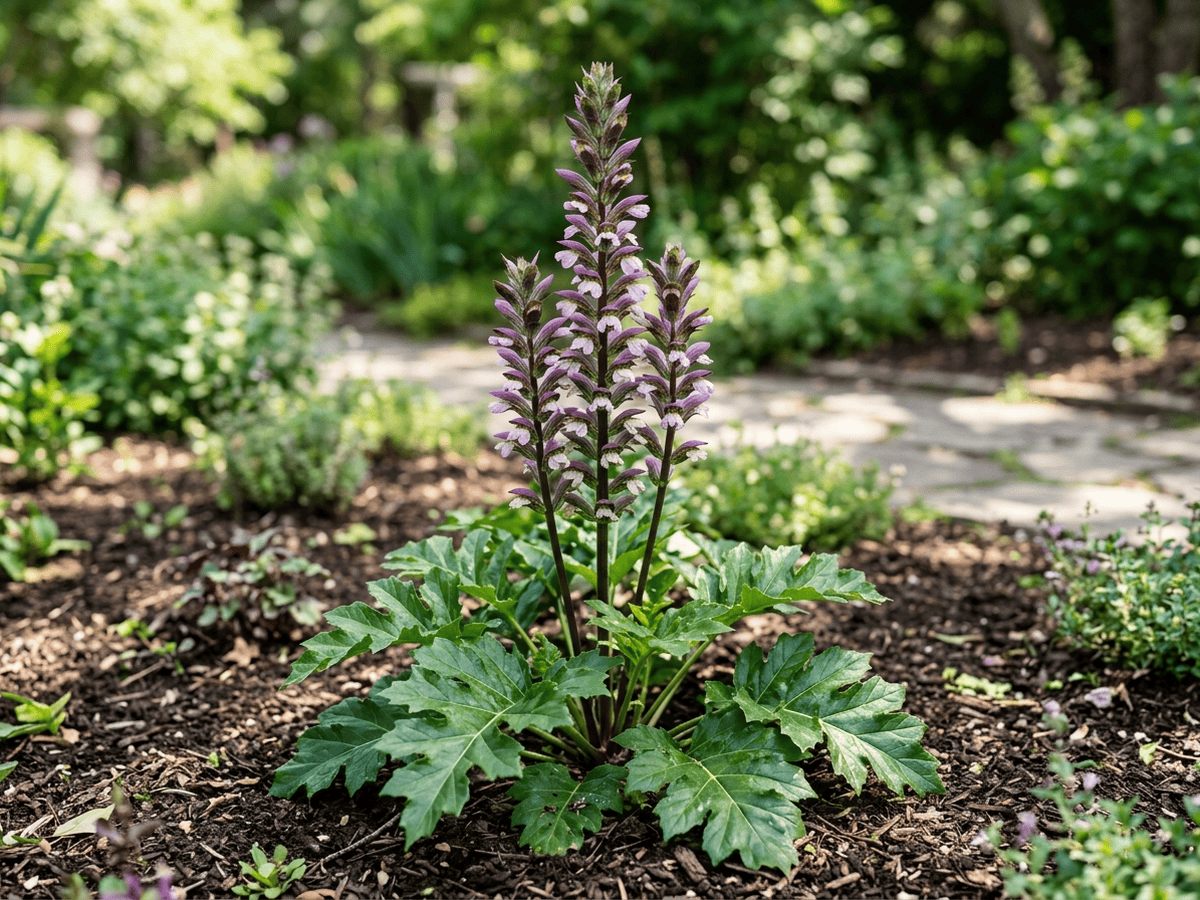 Bear's BreechesAcanthus mollis
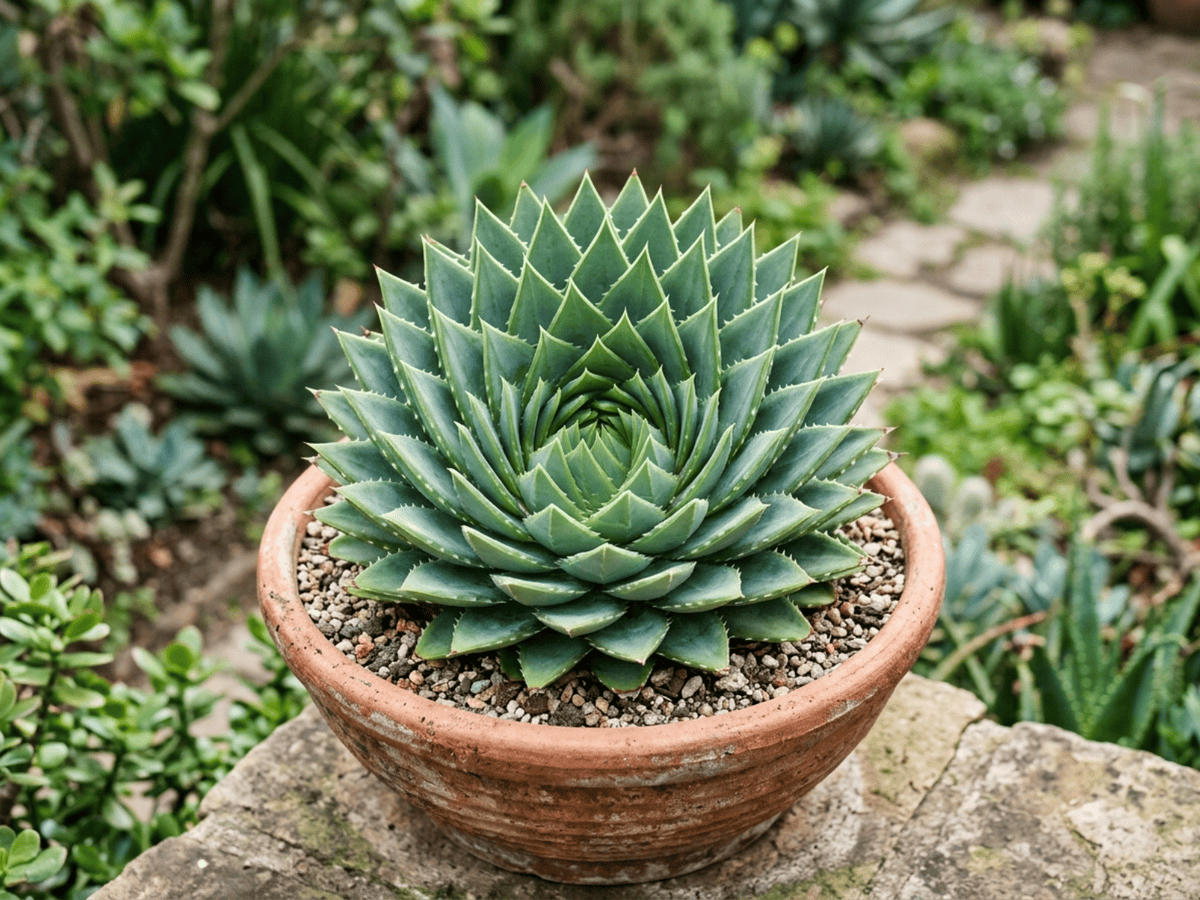 Spiral AloeAloe polyphylla
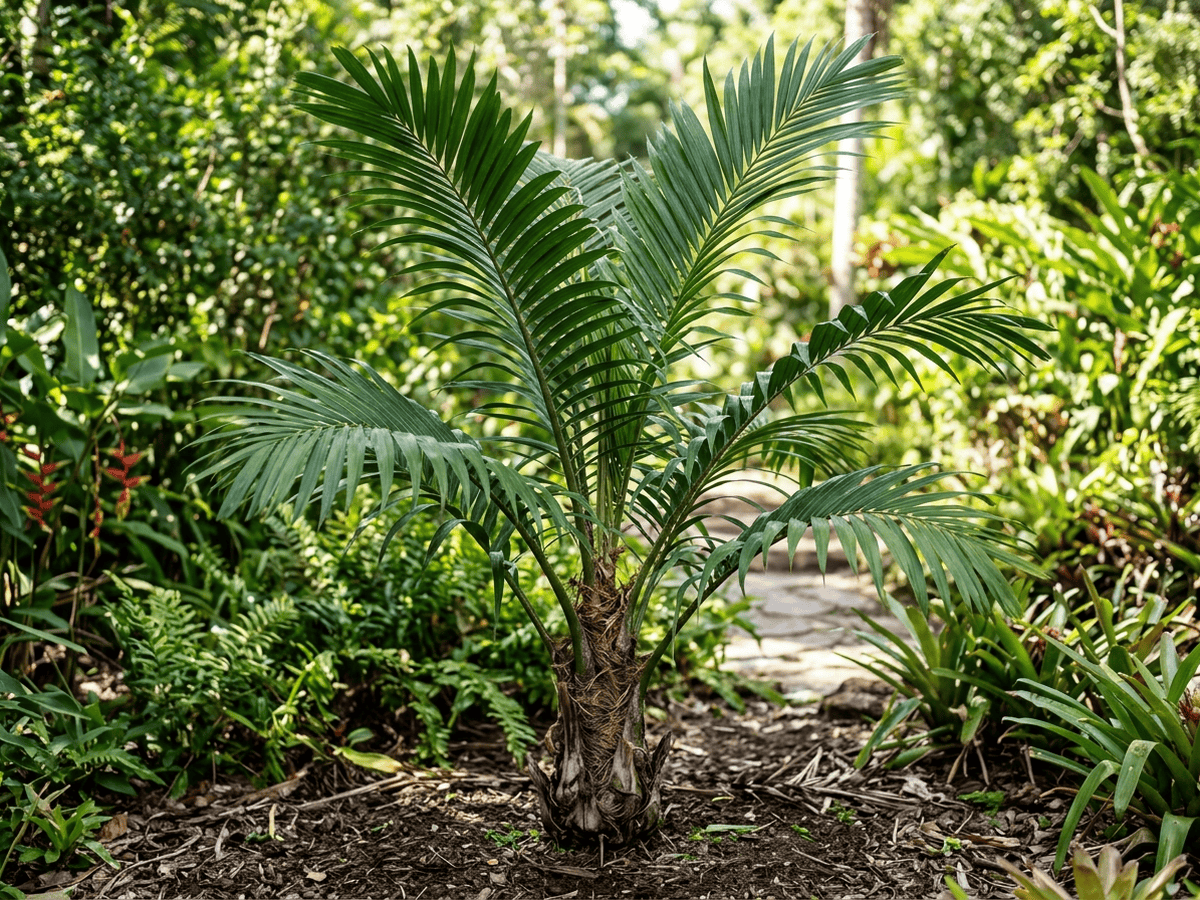 Formosa PalmArenga engleri
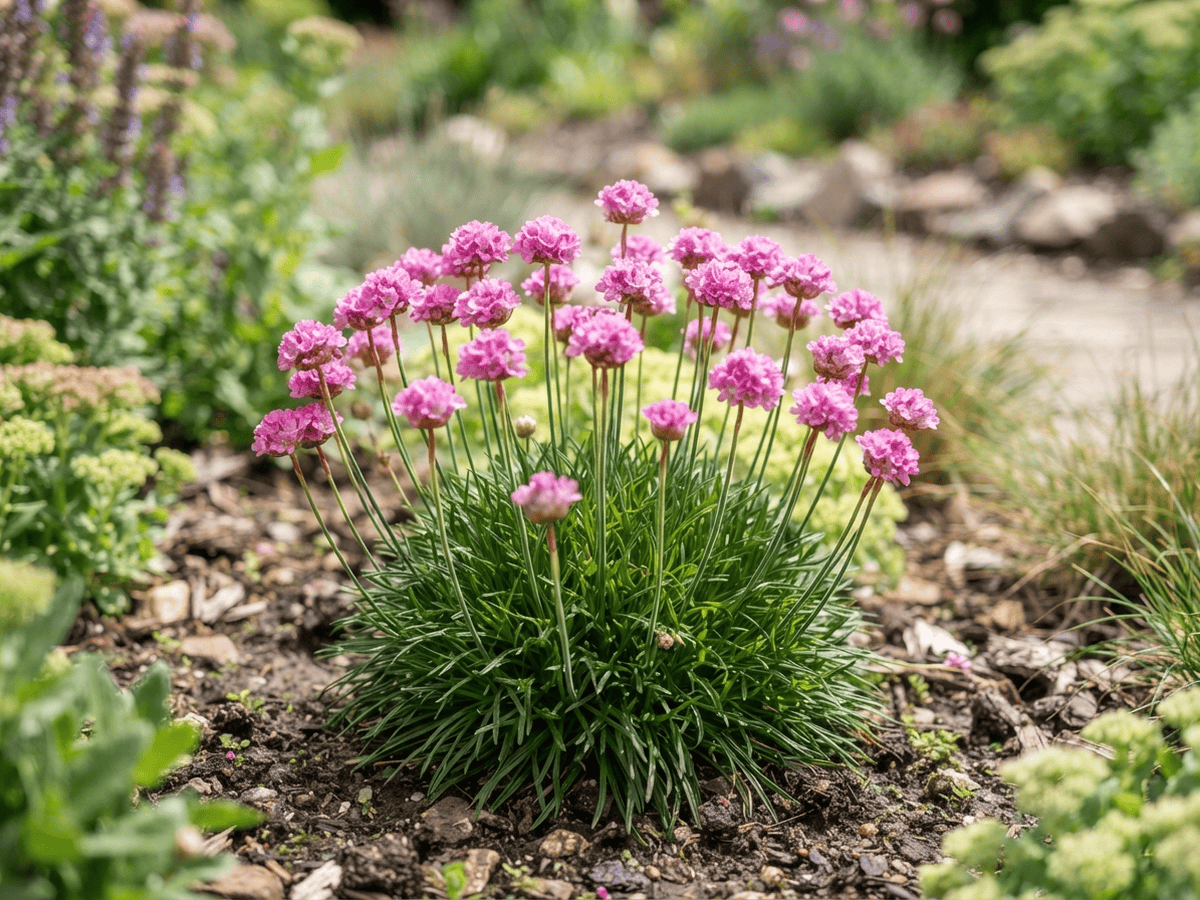 Sea ThriftArmeria maritima
Frequently asked questions
How often should I water Buenos Aires Nightshade?
Water about every 15 days during the growing season, and always let excess water drain away.
How much light does Buenos Aires Nightshade need?
Part shade: 2–4 hrs direct. Watch the leaves — scorching or stretching means the light needs adjusting.
Is Buenos Aires Nightshade toxic to cats or dogs?
Pets Moderate (Dogs Moderate · Cats Moderate) Educational information, not medical or veterinary advice. If exposure is suspected, contact a doctor or veterinarian.
Is Buenos Aires Nightshade easy to grow?
It is considered challenging and rewards experienced growers.
YardMate
Identify any plant in seconds
Snap a photo — YardMate names the plant, diagnoses problems, and reminds you when to water.
Download on the App Store