 YardMate

Tomato
Solanum lycopersicum
Medium · Some experienceAbout Tomato
Solanum lycopersicum, the tomato, is the world's most popular garden vegetable—technically a fruit—belonging to the Solanaceae family. Native to western South America, tomatoes were first domesticated in Mexico and now encompass thousands of cultivars ranging from tiny cherry types to massive beefsteaks, in colours from classic red through yellow, orange, green, purple, and near-black.
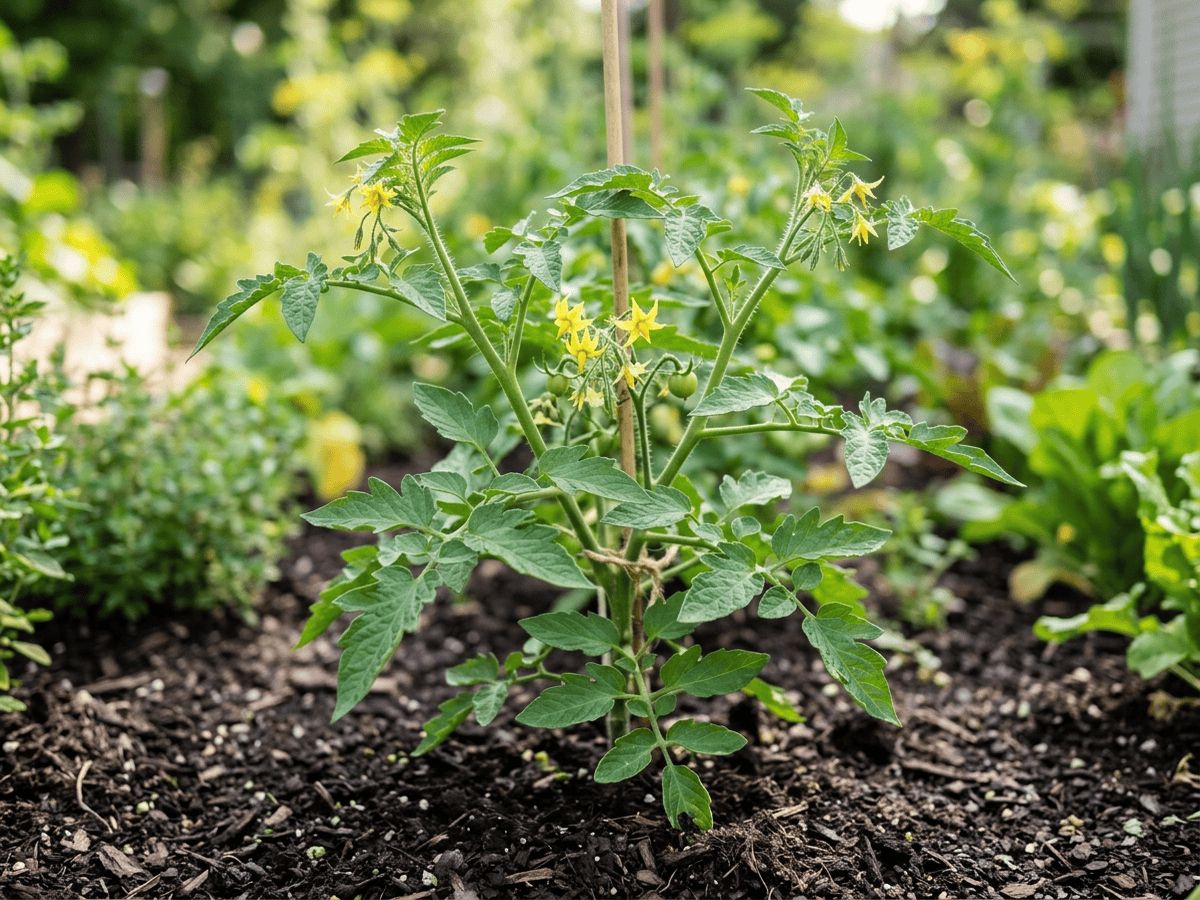
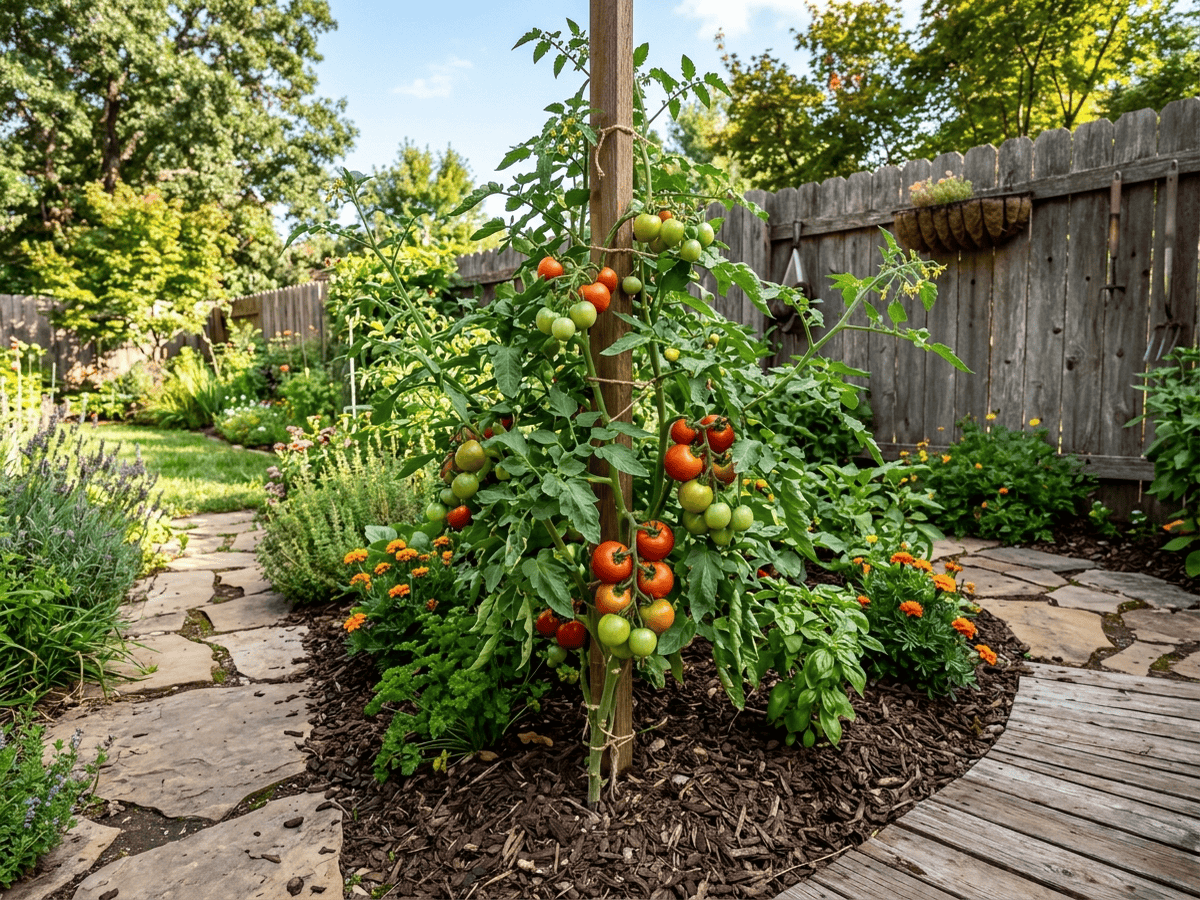
Tomatoes are warm-season annuals (perennial in frost-free zones) thriving in USDA zones 3–11 during summer. They demand full sun—at least 6–8 hours daily—rich, well-drained soil, and consistent moisture. Staking or caging indeterminate varieties prevents sprawl and disease. Determinate types are bushier and better suited to containers. Blossom-end rot, the most common frustration, results from calcium uptake problems caused by irregular watering.
The plant's journey from feared 'poison apple' to kitchen staple is one of food history's great reversals. European aristocrats grew tomatoes as ornamentals for over two centuries before eating them. Today tomatoes are the backbone of Mediterranean, Mexican, and countless global cuisines. Home-grown tomatoes, ripened on the vine, deliver flavour that commercial varieties—bred for shipping durability—simply cannot match. Growing your own remains one of the most rewarding acts a gardener can undertake.
- Edible
- Fast-growing
How to care for Tomato
Watering
- Springevery 2 days
- Summerevery 1 days
- Fallevery 3 days
- Winterevery 5 days
Soil · Rich & well-draining
- Top dressingCompost10%
- Main mixPotting soil + compost 3:180%
- DrainageGravel10%
Top up the compost layer each season.
FERTILIZER
Bloom Booster 10-52-10
A phosphorus-forward feed fuels abundant blooms, with just enough nitrogen and potassium to keep foliage and roots steady.
- Nitrogen · Leaves
- Phosphorus · Roots + Blooms
- Potassium · Strength
- Springevery 10 days
- Summerevery 10 days
- Fallevery 14 days
At a Glance
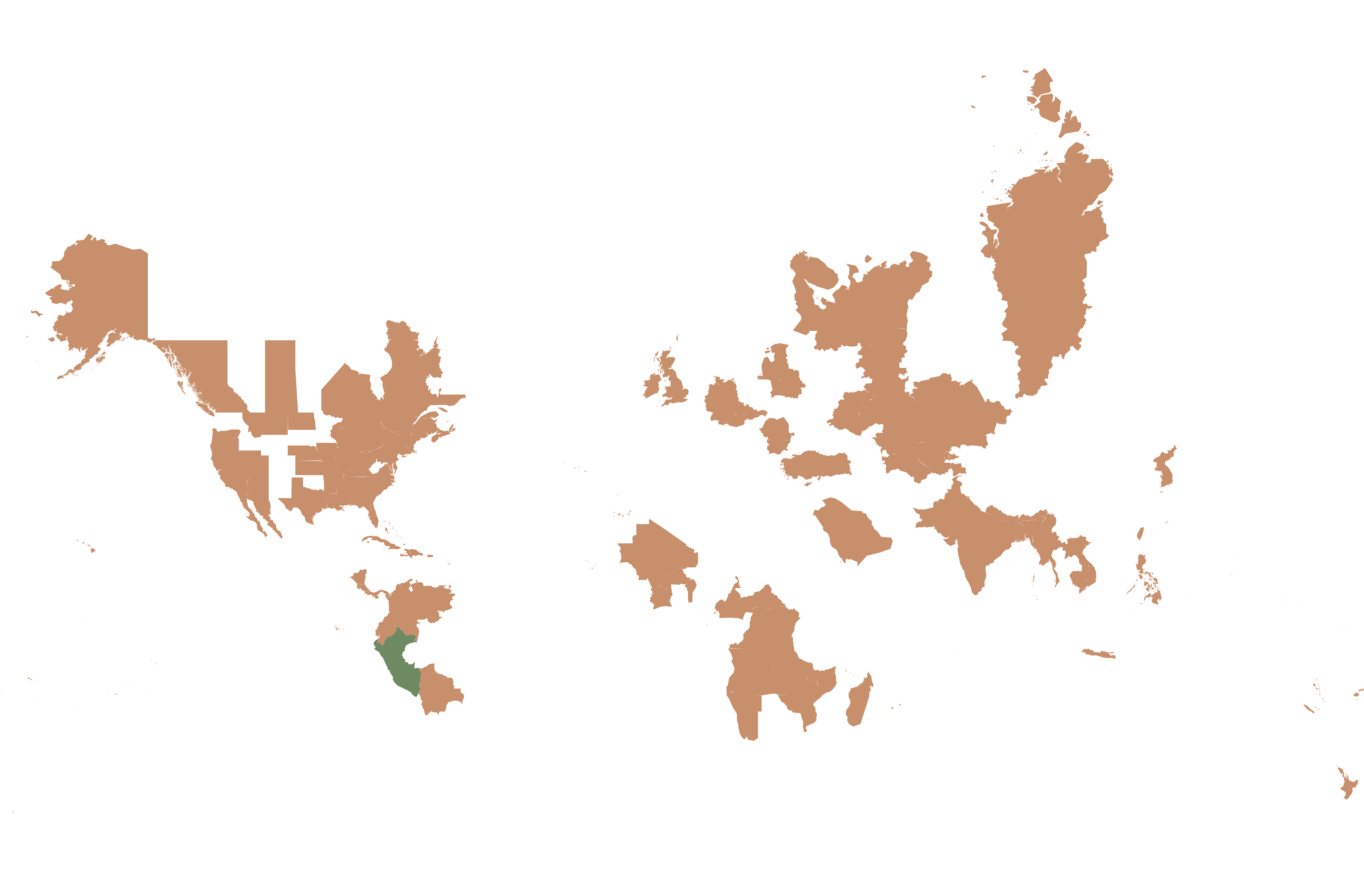
- NativeSouth America, North America
- Height3–6 ft (0.9–1.8 m)
- Spread2–4 ft (0.6–1.2 m)
- Flower colorYellow
- Foliage colorGreen
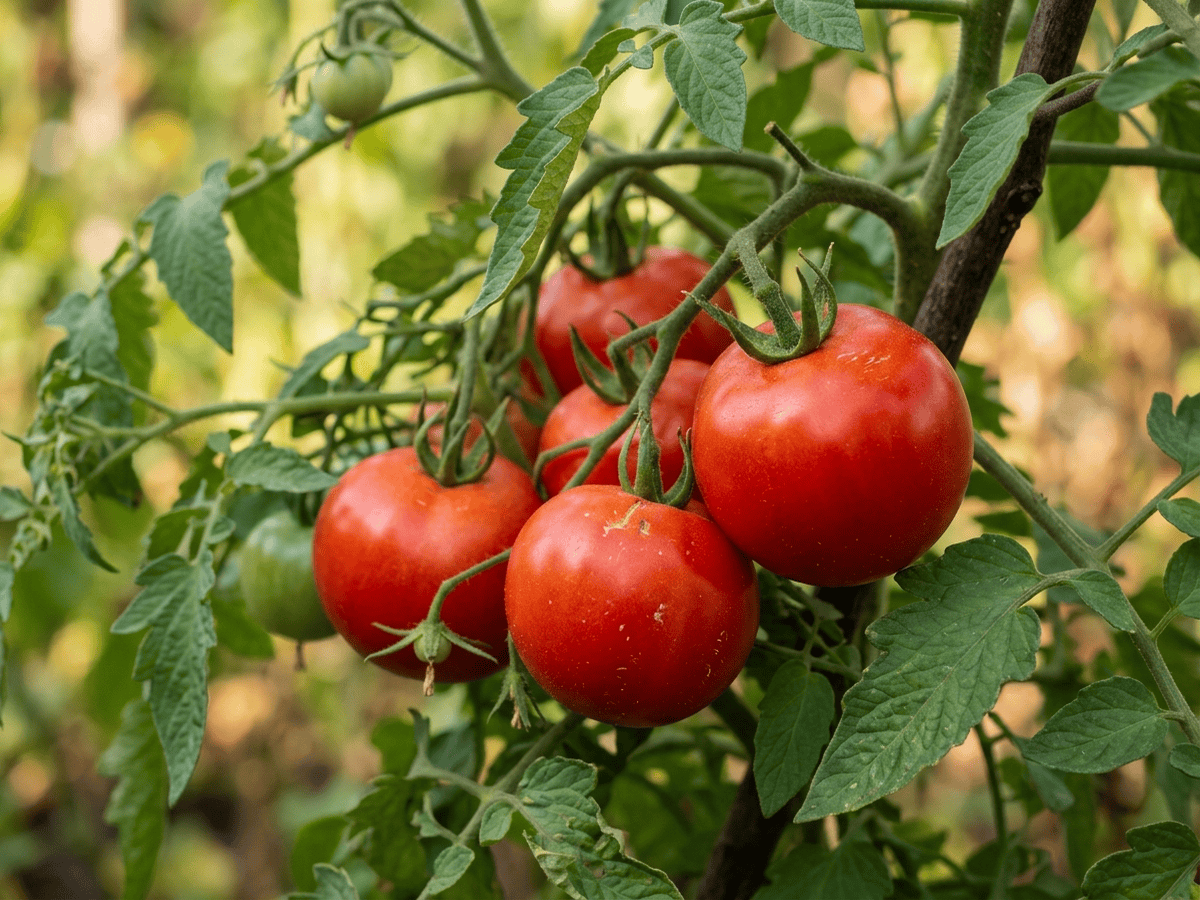
- Fruit colorRed, Yellow, Orange
- SoilLoamy, Well-drained, Rich
- LocationsYard · Balcony
Bloom time
BLOOM CYCLE
Peak bloom
Jun–Aug
Yellow flowers self-pollinate; gently shake plants or use a vibrating toothbrush to improve fruit set in still air.
Fragrance
MODERATE FRAGRANCE
Distinctive green herbal aroma from crushed foliage.
Toxicity
Humans Slight · Pets Moderate
tomatine and solanine
Slight
- Leaf
- Stem
- Unripe fruit
- Ingestion
EXPOSURE Eating leaves, stems, and unripe fruit.
EFFECT Ripe fruit safe and green fruit, leaves, and stems contain tomatine and solanine causing nausea, diarrhea.
NOTE Documented concern for humans: Ripe fruit safe and green fruit, leaves, and stems contain tomatine and solanine causing nausea, diarrhea.
Moderate
- Leaf
- Stem
- Unripe fruit
- Ingestion
EXPOSURE Eating leaves, stems, and unripe fruit.
EFFECT Weakness, confusion, dilated pupils, bradycardia (per ASPCA).
NOTE ASPCA lists Solanum lycopersicum as toxic to pets (foliage and green fruit).
Moderate
- Leaf
- Stem
- Unripe fruit
- Ingestion
EXPOSURE Eating leaves, stems, and unripe fruit.
EFFECT Weakness, confusion, dilated pupils, bradycardia.
NOTE ASPCA lists Solanum lycopersicum as toxic to pets (foliage and green fruit).
Educational information, not medical or veterinary advice. If exposure is suspected, contact a doctor or veterinarian.
DISTRIBUTION

- Native
- Introduced
- South America
- North America
History
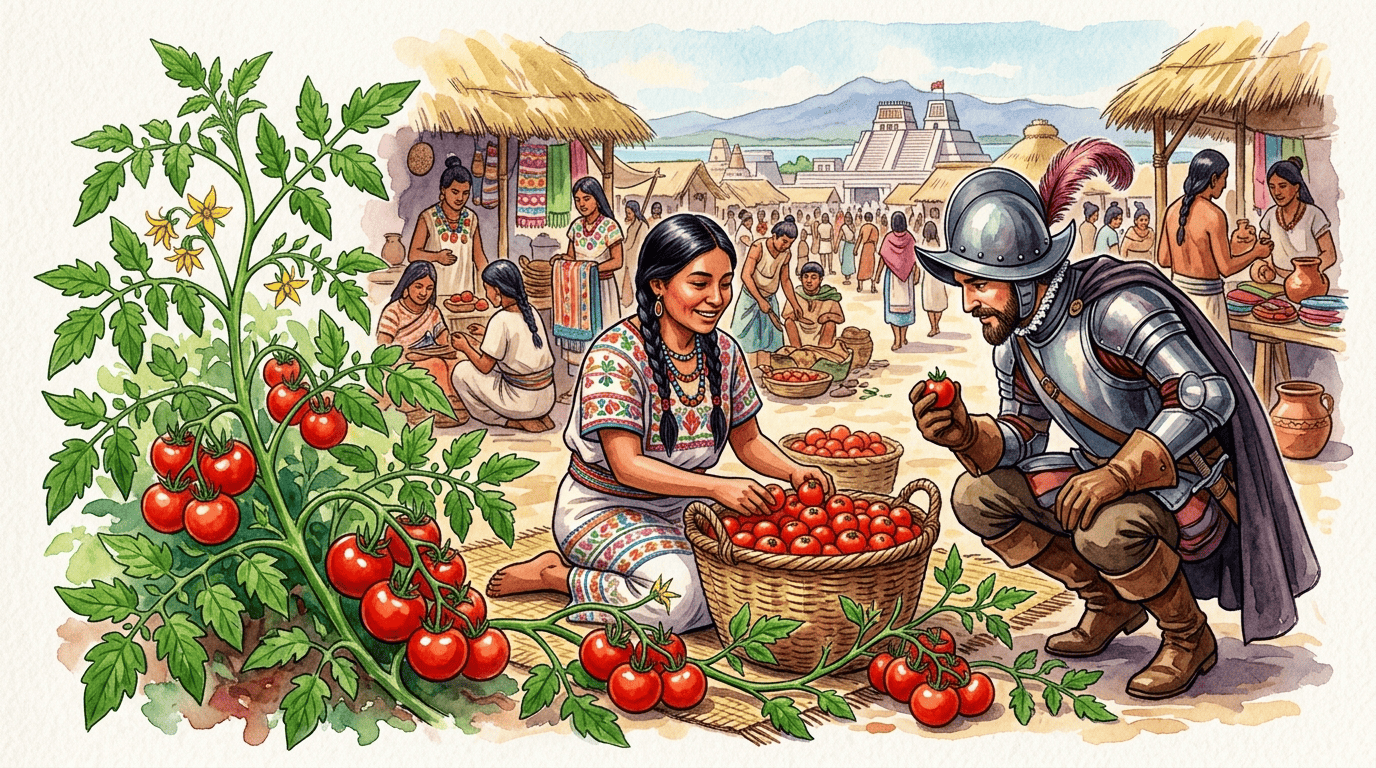
Solanum lycopersicum has a two-stage domestication: wild ancestors (S. pimpinellifolium) originate in western South America from Ecuador to northern Chile; domestication occurred in pre-Columbian Mexico. Spanish conquistadors encountered tomatoes in Aztec markets and sent them to Europe in the 1540s. Initial European reception was ambivalent — botanists recognized the plant as Solanaceae (nightshade family), and the fruit was widely suspected of being poisonous, particularly when served on pewter plates where the acid leached toxic lead.
The "poison apple" reputation persisted into the 18th century in northern Europe and North America. Adoption for cuisine came first and fastest in southern Italy, particularly Naples, where tomato-based pasta sauce and pizza (first recorded in the late 18th century) transformed Mediterranean eating. The 19th-century refinement of large-scale canning technology — notably by French chef Nicolas Appert and Italian canneries — made tomato products globally available.
Modern production exceeds 180 million tonnes annually; China is the largest producer. Domesticated in Mexico before European contact, tomatoes reached Europe in the 1500s but were feared as poisonous nightshades for centuries. Colonel Robert Gibbon Johnson's alleged public tomato-eating on the Salem courthouse steps in 1820 is a popular (if debated) turning point.
Symbolism & meaning
What It Symbolizes
Tomato is a story of reputation transformed. Once viewed with suspicion in Europe because of its nightshade relatives, it became the red heart of sauces, salads, sandwiches, and summer gardens. Its symbolism is trust earned over time: the feared fruit that became comfort food.
- Abundance — A single tomato plant can yield dozens of fruits, symbolizing generous plenty
- Transformation — From feared poison to beloved food, the tomato represents acceptance and change
Where the Name Comes From
Solanum from Latin 'solamen' (comfort/soothing); 'lycopersicum' from Greek 'lykos' (wolf) + 'persikon' (peach) — 'wolf peach,' reflecting early European suspicion of the fruit.
Uses & Fun Facts
- Sweet-tart fruit eaten fresh, sauced, canned, and dried worldwide
- Compact patio cultivars productive in deep sunny pots
- Yellow flowers buzz-pollinated by bumblebees for fruit set
Related plants
More Solanum plants
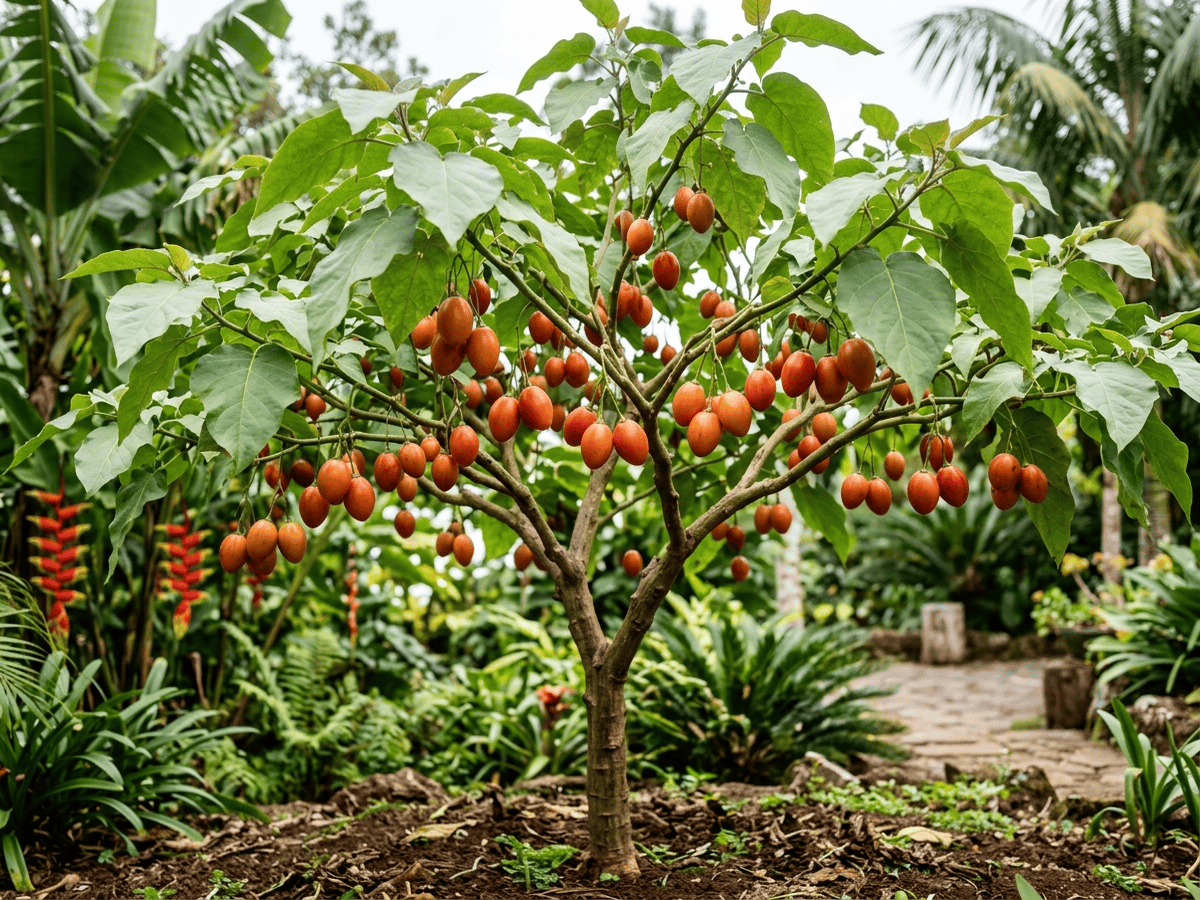 TamarilloSolanum betaceum
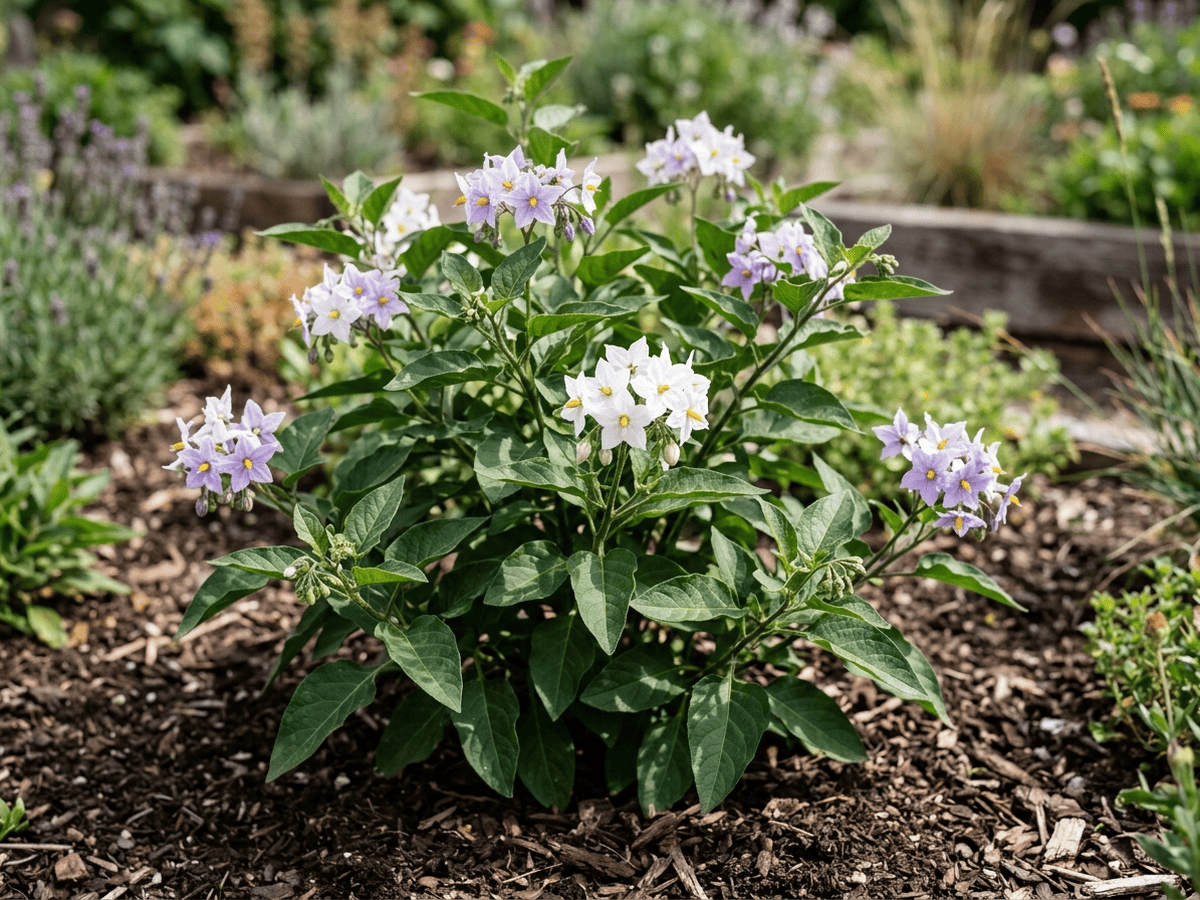 Buenos Aires NightshadeSolanum bonariense
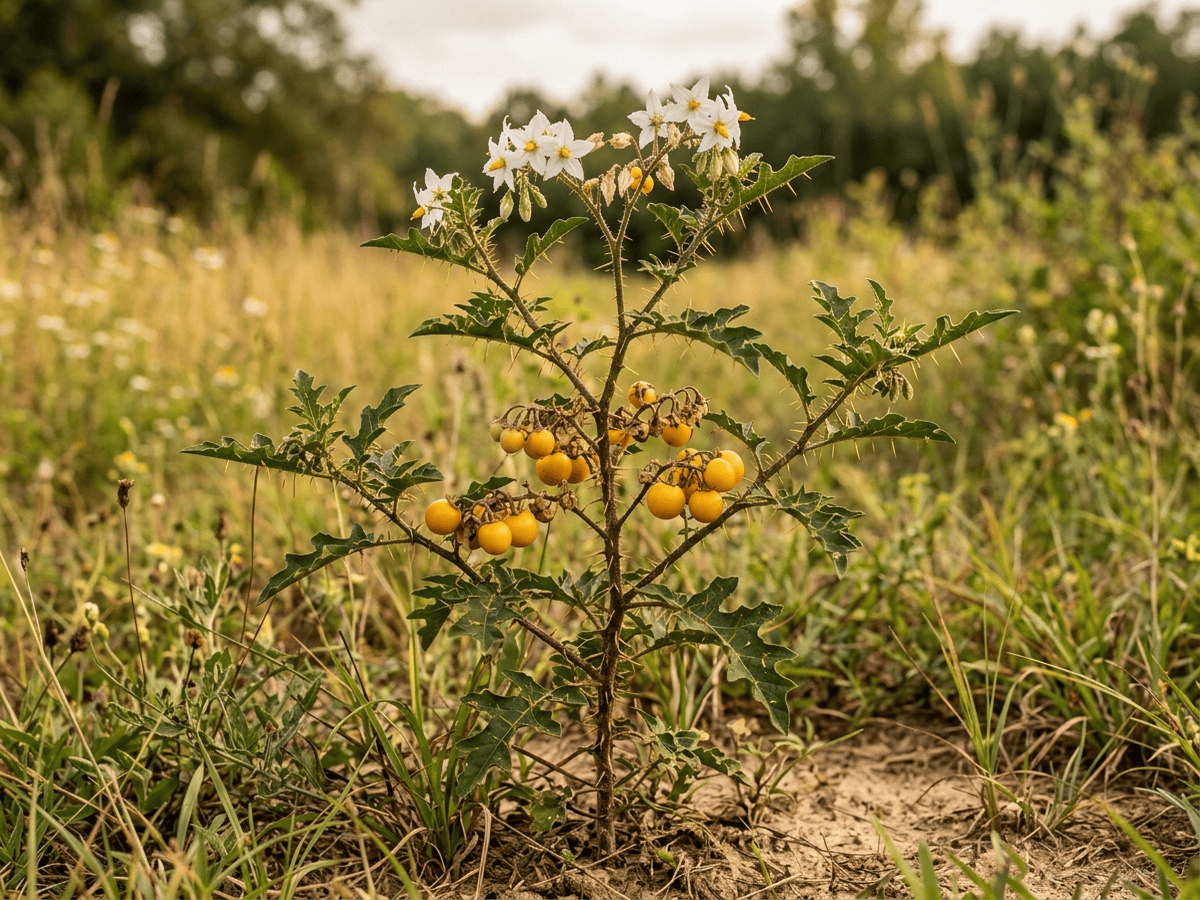 Carolina HorsenettleSolanum carolinense
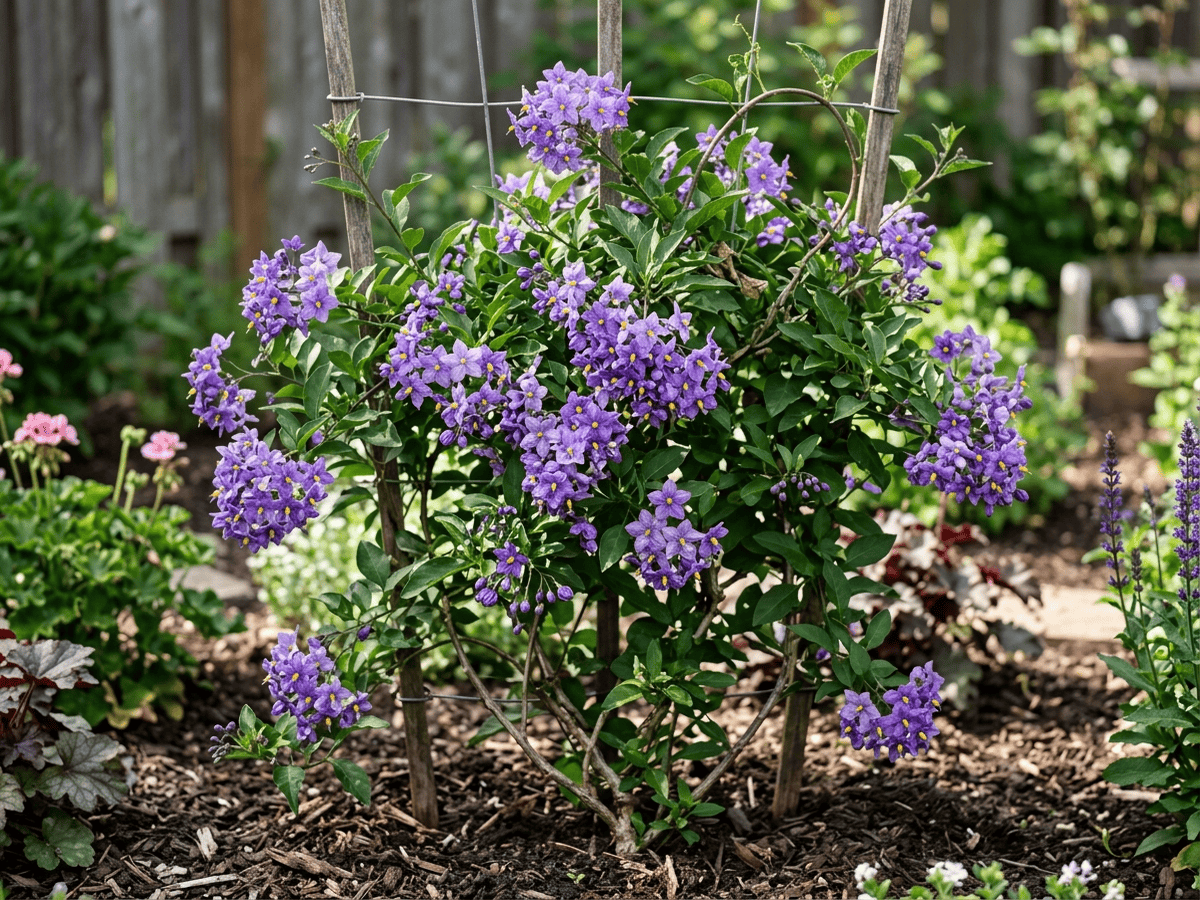 Chilean Potato VineSolanum crispum
Plants with similar care
 Mexican AbeliaAbelia floribunda
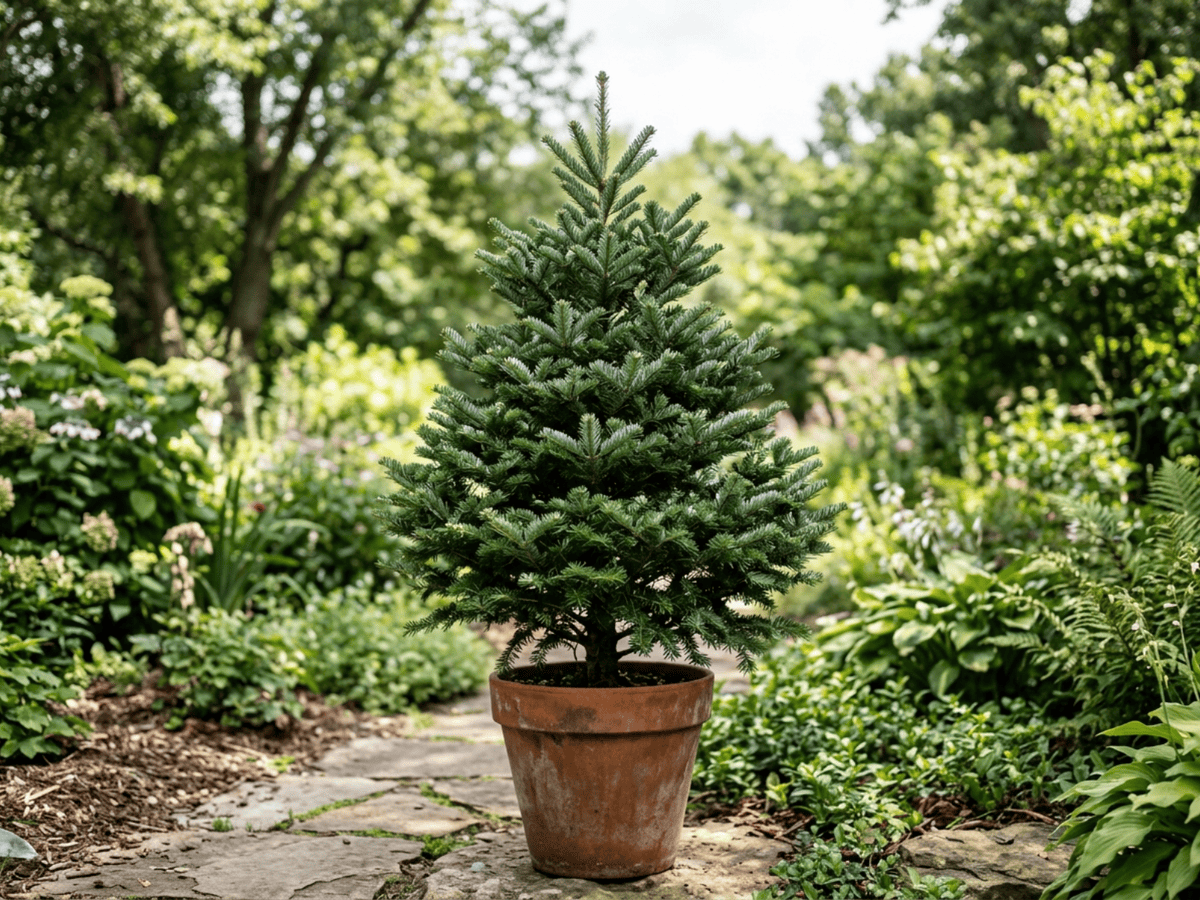 Fraser FirAbies fraseri
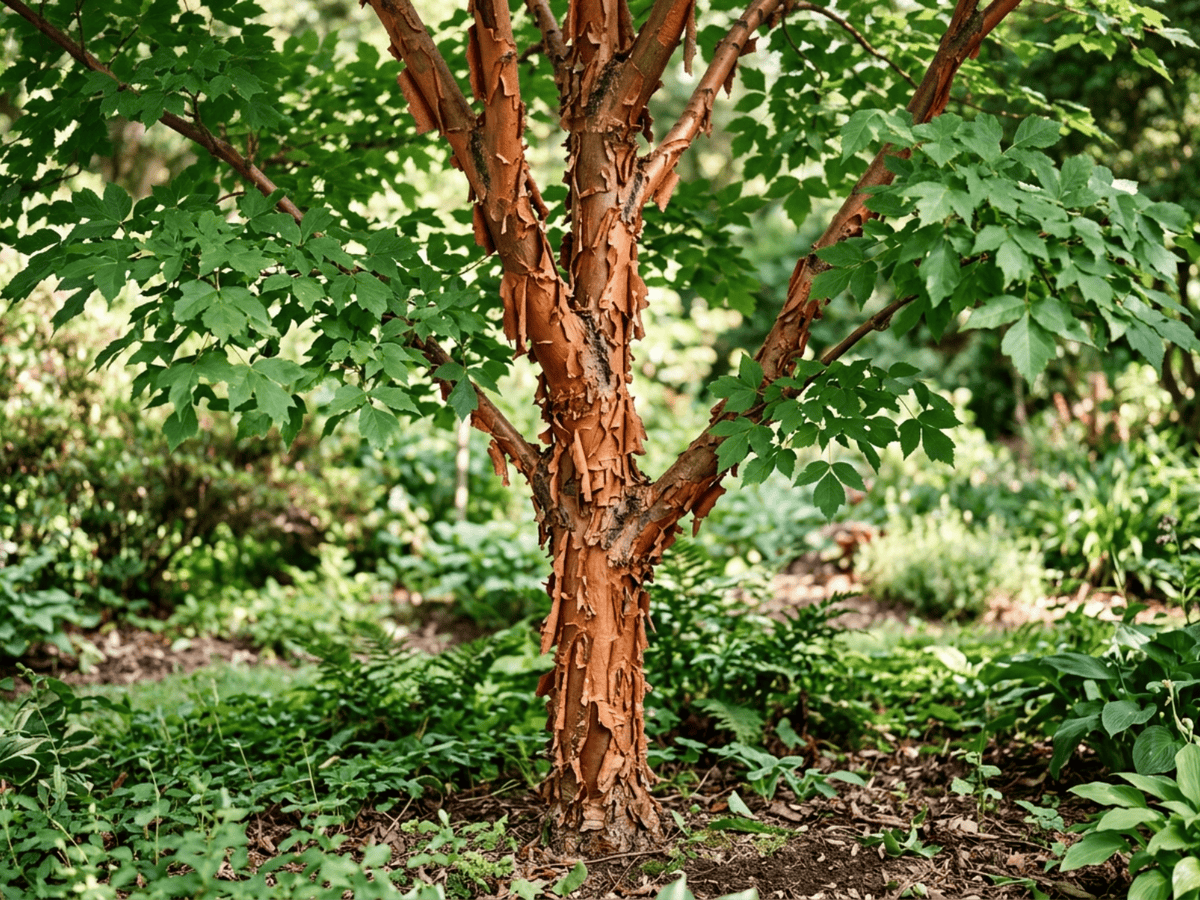 Paperbark MapleAcer griseum
 Sugar MapleAcer saccharum
Frequently asked questions
How often should I water Tomato?
In summer, water about every 1 days; in winter, about every 5 days. Adjust for heat, pot size and drainage.
How much light does Tomato need?
Full sun: 6+ hrs direct. Watch the leaves — scorching or stretching means the light needs adjusting.
Is Tomato toxic to cats or dogs?
Pets Moderate (Dogs Moderate · Cats Moderate) Educational information, not medical or veterinary advice. If exposure is suspected, contact a doctor or veterinarian.
Is Tomato easy to grow?
It is moderately demanding: a good choice once you have a little experience.
When does Tomato bloom?
It typically blooms Jun–Aug in the Northern Hemisphere.
YardMate
Identify any plant in seconds
Snap a photo — YardMate names the plant, diagnoses problems, and reminds you when to water.
Download on the App Store