 YardMate


Carolina Horsenettle
Solanum carolinense
Easy · Beginner friendlyAbout Carolina Horsenettle
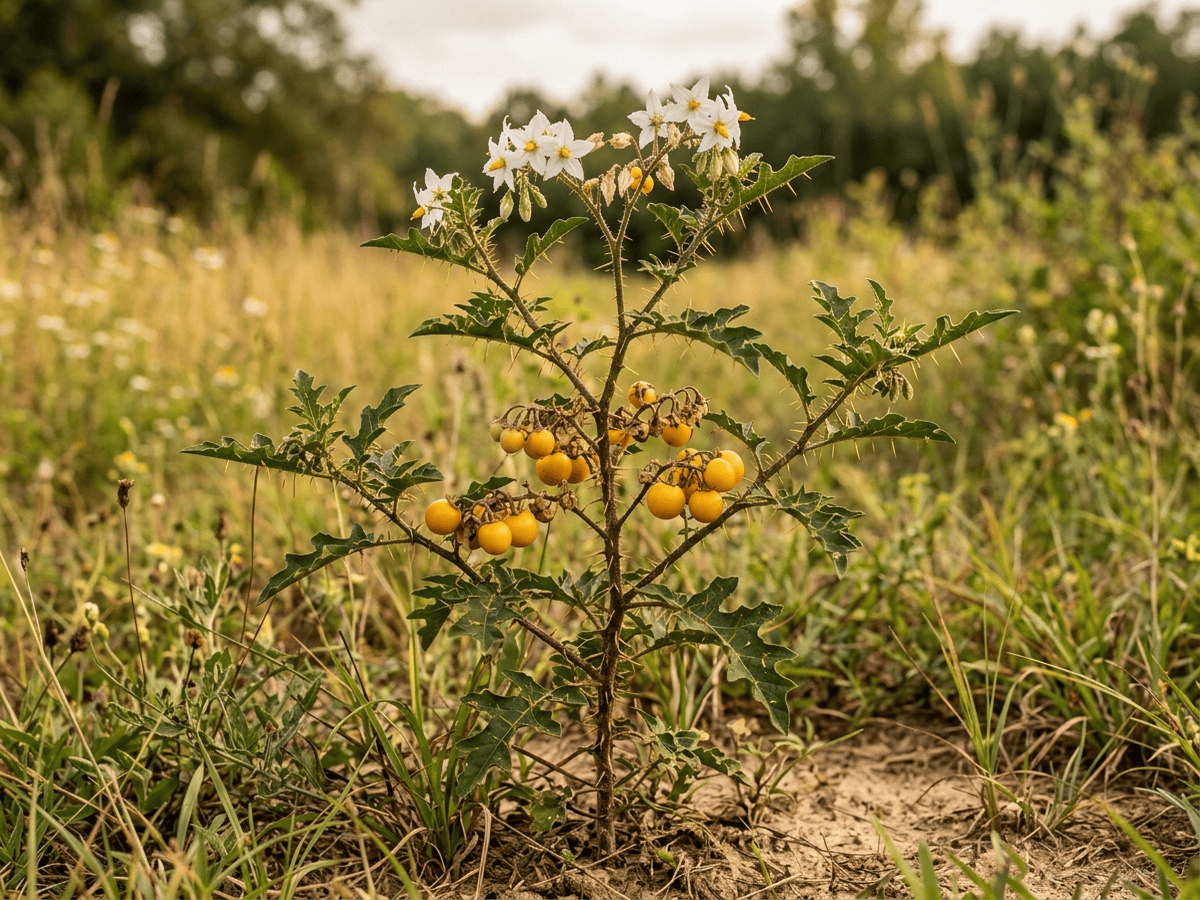
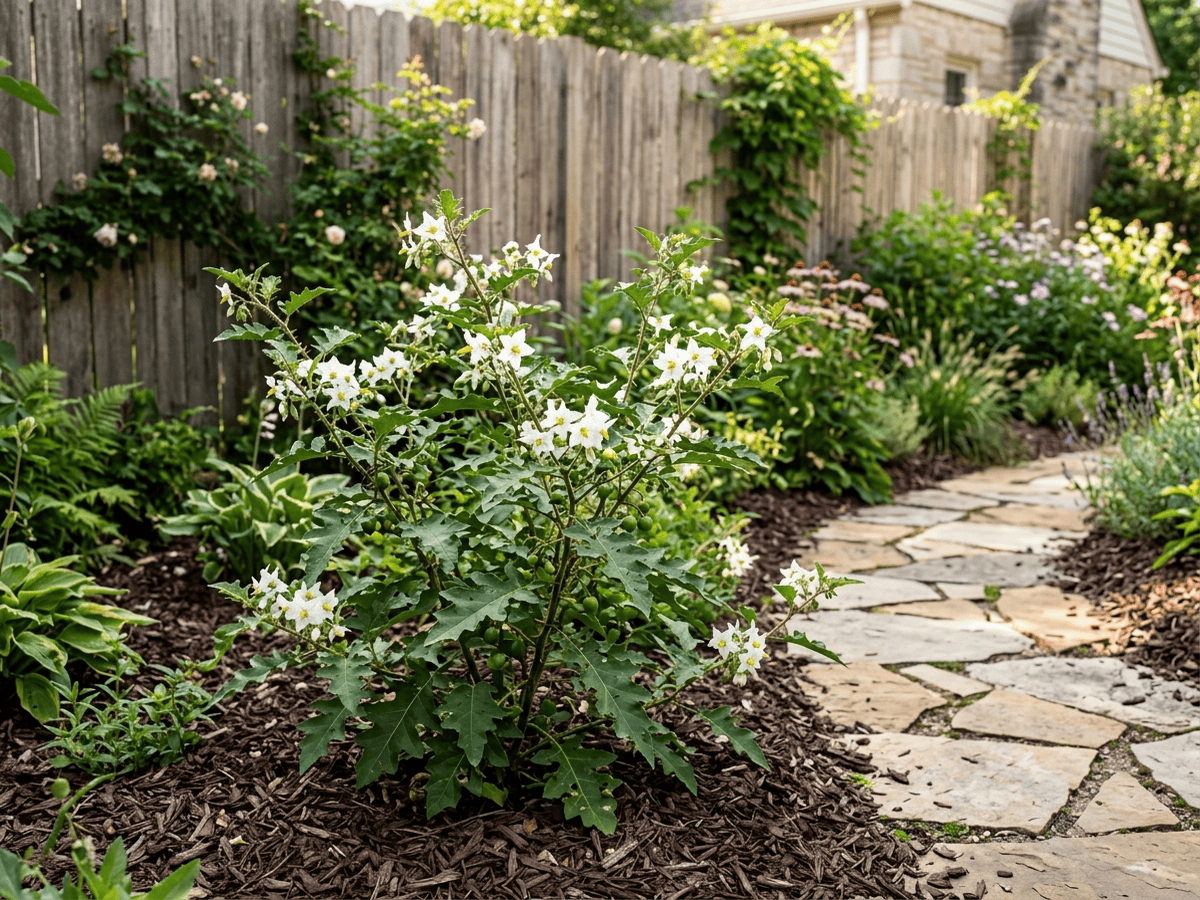
Horsenettle is a US-native perennial weed of the eastern and central states, distinguished by sharp prickles on stems and leaves, deep rhizomatous roots, and yellow cherry-like toxic berries. Growing 1 to 3 feet tall with lobed leaves, it produces white to purplish star-shaped flowers followed by round yellow berries containing deadly solanine alkaloids. A noxious agricultural pest in American pastures, hayfields, and row crops.
- Drought-tolerant
- Heat-tolerant
- Native
How to care for Carolina Horsenettle
Watering
- Springevery 10 days
- Summerevery 7 days
- Fallevery 14 days
- Winterevery 21 days
Soil · Well-draining
- Top dressingPine bark mulch10%
- Main mixPotting soil + perlite 2:170%
- DrainageLECA / gravel20%
Never skip the drainage layer — standing water is the top cause of root rot.
FERTILIZER
This plant needs little to no feeding.
At a Glance
- NativeNorth America
- Height1–3 ft (0.3–0.9 m)
- Spread1–2 ft (0.3–0.6 m)
- Flower colorWhite, Purple
- Foliage colorGreen
- Fruit colorYellow
- SoilSandy, Well-drained
- LocationsYard
Bloom time
BLOOM CYCLE
Peak bloom
Jun–Nov
White-purple star flowers summer, yellow berries in fall
Toxicity
Humans Toxic · Pets Toxic
solanine and solamargine
Toxic
- Fruit
- Leaf
- Stem
- Ingestion
- Contact
EXPOSURE Eating fruit, leaves, and stems. Touching fruit, leaves, and stems.
EFFECT Severe GI distress, neurological effects, cardiac arrhythmia, and potentially fatal in children.
NOTE Documented concern for humans: Severe GI distress, neurological effects, cardiac arrhythmia, and potentially fatal in children.
Toxic
- Fruit
- Leaf
- Ingestion
EXPOSURE Eating fruit and leaves.
EFFECT Vomiting, diarrhea, weakness, and dilated pupils.
NOTE ASPCA lists Solanum as toxic to pets. Yellow berries have caused fatal child poisonings. Spines cause mechanical injury.
Toxic
- Fruit
- Leaf
- Ingestion
EXPOSURE Eating fruit and leaves.
EFFECT Vomiting, diarrhea, weakness, and dilated pupils.
NOTE ASPCA lists Solanum as toxic to pets. Yellow berries have caused fatal child poisonings. Spines cause mechanical injury.
Educational information, not medical or veterinary advice. If exposure is suspected, contact a doctor or veterinarian.
DISTRIBUTION


- Native
- Introduced
- North America
History
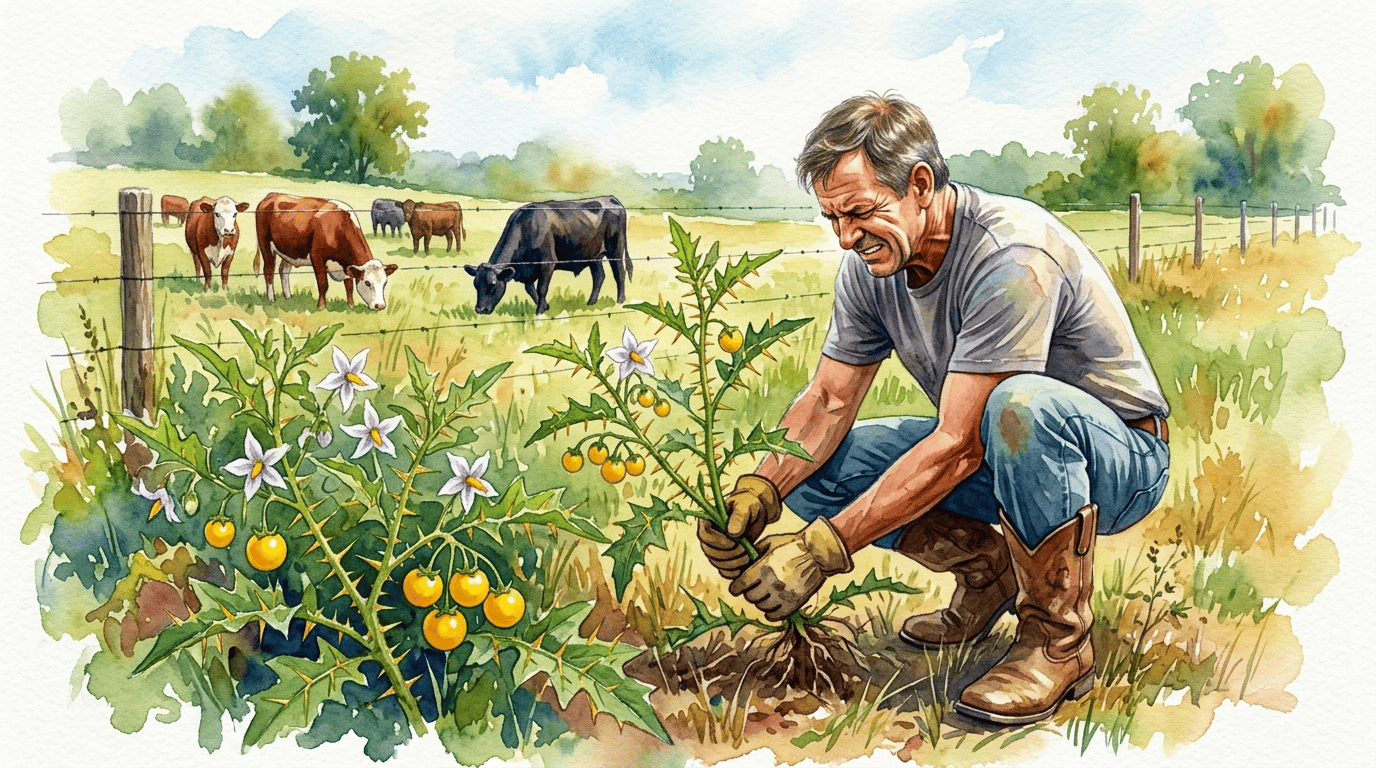
Solanum carolinense is native to the southeastern United States but now spread across much of North America and introduced to parts of Europe and Australia. Linnaeus described it in Species Plantarum (1753). It is a deep-rooted perennial with extensive rhizomes making it extremely difficult to eradicate; sharp yellow spines cover its stems and leaf midribs, injuring farm workers and livestock.
The yellow cherry-tomato-like fruits contain high levels of solanine and solamargine glycoalkaloids and have killed children who mistook them for edible fruit. Cherokee used root decoctions topically for eczema and internally as a mild antispasmodic — uses now considered too dangerous. It is one of the 10 worst US weeds of pasture, corn, soybean, and tobacco fields.
Unlike most solanums it transmits a complex of viral plant diseases to cultivated tomatoes and potatoes as an alternate host. Native to the southeastern US, Horsenettle has spread aggressively across the country as pastures and disturbed ground expanded. Listed as noxious in many states due to devastating impacts on cattle and horse grazing and extreme difficulty of eradication due to deep rhizomes that resprout from root fragments.
Symbolism & meaning
What It Symbolizes
Carolina Horsenettle looks like a small wild eggplant, with prickled stems, pale violet flowers, and yellow berries that seem brighter than they should be. Its beauty comes with a clear warning, so its symbolism is wary elegance: a nightshade that teaches recognition before admiration.
- Deceptive beauty — attractive yellow berries hide deadly alkaloids
- Thorn and poison — prickles plus toxic berries, double threat
Where the Name Comes From
'carolinense' refers to the Carolinas where the species was first described.
Related plants
More Solanum plants
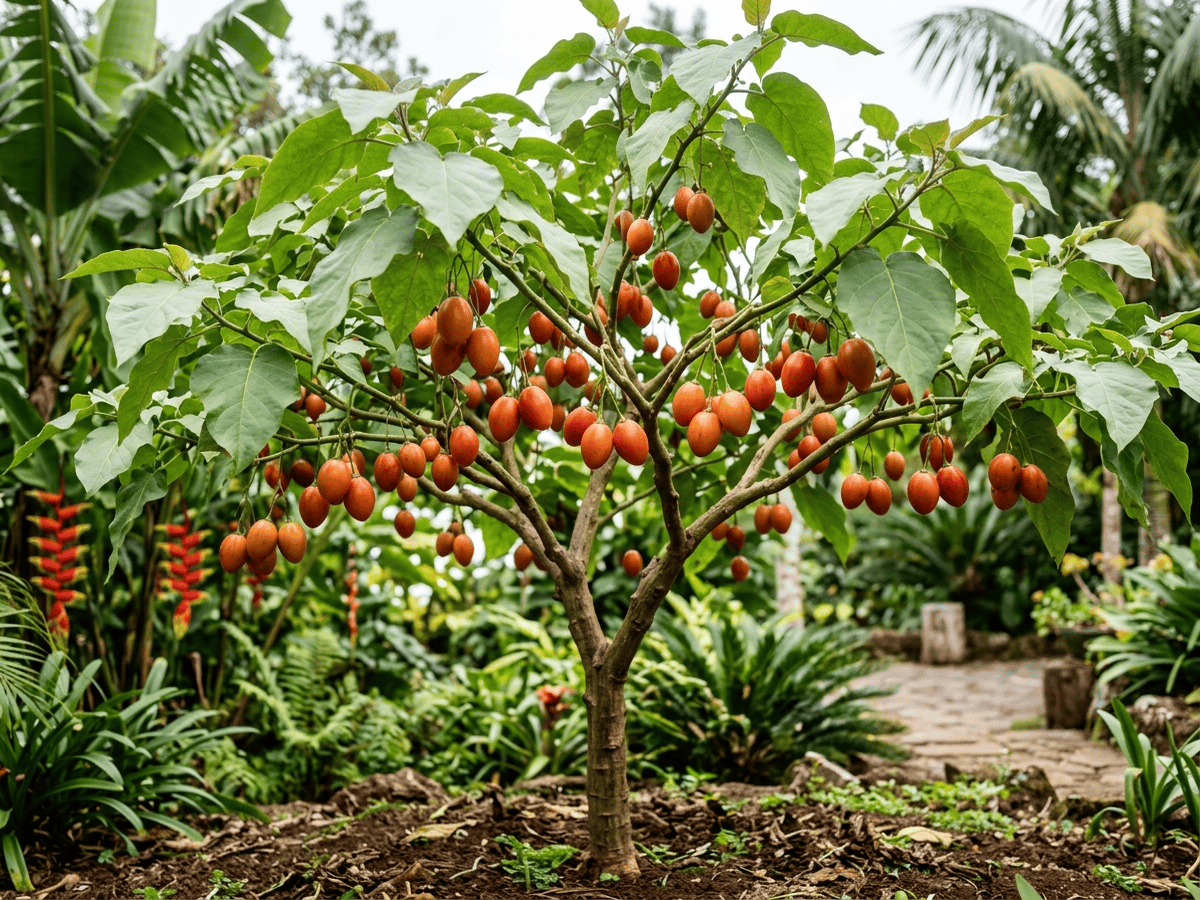 TamarilloSolanum betaceum
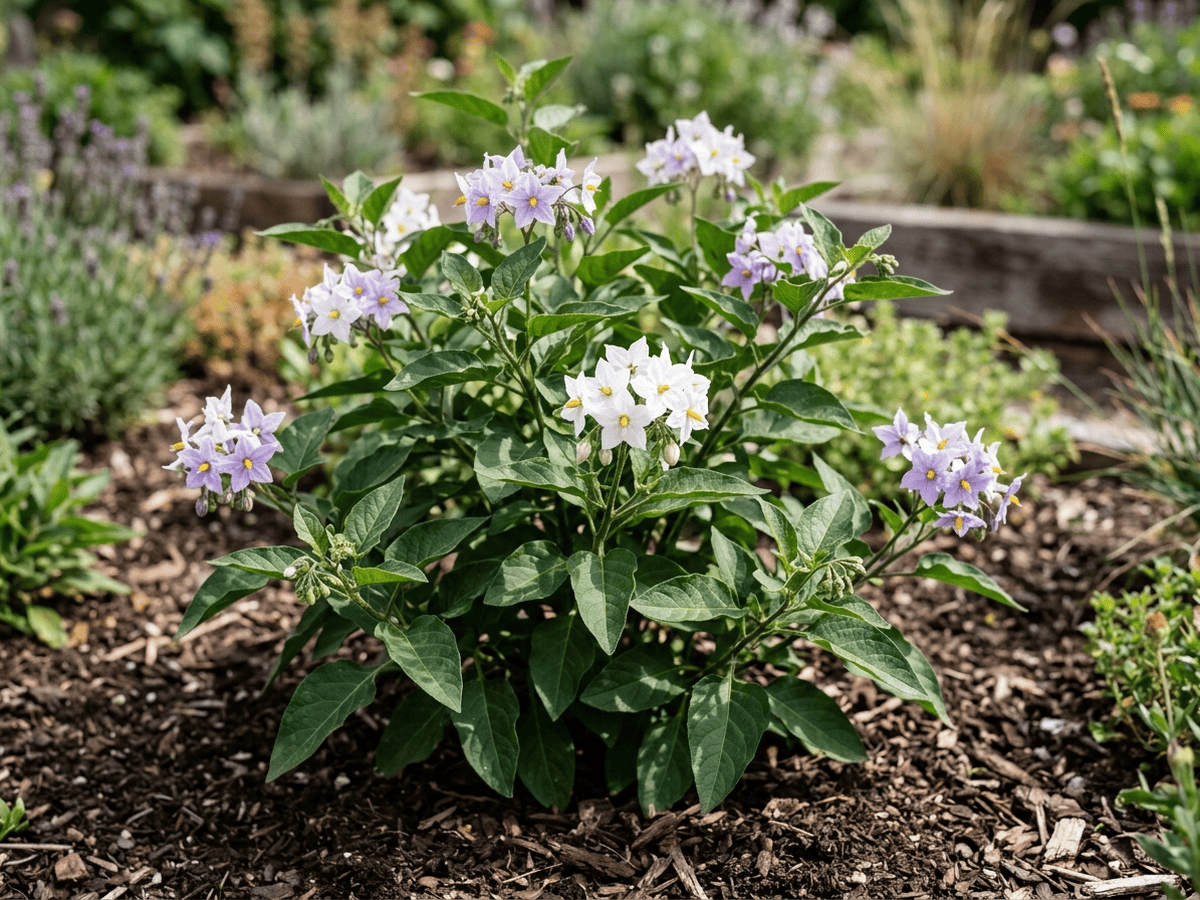 Buenos Aires NightshadeSolanum bonariense
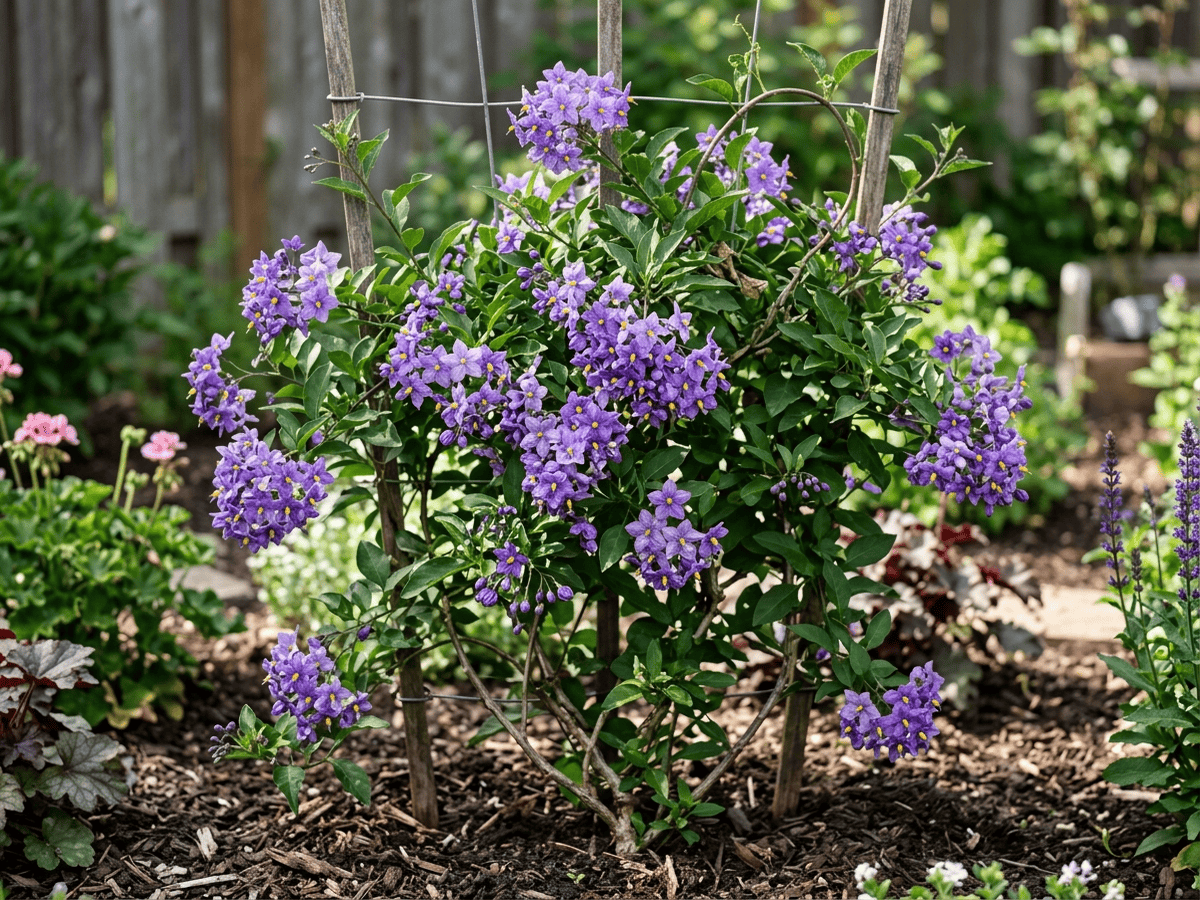 Chilean Potato VineSolanum crispum
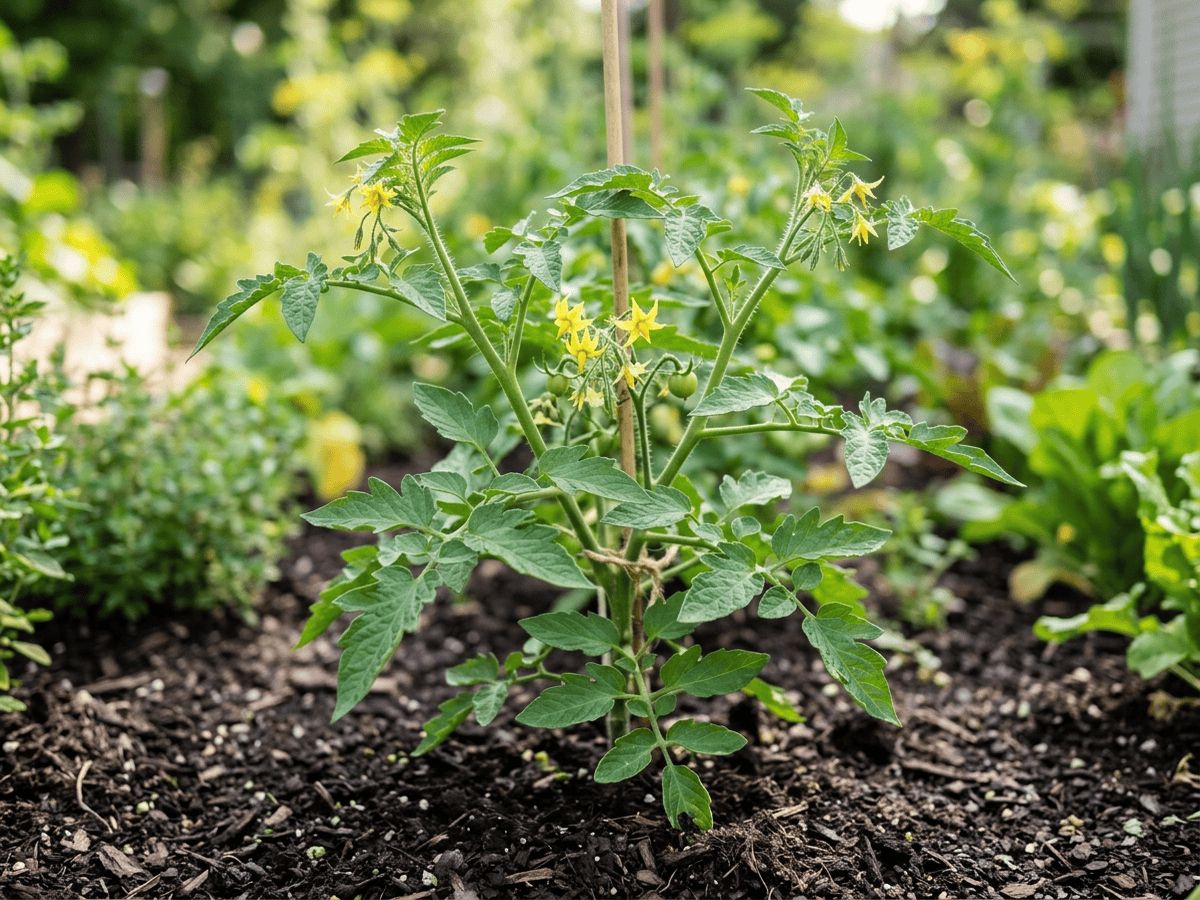 TomatoSolanum lycopersicum
Plants with similar care
 Chinese AbeliaAbelia chinensis
 Fragrant AbeliaAbelia mosanensis
 Large-Flowered AbeliaAbelia uniflora
 Glossy AbeliaAbelia x grandiflora
Frequently asked questions
How often should I water Carolina Horsenettle?
In summer, water about every 7 days; in winter, about every 21 days. Adjust for heat, pot size and drainage.
How much light does Carolina Horsenettle need?
Full sun: 6+ hrs direct. Watch the leaves — scorching or stretching means the light needs adjusting.
Is Carolina Horsenettle toxic to cats or dogs?
Pets Toxic (Dogs Toxic · Cats Toxic) Educational information, not medical or veterinary advice. If exposure is suspected, contact a doctor or veterinarian.
Is Carolina Horsenettle easy to grow?
Yes — it is considered an easy, beginner-friendly plant.
When does Carolina Horsenettle bloom?
It typically blooms Jun–Nov in the Northern Hemisphere.
YardMate
Identify any plant in seconds
Snap a photo — YardMate names the plant, diagnoses problems, and reminds you when to water.
Download on the App Store