 YardMate


Tamarillo
Solanum betaceum
Medium · Some experienceAbout Tamarillo
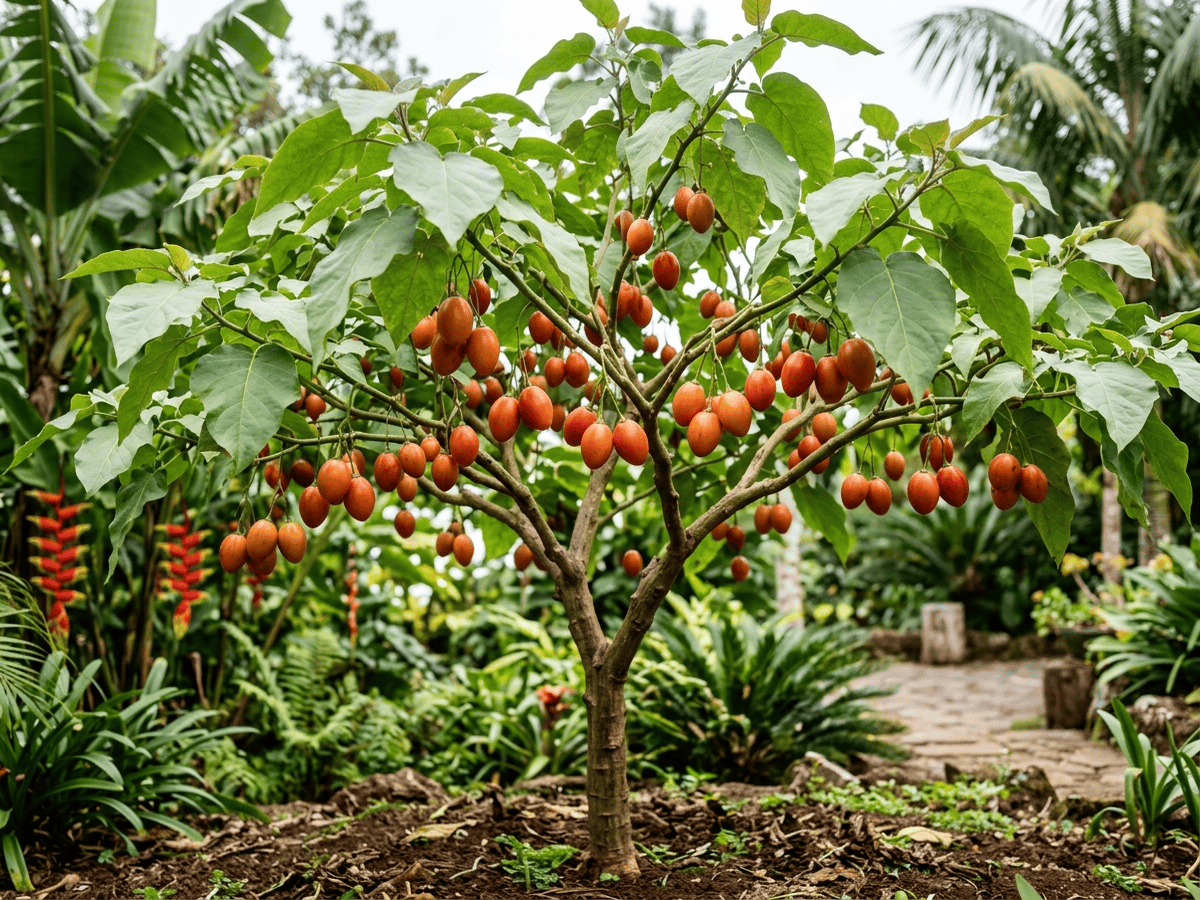
Tamarillo or Tree Tomato is a small evergreen subtropical tree from the Andes reaching 6-15 feet tall, with large heart-shaped soft green leaves and clusters of pinkish-white flowers followed by egg-shaped red, orange, or yellow tangy-sweet fruits. Widely grown in California, Florida, and Hawaii as an exotic backyard fruit tree. The tart-sweet fruits are eaten fresh, in chutneys, or made into juice and jam. Tropical to subtropical—frost-sensitive.
- Edible
- Evergreen
- Fast-growing
- Tropical
How to care for Tamarillo
Watering
- Springevery 7 days
- Summerevery 7 days
- Fallevery 10 days
- Winterevery 14 days
Soil · Rich & well-draining
- Top dressingCompost10%
- Main mixPotting soil + compost 3:180%
- DrainageGravel10%
Top up the compost layer each season.
FERTILIZER
Balanced Feed 14-14-14
An even feed covers all three needs at once, keeping leaves, roots and blooms moving together with nothing pushed out of balance.
- Nitrogen · Leaves
- Phosphorus · Roots + Blooms
- Potassium · Strength
- Springevery 30 days
- Summerevery 30 days
- Fallevery 45 days
At a Glance
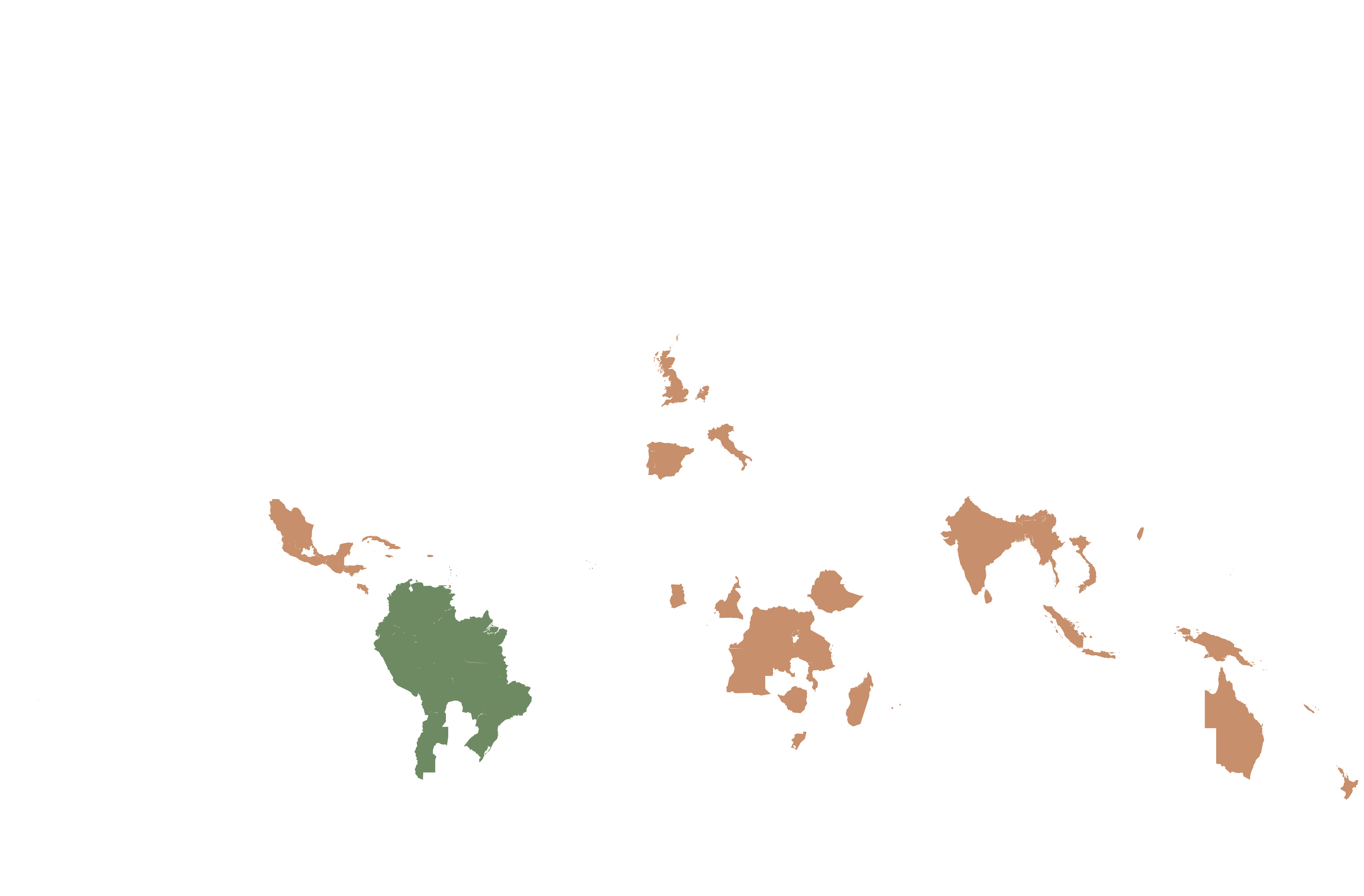
- NativeSouth America
- Height10–18 ft (3–5.5 m)
- Spread6–10 ft (1.8–3 m)
- Flower colorPink, White
- Foliage colorGreen
- Fruit colorRed, Orange, Yellow
- SoilWell-drained, Loamy, Rich
- LocationsYard
Bloom time
BLOOM CYCLE
Peak bloom
Jun–Aug
Pinkish-white flower clusters in summer
Fragrance
LIGHT FRAGRANCE
Faint musky scent from flowers.
Toxicity
Humans Moderate · Pets Moderate
solanine and solasonine
Moderate
- Leaf
- Stem
- Unripe fruit
- Ingestion
EXPOSURE Eating leaves, stems, and unripe fruit.
EFFECT Gastrointestinal upset and neurological effects.
NOTE Documented concern for humans: Gastrointestinal upset and neurological effects.
Moderate
- Leaf
- Stem
- Unripe fruit
- Ingestion
EXPOSURE Eating leaves, stems, and unripe fruit.
EFFECT Vomiting and lethargy.
NOTE Ripe fruit edible and safe. Leaves, stems, unripe fruit contain solanine. ASPCA lists Solanum species as toxic.
Moderate
- Leaf
- Stem
- Unripe fruit
- Ingestion
EXPOSURE Eating leaves, stems, and unripe fruit.
EFFECT Vomiting and lethargy.
NOTE Ripe fruit edible and safe. Leaves, stems, unripe fruit contain solanine. ASPCA lists Solanum species as toxic.
Educational information, not medical or veterinary advice. If exposure is suspected, contact a doctor or veterinarian.
DISTRIBUTION

- Native
- Introduced
- South America
History
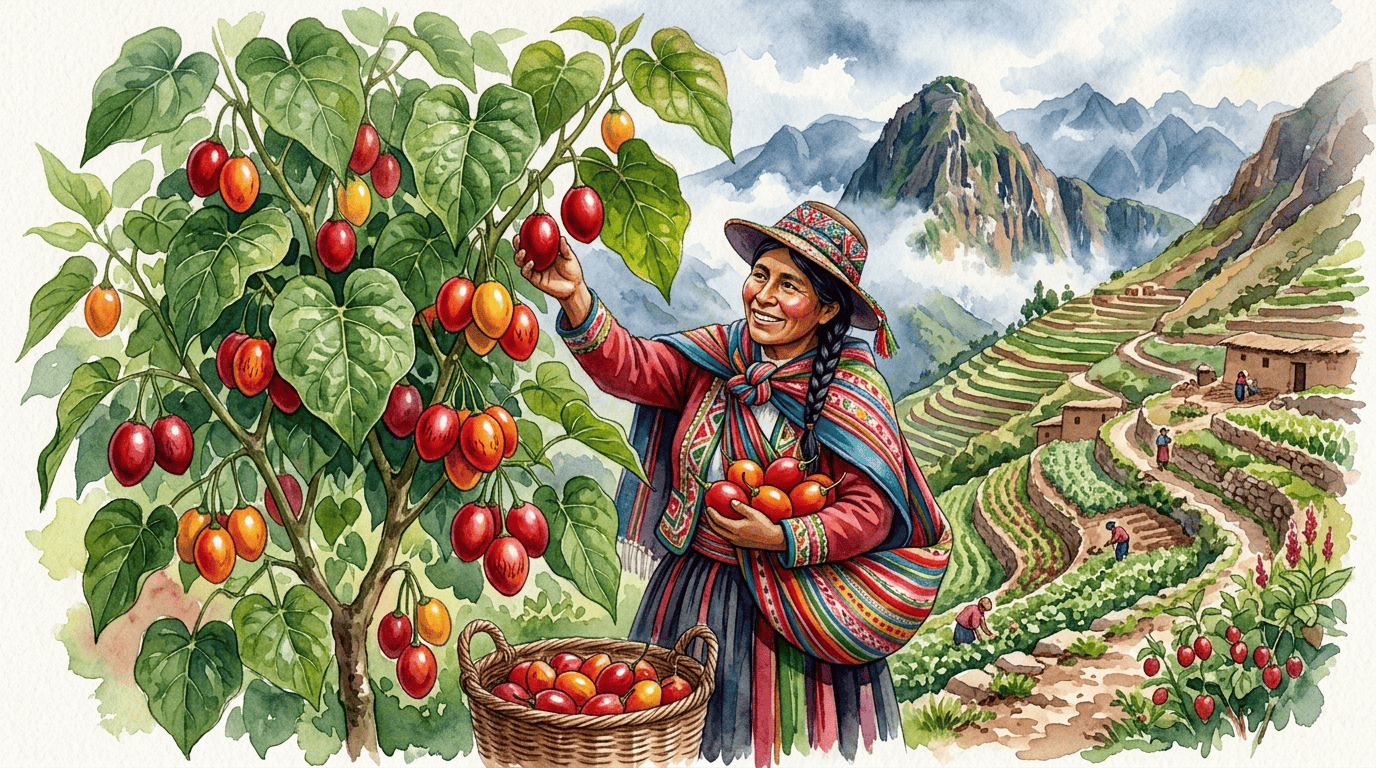
Solanum betaceum, commonly called tamarillo or tree tomato, is a fast-growing small tree or shrub in the nightshade family (Solanaceae) native to the eastern slopes of the Andes in Peru, Ecuador, Bolivia, and Colombia at 1500-3000 meters elevation. Spanish botanist Antonio José Cavanilles described it as Solanum betaceum in 1799 (formerly widely known as Cyphomandra betacea—Sendtner's 1845 transfer to Cyphomandra was undone by molecular work in the 1990s that placed it back in Solanum). The species has been cultivated by Andean peoples since pre-Columbian times.
Plants grow 3-4 meter shrub-trees with large heart-shaped soft leaves and clusters of fragrant pink-white flowers, followed by the famously attractive egg-shaped 5-10 cm fruits in deep red, orange, gold, or yellow. The pulp has a distinctive sweet-tart tangy flavor that combines passion fruit and tomato notes. Since the 1960s the species has been developed as a major commercial crop in New Zealand (which popularized the name tamarillo in 1967 to replace tree tomato for marketing), and now grown throughout subtropical regions.
Like other Solanums, plant parts contain toxic solanine alkaloids—only the ripe fruit flesh is safe. Domesticated by indigenous Andean peoples and now grown commercially in New Zealand (the source of the modern marketing name 'Tamarillo'), Colombia, and Ecuador. Increasingly popular as a backyard fruit tree in California, Florida, and Hawaii.
Symbolism & meaning
What It Symbolizes
Tamarillo carries Abundance — small Andean trees bending under heavy clusters of egg-shaped fruit, ripening from green to deep red. Its Discovery still feels fresh in many gardens, an exotic South American crop slowly making it way into adventurous backyards beyond Ecuador and New Zealand. A plant that rewards the gardener willing to try something genuinely unfamiliar.
- Abundance — heavy fruit set on small trees
- Discovery — exotic Andean fruit for adventurous gardeners
Where the Name Comes From
'Solanum' is the classical Latin name for nightshade; 'betaceum' from 'beta' (beet), referring to the red color.
Uses & Fun Facts
- Tart Tamarillo fruits eaten fresh or in chutneys and jams
- Large velvety leaves give tropical look to subtropical gardens
Related plants
More Solanum plants
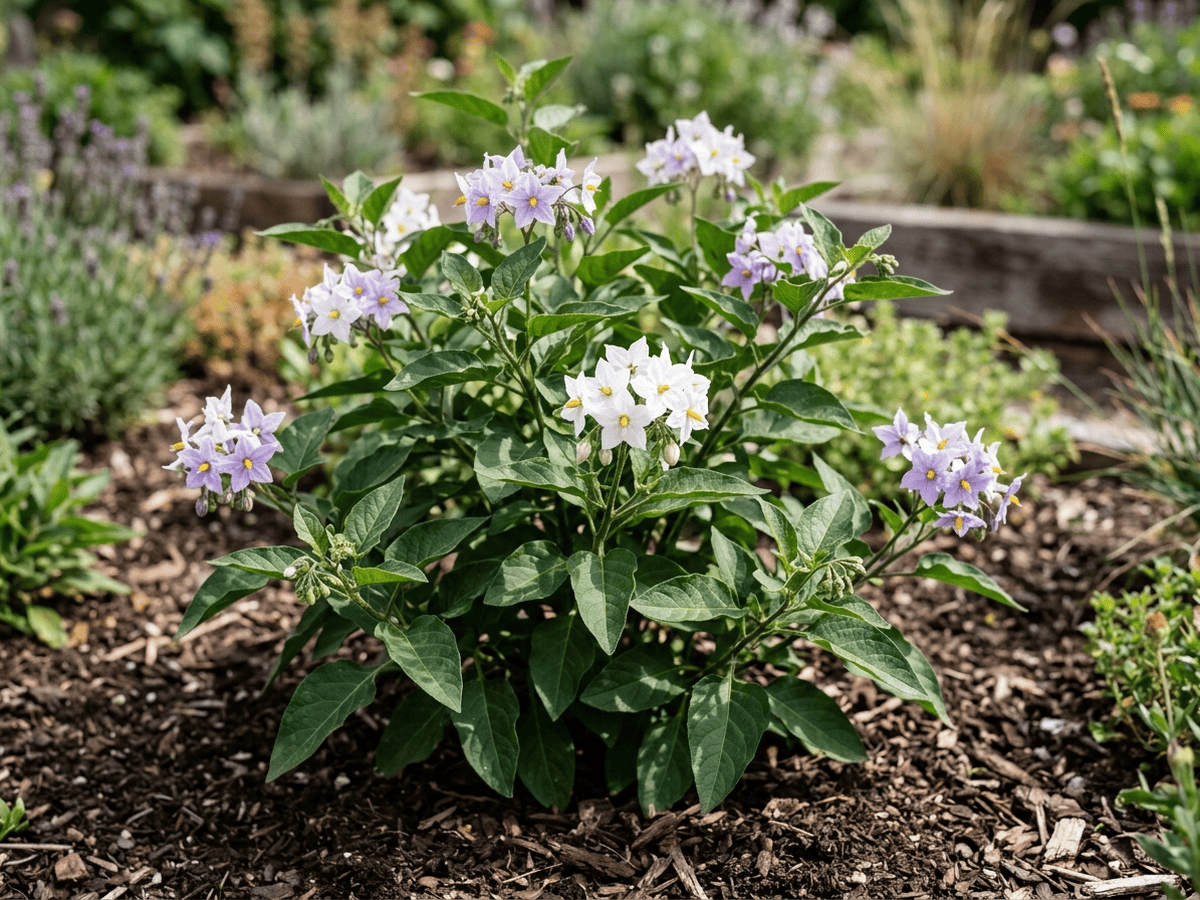 Buenos Aires NightshadeSolanum bonariense
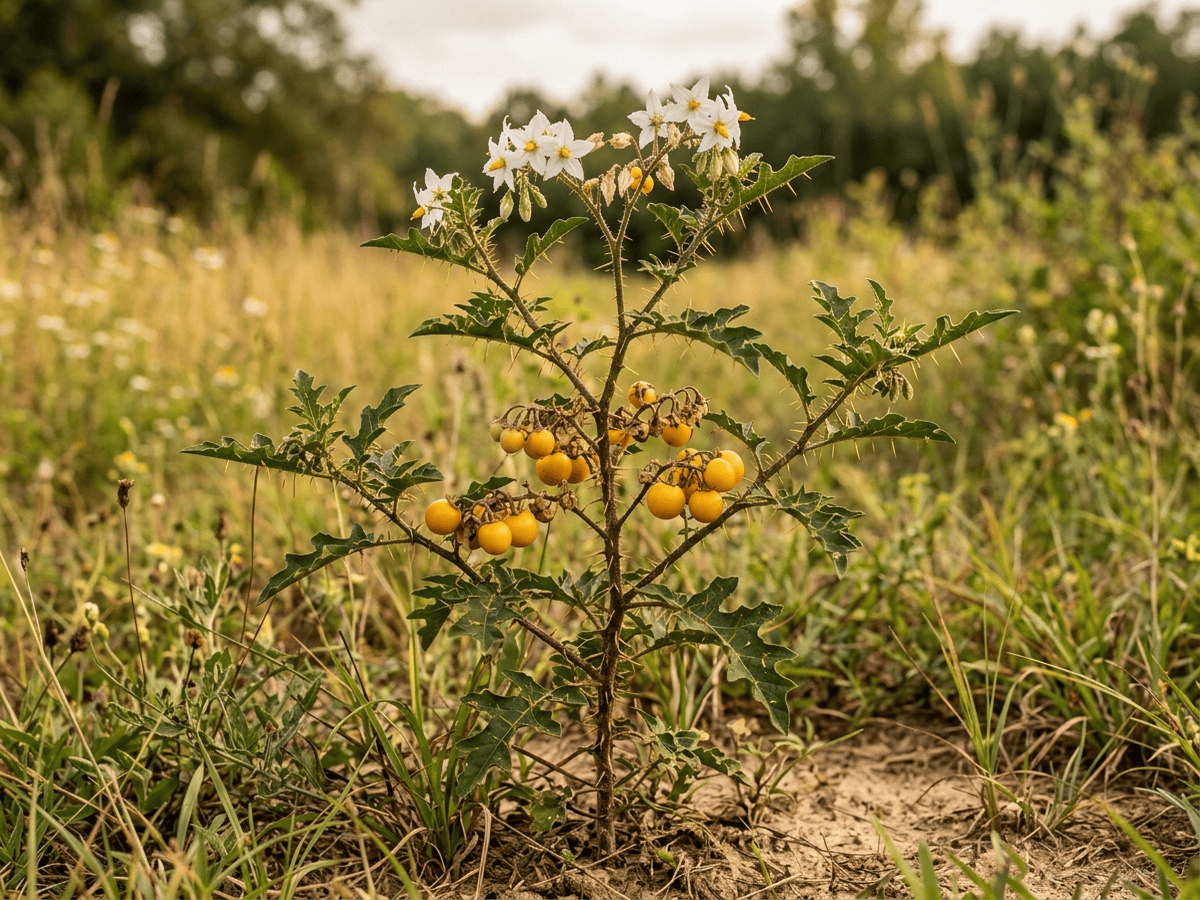 Carolina HorsenettleSolanum carolinense
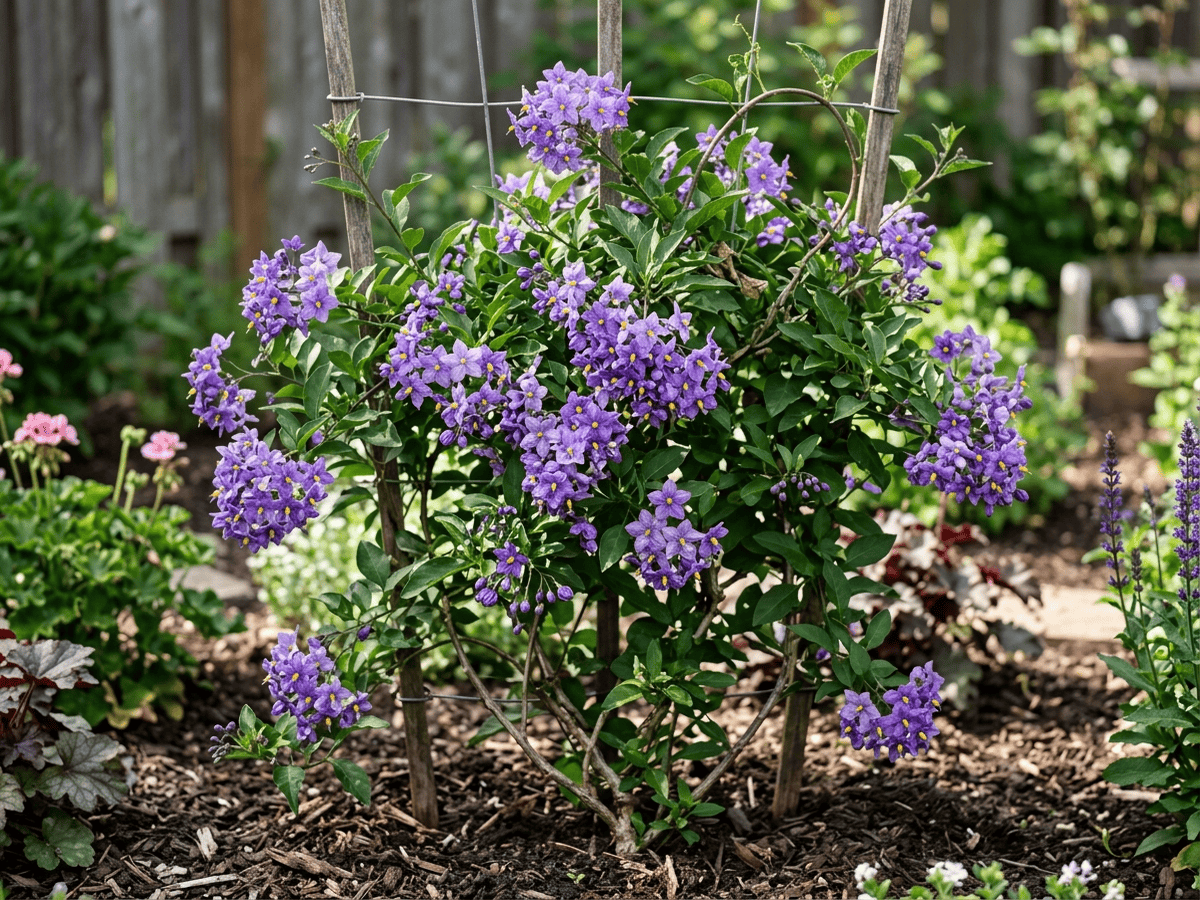 Chilean Potato VineSolanum crispum
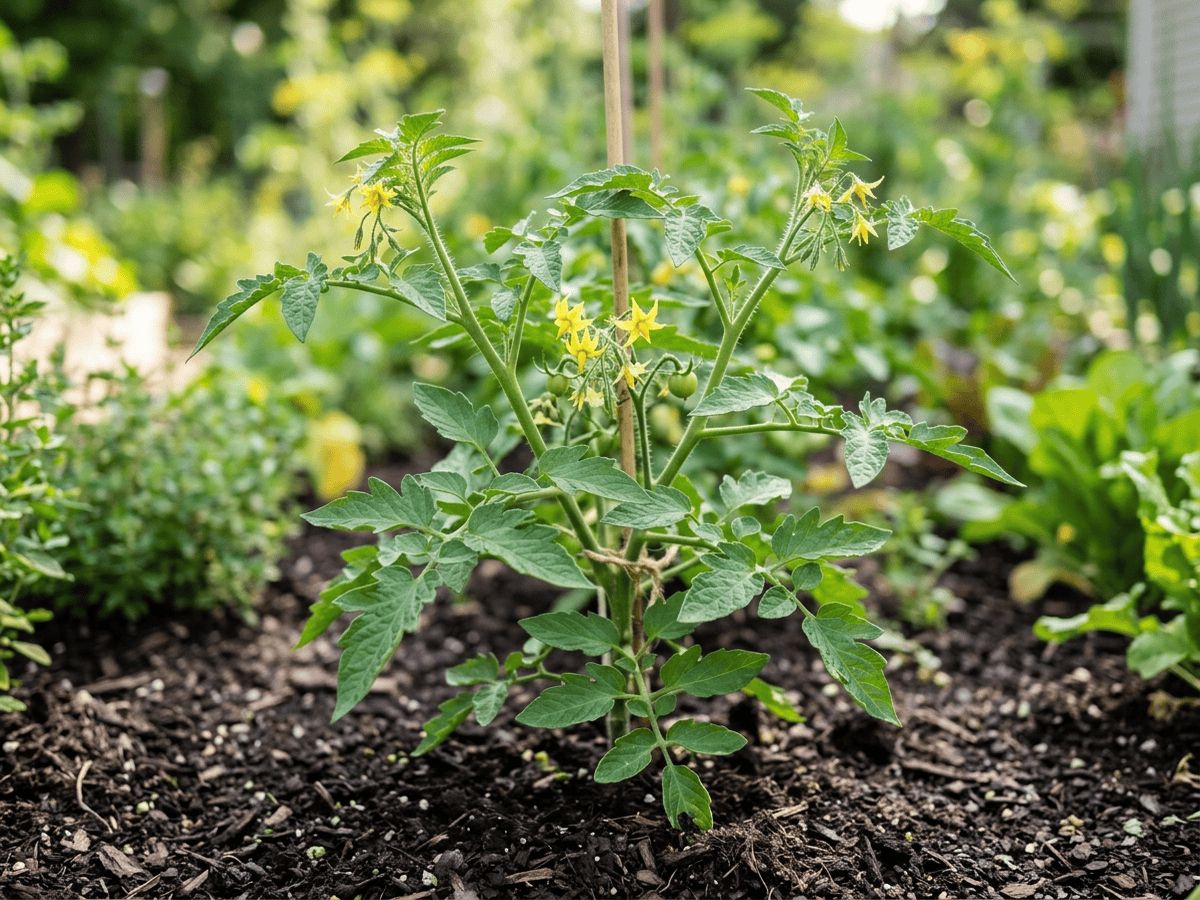 TomatoSolanum lycopersicum
Plants with similar care
 Mexican AbeliaAbelia floribunda
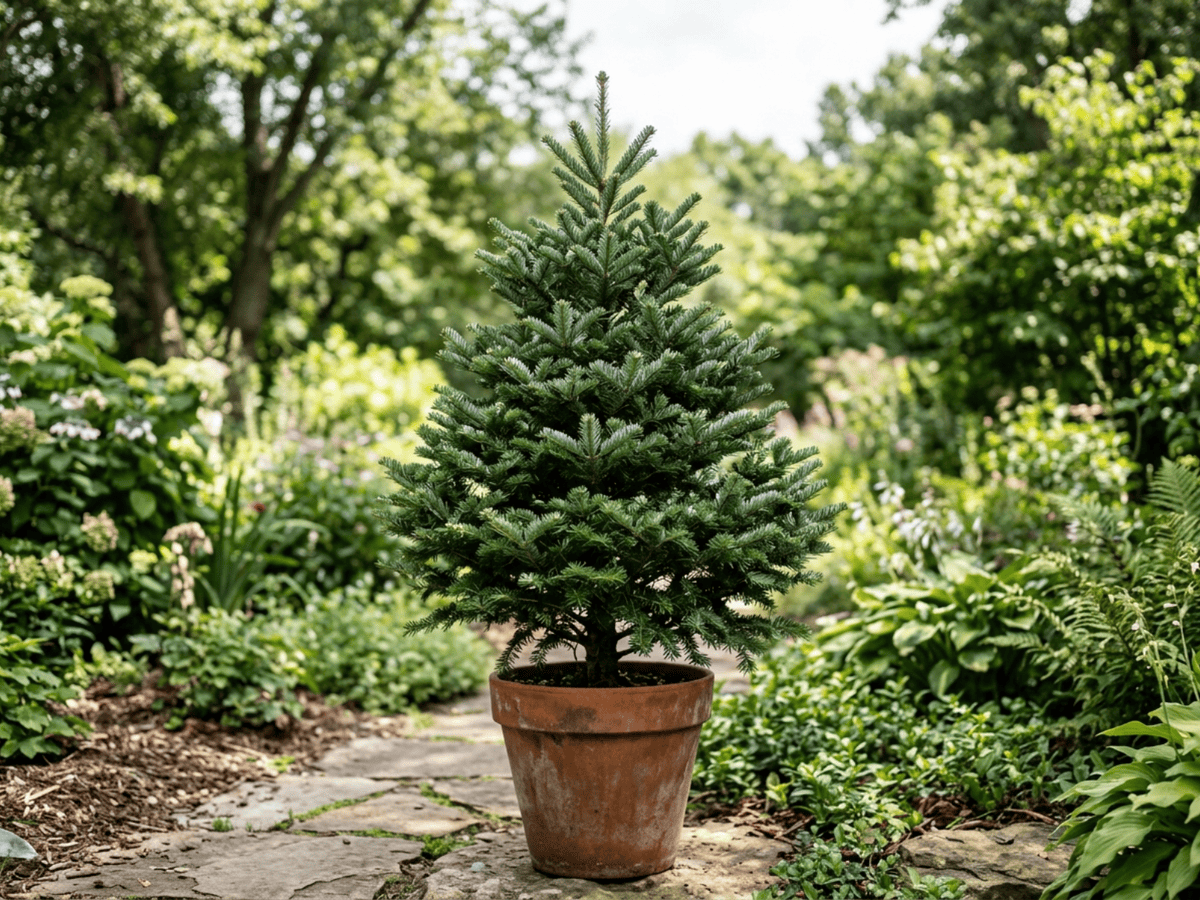 Fraser FirAbies fraseri
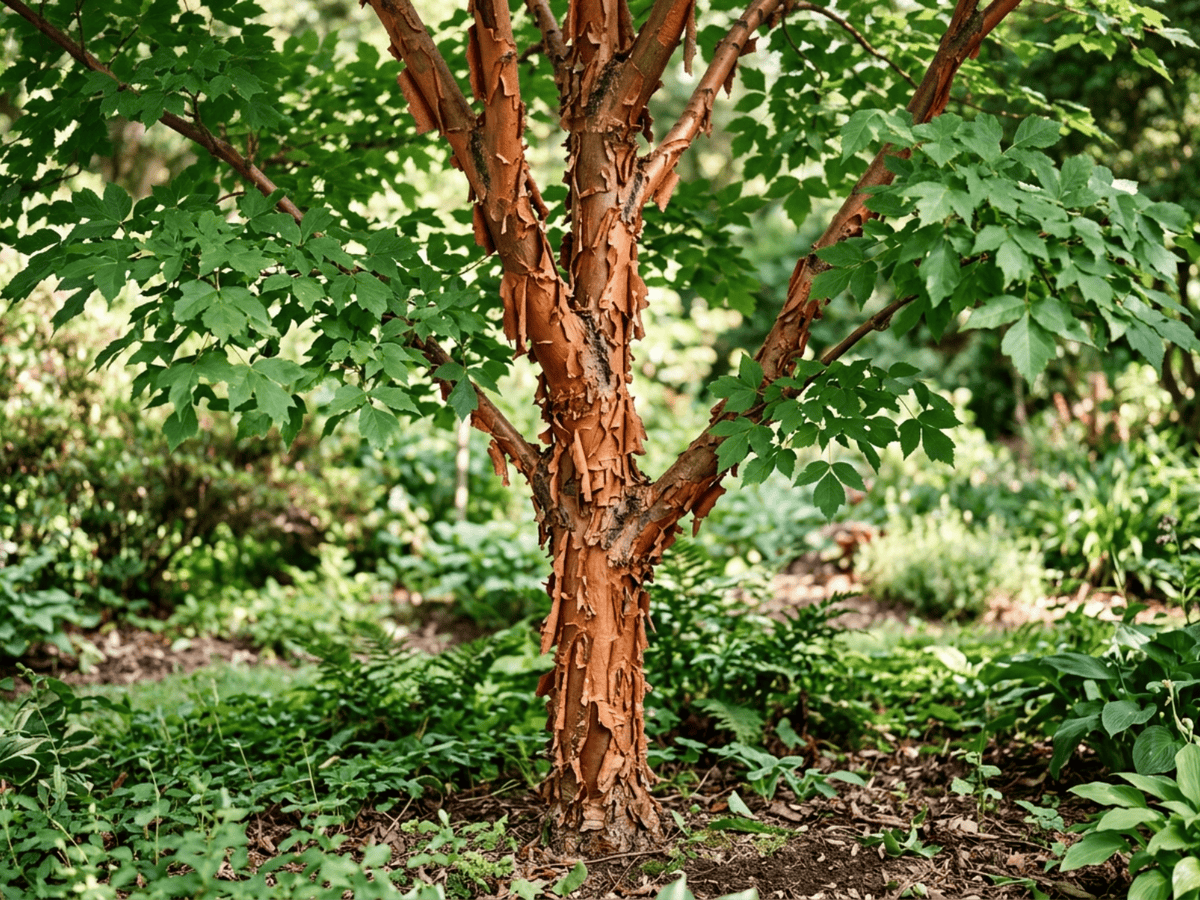 Paperbark MapleAcer griseum
 Sugar MapleAcer saccharum
Frequently asked questions
How often should I water Tamarillo?
In summer, water about every 7 days; in winter, about every 14 days. Adjust for heat, pot size and drainage.
How much light does Tamarillo need?
Full sun: 6+ hrs direct. Watch the leaves — scorching or stretching means the light needs adjusting.
Is Tamarillo toxic to cats or dogs?
Pets Moderate (Dogs Moderate · Cats Moderate) Educational information, not medical or veterinary advice. If exposure is suspected, contact a doctor or veterinarian.
Is Tamarillo easy to grow?
It is moderately demanding: a good choice once you have a little experience.
When does Tamarillo bloom?
It typically blooms Jun–Aug in the Northern Hemisphere.
YardMate
Identify any plant in seconds
Snap a photo — YardMate names the plant, diagnoses problems, and reminds you when to water.
Download on the App Store