 YardMate
Rose Clover
Trifolium hirtum
Medium · Some experienceAbout Rose Clover
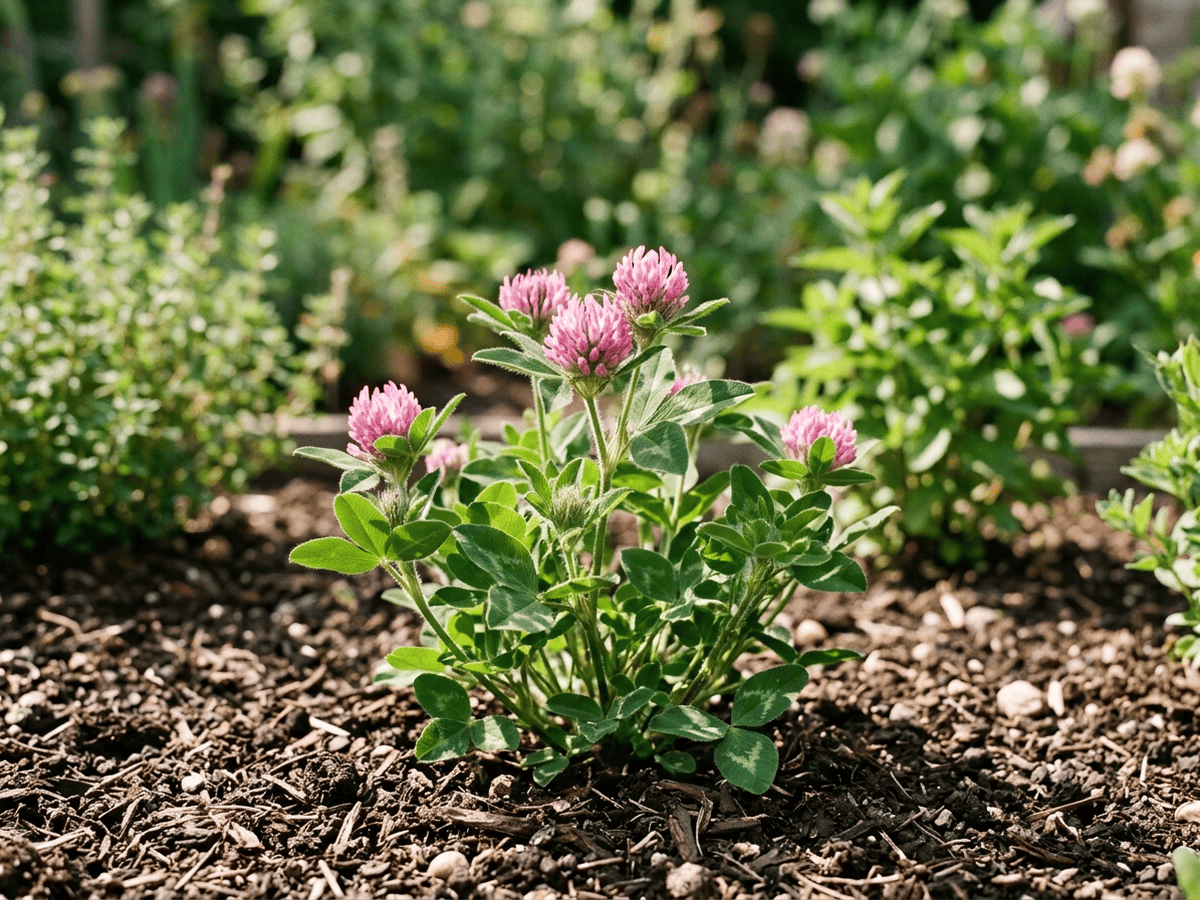
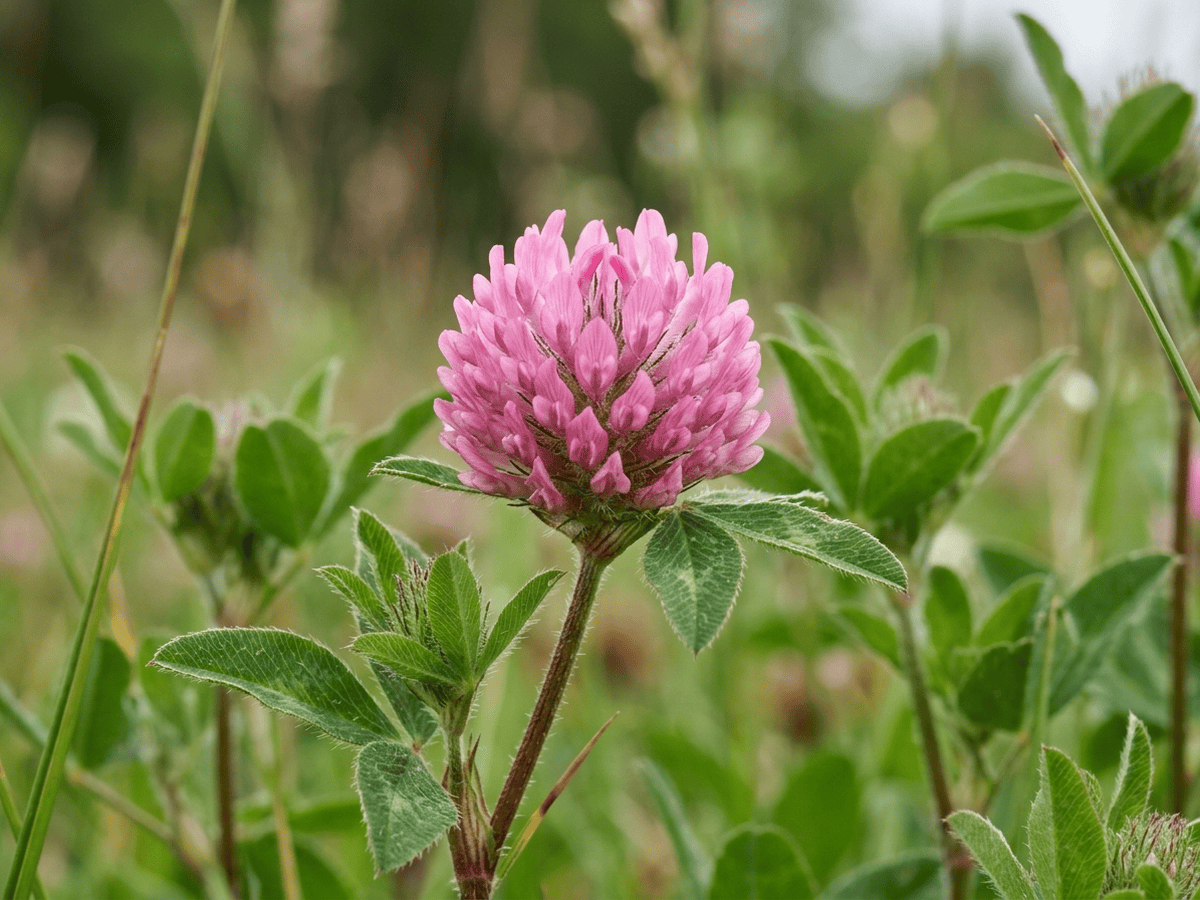
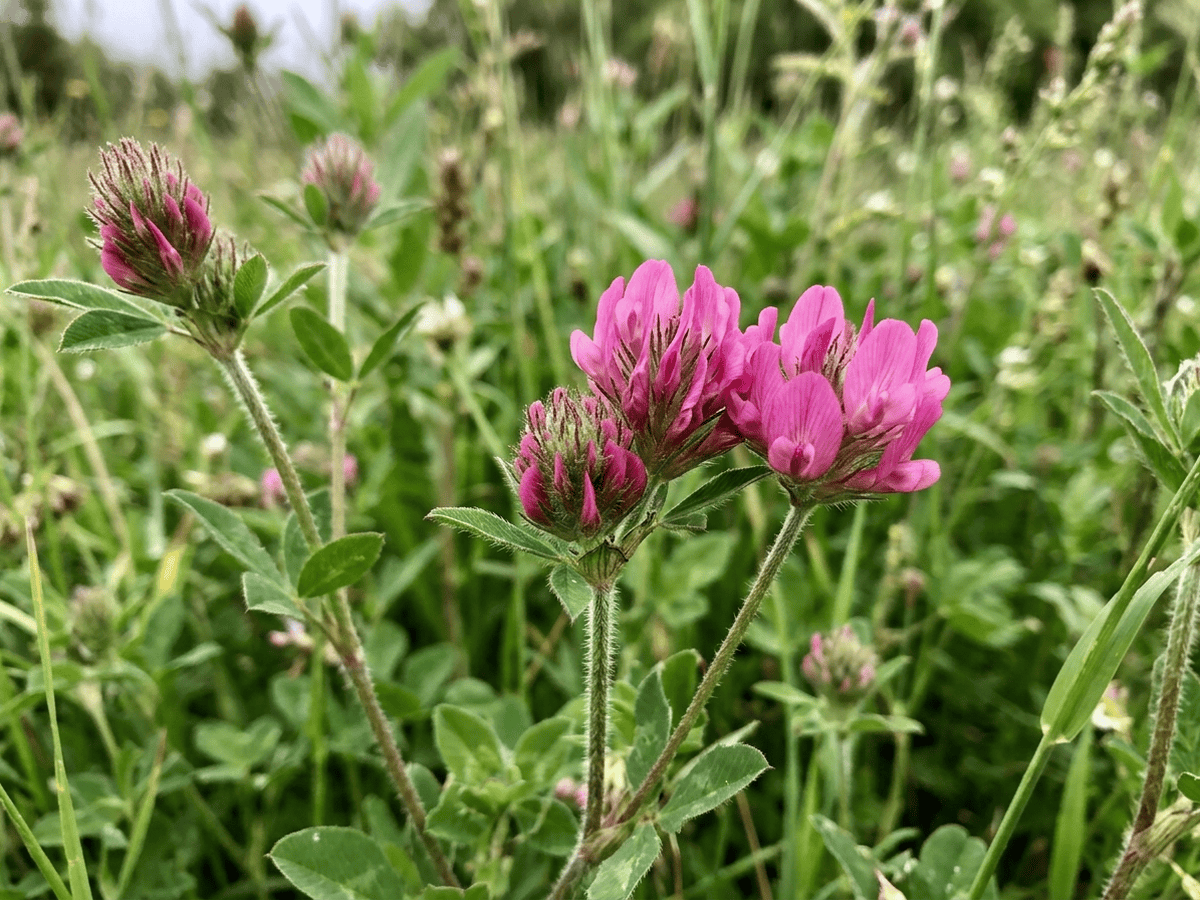
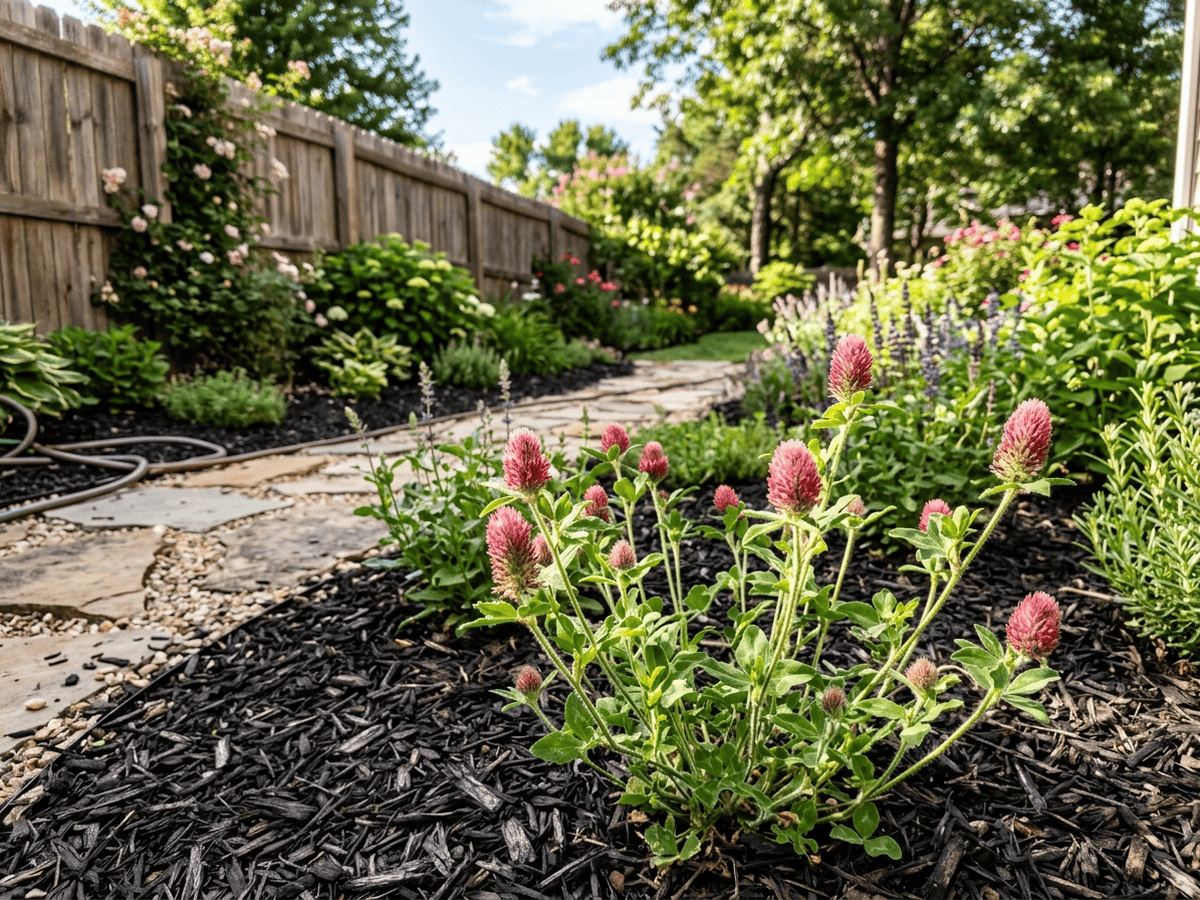
Trifolium hirtum is a low-growing annual clover native to the Mediterranean basin—from Turkey and Greece across to North Africa—where it thrives in dry, rocky grasslands and degraded pastures. Rose Clover gets its common name from the attractive rose-pink to deep magenta flowerheads that appear in late spring, and the species name hirtum (Latin: hairy) from the soft, dense hairs that cover its stems and leaves. Introduced to California in the 1940s as a range improvement grass-substitute, it naturalized across the state's coastal hills and Central Valley, becoming one of the most important annual legumes for California's rangeland. Drought-tolerant and nitrogen-fixing, Rose Clover thrives with minimal inputs, fixes atmospheric nitrogen for neighboring plants, and supports pollinators through its extended bloom period.
- Drought-tolerant
- Fast-growing
- Pollinator-friendly
- Compact
How to care for Rose Clover
Watering
- Springevery 10 days
- Summerevery 7 days
- Fallevery 14 days
- Winterevery 30 days
Soil · Well-draining
- Top dressingPine bark mulch10%
- Main mixPotting soil + perlite 2:170%
- DrainageLECA / gravel20%
Never skip the drainage layer — standing water is the top cause of root rot.
FERTILIZER
- Springevery 30 days
At a Glance
- NativeMediterranean
- Height0.5–1 ft (0.2–0.3 m)
- Spread1–3 ft (0.3–0.9 m)
- Flower colorPink
- Foliage colorGreen
- SoilWell-drained, Loamy, Sandy
- LocationsYard · Balcony
Bloom time
BLOOM CYCLE
Peak bloom
May–Aug
This clover produces pink flowers from late spring through summer, attracting various pollinators.
Fragrance
LIGHT FRAGRANCE
Flowerheads have a faint sweet-honey fragrance typical of clovers; most noticeable in warm midday sun.
Toxicity
No toxicity has been reported for this plant. Still, it is wise to keep pets from chewing on any houseplant.
Educational information, not medical or veterinary advice. If exposure is suspected, contact a doctor or veterinarian.
DISTRIBUTION


- Native
- Introduced
- Mediterranean
History
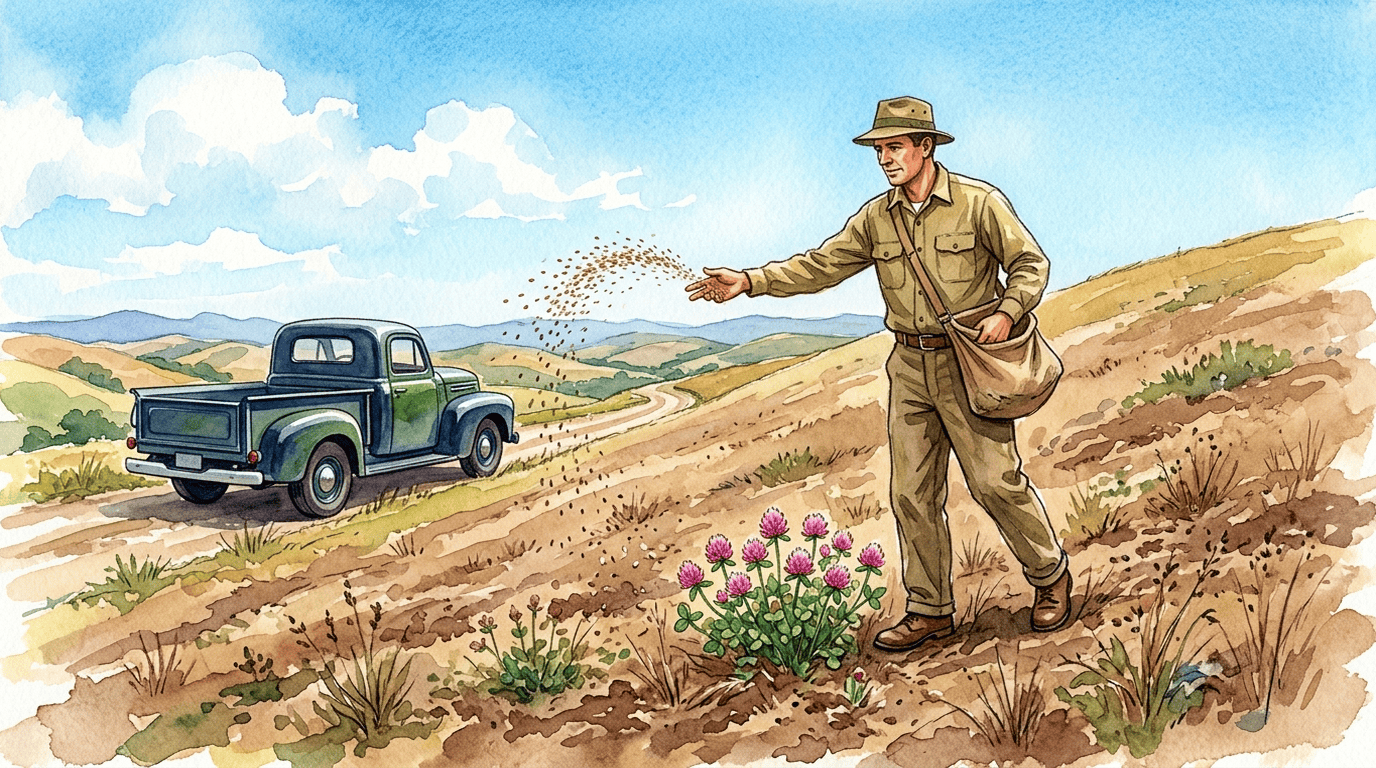
Trifolium hirtum had grown across the dry grasslands of the Mediterranean for millennia—a common component of Turkish and Greek pastures, grazed by sheep and goats in the same landscapes where it naturally evolved. Its modest appearance made it easy to overlook, but its nitrogen-fixing roots and drought tolerance made it ecologically valuable wherever it grew.
In the late 1930s and 1940s, the United States Soil Conservation Service began an ambitious program to rehabilitate California's severely degraded rangelands. A century of overgrazing had stripped the Central Valley and coastal hills of their native bunch grasses; the land needed nitrogen, ground cover, and a plant that could survive the long dry California summer as a dormant seed. Agronomists and range scientists—many working through the University of California—scoured the Mediterranean for candidate species, and Rose Clover was among the most promising. It was suited to California's Mediterranean-type climate, tolerant of the dry summers and wet winters, and capable of reseeding itself reliably year after year from hard seeds that germinate with the first fall rains.
By the 1950s and 1960s, Rose Clover had been broadcast-seeded across hundreds of thousands of acres of California rangeland. It naturalized with remarkable speed, spreading into roadsides, coastal prairies, and oak woodland clearings. Today it is one of the most visible spring wildflowers in California's hills—its deep pink heads conspicuous through April and May—a plant that arrived from the opposite shore of the world and found a second home.
Symbolism & meaning
What It Symbolizes
The range specialists who seeded it had no reason to expect beauty. They wanted nitrogen and ground cover. What they got, decades later, was hillsides going pink every April—an accidental wildflower garden planted by agronomists trying to stop erosion.
- quiet restoration — Rose Clover came to rehabilitate land that had been stripped bare—a small, hairy annual quietly rebuilding what decades of overgrazing had taken.
- second home — Native to Turkey and Greece, thriving in California—Rose Clover found its second home so completely that it now defines the color of a California spring.
Where the Name Comes From
Trifolium derives from the Latin tri (three) and folium (leaf), referring to the characteristic trifoliate leaves of clovers. The species name hirtum comes from the Latin hirtus (hairy, rough), describing the dense soft hairs that cover the plant's stems and leaves. Rose Clover refers to the attractive deep rose-pink color of the spherical flowerheads.
Uses & Fun Facts
- Rose-pink flowerheads attract honeybees, bumblebees, and native bees throughout spring and early summer; an important forage plant for managed and wild bee populations
- Used for naturalistic meadow plantings, slopes, and dry summer-dormant California-style gardens; provides showy spring color in difficult dry sites
- Nitrogen-fixing annual that improves soil fertility for neighboring plants; seeds eaten by quail and sparrows in rangeland habitats
Related plants
More Trifolium plants
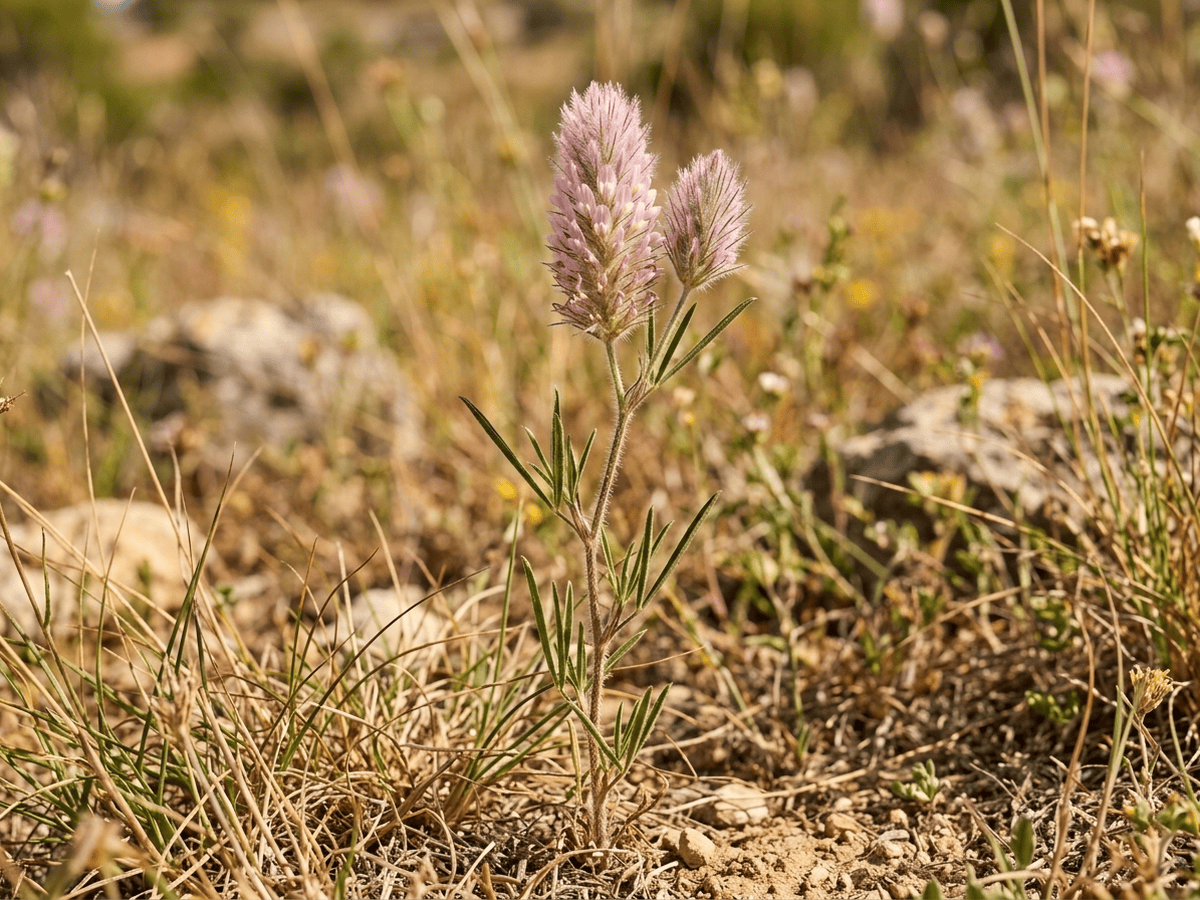 Narrow-leaved CloverTrifolium angustifolium
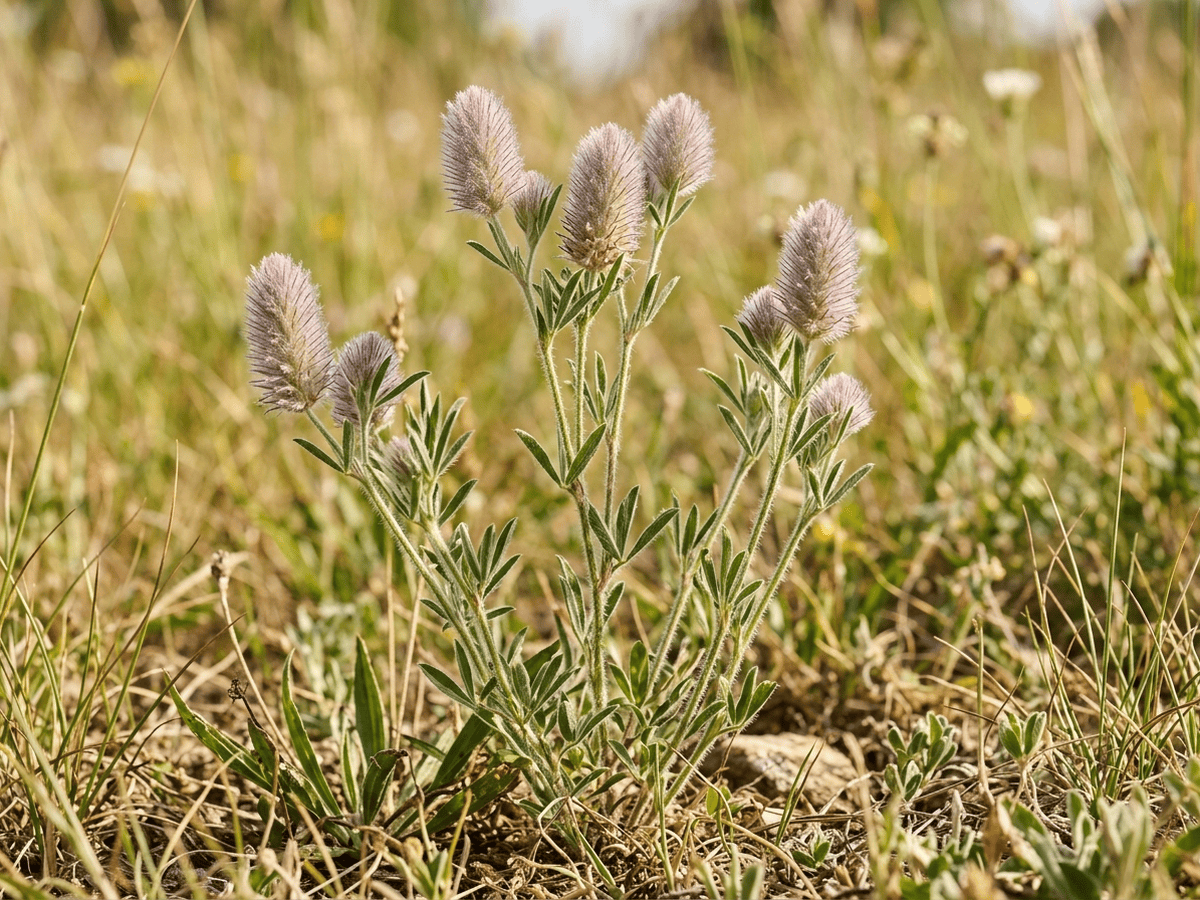 Rabbitfoot CloverTrifolium arvense
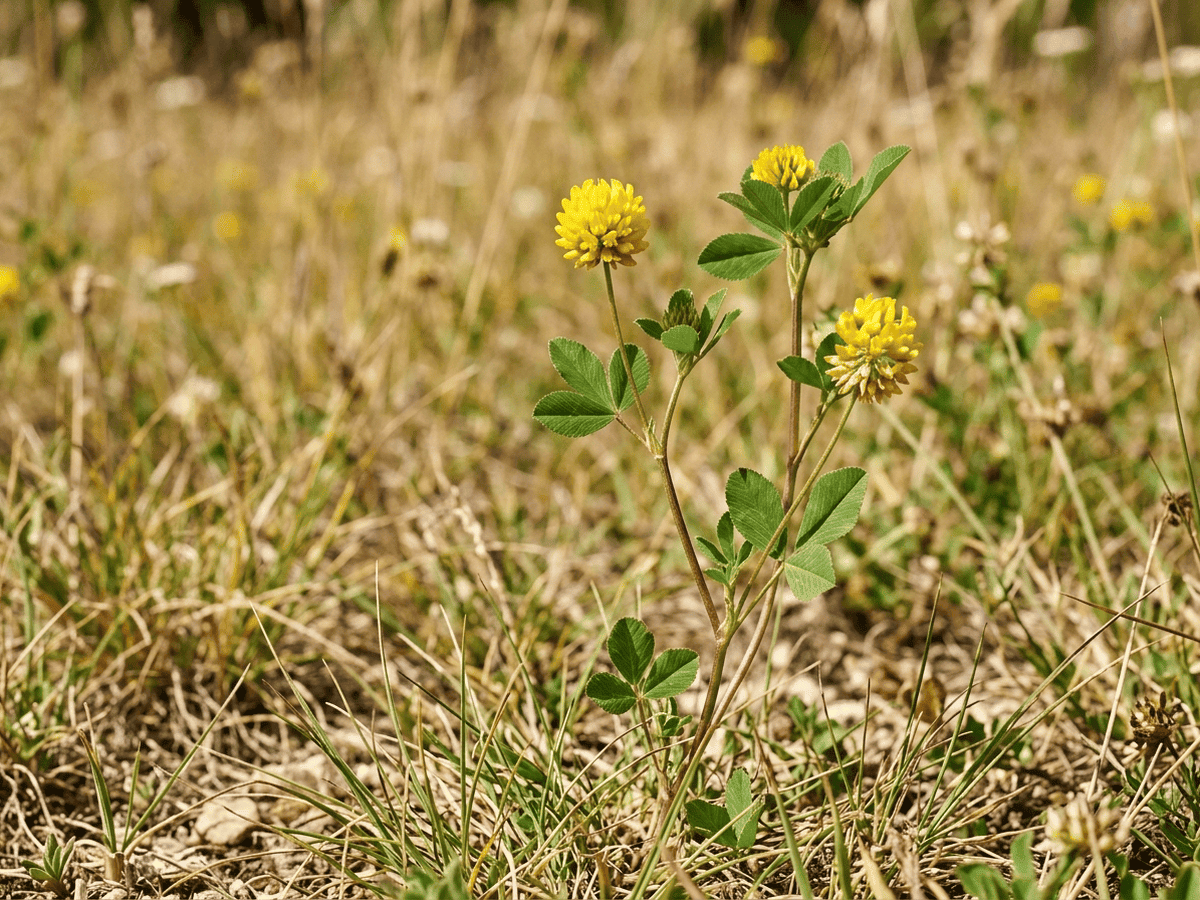 Large Hop CloverTrifolium aureum
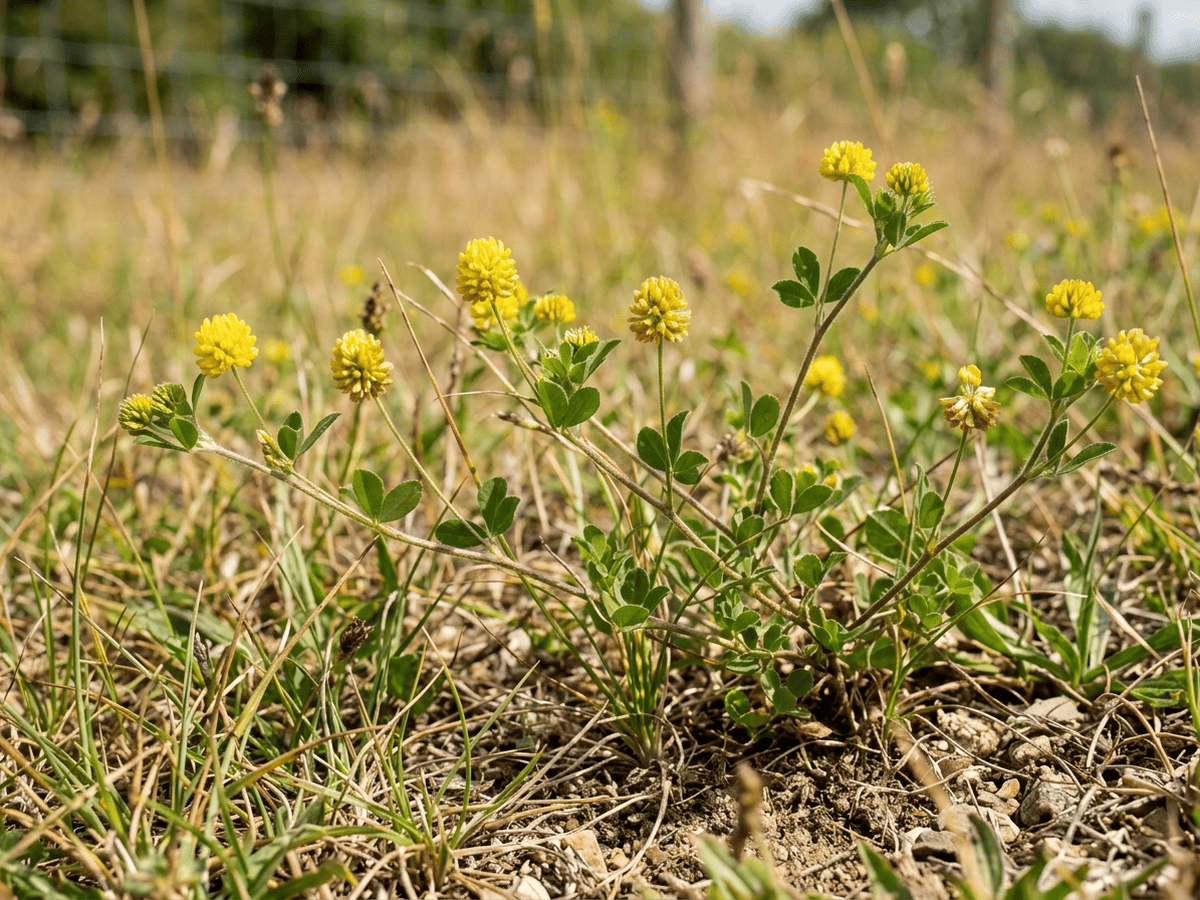 Hop TrefoilTrifolium campestre
Plants with similar care
 Mexican AbeliaAbelia floribunda
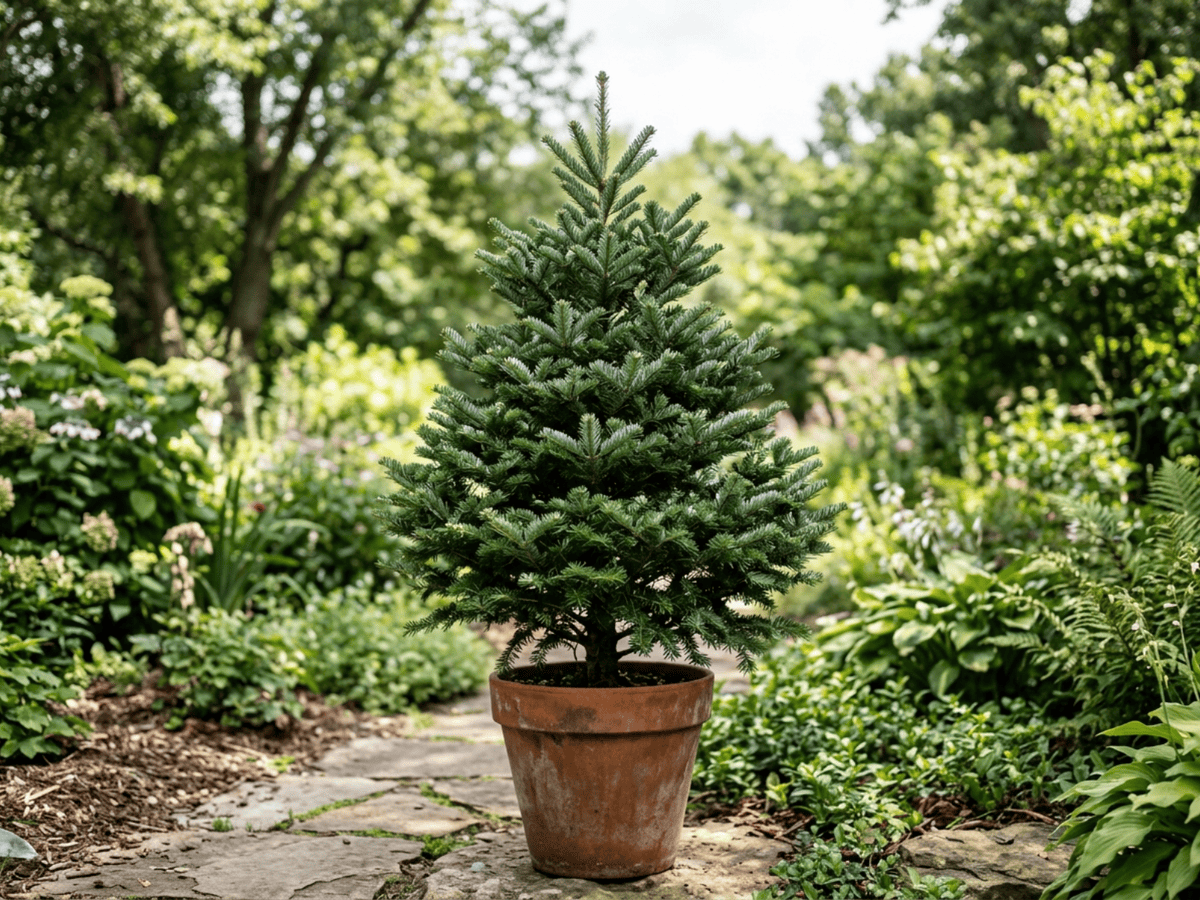 Fraser FirAbies fraseri
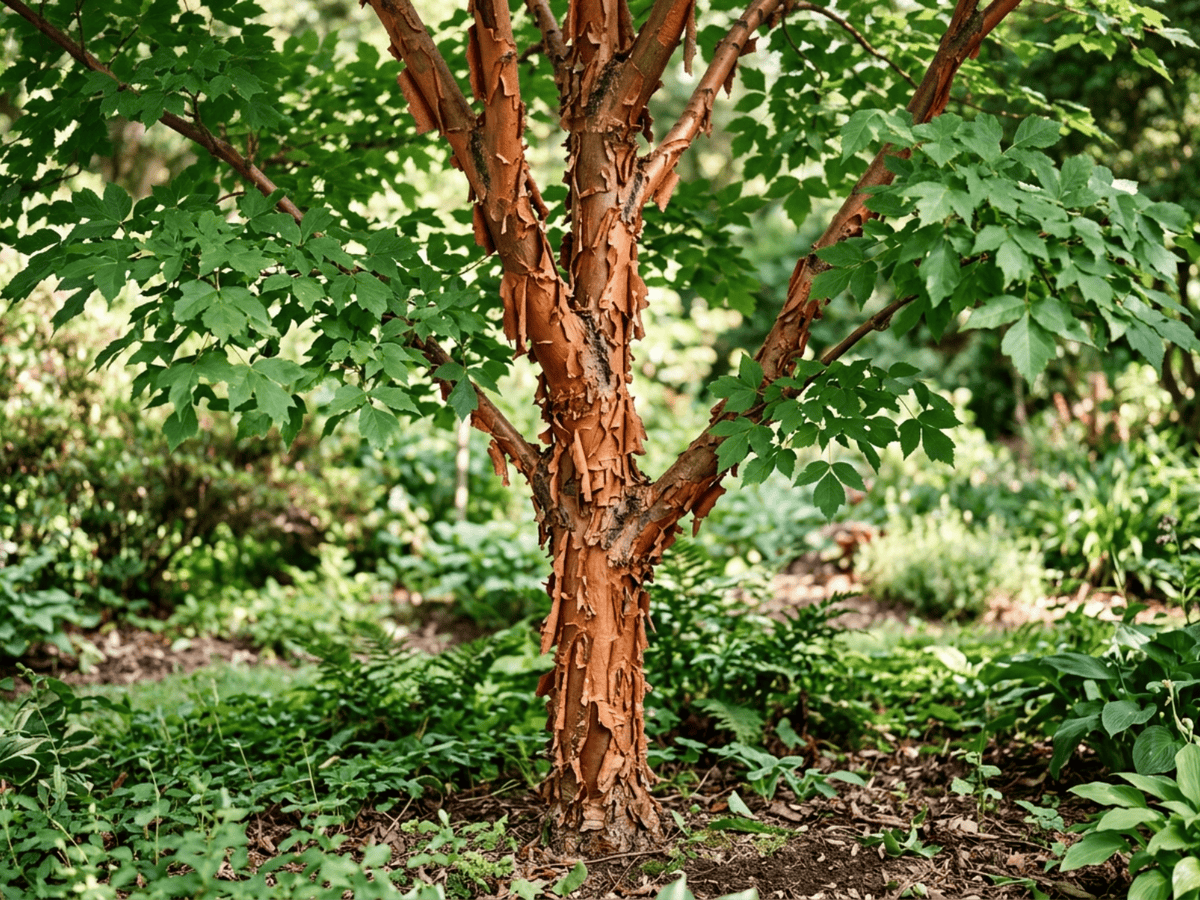 Paperbark MapleAcer griseum
 Sugar MapleAcer saccharum
Frequently asked questions
How often should I water Rose Clover?
In summer, water about every 7 days; in winter, about every 30 days. Adjust for heat, pot size and drainage.
How much light does Rose Clover need?
Full sun: 6+ hrs direct. Watch the leaves — scorching or stretching means the light needs adjusting.
Is Rose Clover toxic to cats or dogs?
No toxicity has been reported for this plant. Still, it is wise to keep pets from chewing on any houseplant. Educational information, not medical or veterinary advice. If exposure is suspected, contact a doctor or veterinarian.
Is Rose Clover easy to grow?
It is moderately demanding: a good choice once you have a little experience.
When does Rose Clover bloom?
It typically blooms May–Aug in the Northern Hemisphere.
YardMate
Identify any plant in seconds
Snap a photo — YardMate names the plant, diagnoses problems, and reminds you when to water.
Download on the App Store