 YardMate



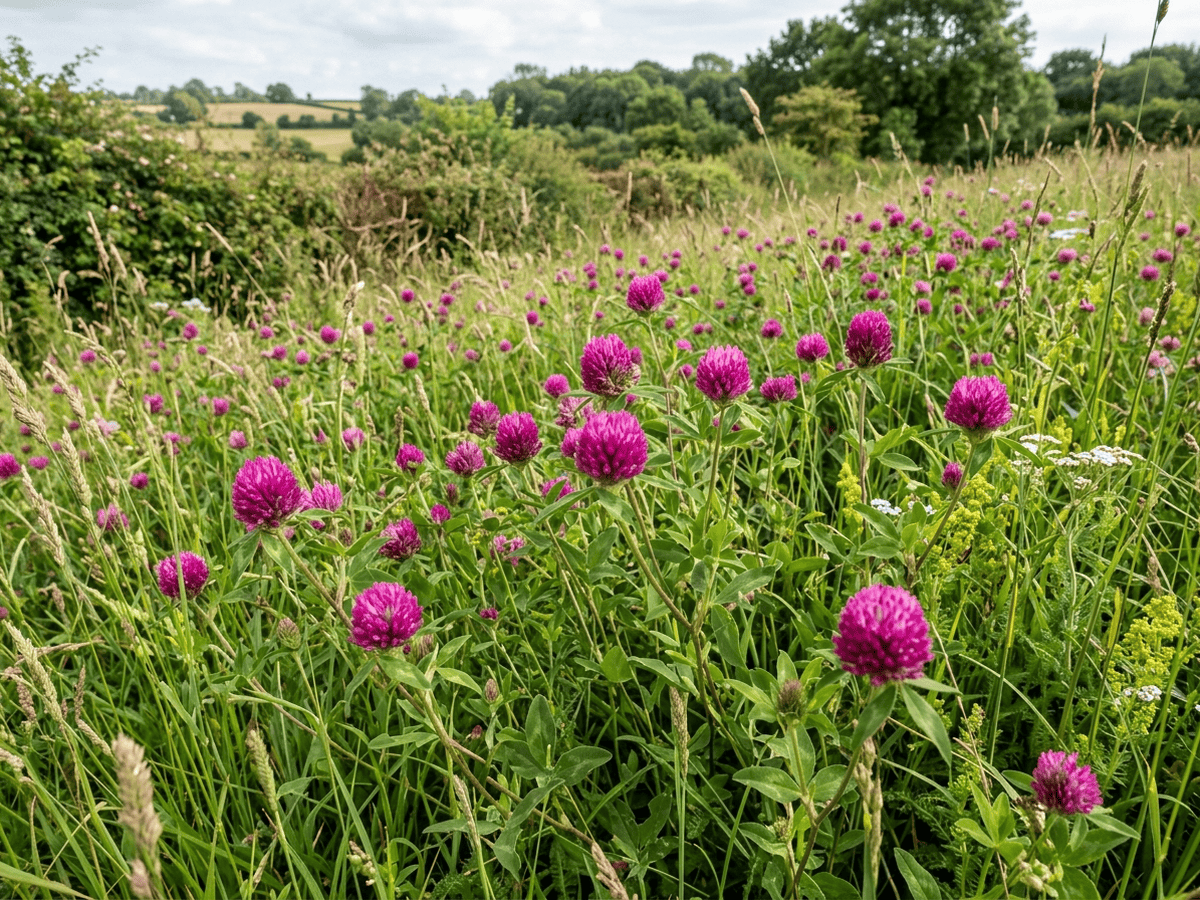
Zigzag Clover
Trifolium medium
Hard · Experienced growersAbout Zigzag Clover
Trifolium medium, Zigzag Clover, is a perennial European clover distinguished by its characteristically angled stems that bend noticeably at each leaf node—a feature so consistent that it defines the species. Growing 6–18 inches tall, it bears rounded heads of deep magenta-pink to rose-purple flowers from late spring through late summer, providing nectar across one of the longest bloom seasons of any clover. A superb plant for meadows, naturalized areas, and pollinator gardens, its refined flower color and reliable five-month bloom season lift it well above the common field weeds.
- Drought-tolerant
- Pollinator-friendly
- Long-blooming
How to care for Zigzag Clover
Watering
- Springevery 10 days
- Summerevery 10 days
- Fallevery 15 days
- Winterevery 30 days
Soil · Well-draining
- Top dressingPine bark mulch10%
- Main mixPotting soil + perlite 2:170%
- DrainageLECA / gravel20%
Never skip the drainage layer — standing water is the top cause of root rot.
FERTILIZER
- Springevery 30 days
At a Glance
- NativeEurope
- Height0.5–1 ft (0.2–0.3 m)
- Spread1–2 ft (0.3–0.6 m)
- Flower colorWhite, Pink
- Foliage colorGreen
- SoilWell-drained, Moist
- LocationsYard · Balcony
Bloom time
BLOOM CYCLE
Peak bloom
Apr–Aug
Zigzag Clover produces charming blooms from spring to late summer, attracting pollinators.
Fragrance
LIGHT FRAGRANCE
Light sweet honey scent from the flower heads.
Toxicity
No toxicity has been reported for this plant. Still, it is wise to keep pets from chewing on any houseplant.
Educational information, not medical or veterinary advice. If exposure is suspected, contact a doctor or veterinarian.
DISTRIBUTION

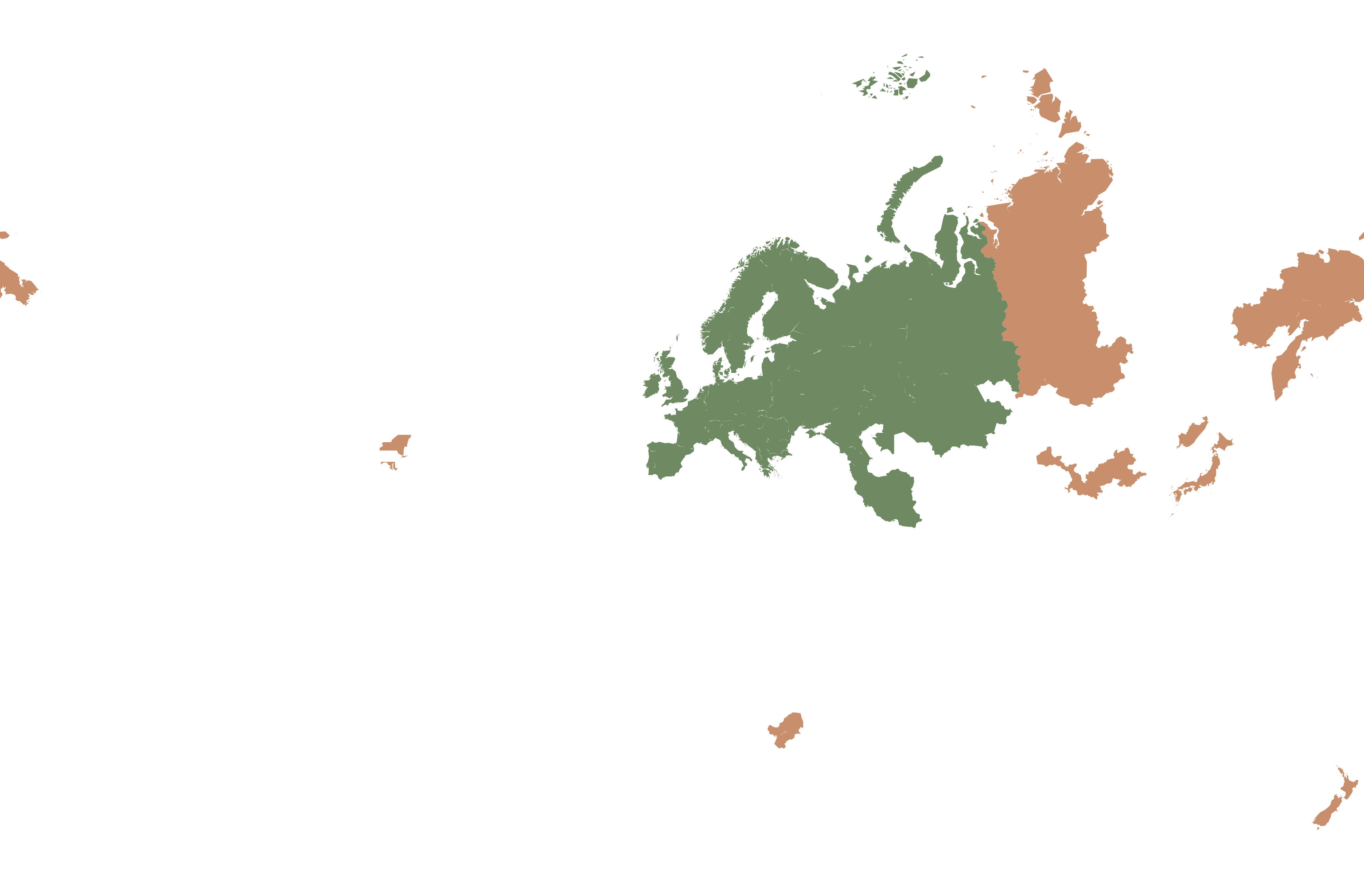
- Native
- Introduced
- Europe
History

Trifolium medium is native to grasslands, hedgebanks, and woodland edges across Europe and into western Asia, recognized by botanists since the early history of European floristics. The species epithet medium—meaning 'intermediate'—reflects its position between larger and smaller clover relatives, though the zigzag stems are a far more diagnostic character than size.
The stems of T. medium bend distinctly at each leaf node, creating the characteristic zigzag pattern that is visible at a glance in the field and gives the plant its English common name. This feature, along with deeper magenta-pink flowers and tougher, more waxy leaflets compared to T. pratense (Red Clover), makes identification straightforward in mixed grassland even without close examination.
Botanical illustrators documented Zigzag Clover in European herbals from the 16th century onward, often placing it beside Red Clover specifically to highlight the stem pattern. Its preference for clay and heavier soils, and its tolerance of partial shade in hedgerow situations, gave it a slightly different ecological niche from its more common relatives.
For pollinators, Zigzag Clover is especially valued by long-tongued bumblebees, which can reach the nectar at the base of its tubular flowers. Its bloom from late spring through late summer—one of the longest flowering windows of any Trifolium—makes it a sustained nectar resource in meadow communities where shorter-season clovers come and go.
Symbolism & meaning
What It Symbolizes
Most clovers look alike until you stop and really look. The Zigzag Clover announces itself in the bending of its stem—an unmistakable angle at every node, a kind of legibility written into its structure. Among the common things of a meadow, it is the one that insists on being recognized.
- distinction — The zigzag stem announces this clover among a hundred similar relatives. Not louder—just unmistakably itself.
- persistence — Blooming from April through August without pause. The most sustained kind of beauty is the kind that simply does not stop.
Where the Name Comes From
The genus Trifolium is Latin for 'three-leaved,' referring to the trifoliate leaves of all clovers. The species epithet medium means 'intermediate' or 'middle' in Latin, reflecting the plant's intermediate size relative to related species. The common name 'Zigzag Clover' describes the distinctively angled stems that bend noticeably at each leaf node.
Uses & Fun Facts
- Deep tubular flowers attract long-tongued bumblebees; provides nectar across one of the longest bloom seasons of any clover, from late spring through late summer
- Richer magenta-pink flower heads than common Red Clover; adds refined color to wildflower meadows and naturalistic plantings over a five-month season
Related plants
More Trifolium plants
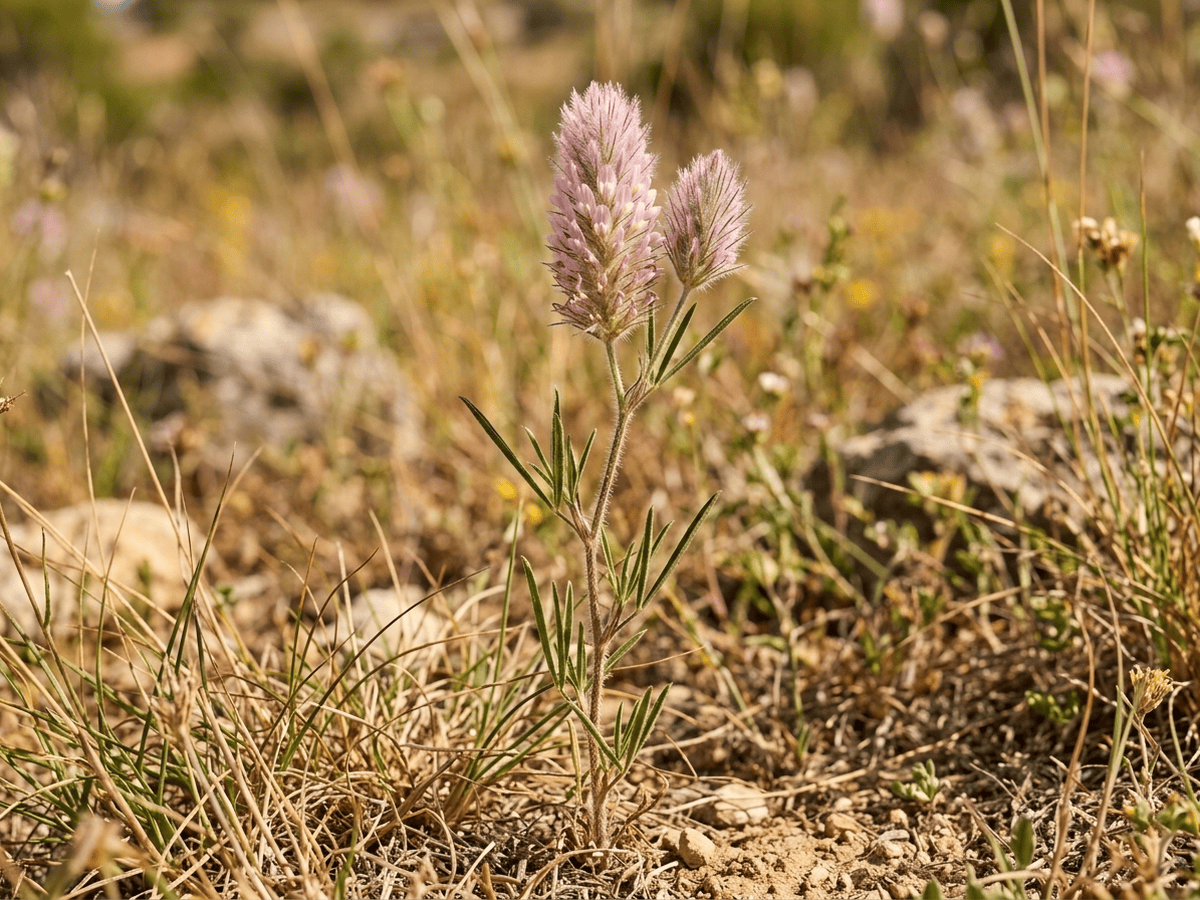 Narrow-leaved CloverTrifolium angustifolium
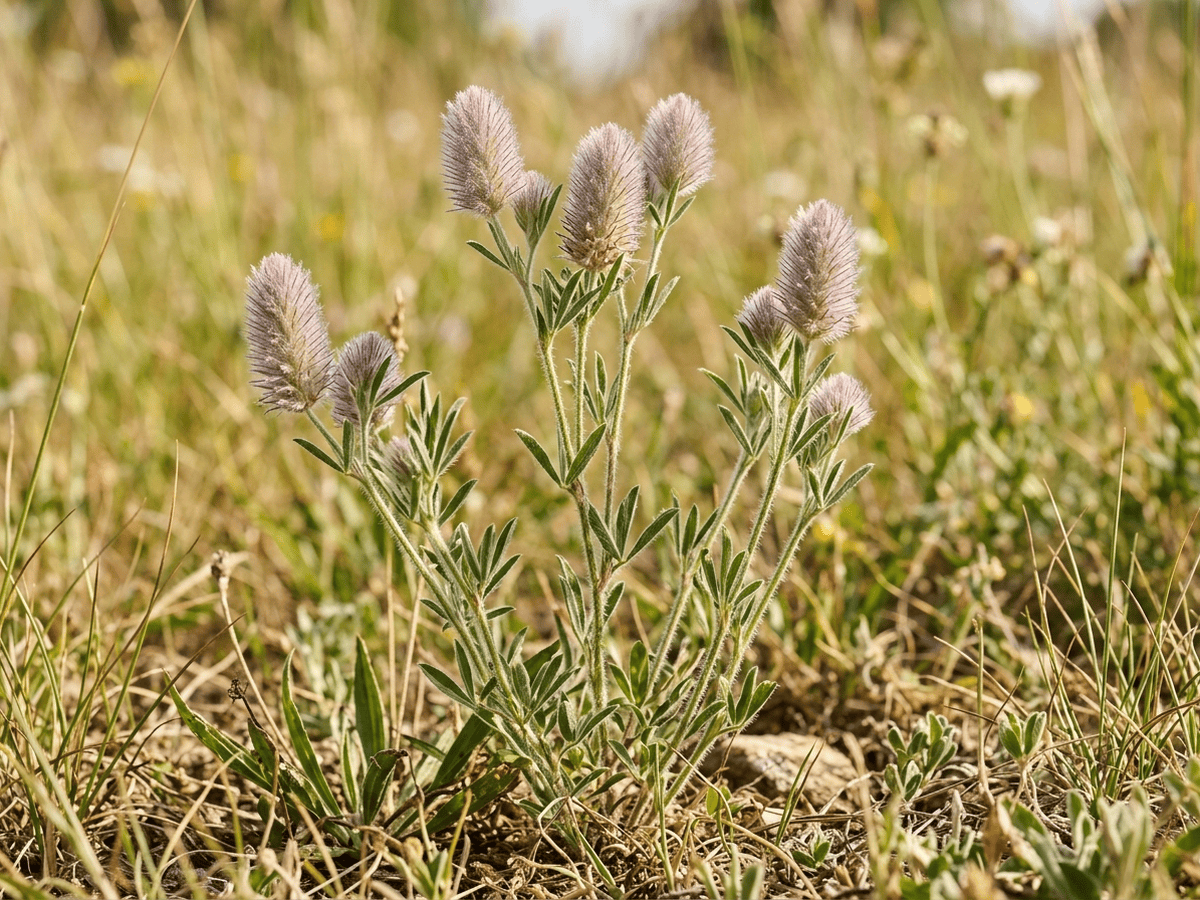 Rabbitfoot CloverTrifolium arvense
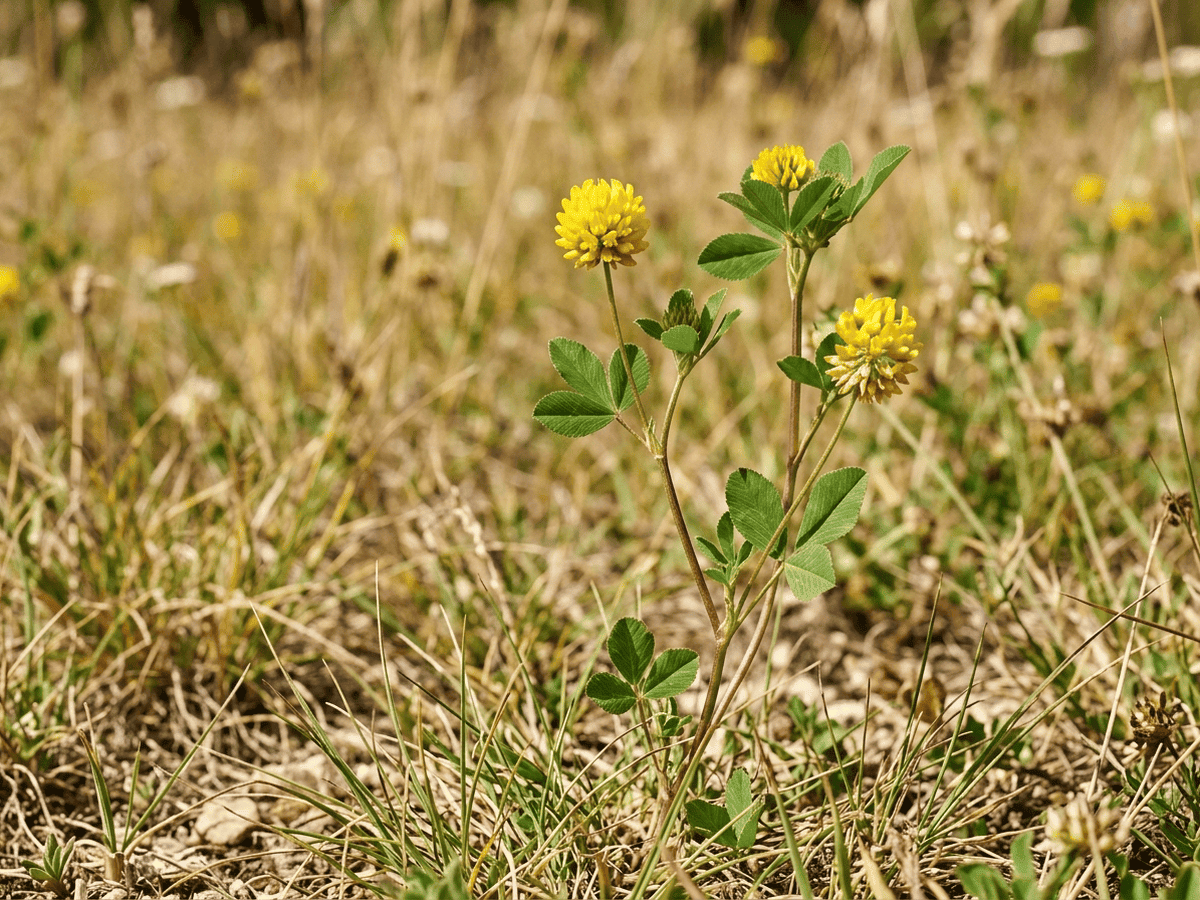 Large Hop CloverTrifolium aureum
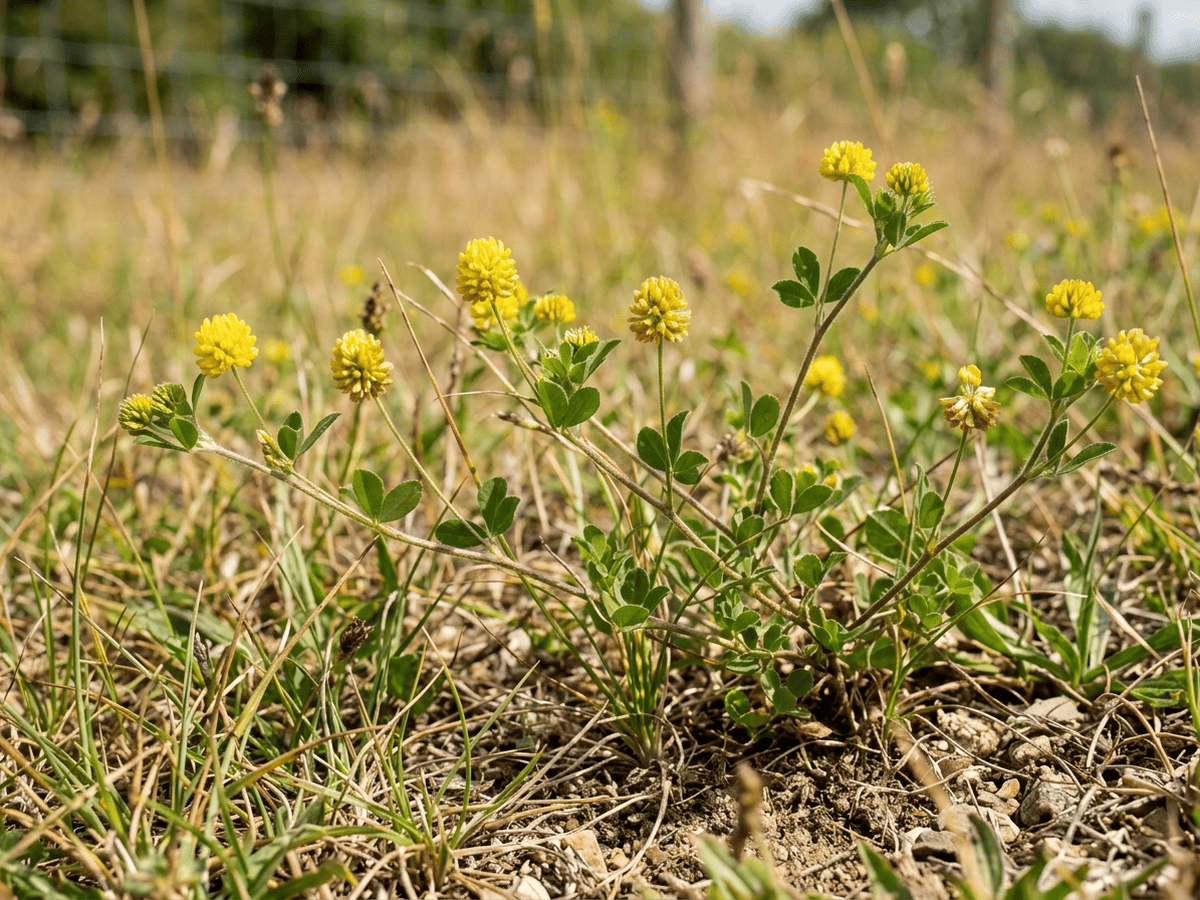 Hop TrefoilTrifolium campestre
Plants with similar care
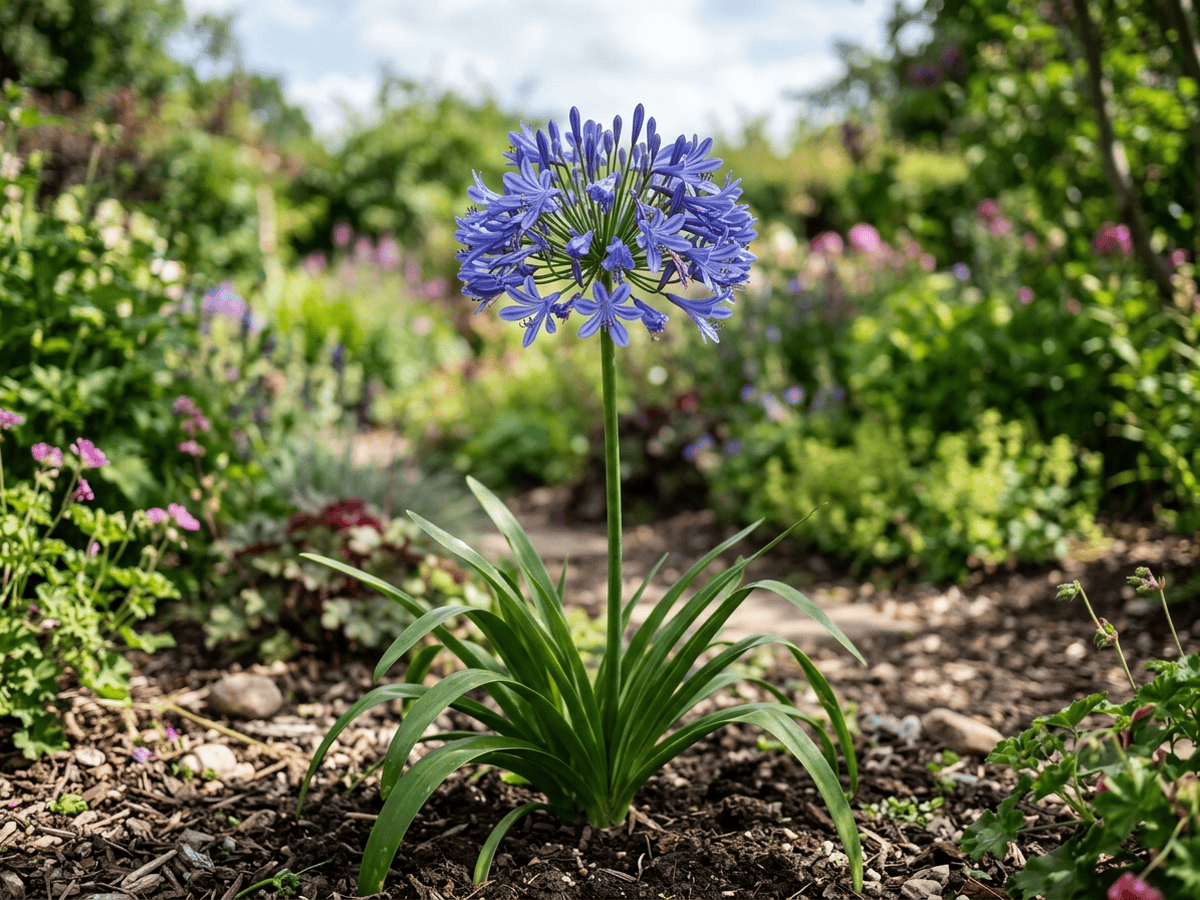 African LilyAgapanthus africanus
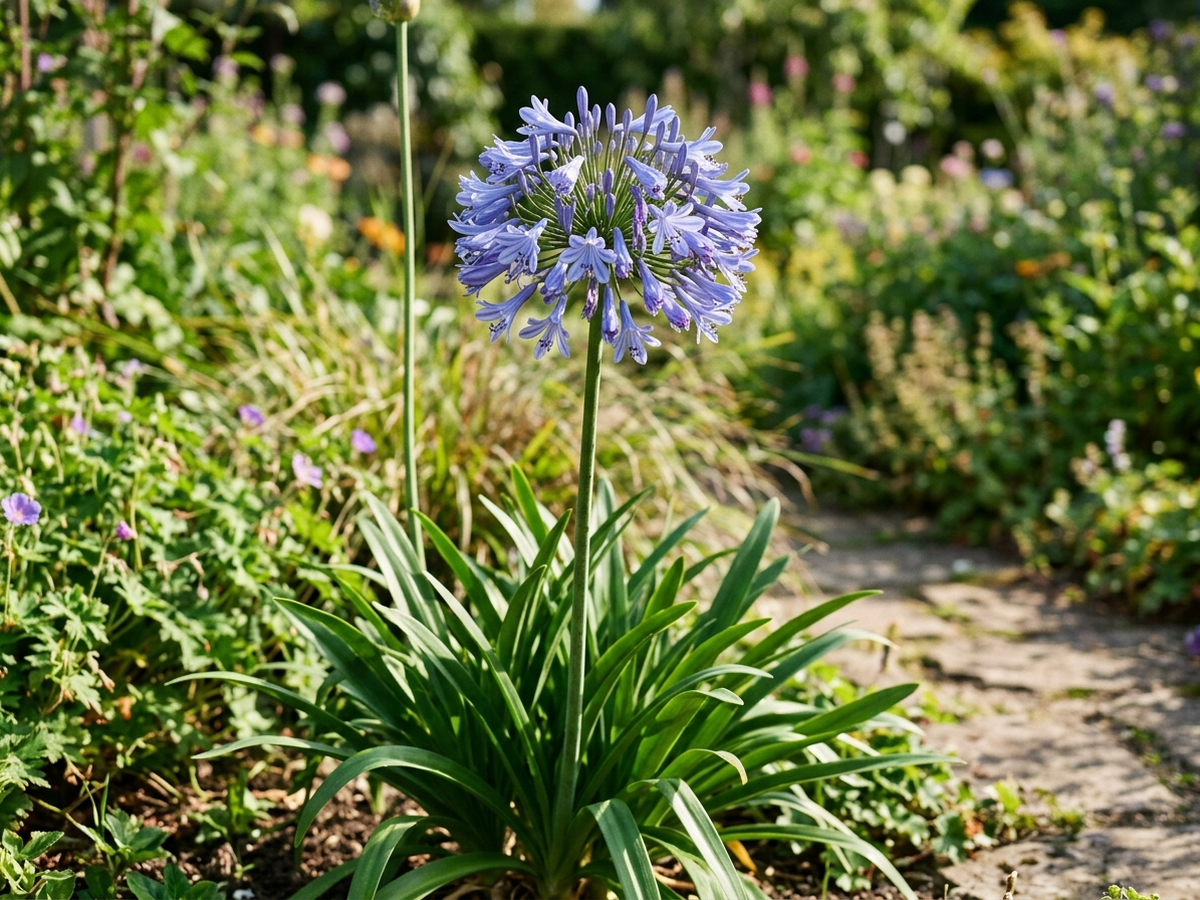 Bell AgapanthusAgapanthus campanulatus
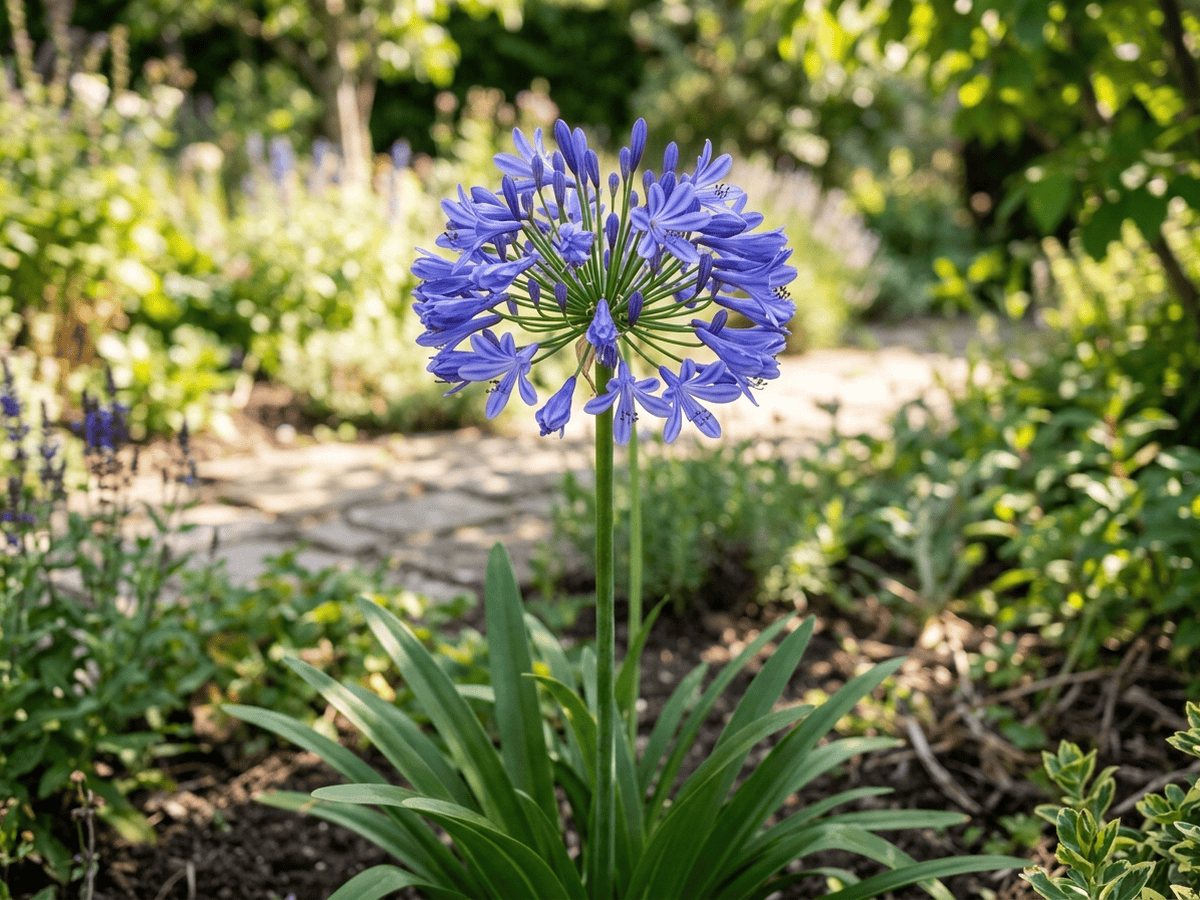 Common AgapanthusAgapanthus praecox
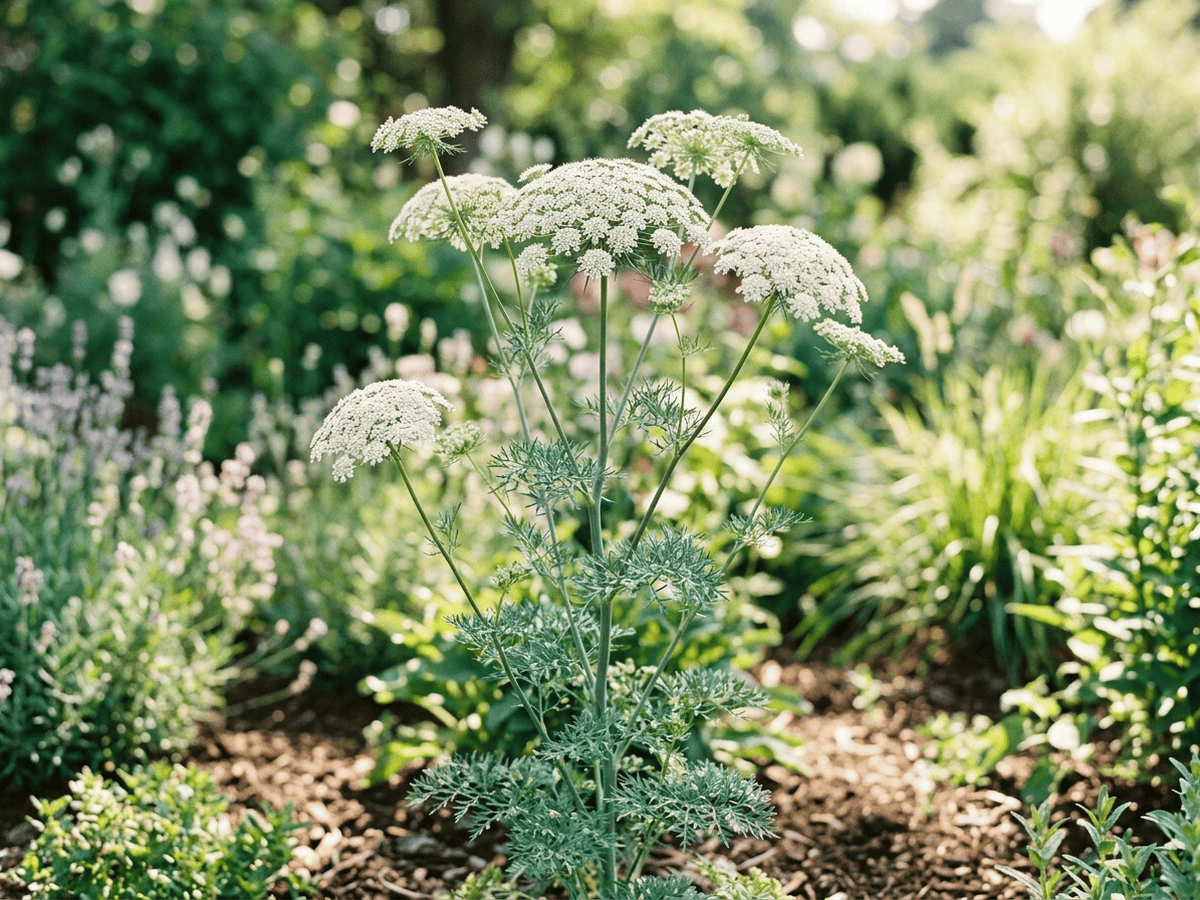 False Queen Anne's LaceAmmi majus glaucifolium
Frequently asked questions
How often should I water Zigzag Clover?
In summer, water about every 10 days; in winter, about every 30 days. Adjust for heat, pot size and drainage.
How much light does Zigzag Clover need?
Part sun: 4–6 hrs direct. Watch the leaves — scorching or stretching means the light needs adjusting.
Is Zigzag Clover toxic to cats or dogs?
No toxicity has been reported for this plant. Still, it is wise to keep pets from chewing on any houseplant. Educational information, not medical or veterinary advice. If exposure is suspected, contact a doctor or veterinarian.
Is Zigzag Clover easy to grow?
It is considered challenging and rewards experienced growers.
When does Zigzag Clover bloom?
It typically blooms Apr–Aug in the Northern Hemisphere.
YardMate
Identify any plant in seconds
Snap a photo — YardMate names the plant, diagnoses problems, and reminds you when to water.
Download on the App Store