 YardMate


Red Clover
Trifolium pratense
Easy · Beginner friendlyAbout Red Clover
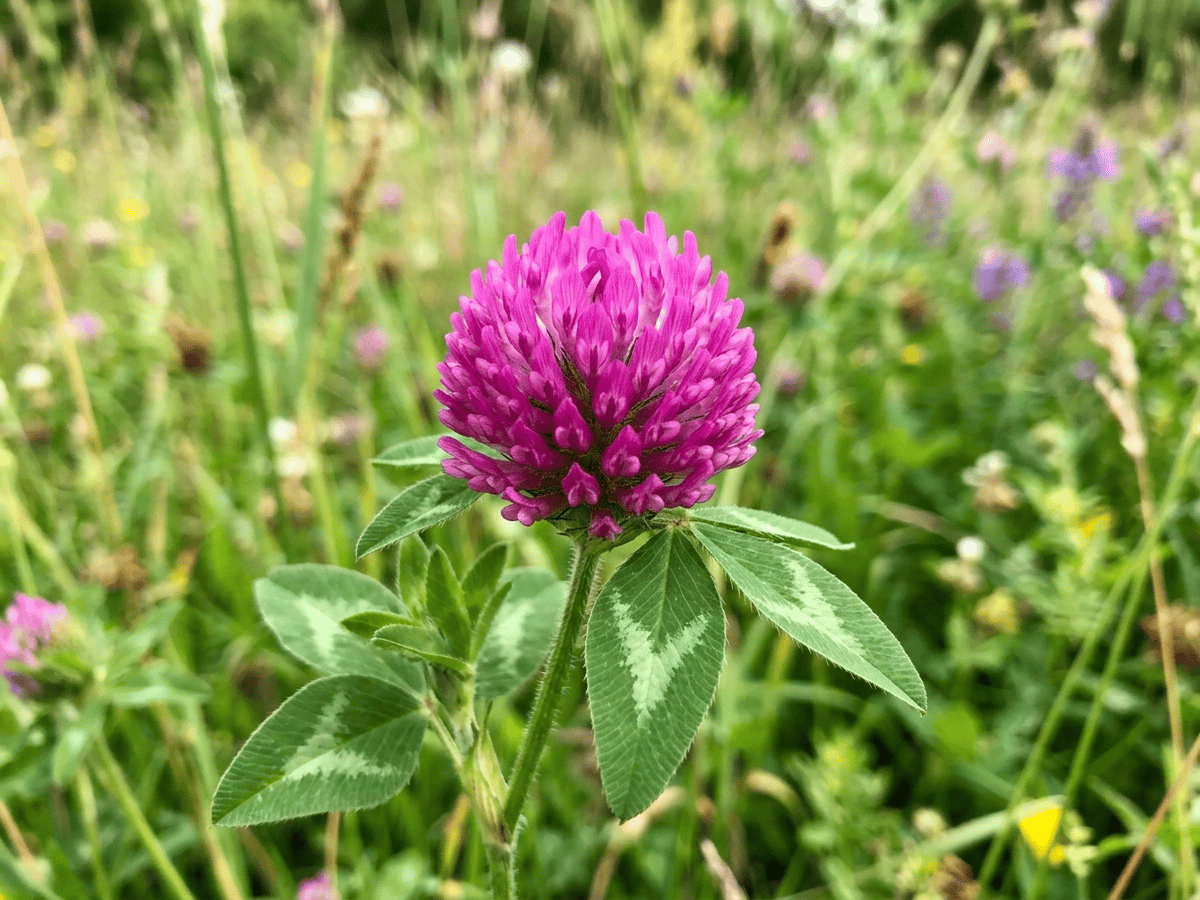
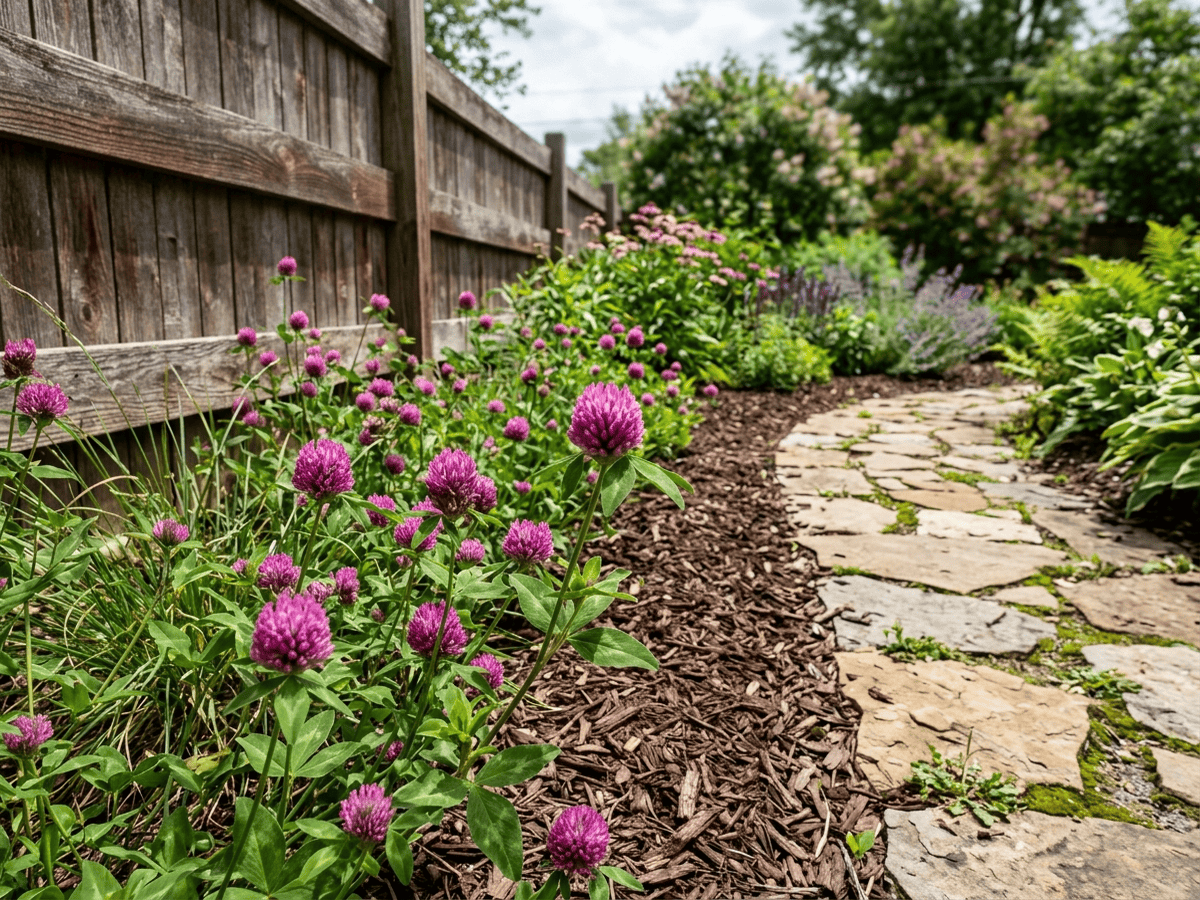
Trifolium pratense, red clover, is a European perennial legume naturalized across North American meadows, roadsides, lawns, and pastures. It grows 30-60 cm tall with trifoliate leaves often marked by pale chevrons and rounded rose-pink to magenta flower heads from late spring into autumn. As a nitrogen fixer it improves soil, and as a forage and hay crop it has been woven into temperate agriculture for centuries. Bees work the blooms heavily, especially long-tongued bumblebees that can reach the nectar. In ornamental lawns it may be too tall for some tastes, but in meadow plantings it brings color, fertility, and ecological usefulness with almost no ceremony.
- Edible
- Medicinal
- Pollinator-friendly
How to care for Red Clover
Watering
- Springevery 7 days
- Summerevery 5 days
- Fallevery 10 days
- Winterevery 21 days
Soil · Rich & well-draining
- Top dressingCompost10%
- Main mixPotting soil + compost 3:180%
- DrainageGravel10%
Top up the compost layer each season.
FERTILIZER
This plant needs little to no feeding.
At a Glance
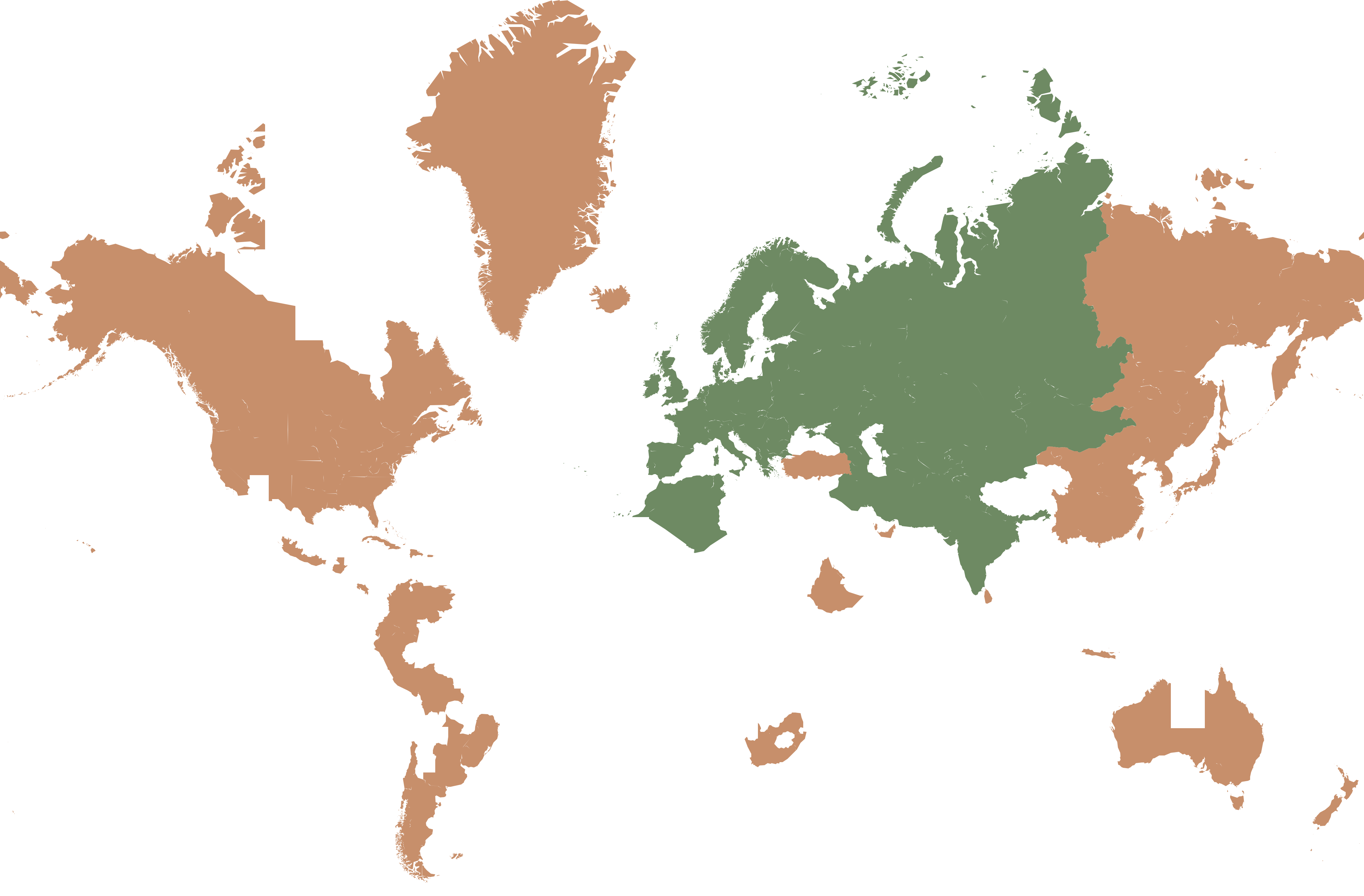
- NativeEurope, Western Asia, Africa
- Height1–2 ft (0.3–0.6 m)
- Spread1–2 ft (0.3–0.6 m)
- Flower colorPink, Purple, Red
- Foliage colorGreen
- Fruit colorBrown
- SoilLoamy, Well-drained
- LocationsYard
Bloom time
BLOOM CYCLE
Peak bloom
May–Nov
Rose-pink round flower heads late spring through fall
Fragrance
MODERATE FRAGRANCE
Flowers honey-scented, favored by bumblebees.
Toxicity
Humans Slight
isoflavones (phytoestrogens)
Slight
- Flower
- Leaf
- Ingestion
EXPOSURE Eating flowers and leaves.
EFFECT Rare hormonal effects from high doses of phytoestrogens.
NOTE Sheep grazing high-isoflavone stands have shown reduced fertility ('clover disease'). Safe at culinary doses.
Not reported
EXPOSURE No exposure route is reported.
EFFECT No toxic effect is reported.
NOTE No toxicity is reported for dogs in this catalog; this is not evidence that the plant is edible or harmless.
Not reported
EXPOSURE No exposure route is reported.
EFFECT No toxic effect is reported.
NOTE No toxicity is reported for cats in this catalog; this is not evidence that the plant is edible or harmless.
Educational information, not medical or veterinary advice. If exposure is suspected, contact a doctor or veterinarian.
DISTRIBUTION

- Native
- Introduced
- Europe
- Western Asia
- Africa
History

Trifolium pratense grows natively in meadows and pastures from Europe through northwest Africa into western Asia. Linnaeus described it in Species Plantarum (1753). It has been cultivated since at least the Middle Ages as a premier forage legume; Andreas Simon of Schleswig introduced systematic field-scale red-clover husbandry in the 16th century, and Britain adopted it as part of the Norfolk four-course rotation from the 17th century.
Traditional European herbalism used flower-head infusions for coughs, skin complaints, and menopausal symptoms. Modern pharmacology has isolated four isoflavones (biochanin A, formononetin, daidzein, genistein) which act as weak phytoestrogens and underlie its use in 20th-century menopause supplements. Vermont declared it state flower in 1894; Denmark made it national flower.
It is a major pollinator plant. Native to Europe, western Asia, and North Africa, introduced to American colonial farms in the 1600s as a hay crop. Isoflavones from red clover are studied for menopausal symptom relief and the plant remains an important organic cover crop across American farms.
Symbolism & meaning
What It Symbolizes
Red Clover is meadow generosity. Pink flower heads feed bees, roots enrich soil, and the plant has followed hayfields, pastures, and country roads for centuries. Its symbolism is reciprocity: a small legume quietly returning fertility to the ground while brightening the field above it.
- Industriousness — honored as Vermont state flower for agricultural value
- Women's herb — traditional medicine for female health
Where the Name Comes From
The common name highlights its red coloring. 'pratense' from Latin means of meadows, for the typical habitat in European hayfields and grassy meadows.
Uses & Fun Facts
- Pink flower heads garnish salads and brew herbal tea
- Isoflavones used in women's wellness herbal preparations
- Premier honeybee and bumblebee forage crop
- Nitrogen-fixing cover crop and pasture hay
Related plants
More Trifolium plants
 Narrow-leaved CloverTrifolium angustifolium
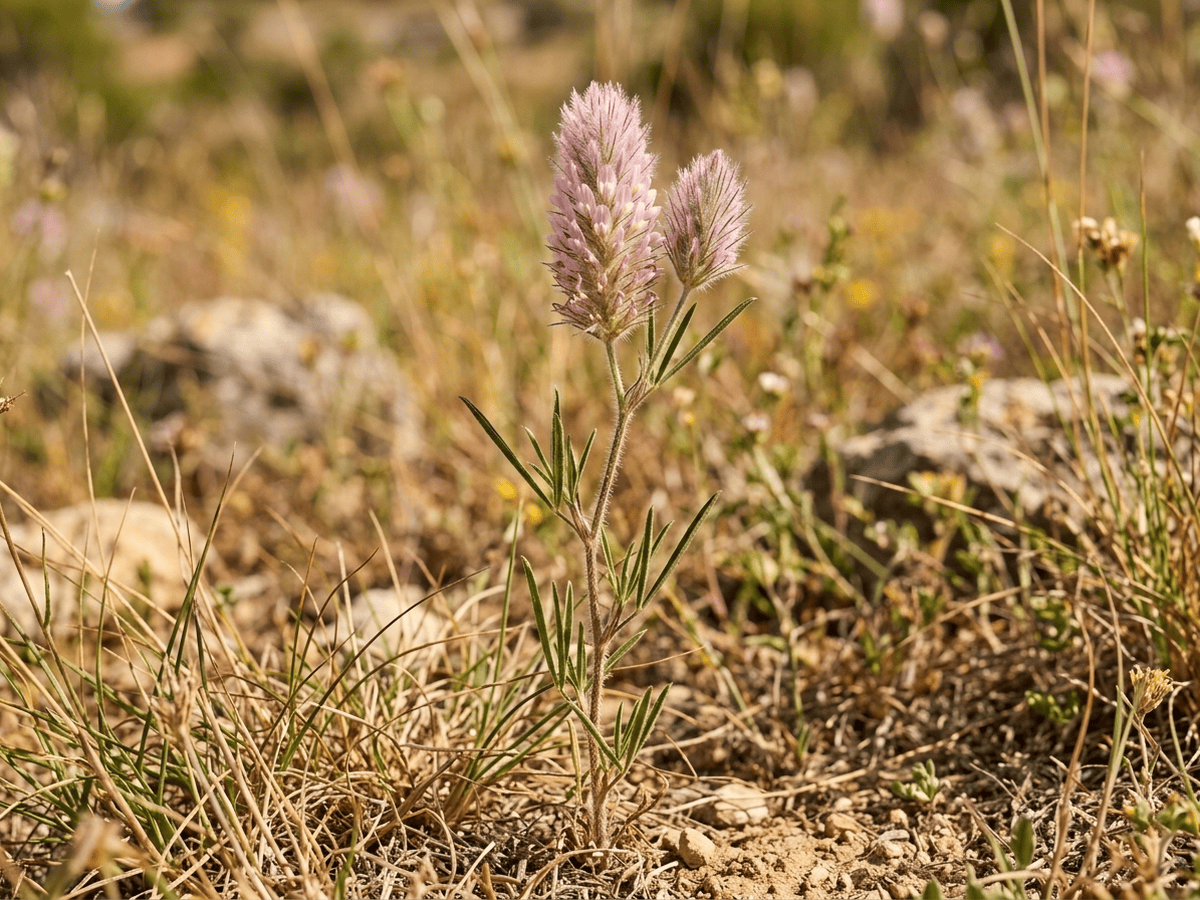
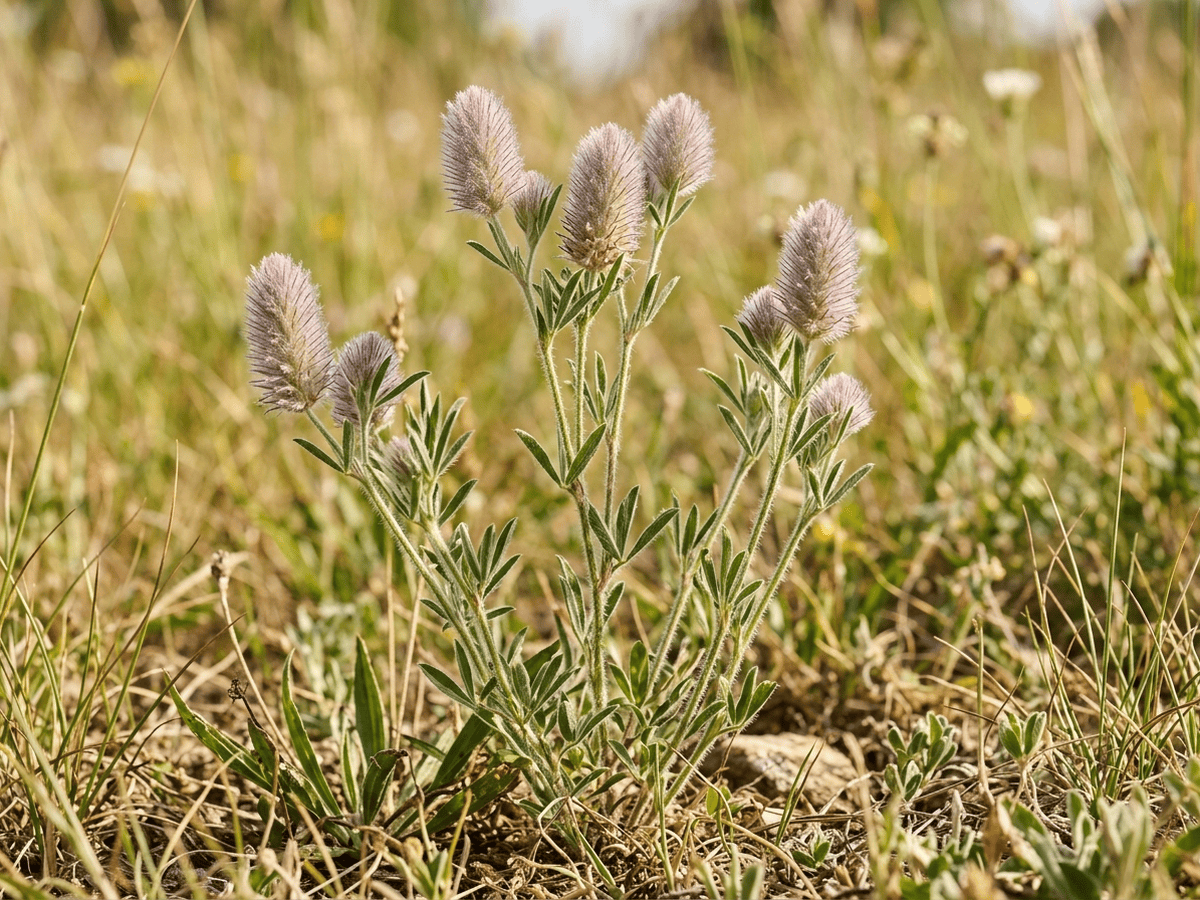 Rabbitfoot CloverTrifolium arvense
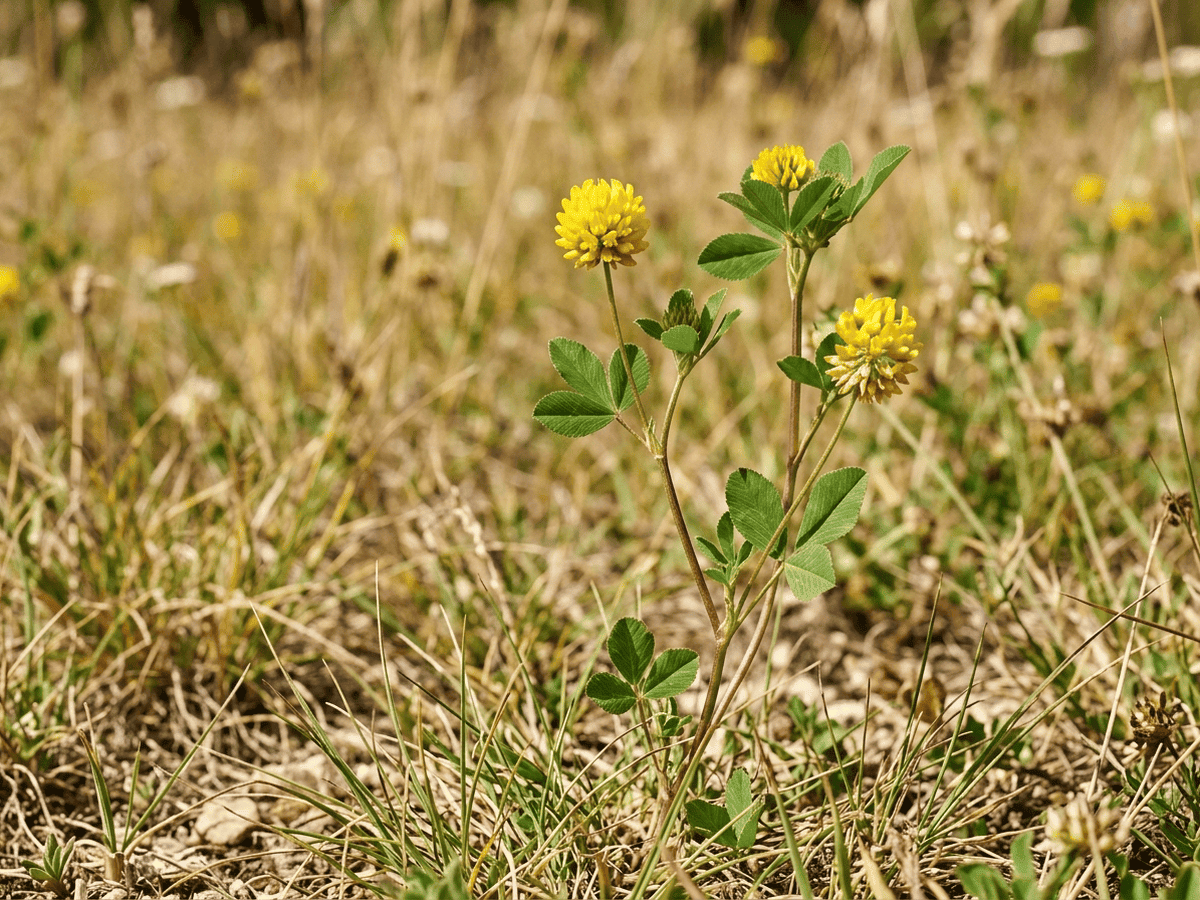 Large Hop CloverTrifolium aureum
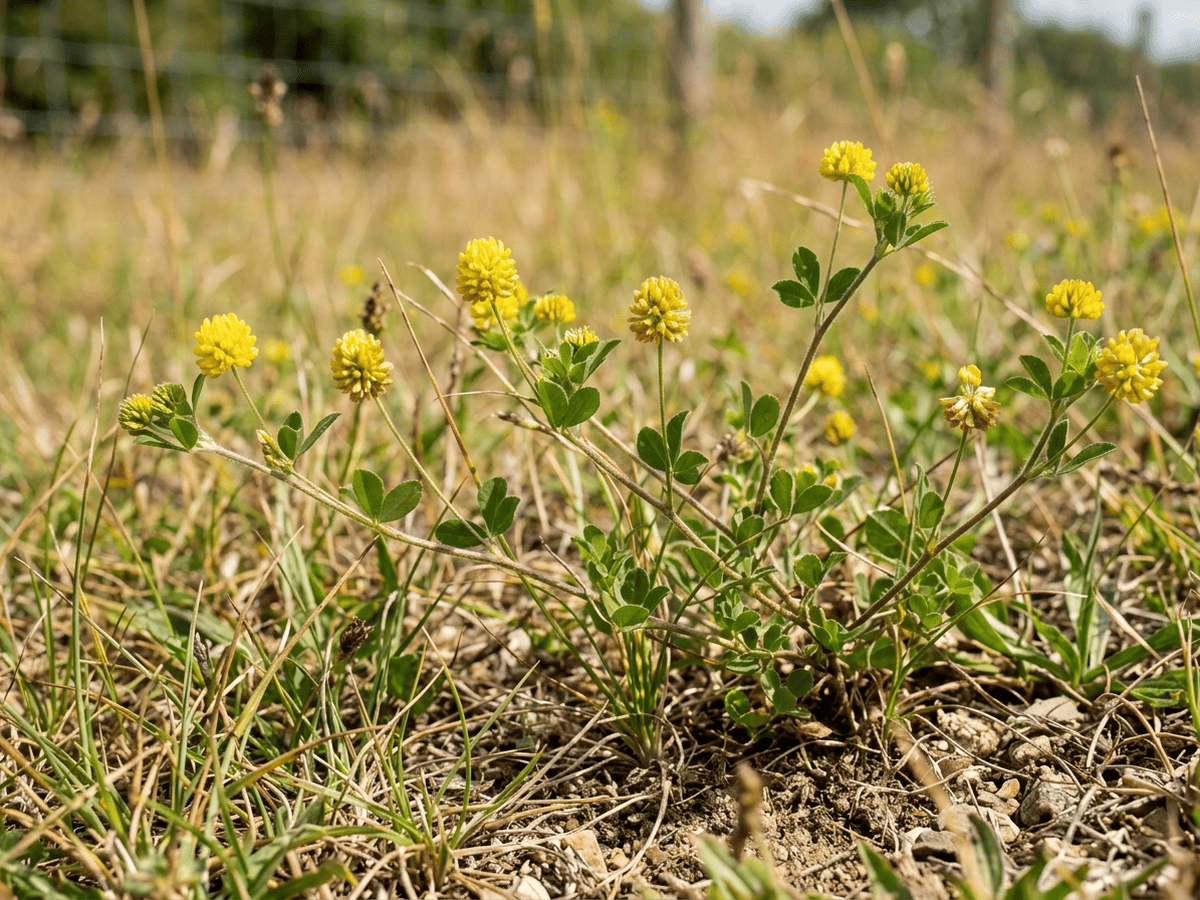 Hop TrefoilTrifolium campestre
Plants with similar care
 Chinese AbeliaAbelia chinensis
 Fragrant AbeliaAbelia mosanensis
 Large-Flowered AbeliaAbelia uniflora
 Glossy AbeliaAbelia x grandiflora
Frequently asked questions
How often should I water Red Clover?
In summer, water about every 5 days; in winter, about every 21 days. Adjust for heat, pot size and drainage.
How much light does Red Clover need?
Full sun: 6+ hrs direct. Watch the leaves — scorching or stretching means the light needs adjusting.
Is Red Clover toxic to cats or dogs?
Pets Not reported (Dogs Not reported · Cats Not reported) Educational information, not medical or veterinary advice. If exposure is suspected, contact a doctor or veterinarian.
Is Red Clover easy to grow?
Yes — it is considered an easy, beginner-friendly plant.
When does Red Clover bloom?
It typically blooms May–Nov in the Northern Hemisphere.
YardMate
Identify any plant in seconds
Snap a photo — YardMate names the plant, diagnoses problems, and reminds you when to water.
Download on the App Store