 YardMate

Tomcat Clover
Trifolium willdenovii
Hard · Experienced growersAbout Tomcat Clover
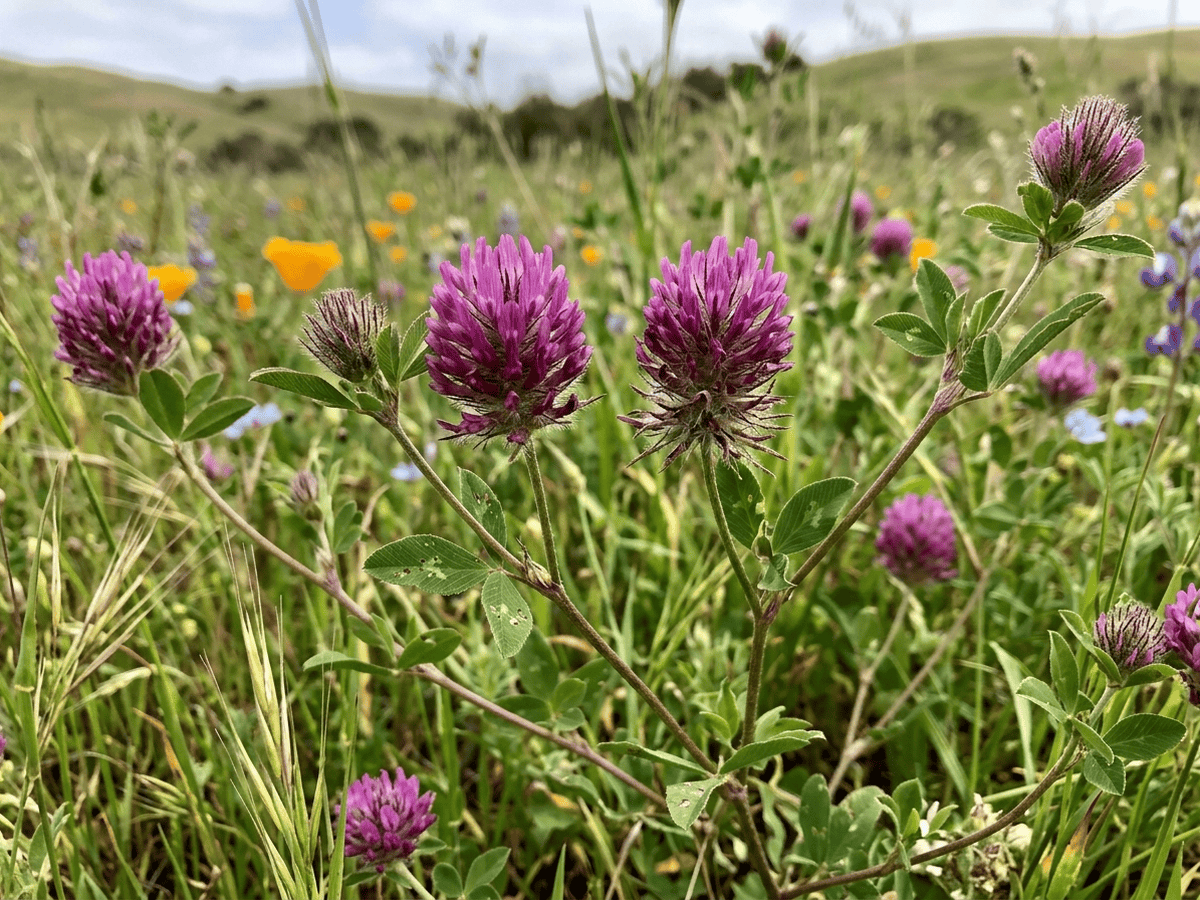
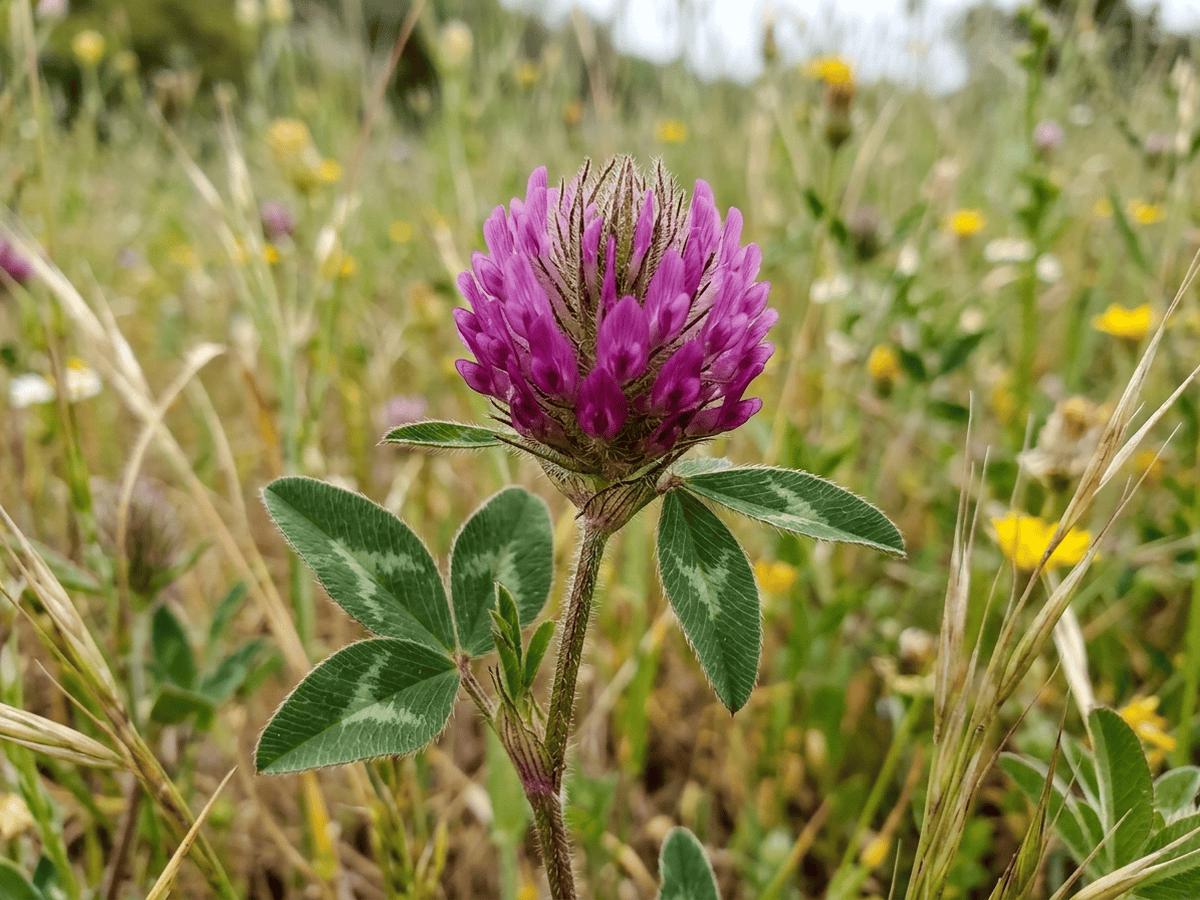
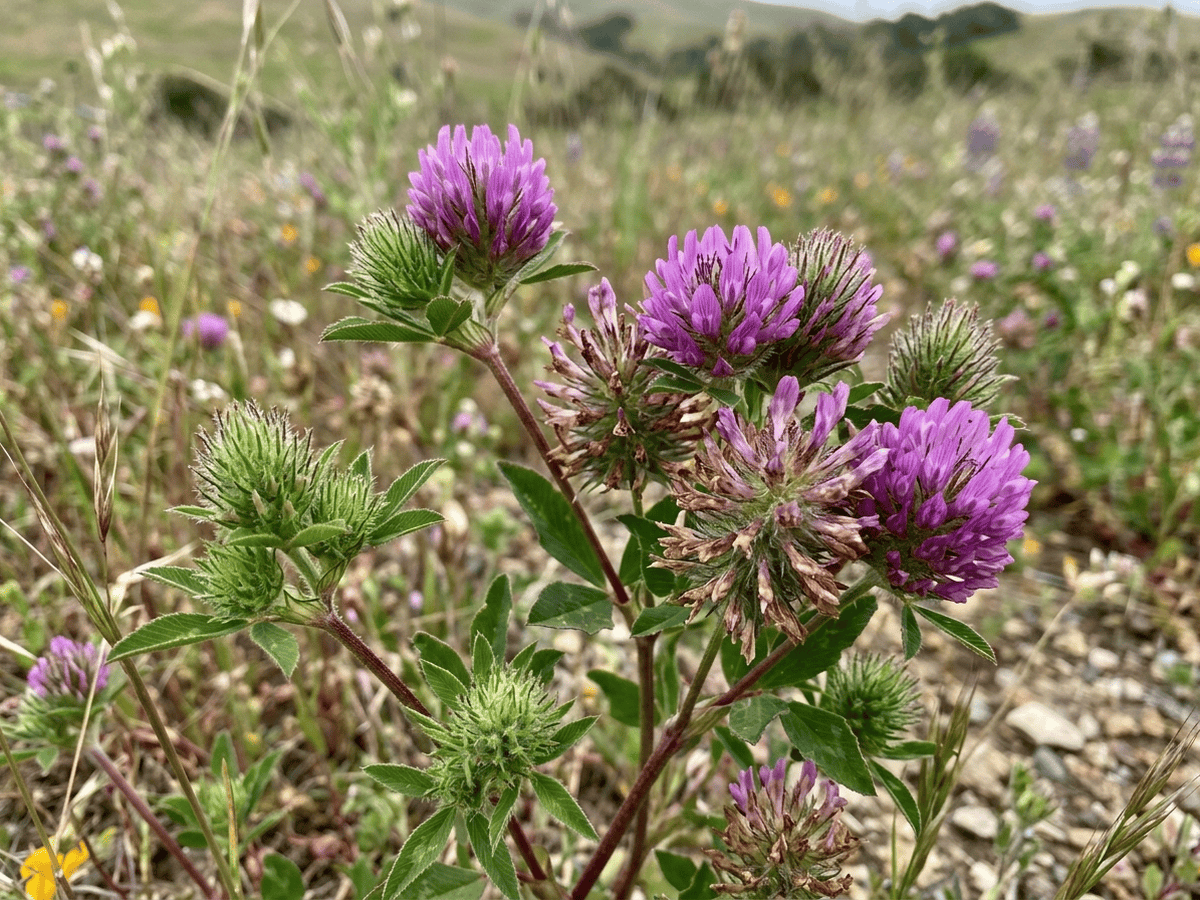
Trifolium willdenovii, Tomcat Clover, is a native annual of California and the Pacific Coast that carpets coastal prairies and grasslands with bright purple-pink flower heads each spring. Growing 1–1.5 feet tall on branching stems, it blooms April through June with rounded flower heads that are slightly shaggy with reflexed calyx teeth—a distinctive fuzzy texture that may explain the curious common name. A spring ephemeral that fixes nitrogen and feeds native pollinators before summer drought, it is a characteristic plant of California's golden hillside season.
- Pollinator-friendly
- Drought-tolerant
- Fast-growing
- Deciduous
How to care for Tomcat Clover
Watering
- Springevery 7 days
- Summerevery 7 days
- Fallevery 14 days
- Winterpause watering
Soil · Well-draining
- Top dressingPine bark mulch10%
- Main mixPotting soil + perlite 2:170%
- DrainageLECA / gravel20%
Never skip the drainage layer — standing water is the top cause of root rot.
FERTILIZER
- Springevery 30 days
- Summerevery 30 days
At a Glance
- NativeNorth America
- Height1–1.5 ft (0.3–0.5 m)
- Spread1 ft (0.3 m)
- Flower colorPurple
- Foliage colorGreen
- SoilWell-drained, Loamy
- LocationsYard · Balcony
Bloom time
BLOOM CYCLE
Peak bloom
Apr–Jun
Tomcat clover produces attractive flowers from April to June.
Toxicity
No toxicity has been reported for this plant. Still, it is wise to keep pets from chewing on any houseplant.
Educational information, not medical or veterinary advice. If exposure is suspected, contact a doctor or veterinarian.
DISTRIBUTION


- Native
- North America
History

Trifolium willdenovii is native to California and the Pacific Coast, from Oregon south through Baja California, where it is a characteristic spring annual of coastal prairies, valley grasslands, and disturbed openings in oak woodland. It is part of the great spring wildflower tapestry that covers California's hillsides from late March through May, along with poppies, lupines, and other annual legumes, before the summer drought ends the season.
The species honors Carl Ludwig Willdenow (1765–1812), one of the most important German botanists of the era. Willdenow was director of the Berlin Botanical Garden, an influential professor who taught Alexander von Humboldt, and a prolific taxonomist who described thousands of plant species—including many from the American Pacific Coast that arrived as dried specimens collected during Spanish and Russian exploratory voyages. He named and catalogued plants he never personally observed in the field, working from herbarium sheets in Berlin while the plants themselves bloomed in California.
The unusual common name 'Tomcat Clover' has no well-documented origin but likely refers to the slightly shaggy, textured appearance of the flower heads—the reflexed calyx teeth give each head a softly fuzzy, slightly wild appearance unlike the neat spheres of other clovers.
Ecologically, T. willdenovii is an important component of California native plant communities—fixing nitrogen, feeding specialist native bees and butterflies in early spring, and providing seed for birds and small mammals before going to ground with the summer dry season.
Symbolism & meaning
What It Symbolizes
Tomcat Clover was pressed flat, wrapped in paper, and sent on a ship to Berlin, where a botanist opened it and gave it a name. It had been blooming on California hillsides for thousands of years without that name. The botanist's name outlasted him by two centuries. The clover still blooms every April, with or without anyone naming it.
- spring ephemerality — Blooms brilliantly for two months, then vanishes with the drought—the whole California spring in miniature.
- remote discovery — Named by a man in Berlin who never saw it growing—described from a dried sheet, a pressed fragment of a California hillside sent across the Atlantic.
Where the Name Comes From
Trifolium is Latin for 'three-leaved.' The species epithet willdenovii honors Carl Ludwig Willdenow (1765–1812), German botanist, director of the Berlin Botanical Garden, and teacher of Alexander von Humboldt, who catalogued Pacific Coast plants from herbarium specimens.
Uses & Fun Facts
- Important spring nectar and pollen source for native California bees and butterflies, blooming early in the season before summer drought ends the wildflower season
- Nitrogen-fixing native annual that improves grassland soils; seeds eaten by birds and small mammals in California's coastal prairies
Related plants
More Trifolium plants
 Narrow-leaved CloverTrifolium angustifolium
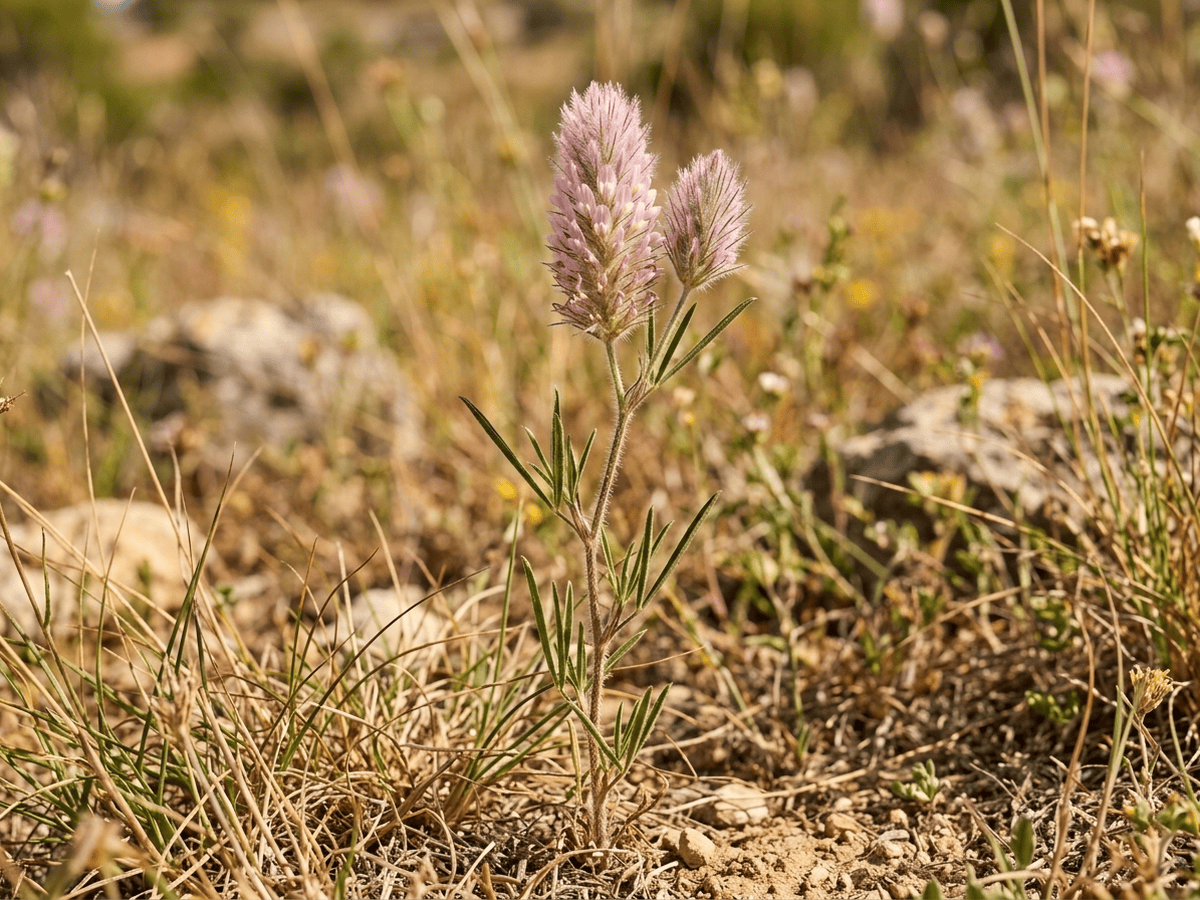
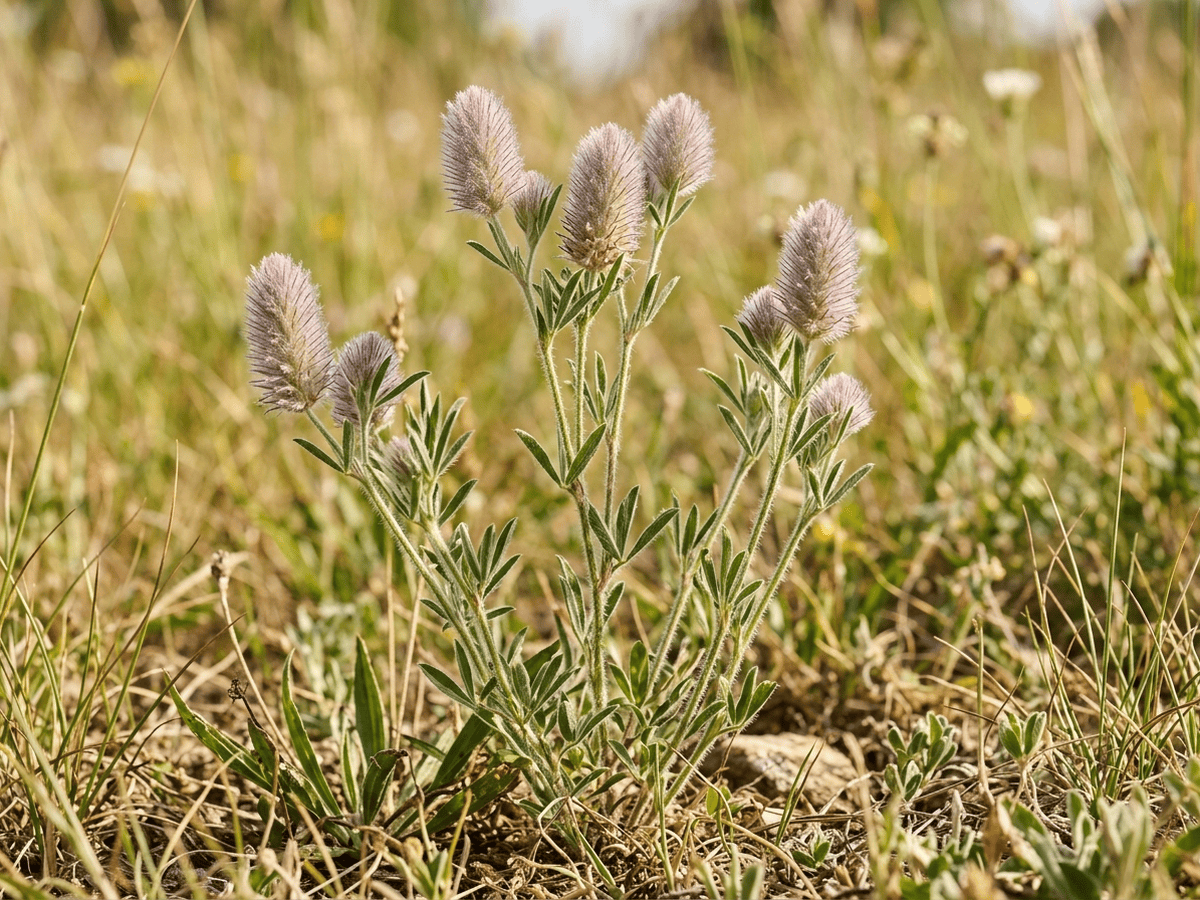 Rabbitfoot CloverTrifolium arvense
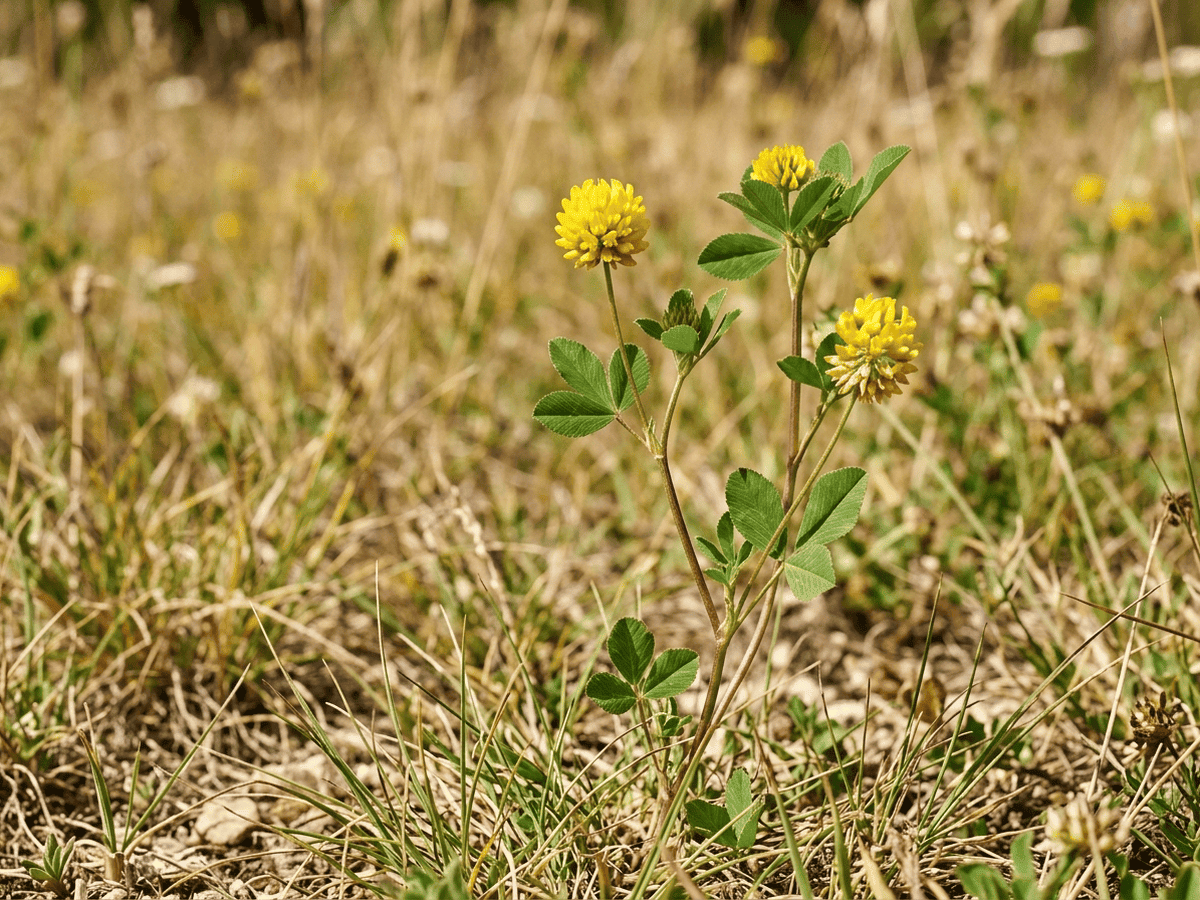 Large Hop CloverTrifolium aureum
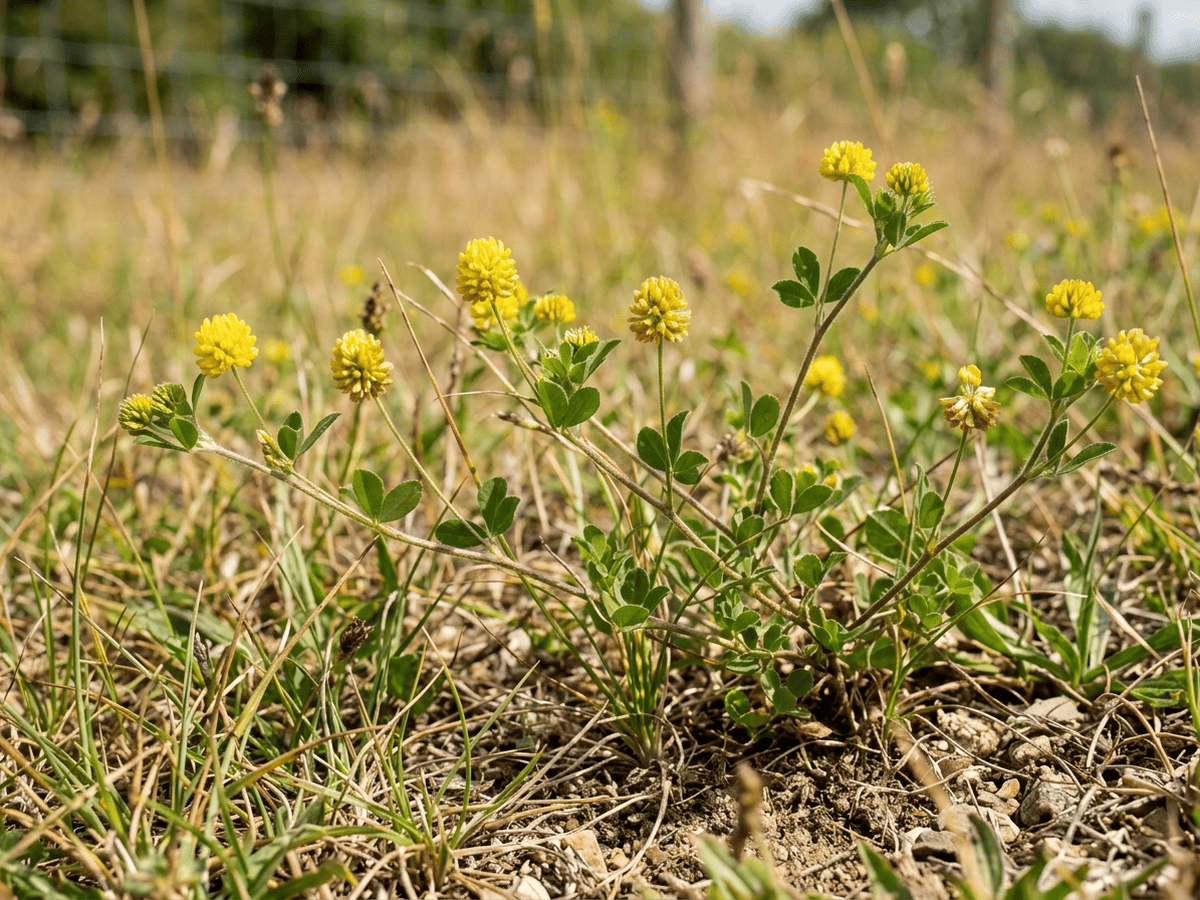 Hop TrefoilTrifolium campestre
Plants with similar care
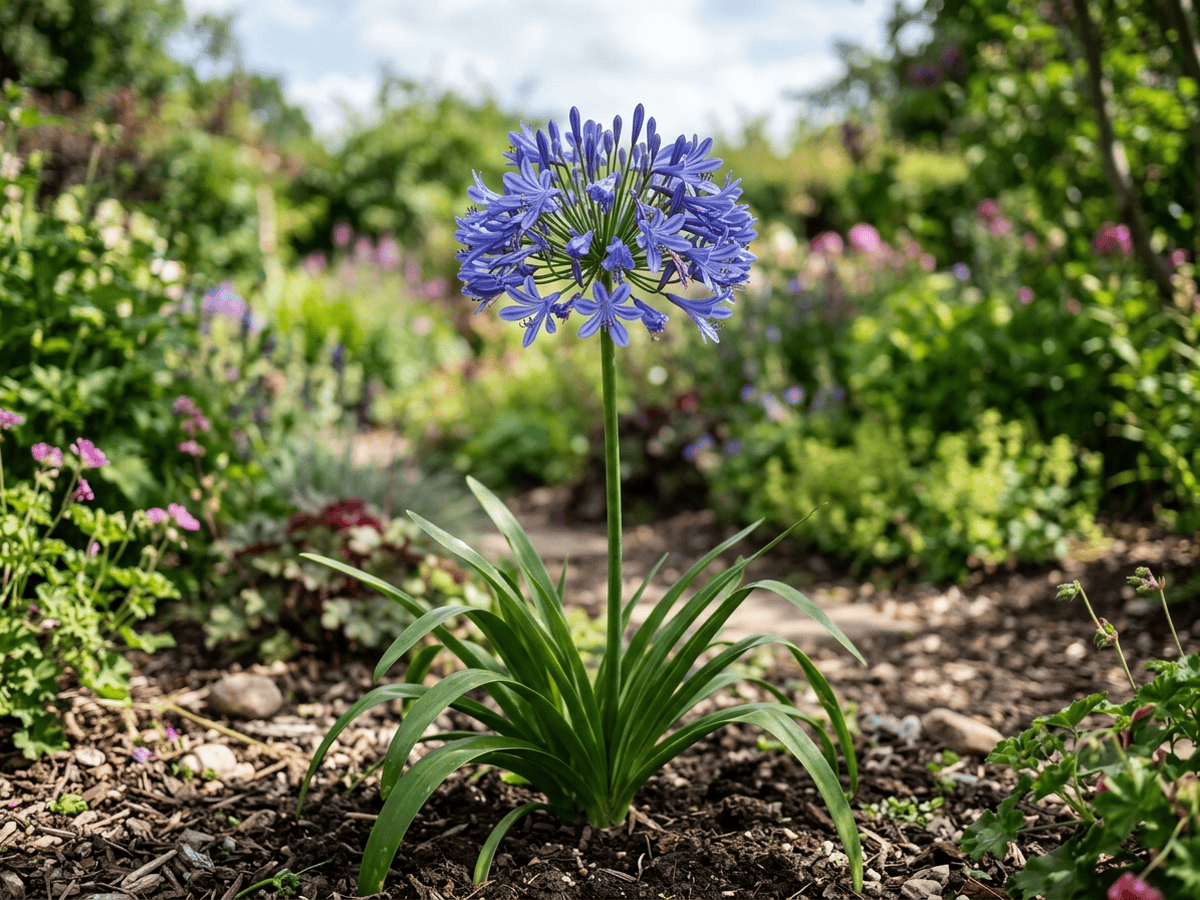 African LilyAgapanthus africanus
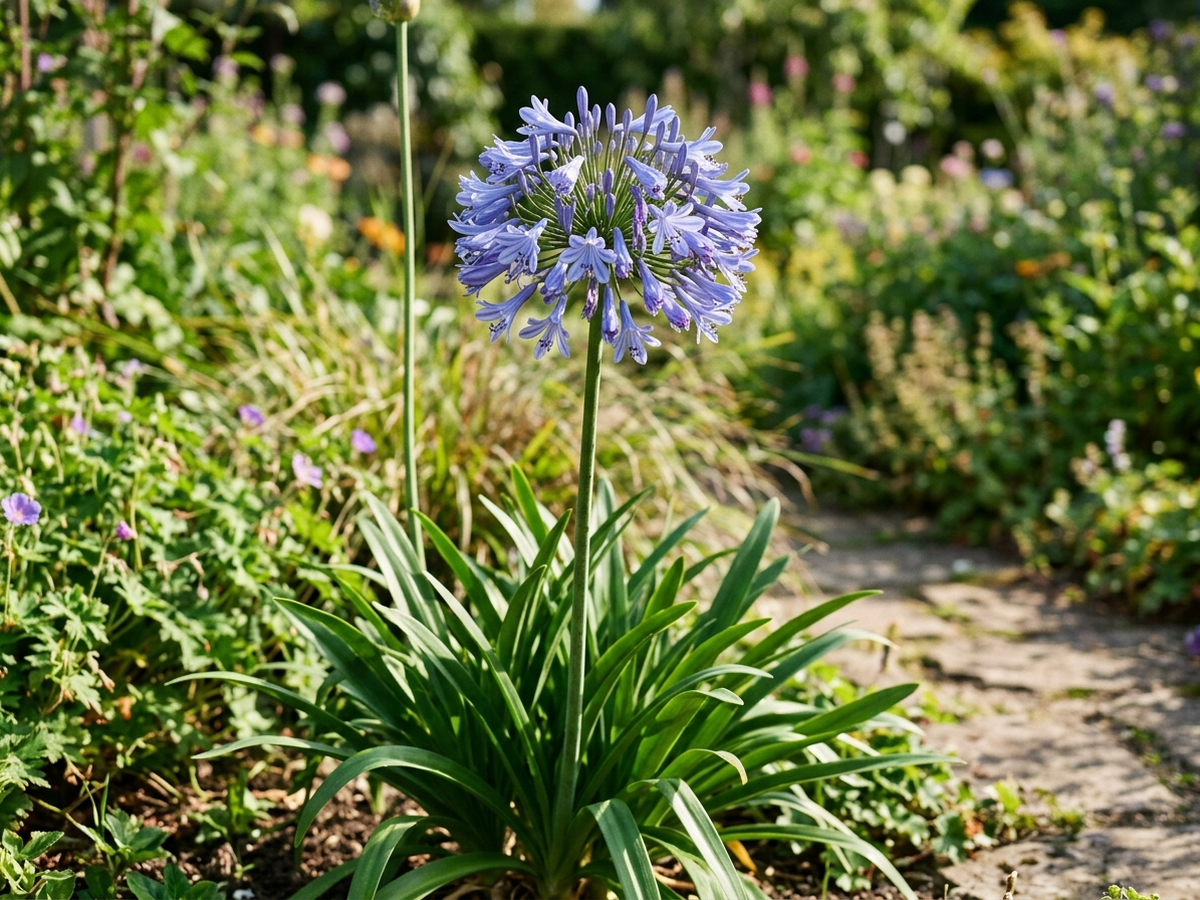 Bell AgapanthusAgapanthus campanulatus
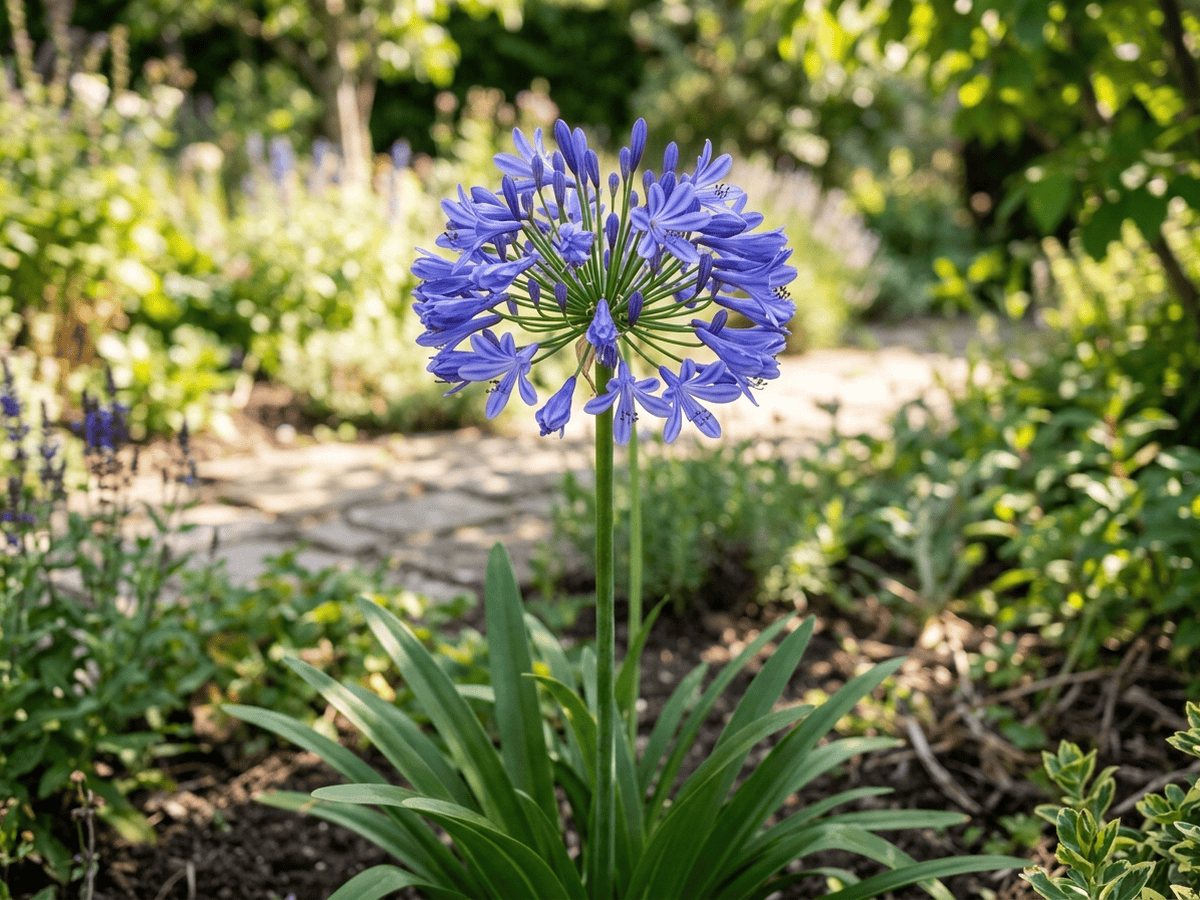 Common AgapanthusAgapanthus praecox
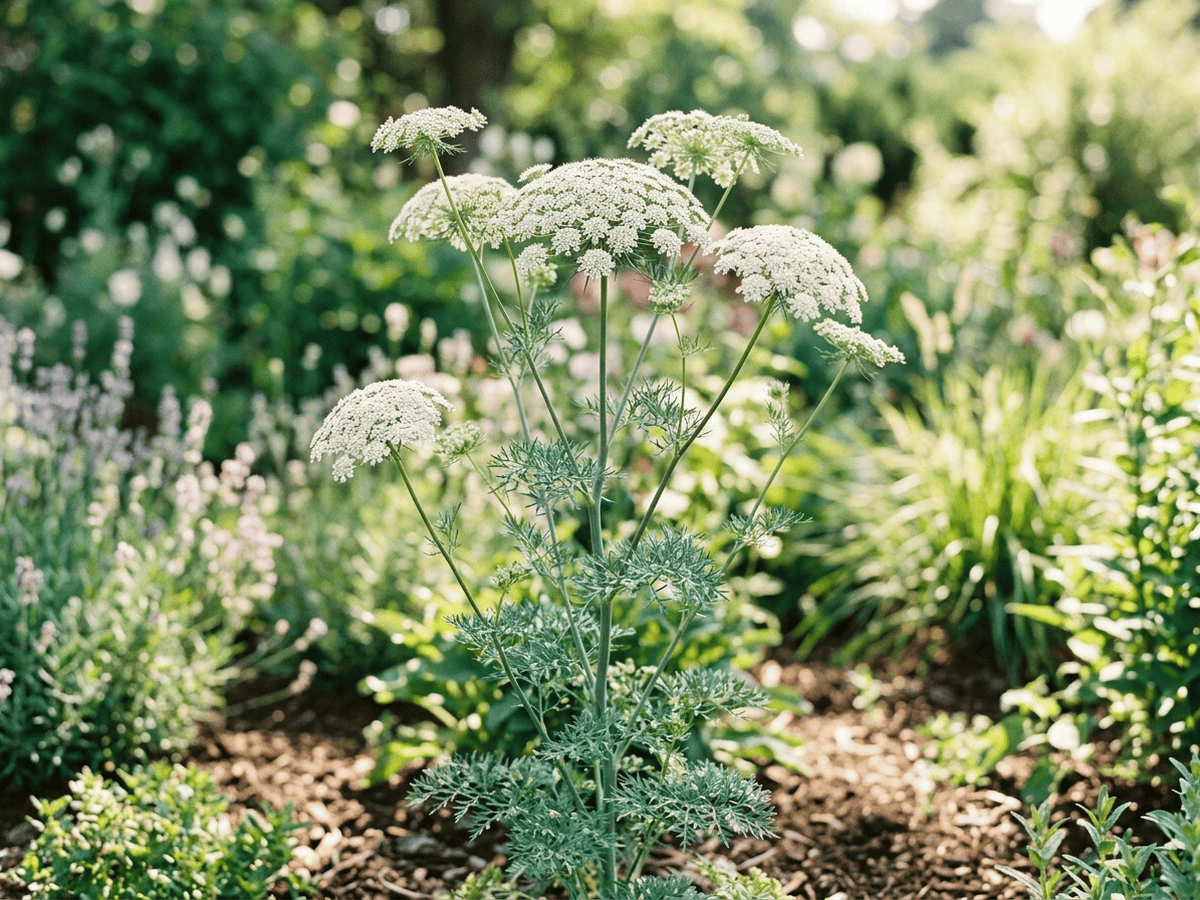 False Queen Anne's LaceAmmi majus glaucifolium
Frequently asked questions
How often should I water Tomcat Clover?
Water about every 7 days during the growing season, and always let excess water drain away.
How much light does Tomcat Clover need?
Part sun: 4–6 hrs direct. Watch the leaves — scorching or stretching means the light needs adjusting.
Is Tomcat Clover toxic to cats or dogs?
No toxicity has been reported for this plant. Still, it is wise to keep pets from chewing on any houseplant. Educational information, not medical or veterinary advice. If exposure is suspected, contact a doctor or veterinarian.
Is Tomcat Clover easy to grow?
It is considered challenging and rewards experienced growers.
When does Tomcat Clover bloom?
It typically blooms Apr–Jun in the Northern Hemisphere.
YardMate
Identify any plant in seconds
Snap a photo — YardMate names the plant, diagnoses problems, and reminds you when to water.
Download on the App Store