 YardMate


Northern Highbush Blueberry
Vaccinium corymbosum
Medium · Some experienceAbout Northern Highbush Blueberry
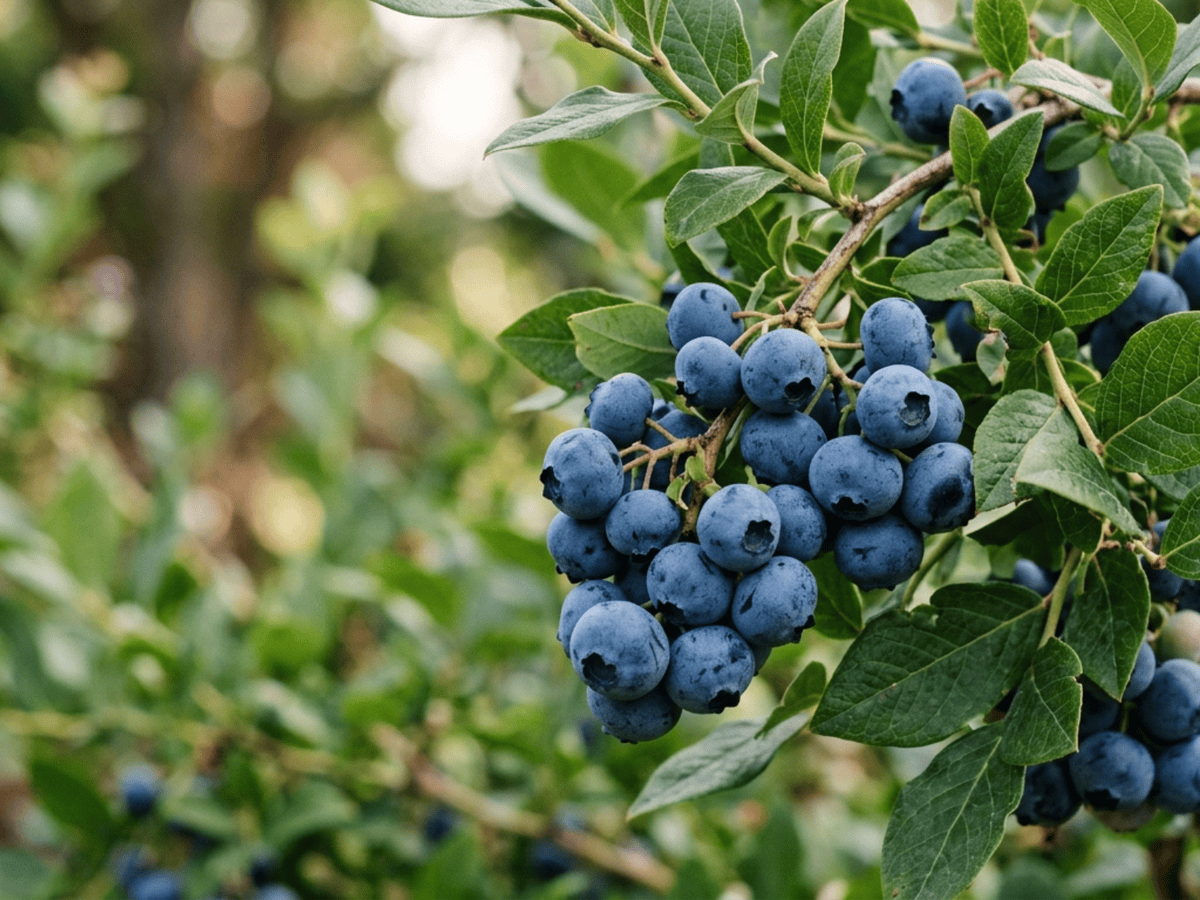
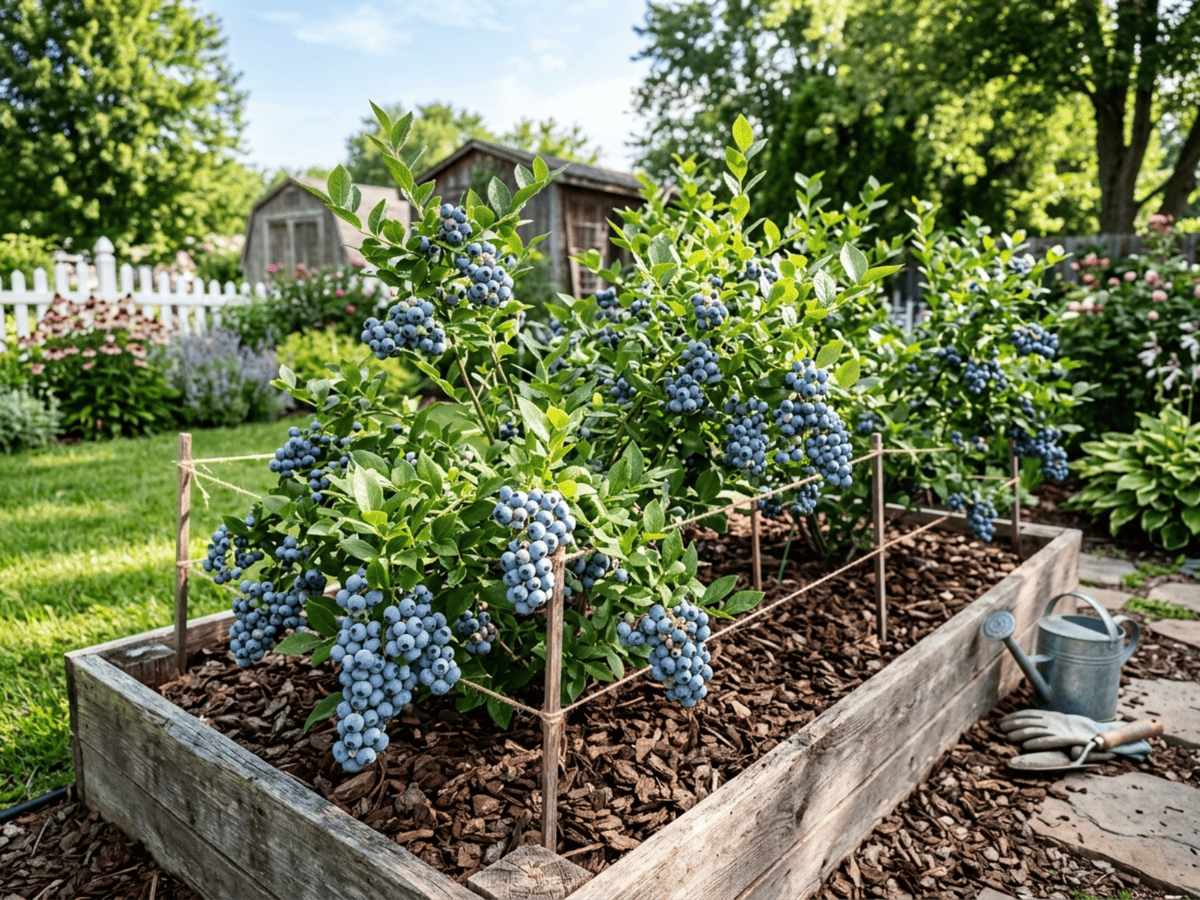
Vaccinium corymbosum, northern highbush blueberry, is a deciduous shrub of eastern North America and the foundation of the modern blueberry industry. It grows 1.5-3 meters tall, with bell-shaped spring flowers, blue summer berries, and red to burgundy autumn foliage. Blueberries demand acidic soil, usually pH 4.5-5.5, plus sun, moisture, and organic matter; many failures come from soil that is not acidic enough. Planting more than one cultivar improves fruit set and berry size. The fruits are rich in fiber, vitamin C, anthocyanins, and other polyphenols, which is why they are so prominent in nutrition research. Indigenous peoples ate wild blueberries fresh, dried, and in pemmican; modern domestication began with Elizabeth White and Frederick Coville in New Jersey in the early 1900s.
- Edible
- Cold-hardy
How to care for Northern Highbush Blueberry
Watering
- Springevery 3 days
- Summerevery 2 days
- Fallevery 4 days
- Winterevery 10 days
Soil · Acidic · pH 4.5–6
- Top dressingPine needle mulch10%
- Main mixAcid-lover mix + peat 3:175%
- DrainageGravel15%
Never add lime or wood ash — it cancels out the acidity.
FERTILIZER
Acid-Loving Feed 4-3-4
One bag does both jobs. An acid feed carries the usual nitrogen, phosphorus and potassium, plus the sulfur and iron that keep the soil sour enough for the roots to take them up at all.
- Nitrogen · Leaves
- Phosphorus · Roots + Blooms
- Potassium · Strength
- Springevery 30 days
- Summerevery 30 days
- Fallevery 45 days
At a Glance
- NativeNorth America
- Height5–8 ft (1.5–2.4 m)
- Spread4–6 ft (1.2–1.8 m)
- Flower colorWhite, Pink
- Foliage colorGreen, Red
- Fruit colorBlue
- SoilAcidic, Well-drained, Loamy
- LocationsYard · Indoor · Balcony
Bloom time
BLOOM CYCLE
Peak bloom
Jun–Aug
Bell-shaped flowers attract bumblebees; plant two or more varieties for better cross-pollination and larger berries.
Fragrance
LIGHT FRAGRANCE
Subtle honey aroma when in bloom.
Toxicity
Humans Safe · Pets Safe
anthocyanins and pterostilbene
Safe
EXPOSURE No exposure route is reported.
EFFECT Widely consumed.
NOTE Listed as non-toxic for humans; avoid eating ornamental plants unless confirmed edible.
Safe
EXPOSURE No exposure route is reported.
EFFECT Not toxic and commonly used as healthy treat.
NOTE Listed as non-toxic for dogs; avoid eating ornamental plants unless confirmed edible.
Safe
EXPOSURE No exposure route is reported.
EFFECT Not toxic.
NOTE Listed as non-toxic for cats; avoid eating ornamental plants unless confirmed edible.
Educational information, not medical or veterinary advice. If exposure is suspected, contact a doctor or veterinarian.
DISTRIBUTION


- Native
- Introduced
- North America
History
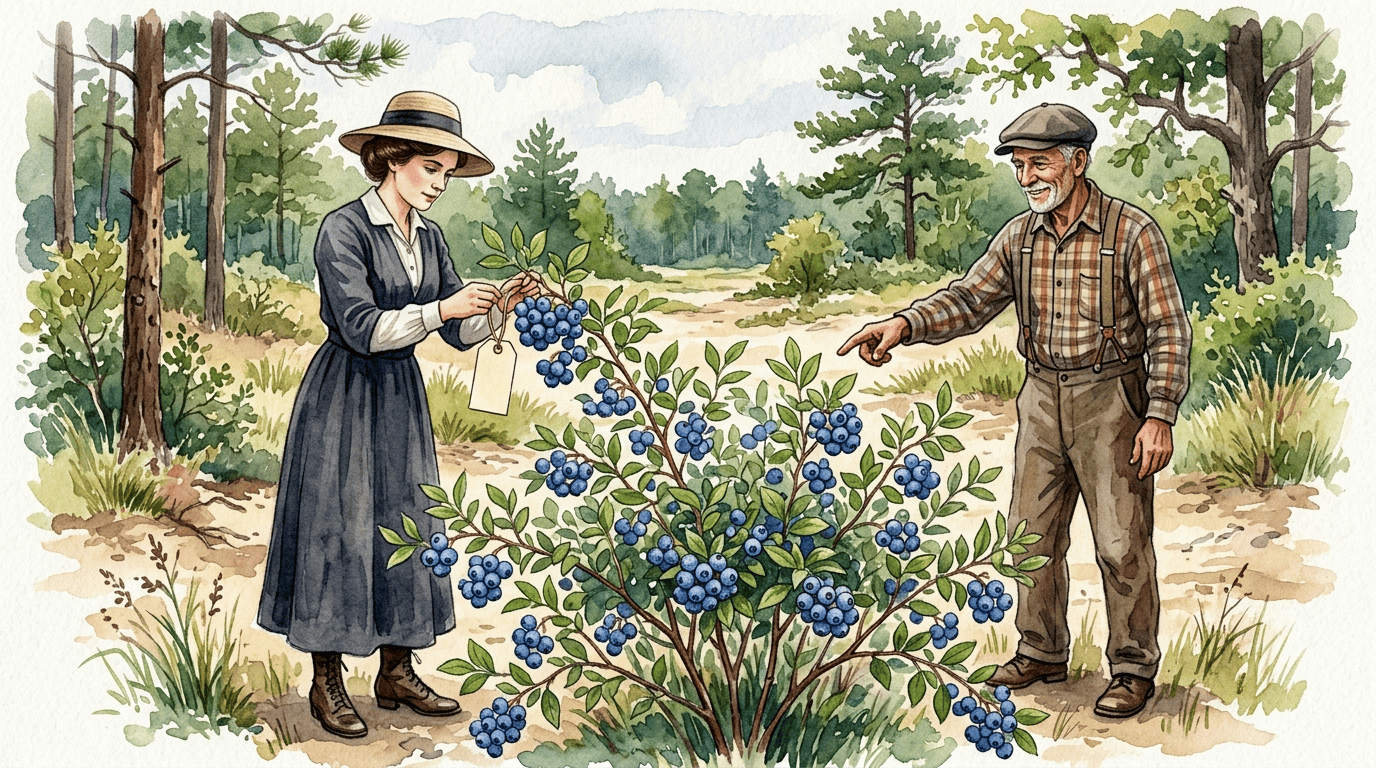
Vaccinium corymbosum is native to the eastern United States and Canada, from Nova Scotia to Florida. Indigenous peoples ate both V. corymbosum and the related lowbush blueberry (V. angustifolium) — Wabanaki, Passamaquoddy, and other Eastern Woodlands peoples dried blueberries for winter and used leaves medicinally. Commercial cultivation did not exist until the 20th century.
USDA botanist Frederick Coville began researching blueberry horticulture in 1906, establishing that blueberries required acidic soil and specific mycorrhizal associations. He collaborated from 1911 onward with Elizabeth Coleman White, a New Jersey cranberry farmer's daughter who hired local Pine Barrens residents to locate outstanding wild blueberry plants. White and Coville released the first commercial blueberry cultivar "Pioneer" in 1916 from their breeding work.
Nearly all modern highbush blueberries descend from their selections. Commercial production is now a global industry, with major cultivation in the US (Michigan, Georgia, Oregon, Washington, New Jersey, North Carolina), Chile, Peru, Mexico, Canada, and China. Global production exceeds 1 million tonnes annually. Native Americans revered blueberries as 'star berries' because the five-pointed calyx resembles a star. Elizabeth White, a New Jersey cranberry farmer, partnered with USDA botanist Frederick Coville in 1911 to domesticate wild highbush blueberries, founding the modern blueberry industry. Global production has exploded since 2000 as health research confirmed their exceptional benefits.
Symbolism & meaning
What It Symbolizes
The Northern Highbush Blueberry carries wisdom — modern research links its berries to brain health and memory, modernizing an old hunch into a symbol of mental clarity. Native Americans called them star berries for the perfect five-pointed calyx crowning each fruit, connecting them to the heavens. Its meaning weaves earth and sky: a small berry feeding both body and mind, marked since long before botany with a star.
- Wisdom — Research linking blueberries to brain health and memory makes them a symbol of mental clarity and knowledge
- Stars — Native Americans called them star berries for the star-shaped calyx, connecting them to the heavens
Where the Name Comes From
The name Northern Highbush Blueberry points to the northern part of its range. Vaccinium from the classical Latin plant name (possibly related to 'bacca,' berry); 'corymbosum' describes the corymb-like flower clusters.
Uses & Fun Facts
- Sweet blue berries eaten fresh in pies jams and baked goods
- Berries feed songbirds and small mammals in summer
- Brilliant scarlet fall foliage and white spring bells
Related plants
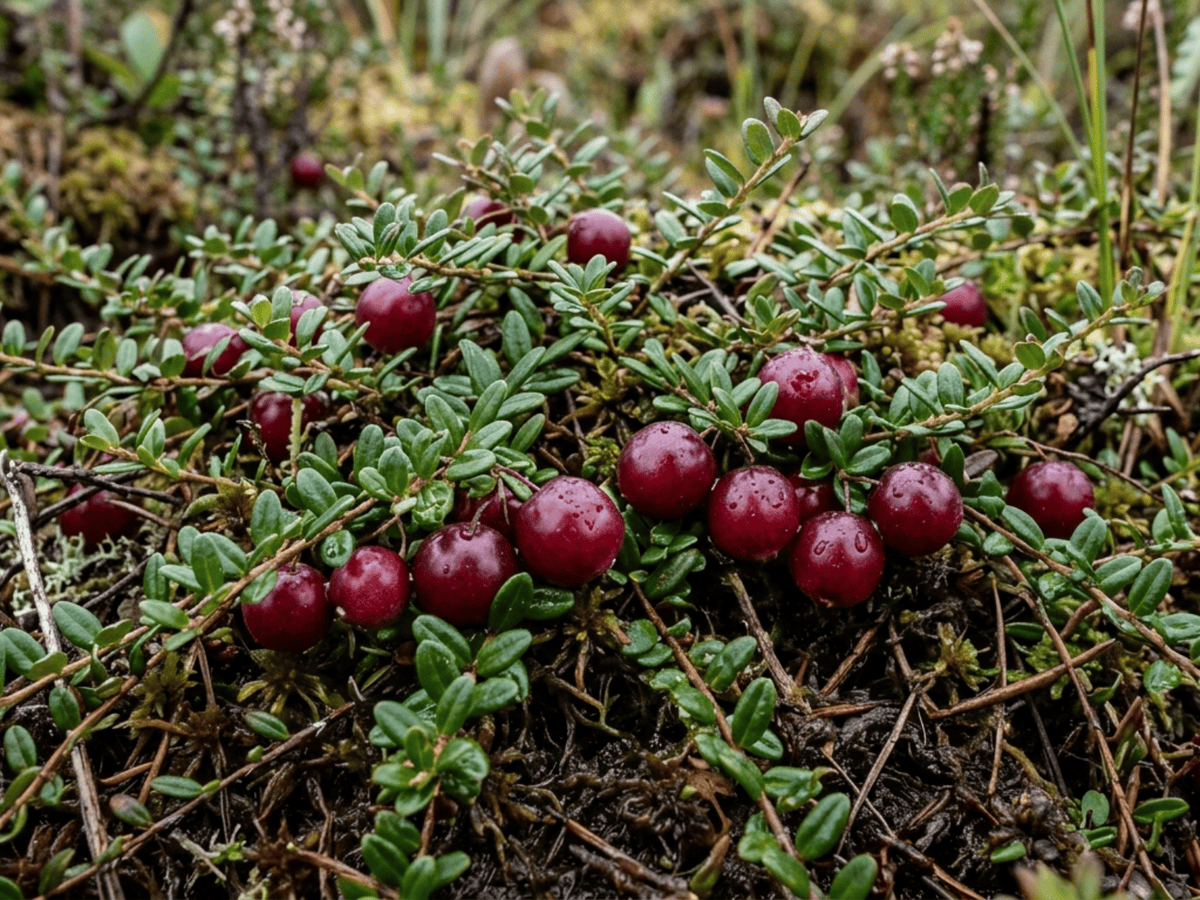
More Vaccinium plants
Plants with similar care
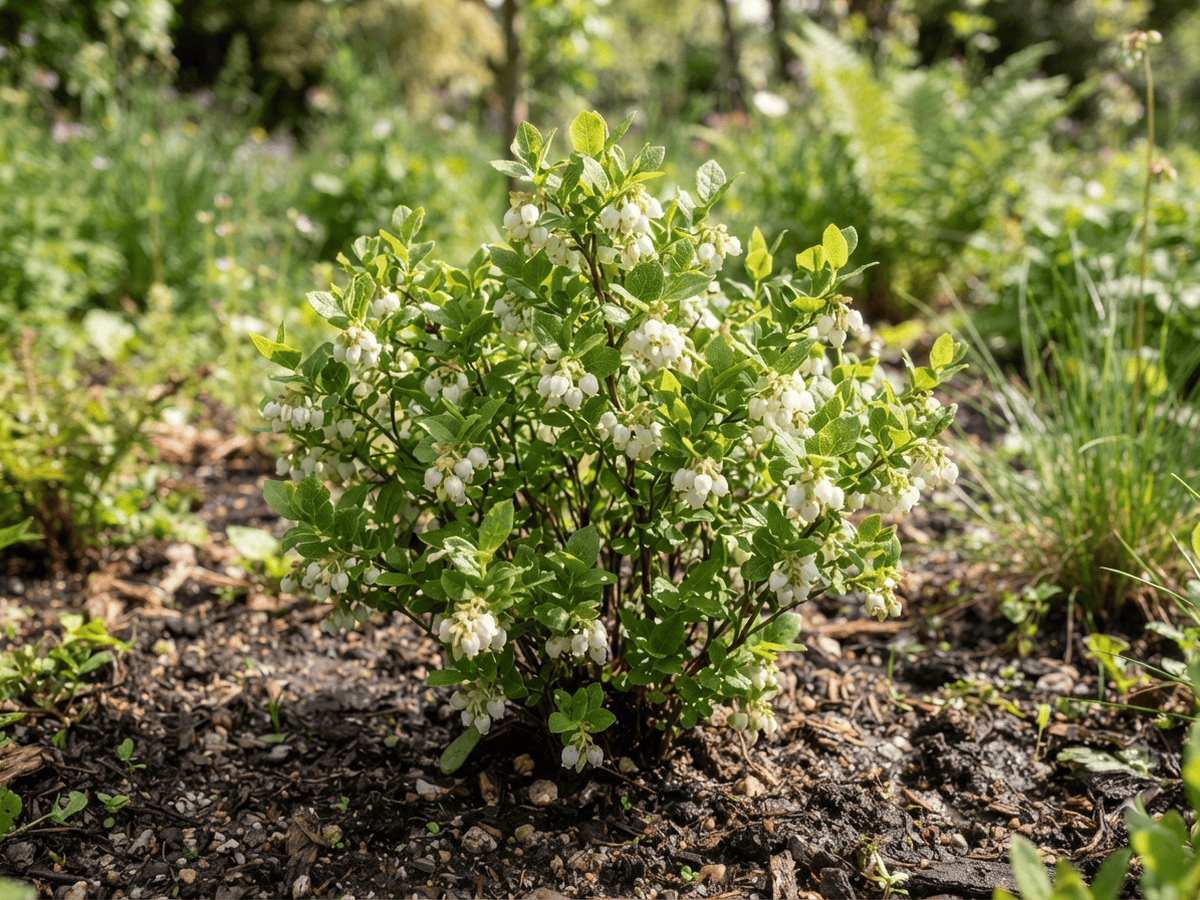
 Mexican AbeliaAbelia floribunda
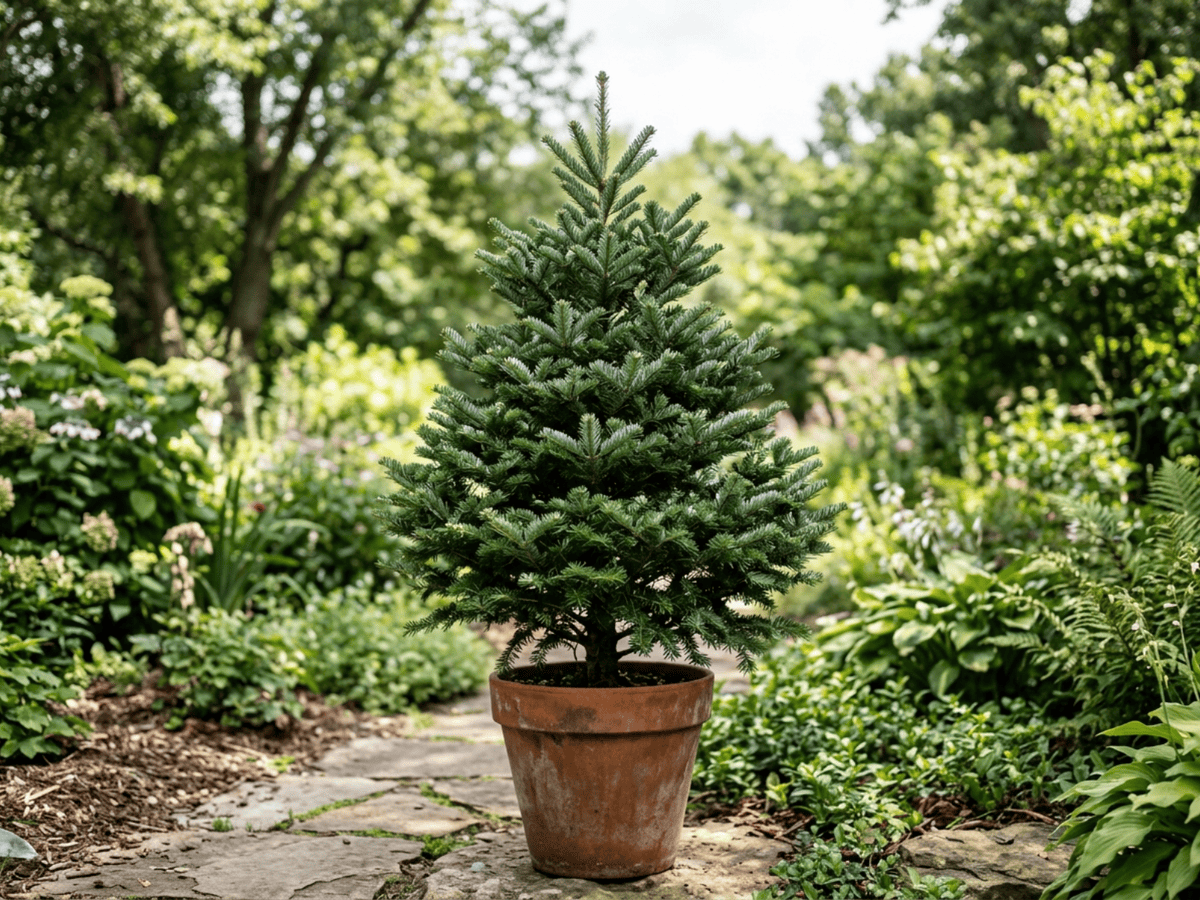 Fraser FirAbies fraseri
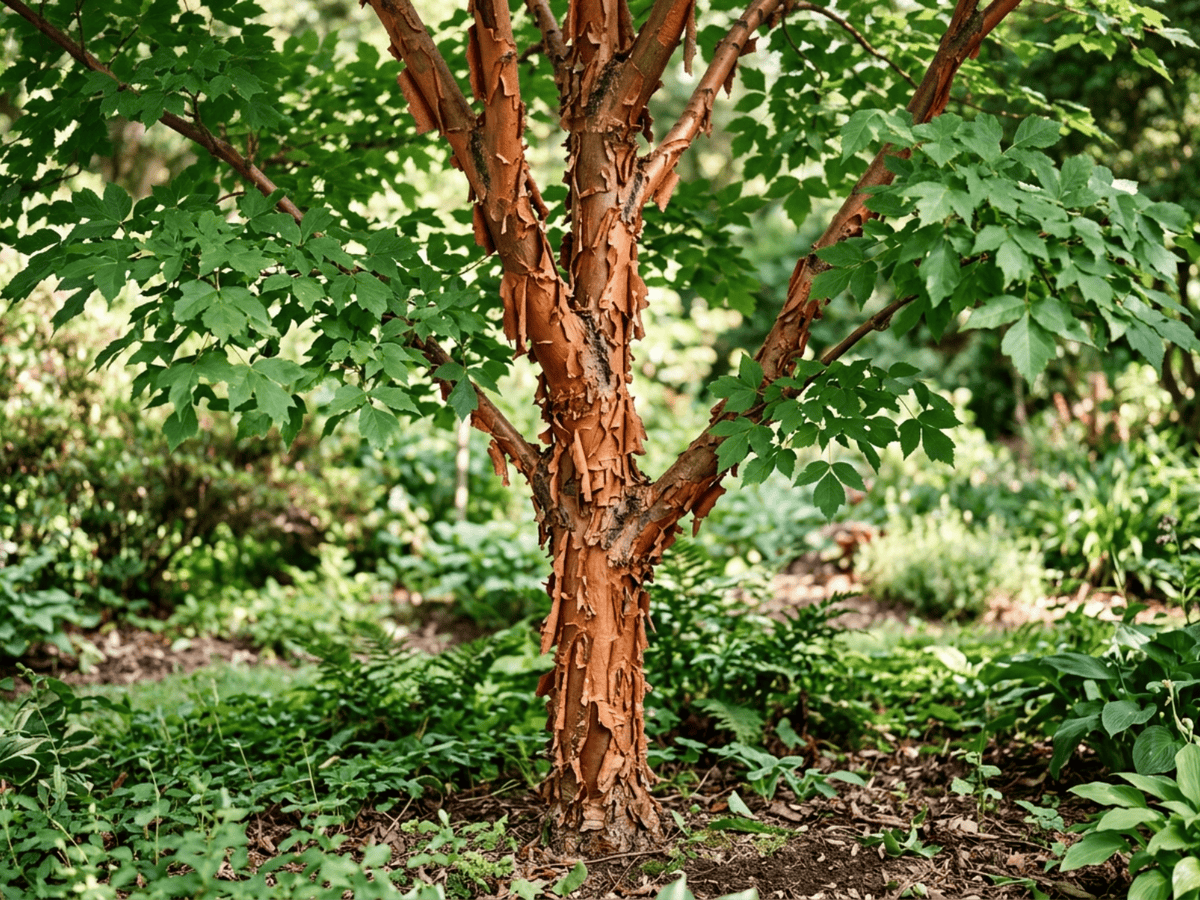 Paperbark MapleAcer griseum
 Sugar MapleAcer saccharum
Frequently asked questions
How often should I water Northern Highbush Blueberry?
In summer, water about every 2 days; in winter, about every 10 days. Adjust for heat, pot size and drainage.
How much light does Northern Highbush Blueberry need?
Full sun: 6+ hrs direct. Watch the leaves — scorching or stretching means the light needs adjusting.
Is Northern Highbush Blueberry toxic to cats or dogs?
Pets Safe (Dogs Safe · Cats Safe) Educational information, not medical or veterinary advice. If exposure is suspected, contact a doctor or veterinarian.
Is Northern Highbush Blueberry easy to grow?
It is moderately demanding: a good choice once you have a little experience.
Can Northern Highbush Blueberry be grown indoors?
Yes, it adapts well to indoor growing given the right light.
When does Northern Highbush Blueberry bloom?
It typically blooms Jun–Aug in the Northern Hemisphere.
YardMate
Identify any plant in seconds
Snap a photo — YardMate names the plant, diagnoses problems, and reminds you when to water.
Download on the App Store