 YardMate
Bog Bilberry
Vaccinium uliginosum
Hard · Experienced growersAbout Bog Bilberry
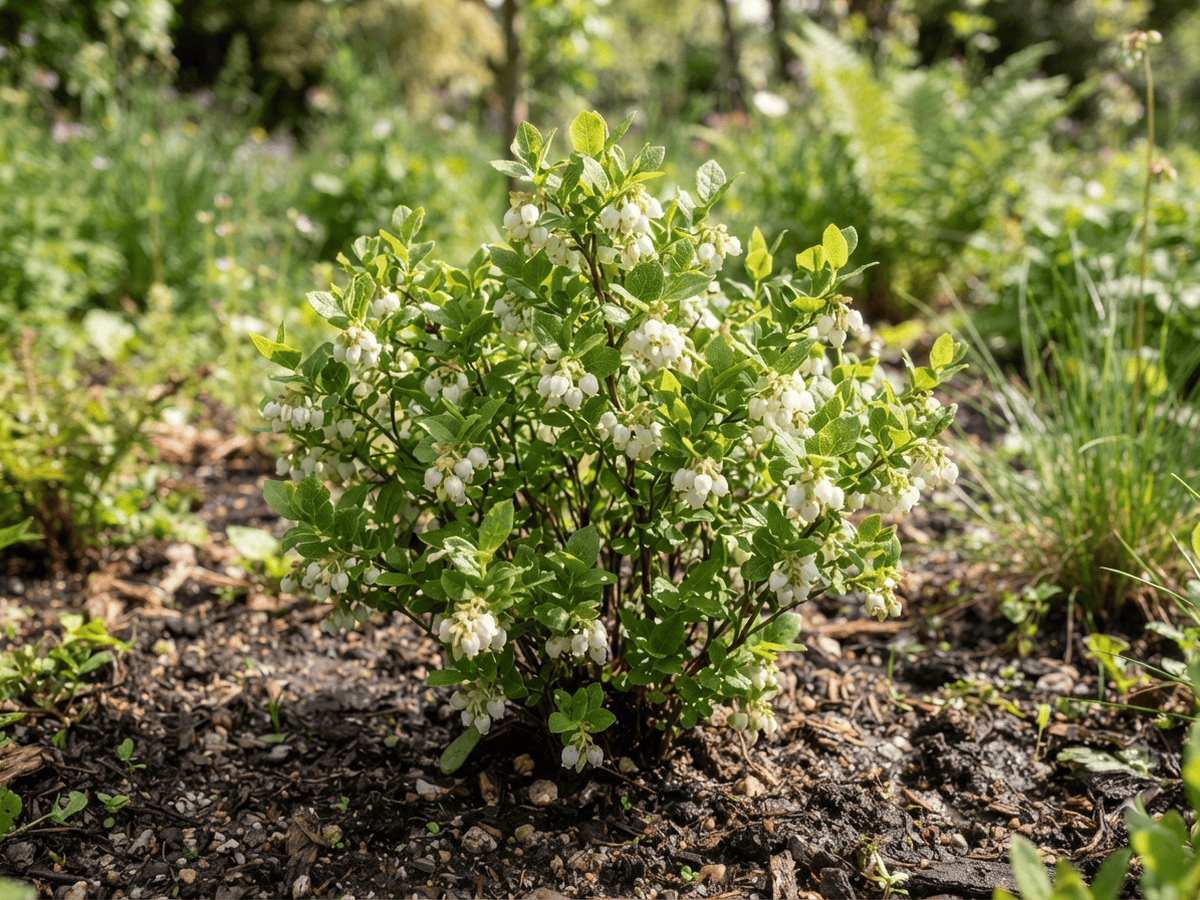
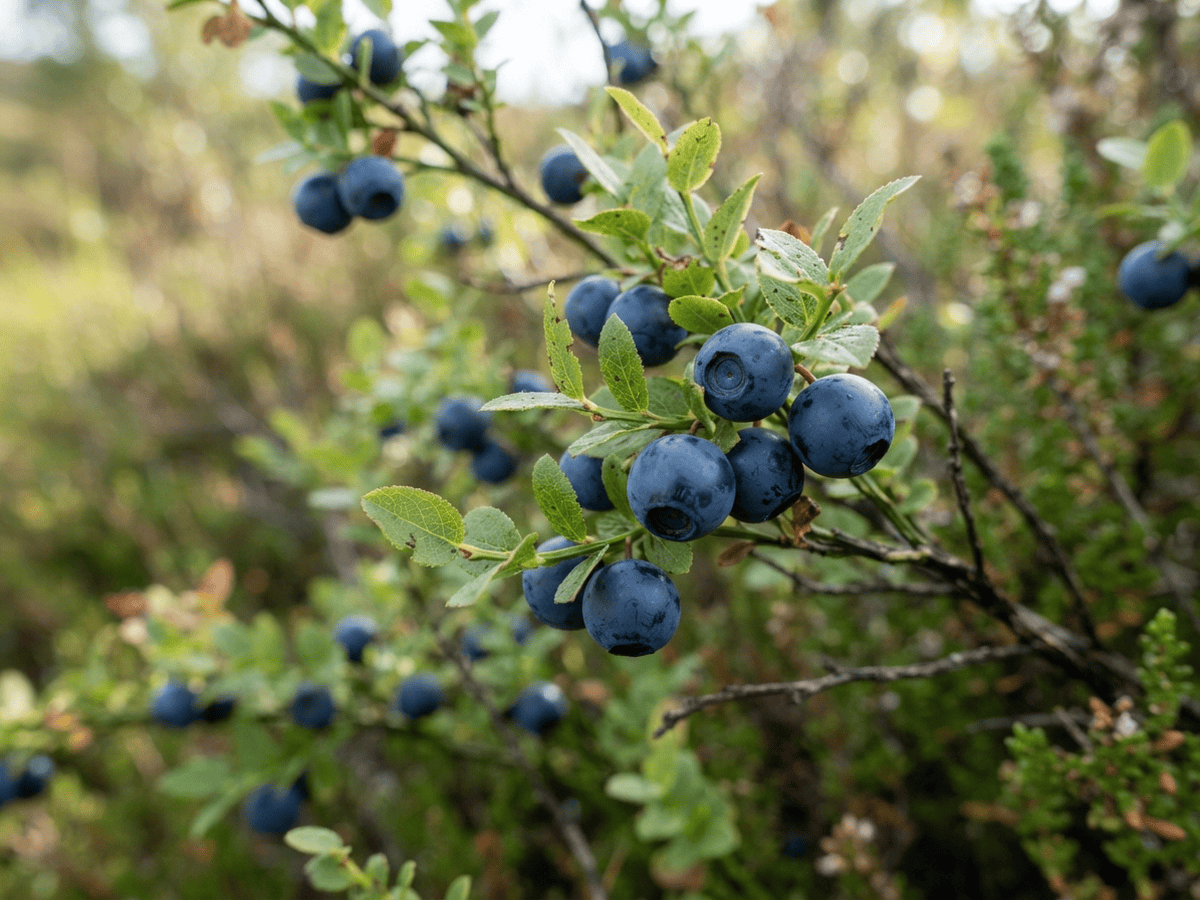
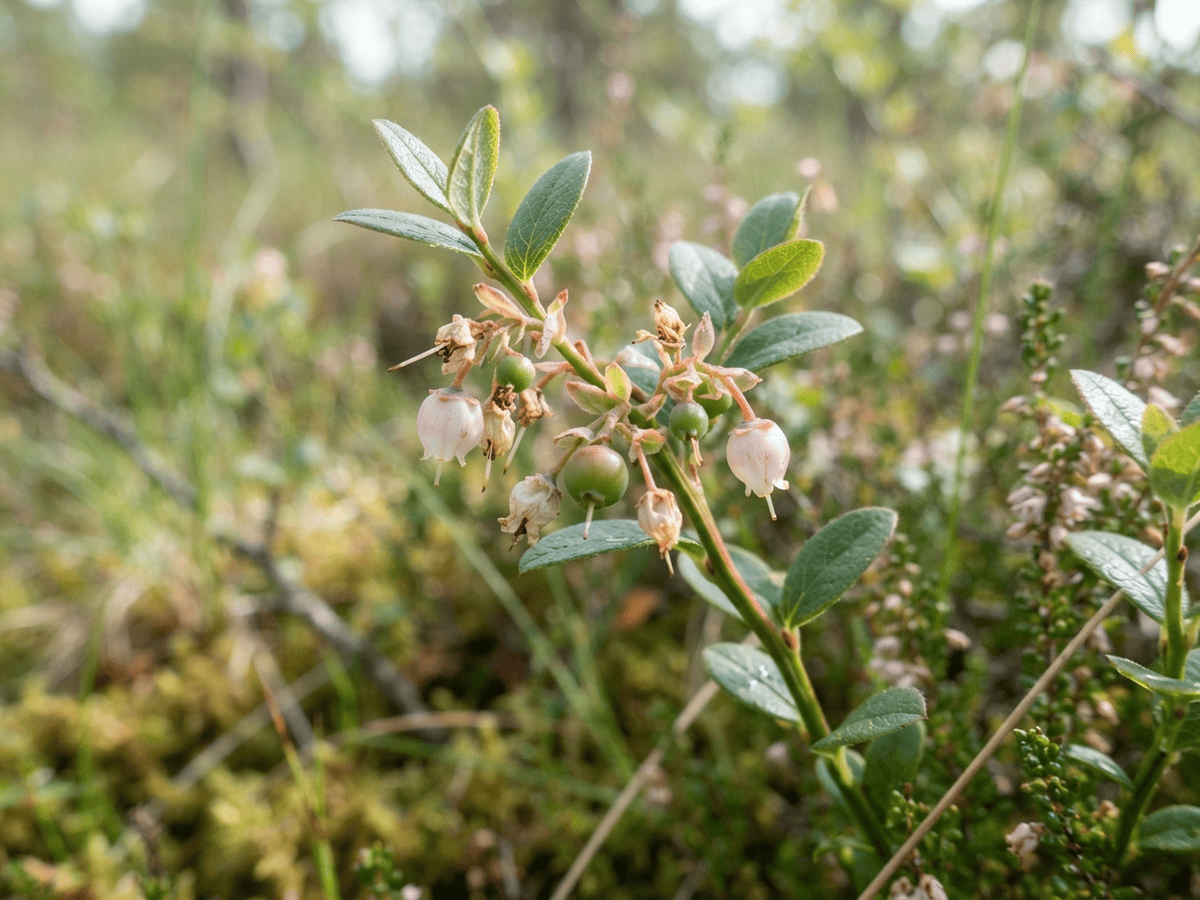
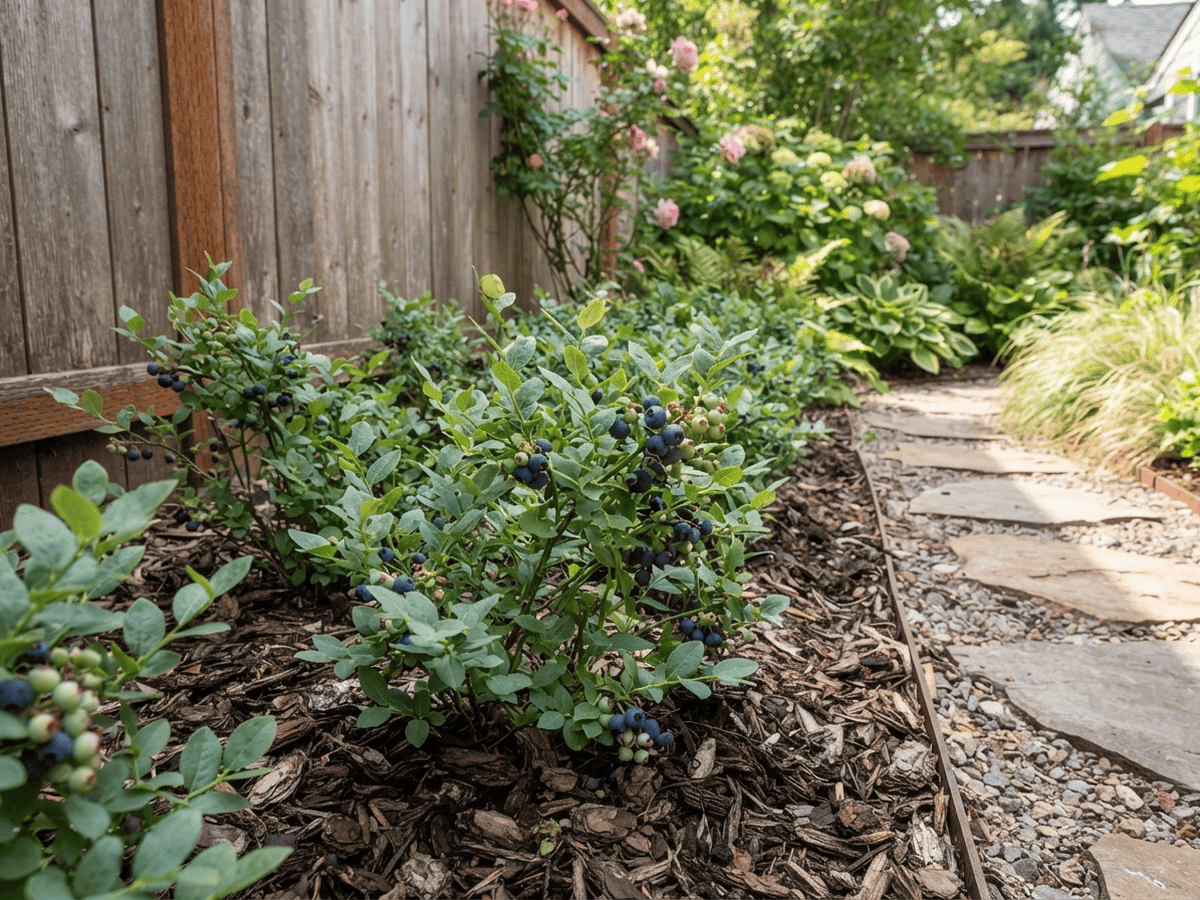
The Bog Bilberry is a low, spreading shrub native to cold peatlands and tundra across the Northern Hemisphere, from Arctic Canada to Scandinavia and Siberia. Wiry stems carry small blue-green leaves that turn fiery red in autumn, while nodding urn-shaped flowers in white to pink open in late spring. By midsummer the shrub bears dusky blue berries with a soft bloom, prized for their tart, honeyed flavor. Thriving in moist, acidic soil, it shrugs off harsh winters and short growing seasons, making it a hardy, low-maintenance choice for naturalistic gardens and edible landscapes.
- Edible
- Cold-hardy
- Deciduous
- Spreading
- Pollinator-friendly
- Showy-fruit
How to care for Bog Bilberry
Watering
- Springevery 10 days
- Summerevery 7 days
- Fallevery 15 days
- Winterpause watering
Soil · Acidic · pH 4.5–6
- Top dressingPine needle mulch10%
- Main mixAcid-lover mix + peat 3:175%
- DrainageGravel15%
Never add lime or wood ash — it cancels out the acidity.
FERTILIZER
Acid-Loving Feed 4-3-4
One bag does both jobs. An acid feed carries the usual nitrogen, phosphorus and potassium, plus the sulfur and iron that keep the soil sour enough for the roots to take them up at all.
- Nitrogen · Leaves
- Phosphorus · Roots + Blooms
- Potassium · Strength
- Springevery 30 days
- Summerevery 30 days
- Fallevery 30 days
At a Glance
- NativeNorth America, Europe, Asia
- Height0.5–1.5 m
- Spread0.5–1.5 m
- Flower colorWhite, Pink
- Foliage colorGreen
- Fruit colorBlue
- SoilMoist, Well-drained, Acidic
- LocationsYard · Patio
Bloom time
BLOOM CYCLE
Peak bloom
May–Jul
This plant blooms from May to July, with stunning flower colors.
Fragrance
LIGHT FRAGRANCE
A faint, sweet scent from the small urn-shaped spring flowers.
Toxicity
No toxicity has been reported for this plant. Still, it is wise to keep pets from chewing on any houseplant.
Educational information, not medical or veterinary advice. If exposure is suspected, contact a doctor or veterinarian.
DISTRIBUTION


- Native
- North America
- Europe
- Asia
History
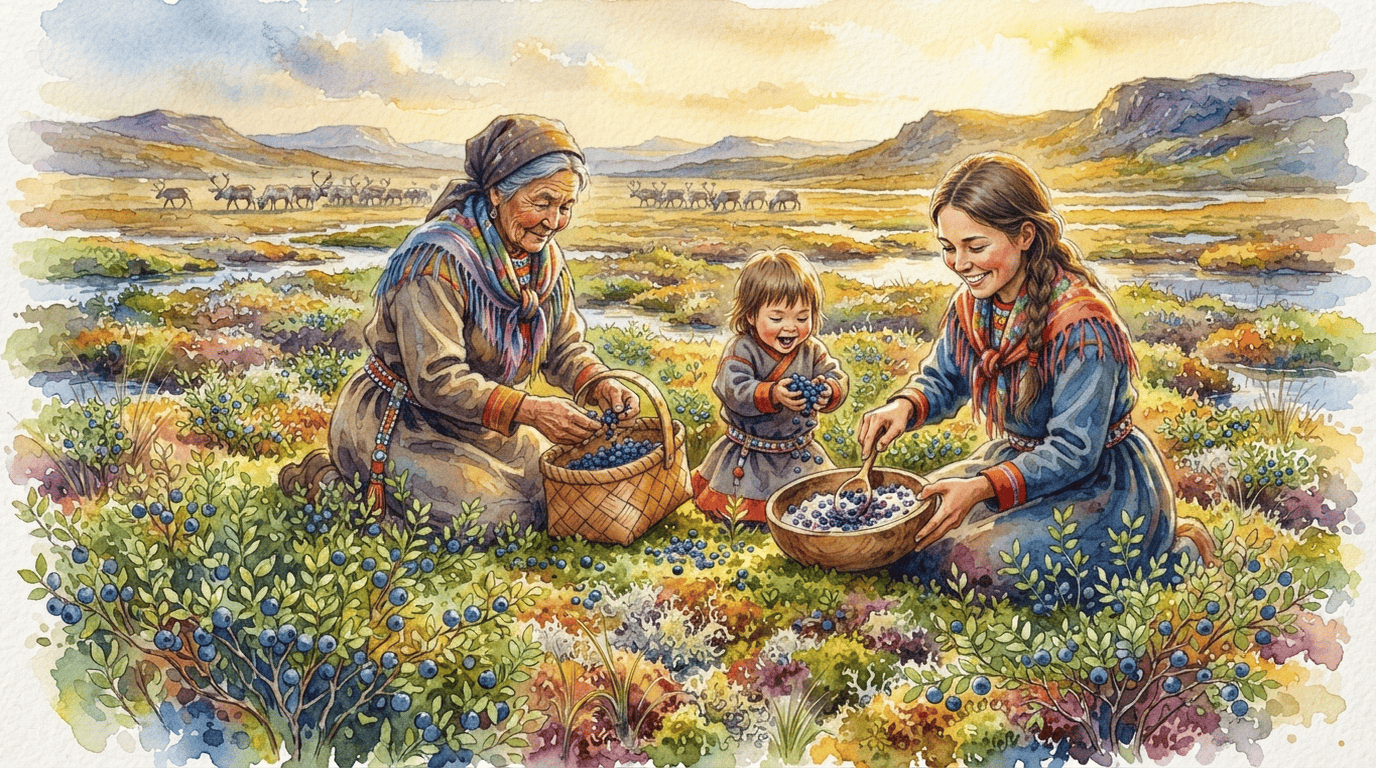
Named for the Latin "uliginosus" — of marshes and swamps — the Bog Bilberry has grown for millennia across the circumpolar tundra and boreal peatlands of North America, Scandinavia, and Siberia. For Sami reindeer herders and Arctic and Subarctic peoples from Alaska to the Kola Peninsula, its late-summer fruiting was a critical seasonal event: families moved out onto the moors to gather the dusky berries by the basketful, eating them fresh, drying them on hides, or pounding them into reindeer fat and fish oil to preserve through the long winter. In Russia and Siberia, where the plant is known as golubika, it remains a major wild harvest today, gathered by the ton each August and sold fresh in village markets or turned into jams, syrups, and berry liqueurs. Reindeer herders have long read the ripening of the Bog Bilberry as a signal of the herds seasonal movement, since grouse, foxes, bears, and reindeer all depend on its fruit before the first frost. Village healers across Scandinavia and Siberia also brewed the leaves and berries into astringent teas, using them to settle digestive upset, a practice that endures in rural folk medicine even as modern science now credits the fruit's deep blue skin with an unusually high concentration of antioxidant anthocyanins.
Symbolism & meaning
What It Symbolizes
Rooted in the frozen peat of the far north, the Bog Bilberry became a living emblem of endurance for the people who depended on it — a plant that asks nothing of fertile soil or gentle winters, yet still gives generously each August.
- Resilience — Flourishing in freezing bogs and short Arctic summers, the Bog Bilberry symbolizes quiet endurance against harsh conditions.
- Sustenance — As a staple food for Arctic communities and wildlife alike, it represents nourishment drawn from even the harshest landscapes.
Where the Name Comes From
The species name uliginosum derives from the Latin uliginosus, meaning "marshy" or "of swamps," a direct reference to the boggy peatlands and wet tundra where the Bog Bilberry thrives.
Uses & Fun Facts
- Sweet-tart berries are eaten fresh, dried, or made into jams, syrups, and liqueurs.
- Fruit and foliage provide vital forage for grouse, bears, foxes, and reindeer.
- Leaves and berries have long been brewed into astringent teas in folk medicine.
- Foliage turns fiery red in autumn, adding seasonal color to naturalistic plantings.
Related plants
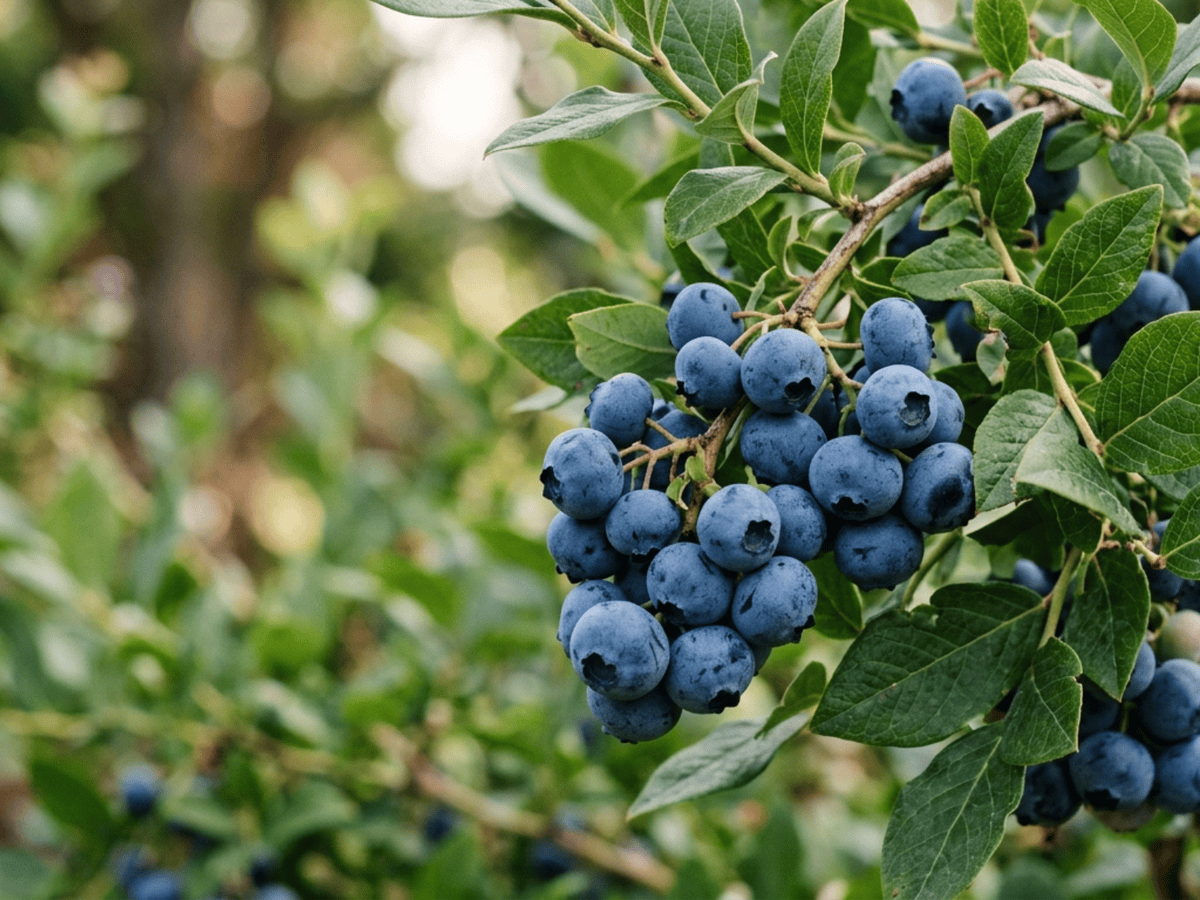
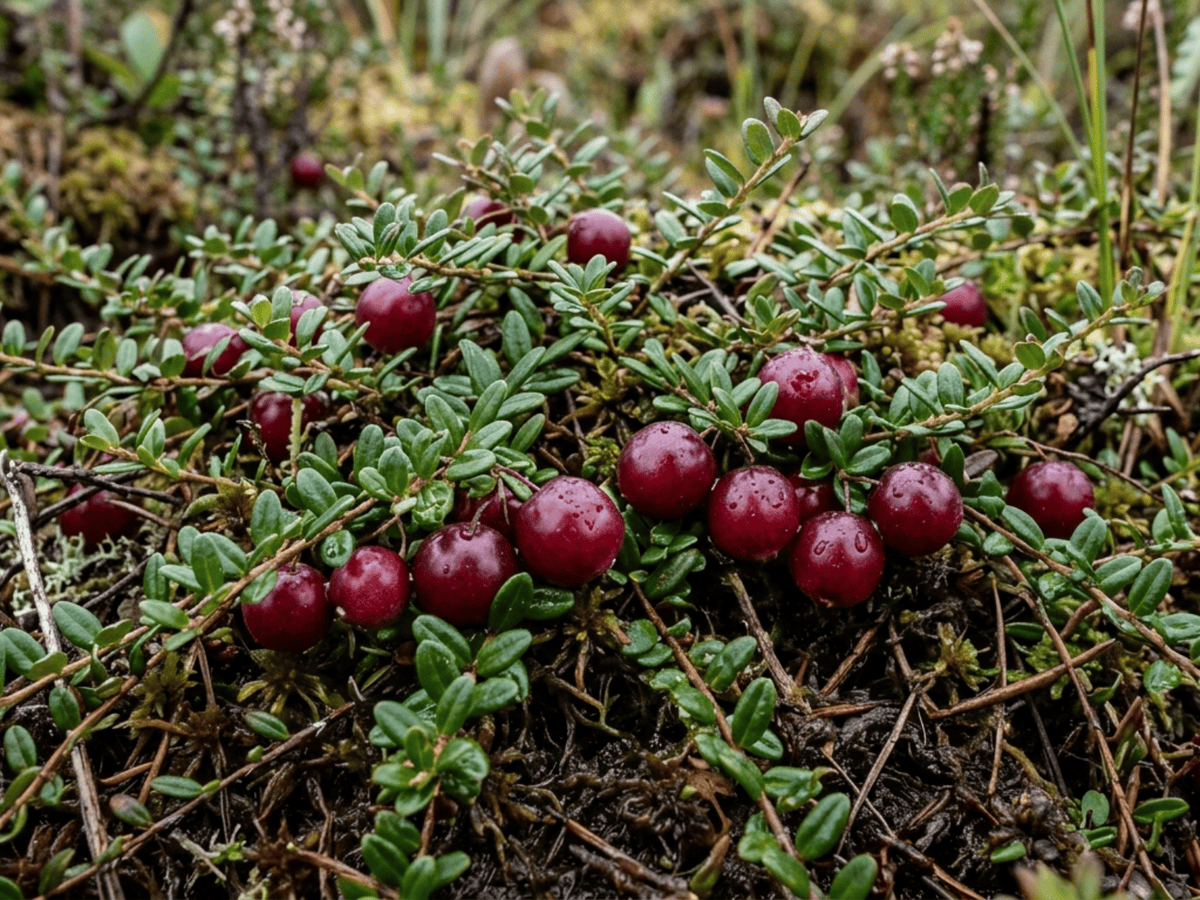
More Vaccinium plants
Plants with similar care
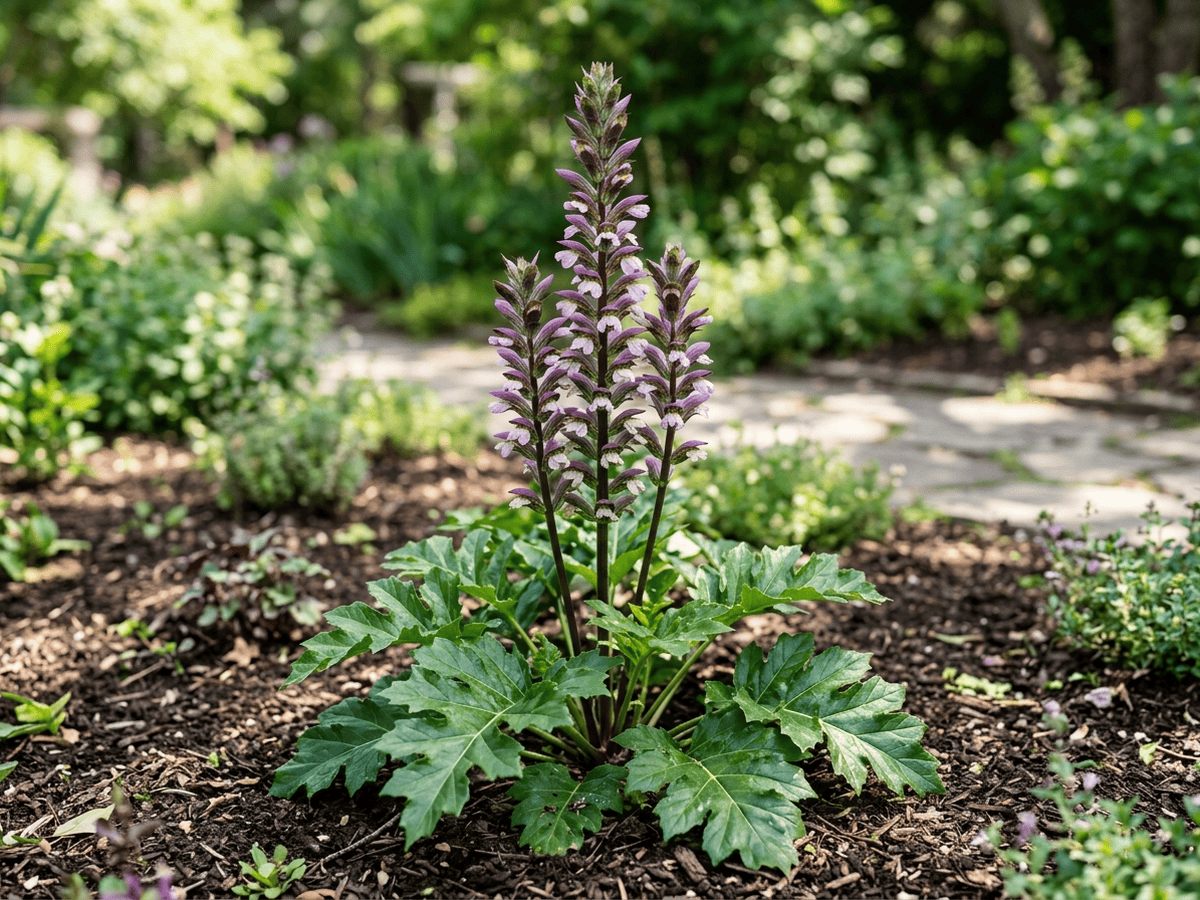 Bear's BreechesAcanthus mollis
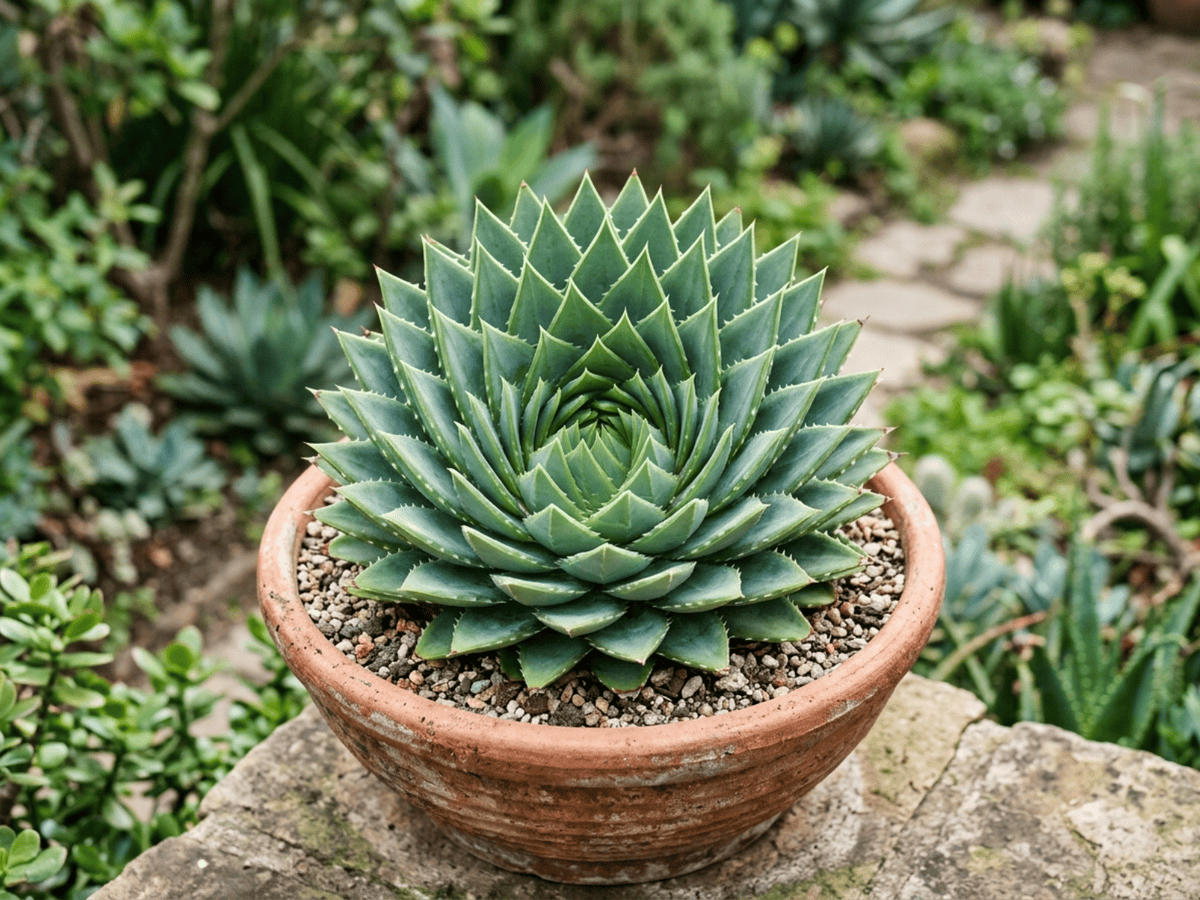 Spiral AloeAloe polyphylla
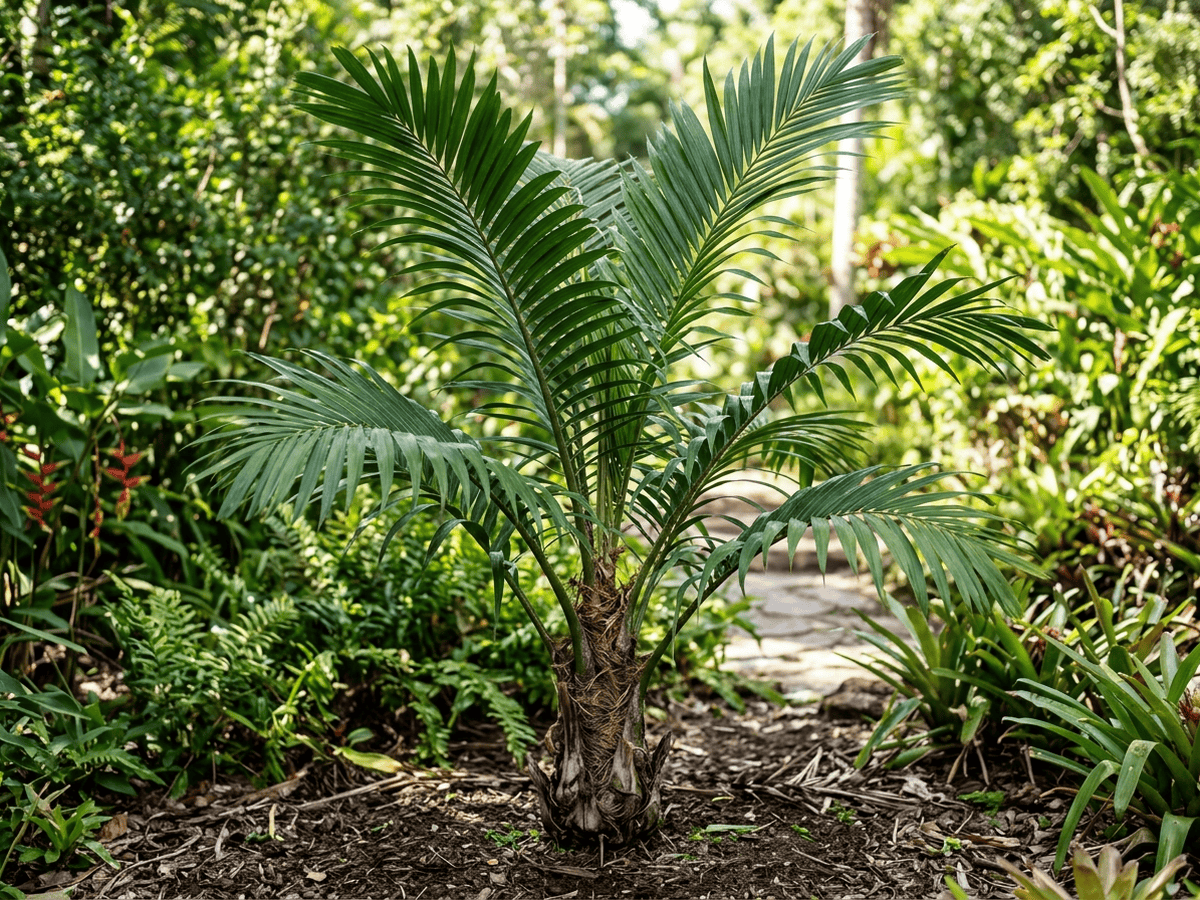 Formosa PalmArenga engleri
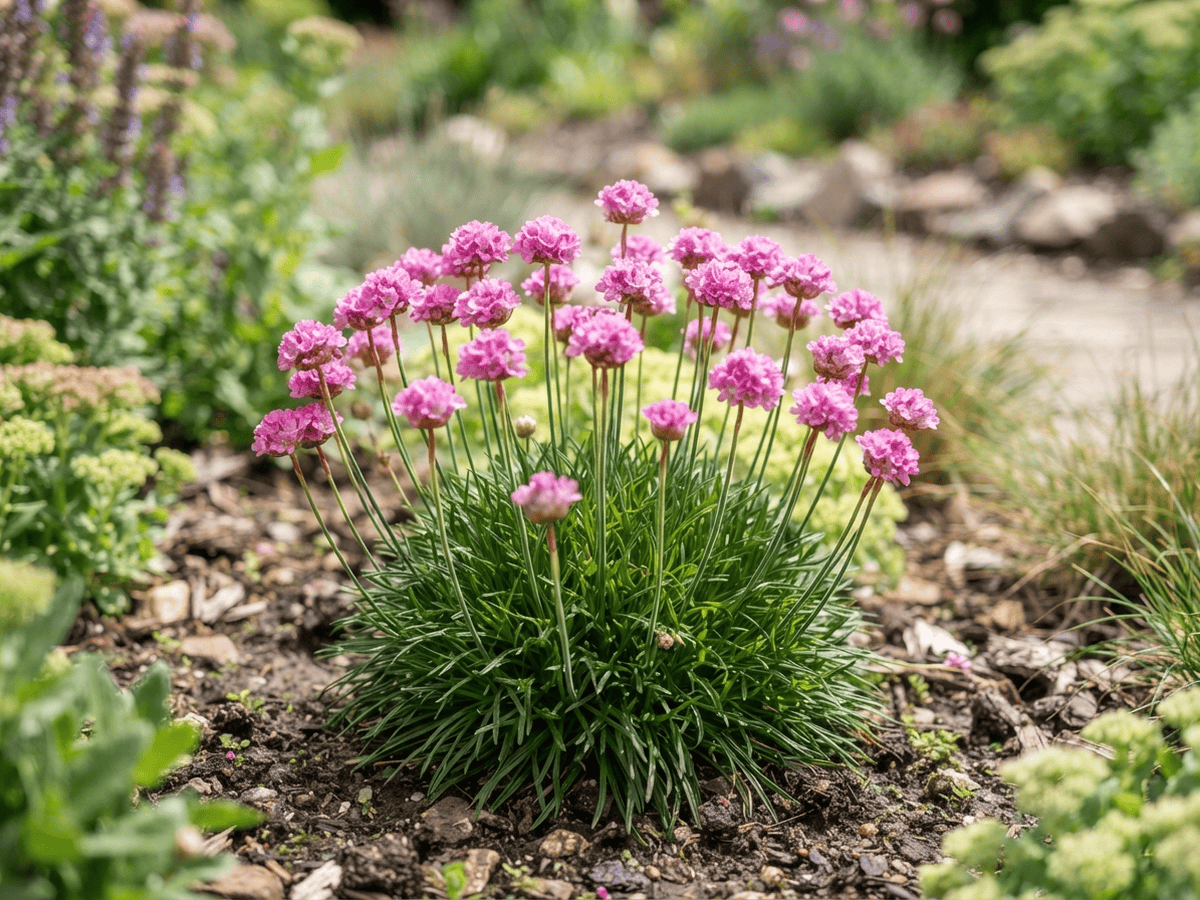 Sea ThriftArmeria maritima
Frequently asked questions
How often should I water Bog Bilberry?
Water about every 10 days during the growing season, and always let excess water drain away.
How much light does Bog Bilberry need?
Part shade: 2–4 hrs direct. Watch the leaves — scorching or stretching means the light needs adjusting.
Is Bog Bilberry toxic to cats or dogs?
No toxicity has been reported for this plant. Still, it is wise to keep pets from chewing on any houseplant. Educational information, not medical or veterinary advice. If exposure is suspected, contact a doctor or veterinarian.
Is Bog Bilberry easy to grow?
It is considered challenging and rewards experienced growers.
When does Bog Bilberry bloom?
It typically blooms May–Jul in the Northern Hemisphere.
YardMate
Identify any plant in seconds
Snap a photo — YardMate names the plant, diagnoses problems, and reminds you when to water.
Download on the App Store