 YardMate


American Cranberry
Vaccinium macrocarpon
Hard · Experienced growersAbout American Cranberry
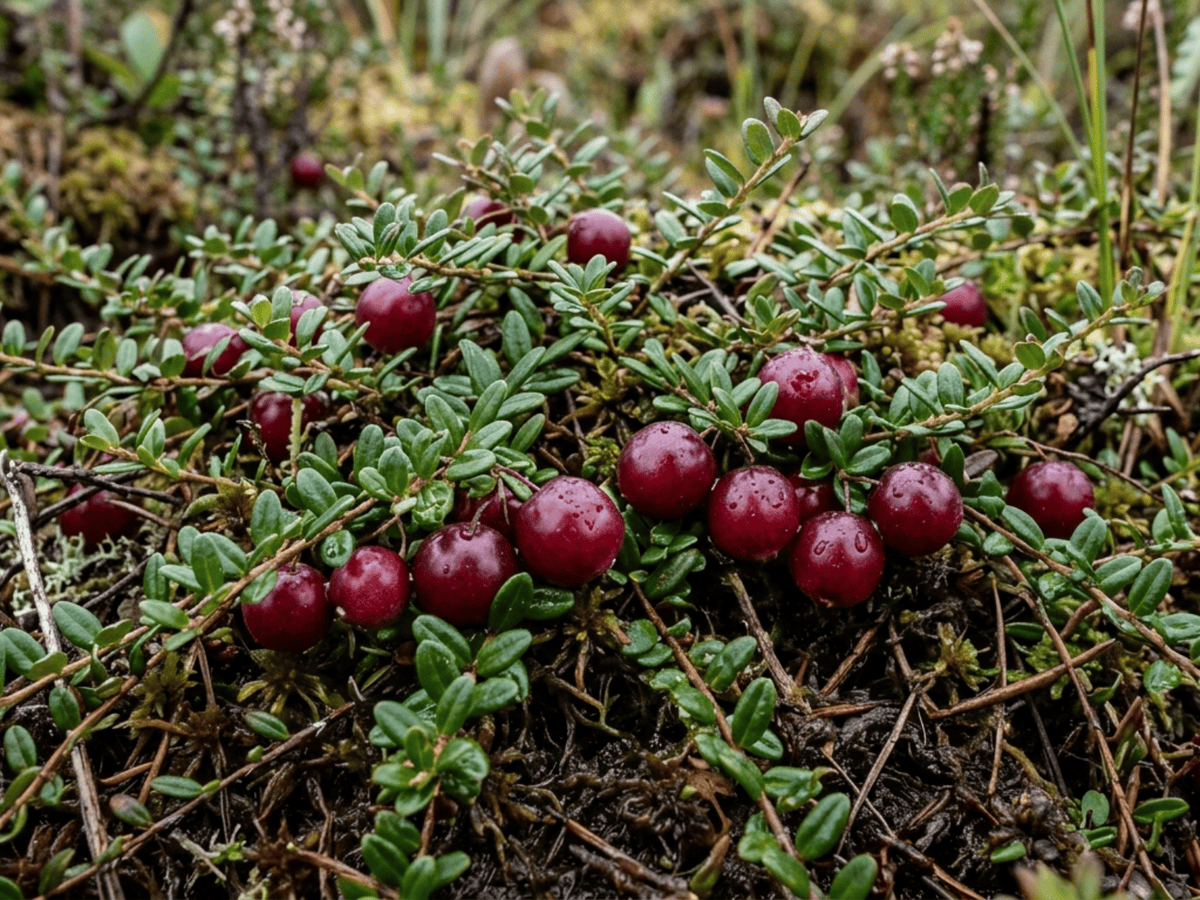
Vaccinium macrocarpon, the American cranberry, is an evergreen, creeping shrub in the Ericaceae family native to the bogs and wetlands of northeastern North America. The vine-like plants grow only 10–20 cm tall, forming dense mats of small, leathery, oval leaves with pink, recurved flowers that resemble a crane's head—the likely origin of the name 'crane berry.'
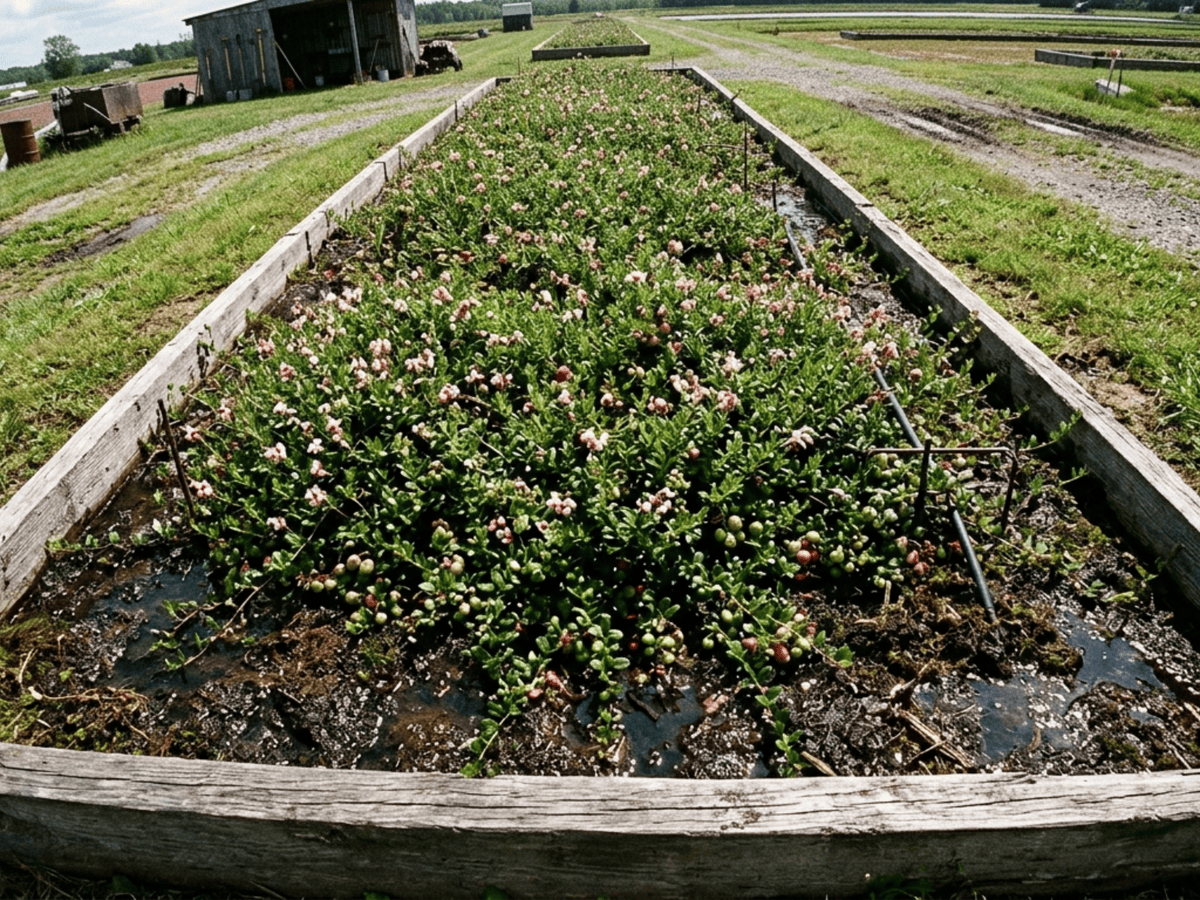
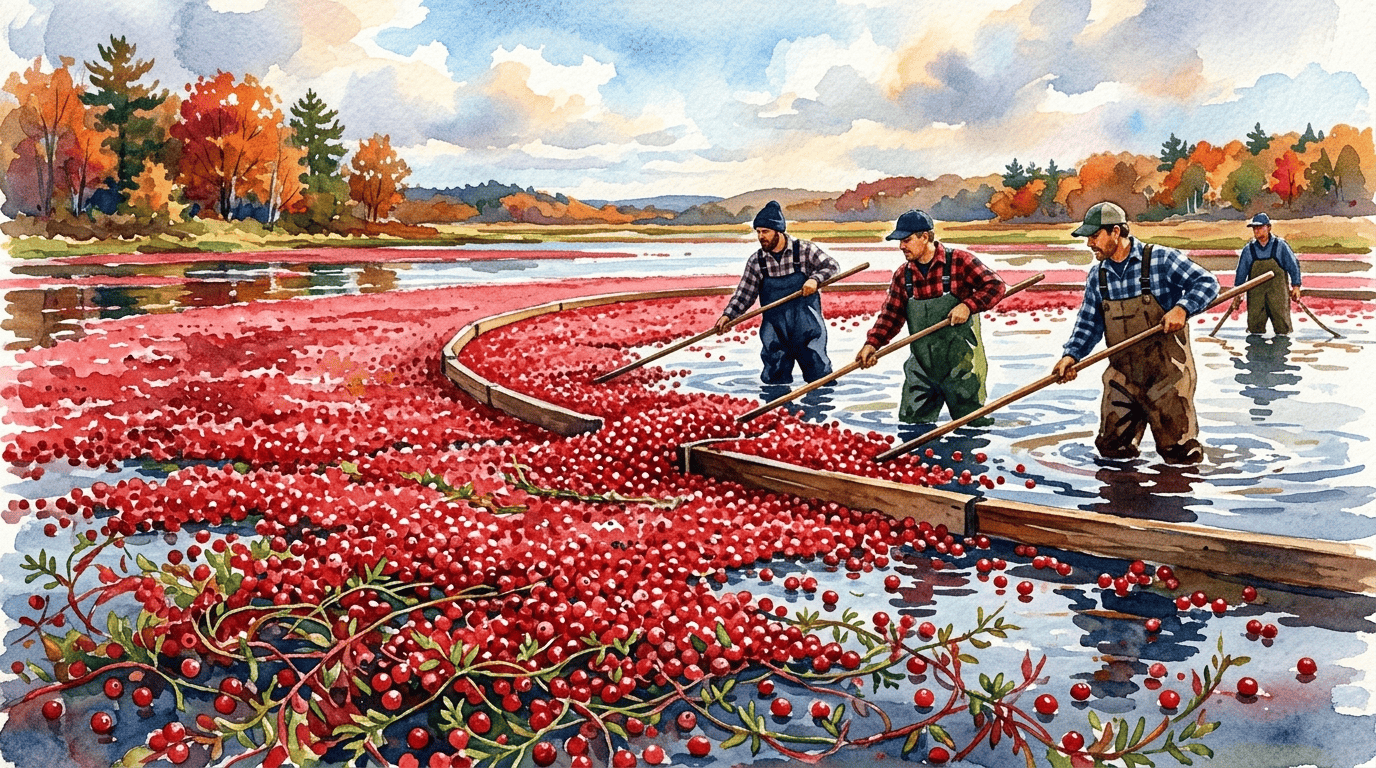
Cranberries require very specific conditions: acidic, peaty soil (pH 4.0–5.5), consistent moisture, and a cool climate (USDA zones 2–6). Commercial cranberry bogs are flooded for harvest—the berries float because of air chambers inside. For home gardeners, cranberries can be grown in containers or prepared acidic beds with sphagnum peat, though they are challenging outside their native habitat.
Cranberry juice and dried cranberries are widely consumed, but the fruit's primary claim to fame is its ability to prevent urinary tract infections (UTIs)—proanthocyanidins in cranberries prevent bacteria from adhering to bladder walls. The berry is also rich in vitamin C, antioxidants, and fibre. Cranberry sauce is an essential accompaniment to Thanksgiving turkey in North America. The industry is centred in Massachusetts, Wisconsin, and British Columbia, with Thanksgiving driving the majority of annual sales.
- Edible
- Medicinal
- Cold-hardy
- Evergreen
How to care for American Cranberry
Watering
- Springevery 3 days
- Summerevery 2 days
- Fallevery 4 days
- Winterevery 10 days
Soil · Acidic · pH 4.5–6
- Top dressingPine needle mulch10%
- Main mixAcid-lover mix + peat 3:175%
- DrainageGravel15%
Never add lime or wood ash — it cancels out the acidity.
FERTILIZER
Acid-Loving Feed 4-3-4
One bag does both jobs. An acid feed carries the usual nitrogen, phosphorus and potassium, plus the sulfur and iron that keep the soil sour enough for the roots to take them up at all.
- Nitrogen · Leaves
- Phosphorus · Roots + Blooms
- Potassium · Strength
- Springevery 45 days
- Summerevery 45 days
- Fallevery 60 days
At a Glance
- NativeNorth America
- Height0.3–0.7 ft (0.1–0.2 m)
- Spread2–6 ft (0.6–1.8 m)
- Flower colorPink
- Foliage colorGreen, Bronze
- Fruit colorRed
- SoilAcidic, Moisture-retentive, Sandy
- LocationsYard · Indoor · Balcony
Bloom time
BLOOM CYCLE
Peak bloom
May–Jun
Delicate pink flowers in early summer; need insect pollination for fruit set.
Fragrance
NO FRAGRANCE
No notable fragrance.
Toxicity
Humans Safe · Pets Safe
proanthocyanidins and quinic acid
Safe
EXPOSURE No exposure route is reported.
EFFECT Widely consumed and tart taste tempers quantity.
NOTE Listed as non-toxic for humans; avoid eating ornamental plants unless confirmed edible.
Safe
EXPOSURE No exposure route is reported.
EFFECT Not toxic in moderate amounts.
NOTE Listed as non-toxic for dogs; avoid eating ornamental plants unless confirmed edible.
Safe
EXPOSURE No exposure route is reported.
EFFECT Not toxic in moderate amounts.
NOTE Listed as non-toxic for cats; avoid eating ornamental plants unless confirmed edible.
Educational information, not medical or veterinary advice. If exposure is suspected, contact a doctor or veterinarian.
DISTRIBUTION


- Native
- Introduced
- North America
History
Vaccinium macrocarpon is native to acidic bogs and wetlands of northeastern North America, from Nova Scotia to North Carolina. Indigenous Eastern Woodlands peoples — particularly Wampanoag in Massachusetts, Lenape in New Jersey, and Algonquian-speaking groups broadly — used cranberries extensively as food, as the fruit preservative element in pemmican, as red dye, and medicinally for urinary-tract infections. This indigenous medicinal use presaged modern evidence for cranberry's proanthocyanidin effect on E. coli adhesion to urinary tract walls.
Captain Henry Hall of Cape Cod, Massachusetts is credited with starting commercial cranberry cultivation in 1816 when he noticed that cranberries growing with wind-blown sand over them produced better fruit, leading to the sanded-bog cultivation method still used. The distinctive "wet harvest" — flooding bogs to float ripe berries to the surface for collection — developed later and became iconic of American cranberry culture. Ocean Spray cooperative, founded 1930, dominates the global market.
Cranberry is ceremonially paired with American Thanksgiving (from European colonial adaptation of Indigenous traditions). US and Canada together produce over 95% of global supply. They introduced them to Pilgrims, and cranberry sauce became a Thanksgiving staple by the 18th century.
Symbolism & meaning
What It Symbolizes
American Cranberry is tart endurance. Low vines creep through acidic bogs, holding red fruit that floats free at harvest like beads on dark water. Its symbolism is communal memory: autumn tables, wetland labor, and a native fruit whose sharpness became part of North American celebration.
- Gratitude — Inseparable from Thanksgiving celebrations, the cranberry symbolizes giving thanks and appreciation
- Protection — Its medicinal role in preventing UTIs represents a natural shield for health
Where the Name Comes From
Vaccinium from classical Latin; 'macrocarpon' from Greek 'makros' (large) + 'karpos' (fruit), meaning large-fruited. 'Cranberry' likely from Low German 'kraanbeere' (crane berry), as the flower resembles a crane's head.
Uses & Fun Facts
- Tart red berries used in sauce, juice, and dried snacks
- Concentrated juice supports urinary tract health prevention
- Evergreen creeping vines mat across acidic boggy ground
Related plants
More Vaccinium plants
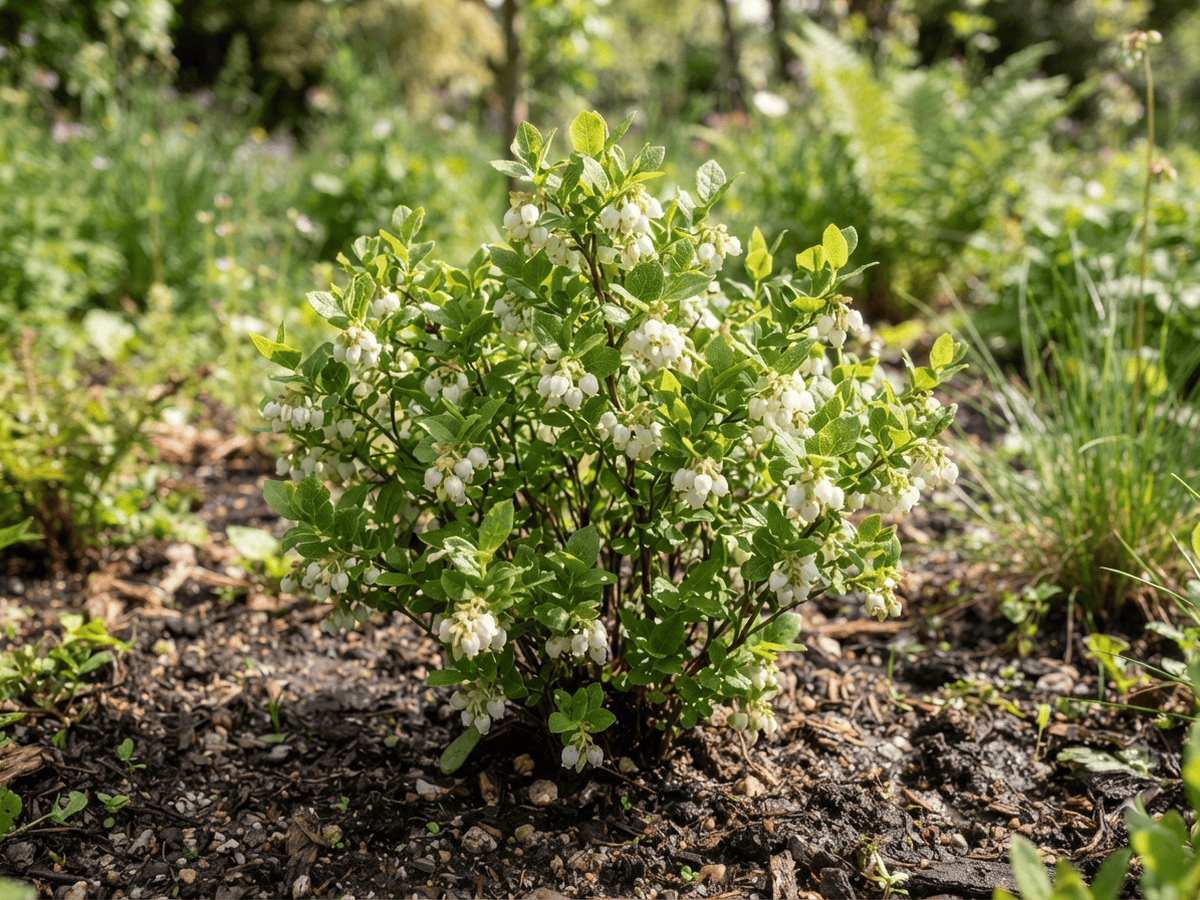
Plants with similar care
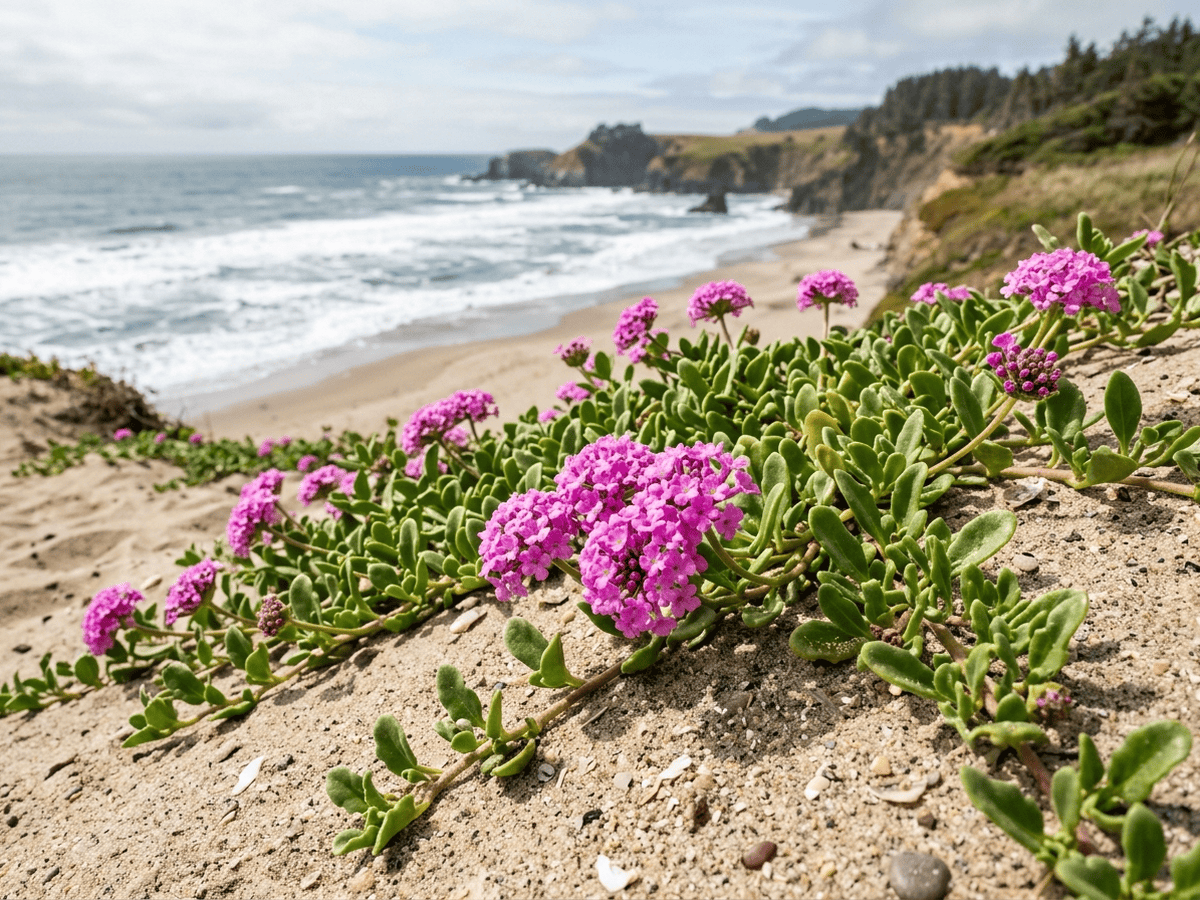 Pink Sand VerbenaAbronia umbellata
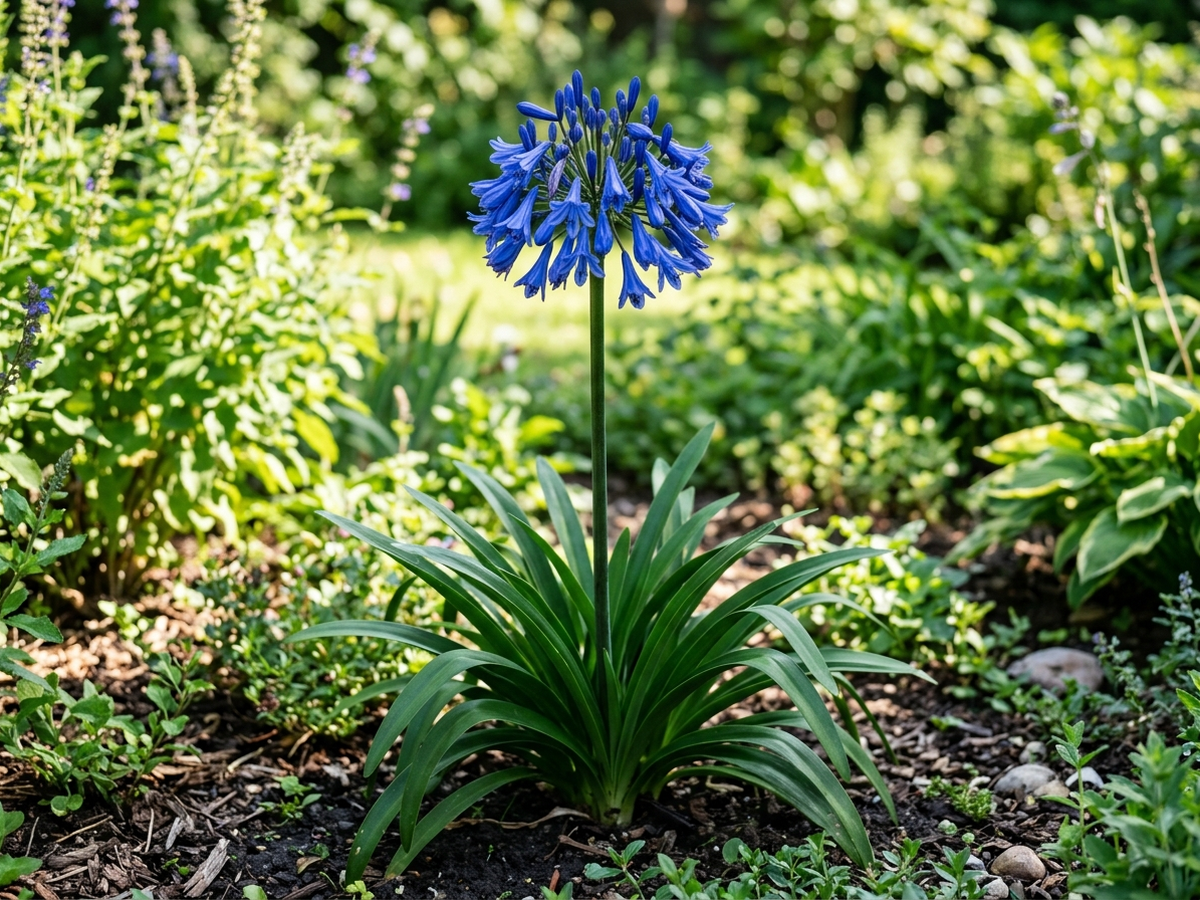 Drooping AgapanthusAgapanthus inapertus
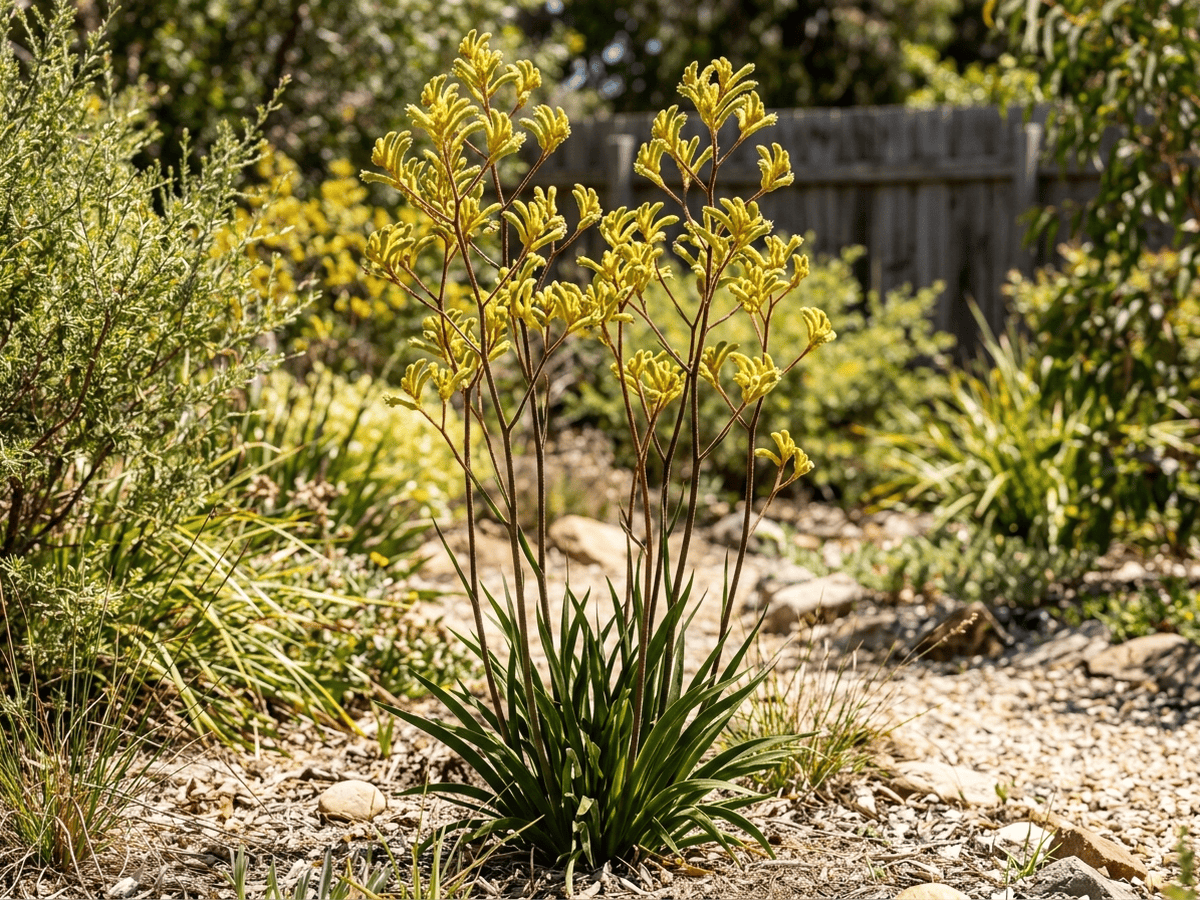 Tall Kangaroo PawAnigozanthos flavidus
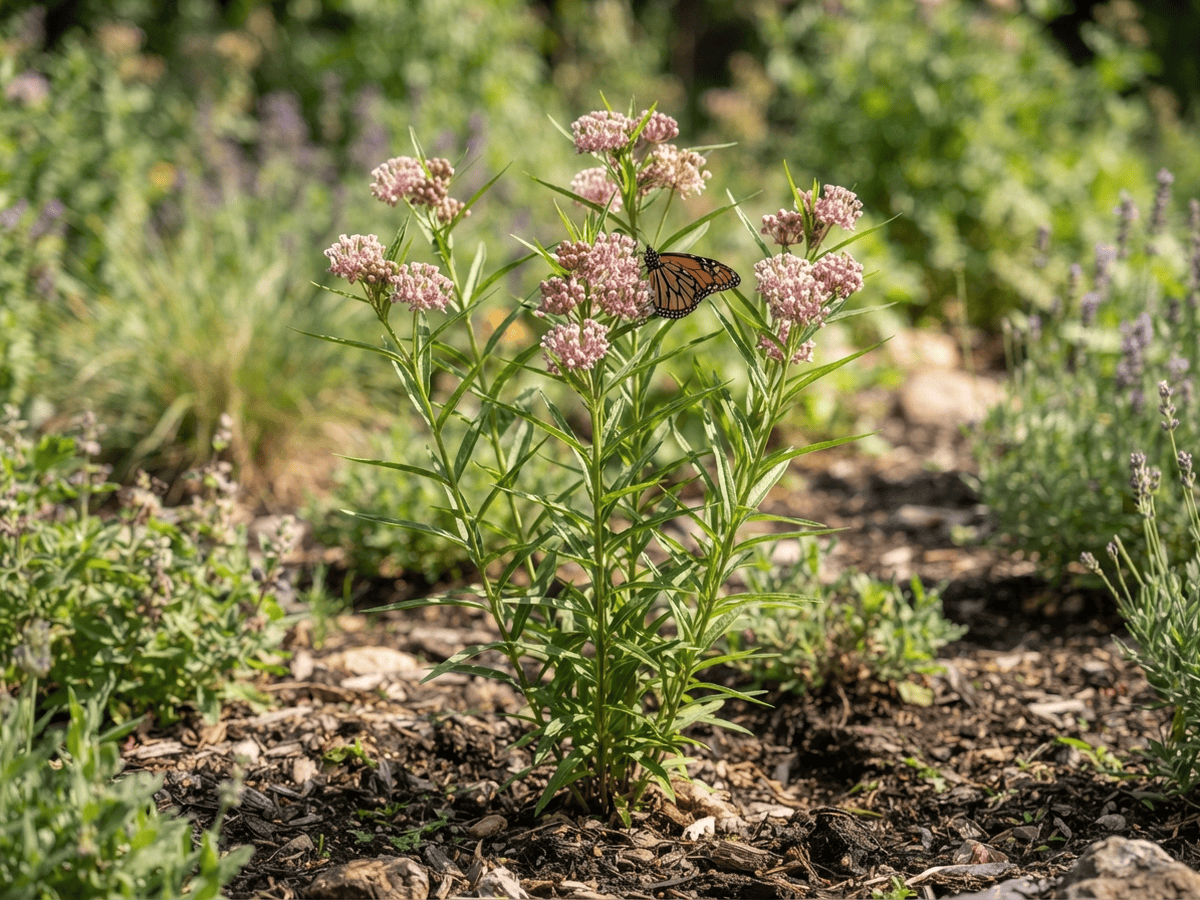 Narrowleaf MilkweedAsclepias fascicularis
Frequently asked questions
How often should I water American Cranberry?
In summer, water about every 2 days; in winter, about every 10 days. Adjust for heat, pot size and drainage.
How much light does American Cranberry need?
Full sun: 6+ hrs direct. Watch the leaves — scorching or stretching means the light needs adjusting.
Is American Cranberry toxic to cats or dogs?
Pets Safe (Dogs Safe · Cats Safe) Educational information, not medical or veterinary advice. If exposure is suspected, contact a doctor or veterinarian.
Is American Cranberry easy to grow?
It is considered challenging and rewards experienced growers.
Can American Cranberry be grown indoors?
Yes, it adapts well to indoor growing given the right light.
When does American Cranberry bloom?
It typically blooms May–Jun in the Northern Hemisphere.
YardMate
Identify any plant in seconds
Snap a photo — YardMate names the plant, diagnoses problems, and reminds you when to water.
Download on the App Store