 YardMate


Dawn Viburnum
Viburnum x bodnantense
Easy · Beginner friendlyAbout Dawn Viburnum
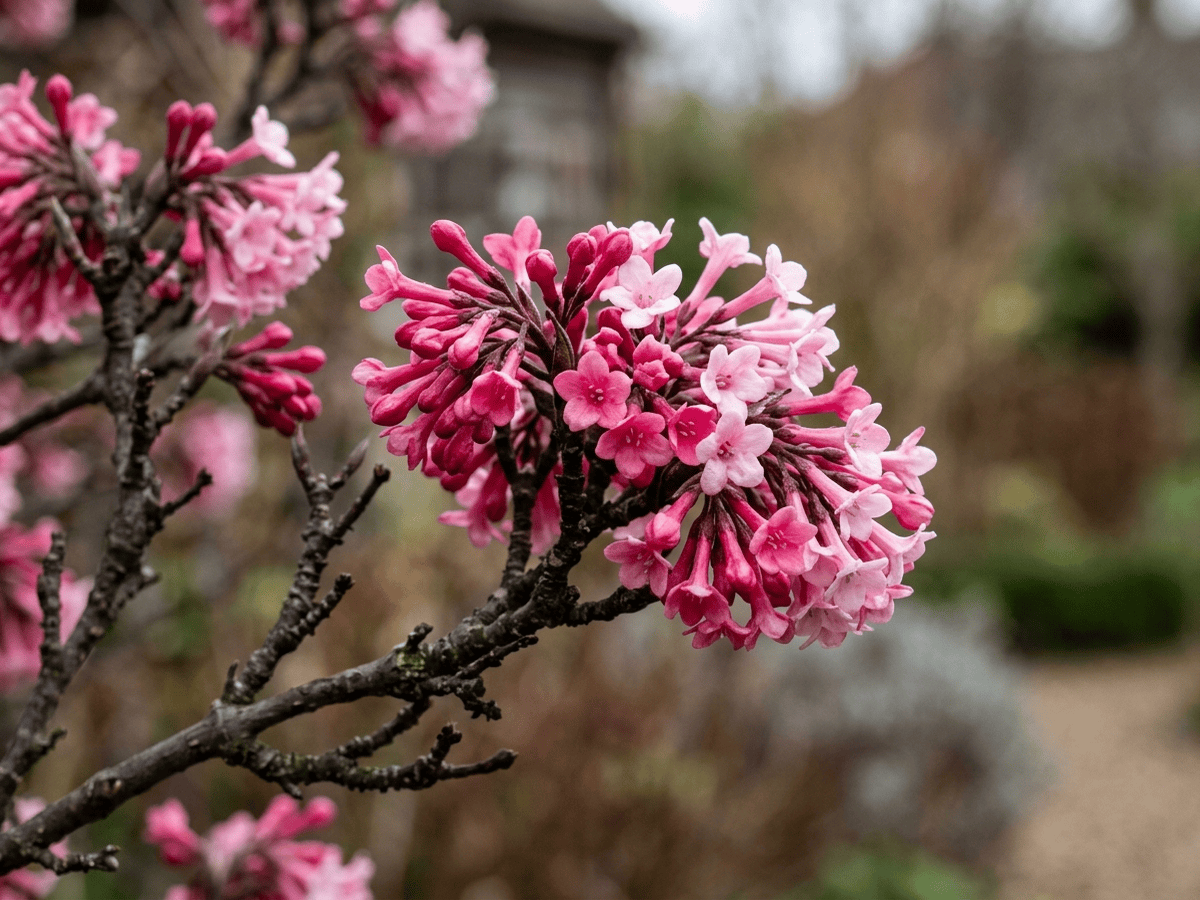
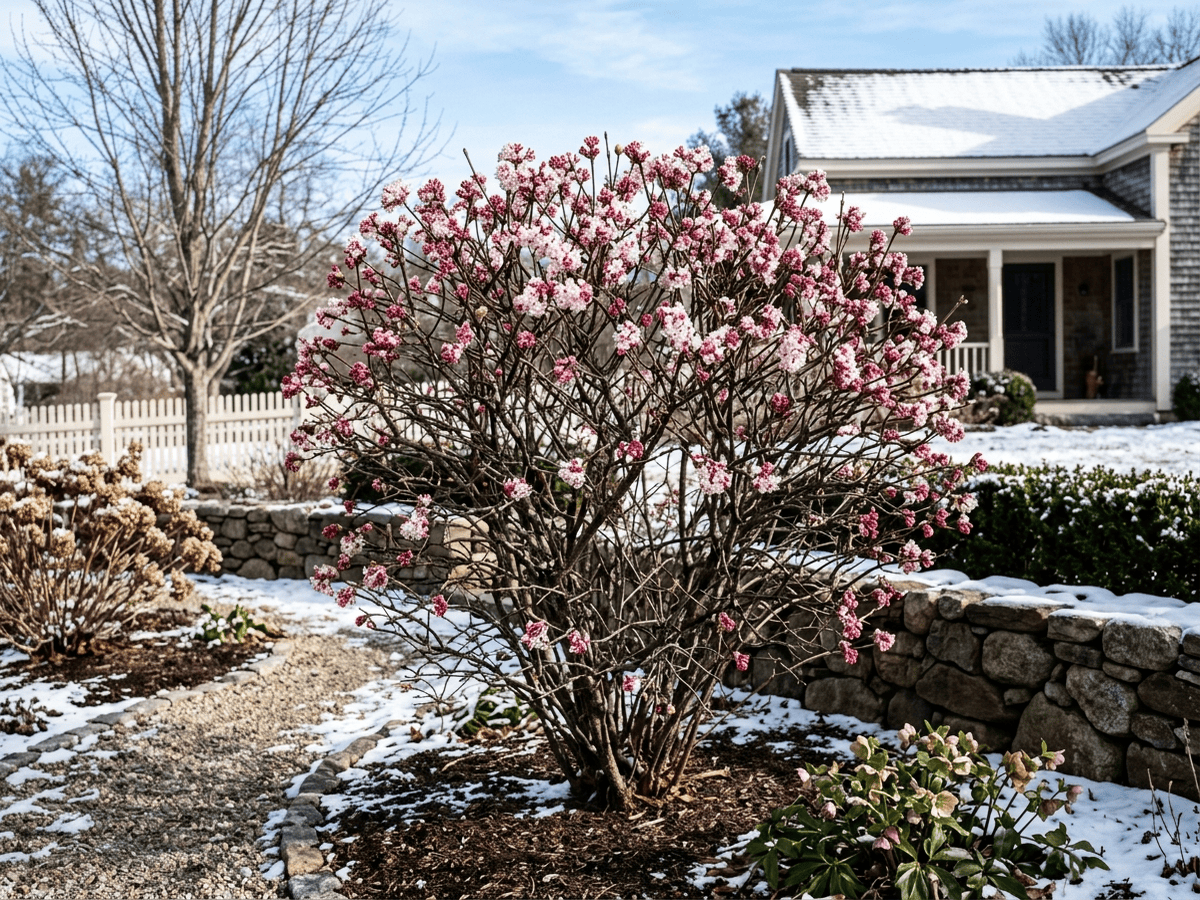
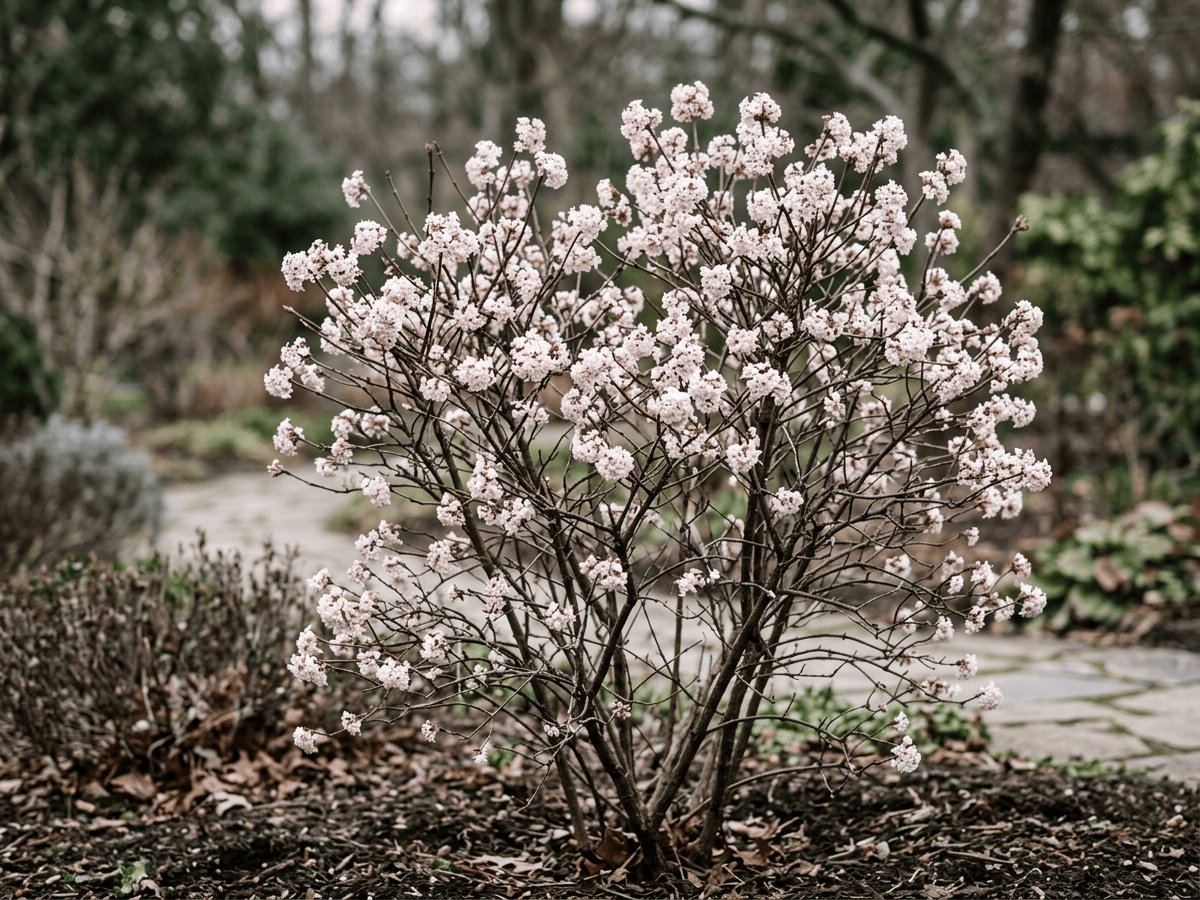
Bodnant Viburnum is a vigorous deciduous shrub growing 8-10 feet tall, a hybrid between V. farreri and V. grandiflorum created at Bodnant Garden in Wales. It combines the best qualities of both parents: clusters of intensely fragrant deep rose-pink flowers that appear on bare branches from November through March in mild climates. More upright and vigorous than V. farreri with darker pink flowers. 'Dawn' is the most widely grown cultivar and considered the finest winter-flowering shrub in cultivation.
- Fragrant
- Cold-hardy
How to care for Dawn Viburnum
Watering
- Springevery 7 days
- Summerevery 5 days
- Fallevery 10 days
- Winterevery 21 days
Soil · Rich & loamy
- Top dressingBark mulch15%
- Main mixRich loam + compost 3:170%
- DrainageGravel15%
Use fully finished compost — fresh compost burns roots.
FERTILIZER
Balanced Feed 14-14-14
An even feed covers all three needs at once, keeping leaves, roots and blooms moving together with nothing pushed out of balance.
- Nitrogen · Leaves
- Phosphorus · Roots + Blooms
- Potassium · Strength
- Springevery 30 days
At a Glance
- Height8–10 ft (2.4–3 m)
- Spread6–8 ft (1.8–2.4 m)
- Flower colorPink, White
- Foliage colorGreen, Red, Bronze
- SoilLoamy, Well-drained
- LocationsYard
Bloom time
BLOOM CYCLE
Peak bloom
Nov–Mar
Deep rose-pink fragrant clusters November to March on bare branches
Fragrance
STRONG FRAGRANCE
Powerful sweet clove-vanilla-heliotrope fragrance in winter bloom.
Toxicity
Humans Slight · Pets Slight
Unknown toxic principle
Slight
- Fruit
- Ingestion
EXPOSURE Eating fruit.
EFFECT Mild GI upset.
NOTE Documented concern for humans: Mild GI upset.
Slight
- Fruit
- Ingestion
EXPOSURE Eating fruit.
EFFECT Mild GI upset.
NOTE Not on ASPCA toxic list.
Slight
- Fruit
- Ingestion
EXPOSURE Eating fruit.
EFFECT Mild GI upset.
NOTE Not on ASPCA toxic list.
Educational information, not medical or veterinary advice. If exposure is suspected, contact a doctor or veterinarian.
History
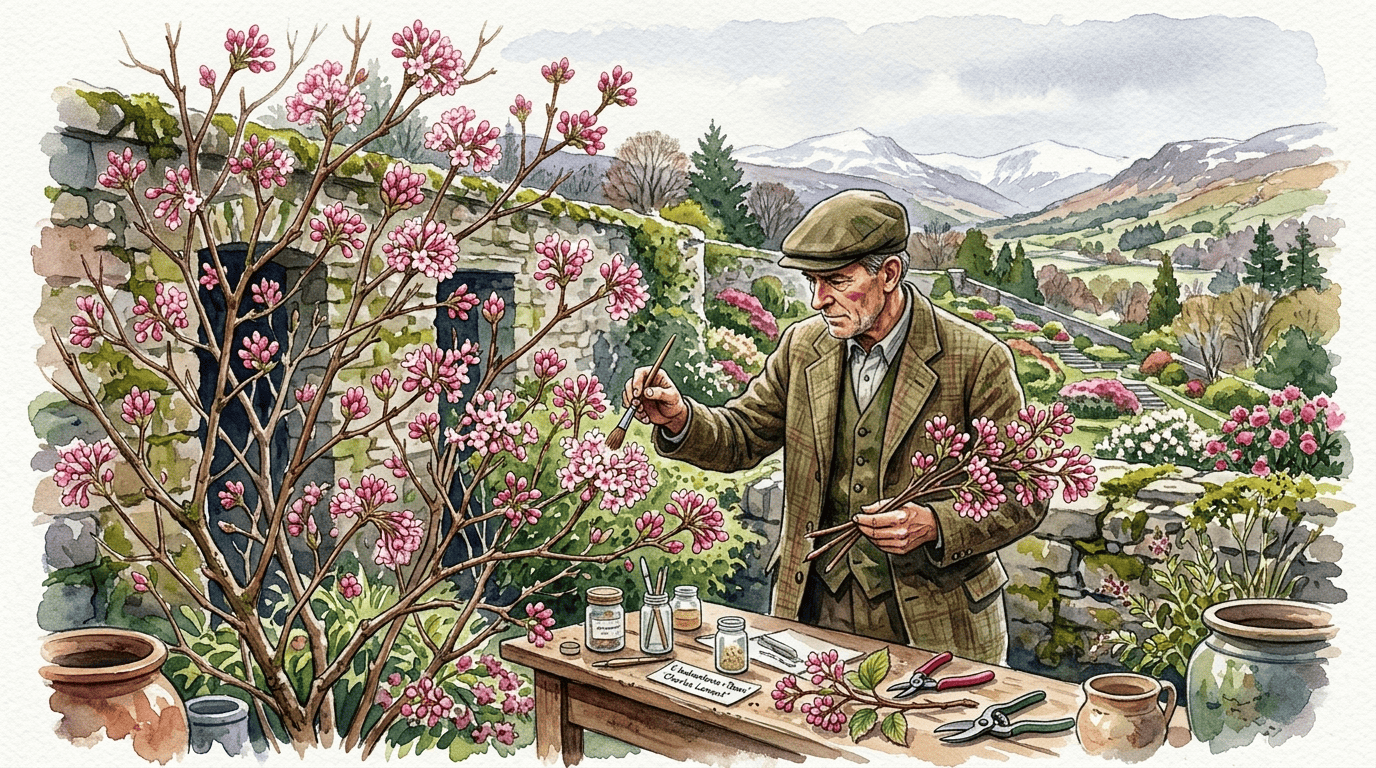
Viburnum x bodnantense originated at Bodnant Garden in the Conwy Valley of North Wales, where head gardener Charles Puddle crossed V. farreri with the Himalayan V. grandiflorum around 1935. The hybrid was named in honor of the garden. Three selections were made from the original cross, all released in the 1940s-50s: 'Dawn' (the best known, with rich pink flowers), 'Charles Lamont' (named for a Royal Botanic Garden Edinburgh horticulturist, with cleaner pink), and 'Deben' (with white flowers tinged pink).
All three combine the winter-flowering habit and strong fragrance of V. farreri with the larger flower size and richer pink coloring of V. grandiflorum, and are more vigorous than either parent. Clusters of pink-budded flowers open on bare branches from November through March in mild winters, emitting a powerful clove-vanilla fragrance.
Named an RHS Award of Garden Merit plant. The upright shrub reaches 3-4 meters and has become one of the most widely planted winter-flowering shrubs in temperate gardens around the world.
Symbolism & meaning
What It Symbolizes
Viburnum × bodnantense carries renewal, its fragrant pink flowers emerging from bare winter branches as though hope had decided to bloom out of season. Its heritage runs through Bodnant Garden in Wales, one of the world's most celebrated gardens, where this hybrid was born. To grow it is to keep both winter perfume and a piece of garden lineage close — a flower that refuses to wait for spring.
- Renewal — fragrant flowers emerge from bare winter branches
- Heritage — born in one of the world's most celebrated gardens
Where the Name Comes From
'Bodnantense' refers to Bodnant Garden in Wales, where this hybrid was first raised in 1935.
Uses & Fun Facts
- Pink flower clusters perfume mild winter days with sweet scent
- Winter-flowering viburnum as scented anchor of winter borders
Related plants
More Viburnum plants
 Sweet ViburnumViburnum awabuki
 Korean Spice ViburnumViburnum carlesii
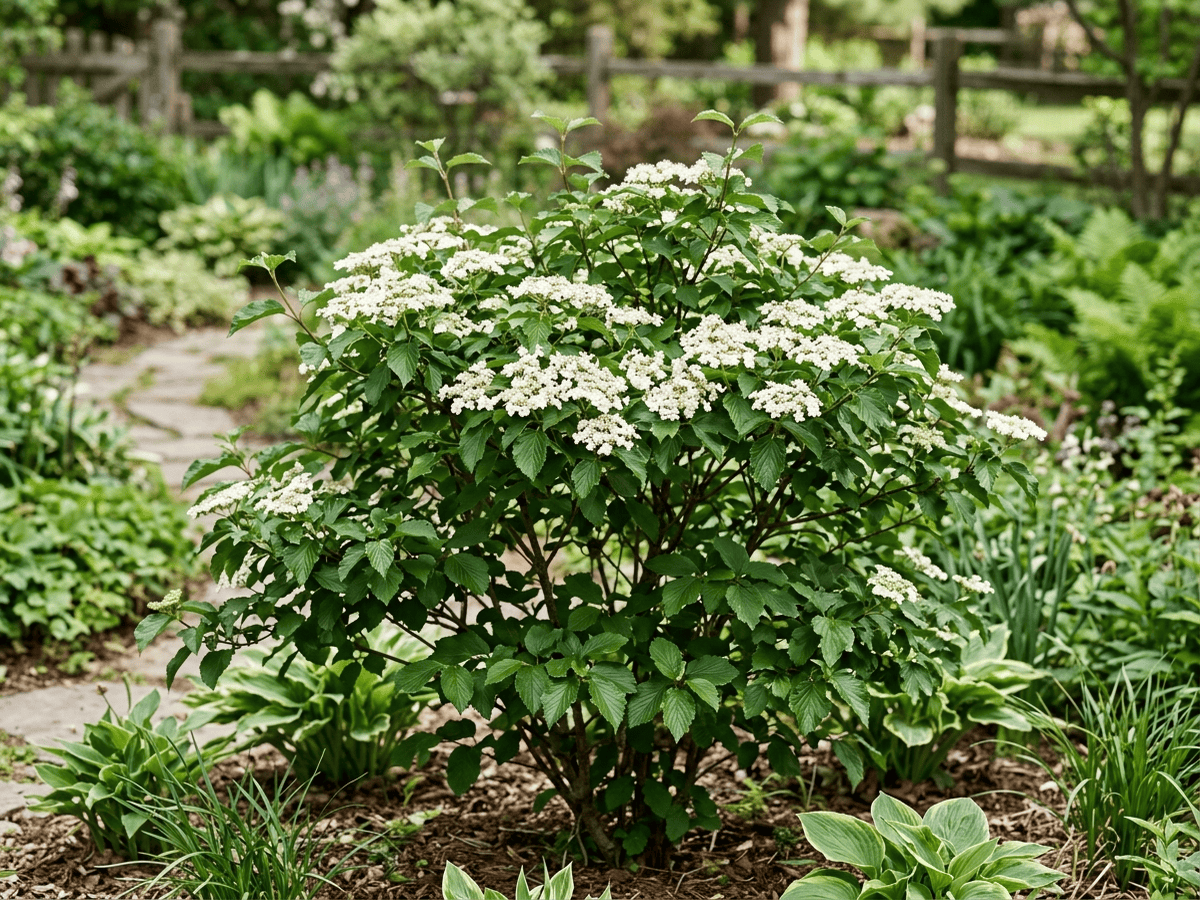 Southern ArrowwoodViburnum dentatum
 Fragrant ViburnumViburnum farreri
Plants with similar care
 Chinese AbeliaAbelia chinensis
 Fragrant AbeliaAbelia mosanensis
 Large-Flowered AbeliaAbelia uniflora
 Glossy AbeliaAbelia x grandiflora
Frequently asked questions
How often should I water Dawn Viburnum?
In summer, water about every 5 days; in winter, about every 21 days. Adjust for heat, pot size and drainage.
How much light does Dawn Viburnum need?
Full sun: 6+ hrs direct. Watch the leaves — scorching or stretching means the light needs adjusting.
Is Dawn Viburnum toxic to cats or dogs?
Pets Slight (Dogs Slight · Cats Slight) Educational information, not medical or veterinary advice. If exposure is suspected, contact a doctor or veterinarian.
Is Dawn Viburnum easy to grow?
Yes — it is considered an easy, beginner-friendly plant.
When does Dawn Viburnum bloom?
It typically blooms Nov–Mar in the Northern Hemisphere.
YardMate
Identify any plant in seconds
Snap a photo — YardMate names the plant, diagnoses problems, and reminds you when to water.
Download on the App Store