 YardMate

Garden Pansy
Viola x wittrockiana
Easy · Beginner friendlyAbout Garden Pansy
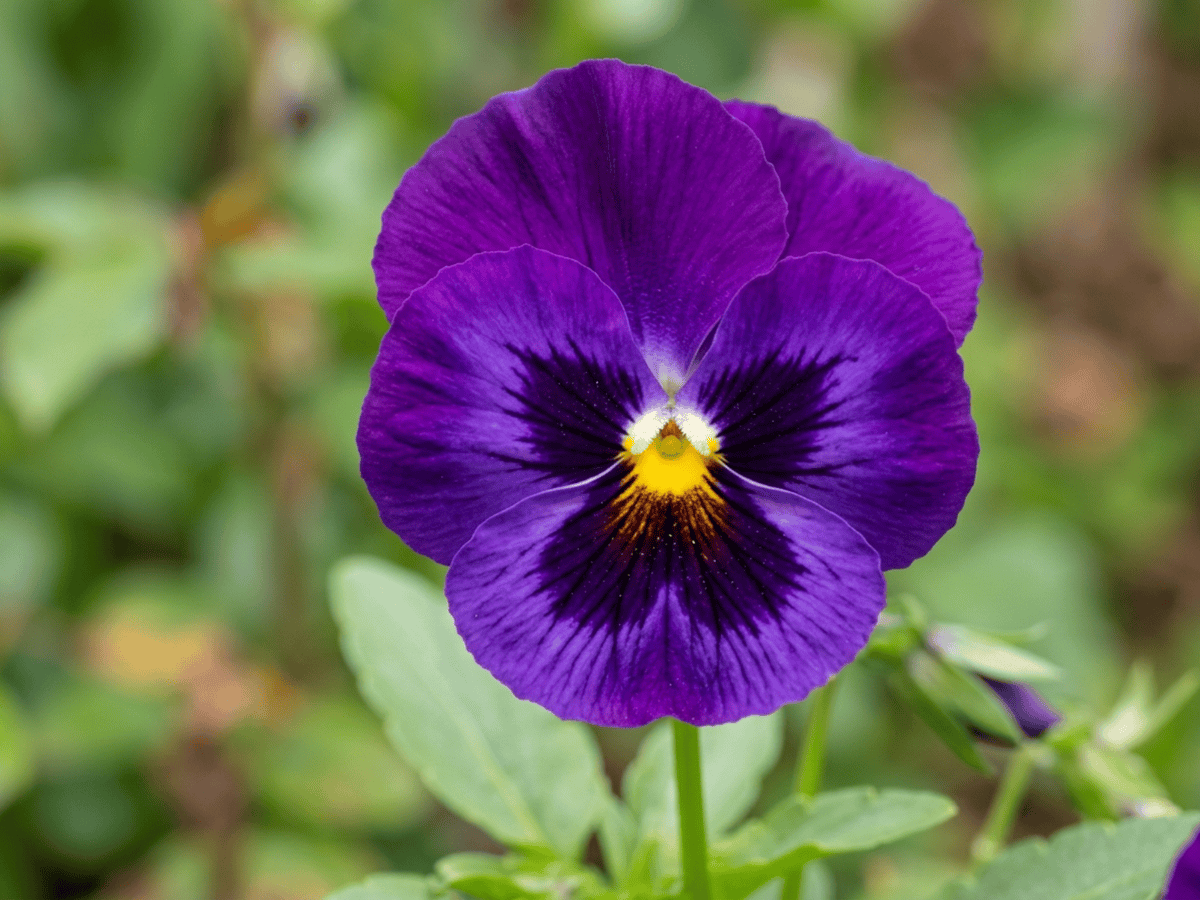
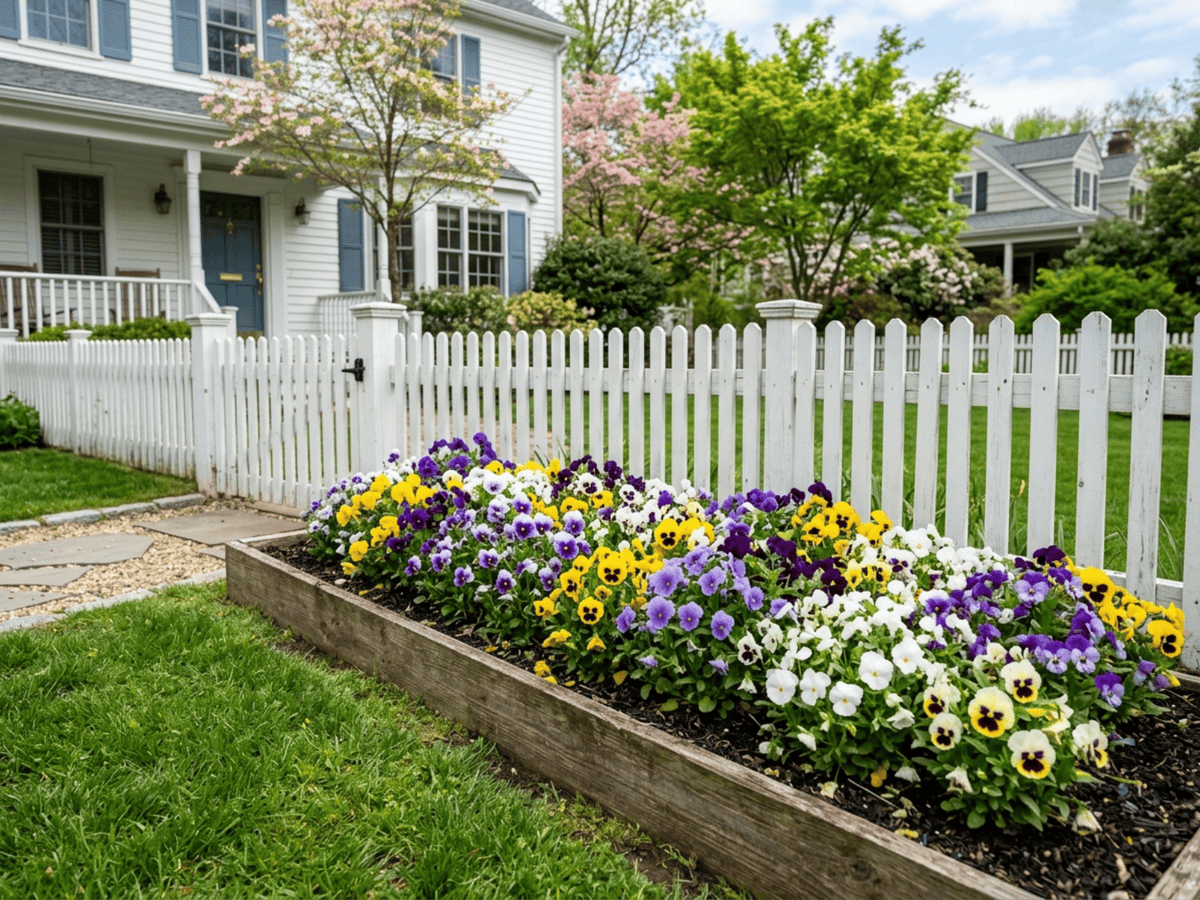
The Garden Pansy is a hybrid cool-season annual grown across the United States for its large, flat, 'face'-patterned flowers in nearly every color. Bred from several European Viola species, pansies bloom prolifically in fall, winter (in mild zones), and early spring, tolerating frost and even brief snow. They are indispensable for containers, window boxes, and mass bedding displays from New England to Southern California. Deadheading extends bloom, and the flowers are edible—often used to decorate cakes and salads.
- Edible
- Cold-hardy
- Container-friendly
- Pollinator-friendly
How to care for Garden Pansy
Watering
- Springevery 3 days
- Summerevery 2 days
- Fallevery 3 days
- Winterevery 7 days
Soil · Rich & well-draining
- Top dressingCompost10%
- Main mixPotting soil + compost 3:180%
- DrainageGravel10%
Top up the compost layer each season.
FERTILIZER
Balanced Feed 14-14-14
An even feed covers all three needs at once, keeping leaves, roots and blooms moving together with nothing pushed out of balance.
- Nitrogen · Leaves
- Phosphorus · Roots + Blooms
- Potassium · Strength
- Springevery 14 days
- Summerevery 14 days
- Fallevery 14 days
- Winterevery 30 days
At a Glance
- NativeEurope
- Height0.5–1 ft (0.2–0.3 m)
- Spread0.5–1 ft (0.2–0.3 m)
- Flower colorWhite, Yellow, Orange, Red
- Foliage colorGreen
- SoilLoamy, Moisture-retentive
- LocationsYard · Balcony · Indoor
Bloom time
BLOOM CYCLE
Peak bloom
Mar, Apr, May, Sep, Oct, Nov
Face-patterned flowers fall through spring
Fragrance
LIGHT FRAGRANCE
Light sweet scent, stronger in cool morning air.
Toxicity
No toxicity has been reported for this plant. Still, it is wise to keep pets from chewing on any houseplant.
Educational information, not medical or veterinary advice. If exposure is suspected, contact a doctor or veterinarian.
DISTRIBUTION


- Native
- Europe
History
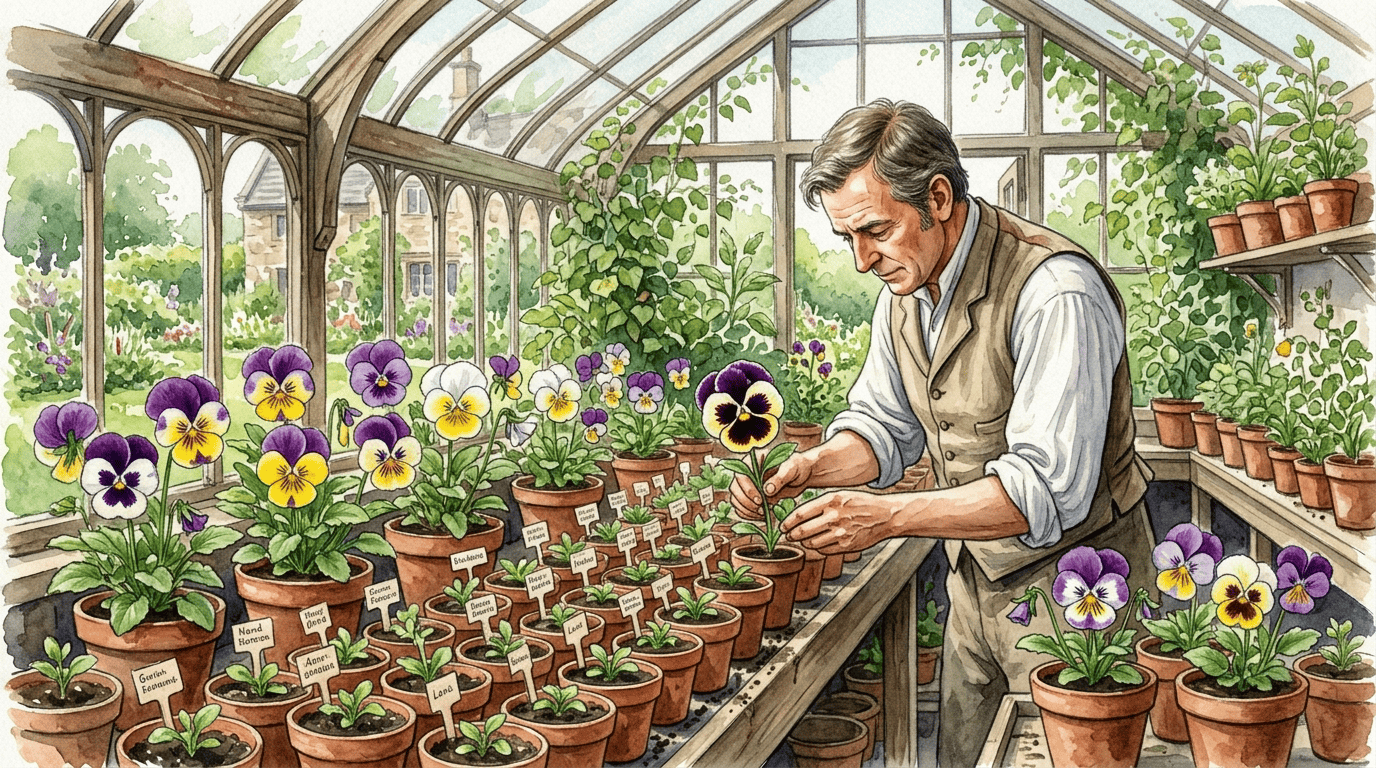
Viola x wittrockiana is a garden hybrid developed in English horticulture in the early 19th century, from approximately 1810 through the 1830s, by crossing the European wild heartsease (Viola tricolor) with the yellow mountain pansy (V. lutea) and the Russian mountain pansy (V. altaica). The critical early breeding work was done at two English estates: Admiral William Gambier's Iver House garden in Buckinghamshire from 1812 — where his gardener William Thompson selected for the distinctive dark-markings "face" pattern that defines the modern pansy — and James Lee's Hammersmith nursery. Lady Mary Bennett of Walton-on-Thames was another important early breeder. By 1833 the English horticultural press was reporting approximately 400 named pansy cultivars in commerce.
The species was formally named for Swedish botanist Veit Brecher Wittrock (1839-1914), director of the Bergian Botanic Garden in Stockholm. Modern global pansy production is enormous — pansies are among the most-sold bedding plants worldwide, particularly valued as cool-season color (autumn through spring in mild climates, spring and fall in cold climates). The F1 hybrid "Majestic Giants" series (1966) and modern series including "Matrix," "Delta," "Cool Wave," "Icicle," and "Colossus" produce massive commercial populations.
By the Victorian era, pansies had become synonymous with cool-season color, and modern American breeding programs now release dozens of new series each year for fall and spring markets. Flower size ranges from tiny viola-like 2 cm blooms to massive 10-12 cm giant pansies, and the color range covers essentially all spectrum colors including true blue, black (very dark purple), white, and every combination.
Symbolism & meaning
What It Symbolizes
The Garden Pansy takes its name from the French 'pensée' — thought — and so carries the very meaning of thoughtfulness in its small, faintly faced flowers. Paired with remembrance, it served as a Victorian emblem of loving memory, often pressed into letters and books. To grow pansies is to plant a small bed of thinking-of-you, each upturned face quietly holding someone in mind.
- Thoughtfulness — from French 'pensée' meaning thought
- Remembrance — Victorian emblem of loving remembrance
Where the Name Comes From
Genus from Latin 'viola' (violet); hybrid named for Swedish botanist Veit Wittrock (1839–1914).
Uses & Fun Facts
- Cheerful pansy faces decorate cakes, salads, and ice cubes
- Open pansy faces feed early and late-season bees
- Cool-season pansies brighten winter and spring patio pots
Related plants
More Viola plants
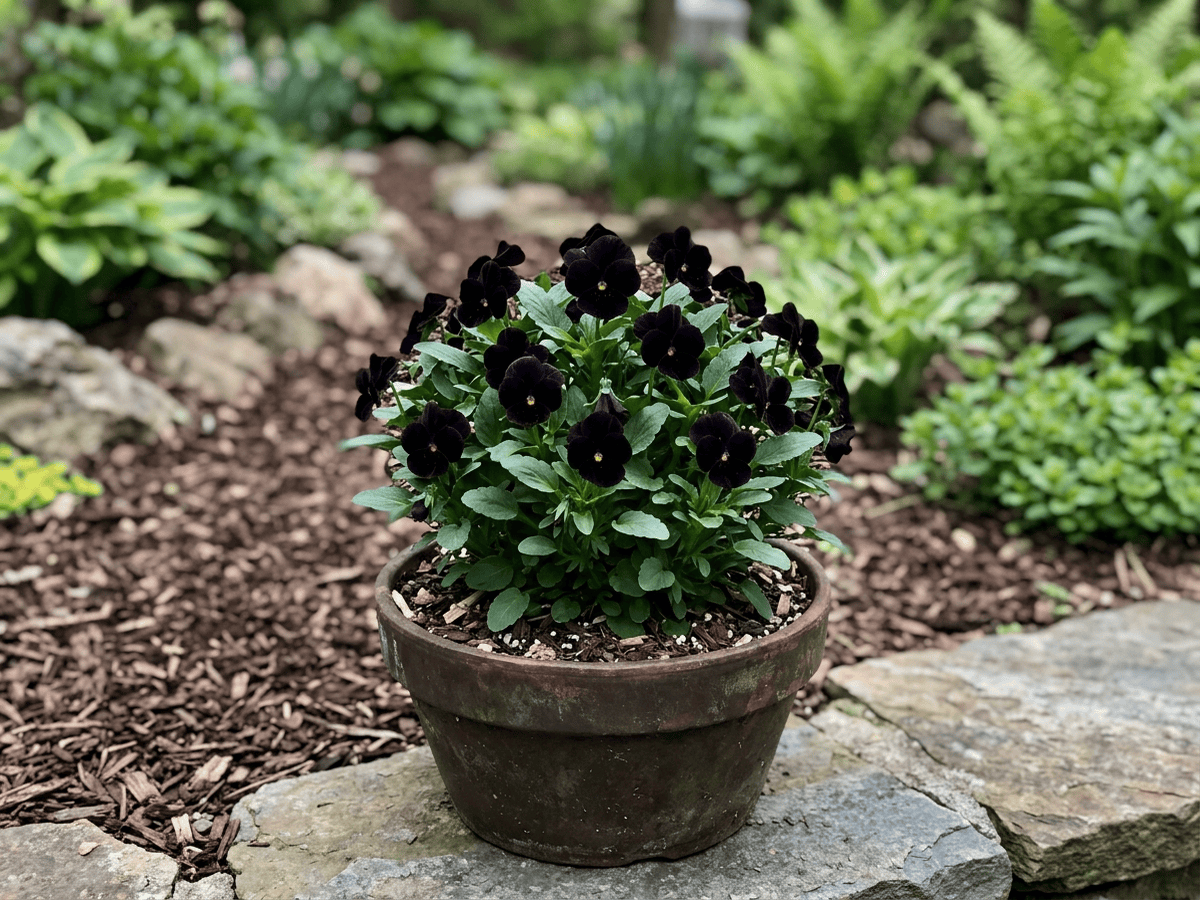 Black ViolaViola 'Molly Sanderson'
 Horned PansyViola cornuta
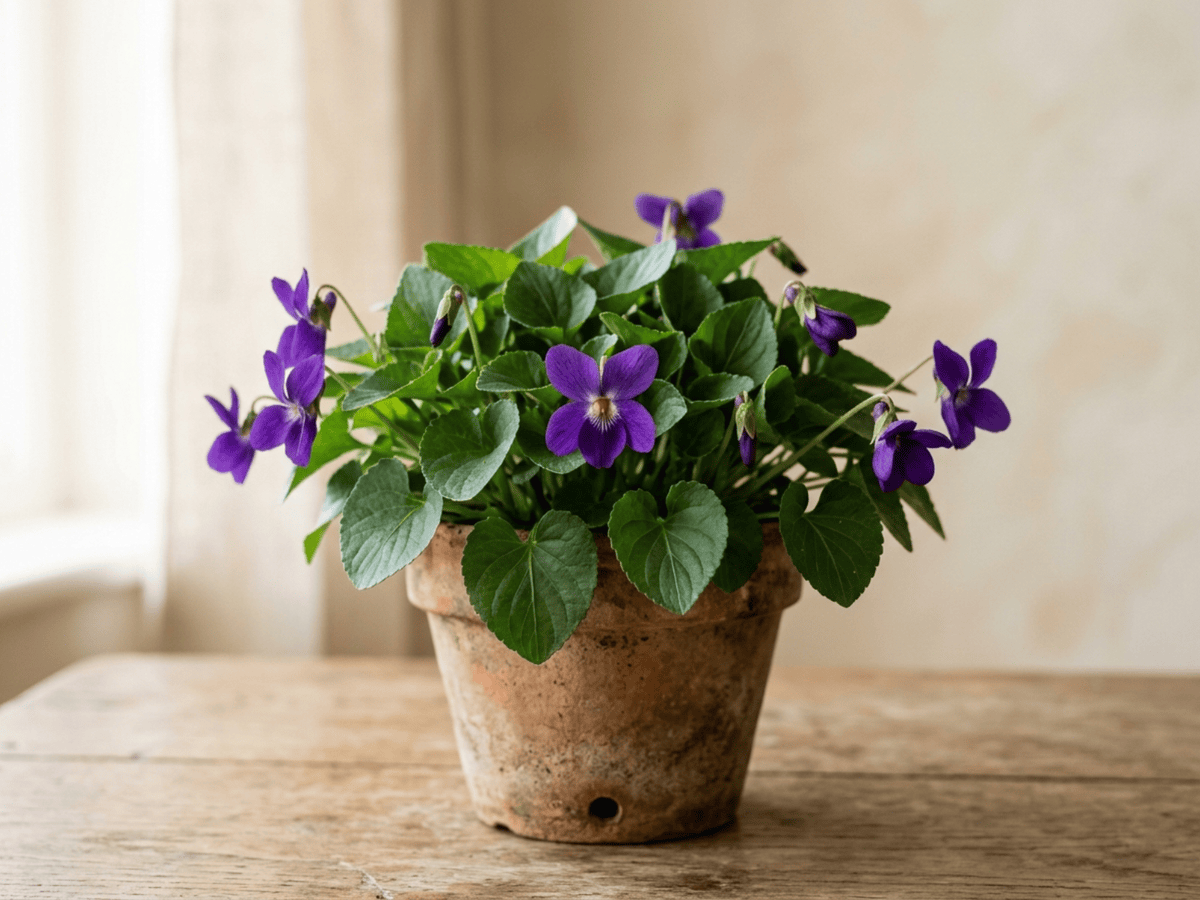 Sweet VioletViola odorata
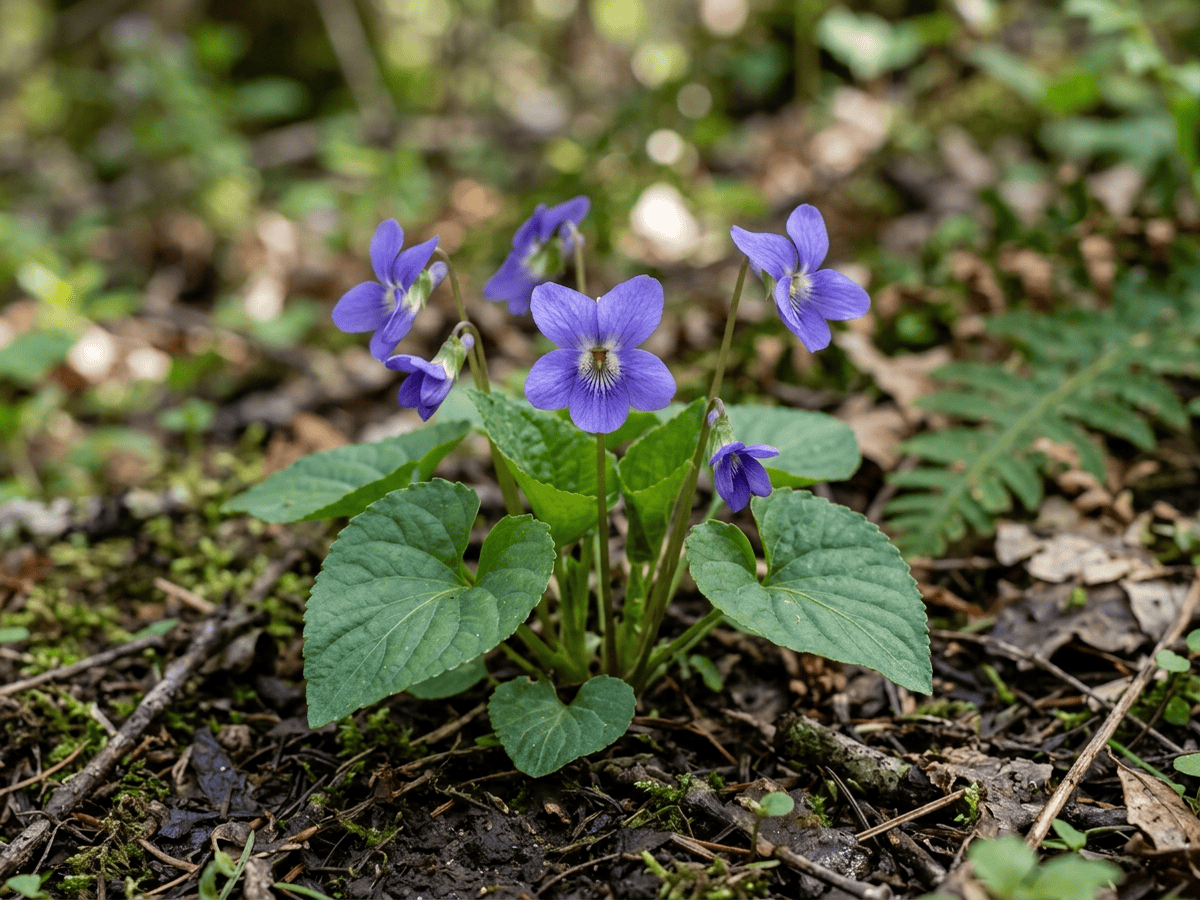 Common Blue VioletViola sororia
Plants with similar care
 Chinese AbeliaAbelia chinensis
 Fragrant AbeliaAbelia mosanensis
 Large-Flowered AbeliaAbelia uniflora
 Glossy AbeliaAbelia x grandiflora
Frequently asked questions
How often should I water Garden Pansy?
In summer, water about every 2 days; in winter, about every 7 days. Adjust for heat, pot size and drainage.
How much light does Garden Pansy need?
Full sun: 6+ hrs direct. Watch the leaves — scorching or stretching means the light needs adjusting.
Is Garden Pansy toxic to cats or dogs?
No toxicity has been reported for this plant. Still, it is wise to keep pets from chewing on any houseplant. Educational information, not medical or veterinary advice. If exposure is suspected, contact a doctor or veterinarian.
Is Garden Pansy easy to grow?
Yes — it is considered an easy, beginner-friendly plant.
Can Garden Pansy be grown indoors?
Yes, it adapts well to indoor growing given the right light.
When does Garden Pansy bloom?
It typically blooms Mar, Apr, May, Sep, Oct, Nov in the Northern Hemisphere.
YardMate
Identify any plant in seconds
Snap a photo — YardMate names the plant, diagnoses problems, and reminds you when to water.
Download on the App Store