 YardMate


Narrowleaf Zinnia
Zinnia angustifolia
Easy · Beginner friendlyAbout Narrowleaf Zinnia
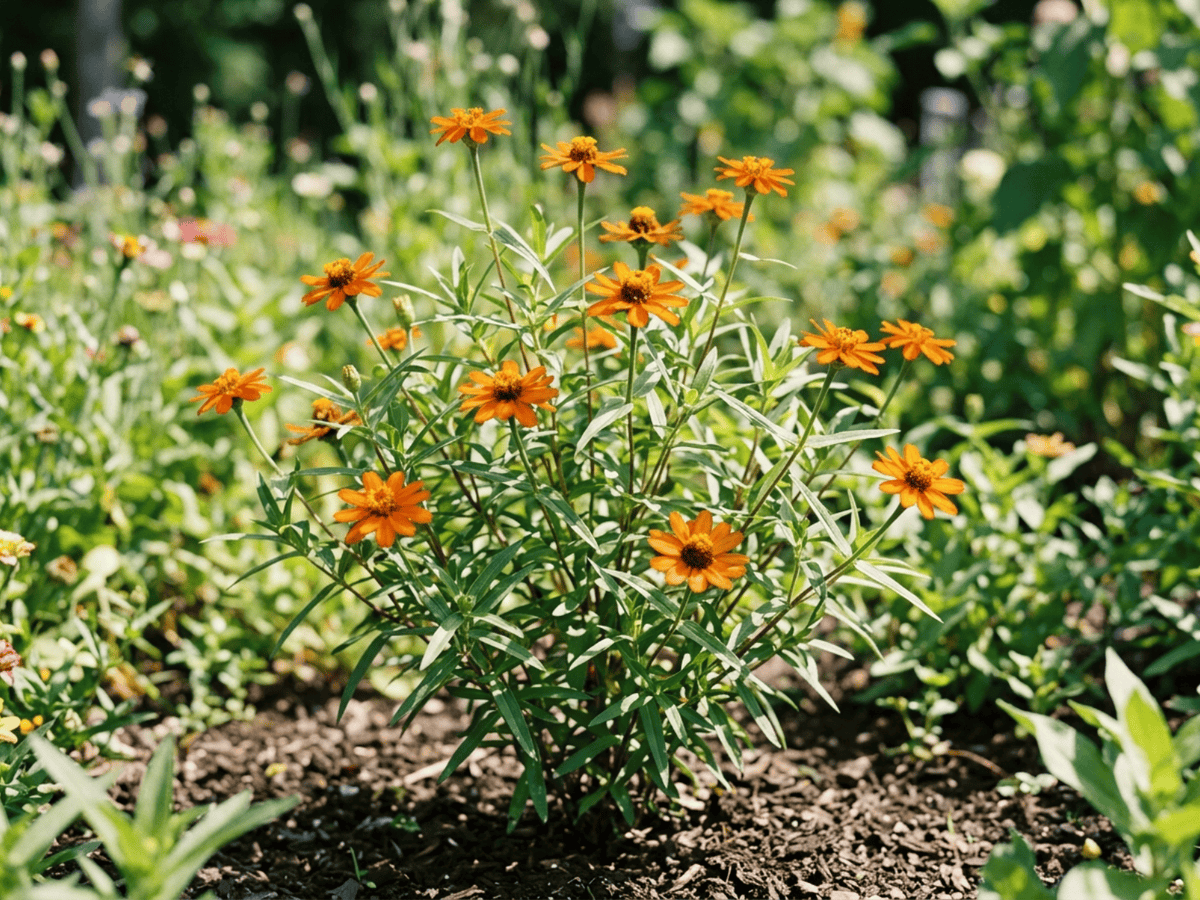
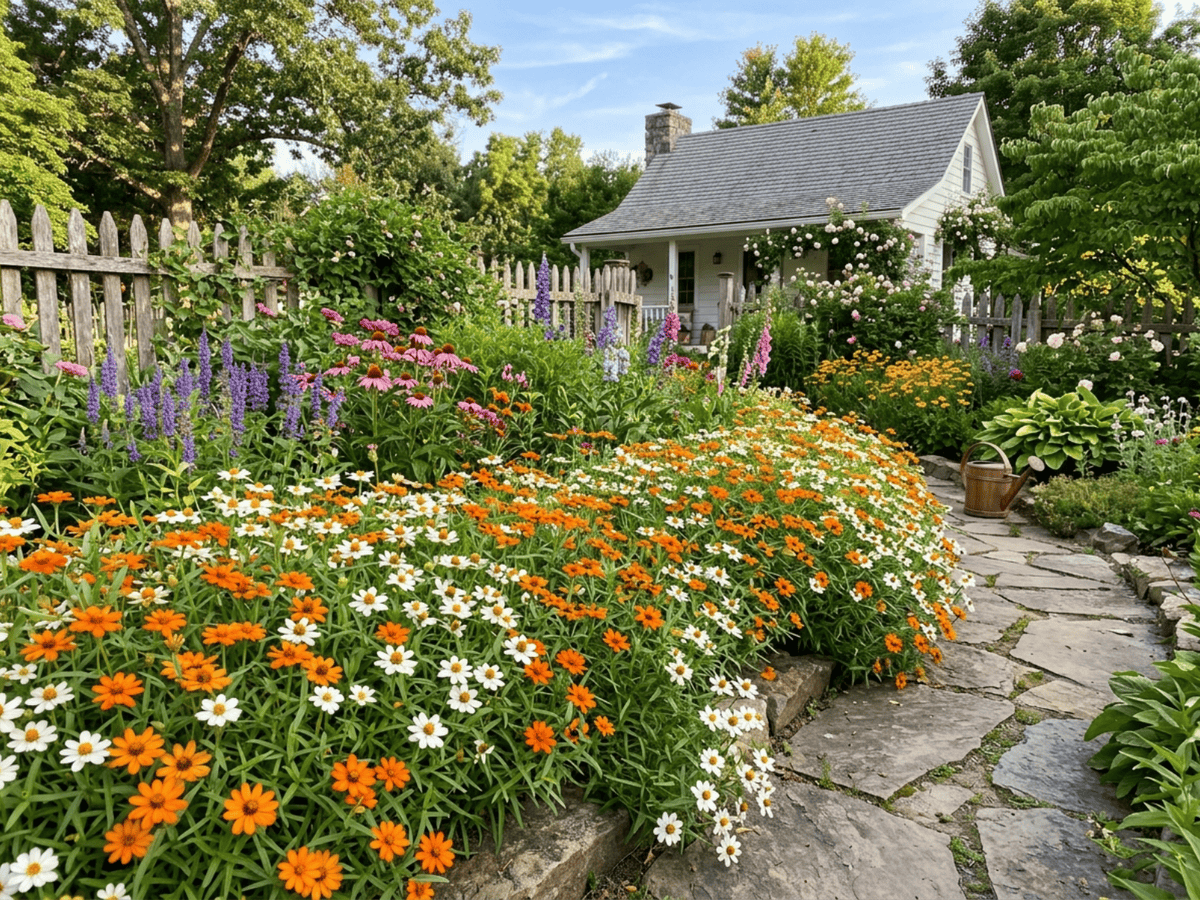
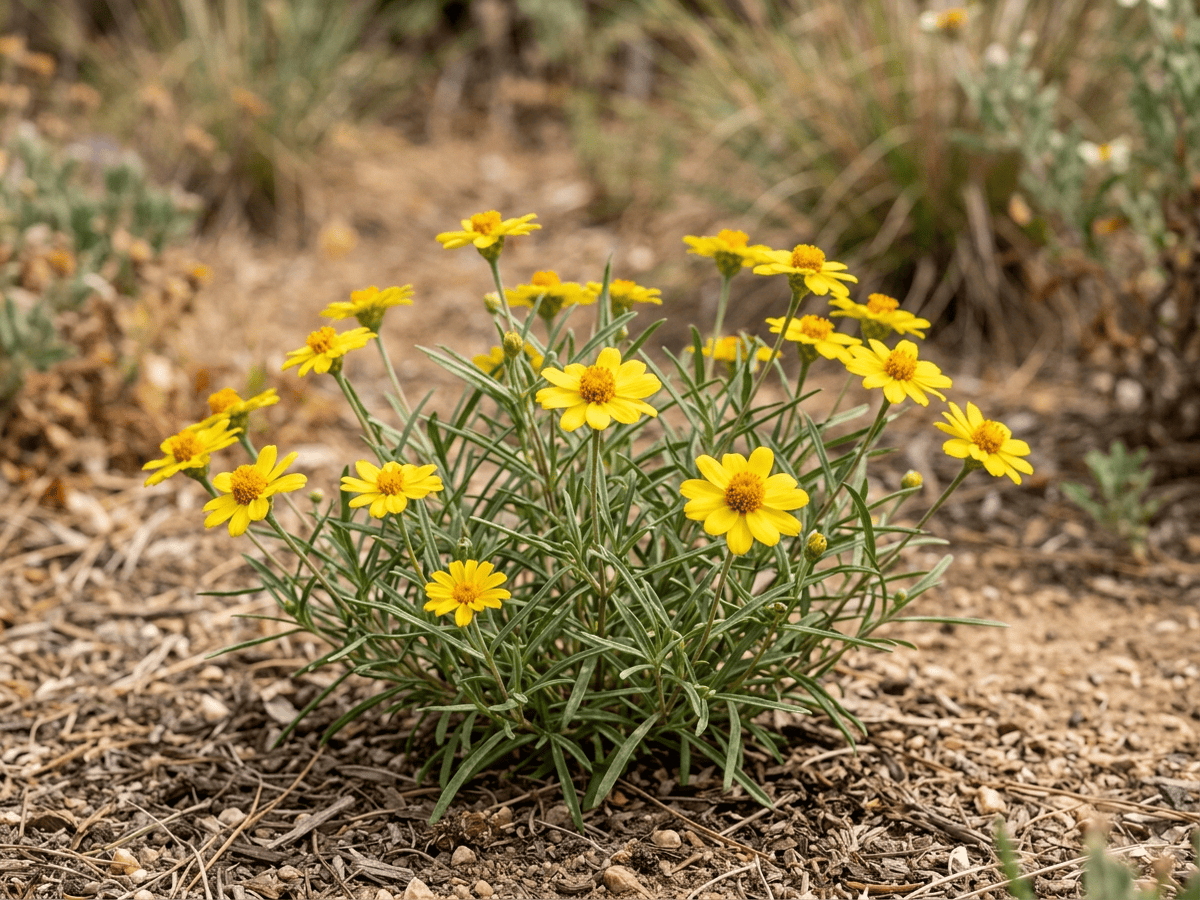
Narrowleaf Zinnia is a compact, mounding annual from the Southwest and Mexico, growing 8–12 inches tall with slender dark-green leaves and single daisy flowers in white, gold, and orange. Far more disease-resistant than common garden zinnias, it shrugs off powdery mildew and blooms nonstop from late spring through first frost. Its low, spreading habit makes it ideal for edging, containers, and groundcover use in the hot, dry gardens of the American Southwest and South.
- Heat-tolerant
- Drought-tolerant
- Disease-resistant
- Low-maintenance
How to care for Narrowleaf Zinnia
Watering
- Springevery 5 days
- Summerevery 4 days
- Fallevery 10 days
- Winterpause watering
Soil · Well-draining
- Top dressingPine bark mulch10%
- Main mixPotting soil + perlite 2:170%
- DrainageLECA / gravel20%
Never skip the drainage layer — standing water is the top cause of root rot.
FERTILIZER
Balanced Feed 14-14-14
An even feed covers all three needs at once, keeping leaves, roots and blooms moving together with nothing pushed out of balance.
- Nitrogen · Leaves
- Phosphorus · Roots + Blooms
- Potassium · Strength
- Springevery 21 days
- Summerevery 21 days
At a Glance
- NativeNorth America
- Height0.8–1.5 ft (0.2–0.5 m)
- Spread1–1.5 ft (0.3–0.5 m)
- Flower colorWhite, Orange, Yellow
- Foliage colorGreen
- SoilLoamy, Well-drained
- LocationsYard · Balcony
Bloom time
BLOOM CYCLE
Peak bloom
May–Nov
White or gold daisies late spring to frost
Fragrance
NO FRAGRANCE
No notable fragrance.
Toxicity
No toxicity has been reported for this plant. Still, it is wise to keep pets from chewing on any houseplant.
Educational information, not medical or veterinary advice. If exposure is suspected, contact a doctor or veterinarian.
DISTRIBUTION


- Native
- Introduced
- North America
History
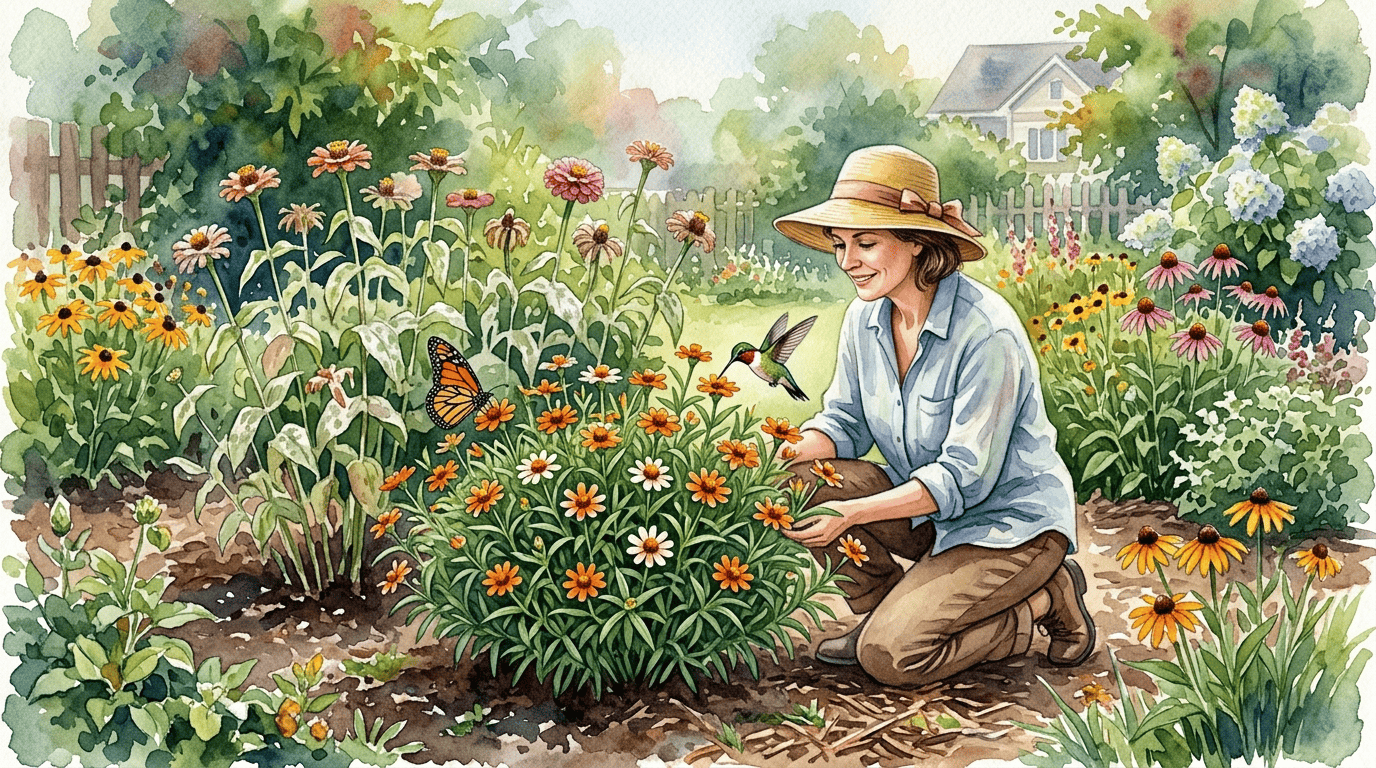
Zinnia angustifolia is native to the deserts and semi-arid grasslands of northern Mexico (particularly Chihuahua, Sonora, and Durango) and adjacent southwestern United States (southern Arizona and New Mexico). It grows as a small compact bushy annual or short-lived perennial 20-40 cm tall, with narrow linear leaves (the species epithet "angustifolia" meaning "narrow-leaved") and small simple single-form daisy flowers 2-3 cm across in pure white, bright orange, or yellow. Compared to the more familiar and showier Zinnia elegans (common garden zinnia), Z. angustifolia produces smaller, simpler flowers but has dramatically better disease resistance — particularly resistance to powdery mildew, which devastates Z. elegans in humid climates.
This disease resistance has made Z. angustifolia the critical breeding parent of modern disease-resistant zinnia bedding series, most importantly the "Profusion" series (introduced 1999 by Sakata Seed, won All-America Selections awards and is one of the most commercially successful bedding plants of the early 2000s) and the "Zahara" series (Syngenta, mid-2000s). Both series are interspecific hybrids of Z. angustifolia x Z. elegans that combine the larger flower size of Z. elegans with the disease resistance and heat/humidity tolerance of Z. angustifolia.
These hybrid series have revolutionized the market for summer-bedding zinnias, particularly in humid American South, Gulf Coast, and tropical garden conditions where traditional Z. elegans cultivars have historically failed. Attracts butterflies and hummingbirds.
Symbolism & meaning
What It Symbolizes
Narrowleaf Zinnia is endurance in petal form — blooming continuously through punishing summer heat that flattens its larger cousins, a small daisy shrugging off triple-digit afternoons. It also carries the zinnia family's traditional symbolism of friendship, the lasting affection of the perennial pen pal. It is the annual planted for friends who keep showing up, even in August.
- Endurance — blooms through punishing summer heat
- Friendship — traditional zinnia symbolism of lasting affection
Where the Name Comes From
Genus honors Johann Gottfried Zinn (1727–1759), German botanist; 'angustifolia' means 'narrow-leaved'.
Uses & Fun Facts
- Compact mounding annual for hot-climate patio pots and edging
- Small daisies feed bees and butterflies through frost
- Mildew-resistant edging for hot humid Southern bedding schemes
Related plants
More Zinnia plants
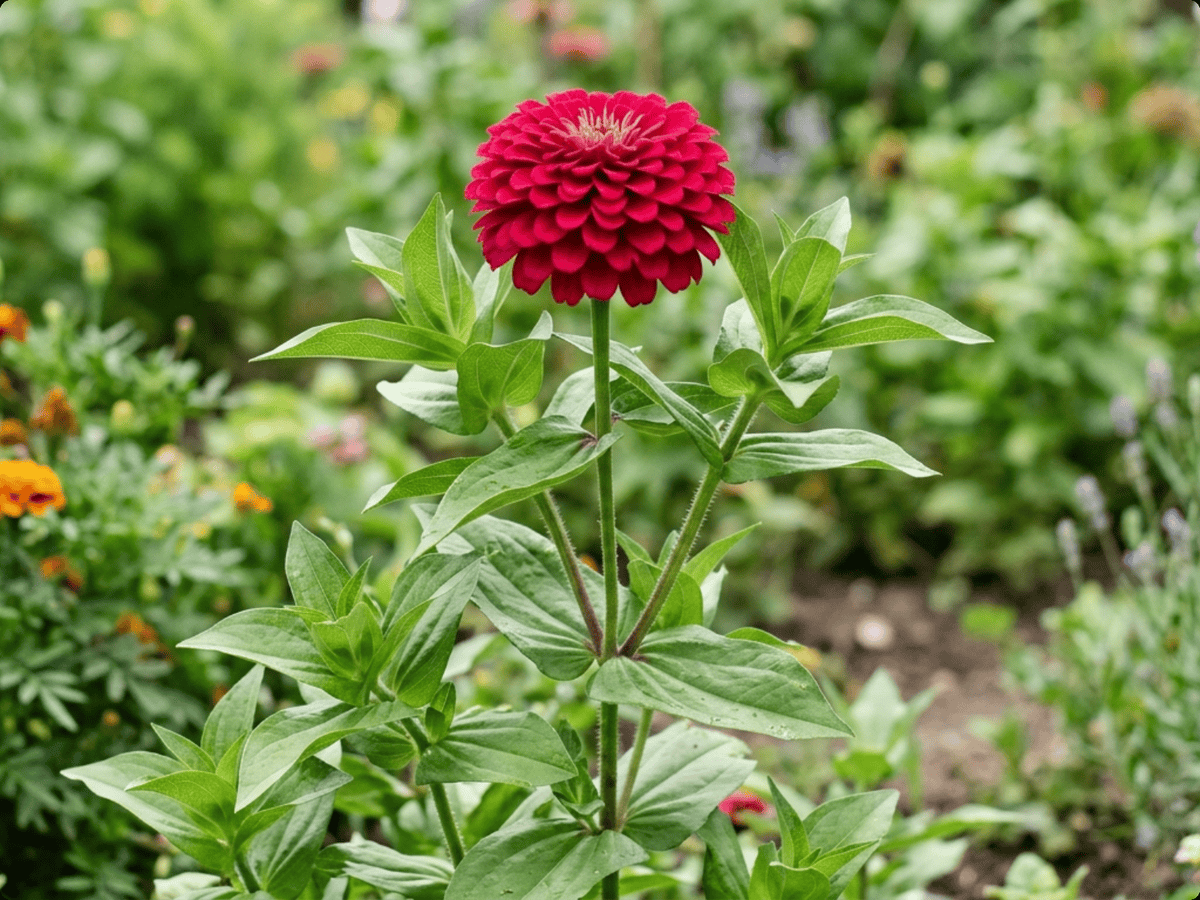 Elegant ZinniaZinnia elegans
 Rocky Mountain ZinniaZinnia grandiflora
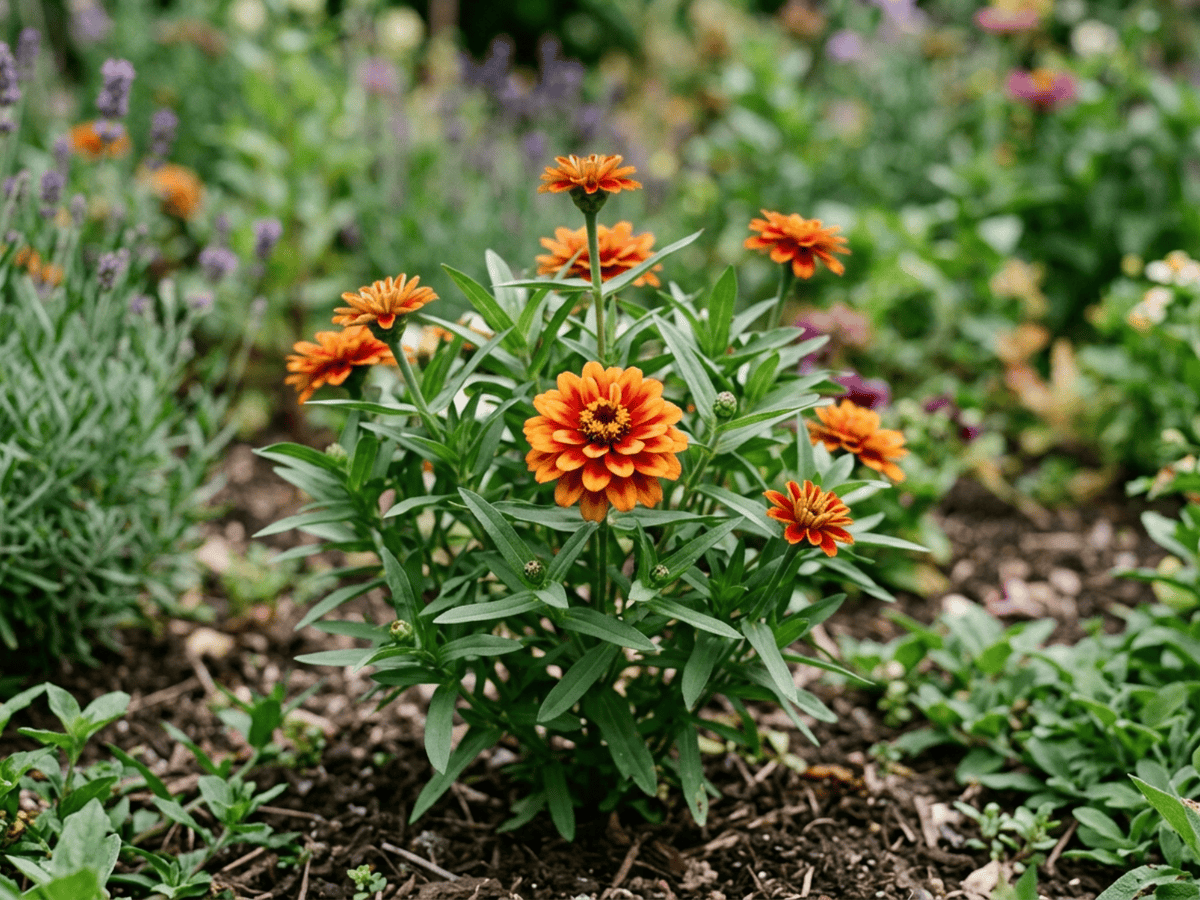 Mexican ZinniaZinnia haageana
 Maryland ZinniaZinnia marylandica
Plants with similar care
 Chinese AbeliaAbelia chinensis
 Fragrant AbeliaAbelia mosanensis
 Large-Flowered AbeliaAbelia uniflora
 Glossy AbeliaAbelia x grandiflora
Frequently asked questions
How often should I water Narrowleaf Zinnia?
Water about every 5 days during the growing season, and always let excess water drain away.
How much light does Narrowleaf Zinnia need?
Full sun: 6+ hrs direct. Watch the leaves — scorching or stretching means the light needs adjusting.
Is Narrowleaf Zinnia toxic to cats or dogs?
No toxicity has been reported for this plant. Still, it is wise to keep pets from chewing on any houseplant. Educational information, not medical or veterinary advice. If exposure is suspected, contact a doctor or veterinarian.
Is Narrowleaf Zinnia easy to grow?
Yes — it is considered an easy, beginner-friendly plant.
When does Narrowleaf Zinnia bloom?
It typically blooms May–Nov in the Northern Hemisphere.
YardMate
Identify any plant in seconds
Snap a photo — YardMate names the plant, diagnoses problems, and reminds you when to water.
Download on the App Store