 YardMate

Mexican Zinnia
Zinnia haageana
Easy · Beginner friendlyAbout Mexican Zinnia
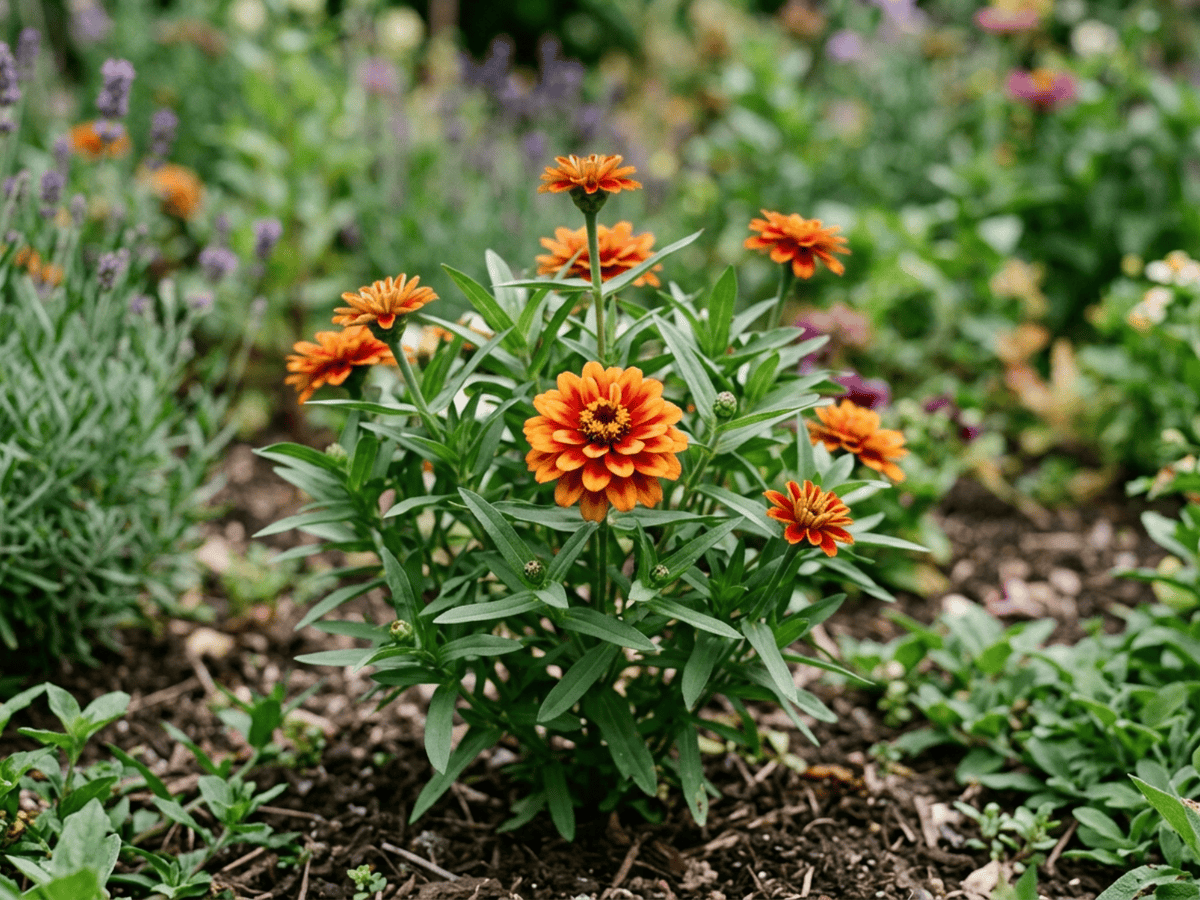
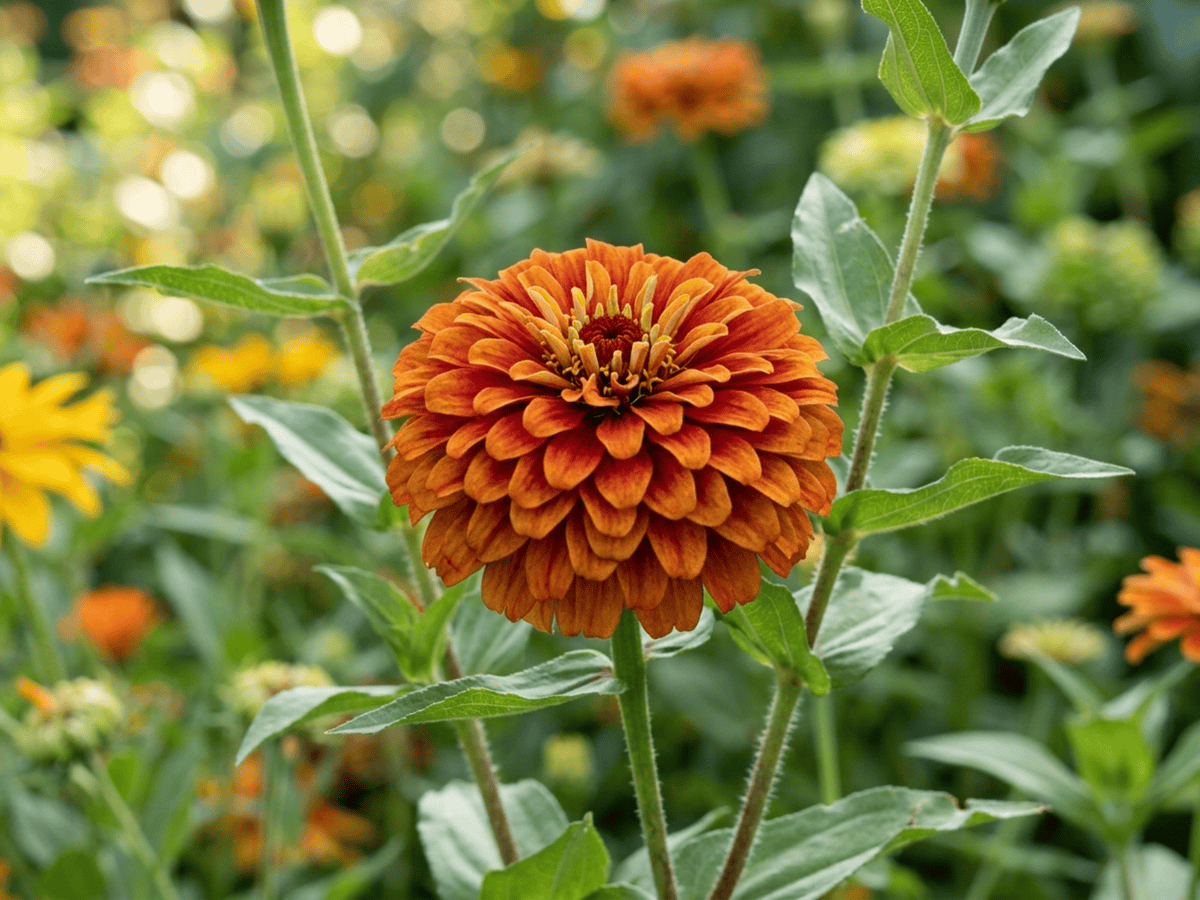
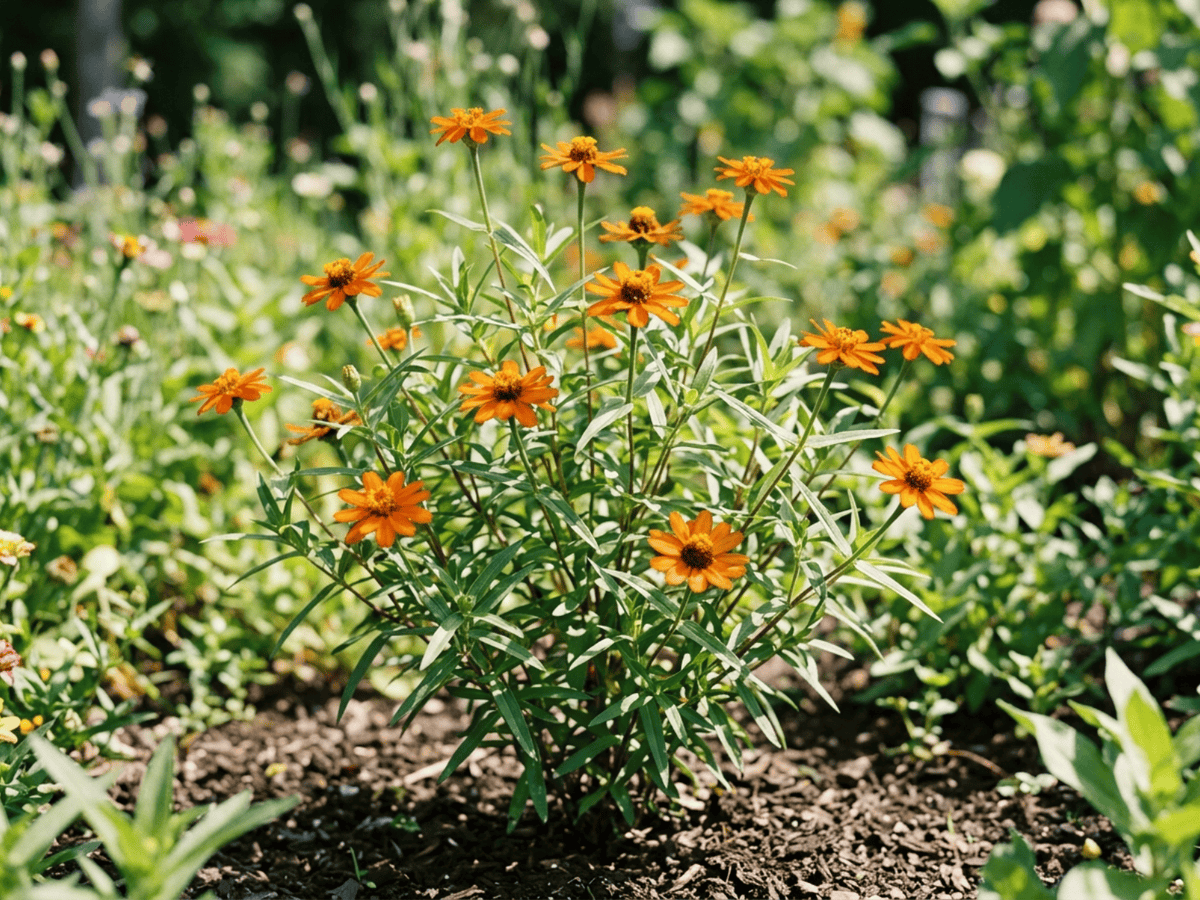
Mexican Zinnia is a bushy annual 12–18 inches tall with narrow leaves and distinctive bicolor daisy flowers—often mahogany-red tipped with gold or yellow. Native to Mexico, it thrives in the heat and sun of the American Southwest and South, blooming from early summer until frost. The popular 'Persian Carpet' and 'Old Mexico' heirloom strains celebrate its jewel-tone, warm-hued palette. More heat-tolerant and compact than Zinnia elegans, it requires no deadheading and self-seeds modestly.
- Drought-tolerant
- Heat-tolerant
- Pollinator-friendly
How to care for Mexican Zinnia
Watering
- Springevery 5 days
- Summerevery 4 days
- Fallevery 10 days
- Winterpause watering
Soil · Well-draining
- Top dressingPine bark mulch10%
- Main mixPotting soil + perlite 2:170%
- DrainageLECA / gravel20%
Never skip the drainage layer — standing water is the top cause of root rot.
FERTILIZER
Balanced Feed 14-14-14
An even feed covers all three needs at once, keeping leaves, roots and blooms moving together with nothing pushed out of balance.
- Nitrogen · Leaves
- Phosphorus · Roots + Blooms
- Potassium · Strength
- Springevery 21 days
- Summerevery 21 days
At a Glance
- NativeNorth America
- Height1–2 ft (0.3–0.6 m)
- Spread0.5–1 ft (0.2–0.3 m)
- Flower colorRed, Orange, Yellow
- Foliage colorGreen
- SoilLoamy, Well-drained
- LocationsYard · Balcony
Bloom time
BLOOM CYCLE
Peak bloom
Jun–Nov
Mahogany and gold bicolor daisies summer to frost
Fragrance
NO FRAGRANCE
No notable fragrance.
Toxicity
No toxicity has been reported for this plant. Still, it is wise to keep pets from chewing on any houseplant.
Educational information, not medical or veterinary advice. If exposure is suspected, contact a doctor or veterinarian.
DISTRIBUTION

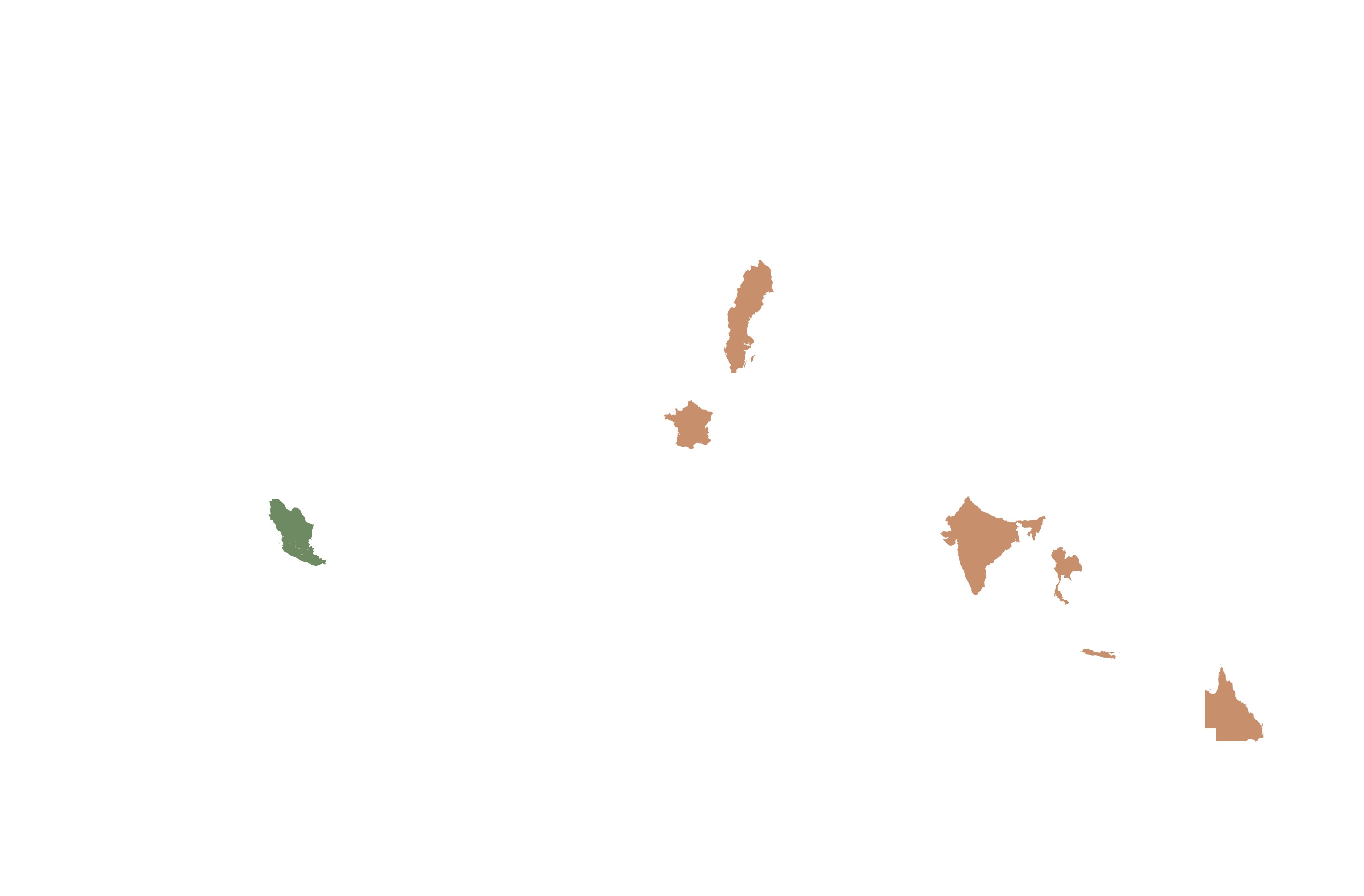
- Native
- Introduced
- North America
History

Zinnia haageana is native to Mexico, primarily the central Mexican highlands. The species was named for Friedrich Adolph Haage (1796-1866), a German nurseryman of Erfurt whose nursery specialized in Mexican and South American plant introductions during the mid-19th century. The plant is a compact bushy annual 30-60 cm tall with narrow lance-shaped leaves and small daisy-form flowers 3-5 cm across that produce its distinctive ornamental signature: intense bicolored patterns in combinations of fiery red, orange, yellow, gold, and mahogany-brown, often with dark central zones or radial markings that evoke the rich geometric color patterns of Persian and Central Asian carpets — hence the enduring horticultural trade name "Persian carpet zinnia."
The bicolored flower pattern is unique among widely-grown zinnia species and gives this species a distinctive ornamental niche separate from the solid-colored Z. elegans or the simpler white/orange Z. angustifolia. Modern cultivars include the classic "Persian Carpet" selection (widely grown since the mid-20th century), the "Jazzy" double-flowered form, and various bedding-plant series. The species is heat- and drought-tolerant and relatively mildew-resistant, performing well in hot summer climates where Z. elegans can struggle.
Butterfly- and bee-pollinated; attracts hummingbirds and garden pollinators. Self-seeds modestly in favorable garden conditions. Thomas Jefferson grew zinnias at Monticello, and heirloom seed savers have kept Z. haageana strains alive through generations of American gardeners.
Symbolism & meaning
What It Symbolizes
Mexican Zinnia can symbolize warmth, its fiery oranges and reds evoking the late summer sun that ripens its native landscapes. Another layer is lasting affection, the traditional zinnia meaning in flower language, expressing enduring friendship and affection across distance and time. In the cottage garden, zinnia haageana is both the small bonfire of the late-season bed and the friend's letter sent in flower form, a plant whose color and meaning equally refuse to fade as the season cools.
- Warmth — fiery tones evoke late summer sun
- Lasting affection — traditional zinnia meaning for enduring friendship
Where the Name Comes From
The name Mexican Zinnia points to Mexico. Genus honors Johann Gottfried Zinn; 'haageana' for 19th-century German nurseryman Friedrich Adolph Haage.
Uses & Fun Facts
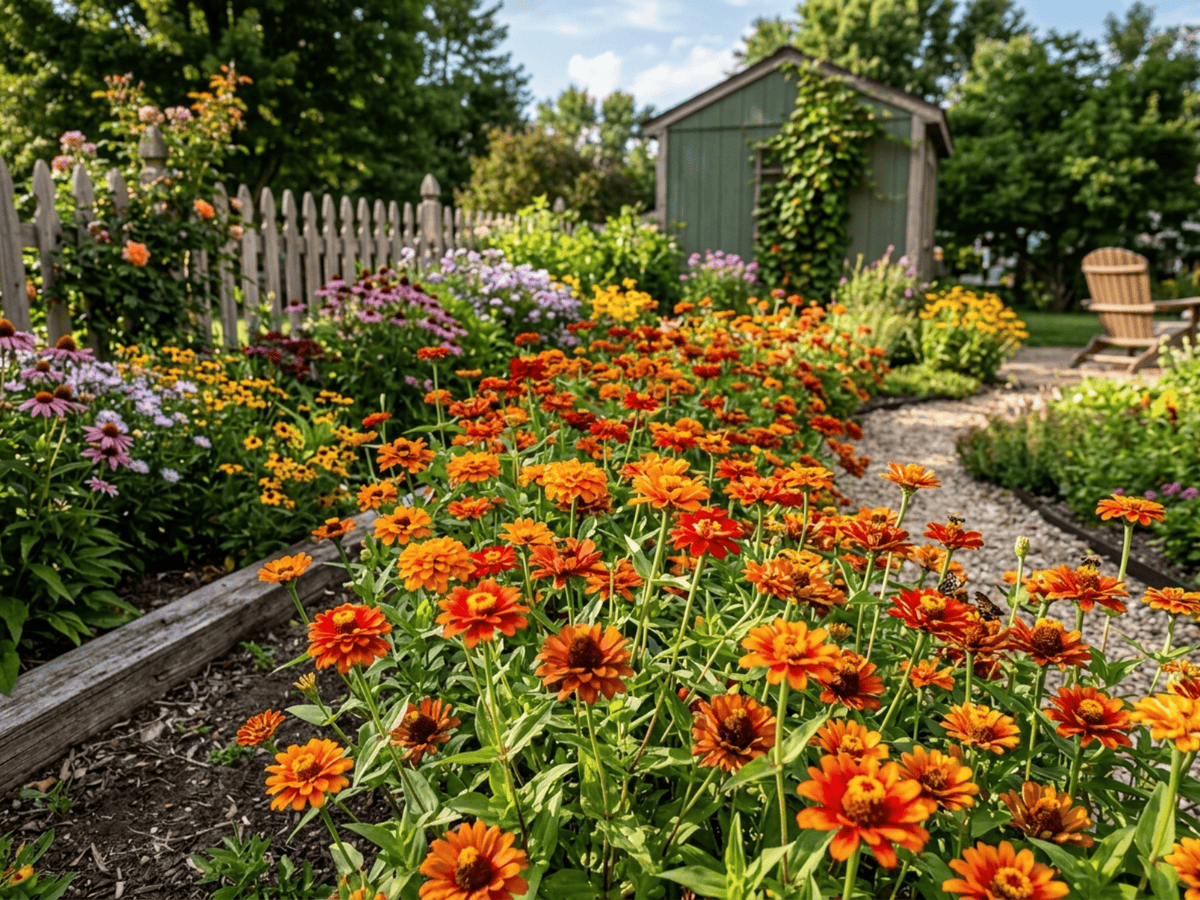
- Bicolor Mexican zinnias make cheerful cottage bouquets
- Daisy-like flowers attract butterflies all summer
Related plants
More Zinnia plants
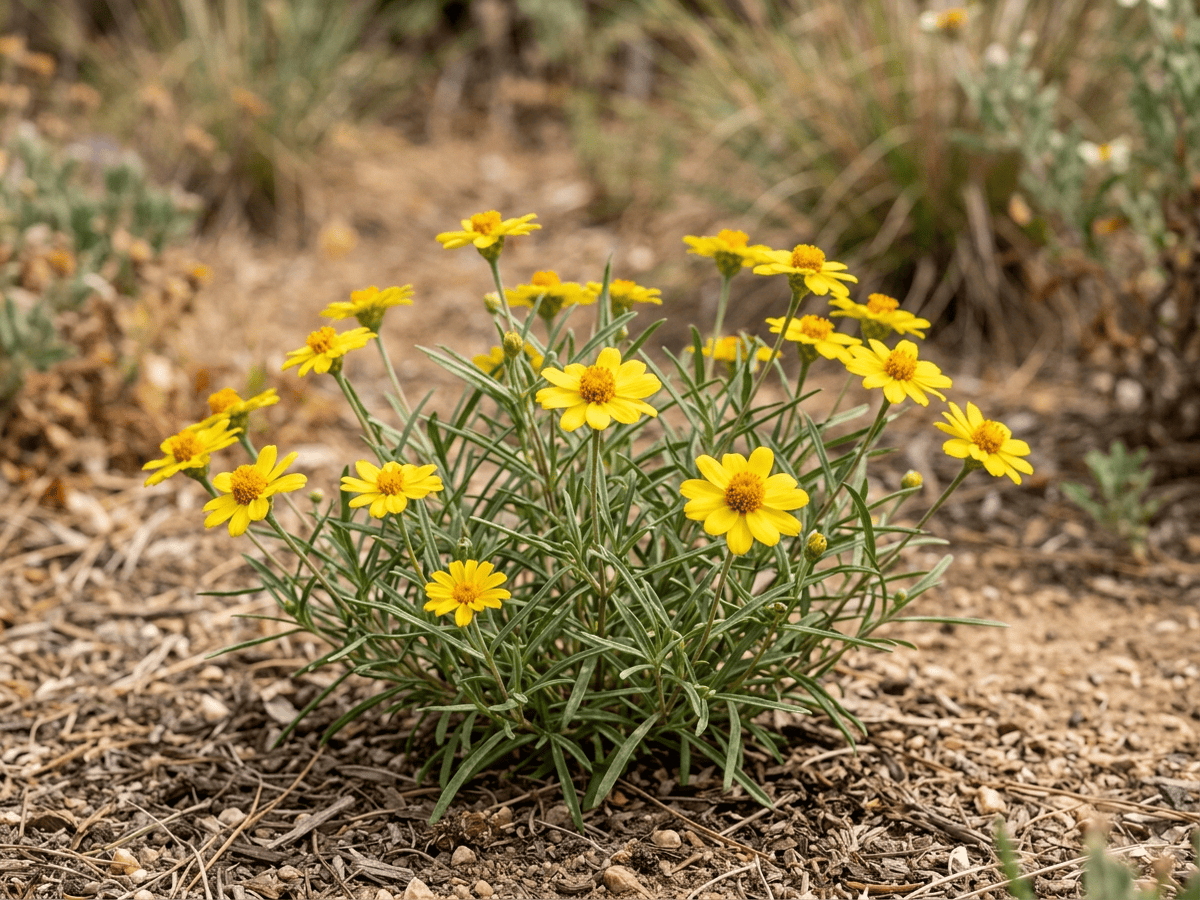
 Narrowleaf ZinniaZinnia angustifolia
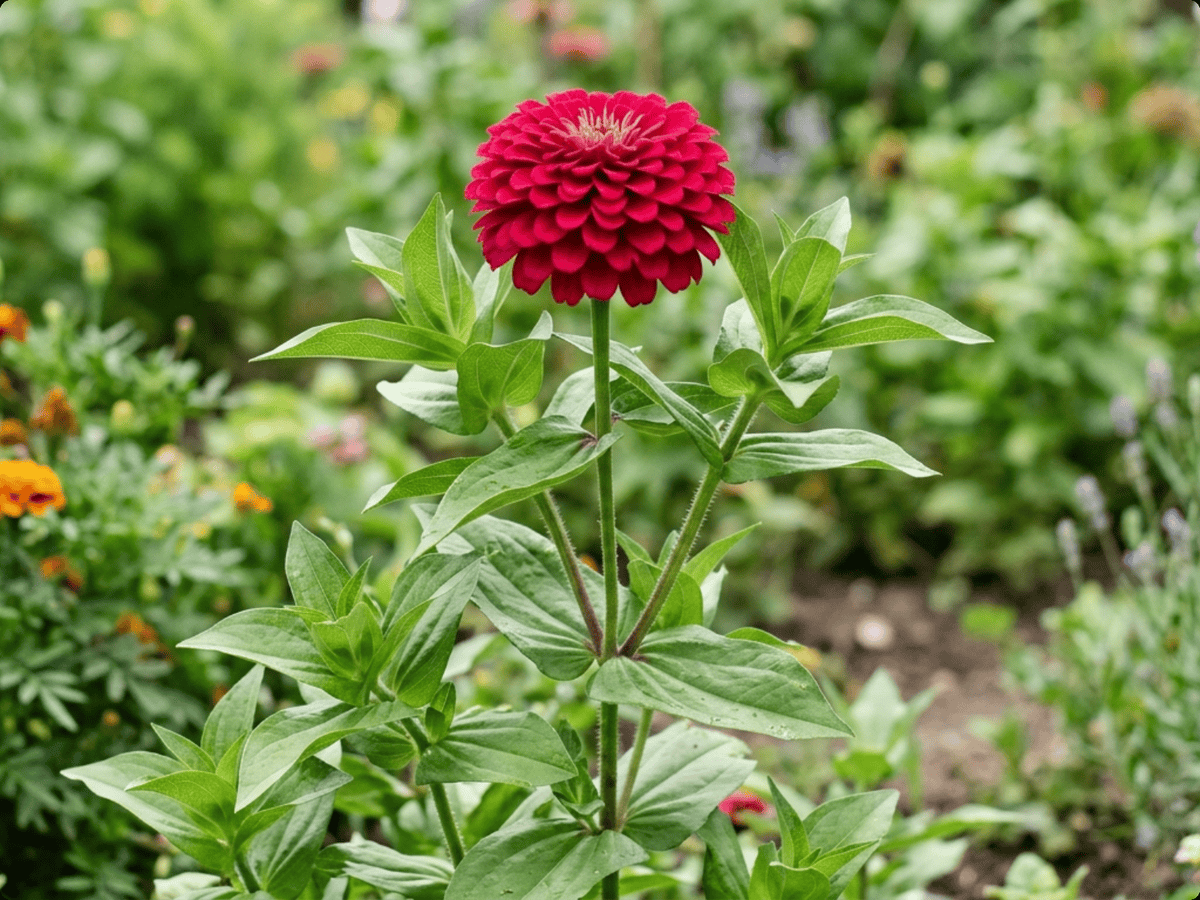 Elegant ZinniaZinnia elegans
 Rocky Mountain ZinniaZinnia grandiflora
 Maryland ZinniaZinnia marylandica
Plants with similar care
 Chinese AbeliaAbelia chinensis
 Fragrant AbeliaAbelia mosanensis
 Large-Flowered AbeliaAbelia uniflora
 Glossy AbeliaAbelia x grandiflora
Frequently asked questions
How often should I water Mexican Zinnia?
Water about every 5 days during the growing season, and always let excess water drain away.
How much light does Mexican Zinnia need?
Full sun: 6+ hrs direct. Watch the leaves — scorching or stretching means the light needs adjusting.
Is Mexican Zinnia toxic to cats or dogs?
No toxicity has been reported for this plant. Still, it is wise to keep pets from chewing on any houseplant. Educational information, not medical or veterinary advice. If exposure is suspected, contact a doctor or veterinarian.
Is Mexican Zinnia easy to grow?
Yes — it is considered an easy, beginner-friendly plant.
When does Mexican Zinnia bloom?
It typically blooms Jun–Nov in the Northern Hemisphere.
YardMate
Identify any plant in seconds
Snap a photo — YardMate names the plant, diagnoses problems, and reminds you when to water.
Download on the App Store