 YardMate

Rocky Mountain Zinnia
Zinnia grandiflora
Easy · Beginner friendlyAbout Rocky Mountain Zinnia
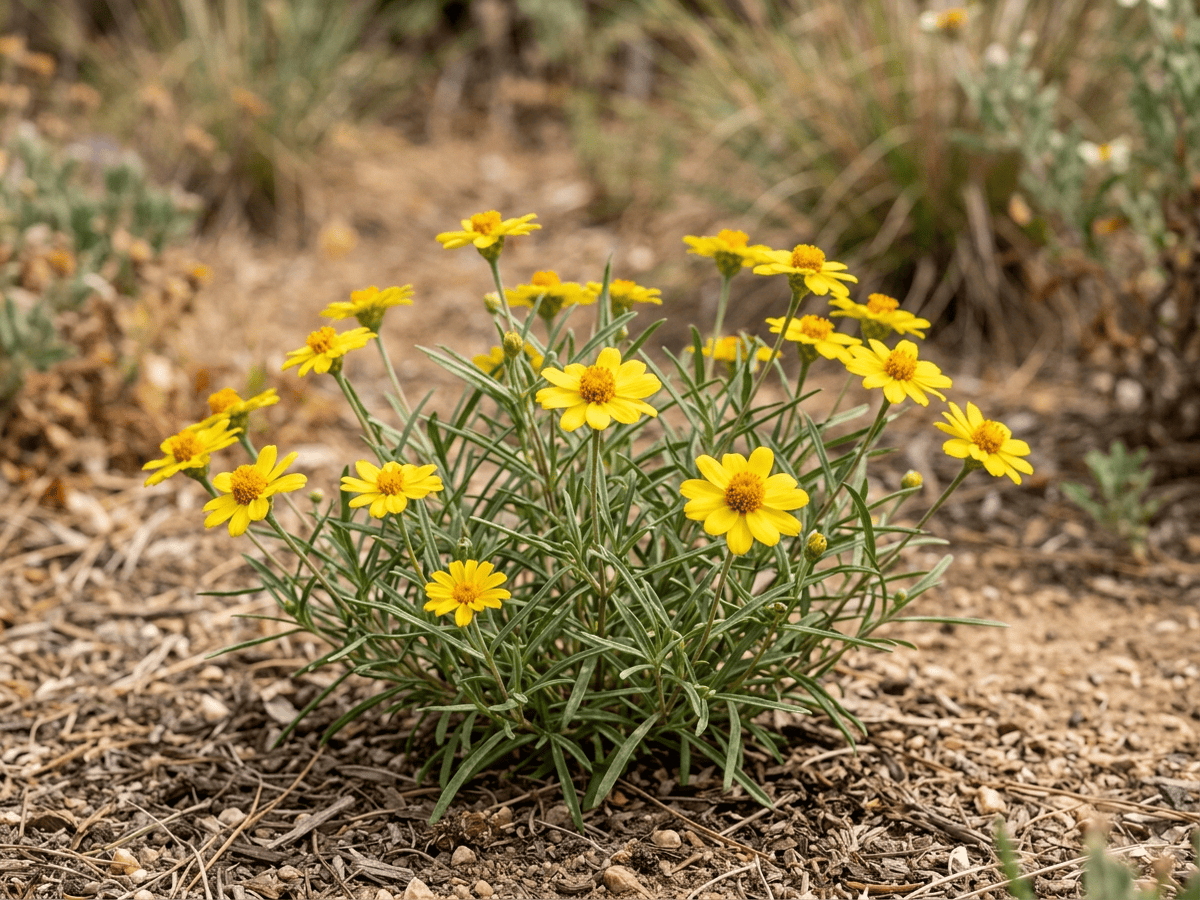
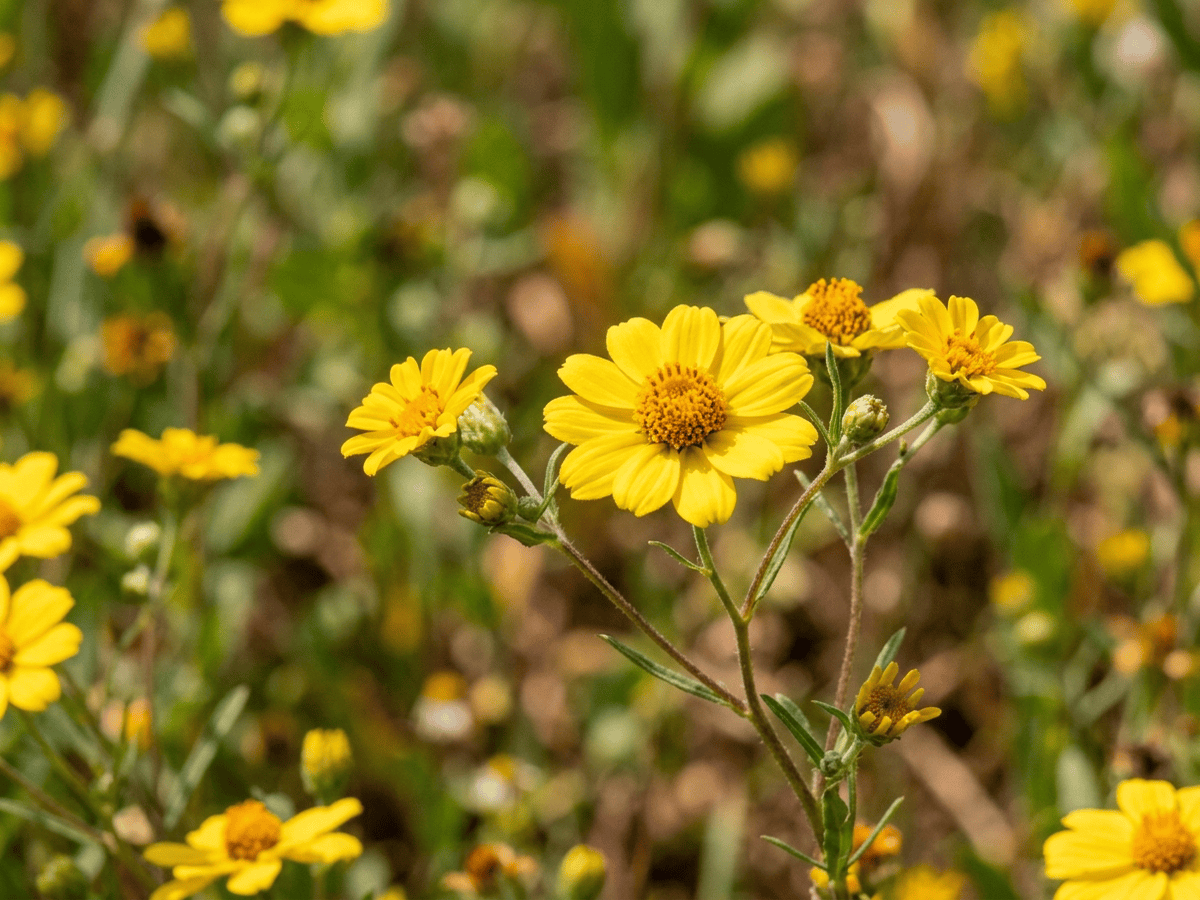
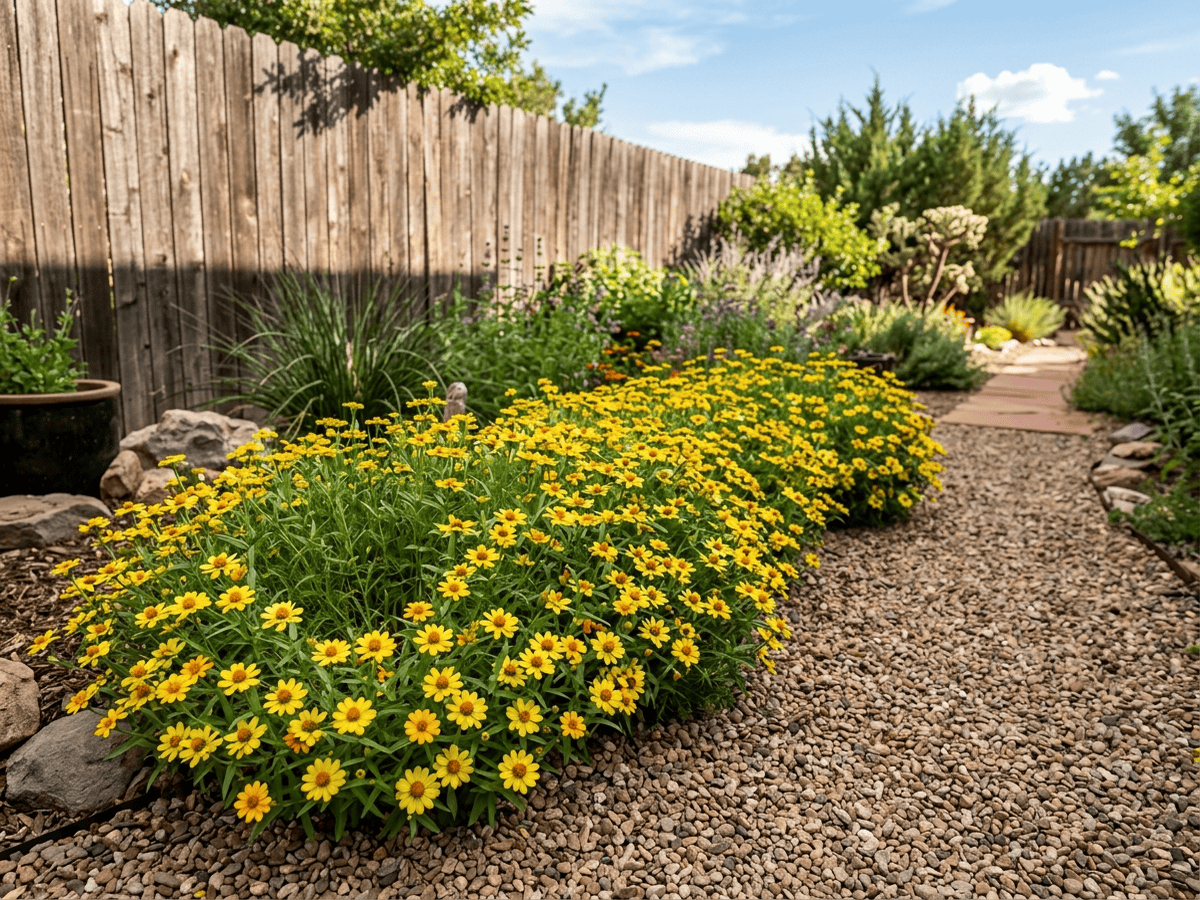
Plains Zinnia, also called Prairie Zinnia or Rocky Mountain Zinnia, is a tough perennial native to the dry plains and foothills of the southwestern United States from Kansas and Colorado south through Arizona and New Mexico. Forming low spreading mats just 4 to 8 inches tall and 12 to 18 inches wide, it produces an abundance of cheerful golden-yellow daisy flowers from late spring through fall. A miniature wildflower powerhouse for the most challenging xeric sites.
- Drought-tolerant
- Groundcover
- Long-blooming
- Native
How to care for Rocky Mountain Zinnia
Watering
- Springevery 10 days
- Summerevery 7 days
- Fallevery 14 days
- Winterpause watering
Soil · Well-draining
- Top dressingPine bark mulch10%
- Main mixPotting soil + perlite 2:170%
- DrainageLECA / gravel20%
Never skip the drainage layer — standing water is the top cause of root rot.
FERTILIZER
- Springevery 60 days
At a Glance
- NativeNorth America
- Height0.5–1 ft (0.2–0.3 m)
- Spread1–2 ft (0.3–0.6 m)
- Flower colorYellow
- Foliage colorGreen
- SoilSandy, Well-drained
- LocationsYard · Balcony
Bloom time
BLOOM CYCLE
Peak bloom
May–Oct
Golden-yellow daisy flowers May to October
Toxicity
Pets Safe
None reported
Unknown
EXPOSURE Unspecified plant material.
EFFECT Toxic effects are not specified.
NOTE Toxicity for humans is not well documented; use caution until verified.
Safe
EXPOSURE No exposure route is reported.
EFFECT No toxic effect is reported.
NOTE Listed as non-toxic for dogs; avoid eating ornamental plants unless confirmed edible.
Safe
EXPOSURE No exposure route is reported.
EFFECT No toxic effect is reported.
NOTE Listed as non-toxic for cats; avoid eating ornamental plants unless confirmed edible.
Educational information, not medical or veterinary advice. If exposure is suspected, contact a doctor or veterinarian.
DISTRIBUTION


- Native
- North America
History
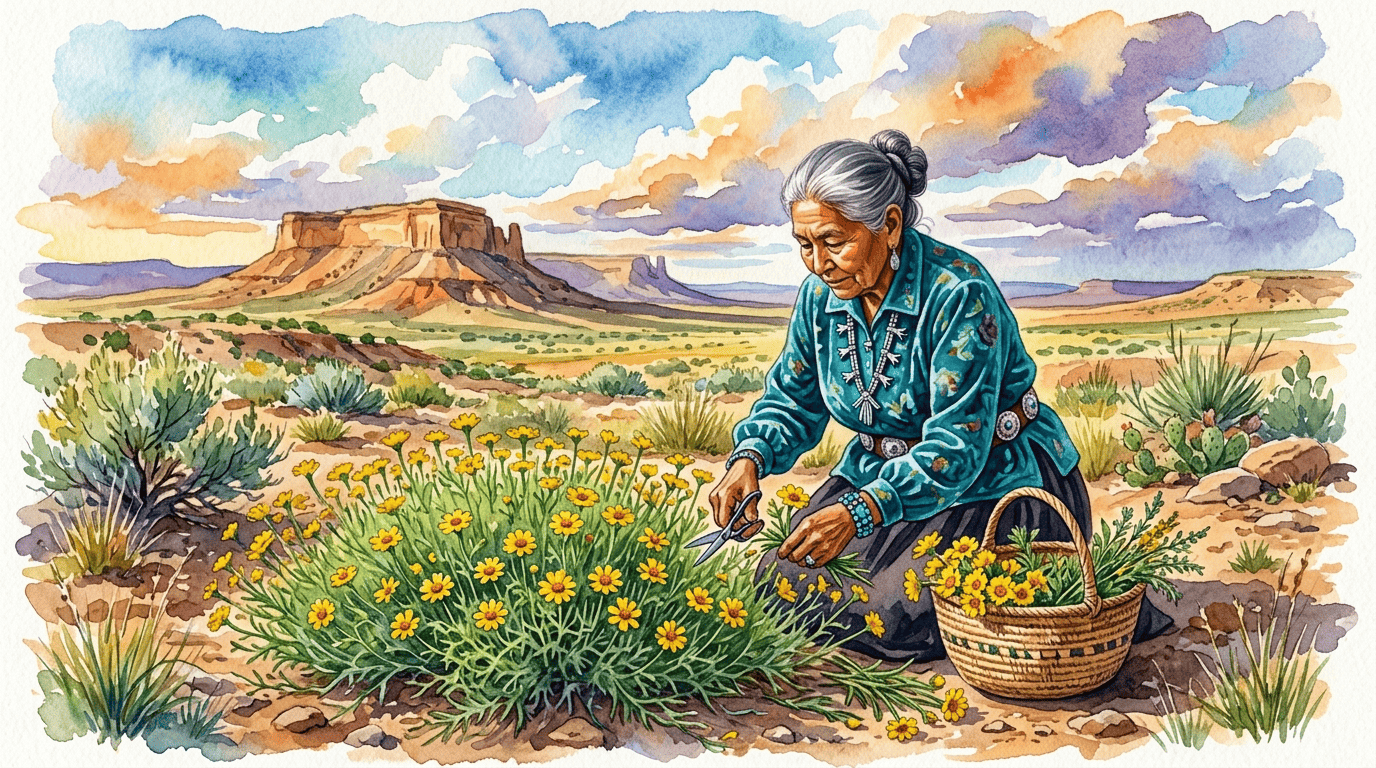
Zinnia grandiflora, called prairie zinnia or Rocky Mountain zinnia, is a low rhizomatous perennial native to dry plains, mesas, and rocky slopes from western Kansas and Oklahoma through Texas, New Mexico, Arizona, and Colorado into northern Mexico. American botanist Thomas Nuttall described the species in the 1840s from specimens collected on the southern plains. Indigenous peoples including the Navajo and Hopi used decoctions of the plant as an eye wash, children's remedy, and ceremonial medicine, and the Navajo consider it one of the four sacred plants used in Blessingway ceremonies.
Each plant produces a summer-long display of yellow daisy flowers on a foot-tall cushion of fine-textured foliage. Plant Select and high plains xeriscape programs have popularized it for native meadow plantings.
A signature wildflower of the shortgrass prairie and Southwest desert grasslands, Plains Zinnia has been celebrated by Southwest gardeners as a low-maintenance bloomer for the harshest sites. Promoted by High Country Gardens and other Southwest native nurseries.
Symbolism & meaning
What It Symbolizes
Rocky Mountain Zinnia is cheerful endurance running across the high plains, its small golden daisies blooming relentlessly through brutal dry summers. As a true icon of shortgrass prairie and desert, it expresses a prairie spirit of bright, modest persistence. In its sunlit carpets, hardship and happiness somehow ripen together on the same low stem.
- Cheerful endurance — blooms relentlessly through harsh dry summer
- Prairie spirit — icon of shortgrass plains and high desert
Where the Name Comes From
'Zinnia' honors Johann Gottfried Zinn (1727–1759), German botanist; 'grandiflora' means large-flowered relative to plant size.
Uses & Fun Facts
- Low spreading mats fill parking strips and dry slopes
- Long-blooming yellow daisies thrive in Southwest xeriscape gardens
- Native blooms feed butterflies and small bees through summer
Related plants
More Zinnia plants
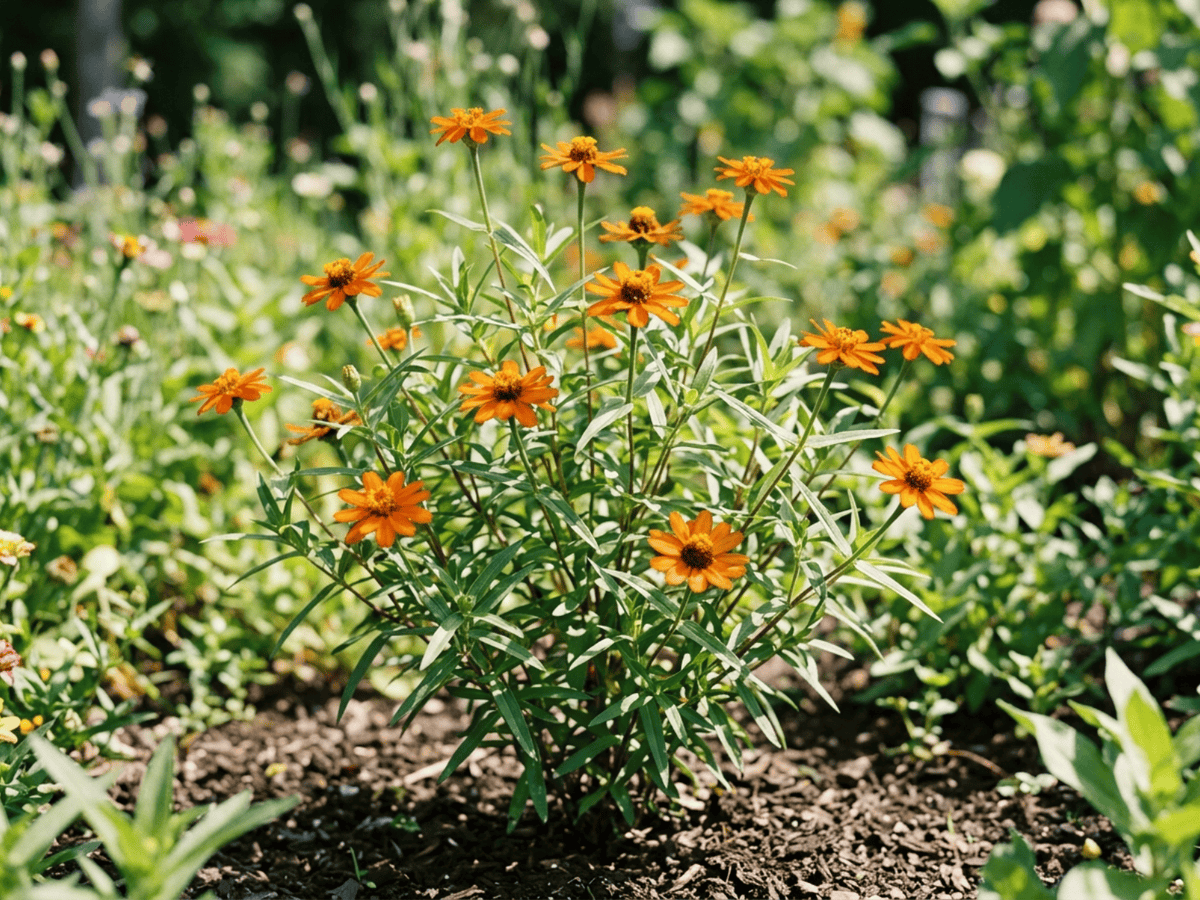 Narrowleaf ZinniaZinnia angustifolia
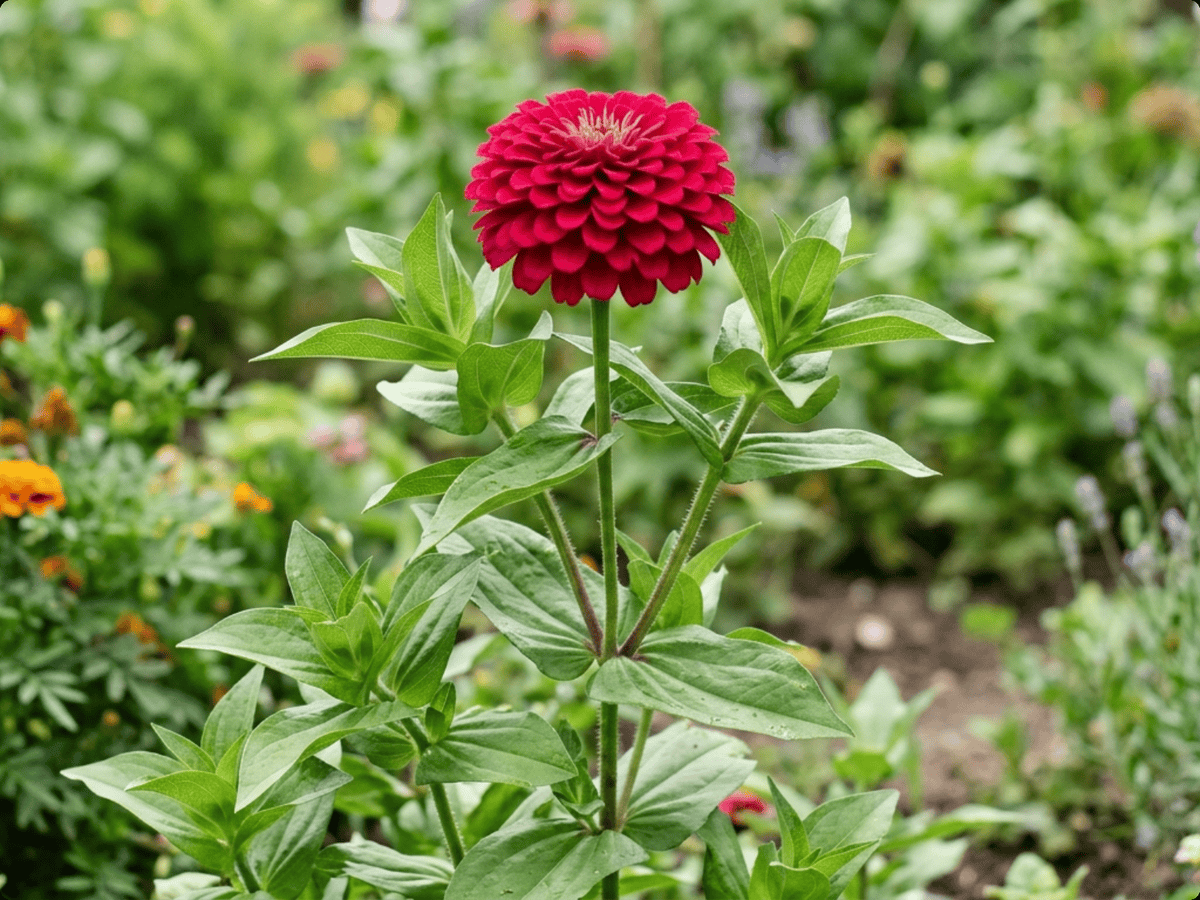 Elegant ZinniaZinnia elegans
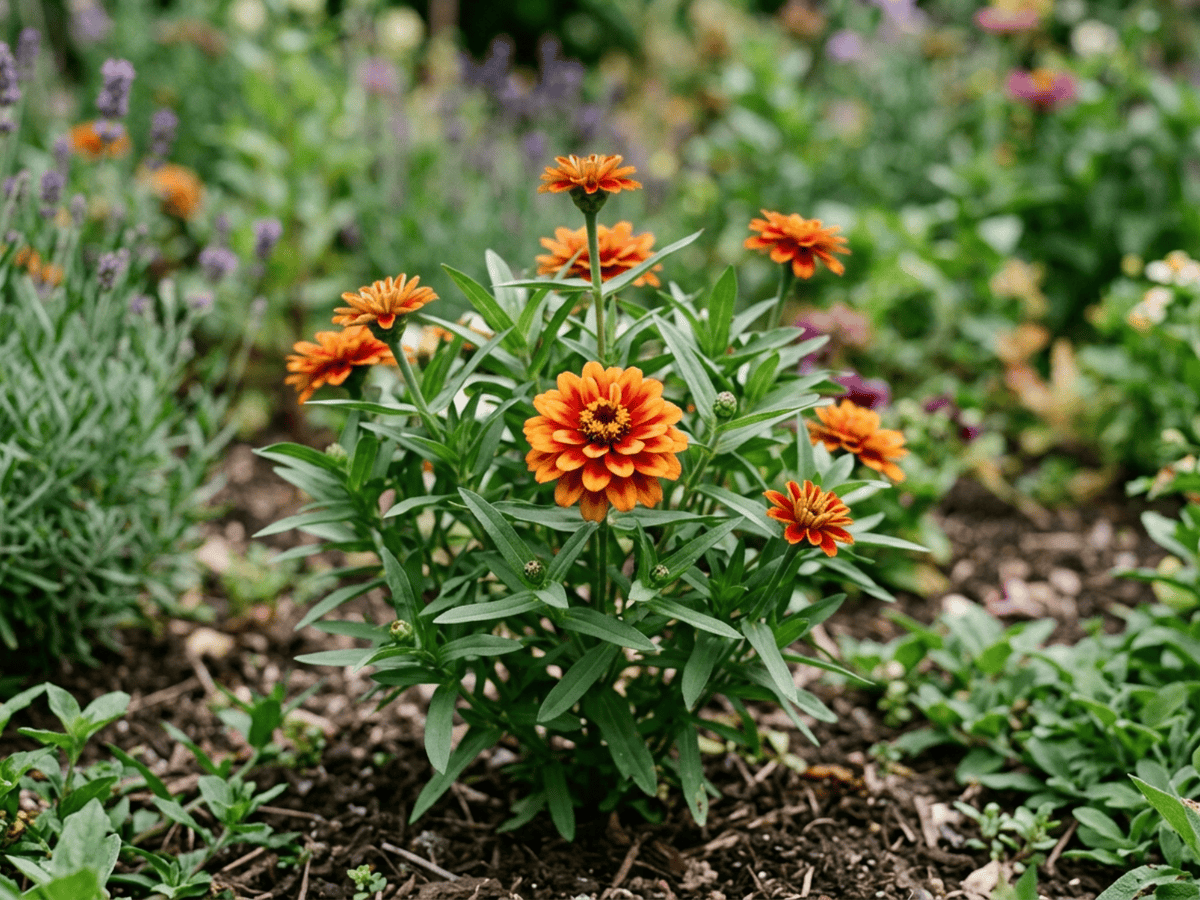 Mexican ZinniaZinnia haageana
 Maryland ZinniaZinnia marylandica
Plants with similar care
 Chinese AbeliaAbelia chinensis
 Fragrant AbeliaAbelia mosanensis
 Large-Flowered AbeliaAbelia uniflora
 Glossy AbeliaAbelia x grandiflora
Frequently asked questions
How often should I water Rocky Mountain Zinnia?
Water about every 10 days during the growing season, and always let excess water drain away.
How much light does Rocky Mountain Zinnia need?
Full sun: 6+ hrs direct. Watch the leaves — scorching or stretching means the light needs adjusting.
Is Rocky Mountain Zinnia toxic to cats or dogs?
Pets Safe (Dogs Safe · Cats Safe) Educational information, not medical or veterinary advice. If exposure is suspected, contact a doctor or veterinarian.
Is Rocky Mountain Zinnia easy to grow?
Yes — it is considered an easy, beginner-friendly plant.
When does Rocky Mountain Zinnia bloom?
It typically blooms May–Oct in the Northern Hemisphere.
YardMate
Identify any plant in seconds
Snap a photo — YardMate names the plant, diagnoses problems, and reminds you when to water.
Download on the App Store