 YardMate

Elegant Zinnia
Zinnia elegans
Easy · Beginner friendlyAbout Elegant Zinnia
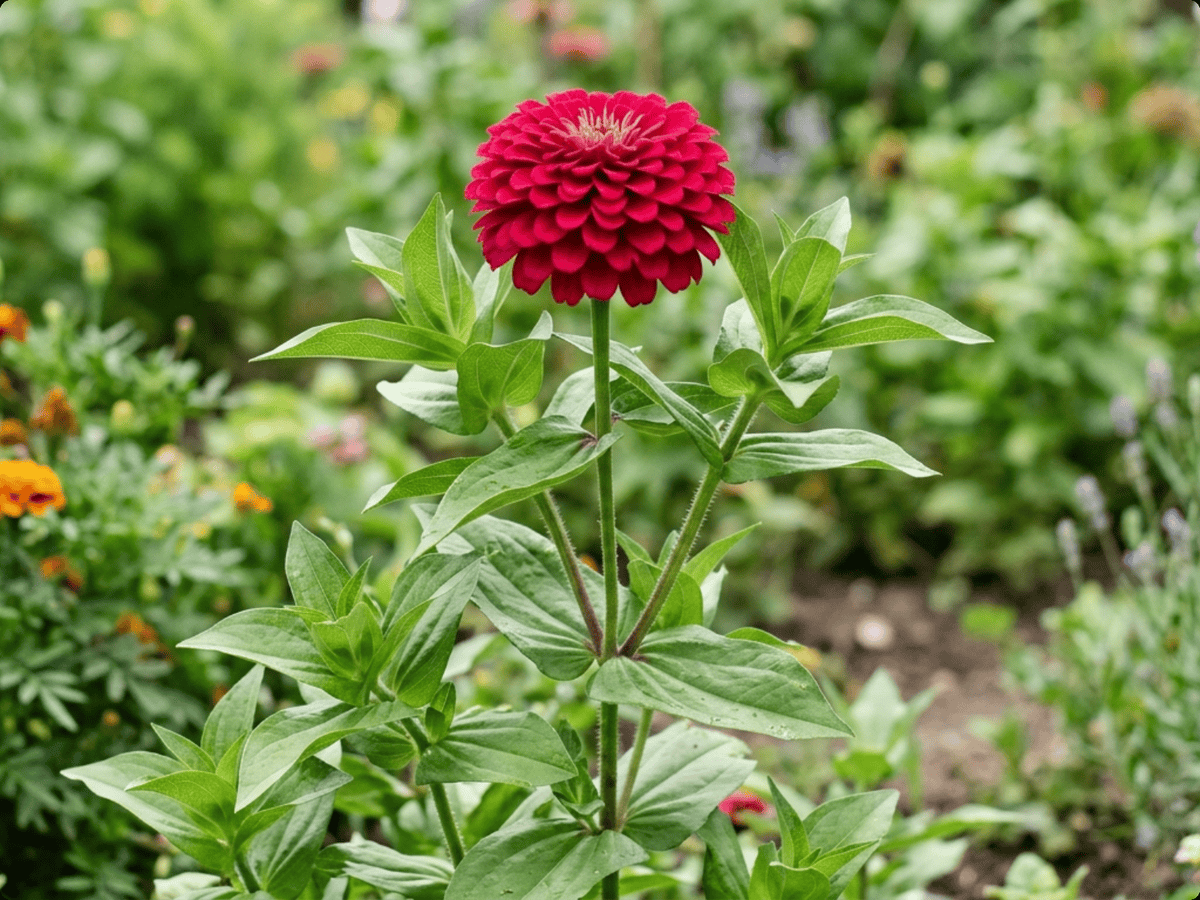
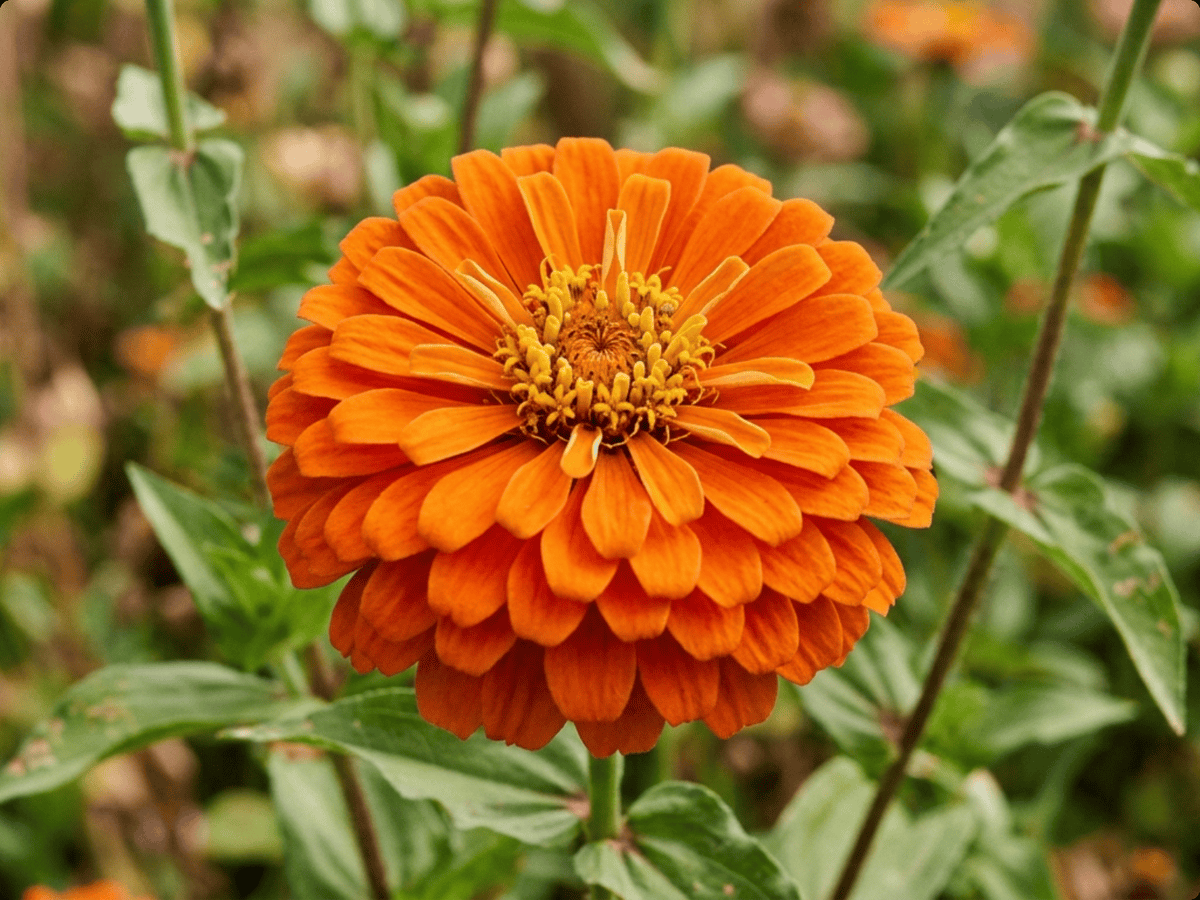
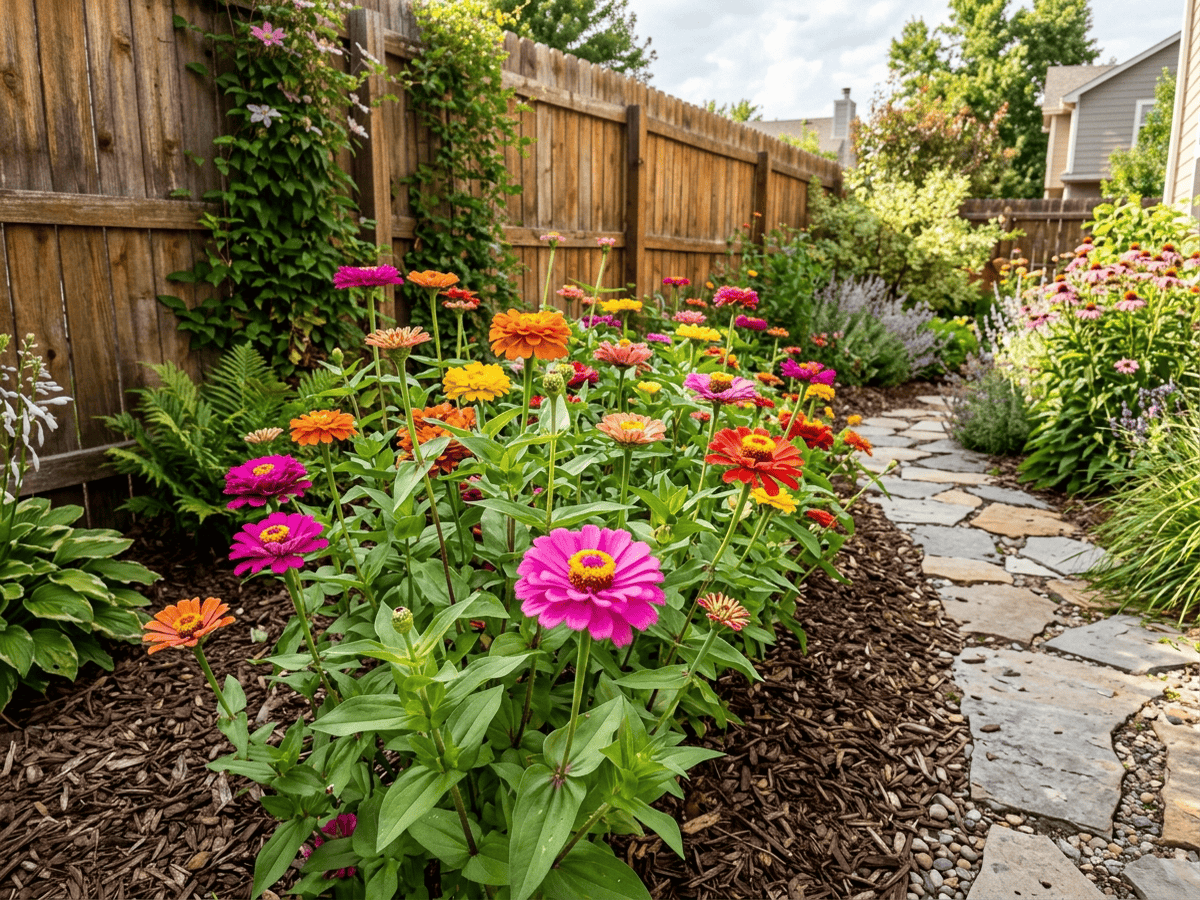
Zinnia elegans, the common zinnia, is a fast-growing annual that produces an abundance of brightly colored daisy-to-dahlia-like flowers from midsummer until frost. Colors span the spectrum except blue, and flower forms range from small buttons to giant 15 cm double blooms. Native to Mexico, zinnias love heat and full sun — they actually perform better in hot summers. They are among the easiest flowers to grow from seed, making them ideal for children's gardens and beginners. Taller varieties make excellent cut flowers, while compact dwarf types fill borders and containers.
- Cut-flower
- Heat-tolerant
- Pollinator-friendly
How to care for Elegant Zinnia
Watering
- Springevery 5 days
- Summerevery 3 days
- Fallevery 7 days
- Winterpause watering
Soil · Well-draining
- Top dressingPine bark mulch10%
- Main mixPotting soil + perlite 2:170%
- DrainageLECA / gravel20%
Never skip the drainage layer — standing water is the top cause of root rot.
FERTILIZER
Balanced Feed 14-14-14
An even feed covers all three needs at once, keeping leaves, roots and blooms moving together with nothing pushed out of balance.
- Nitrogen · Leaves
- Phosphorus · Roots + Blooms
- Potassium · Strength
- Springevery 21 days
- Summerevery 21 days
At a Glance
- NativeNorth America
- Height1–3 ft (0.3–0.9 m)
- Spread0.5–1.5 ft (0.2–0.5 m)
- Flower colorRed, Pink, Orange, Yellow
- Foliage colorGreen
- SoilWell-drained, Loamy, Rich
- LocationsYard · Balcony
Bloom time
BLOOM CYCLE
Peak bloom
Jun–Aug
Direct sow after last frost; blooms in 60–70 days; water at base to prevent mildew
Fragrance
NO FRAGRANCE
Not fragrant.
Toxicity
No toxicity has been reported for this plant. Still, it is wise to keep pets from chewing on any houseplant.
Educational information, not medical or veterinary advice. If exposure is suspected, contact a doctor or veterinarian.
DISTRIBUTION

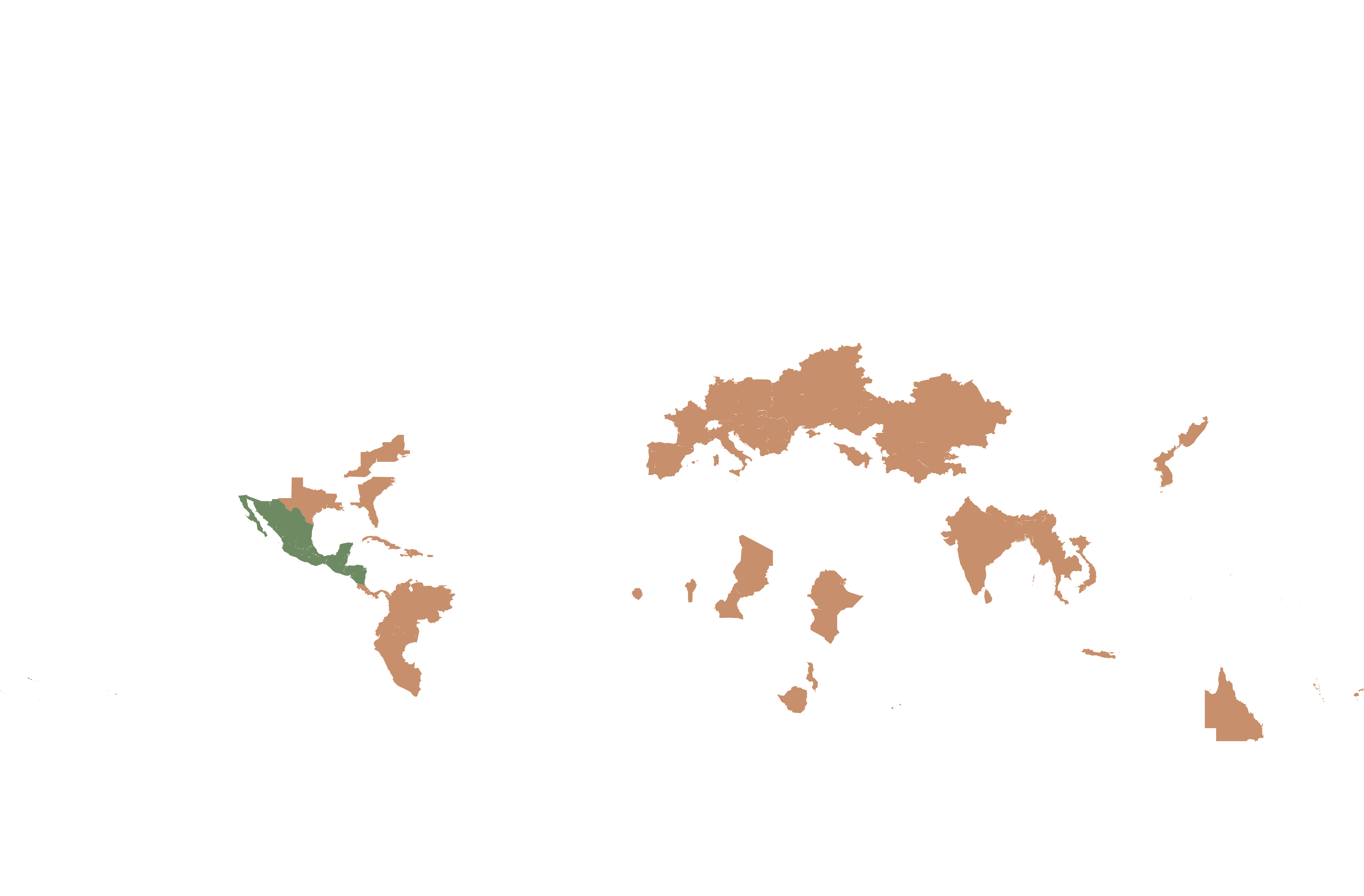
- Native
- Introduced
- North America
History

Zinnia elegans is native to the semi-arid grasslands of central and northern Mexico, where it grows as an annual, flowering after summer rains. It was introduced to European horticulture in 1789 from specimens collected at the Royal Botanical Garden of Madrid. The genus name honors German botanist and physician Johann Gottfried Zinn, who described the plant in 1753.
In January 2016 NASA astronaut Scott Kelly documented the first zinnia blooming aboard the International Space Station — part of the Veggie plant-growth experiment and arguably the first Earth flower to bloom in space. The bold color range, heavy bloom, and remarkable heat and drought tolerance have made zinnias a central annual cutting-garden and pollinator plant globally. Non-toxic to pets.
The experiment proved plants could bloom in microgravity, a critical step toward growing food crops on Mars missions. On Earth, zinnias are named after Johann Gottfried Zinn, an 18th-century German botanist. The first zinnias sent from Mexico to Europe in the 1700s were considered ugly — called 'everybody's flower' because even the poorest gardens grew them. Modern breeding has transformed them into premium cut flowers. The 'Benary's Giant' series produces exhibition-quality double blooms.
Symbolism & meaning
What It Symbolizes
The Elegant Zinnia is a flower of Endurance — thriving through punishing summer heat that wilts other annuals, and even successfully blooming aboard the International Space Station. Each bright bloom carries the quiet message that lasting strength can wear cheerful color. A plant that proves resilience does not have to look austere; sometimes it looks like a child's drawing of a flower.
- Endurance — Thriving in extreme heat and even blooming in space, it represents lasting strength
Where the Name Comes From
Zinnia honors Johann Gottfried Zinn (1727–1759), German botanist. Elegans means 'elegant.'
Uses & Fun Facts
- Long stems and vivid colors are bouquet staples
- Open blooms attract butterflies and bees all summer
- Easy heat-loving annual fills sunny beds with color
- Compact varieties thrive in patio pots and boxes
Related plants
More Zinnia plants
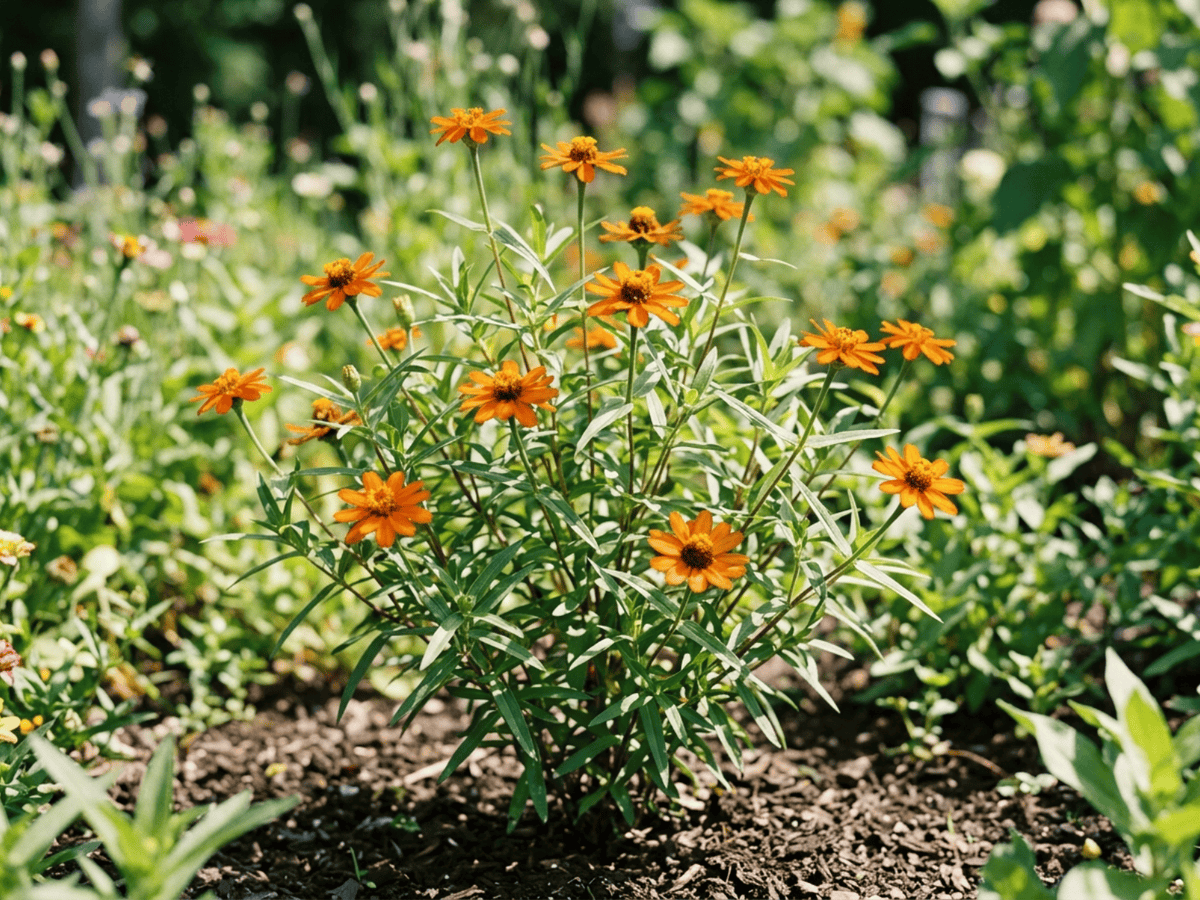 Narrowleaf ZinniaZinnia angustifolia
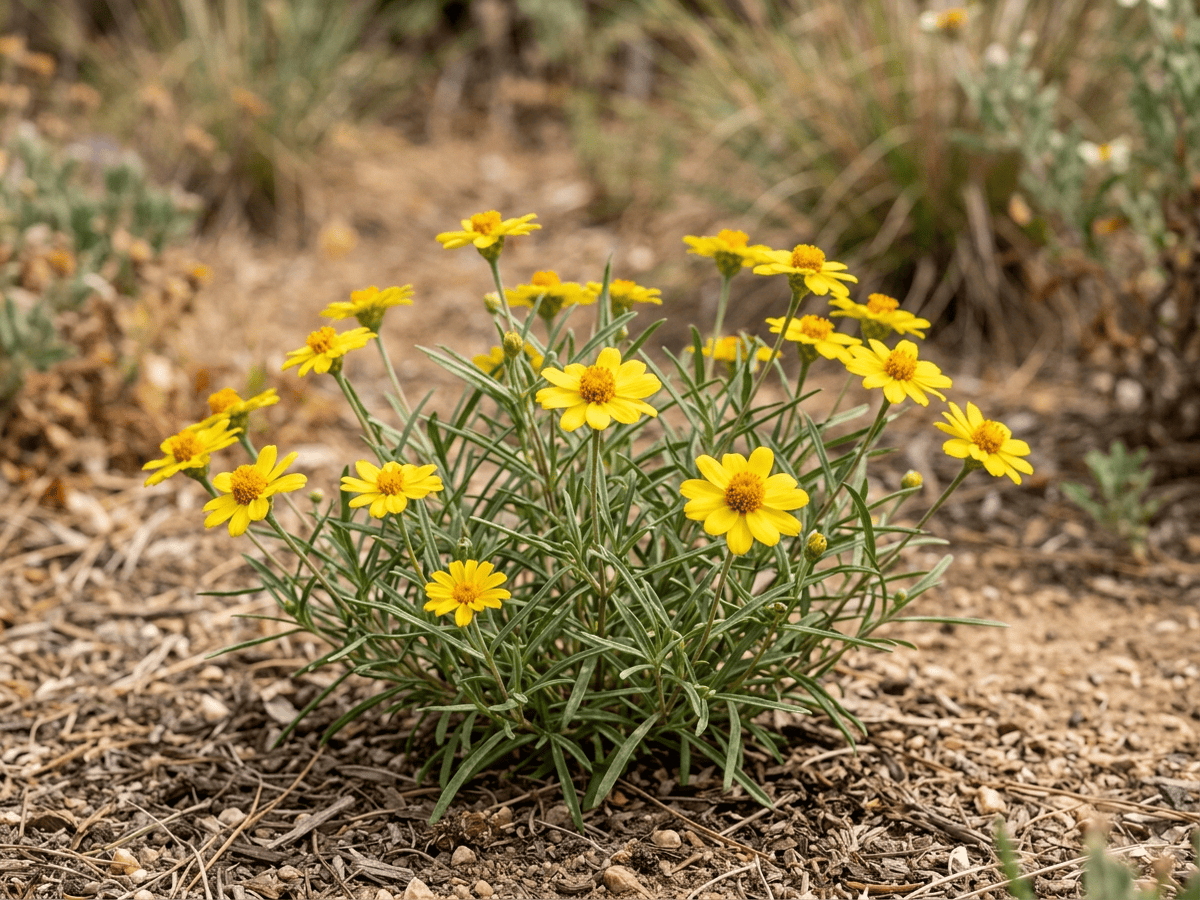 Rocky Mountain ZinniaZinnia grandiflora
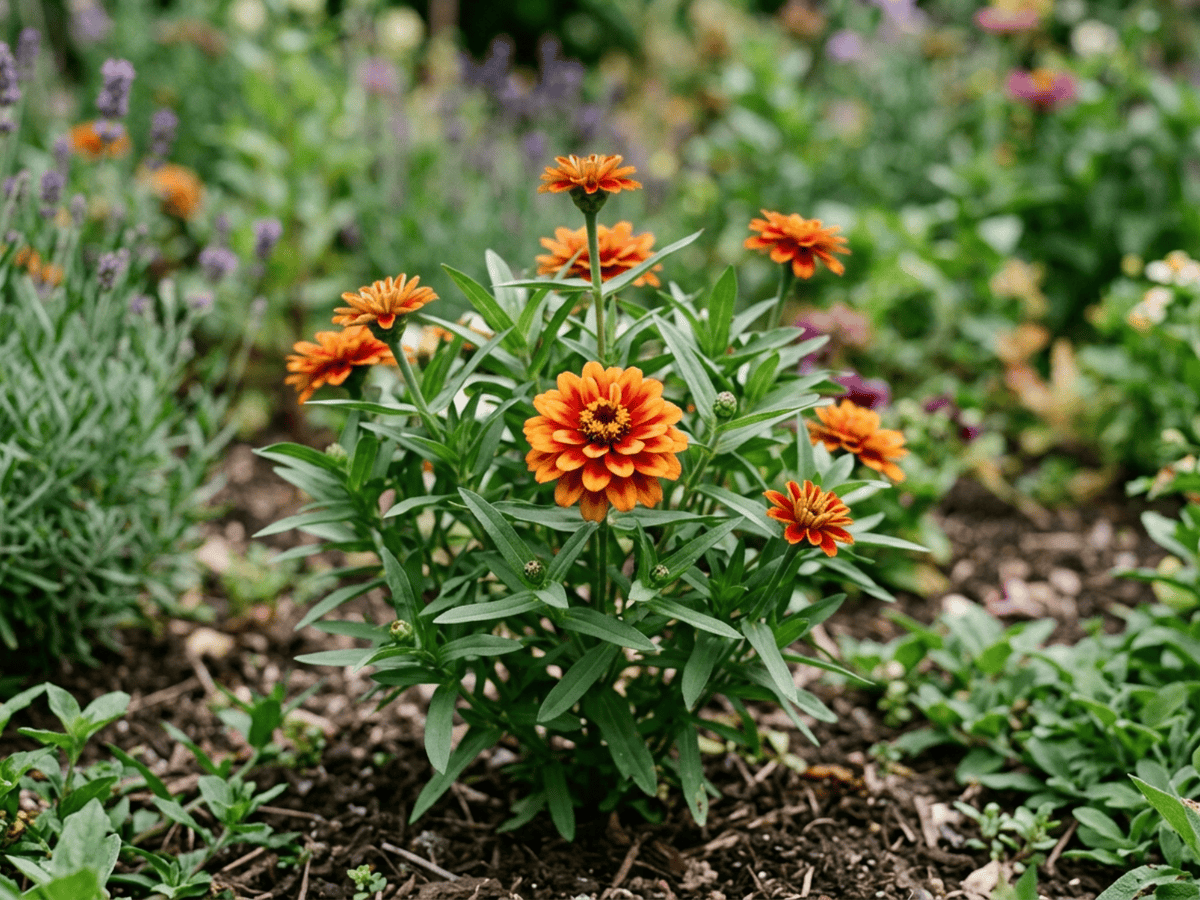 Mexican ZinniaZinnia haageana
 Maryland ZinniaZinnia marylandica
Plants with similar care
 Chinese AbeliaAbelia chinensis
 Fragrant AbeliaAbelia mosanensis
 Large-Flowered AbeliaAbelia uniflora
 Glossy AbeliaAbelia x grandiflora
Frequently asked questions
How often should I water Elegant Zinnia?
Water about every 5 days during the growing season, and always let excess water drain away.
How much light does Elegant Zinnia need?
Full sun: 6+ hrs direct. Watch the leaves — scorching or stretching means the light needs adjusting.
Is Elegant Zinnia toxic to cats or dogs?
No toxicity has been reported for this plant. Still, it is wise to keep pets from chewing on any houseplant. Educational information, not medical or veterinary advice. If exposure is suspected, contact a doctor or veterinarian.
Is Elegant Zinnia easy to grow?
Yes — it is considered an easy, beginner-friendly plant.
When does Elegant Zinnia bloom?
It typically blooms Jun–Aug in the Northern Hemisphere.
YardMate
Identify any plant in seconds
Snap a photo — YardMate names the plant, diagnoses problems, and reminds you when to water.
Download on the App Store