 YardMate

Maryland Zinnia
Zinnia marylandica
Easy · Beginner friendlyAbout Maryland Zinnia
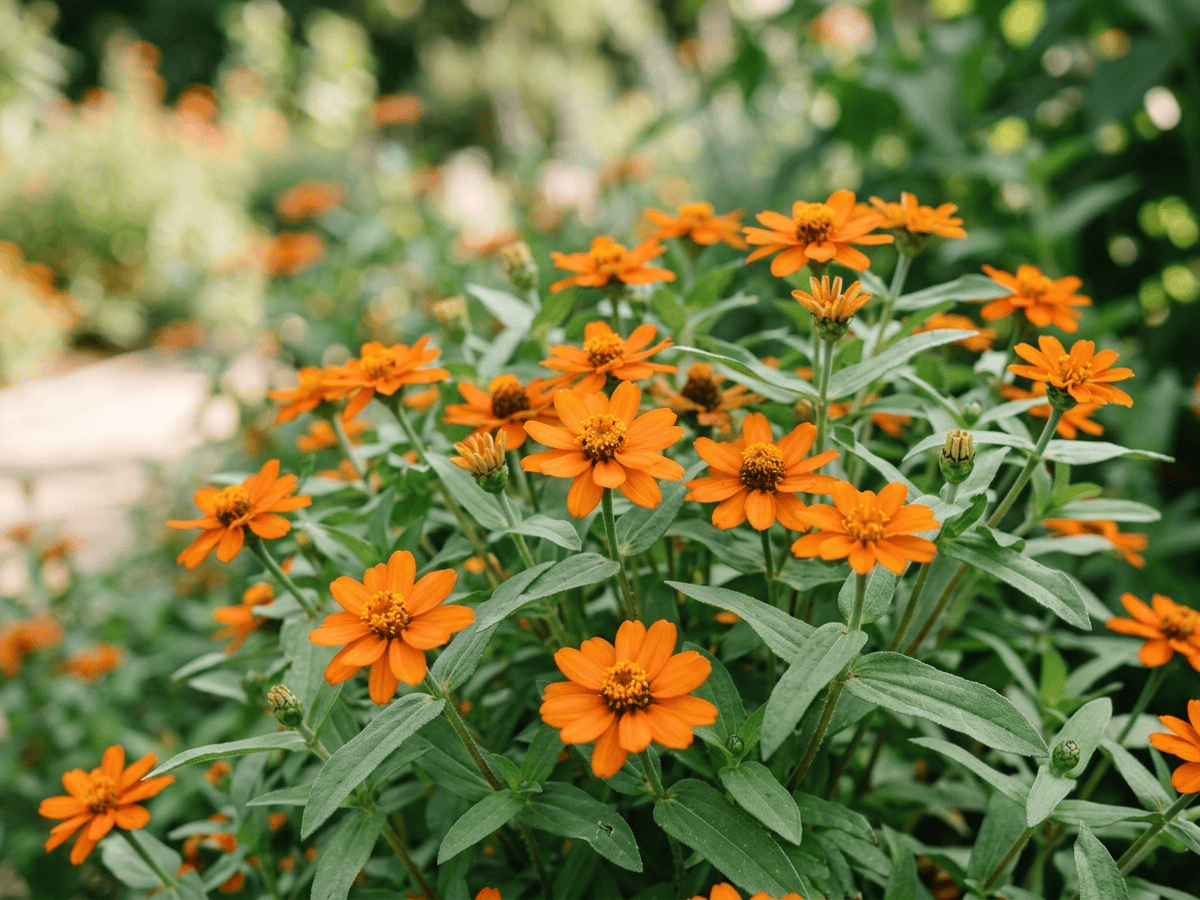
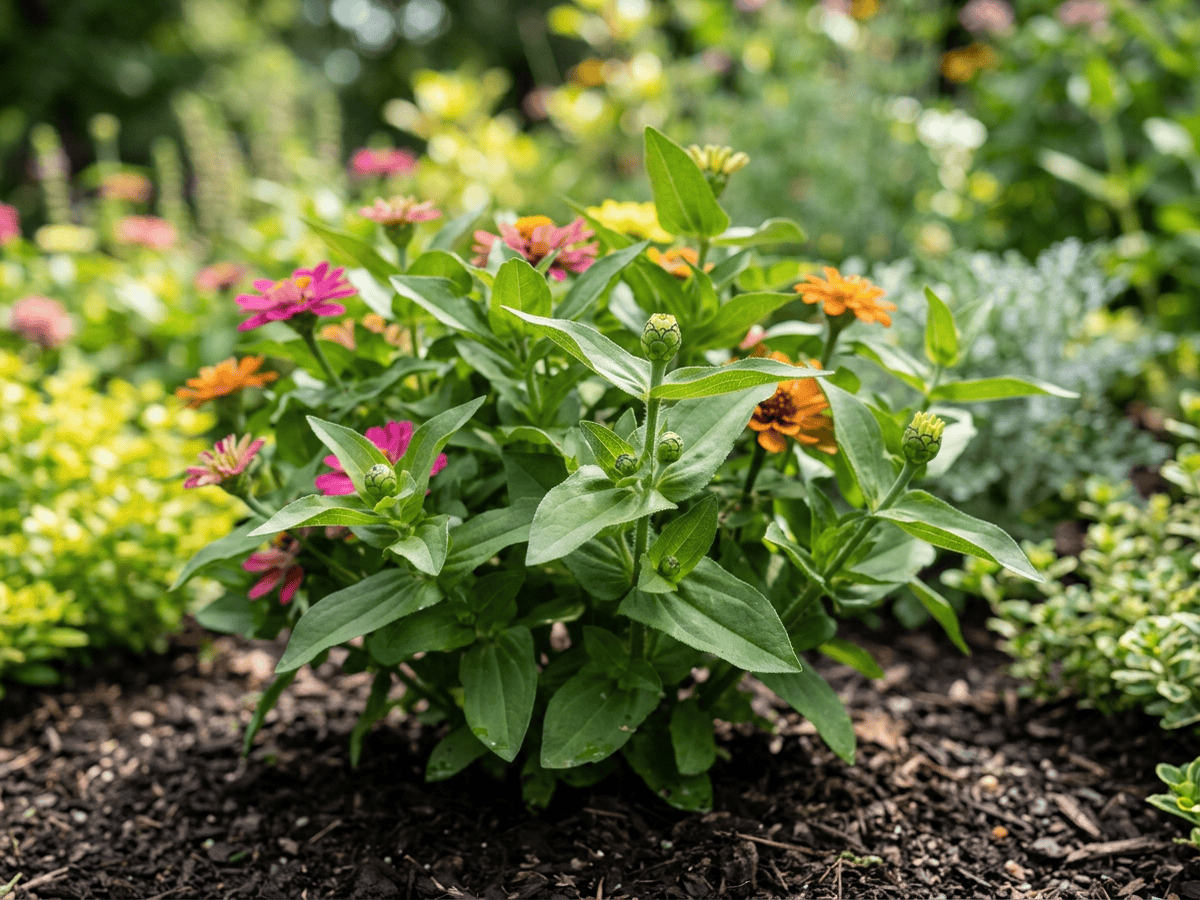
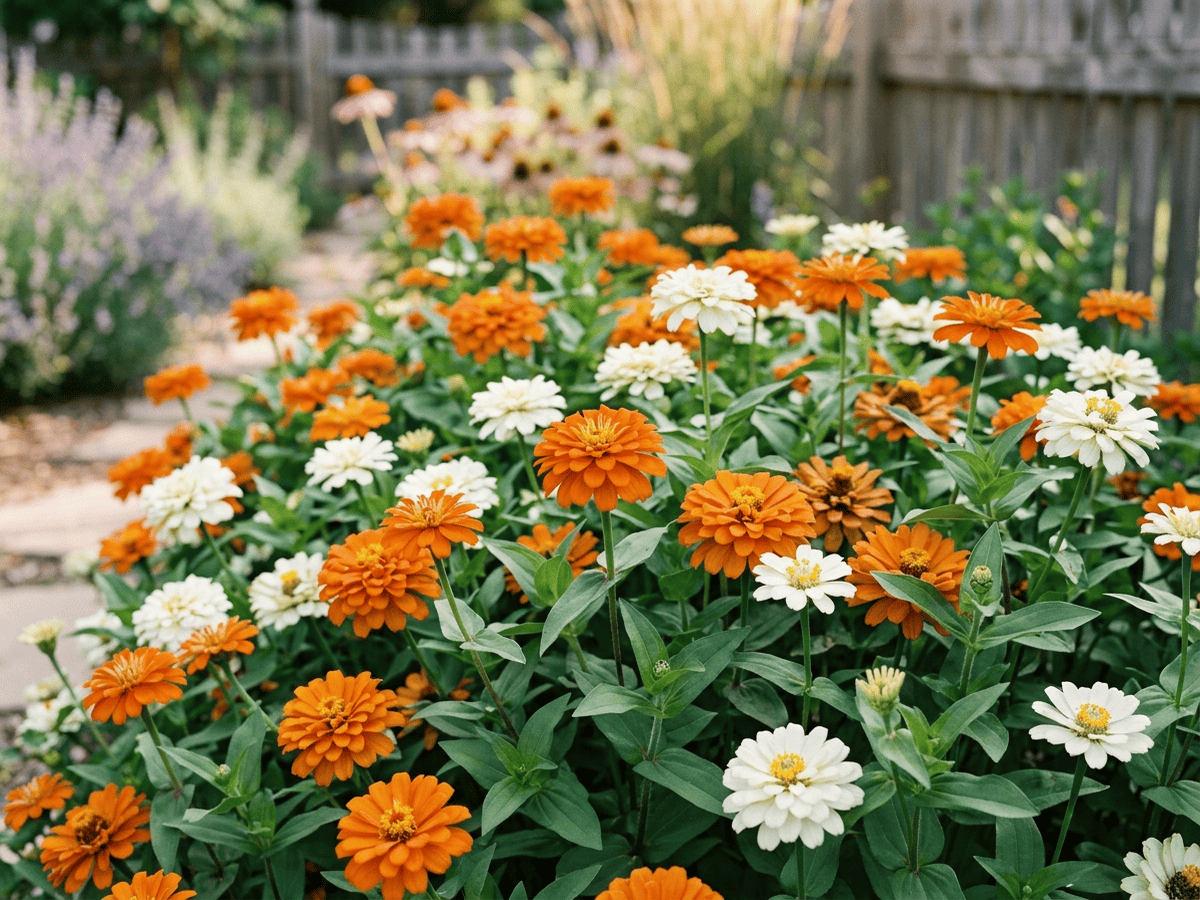
Zahara Zinnia is a hybrid zinnia developed from crosses between Z. angustifolia and Z. violacea, bred for exceptional disease resistance and heat tolerance across the American South and Midwest. Growing 10 to 18 inches tall in mounded form, it produces 2-inch single daisy flowers in bright orange, red, yellow, pink, and white continuously from spring through frost. The Zahara and Profusion series transformed American bedding zinnia by resisting powdery mildew and leaf spot.
- Heat-tolerant
- Disease-resistant
- Long-blooming
- Pollinator-friendly
How to care for Maryland Zinnia
Watering
- Springevery 5 days
- Summerevery 4 days
- Fallevery 7 days
- Winterpause watering
Soil · Well-draining
- Top dressingPine bark mulch10%
- Main mixPotting soil + perlite 2:170%
- DrainageLECA / gravel20%
Never skip the drainage layer — standing water is the top cause of root rot.
FERTILIZER
Balanced Feed 14-14-14
An even feed covers all three needs at once, keeping leaves, roots and blooms moving together with nothing pushed out of balance.
- Nitrogen · Leaves
- Phosphorus · Roots + Blooms
- Potassium · Strength
- Springevery 30 days
- Summerevery 30 days
At a Glance
- Height1–1.5 ft (0.3–0.5 m)
- Spread1–1.5 ft (0.3–0.5 m)
- Flower colorRed, Orange, Yellow, Pink
- Foliage colorGreen
- SoilLoamy, Well-drained
- LocationsYard · Balcony
Bloom time
BLOOM CYCLE
Peak bloom
Mar–Nov
Continuous daisy flowers spring to frost, no deadheading
Toxicity
Pets Safe
None reported
Not reported
EXPOSURE No exposure route is reported.
EFFECT No toxic effect is reported.
NOTE No human toxicity is reported in this catalog; avoid eating ornamental plants unless confirmed edible.
Safe
EXPOSURE No exposure route is reported.
EFFECT No toxic effect is reported.
NOTE Listed as non-toxic for dogs; avoid eating ornamental plants unless confirmed edible.
Safe
EXPOSURE No exposure route is reported.
EFFECT No toxic effect is reported.
NOTE Listed as non-toxic for cats; avoid eating ornamental plants unless confirmed edible.
Educational information, not medical or veterinary advice. If exposure is suspected, contact a doctor or veterinarian.
DISTRIBUTION


- Native
History

Zinnia marylandica is a horticultural hybrid group developed from crosses between the disease-resistant but small-flowered Zinnia angustifolia and the showy but mildew-prone Zinnia violacea, sometimes also using Z. peruviana. USDA-ARS breeders Mark Roh and colleagues at Beltsville, Maryland, successfully bridged the chromosome barrier in the 1990s and patented the Pinwheel and later Crystal series. PanAmerican Seed subsequently commercialized the Profusion series, and in 2004 released the Zahara F1 series, which combined exceptional resistance to alternaria leaf blight and powdery mildew with large flowers in many colors.
Zinnia marylandica hybrids such as Profusion, Zahara, and Double Zahara now dominate mass-market US bedding zinnia sales, particularly for public and commercial landscape plantings. The Profusion series won an AAS Gold Medal in 1999, and the Zahara series followed in 2009, dominating modern American bedding plant sales.
Symbolism & meaning
What It Symbolizes
Zinnia marylandica is enduring cheer bred for the toughest summers — its brightly colored daisies bloom through heat, humidity, and the diseases that flatten ordinary zinnias. Its hybrid vigor is not just botanical metaphor but breeders' achievement: a deliberate cross of two species selected for resilience in difficult climates. A modern annual designed to keep a Southern garden cheerful when everything else has wilted.
- Enduring cheer — flowers bloom through heat and humidity
- Hybrid vigor — bred for resilience in tough climates
Where the Name Comes From
'Zinnia' honors German botanist Johann Gottfried Zinn (1727-1759); 'marylandica' refers to Maryland where the hybrid was first formally described.
Uses & Fun Facts
- Disease-resistant zinnia daisies attract butterflies and skippers
- Compact heat-tolerant form thrives in patio containers and edging
- Bright single blooms used in casual summer-cut bouquets
Related plants
More Zinnia plants
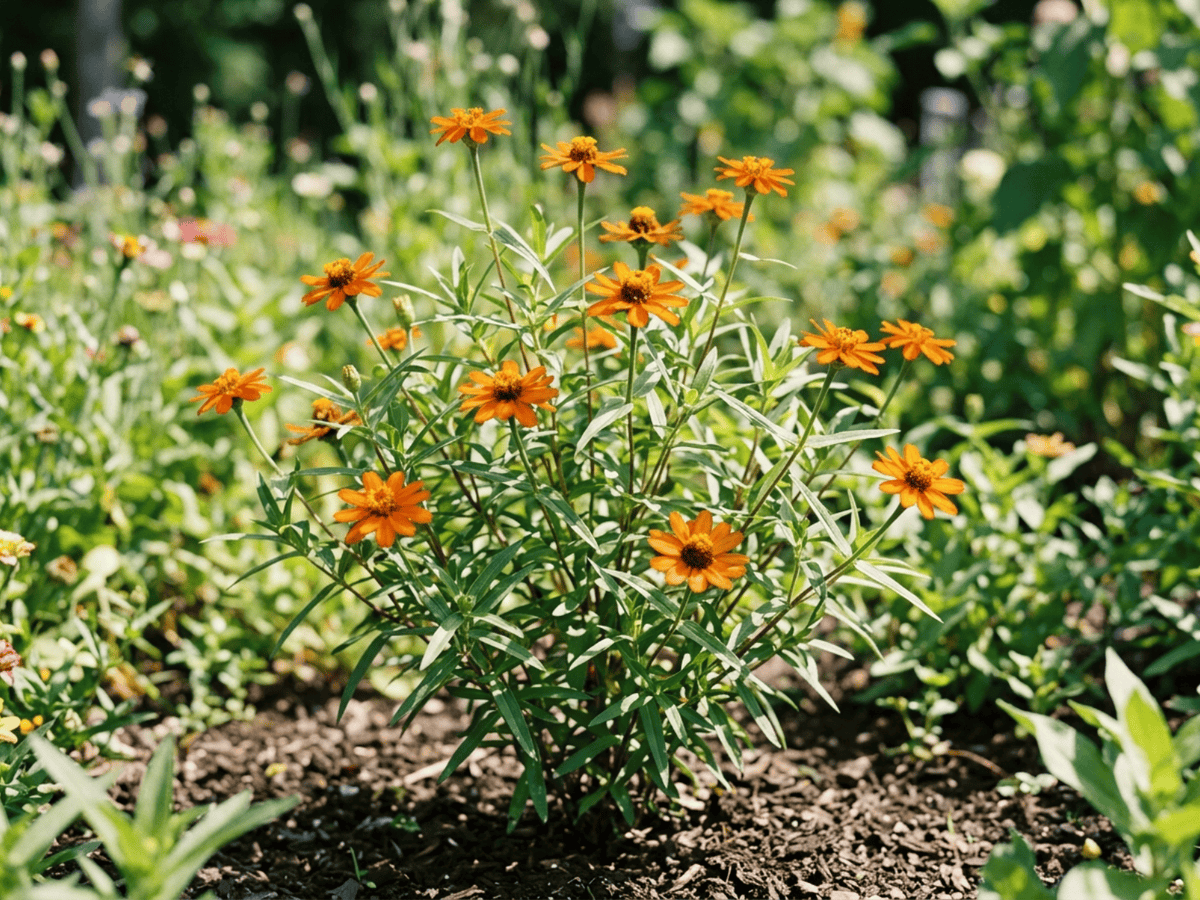 Narrowleaf ZinniaZinnia angustifolia
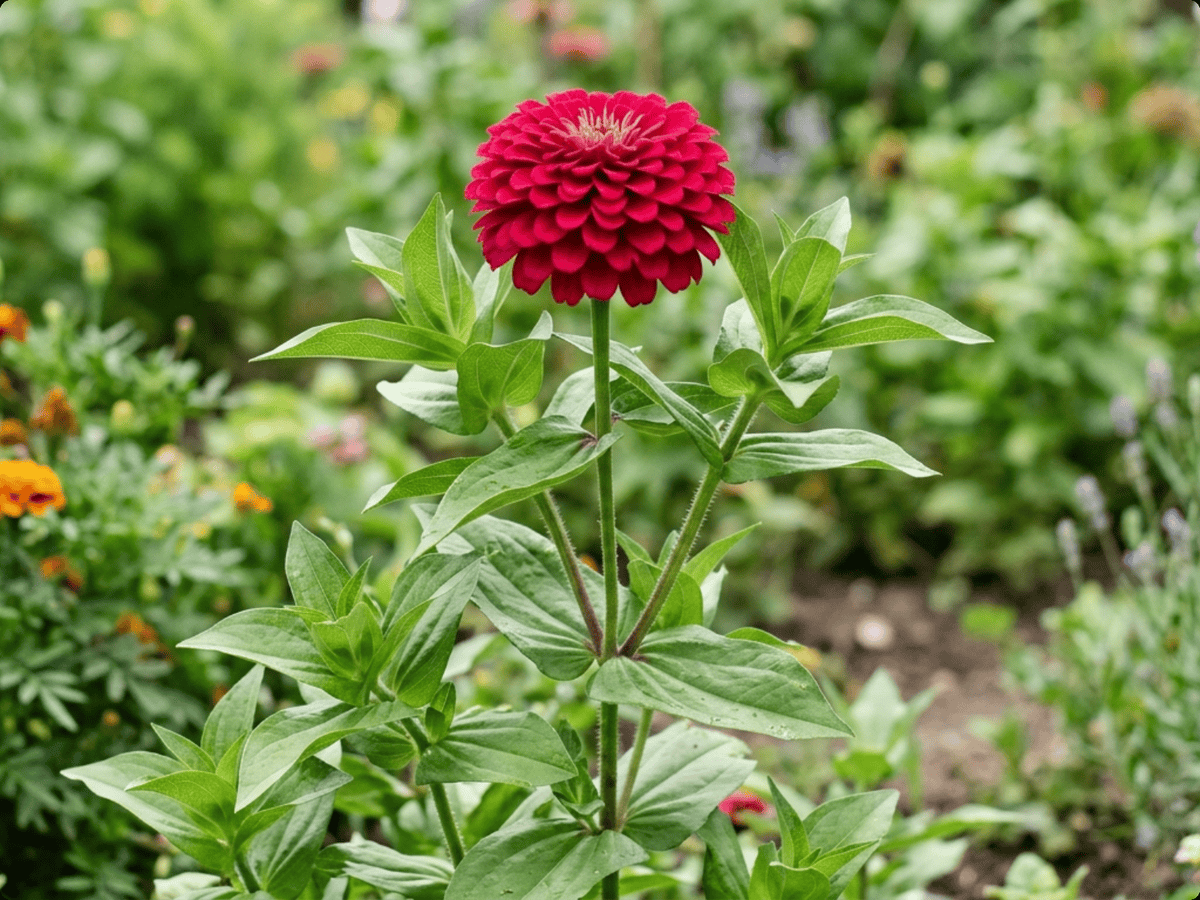 Elegant ZinniaZinnia elegans
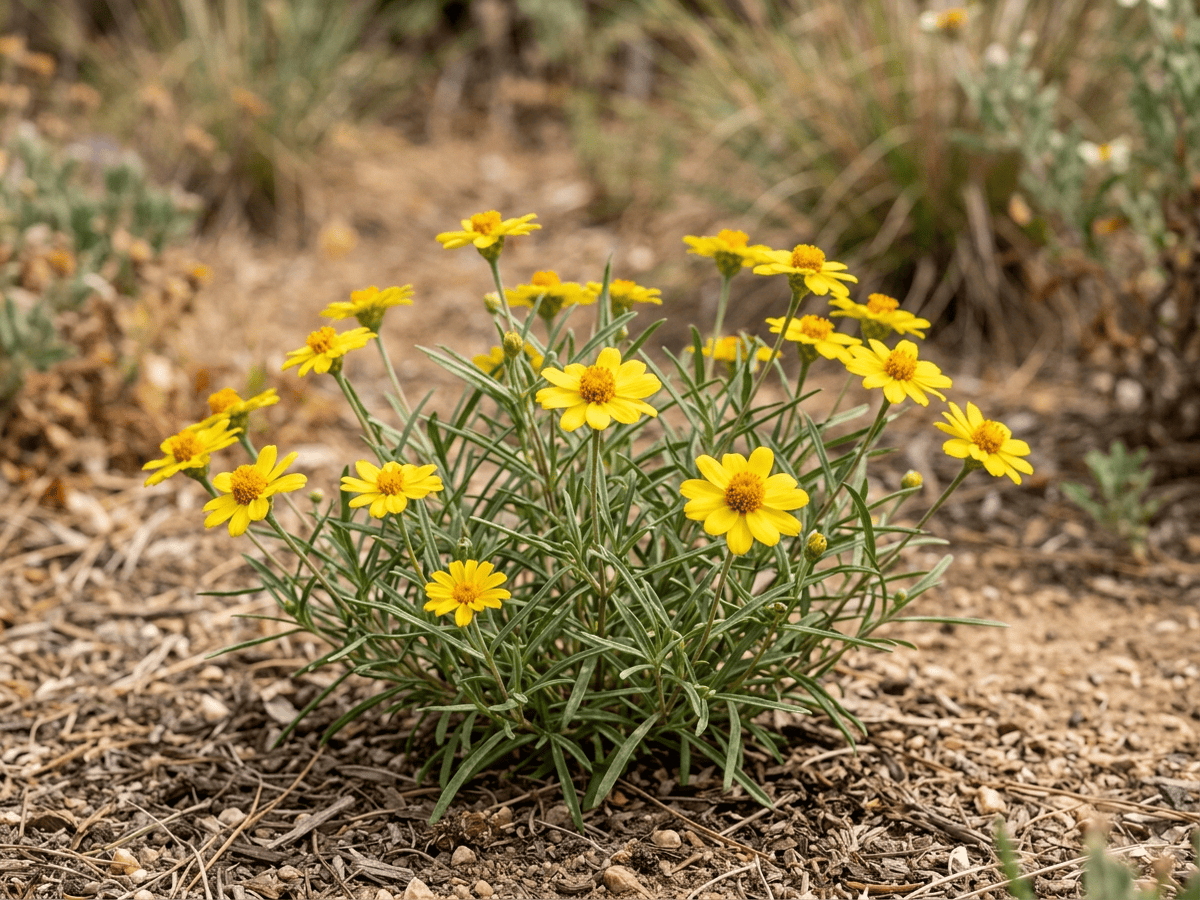 Rocky Mountain ZinniaZinnia grandiflora
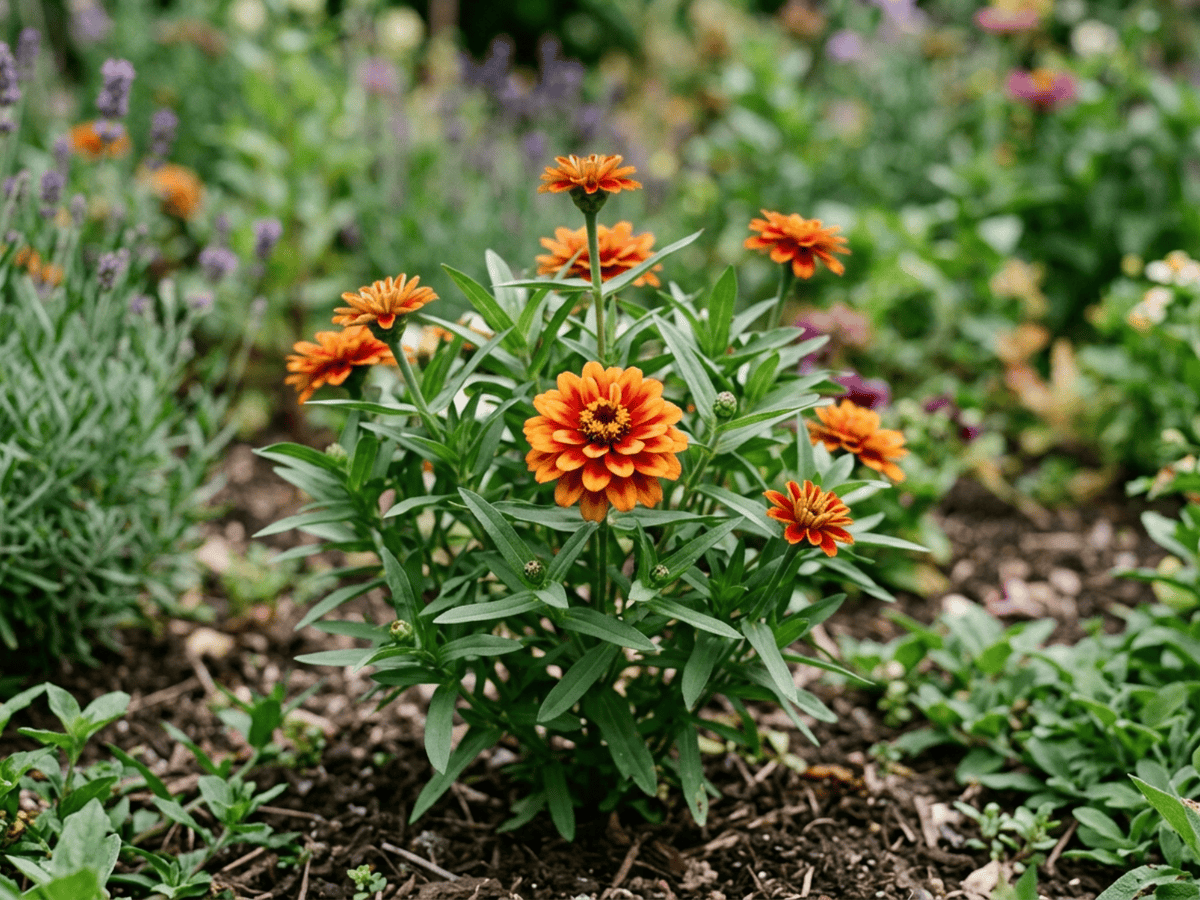 Mexican ZinniaZinnia haageana
Plants with similar care
 Chinese AbeliaAbelia chinensis
 Fragrant AbeliaAbelia mosanensis
 Large-Flowered AbeliaAbelia uniflora
 Glossy AbeliaAbelia x grandiflora
Frequently asked questions
How often should I water Maryland Zinnia?
Water about every 5 days during the growing season, and always let excess water drain away.
How much light does Maryland Zinnia need?
Full sun: 6+ hrs direct. Watch the leaves — scorching or stretching means the light needs adjusting.
Is Maryland Zinnia toxic to cats or dogs?
Pets Safe (Dogs Safe · Cats Safe) Educational information, not medical or veterinary advice. If exposure is suspected, contact a doctor or veterinarian.
Is Maryland Zinnia easy to grow?
Yes — it is considered an easy, beginner-friendly plant.
When does Maryland Zinnia bloom?
It typically blooms Mar–Nov in the Northern Hemisphere.
YardMate
Identify any plant in seconds
Snap a photo — YardMate names the plant, diagnoses problems, and reminds you when to water.
Download on the App Store