 YardMate

Peruvian Zinnia
Zinnia peruviana
Easy · Beginner friendlyAbout Peruvian Zinnia
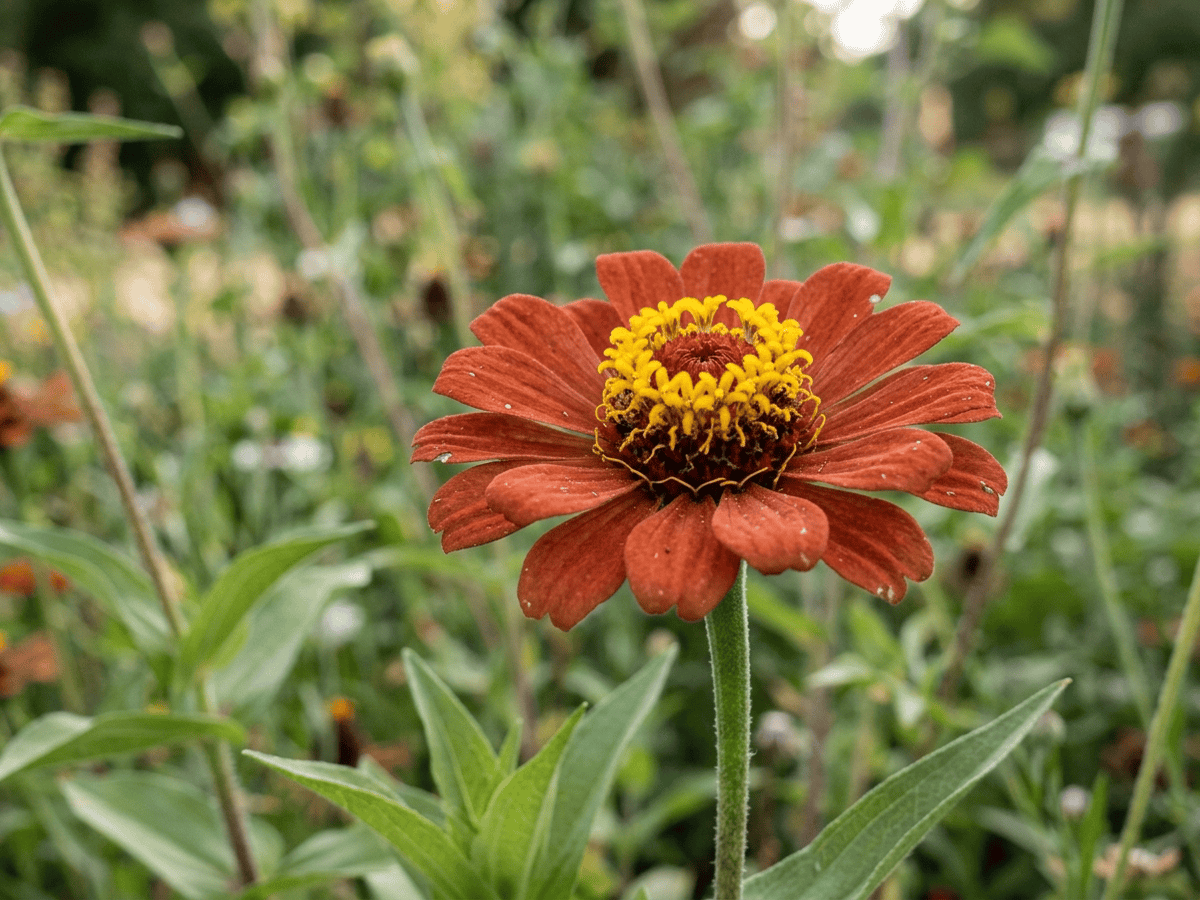
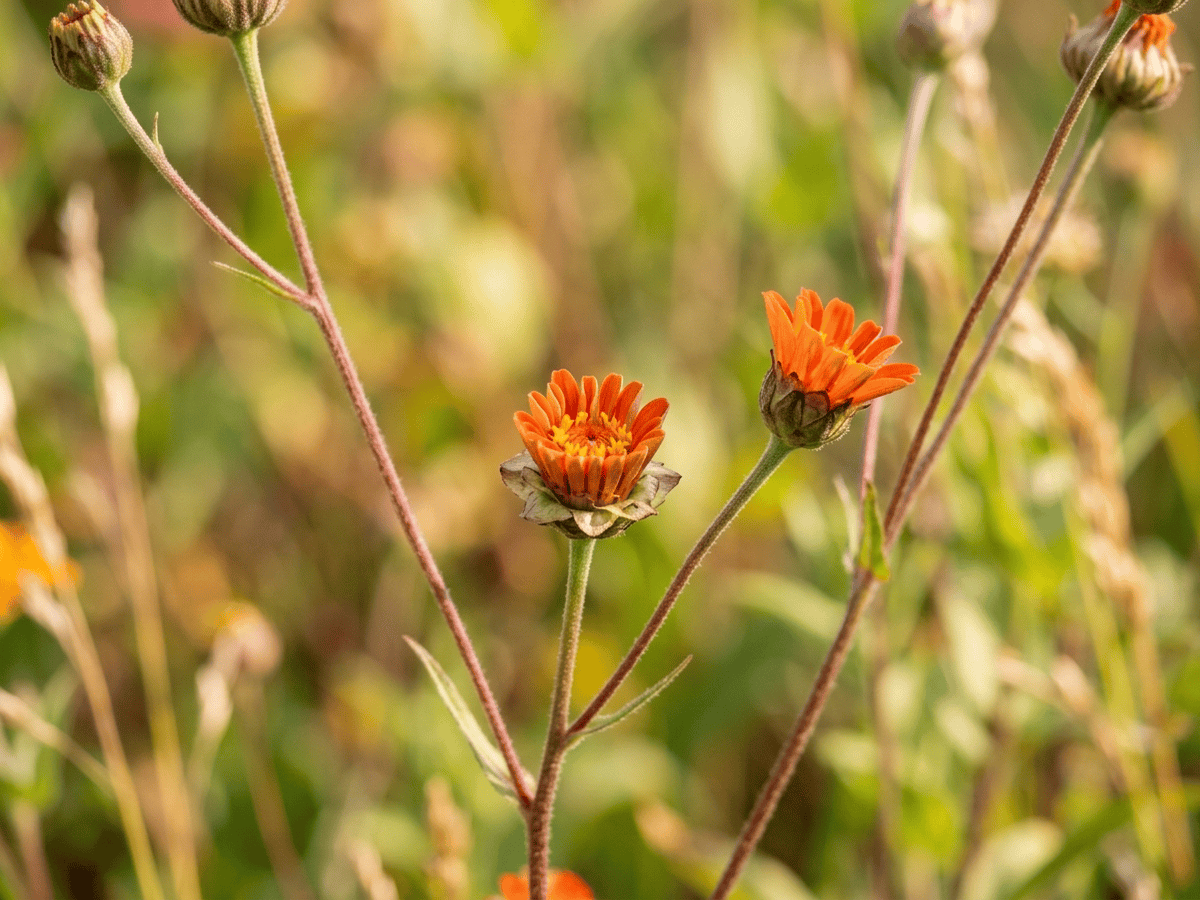
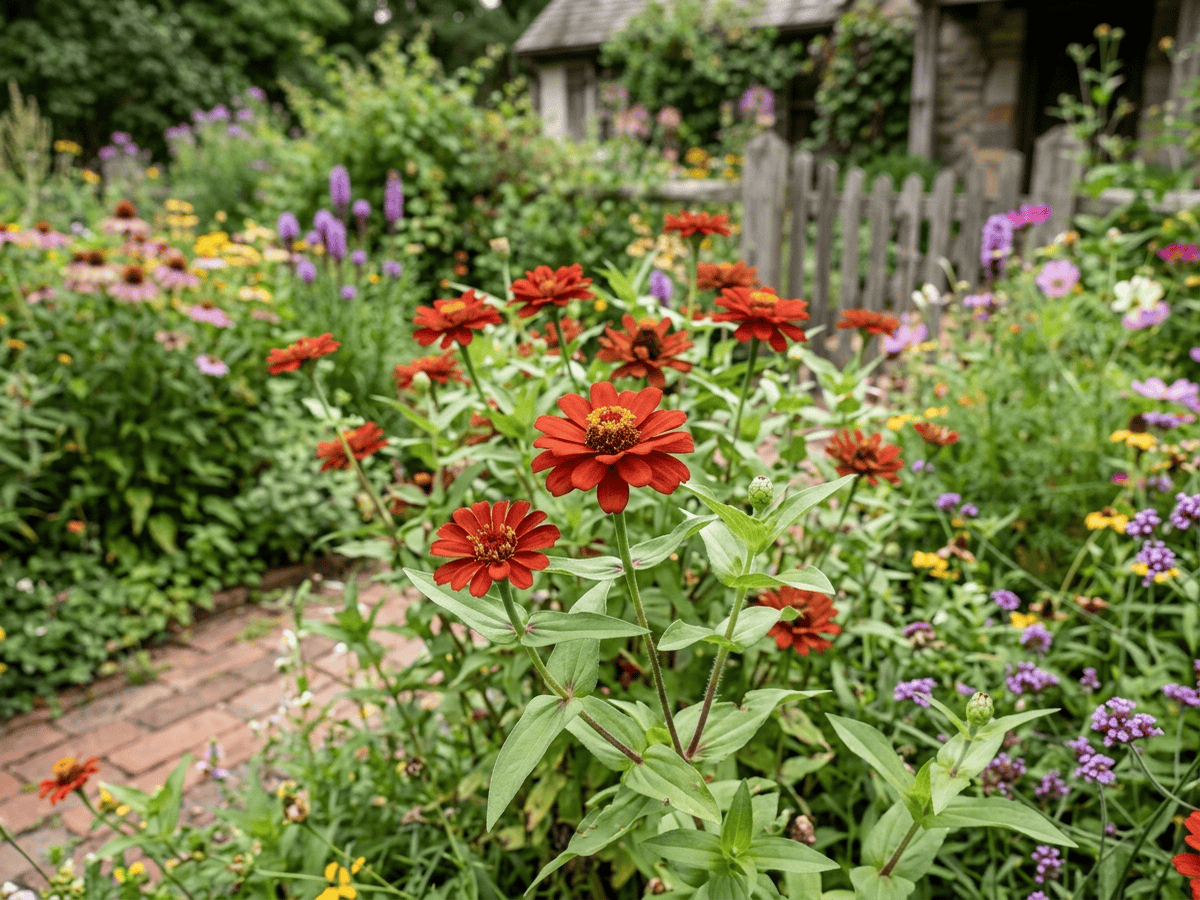
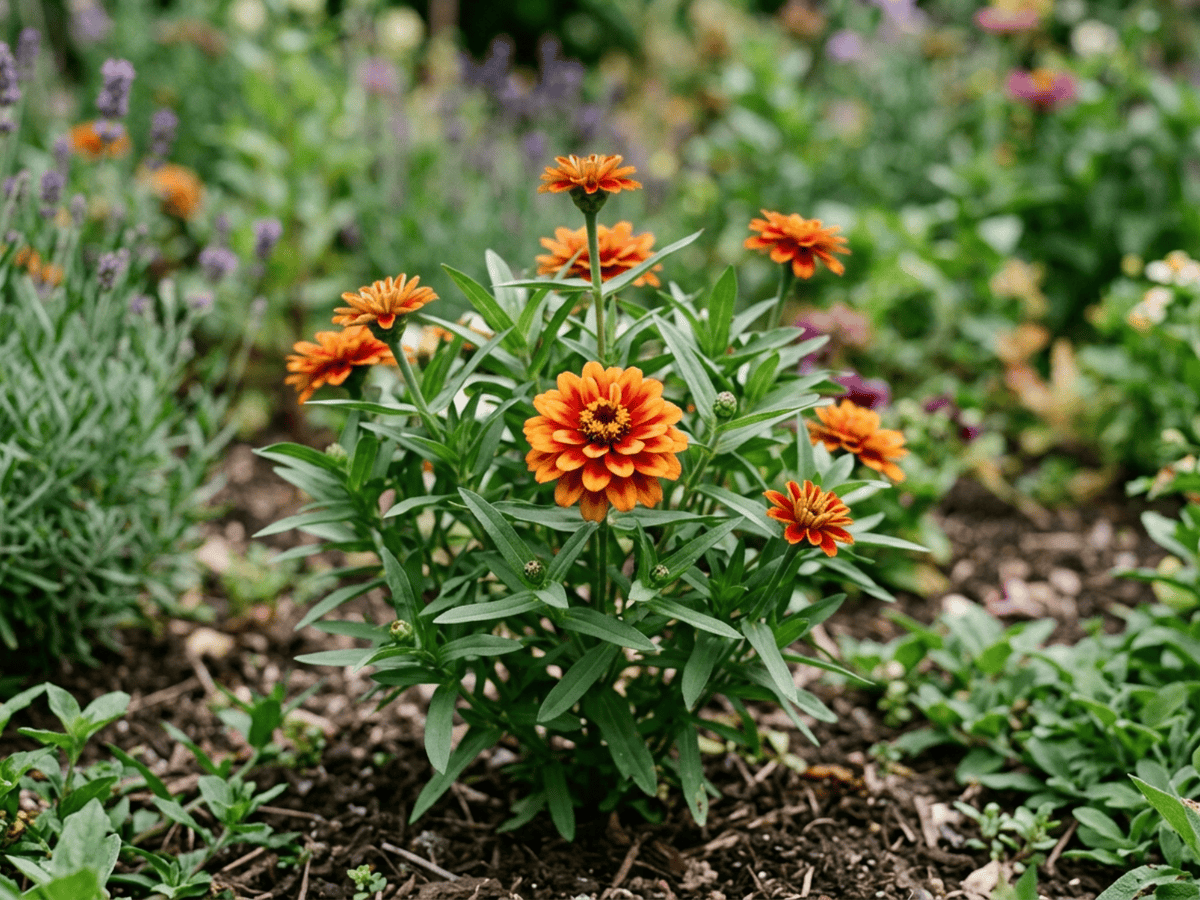
Peruvian Zinnia is a rare wild annual native from the American Southwest south through Central and South America, the ancestral wild zinnia species. Growing 1 to 3 feet tall with narrow lance-shaped leaves, it produces small 1-inch daisy flowers in dusky red, orange, or yellow that turn papery and persist on stems. Grown by seed enthusiasts and native plant gardeners as a historical heritage flower and drought-tough meadow annual.
- Drought-tolerant
- Heat-tolerant
- Native
- Pollinator-friendly
How to care for Peruvian Zinnia
Watering
- Springevery 5 days
- Summerevery 4 days
- Fallevery 7 days
- Winterpause watering
Soil · Well-draining
- Top dressingPine bark mulch10%
- Main mixPotting soil + perlite 2:170%
- DrainageLECA / gravel20%
Never skip the drainage layer — standing water is the top cause of root rot.
FERTILIZER
Balanced Feed 14-14-14
An even feed covers all three needs at once, keeping leaves, roots and blooms moving together with nothing pushed out of balance.
- Nitrogen · Leaves
- Phosphorus · Roots + Blooms
- Potassium · Strength
- Springevery 30 days
- Summerevery 30 days
At a Glance
- NativeNorth America, Central America, South America
- Height2–3 ft (0.6–0.9 m)
- Spread1–1.5 ft (0.3–0.5 m)
- Flower colorRed, Orange, Yellow
- Foliage colorGreen
- SoilLoamy, Well-drained
- LocationsYard
Bloom time
BLOOM CYCLE
Peak bloom
Jun–Nov
Small dusky-red daisies June to frost, papery when dry
Toxicity
Pets Safe
None reported
Not reported
EXPOSURE No exposure route is reported.
EFFECT No toxic effect is reported.
NOTE No human toxicity is reported in this catalog; avoid eating ornamental plants unless confirmed edible.
Safe
EXPOSURE No exposure route is reported.
EFFECT No toxic effect is reported.
NOTE Listed as non-toxic for dogs; avoid eating ornamental plants unless confirmed edible.
Safe
EXPOSURE No exposure route is reported.
EFFECT No toxic effect is reported.
NOTE Listed as non-toxic for cats; avoid eating ornamental plants unless confirmed edible.
Educational information, not medical or veterinary advice. If exposure is suspected, contact a doctor or veterinarian.
DISTRIBUTION

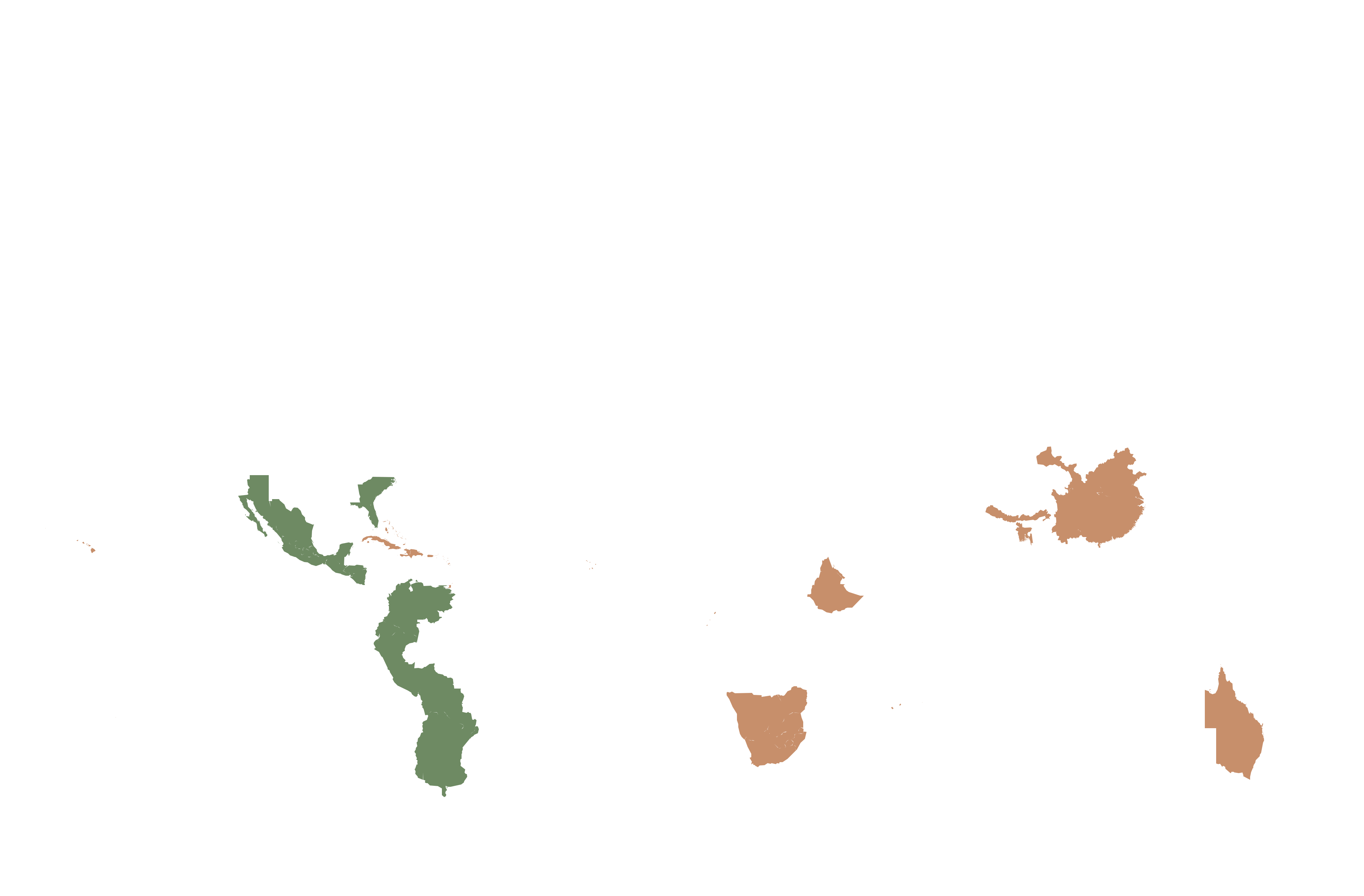
- Native
- Introduced
- North America
- Central America
- South America
History
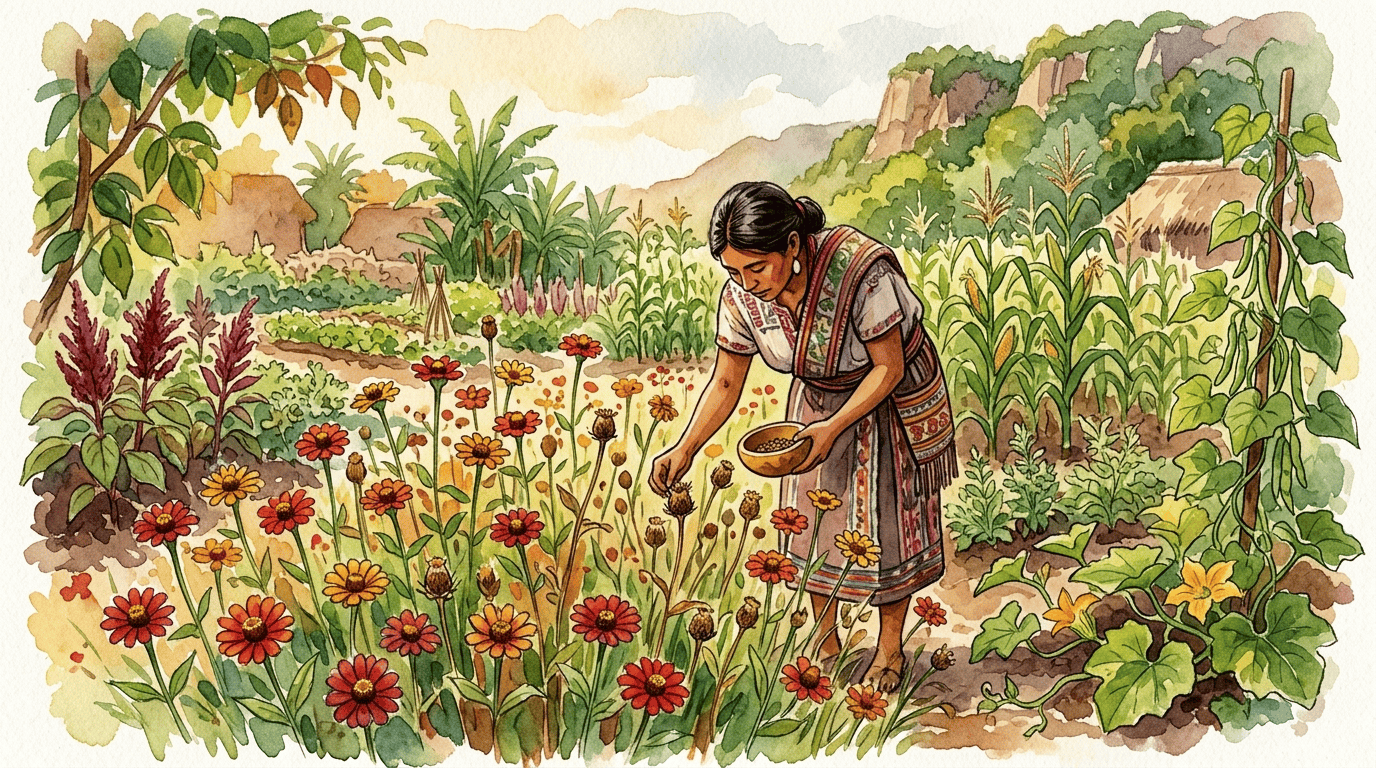
Zinnia peruviana, the Peruvian zinnia, is an annual wildflower native from the southwestern United States through Mexico and Central America into the Andes. Linnaeus first described it in 1753 as Chrysogonum peruvianum, then recognized its placement in Zinnia. The plant bears slender stems with small red, orange, or yellow daisy flowers, more modest than the modern garden zinnia but tougher in important ways.
It was cultivated in Mesoamerica before European contact and reached European botanical gardens by the early 1700s. Its greatest modern value came through breeding: Z. peruviana and related wild species contributed disease resistance and genetic diversity to programs such as the USDA's Beltsville work that produced mildew-resistant Zinnia marylandica hybrids. Heirloom red forms remain available from specialty seed houses for gardeners who want a looser wildflower look.
Symbolism & meaning
What It Symbolizes
The Peruvian Zinnia embodies ancestral roots, one of the original wild zinnias from which today's vivid garden hybrids descended. Its desert grace lies in tolerance for heat, drought, and poor soil — conditions that defeat softer cultivated cousins. To grow it is to honor the wild parent of a beloved garden flower, a humble red-orange bloom that remembers, without effort, how zinnias were before they were ever bred.
- Ancestral roots — one of the original wild zinnias
- Desert grace — thrives in heat and poor soil
Where the Name Comes From
'peruviana' refers to Peru, where 18th-century botanists collected the type specimen, though the species ranges far wider.
Uses & Fun Facts
- Peruvian Zinnia flowers nourish foraging bees and pollinators
Related plants
More Zinnia plants
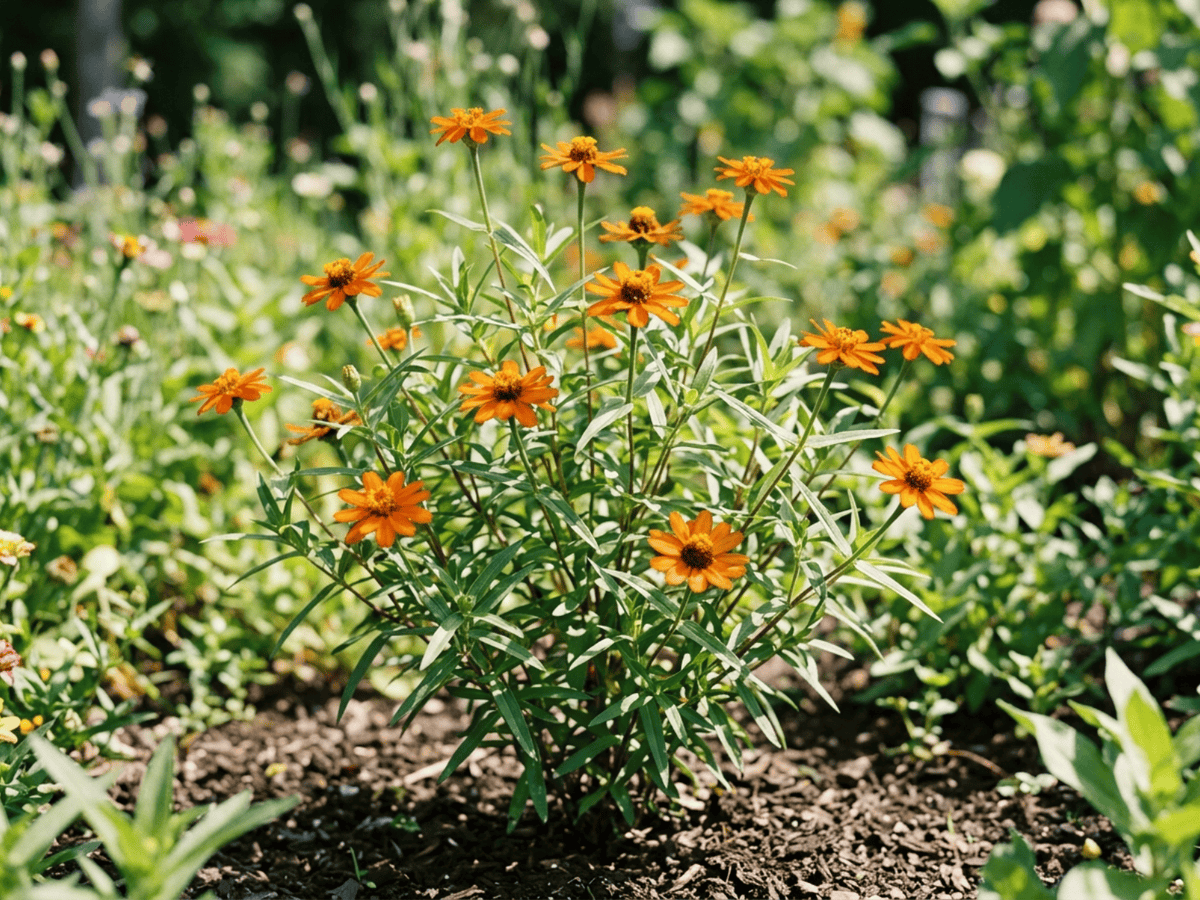 Narrowleaf ZinniaZinnia angustifolia
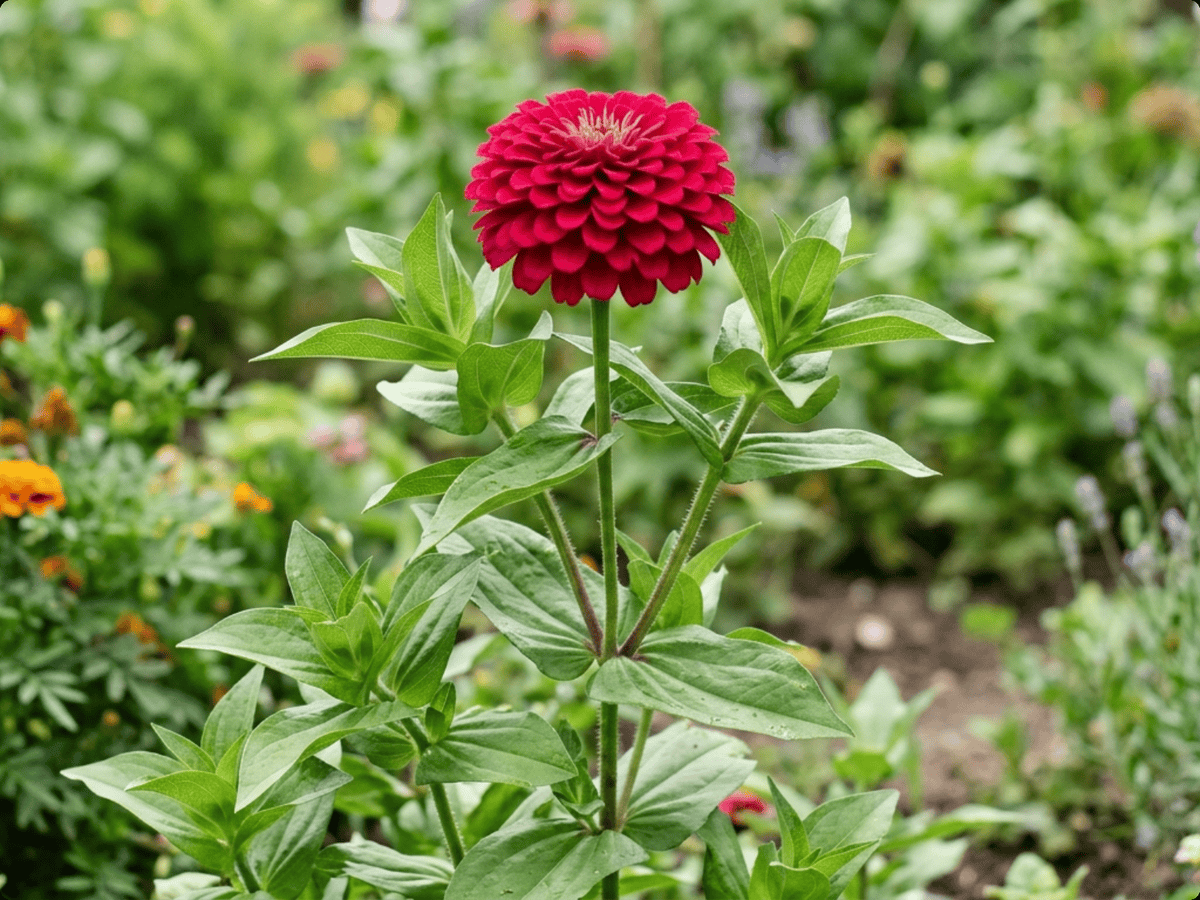 Elegant ZinniaZinnia elegans
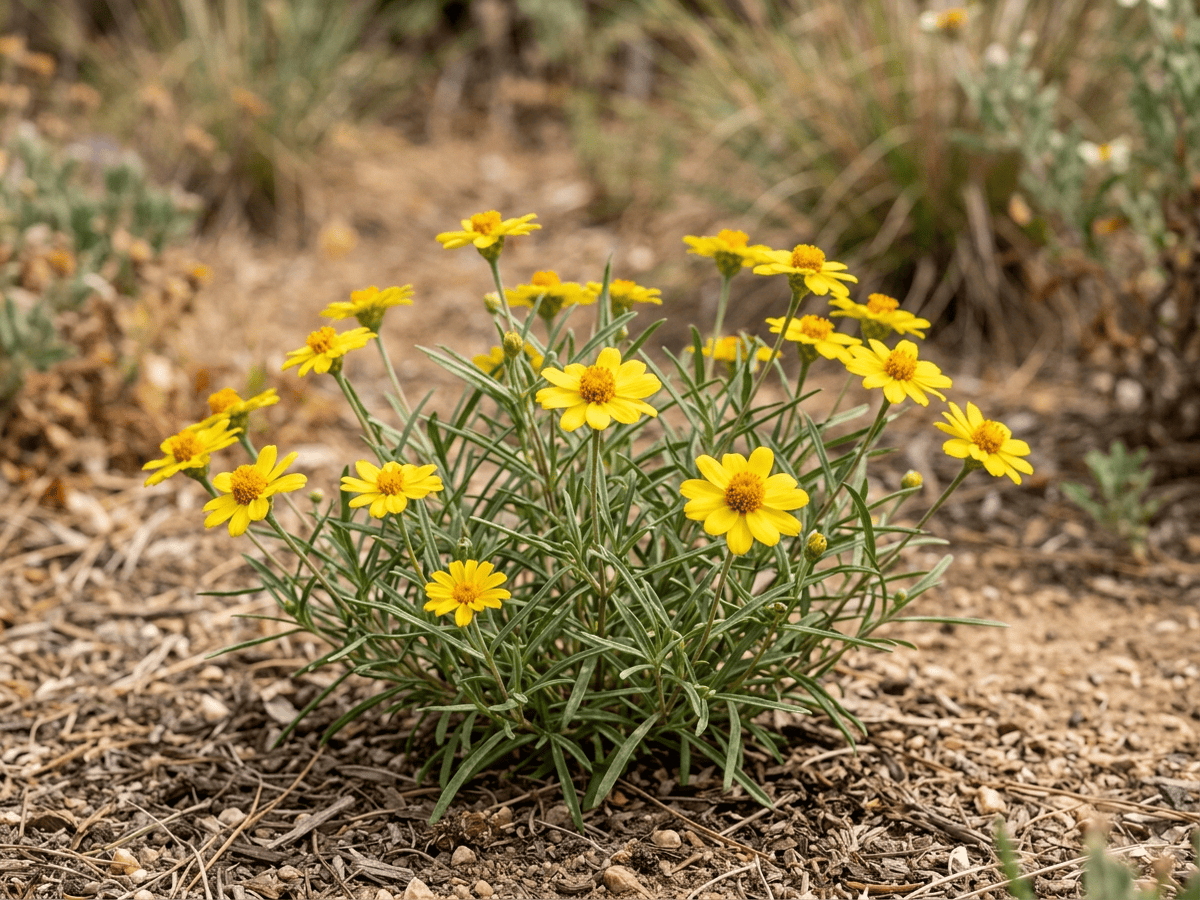 Rocky Mountain ZinniaZinnia grandiflora
 Mexican ZinniaZinnia haageana
Plants with similar care
 Chinese AbeliaAbelia chinensis
 Fragrant AbeliaAbelia mosanensis
 Large-Flowered AbeliaAbelia uniflora
 Glossy AbeliaAbelia x grandiflora
Frequently asked questions
How often should I water Peruvian Zinnia?
Water about every 5 days during the growing season, and always let excess water drain away.
How much light does Peruvian Zinnia need?
Full sun: 6+ hrs direct. Watch the leaves — scorching or stretching means the light needs adjusting.
Is Peruvian Zinnia toxic to cats or dogs?
Pets Safe (Dogs Safe · Cats Safe) Educational information, not medical or veterinary advice. If exposure is suspected, contact a doctor or veterinarian.
Is Peruvian Zinnia easy to grow?
Yes — it is considered an easy, beginner-friendly plant.
When does Peruvian Zinnia bloom?
It typically blooms Jun–Nov in the Northern Hemisphere.
YardMate
Identify any plant in seconds
Snap a photo — YardMate names the plant, diagnoses problems, and reminds you when to water.
Download on the App Store