 YardMate


Aloe Vera
Aloe vera
Easy · Beginner friendlyAbout Aloe Vera
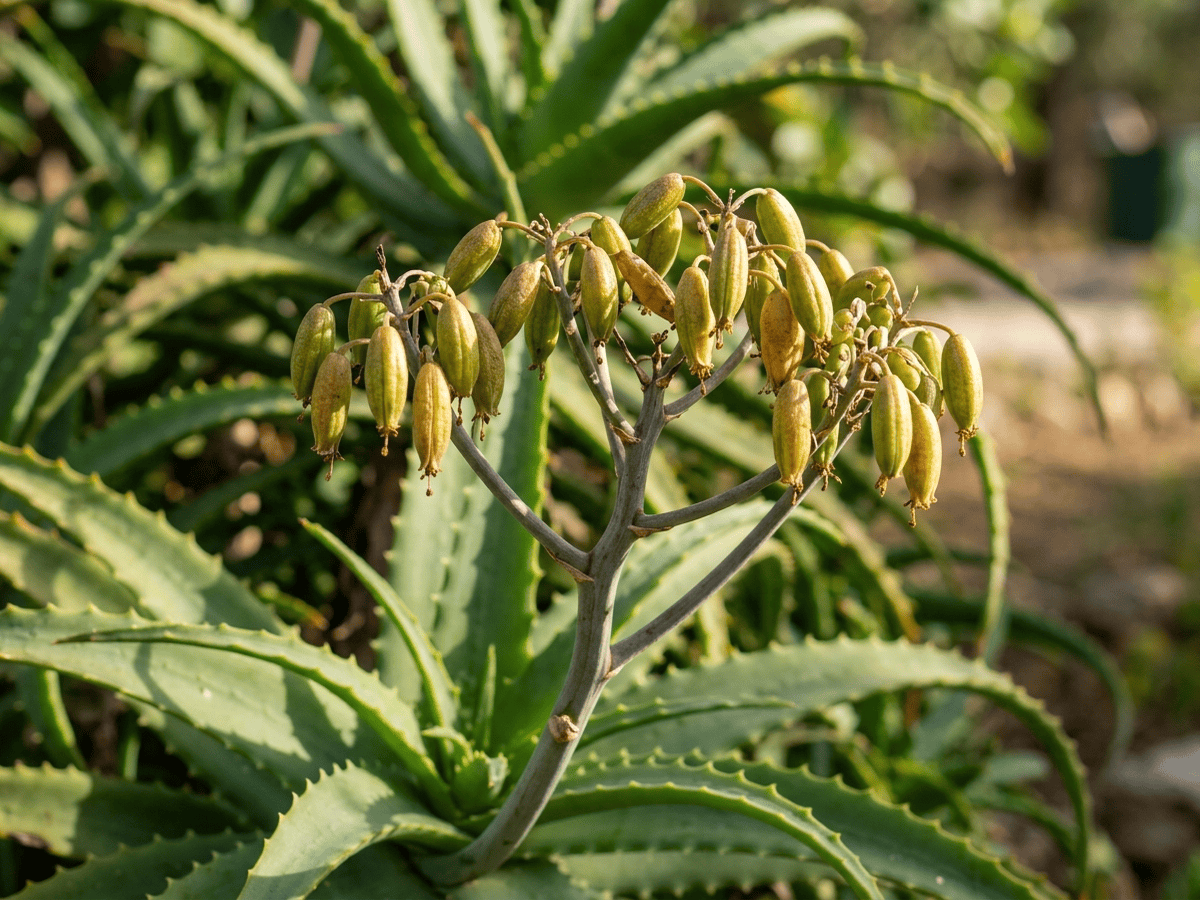
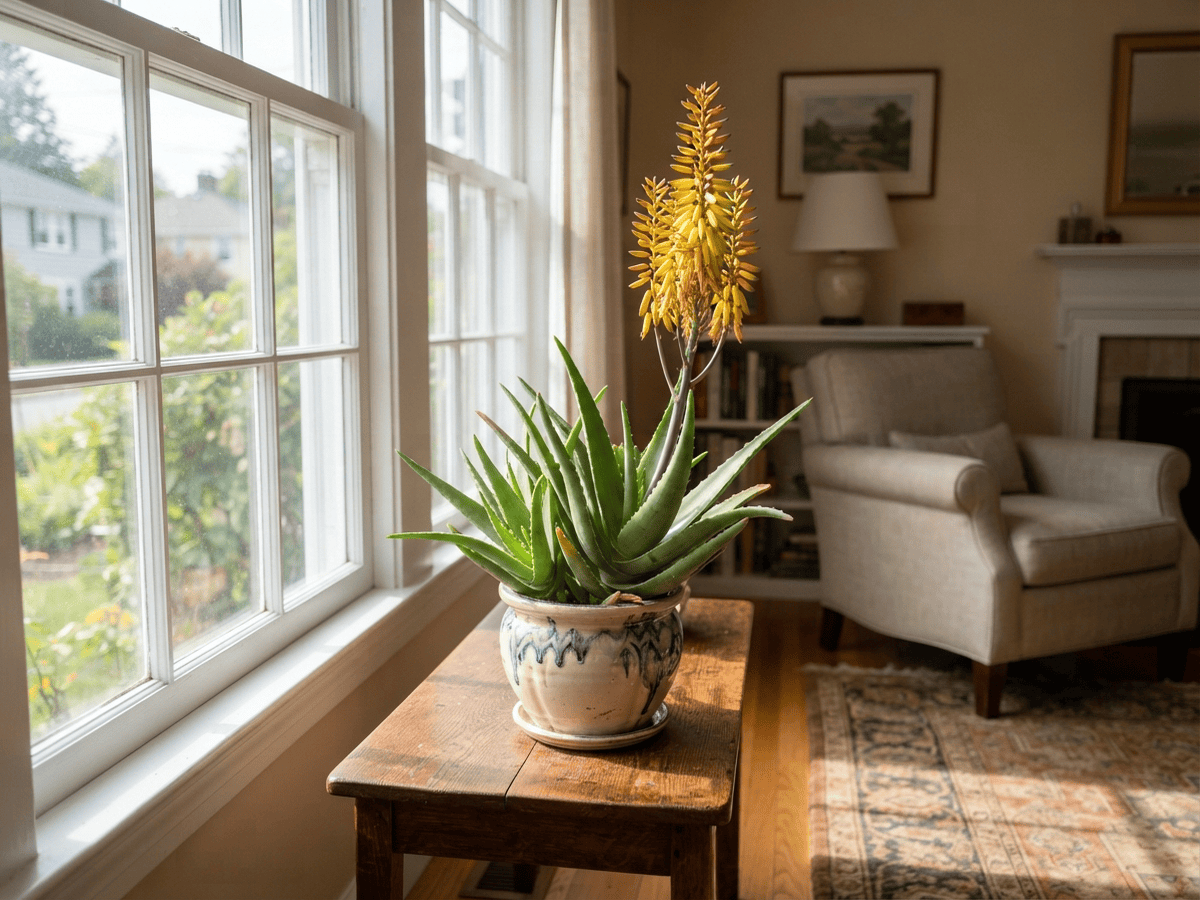
Aloe vera is a stemless succulent probably native to the Arabian Peninsula, though centuries of cultivation have carried it through the dry tropics and onto windowsills worldwide. Thick lance-shaped leaves grow in basal rosettes, their green skin sometimes flecked pale when young and edged with small soft teeth. Inside the leaves is the clear gel that made the plant famous in household skin care and cosmetic products. In the garden it is best understood as a drought-adapted storage plant: bright light, gritty soil, and long dry intervals keep it firm and handsome. Yellow tubular flowers may rise on tall stalks when the plant is mature and sun-grown. Protect it from frost and from overwatering, the usual cause of decline.
- Edible
- Medicinal
- Low-maintenance
- Drought-tolerant
How to care for Aloe Vera
Watering
- Springevery 14 days
- Summerevery 10 days
- Fallevery 21 days
- Winterevery 30 days
Soil · Fast-draining
- Main mixSand + pumice + soil 1:1:150%
- DrainagePumice / gravel50%
Keep grit at half the mix or more — this soil is meant to dry out fast.
FERTILIZER
Balanced Feed 14-14-14
An even feed covers all three needs at once, keeping leaves, roots and blooms moving together with nothing pushed out of balance.
- Nitrogen · Leaves
- Phosphorus · Roots + Blooms
- Potassium · Strength
- Springevery 60 days
- Summerevery 60 days
At a Glance
- NativeWestern Asia
- Height1–2 ft (0.3–0.6 m)
- Spread1–2 ft (0.3–0.6 m)
- Flower colorYellow, Orange
- Foliage colorGreen
- SoilSandy, Well-drained
- LocationsIndoor · Balcony · Yard
Bloom time
BLOOM CYCLE
Peak bloom
Feb–Apr
Yellow tubular spikes
Fragrance
LIGHT FRAGRANCE
Flowers have a light sweet scent attractive to sunbirds and bees.
Toxicity
Humans Moderate · Pets Slight
aloin (anthraquinone glycoside) and aloe emodin
Moderate
- Leaf
- Ingestion
EXPOSURE Eating leaves.
EFFECT Whole-leaf consumption causes severe cramping and diarrhea due to aloin in the outer latex and the inner clear gel alone is generally safe for external and internal use.
NOTE Toxicity is concentrated in the yellow sap (latex) under the skin of the leaf; the inner clear gel is minimally toxic and is the part used medicinally and in food.
Slight
- Leaf
- Ingestion
EXPOSURE Eating leaves.
EFFECT Vomiting, diarrhea, depression, anorexia, changes in urine color (latex is a cathartic) and per ASPCA.
NOTE Toxicity is concentrated in the yellow sap (latex) under the skin of the leaf; the inner clear gel is minimally toxic and is the part used medicinally and in food.
Slight
- Leaf
- Ingestion
EXPOSURE Eating leaves.
EFFECT Vomiting, diarrhea, depression, anorexia, changes in urine color and per ASPCA.
NOTE Toxicity is concentrated in the yellow sap (latex) under the skin of the leaf; the inner clear gel is minimally toxic and is the part used medicinally and in food.
Educational information, not medical or veterinary advice. If exposure is suspected, contact a doctor or veterinarian.
DISTRIBUTION


- Native
- Introduced
- Western Asia
History
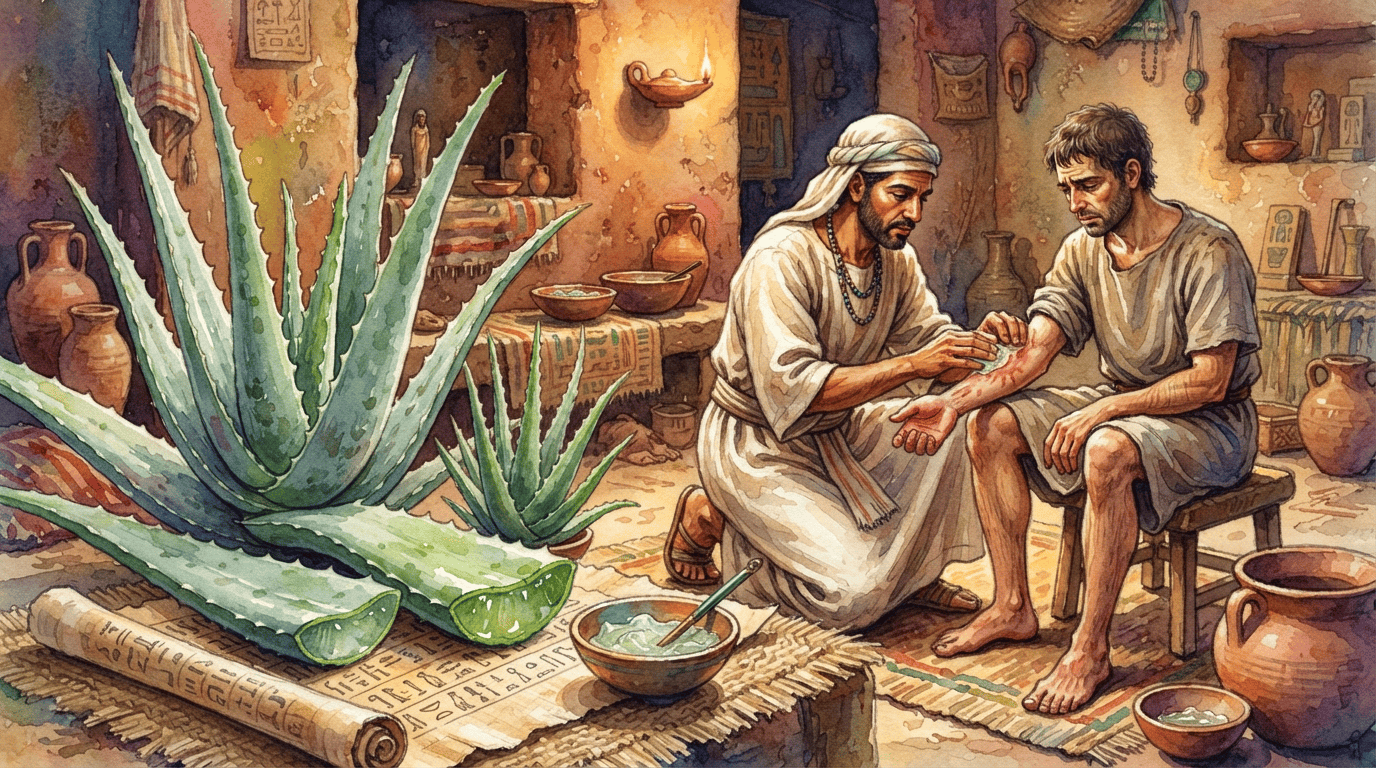
Aloe vera is among the longest-cultivated medicinal plants on Earth. Sumerian clay tablets from around 2100 BCE record medicinal uses, and the Papyrus Ebers — an Egyptian medical text from about 1550 BCE — describes its application to burns and infections. The plant appears in classical Greek, Roman, Indian Ayurvedic, and traditional Chinese medical traditions.
So long has it been in cultivation that its original wild distribution is genuinely uncertain: best evidence points to the Arabian Peninsula, though cultivated populations now exist across most of the world's arid regions. Modern clinical research supports its effectiveness for treating minor burns, sunburn, and small wounds, while oral consumption of the whole plant (including the yellow latex, aloin) is moderately toxic. Ancient Egyptians called it the 'plant of immortality' and placed it among pharaohs' burial gifts.
Cleopatra used aloe gel as part of her beauty regimen. Alexander the Great allegedly conquered the island of Socotra specifically to secure its aloe supply for treating wounded soldiers. The gel has been found in 3,500-year-old Mesopotamian clay tablets listing it as a medicinal plant.
Symbolism & meaning
What It Symbolizes
Aloe vera is the windowsill plant of care, carried from dry landscapes into kitchens, courtyards, and bathroom shelves around the world. Its thick leaves store water like a promise against heat and neglect. Symbolically it is calm readiness: a living reservoir, plain in form, useful in memory, and patient with human forgetfulness.
- Healing — one of humanity's oldest medicinal plants
- Protection — hung above doorways in Africa to ward off evil
- Immortality — Egyptians called it the plant of eternal life
Where the Name Comes From
'Aloe' derives from the Arabic 'alloeh' meaning 'shining bitter substance.' 'Vera' is Latin for 'true,' distinguishing it from other aloe species.
Uses & Fun Facts
- Leaf gel soothes burns, cuts, and skin irritations
- Inner gel blended into juices and health drinks
- Drought-tolerant succulent for sunny windowsills and pots
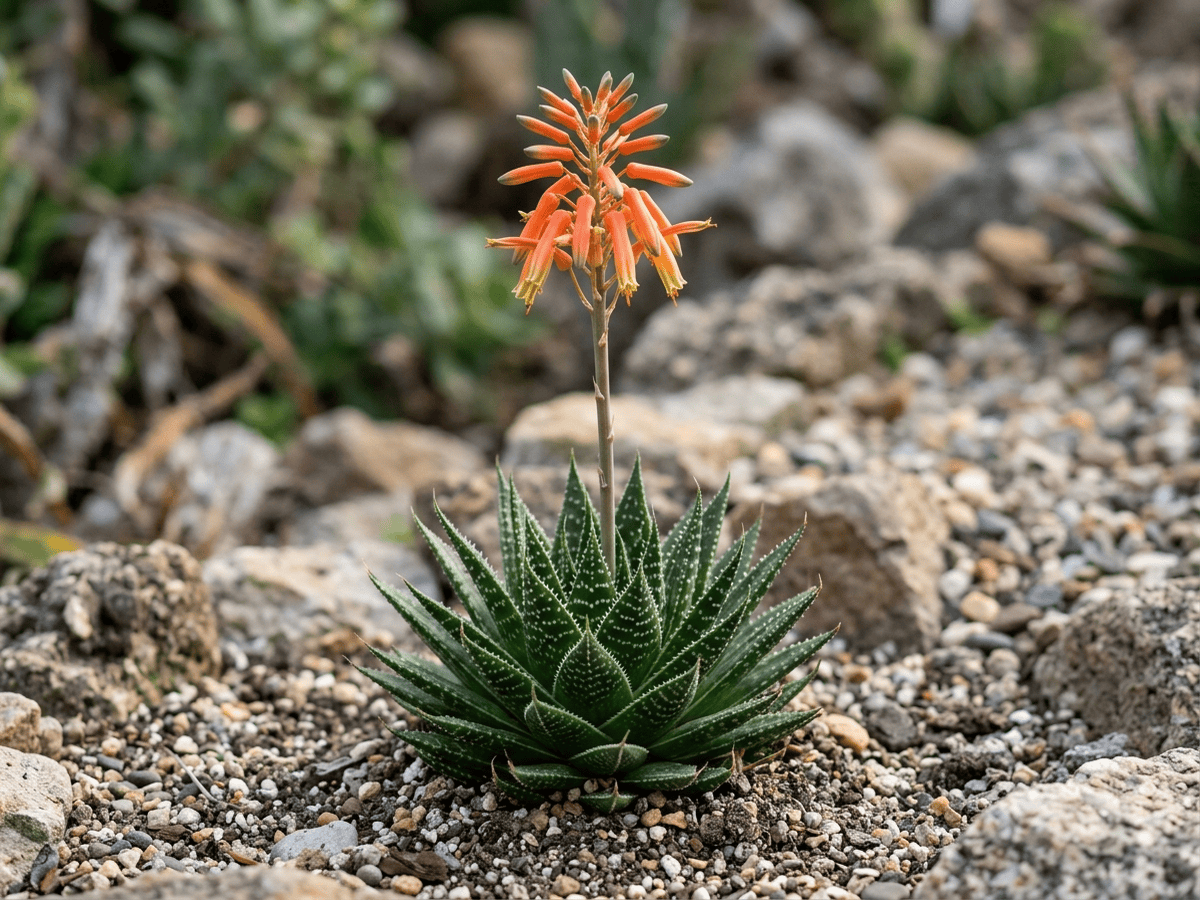
- Spear-shaped rosettes anchor xeric beds and rock gardens
Related plants
More Aloe plants

Plants with similar care
 Chinese AbeliaAbelia chinensis
 Fragrant AbeliaAbelia mosanensis
 Large-Flowered AbeliaAbelia uniflora
 Glossy AbeliaAbelia x grandiflora
Frequently asked questions
How often should I water Aloe Vera?
In summer, water about every 10 days; in winter, about every 30 days. Adjust for heat, pot size and drainage.
How much light does Aloe Vera need?
Full sun: 6+ hrs direct. Watch the leaves — scorching or stretching means the light needs adjusting.
Is Aloe Vera toxic to cats or dogs?
Pets Slight (Dogs Slight · Cats Slight) Educational information, not medical or veterinary advice. If exposure is suspected, contact a doctor or veterinarian.
Is Aloe Vera easy to grow?
Yes — it is considered an easy, beginner-friendly plant.
Can Aloe Vera be grown indoors?
Yes, it adapts well to indoor growing given the right light.
When does Aloe Vera bloom?
It typically blooms Feb–Apr in the Northern Hemisphere.
YardMate
Identify any plant in seconds
Snap a photo — YardMate names the plant, diagnoses problems, and reminds you when to water.
Download on the App Store