 YardMate


Palmer's Amaranth
Amaranthus palmeri
Easy · Beginner friendlyAbout Palmer's Amaranth
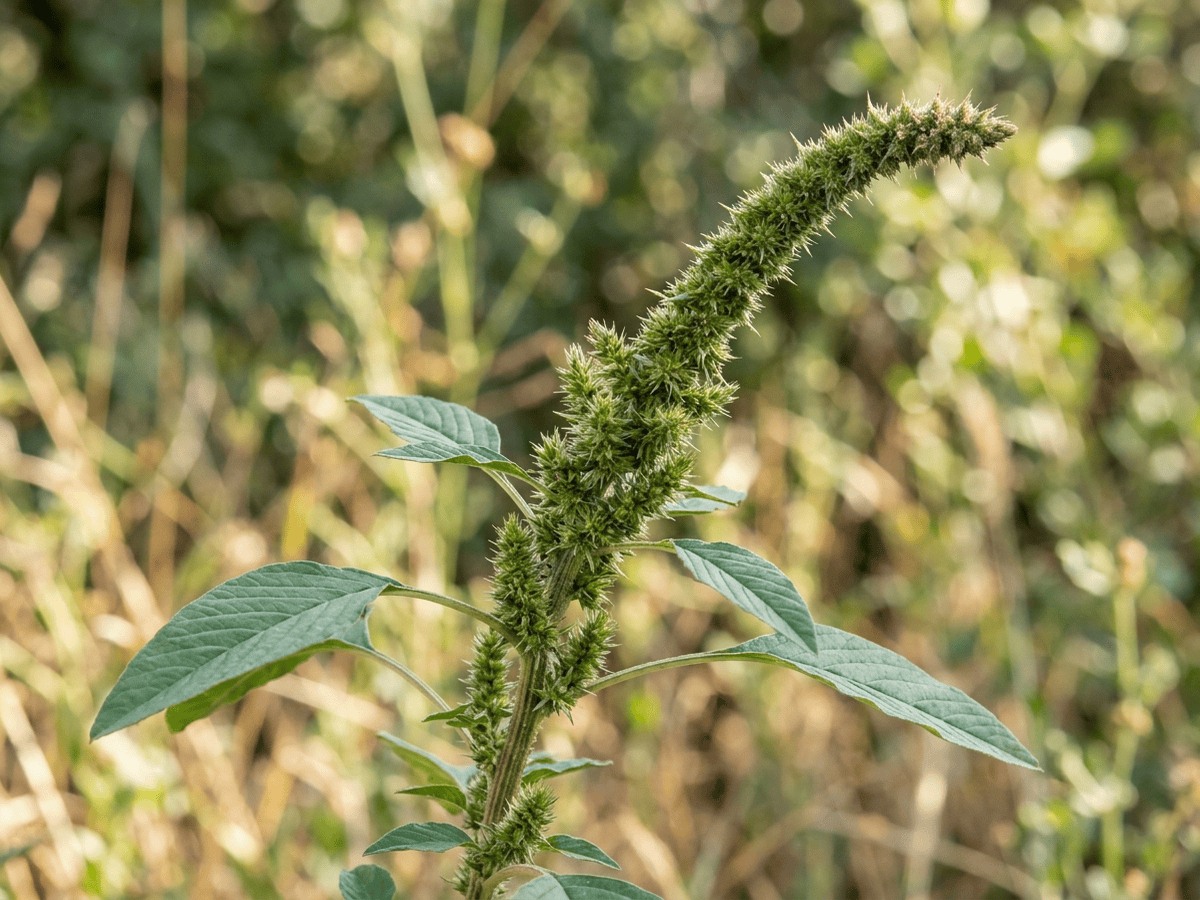
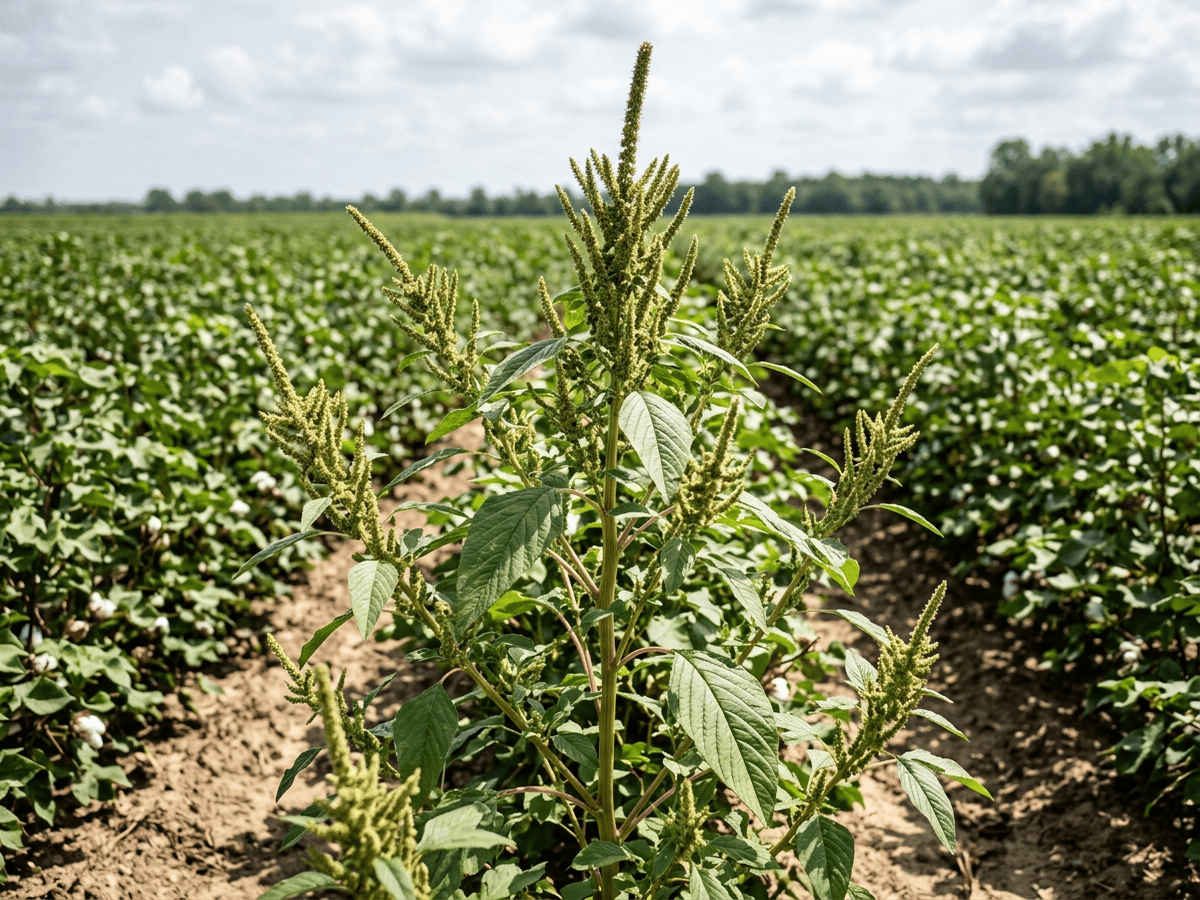
Palmer Amaranth is a US Southwest native annual turned nation's most destructive agricultural weed, growing up to 8 feet tall with astonishing speed of 2 to 3 inches per day. Producing up to 600,000 seeds per female plant and displaying widespread herbicide resistance, it has devastated cotton and soybean fields across the South and Midwest since 2000. Listed as noxious in multiple states and the single most economically damaging weed in modern US agriculture.
- Heat-tolerant
- Fast-growing
How to care for Palmer's Amaranth
Watering
- Springevery 14 days
- Summerevery 7 days
- Fallevery 14 days
- Winterpause watering
Soil · Well-draining
- Top dressingPine bark mulch10%
- Main mixPotting soil + perlite 2:170%
- DrainageLECA / gravel20%
Never skip the drainage layer — standing water is the top cause of root rot.
FERTILIZER
This plant needs little to no feeding.
At a Glance
- NativeNorth America
- Height3–6 ft (0.9–1.8 m)
- Spread1.5–3 ft (0.5–0.9 m)
- Flower colorGreen
- Foliage colorGreen
- SoilWell-drained, Loamy
- LocationsYard
Bloom time
BLOOM CYCLE
Peak bloom
Jun–Nov
Long terminal spikes of small green flowers summer to fall
Toxicity
Humans Slight · Pets Slight
oxalates and nitrates
Slight
- Leaf
- Ingestion
EXPOSURE Eating leaves.
EFFECT Oxalate and nitrate content.
NOTE Traditional food when cooked in small amounts. Livestock poisoning from heavy pigweed consumption is documented.
Slight
- All
- Ingestion
EXPOSURE Eating any part of the plant.
EFFECT GI upset in quantity.
NOTE Traditional food when cooked in small amounts. Livestock poisoning from heavy pigweed consumption is documented.
Slight
- All
- Ingestion
EXPOSURE Eating any part of the plant.
EFFECT GI upset in quantity.
NOTE Traditional food when cooked in small amounts. Livestock poisoning from heavy pigweed consumption is documented.
Educational information, not medical or veterinary advice. If exposure is suspected, contact a doctor or veterinarian.
DISTRIBUTION

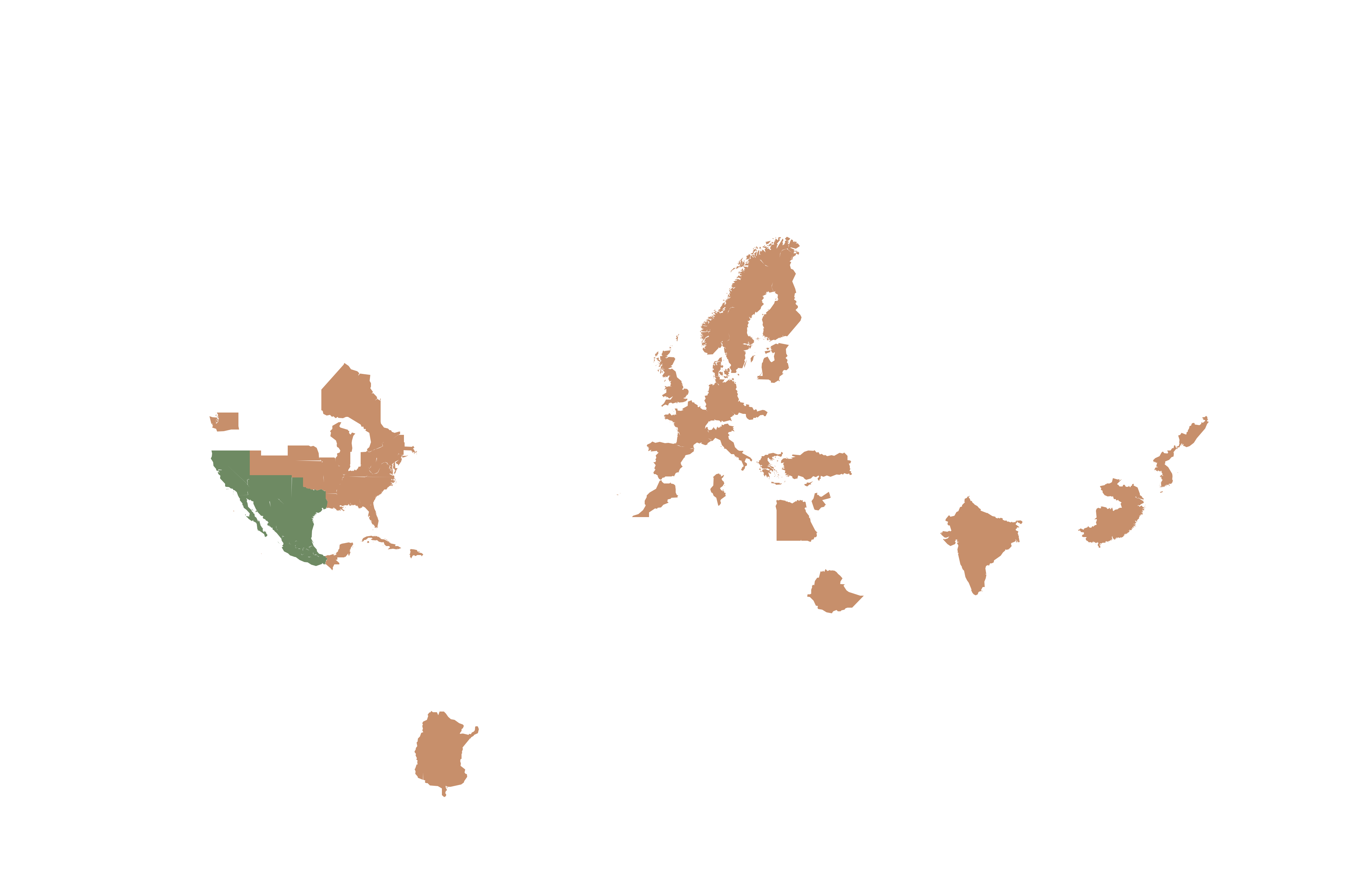
- Native
- Introduced
- North America
History
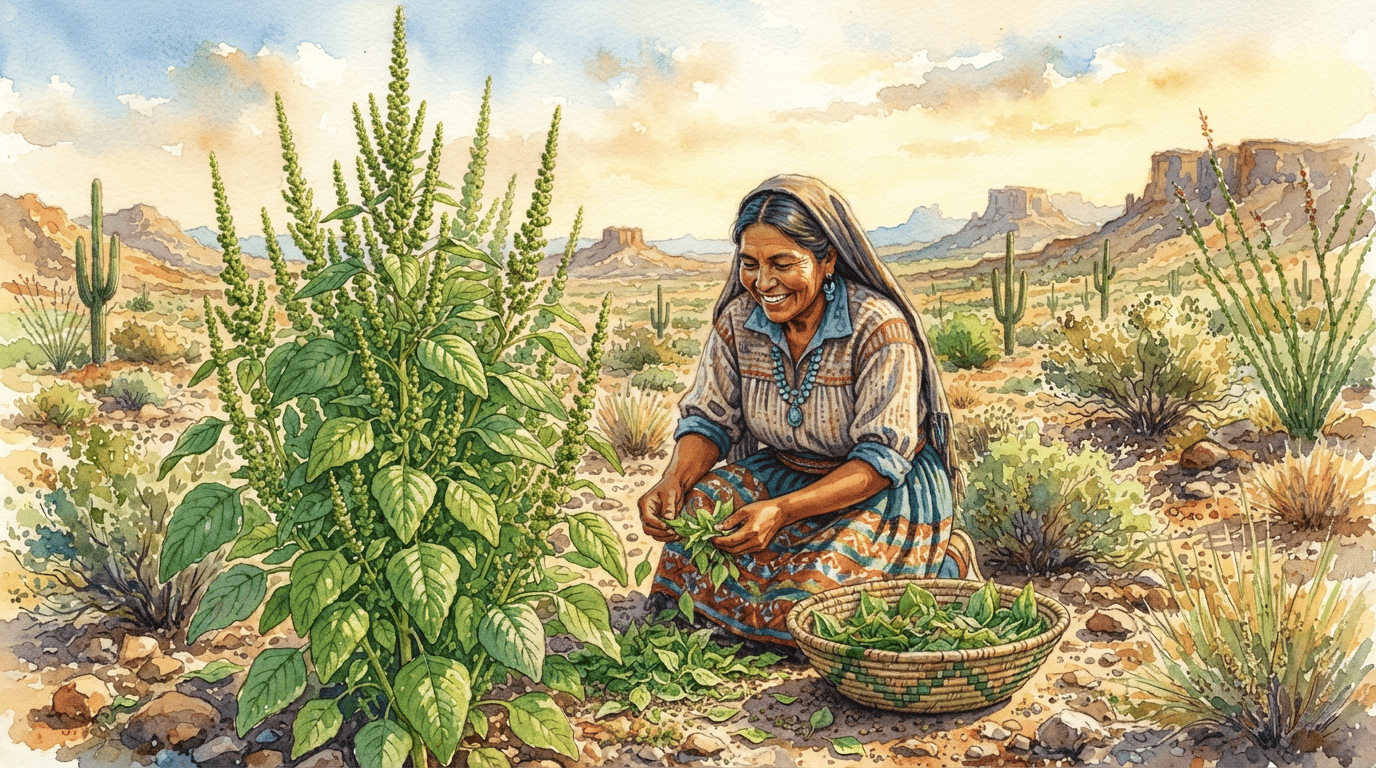
Amaranthus palmeri is native to the arid southwestern US and northern Mexico. Sereno Watson of Harvard described it in 1877, naming it for the botanist Edward Palmer who collected extensively across the Southwest. Indigenous peoples including the Apache, Tohono O'odham, Hualapai, and Yuma harvested seeds as a minor grain and young leaves as a staple green vegetable; it remains a traditional food across the US-Mexico border region.
After 2000, Palmer amaranth underwent an extraordinary agricultural expansion, spreading from its southwestern range across the US Cotton Belt into the Corn Belt and causing billions in crop losses. Its C4 photosynthesis lets it grow 5-7 cm per day under hot conditions, outgrowing even glyphosate-resistant crops. Multiple populations now resist 6+ herbicide modes of action simultaneously.
Fields overrun by Palmer amaranth have been abandoned or converted to manual weeding, and it drove major industry shifts in herbicide-resistant crop varieties. Native to the US Southwest, Palmer Amaranth became a destructive agricultural weed after spreading east in contaminated seed and hay beginning in the 1990s. Now the most economically damaging weed in American agriculture, causing billions in annual losses to cotton, soybean, and corn farmers and listed as noxious in many states.
Symbolism & meaning
What It Symbolizes
Palmer's Amaranth is destructive vigor in plant form — capable of growing two to three inches a day and shrugging off most modern herbicides. Across cotton and soy fields it has rewritten the economics of weed control, demanding constant vigilance from farmers. Its lesson is ecological rather than romantic: when a single plant evolves faster than our chemistry, the soil reminds us who is ultimately in charge.
- Destructive vigor — grows 2-3 inches per day
- Herbicide resistance — resistant to most modern herbicides
Where the Name Comes From
The name Palmer's Amaranth describes its palm-like silhouette. 'palmeri' honors Edward Palmer (1829-1911), British-American botanist who collected widely in the American Southwest.
Related plants
More Amaranthus plants
 Love-Lies-BleedingAmaranthus caudatus
 Smooth PigweedAmaranthus hybridus
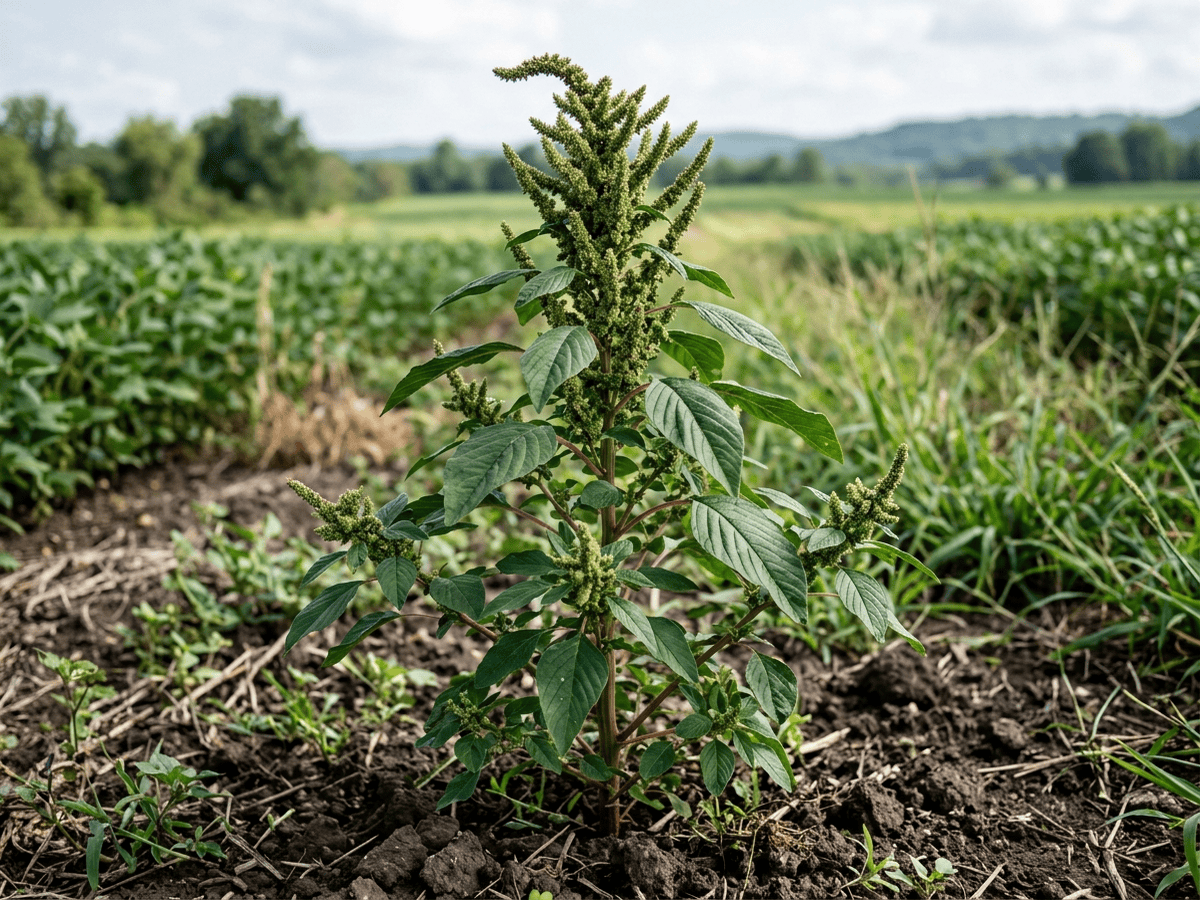 Redroot AmaranthAmaranthus retroflexus
 Spiny AmaranthAmaranthus spinosus
Plants with similar care
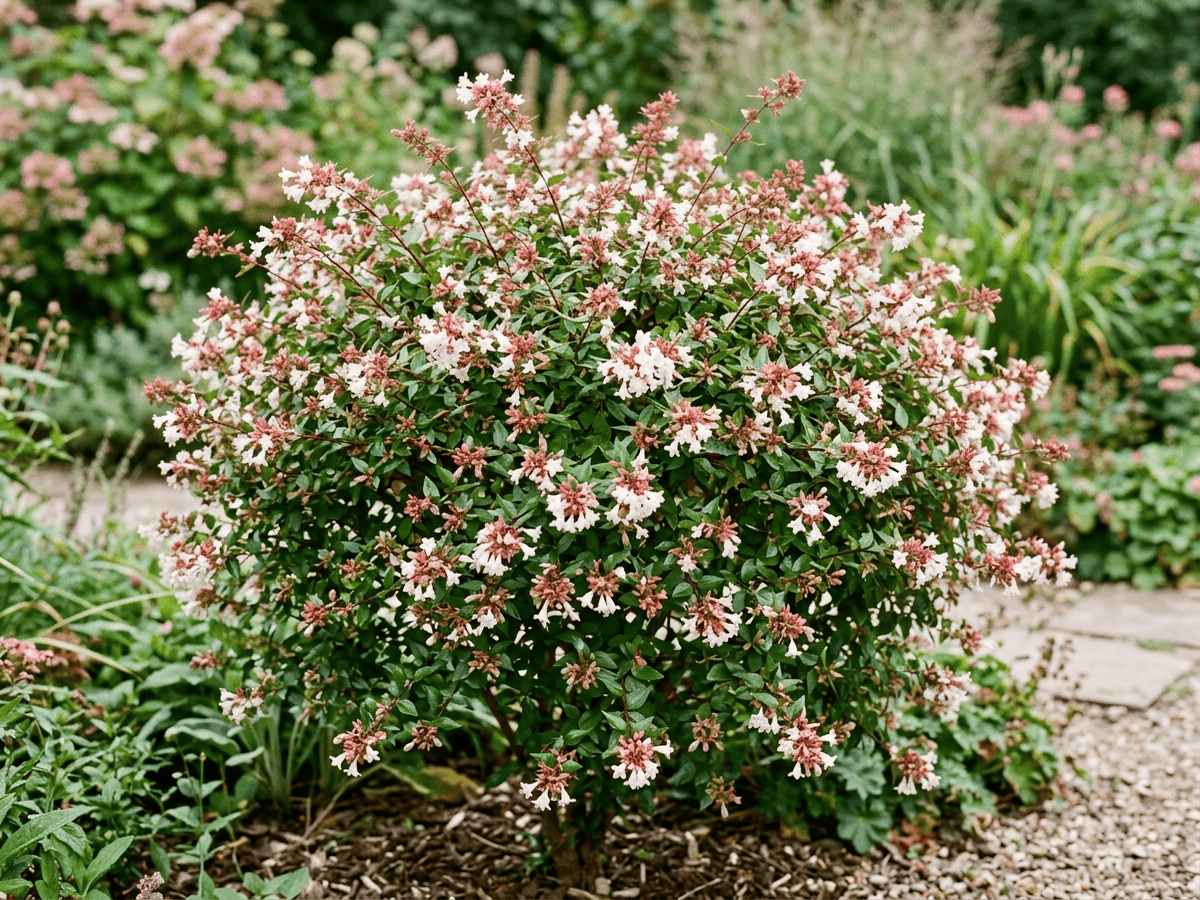 Chinese AbeliaAbelia chinensis
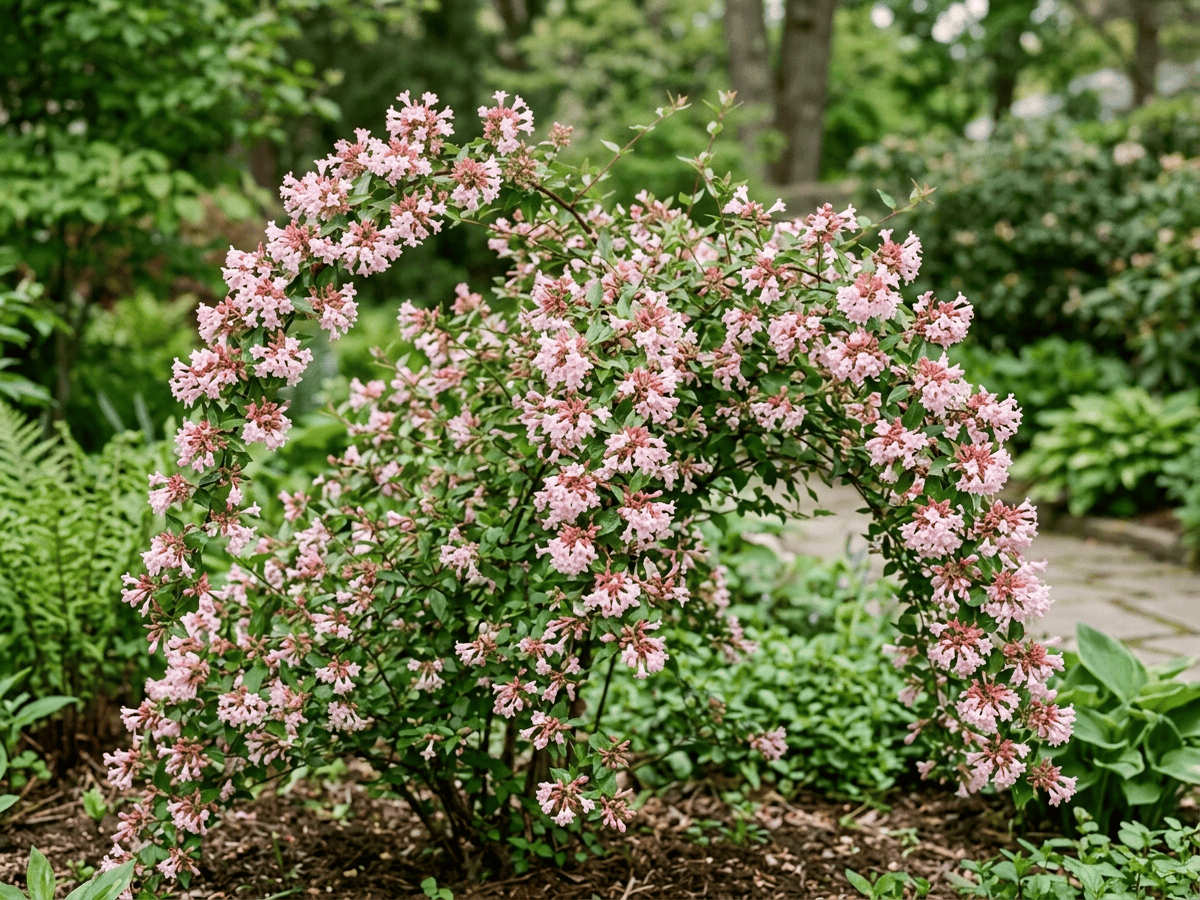 Fragrant AbeliaAbelia mosanensis
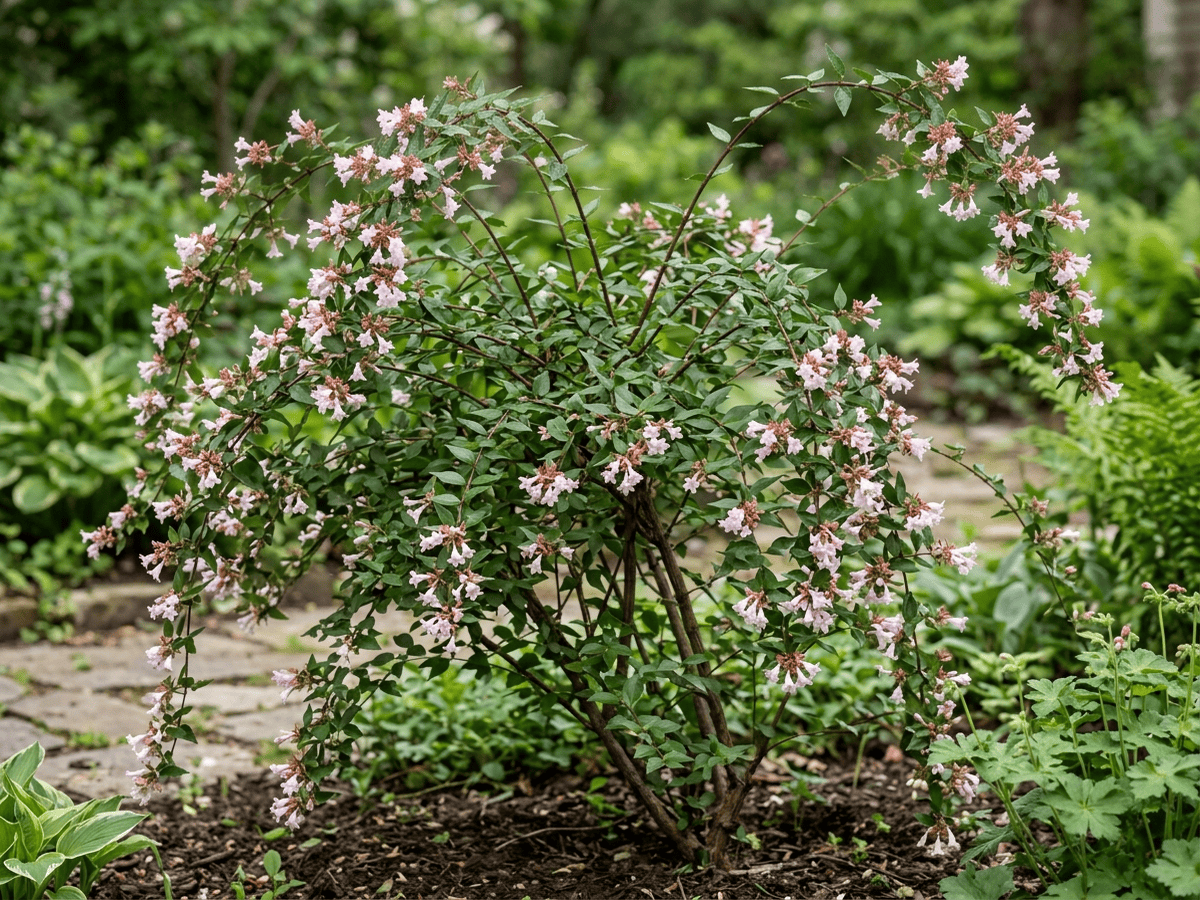 Large-Flowered AbeliaAbelia uniflora
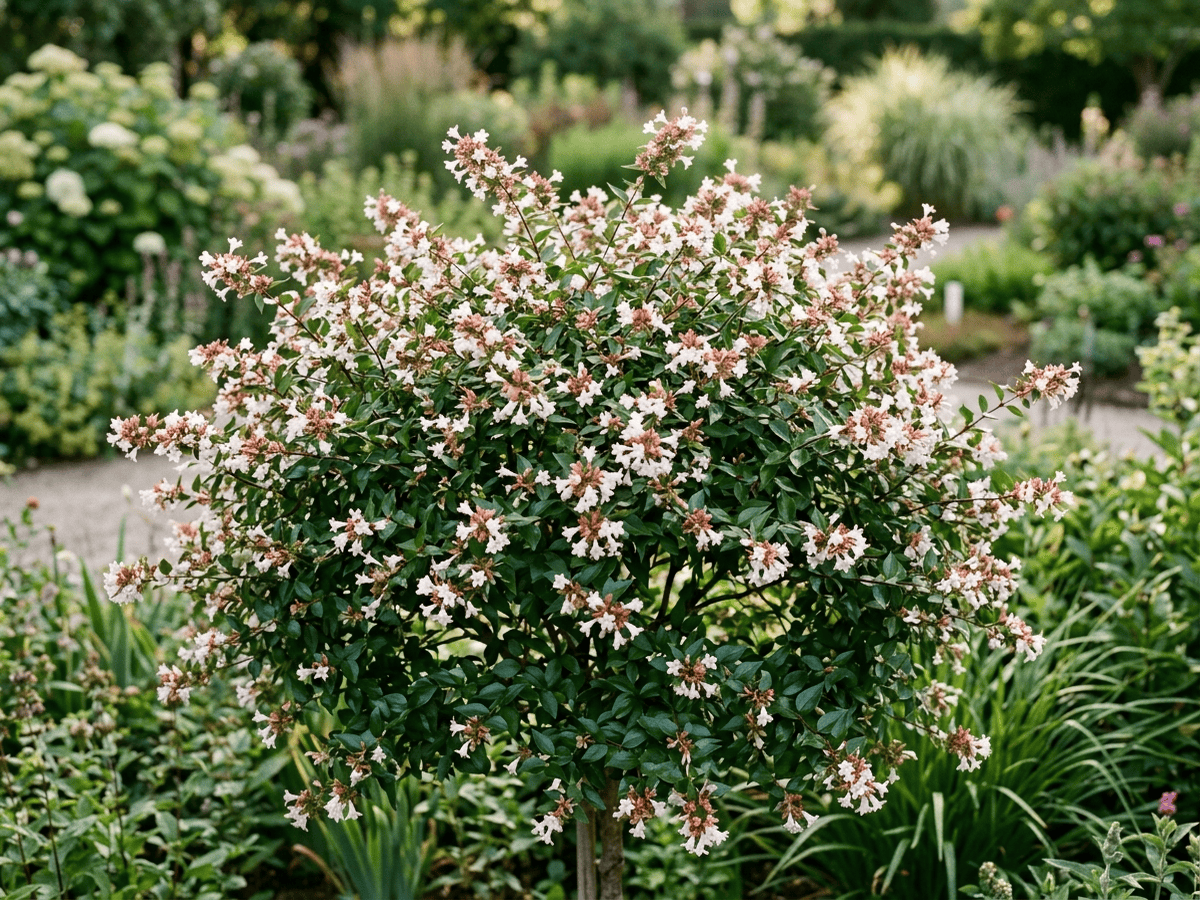 Glossy AbeliaAbelia x grandiflora
Frequently asked questions
How often should I water Palmer's Amaranth?
Water about every 14 days during the growing season, and always let excess water drain away.
How much light does Palmer's Amaranth need?
Full sun: 6+ hrs direct. Watch the leaves — scorching or stretching means the light needs adjusting.
Is Palmer's Amaranth toxic to cats or dogs?
Pets Slight (Dogs Slight · Cats Slight) Educational information, not medical or veterinary advice. If exposure is suspected, contact a doctor or veterinarian.
Is Palmer's Amaranth easy to grow?
Yes — it is considered an easy, beginner-friendly plant.
When does Palmer's Amaranth bloom?
It typically blooms Jun–Nov in the Northern Hemisphere.
YardMate
Identify any plant in seconds
Snap a photo — YardMate names the plant, diagnoses problems, and reminds you when to water.
Download on the App Store