 YardMate


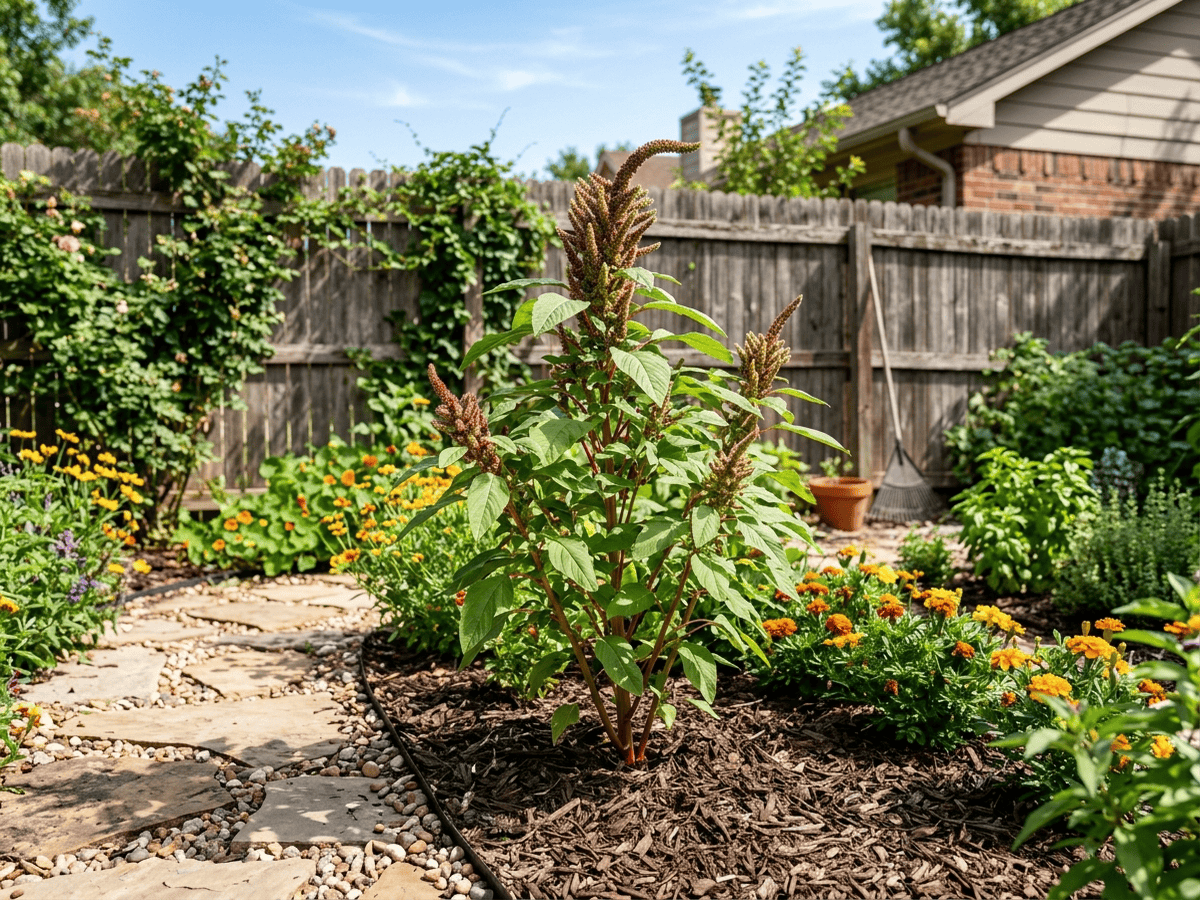
Smooth Pigweed
Amaranthus hybridus
Easy · Beginner friendlyAbout Smooth Pigweed
Smooth Pigweed is a tropical American annual widely naturalized across US farm fields and gardens, growing 2 to 7 feet tall with dense purple-tinted greenish flower spikes. Similar to Redroot Pigweed but with smoother stems and more slender flower spikes, it is a persistent warm-season weed of cropland, gardens, and waste ground. Listed as invasive across much of the eastern and midwestern US.
- Heat-tolerant
- Fast-growing
How to care for Smooth Pigweed
Watering
- Springevery 14 days
- Summerevery 7 days
- Fallevery 14 days
- Winterpause watering
Soil · Rich & well-draining
- Top dressingCompost10%
- Main mixPotting soil + compost 3:180%
- DrainageGravel10%
Top up the compost layer each season.
FERTILIZER
This plant needs little to no feeding.
At a Glance
- NativeCentral America
- Height3–6 ft (0.9–1.8 m)
- Spread1–2 ft (0.3–0.6 m)
- Flower colorGreen, Red
- Foliage colorGreen, Red
- SoilLoamy, Well-drained, Rich
- LocationsYard
Bloom time
BLOOM CYCLE
Peak bloom
Jun–Nov
Purple-tinged green flower spikes summer to fall
Toxicity
Humans Slight · Pets Slight
oxalates and nitrates
Slight
- Leaf
- Ingestion
EXPOSURE Eating leaves.
EFFECT Oxalate and nitrate content.
NOTE Seeds and leaves of cultivated grain amaranths safe and nutritious.
Slight
- All
- Ingestion
EXPOSURE Eating any part of the plant.
EFFECT GI upset.
NOTE Seeds and leaves of cultivated grain amaranths safe and nutritious.
Slight
- All
- Ingestion
EXPOSURE Eating any part of the plant.
EFFECT GI upset.
NOTE Seeds and leaves of cultivated grain amaranths safe and nutritious.
Educational information, not medical or veterinary advice. If exposure is suspected, contact a doctor or veterinarian.
DISTRIBUTION


- Native
- Introduced
- Central America
History
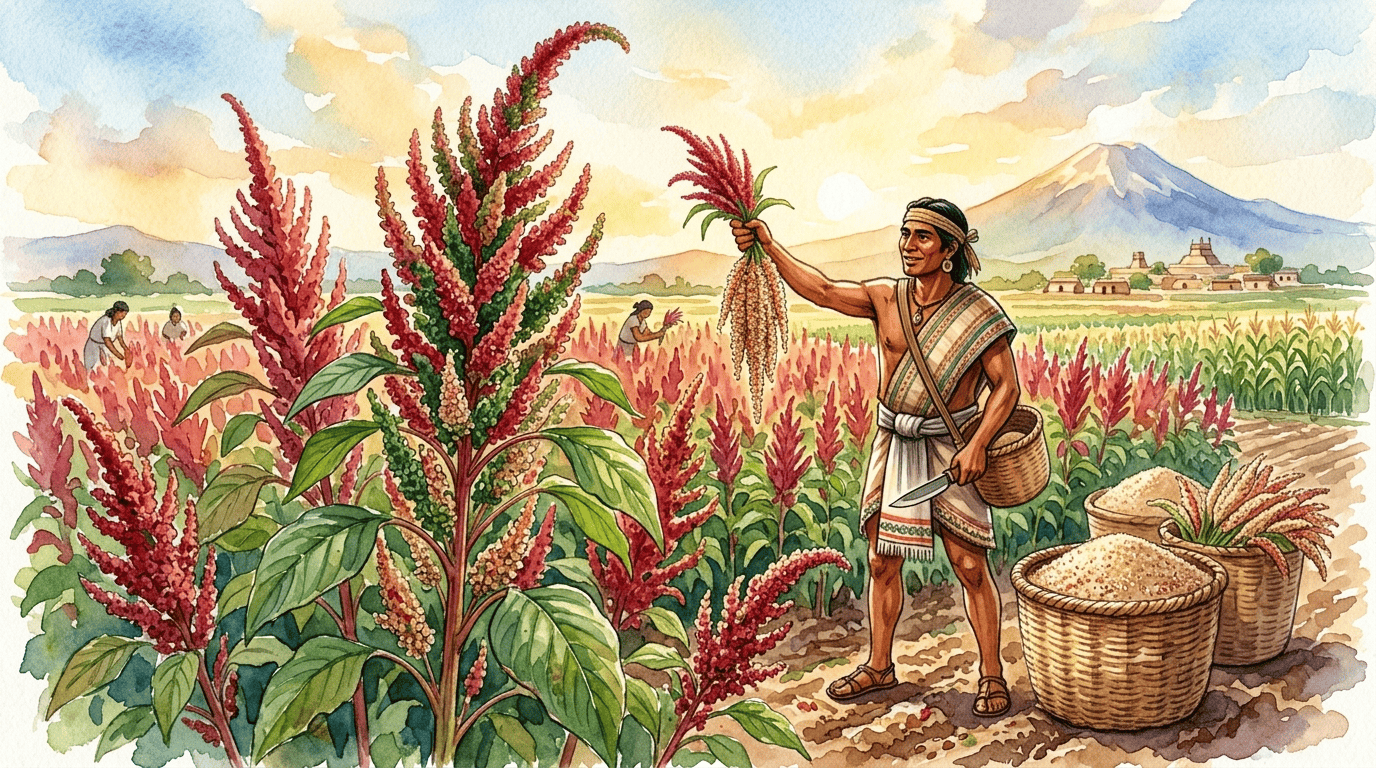
Amaranthus hybridus is native to tropical and subtropical America and is a key ancestor or close relative of the cultivated grain amaranths (A. caudatus, A. cruentus, A. hypochondriacus). Linnaeus described it in Species Plantarum (1753). Pre-Columbian Mesoamerican and Andean civilizations cultivated close relatives as principal grain crops — Aztec tribute rolls show huauhtli (grain amaranth) equaled maize and beans in importance.
Spanish colonial authorities suppressed grain amaranth because it was used in religious ceremonies combining seeds with human blood, and cultivation collapsed until 20th-century revival through the US National Academy of Sciences' 1975 recommendation as a 'lost crop'. Modern amaranth flour, popcorn, and granola represent a global revival.
Wild A. hybridus is a major agricultural weed worldwide; it gained particular notoriety in 2019 when a metabolic glyphosate resistance was identified in Argentine populations — resistance via gene amplification of the target enzyme. Native to tropical America, Smooth Pigweed is now an established agricultural weed across most of the US, co-occurring with Redroot Pigweed in corn and soybean fields. Hybridizes readily with Palmer Amaranth, sharing and spreading herbicide resistance genes across American agricultural landscapes.
Symbolism & meaning
What It Symbolizes
Smooth Pigweed stands for common increase rather than cultivated beauty — a standard American cropland weed that thrives in the disturbed margins of farms. It hybridizes freely with multiple Amaranthus species, exchanging genes across boundaries with ecological abandon. Its story is less a Victorian romance than a quiet ecological observation: that abundance and adaptability can themselves become a kind of trouble.
- Genetic exchange — hybridizes with multiple Amaranthus species
- Farm pest — standard American cropland weed
Where the Name Comes From
The name Smooth Pigweed describes its smoother texture. 'hybridus' from Latin means hybrid, reflecting variable traits and frequent hybridization with related species.
Uses & Fun Facts
- Young leaves cooked as greens; seeds ground into flour
Related plants
More Amaranthus plants
 Love-Lies-BleedingAmaranthus caudatus
 Palmer's AmaranthAmaranthus palmeri
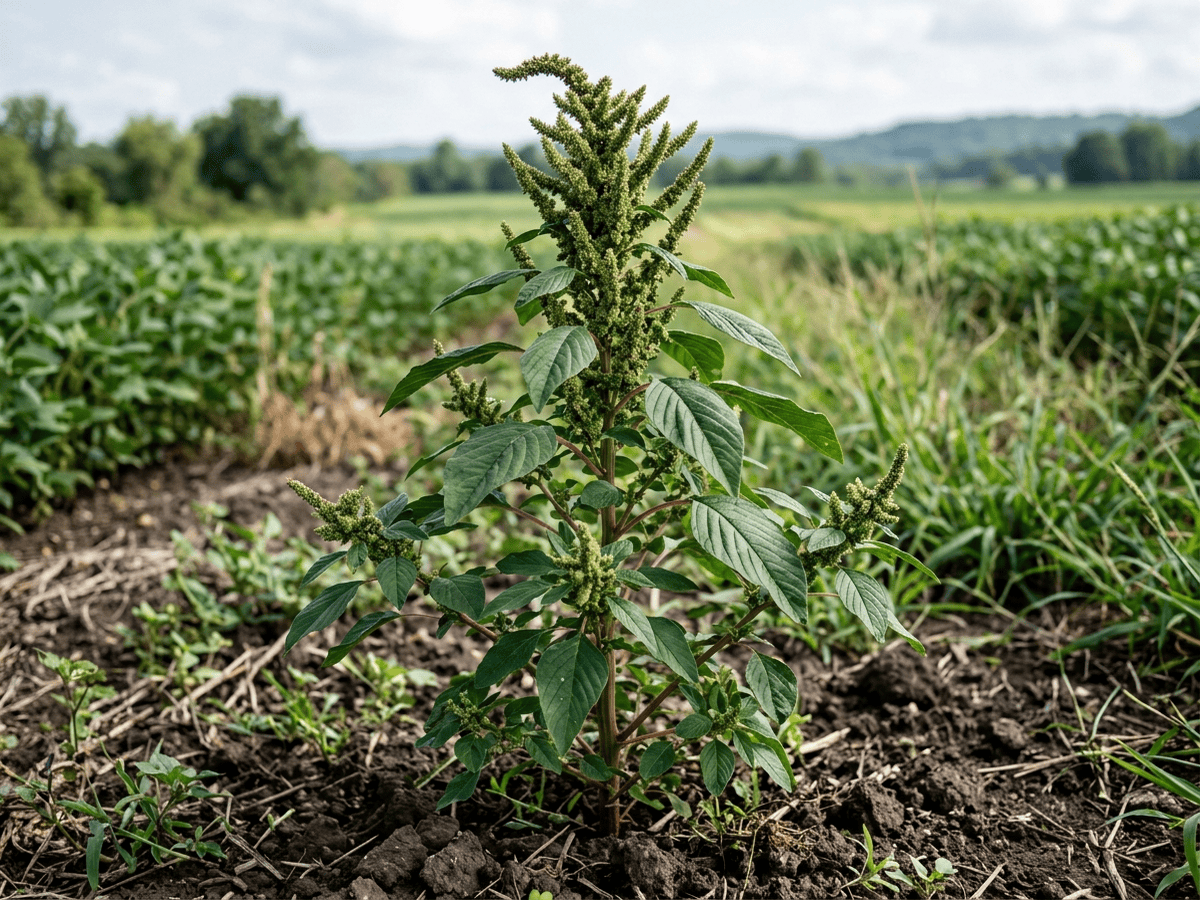 Redroot AmaranthAmaranthus retroflexus
 Spiny AmaranthAmaranthus spinosus
Plants with similar care
 Chinese AbeliaAbelia chinensis
 Fragrant AbeliaAbelia mosanensis
 Large-Flowered AbeliaAbelia uniflora
 Glossy AbeliaAbelia x grandiflora
Frequently asked questions
How often should I water Smooth Pigweed?
Water about every 14 days during the growing season, and always let excess water drain away.
How much light does Smooth Pigweed need?
Full sun: 6+ hrs direct. Watch the leaves — scorching or stretching means the light needs adjusting.
Is Smooth Pigweed toxic to cats or dogs?
Pets Slight (Dogs Slight · Cats Slight) Educational information, not medical or veterinary advice. If exposure is suspected, contact a doctor or veterinarian.
Is Smooth Pigweed easy to grow?
Yes — it is considered an easy, beginner-friendly plant.
When does Smooth Pigweed bloom?
It typically blooms Jun–Nov in the Northern Hemisphere.
YardMate
Identify any plant in seconds
Snap a photo — YardMate names the plant, diagnoses problems, and reminds you when to water.
Download on the App Store