 YardMate


Spiny Amaranth
Amaranthus spinosus
Easy · Beginner friendlyAbout Spiny Amaranth
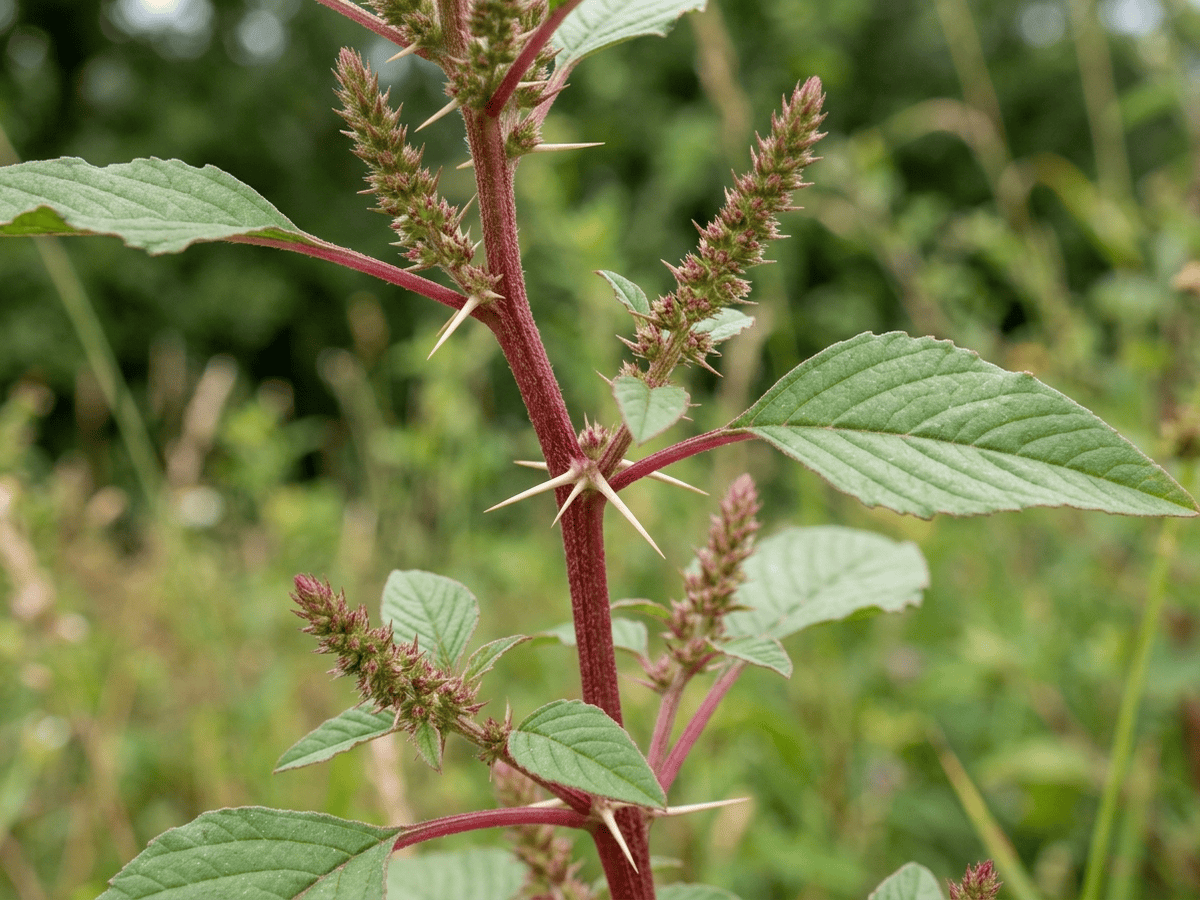
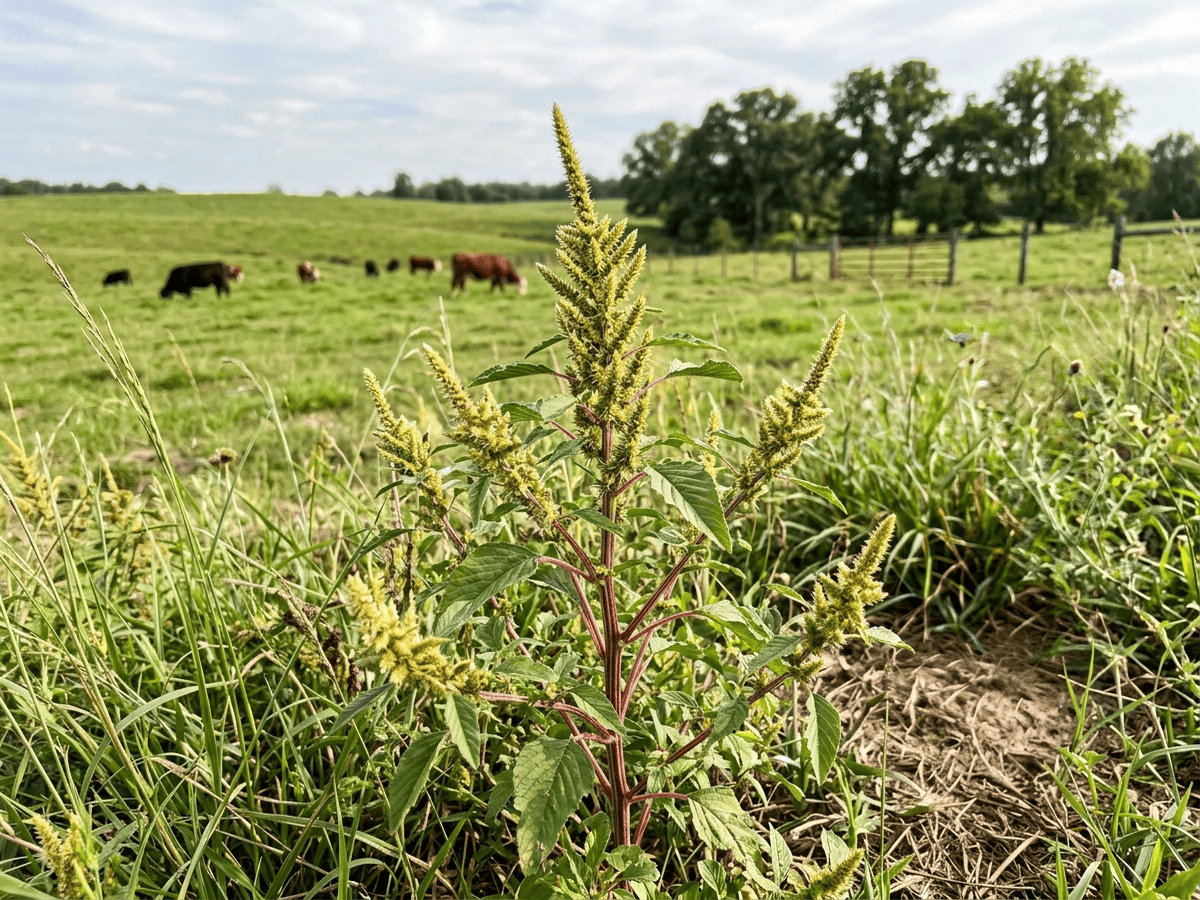
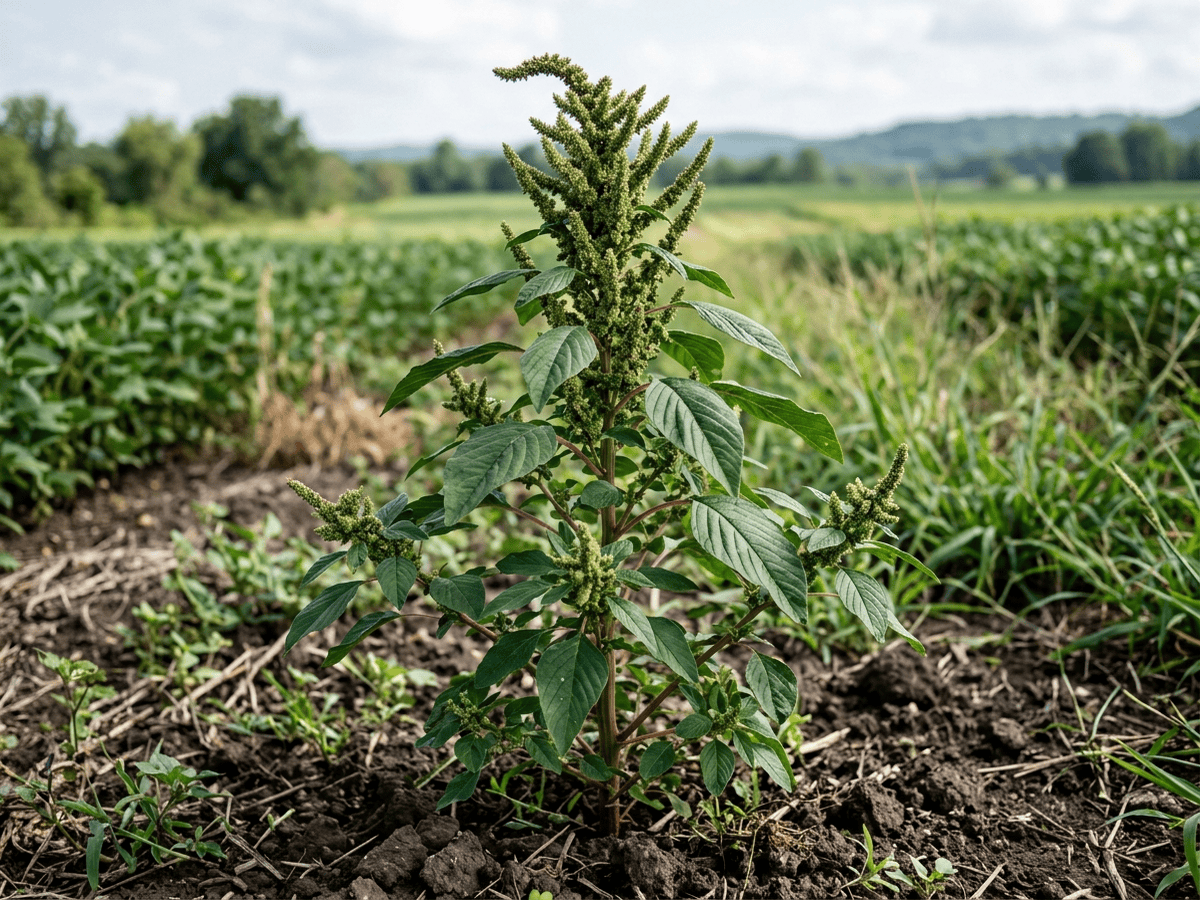
Spiny Amaranth is a tropical American annual weed distinguished by paired sharp spines at each leaf node, now naturalized across the southern US as a pasture and cropland pest. Growing 1 to 4 feet tall with reddish stems and dense green flower spikes, the spines make it painful to handle and dangerous to grazing livestock. Listed as noxious in multiple southern states and a serious pasture weed across the Gulf Coast.
- Heat-tolerant
How to care for Spiny Amaranth
Watering
- Springevery 14 days
- Summerevery 7 days
- Fallevery 14 days
- Winterpause watering
Soil · Rich & well-draining
- Top dressingCompost10%
- Main mixPotting soil + compost 3:180%
- DrainageGravel10%
Top up the compost layer each season.
FERTILIZER
This plant needs little to no feeding.
At a Glance
- NativeCentral America
- Height2–4 ft (0.6–1.2 m)
- Spread1–2 ft (0.3–0.6 m)
- Flower colorGreen
- Foliage colorGreen, Red
- SoilWell-drained, Loamy, Sandy
- LocationsYard
Bloom time
BLOOM CYCLE
Peak bloom
Jun–Nov
Greenish flower spikes summer to fall, paired with sharp stem spines
Toxicity
Humans Slight · Pets Slight
oxalates and nitrates
Slight
- Stem
- Contact
- Ingestion
EXPOSURE Touching stems. Eating stems.
EFFECT Skin puncture from spines and oxalate content.
NOTE Spines cause mechanical injury. Leaves widely eaten as a tropical vegetable when young.
Slight
- Stem
- Contact
EXPOSURE Touching stems.
EFFECT Spine puncture.
NOTE Spines cause mechanical injury. Leaves widely eaten as a tropical vegetable when young.
Slight
- Stem
- Contact
EXPOSURE Touching stems.
EFFECT Spine puncture.
NOTE Spines cause mechanical injury. Leaves widely eaten as a tropical vegetable when young.
Educational information, not medical or veterinary advice. If exposure is suspected, contact a doctor or veterinarian.
DISTRIBUTION

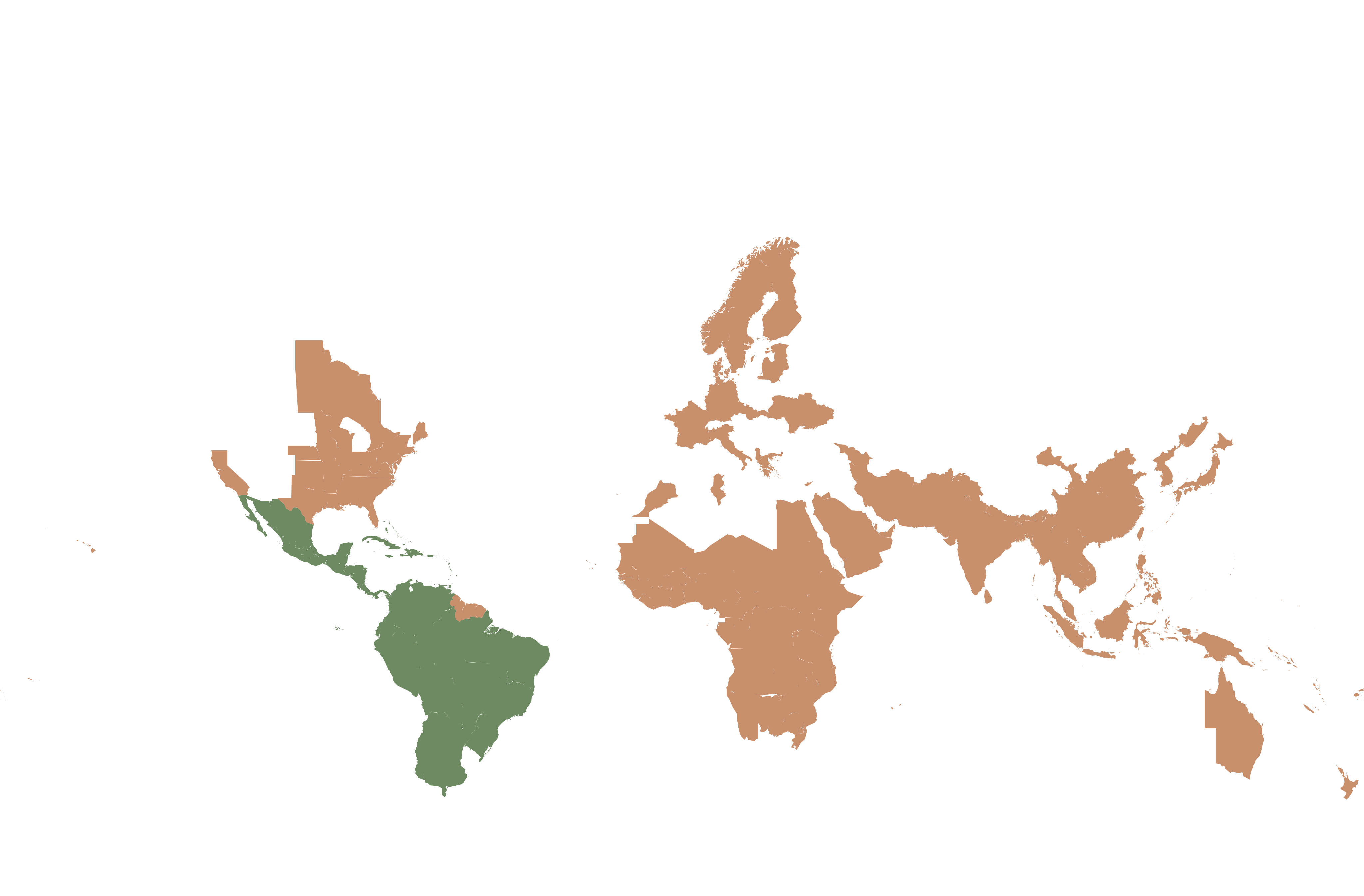
- Native
- Introduced
- Central America
History
Amaranthus spinosus is native to tropical America and has spread across the tropics worldwide. Linnaeus described it in Species Plantarum (1753). Its distinctive paired axillary spines at each leaf node — up to 1 cm long — distinguish it from other pigweeds and give the common name; the spines make manual weeding painful for farm workers and livestock avoid grazing it.
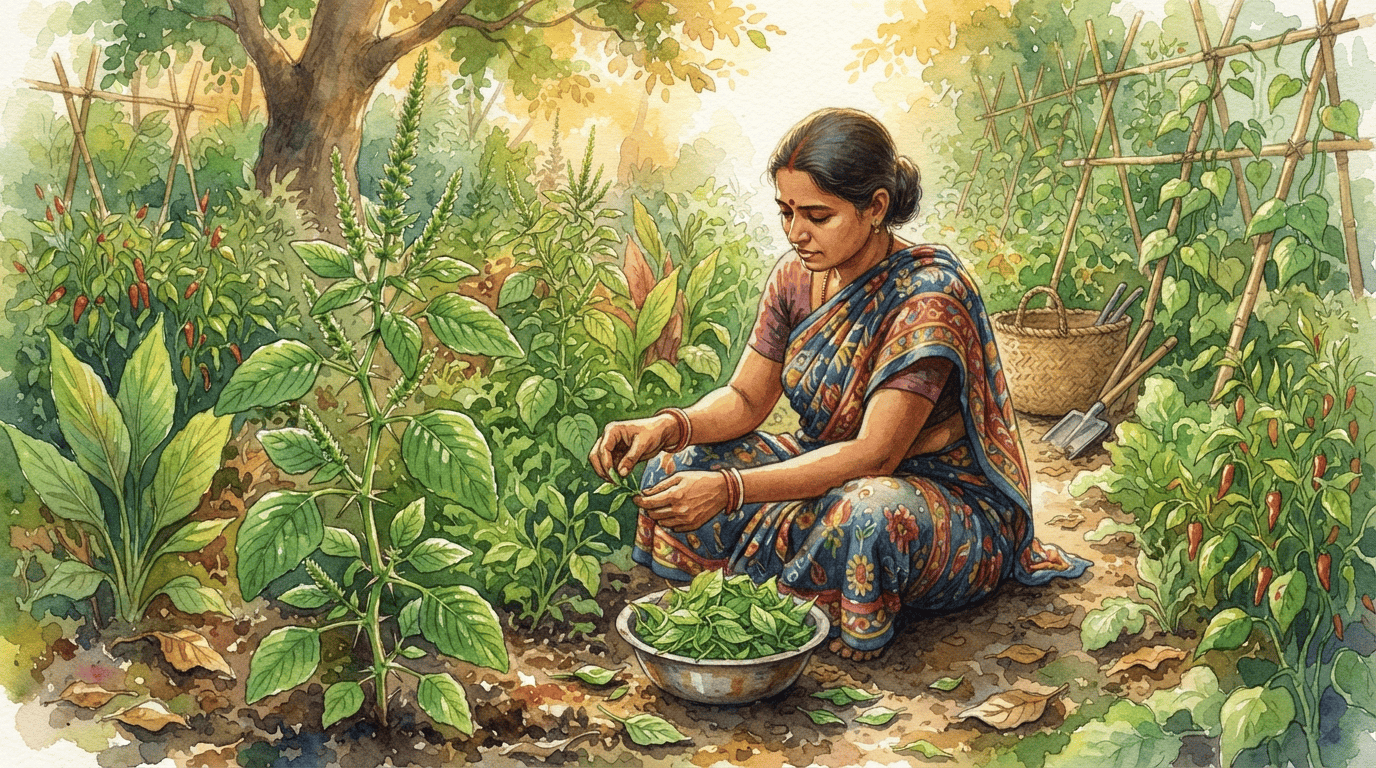
Despite its spines, the young leaves are a staple green vegetable across tropical Asia and Africa: in India it is called chaulai, mulli keerai, or tandalja and is a common cooked green; in Southeast Asia it is bayam duri. The leaves are stripped from the spiny stems by hand.
In Ayurvedic medicine, root decoctions treat colic, diarrhea, and hemorrhoids. Of agricultural concern, it is a major weed of sugarcane, rice, and vegetable crops across the global tropics and is increasingly herbicide resistant. Listed as noxious in Arkansas and other southern states due to severe impact on livestock grazing and cotton and soybean production.
Symbolism & meaning
What It Symbolizes
Spiny Amaranth bristles with Defensive hostility — paired thorns at every leaf node turn each stem into armor. Across the Gulf Coast it earns its reputation as a Southern pest, choking pastures and punishing the hands that try to clear it. This is no flower of welcome; it is the green expression of refusal, beauty replaced by warning.
- Armored defense — paired spines at every leaf node
- Southern pest — serious pasture weed of Gulf Coast
Where the Name Comes From
'spinosus' from Latin means spiny, for the paired thorns at each leaf node.
Uses & Fun Facts
- Young leaves cooked as nutritious greens in tropical regions
- Roots and leaves used in folk remedies for inflammation
Related plants
More Amaranthus plants
 Love-Lies-BleedingAmaranthus caudatus
 Smooth PigweedAmaranthus hybridus
 Palmer's AmaranthAmaranthus palmeri
 Redroot AmaranthAmaranthus retroflexus
Plants with similar care
 Chinese AbeliaAbelia chinensis
 Fragrant AbeliaAbelia mosanensis
 Large-Flowered AbeliaAbelia uniflora
 Glossy AbeliaAbelia x grandiflora
Frequently asked questions
How often should I water Spiny Amaranth?
Water about every 14 days during the growing season, and always let excess water drain away.
How much light does Spiny Amaranth need?
Full sun: 6+ hrs direct. Watch the leaves — scorching or stretching means the light needs adjusting.
Is Spiny Amaranth toxic to cats or dogs?
Pets Slight (Dogs Slight · Cats Slight) Educational information, not medical or veterinary advice. If exposure is suspected, contact a doctor or veterinarian.
Is Spiny Amaranth easy to grow?
Yes — it is considered an easy, beginner-friendly plant.
When does Spiny Amaranth bloom?
It typically blooms Jun–Nov in the Northern Hemisphere.
YardMate
Identify any plant in seconds
Snap a photo — YardMate names the plant, diagnoses problems, and reminds you when to water.
Download on the App Store