 YardMate


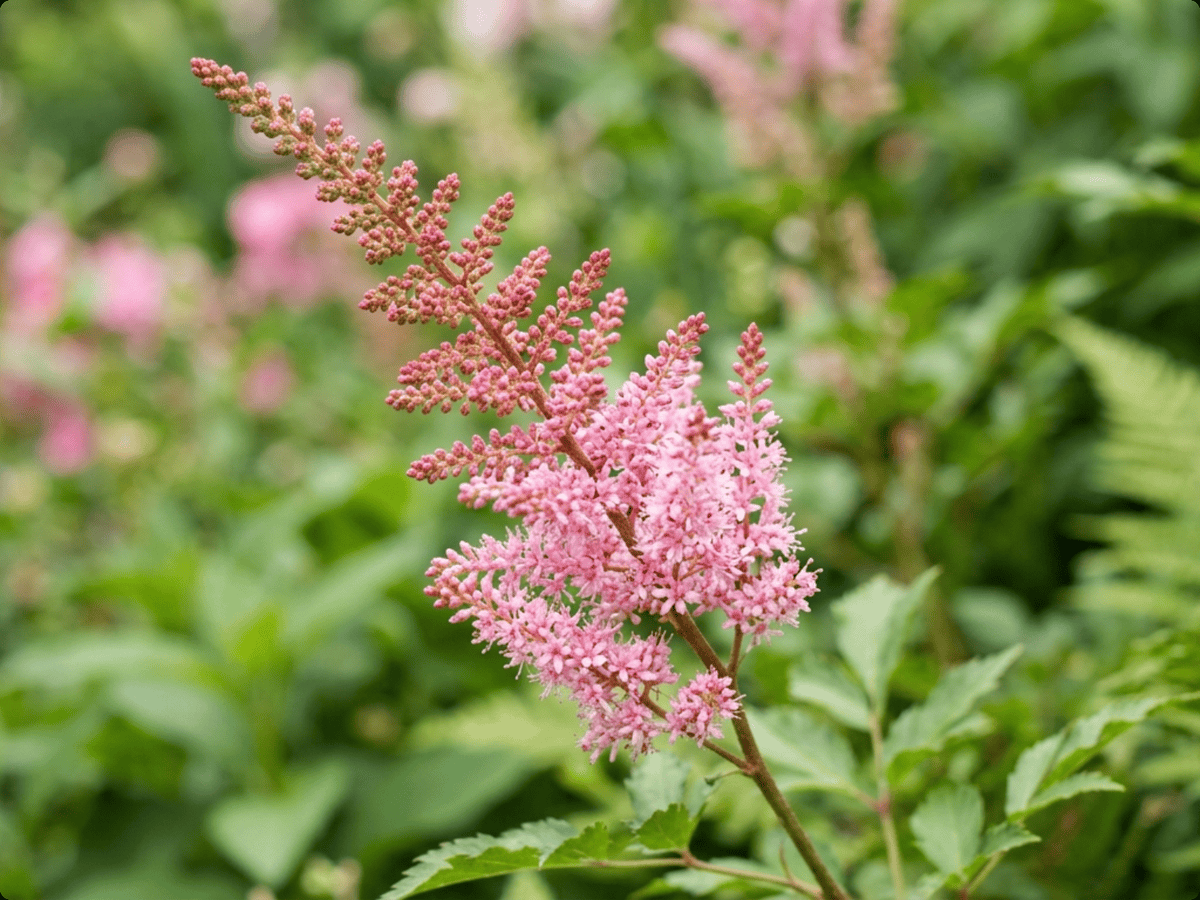

Astilbe
Astilbe x arendsii
Easy · Beginner friendlyAbout Astilbe
Astilbe x arendsii, the false goat's beard, produces feathery, plume-like flower panicles in shades of pink, red, purple, white, and lavender above finely divided, fern-like foliage. One of the best perennials for shade gardens, it thrives in moist, rich soil where few other flowering plants perform well. Growing 45–90 cm tall, the fluffy flower plumes last for weeks and dry attractively on the plant for winter interest. Named after German nurseryman Georg Arends who developed most modern hybrids in the early 1900s. It is virtually pest-free.
- Shade-tolerant
- Deer-resistant
How to care for Astilbe
Watering
- Springevery 5 days
- Summerevery 3 days
- Fallevery 7 days
- Winterevery 14 days
Soil · Moisture-retentive
- Top dressingSphagnum moss10%
- Main mixPeat + coco coir 1:180%
- DrainagePerlite / gravel10%
Keep it evenly moist — but the drainage layer still matters.
FERTILIZER
Balanced Feed 14-14-14
An even feed covers all three needs at once, keeping leaves, roots and blooms moving together with nothing pushed out of balance.
- Nitrogen · Leaves
- Phosphorus · Roots + Blooms
- Potassium · Strength
- Springevery 21 days
- Summerevery 21 days
At a Glance
- NativeEast Asia
- Height2–4 ft (0.6–1.2 m)
- Spread2–3 ft (0.6–0.9 m)
- Flower colorPink, White, Red, Purple
- Foliage colorGreen, Bronze, Red
- SoilLoamy, Moisture-retentive, Rich
- LocationsYard
Bloom time
BLOOM CYCLE
Peak bloom
Jun–Aug
Feathery plumes in shade; needs consistent moisture; dried seed heads provide winter interest
Fragrance
LIGHT FRAGRANCE
The flowers have a subtle sweet scent.
Toxicity
Pets Safe
None reported
Not reported
EXPOSURE No exposure route is reported.
EFFECT No significant toxicity.
NOTE No human toxicity is reported in this catalog; avoid eating ornamental plants unless confirmed edible.
Safe
EXPOSURE No exposure route is reported.
EFFECT Not listed as toxic by ASPCA.
NOTE Listed as non-toxic for dogs; avoid eating ornamental plants unless confirmed edible.
Safe
EXPOSURE No exposure route is reported.
EFFECT Not listed as toxic by ASPCA.
NOTE Listed as non-toxic for cats; avoid eating ornamental plants unless confirmed edible.
Educational information, not medical or veterinary advice. If exposure is suspected, contact a doctor or veterinarian.
DISTRIBUTION


- Native
- East Asia
History
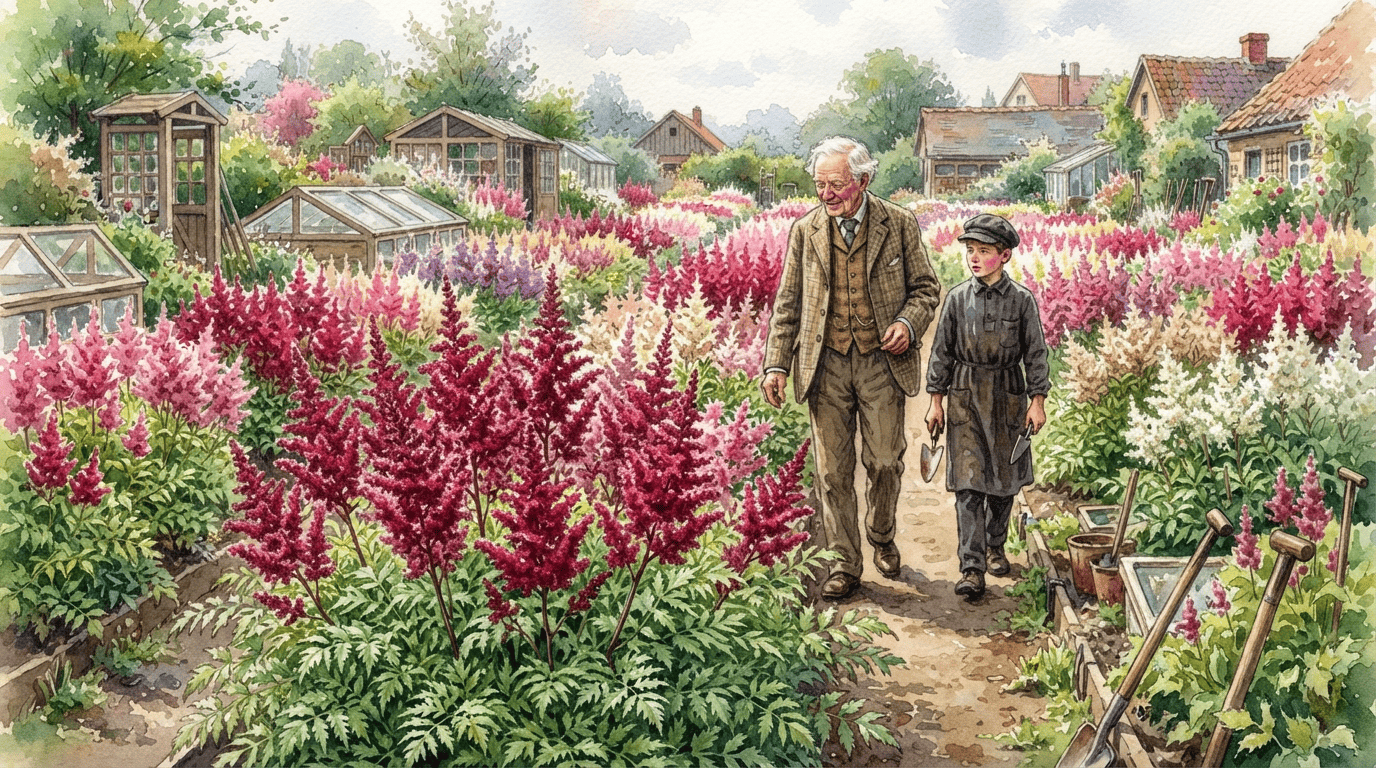
Georg Arends (1863-1952) of Ronsdorf, Germany, dedicated half a century to hybridizing Astilbe, crossing primarily A. astilboides, A. chinensis, A. japonica, and A. thunbergii — all native to East Asian moist woodlands and stream margins. Beginning with his 1902 crosses, he introduced over seventy named cultivars including "Fanal" (1933), "Amethyst" (1920), and "Bressingham Beauty" that remain in commerce today. His Arendsii Group plants combined the larger flower plumes of A. japonica with the color range and vigor of A. chinensis, producing a reliable shade perennial.
Alan Bloom at Bressingham Gardens in England popularized them through British garden-center culture in the mid-20th century. They are now essential components of shade borders, wetland plantings, and woodland gardens throughout temperate regions. His astilbe hybrids, developed from the 1900s through the 1940s, remain the backbone of the modern astilbe market — cultivars like 'Fanal' (dark red, 1933) and 'Bridal Veil' (white, 1929) are still among the best-sellers nearly a century later.
The wild parent species come from East Asia and North America. Astilbe is one of the few perennials that can provide continuous color in deep shade — early, mid, and late varieties extend bloom from June through September. Dutch designer Piet Oudolf features astilbe extensively in his naturalistic plantings.
Symbolism & meaning
What It Symbolizes
Astilbe expresses patience, thriving in the shaded corners where flashier flowers refuse to bloom. Its feathery plumes rise quietly in damp woodland soil, year after year, asking little and giving much. It marks the persistence of those who flourish out of the spotlight, finding their grace in the conditions others would call limitations. Its is a quiet, layered devotion to the shade.
- Patience — Thriving in shade where others cannot, it represents quiet persistence and grace
Where the Name Comes From
Astilbe from Greek 'a-' (without) and 'stilbe' (brilliance), ironically named for the small individual flowers — though the plume effect is quite brilliant. Arendsii honors Georg Arends.
Uses & Fun Facts
- Feathery plumes light up moist shade gardens
- Plume-like panicles dry well for arrangements
Related plants
More Astilbe plants
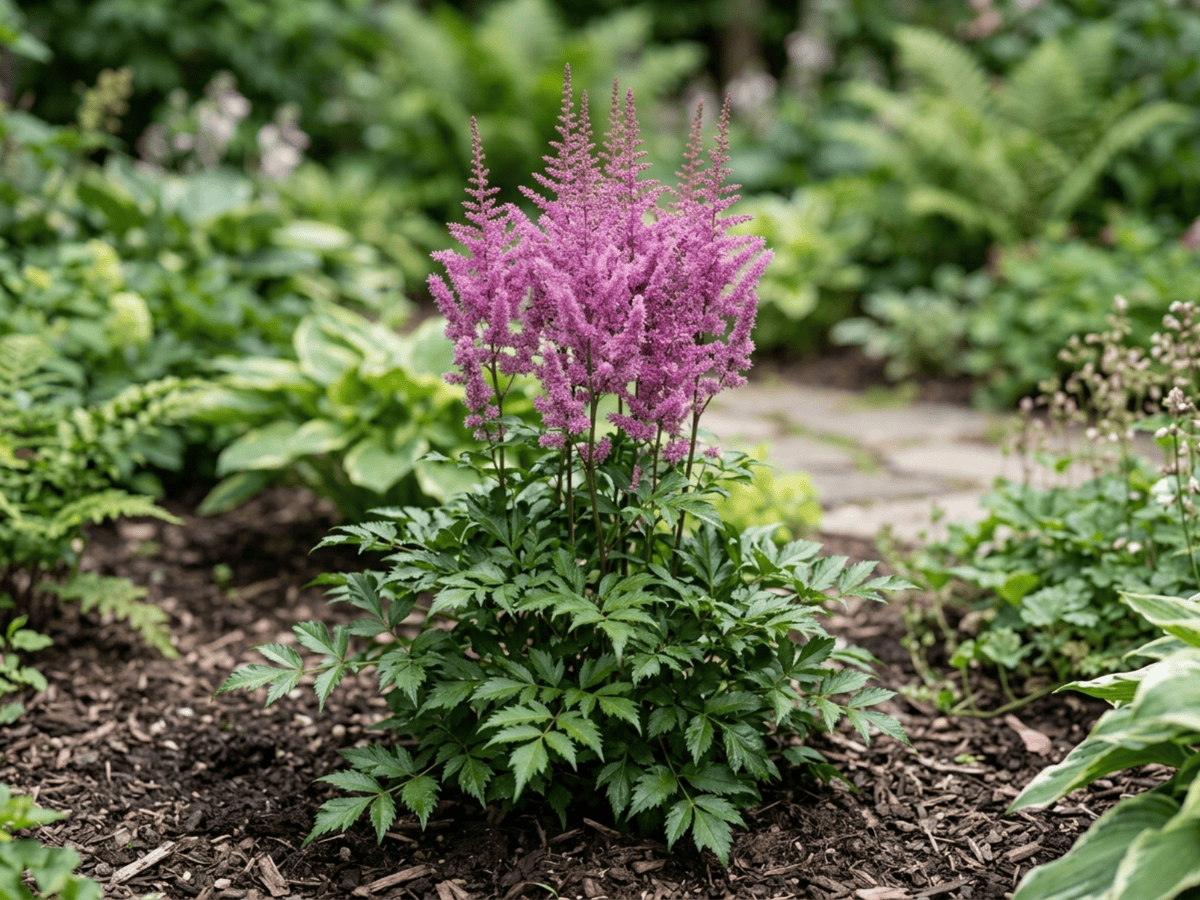 Tall False-Buck's-BeardAstilbe chinensis
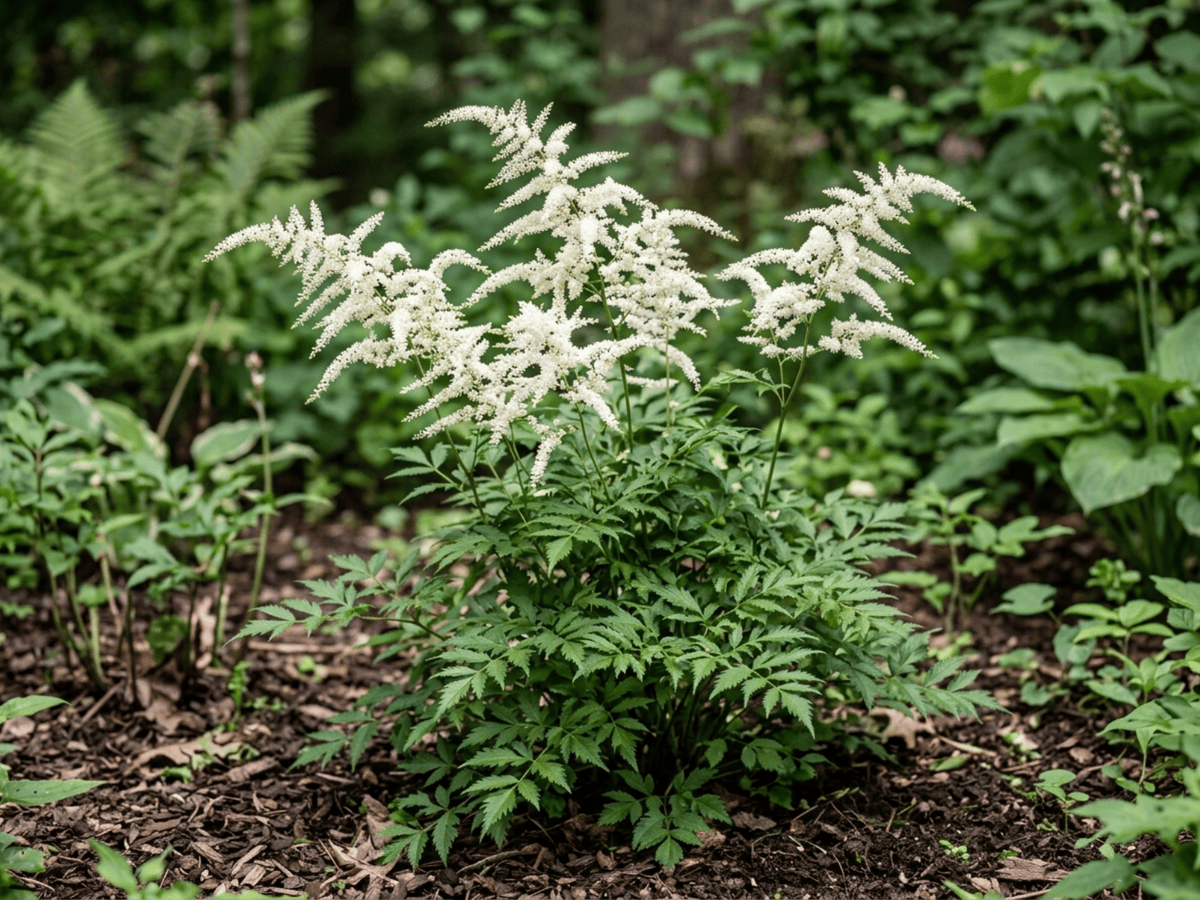 False-Buck's-BeardAstilbe japonica
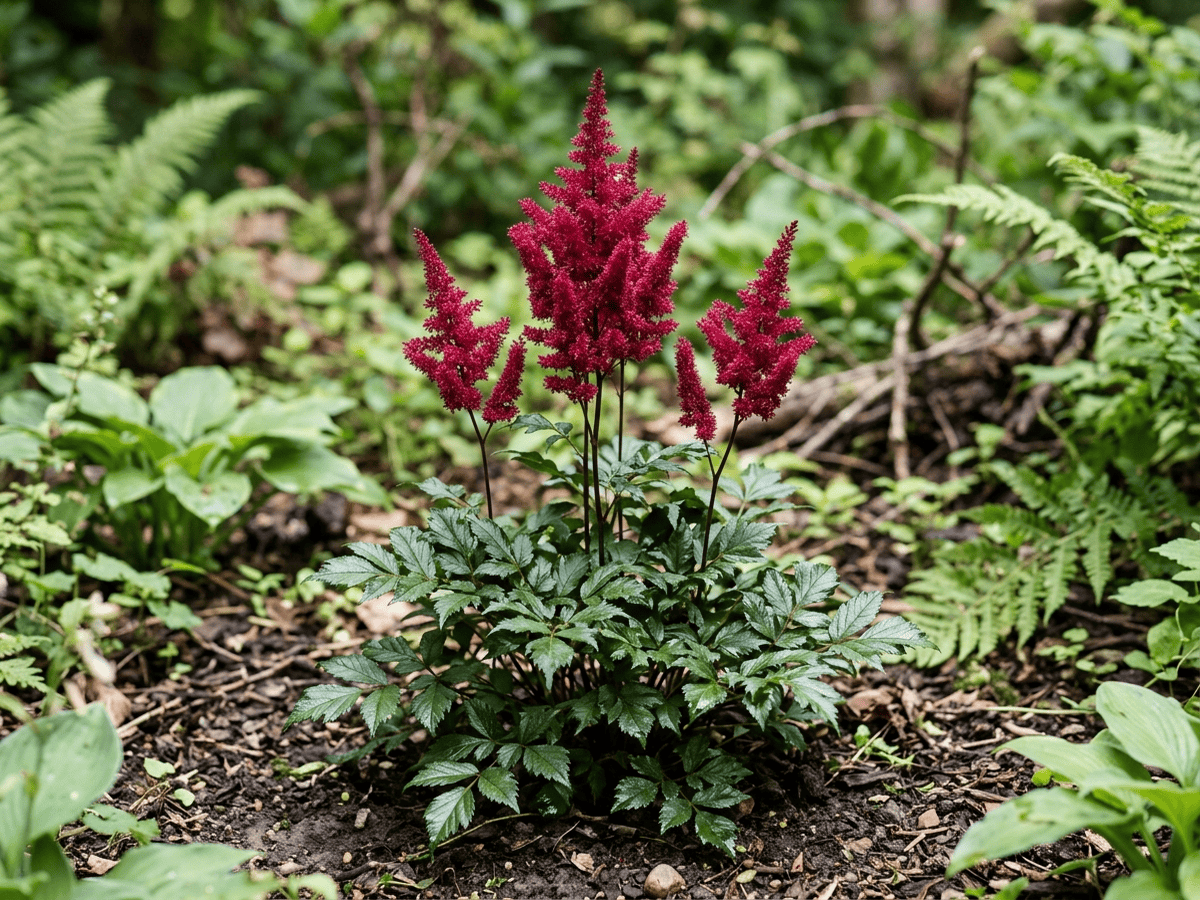 Tall False-Buck's-BeardAstilbe rubra
 Entire-Leaf False Goat’s BeardAstilbe simplicifolia
Plants with similar care
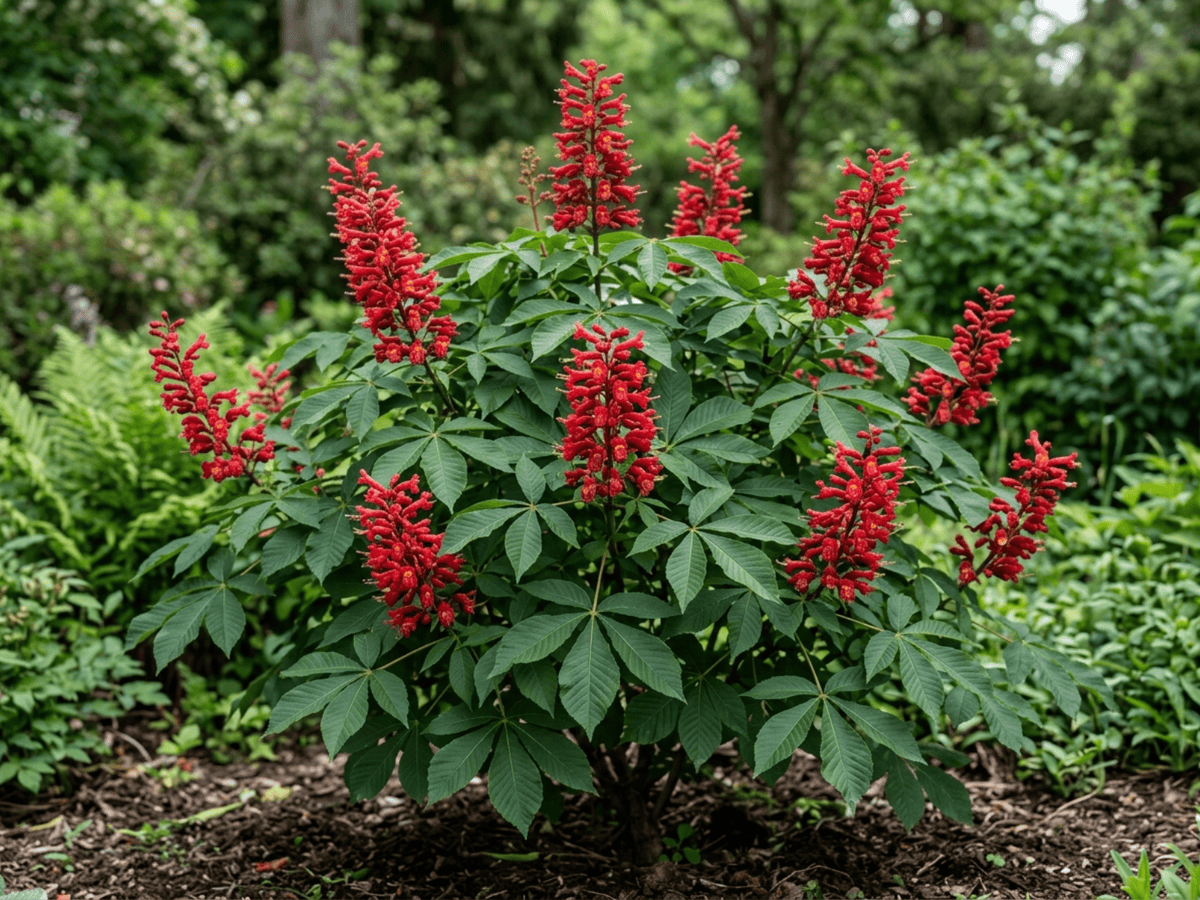 Red BuckeyeAesculus pavia
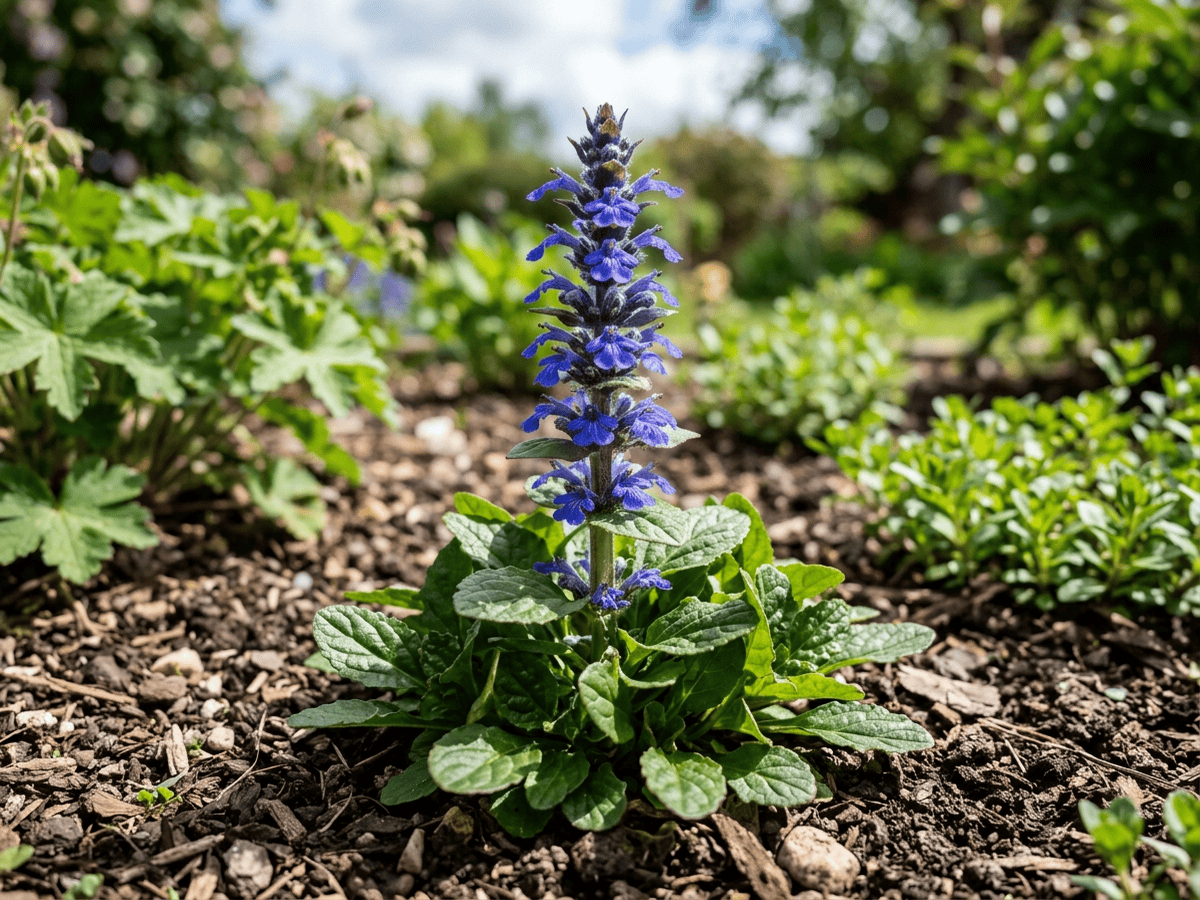 Blue BugleAjuga genevensis
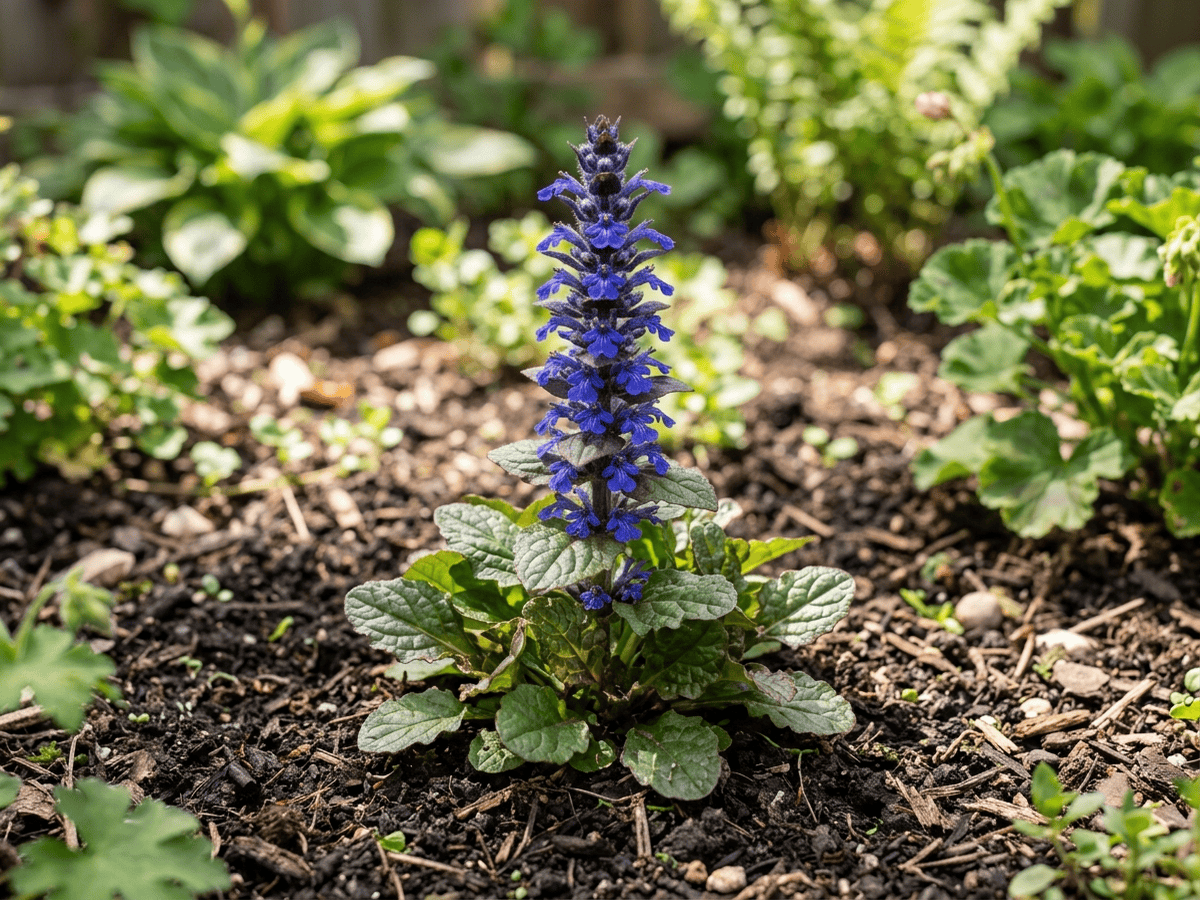 Pyramidal BugleAjuga pyramidalis
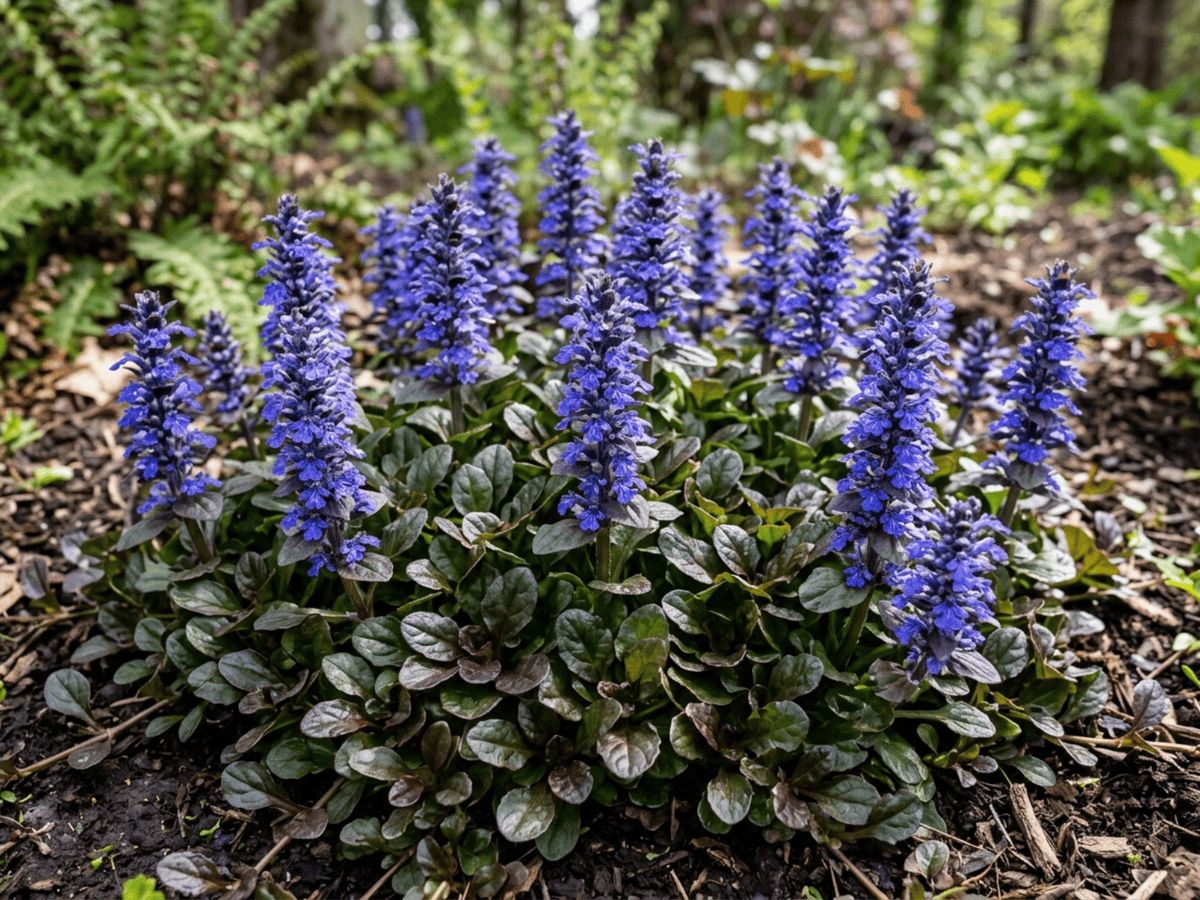 Carpet BugleAjuga reptans
Frequently asked questions
How often should I water Astilbe?
In summer, water about every 3 days; in winter, about every 14 days. Adjust for heat, pot size and drainage.
How much light does Astilbe need?
Part shade: 2–4 hrs direct. Watch the leaves — scorching or stretching means the light needs adjusting.
Is Astilbe toxic to cats or dogs?
Pets Safe (Dogs Safe · Cats Safe) Educational information, not medical or veterinary advice. If exposure is suspected, contact a doctor or veterinarian.
Is Astilbe easy to grow?
Yes — it is considered an easy, beginner-friendly plant.
When does Astilbe bloom?
It typically blooms Jun–Aug in the Northern Hemisphere.
YardMate
Identify any plant in seconds
Snap a photo — YardMate names the plant, diagnoses problems, and reminds you when to water.
Download on the App Store