 YardMate
Martin's Spurge
Euphorbia × martini
Hard · Experienced growersAbout Martin's Spurge
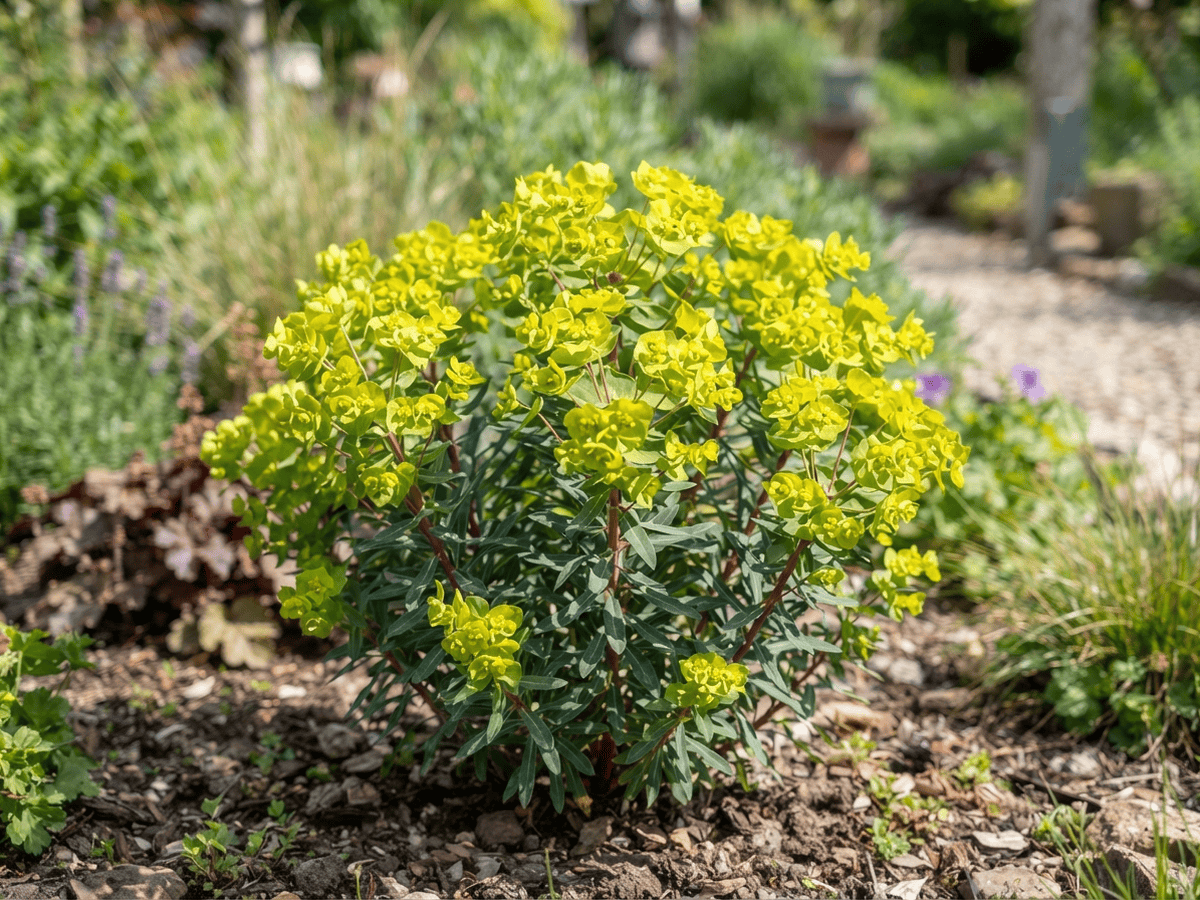
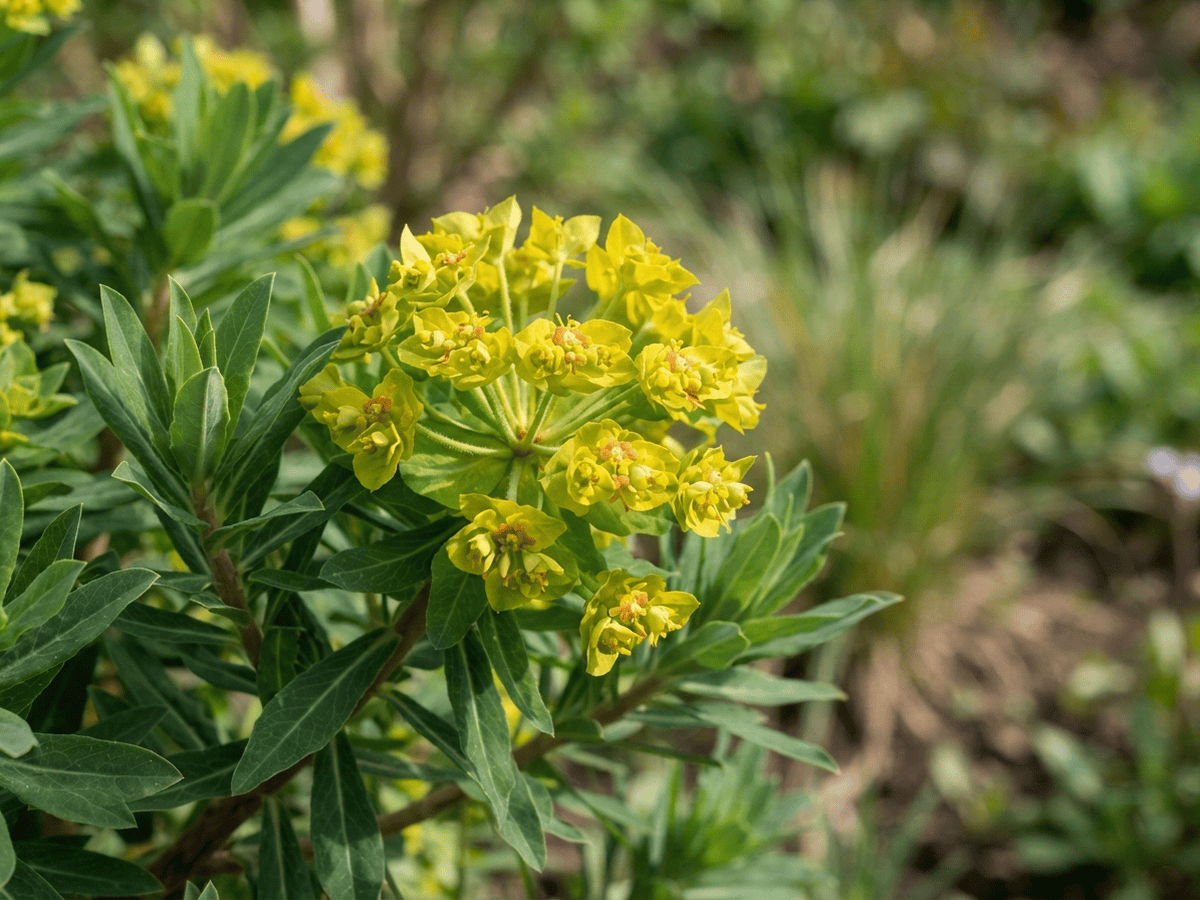
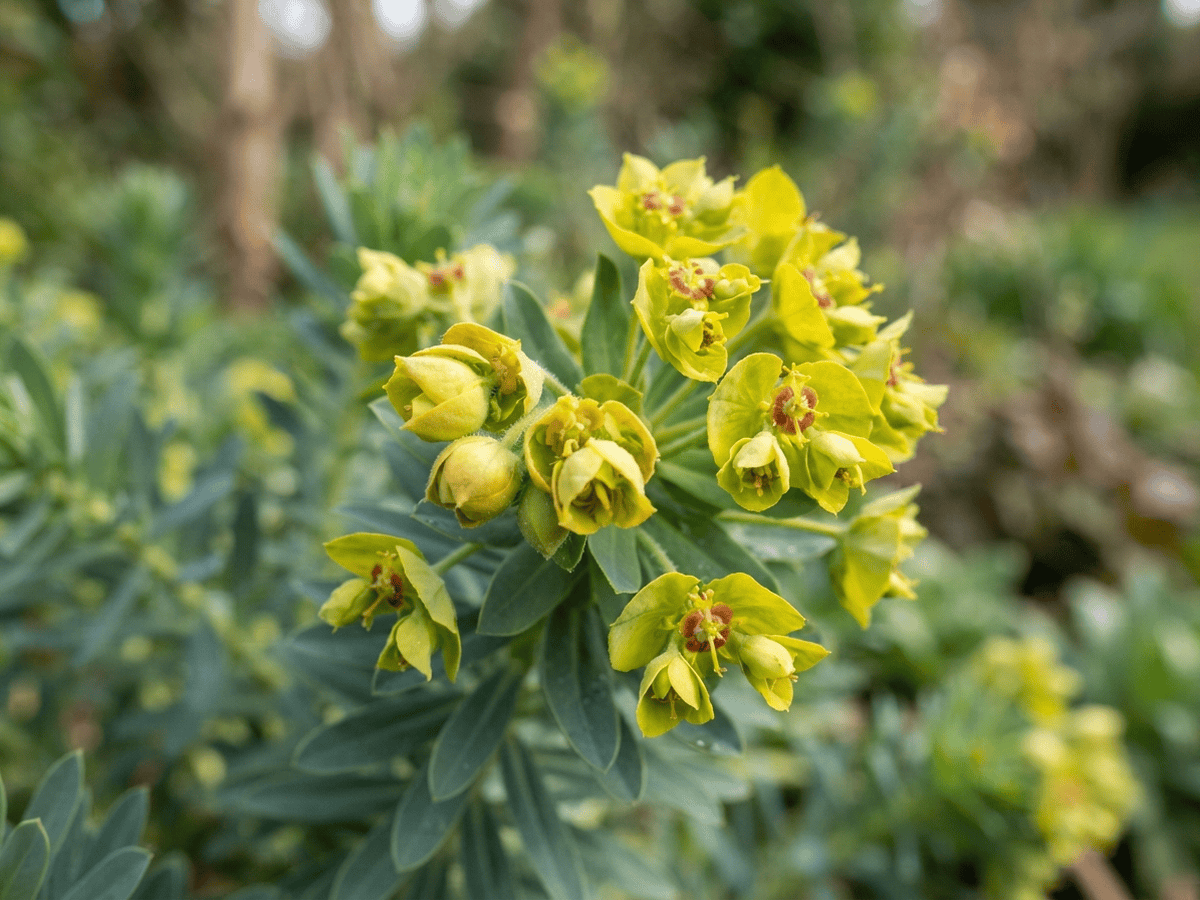
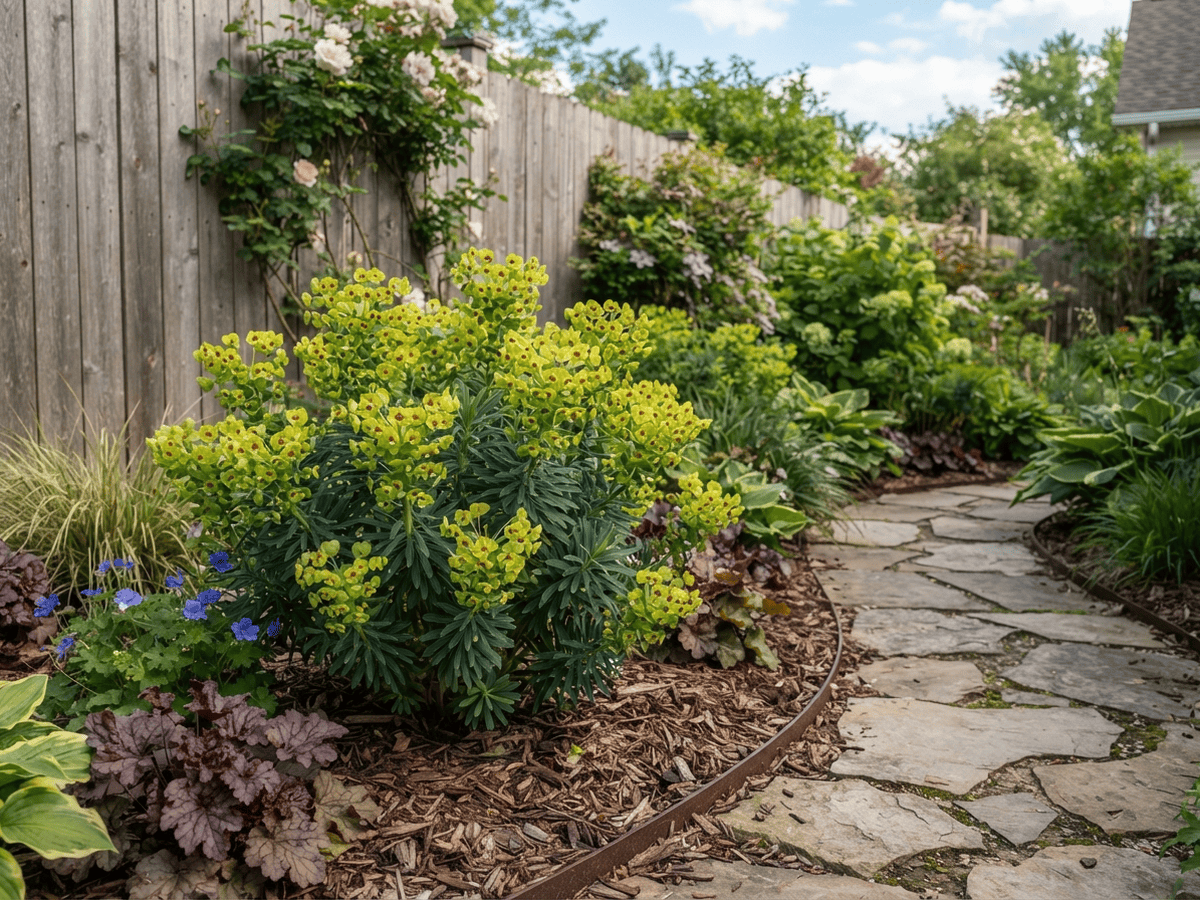
Martin's Spurge is a compact, sub-shrubby evergreen perennial forming tidy mounds of narrow, grey-green leaves that often flush burgundy or purple along the stems, especially in cool weather. In spring, rounded clusters of chartreuse flower heads open above the foliage, each one centered with a small dark red-purple eye where the true flowers meet at the nectar glands. A naturally occurring hybrid between two Mediterranean spurges, it thrives in poor, well-drained, alkaline soil and full sun, tolerating drought, salt, and neglect once established. Like other spurges, its stems ooze a milky, irritant sap when cut, so it is best handled with gloves; in the garden it suits gravel beds, dry borders, and Mediterranean-style plantings.
- Drought-tolerant
- Evergreen
- Showy-fruit
- Compact
How to care for Martin's Spurge
Watering
- Springevery 10 days
- Summerevery 5 days
- Fallevery 20 days
- Winterevery 30 days
Soil · Fast-draining
- Main mixSand + pumice + soil 1:1:150%
- DrainagePumice / gravel50%
Keep grit at half the mix or more — this soil is meant to dry out fast.
FERTILIZER
- Springevery 30 days
- Summerevery 60 days
At a Glance
- NativeMediterranean
- Height1–2 ft (0.3–0.6 m)
- Spread2–3 ft (0.6–0.9 m)
- Flower colorYellow
- Foliage colorGreen
- Fruit colorRed
- SoilWell-drained, Alkaline
- LocationsYard · Patio
Bloom time
BLOOM CYCLE
Peak bloom
May–Jun
This plant flowers in May and June, with abundant and beautiful blossoms.
Toxicity
Humans Moderate · Pets Moderate
diterpene esters
Moderate
- All
- Stem
- Leaf
- Sap
- Contact
- Ingestion
EXPOSURE Contact with any part of the plant, stems, and leaves. Touching any part of the plant, stems, and leaves. Eating any part of the plant, stems, and leaves.
EFFECT Skin irritation, eye irritation, nausea and vomiting if ingested, and mouth and throat irritation.
NOTE Milky latex sap is irritant to skin, eyes, and mucous membranes; can cause vomiting and mouth irritation if ingested by people or pets.
Moderate
- All
- Stem
- Leaf
- Sap
- Contact
- Ingestion
EXPOSURE Contact with any part of the plant, stems, and leaves. Touching any part of the plant, stems, and leaves. Eating any part of the plant, stems, and leaves.
EFFECT Oral and skin irritation, vomiting, and drooling.
NOTE Milky latex sap is irritant to skin, eyes, and mucous membranes; can cause vomiting and mouth irritation if ingested by people or pets.
Moderate
- All
- Stem
- Leaf
- Sap
- Contact
- Ingestion
EXPOSURE Contact with any part of the plant, stems, and leaves. Touching any part of the plant, stems, and leaves. Eating any part of the plant, stems, and leaves.
EFFECT Oral and skin irritation, vomiting, and drooling.
NOTE Milky latex sap is irritant to skin, eyes, and mucous membranes; can cause vomiting and mouth irritation if ingested by people or pets.
Educational information, not medical or veterinary advice. If exposure is suspected, contact a doctor or veterinarian.
DISTRIBUTION


- Native
- Mediterranean
History
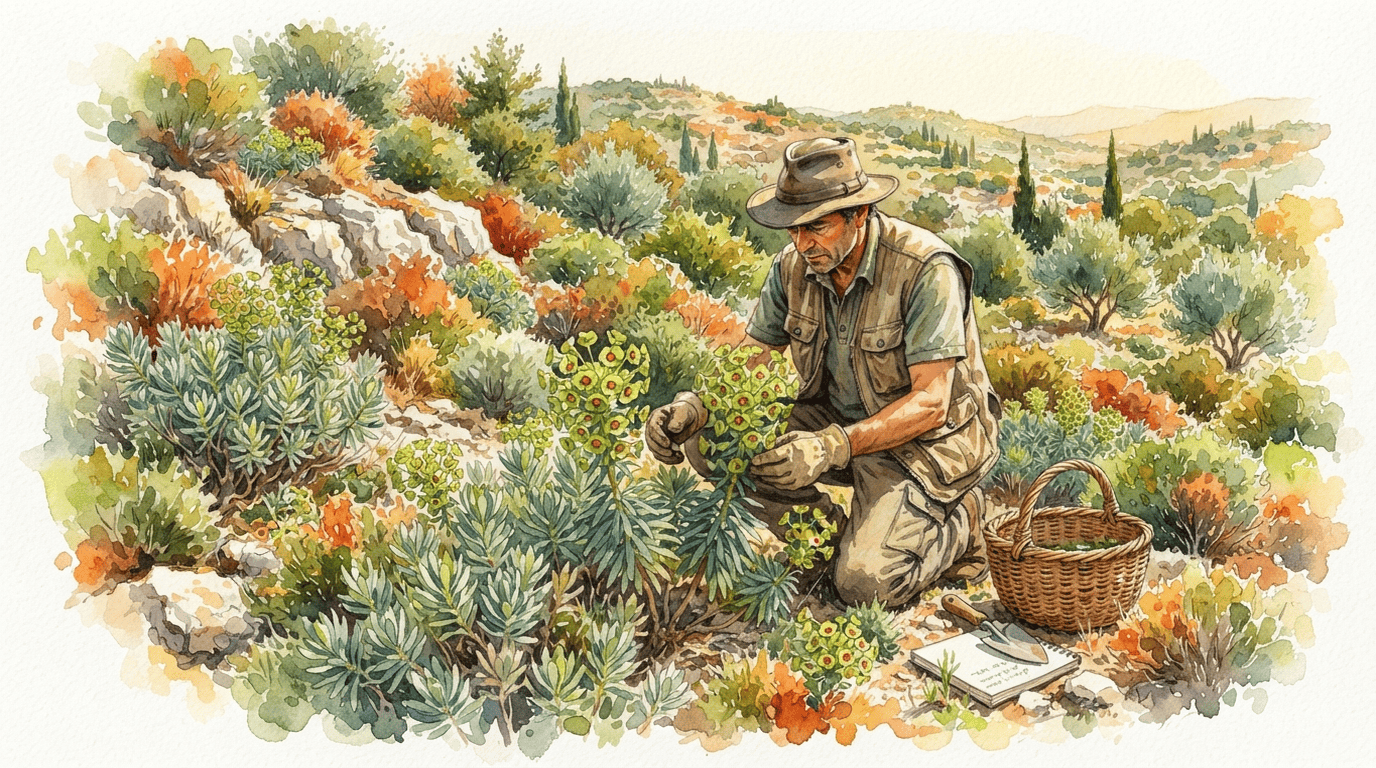
The genus this plant belongs to carries an old and slightly dramatic history. Euphorbia is named for Euphorbus, physician to King Juba II of Numidia in North Africa around the turn of the first century CE, who reportedly used the milky sap of a towering desert spurge as a purgative medicine. That sap, rich in irritant compounds, has a long dual reputation across the genus: medicinal in careful hands, and elsewhere used as a fish poison or arrow poison by peoples in Africa and beyond. This particular plant is a much gentler product of that same lineage. It arose as a natural hybrid where the ranges of two Mediterranean spurges, Euphorbia amygdaloides and Euphorbia characias, overlap in the wild, in dry, rocky ground in southern Europe where both parent species already share a family resemblance: narrow grey-green leaves and domed clusters of small flowers surrounded by colorful bracts. The hybrid was later named for the plantsman credited with recognizing it as something distinct worth propagating. Compared to its parents, it stays smaller and neater, forming tidy mounds rather than tall, leggy stands, while keeping the same chartreuse flower heads marked with a dark red eye that opens each spring. As dry, low-water gardening gained popularity through the twentieth century, this hybrid moved from a chance wildflower find into nurseries and gravel gardens around the world, prized for combining architectural form with color that needs no summer irrigation to keep going.
Symbolism & meaning
What It Symbolizes
Spurges like this one defend themselves with a milky latex that deters browsing animals and insects, a trait that has long linked the genus to ideas of protection and resilience. Thriving in thin, dry, sun-baked soil where gentler plants falter, Martin's Spurge carries that same quiet toughness, holding its neat mounded shape and chartreuse flowers through drought and neglect that would defeat softer garden perennials.
- Resilience — Its milky, irritant sap and drought-hardy nature have long made spurges a symbol of quiet self-protection and resilience in harsh, dry ground.
Where the Name Comes From
The genus name Euphorbia honors Euphorbus, physician to King Juba II of Numidia in the first century BCE, who is said to have used the milky sap of a North African spurge as a purgative. The species name martini commemorates the plantsman credited with first recognizing this naturally occurring hybrid between Euphorbia amygdaloides and Euphorbia characias, found growing where its two parent species overlap in the wild.
Uses & Fun Facts
- Grown for its neat mounding form and chartreuse, red-eyed spring flower clusters in dry gardens.
- Its spring flower clusters attract bees and other early-season pollinators.
Related plants
More Euphorbia plants
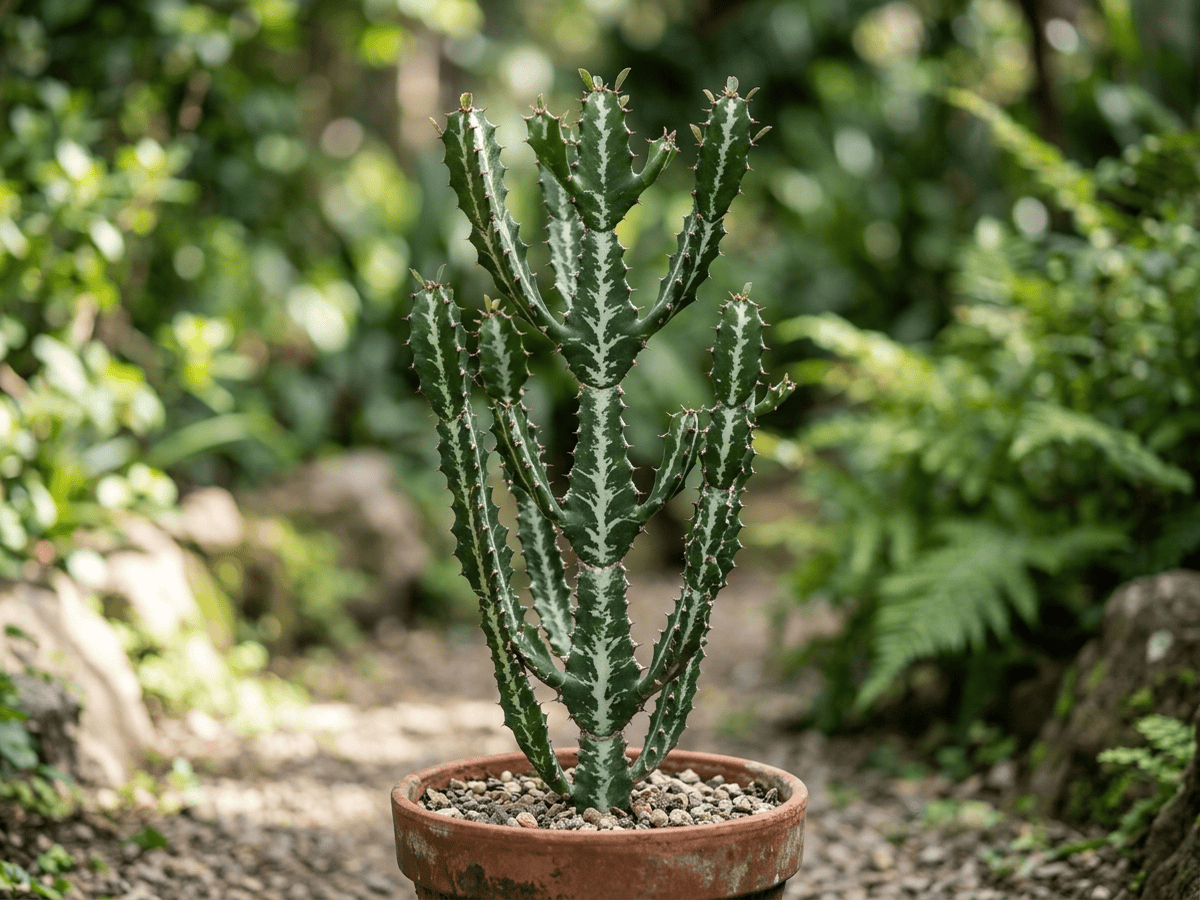 Mottled SpurgeEuphorbia lactea
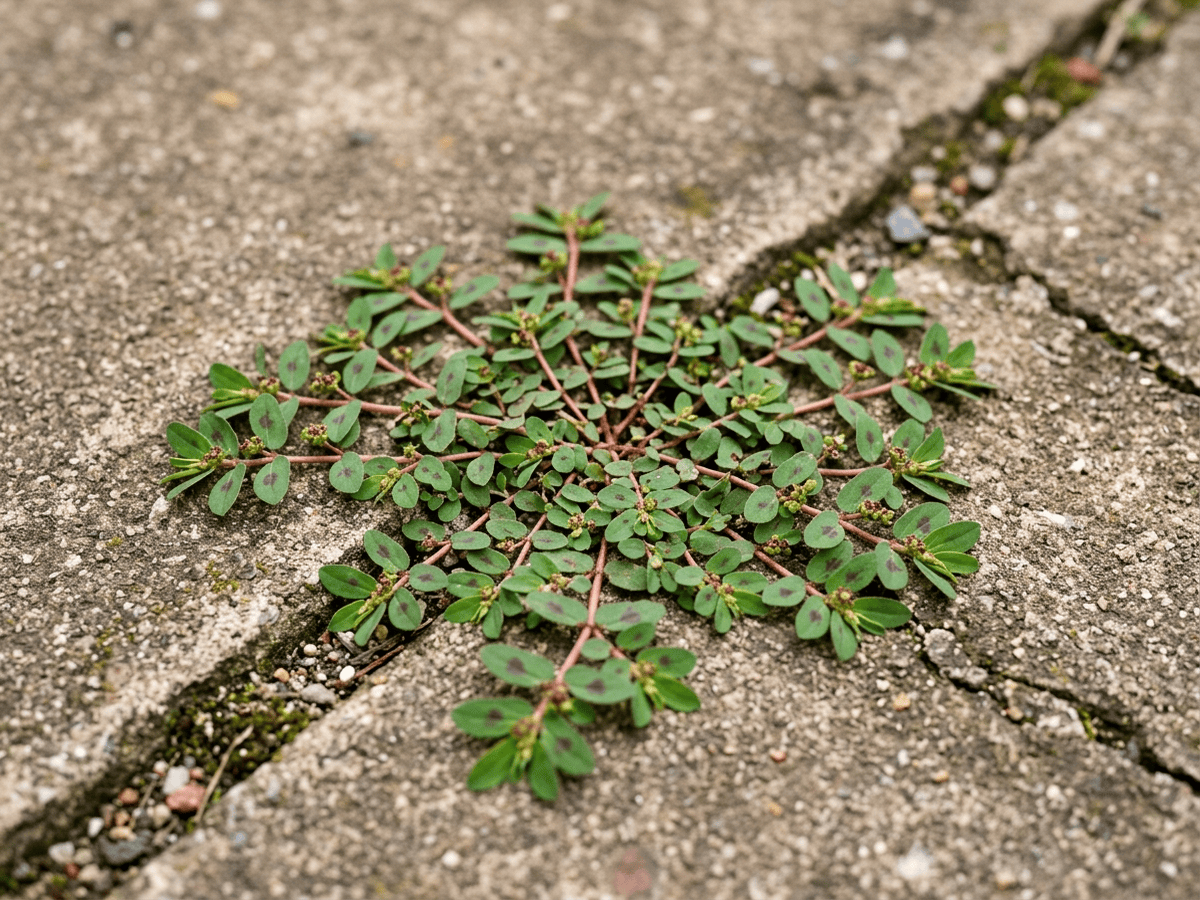 Spotted SpurgeEuphorbia maculata
 Crown-Of-ThornsEuphorbia milii
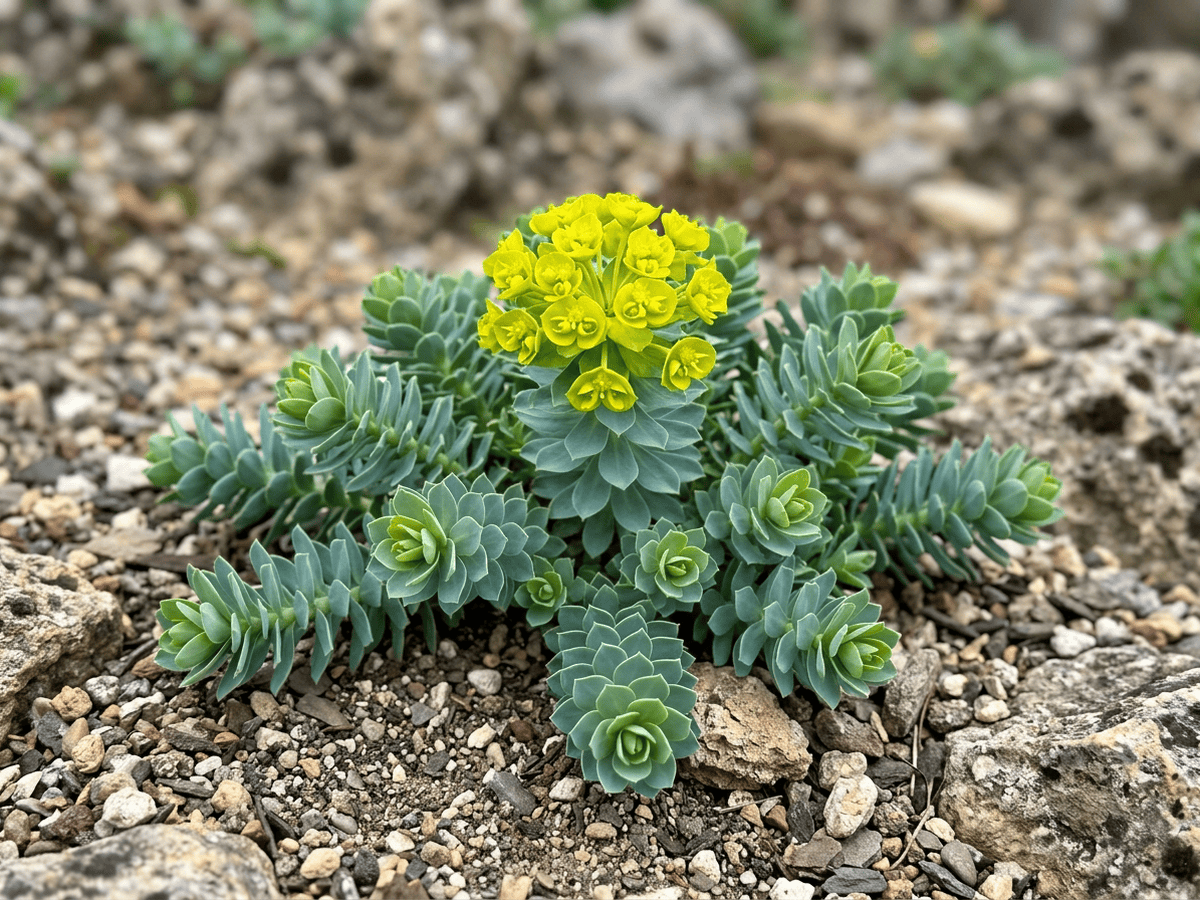 Myrtle SpurgeEuphorbia myrsinites
Plants with similar care
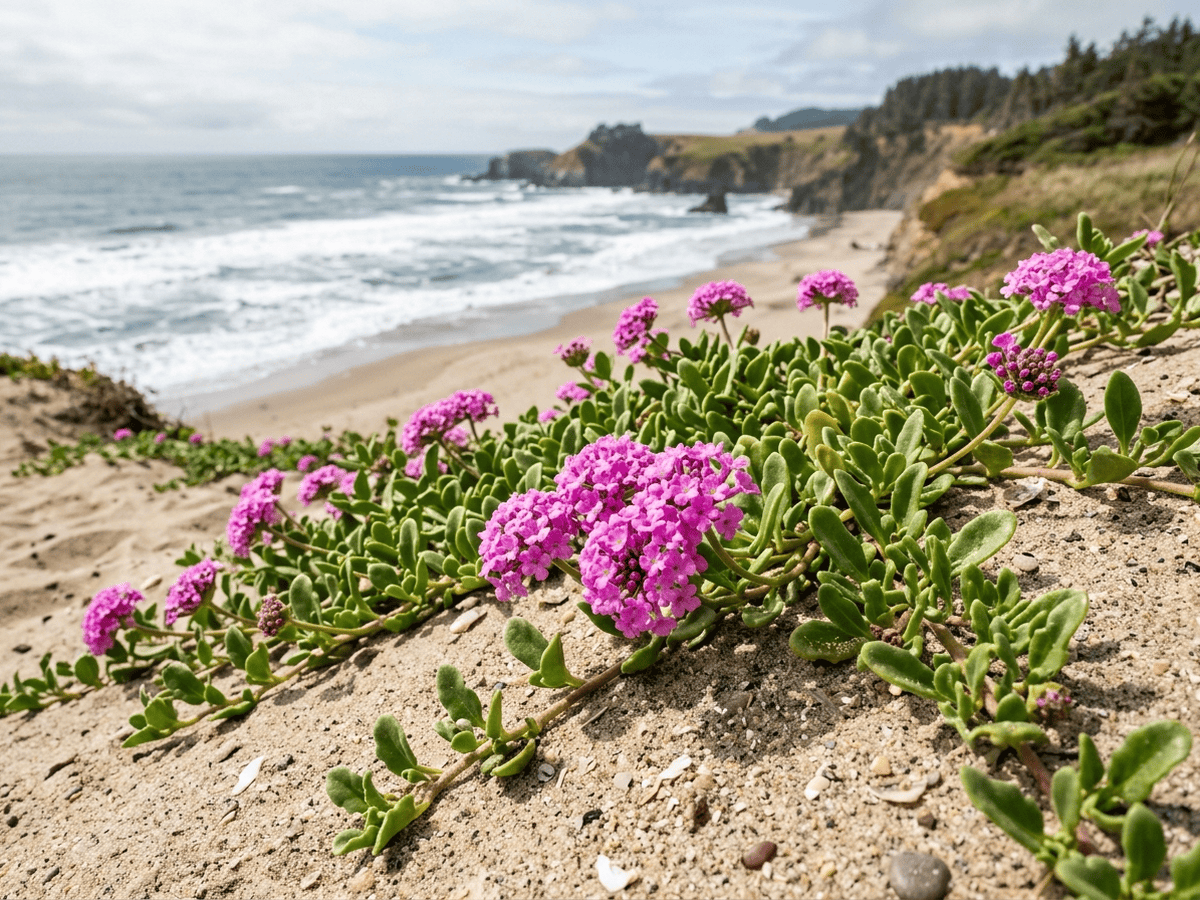 Pink Sand VerbenaAbronia umbellata
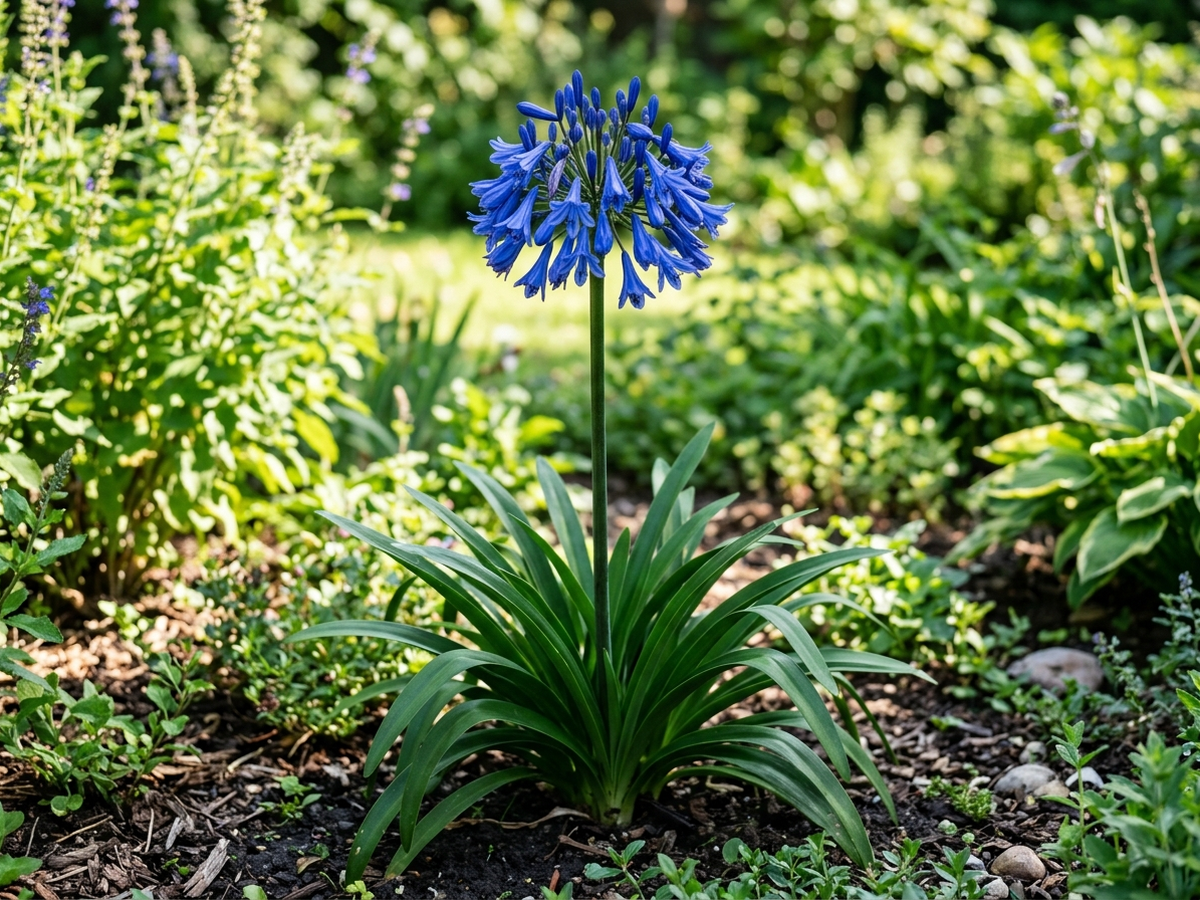 Drooping AgapanthusAgapanthus inapertus
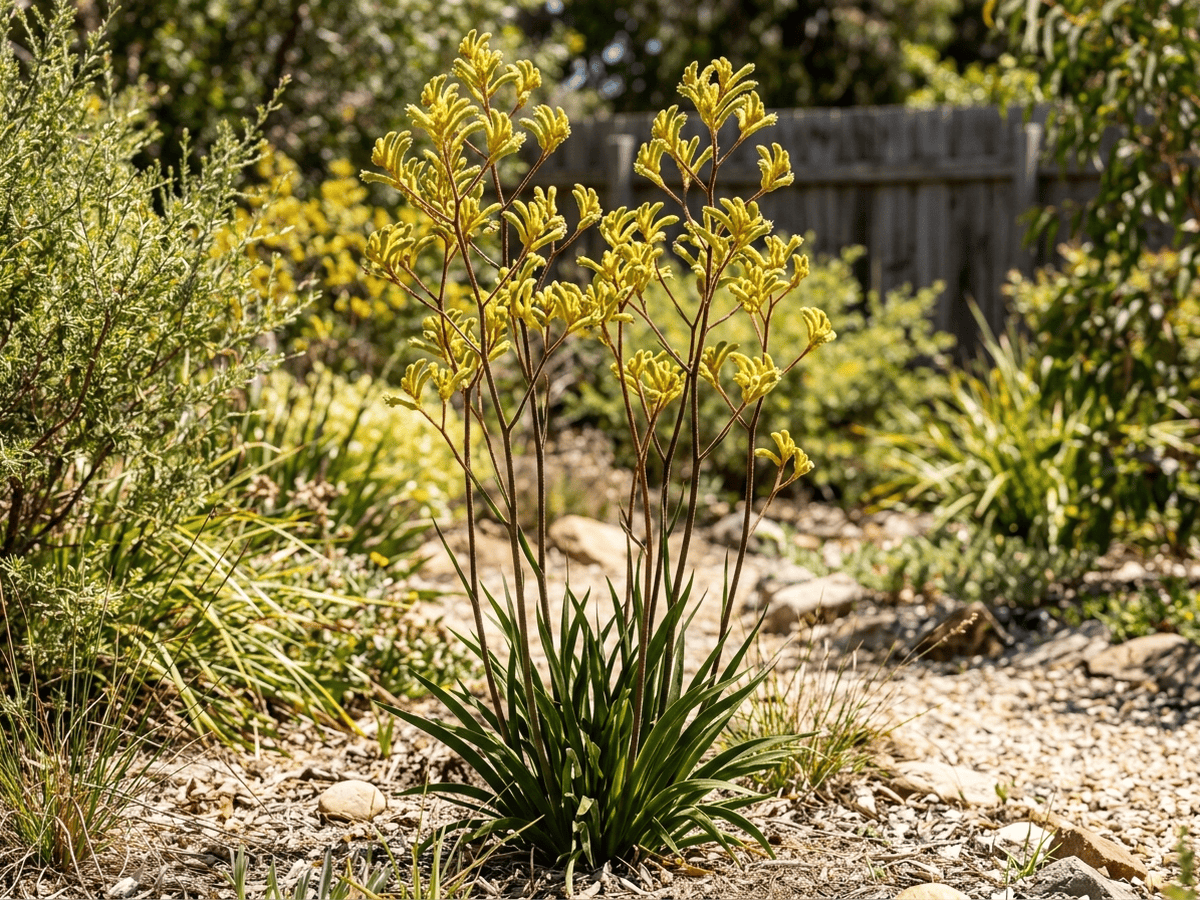 Tall Kangaroo PawAnigozanthos flavidus
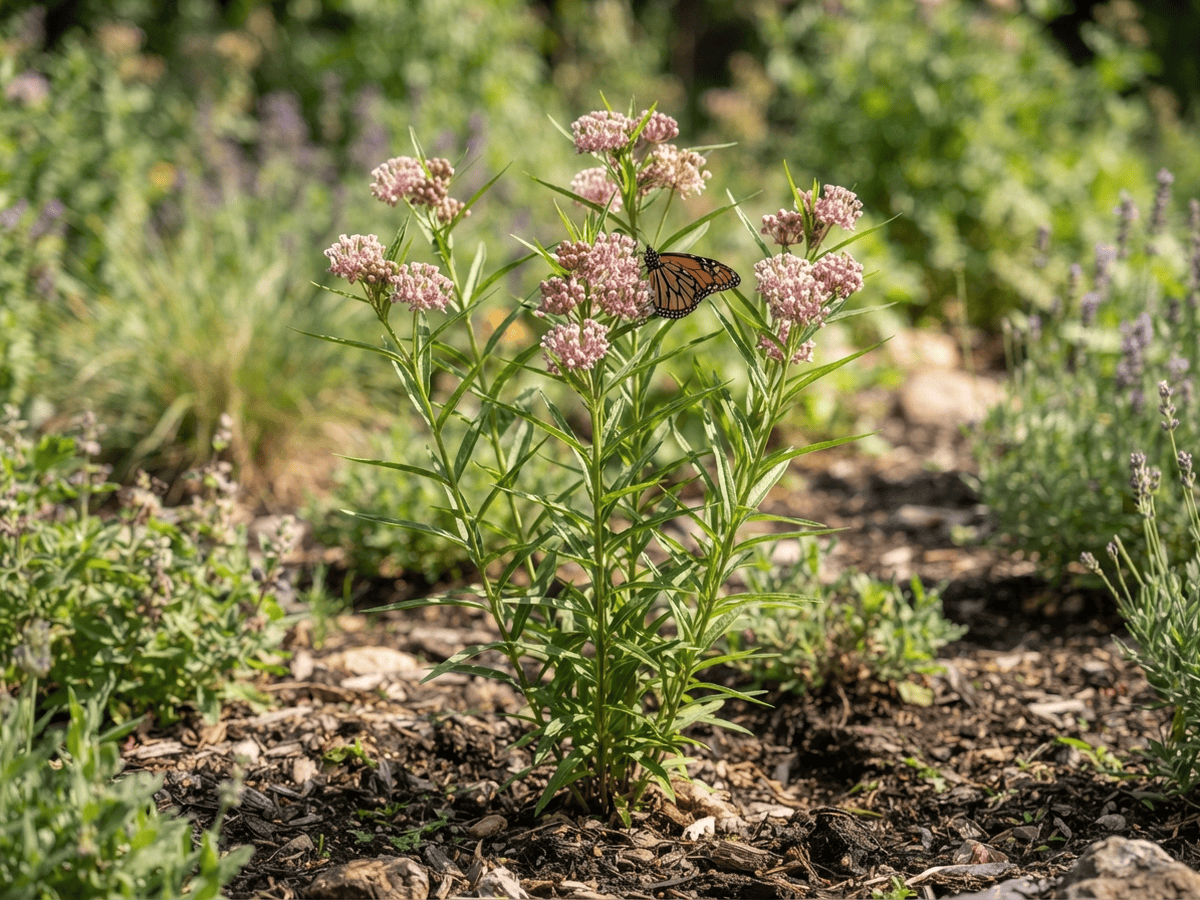 Narrowleaf MilkweedAsclepias fascicularis
Frequently asked questions
How often should I water Martin's Spurge?
In summer, water about every 5 days; in winter, about every 30 days. Adjust for heat, pot size and drainage.
How much light does Martin's Spurge need?
Full sun: 6+ hrs direct. Watch the leaves — scorching or stretching means the light needs adjusting.
Is Martin's Spurge toxic to cats or dogs?
Pets Moderate (Dogs Moderate · Cats Moderate) Educational information, not medical or veterinary advice. If exposure is suspected, contact a doctor or veterinarian.
Is Martin's Spurge easy to grow?
It is considered challenging and rewards experienced growers.
When does Martin's Spurge bloom?
It typically blooms May–Jun in the Northern Hemisphere.
YardMate
Identify any plant in seconds
Snap a photo — YardMate names the plant, diagnoses problems, and reminds you when to water.
Download on the App Store