 YardMate

Common Sunflower
Helianthus annuus
Easy · Beginner friendlyAbout Common Sunflower
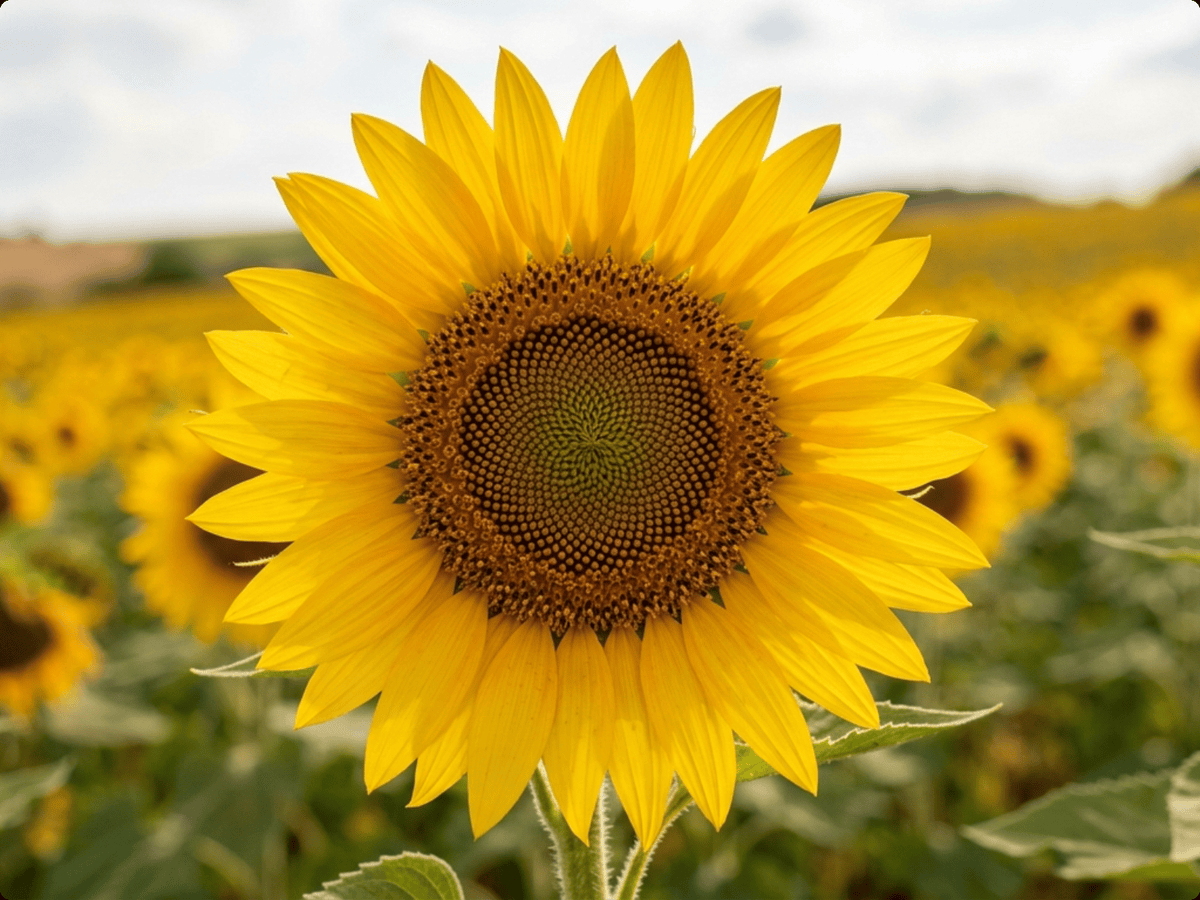
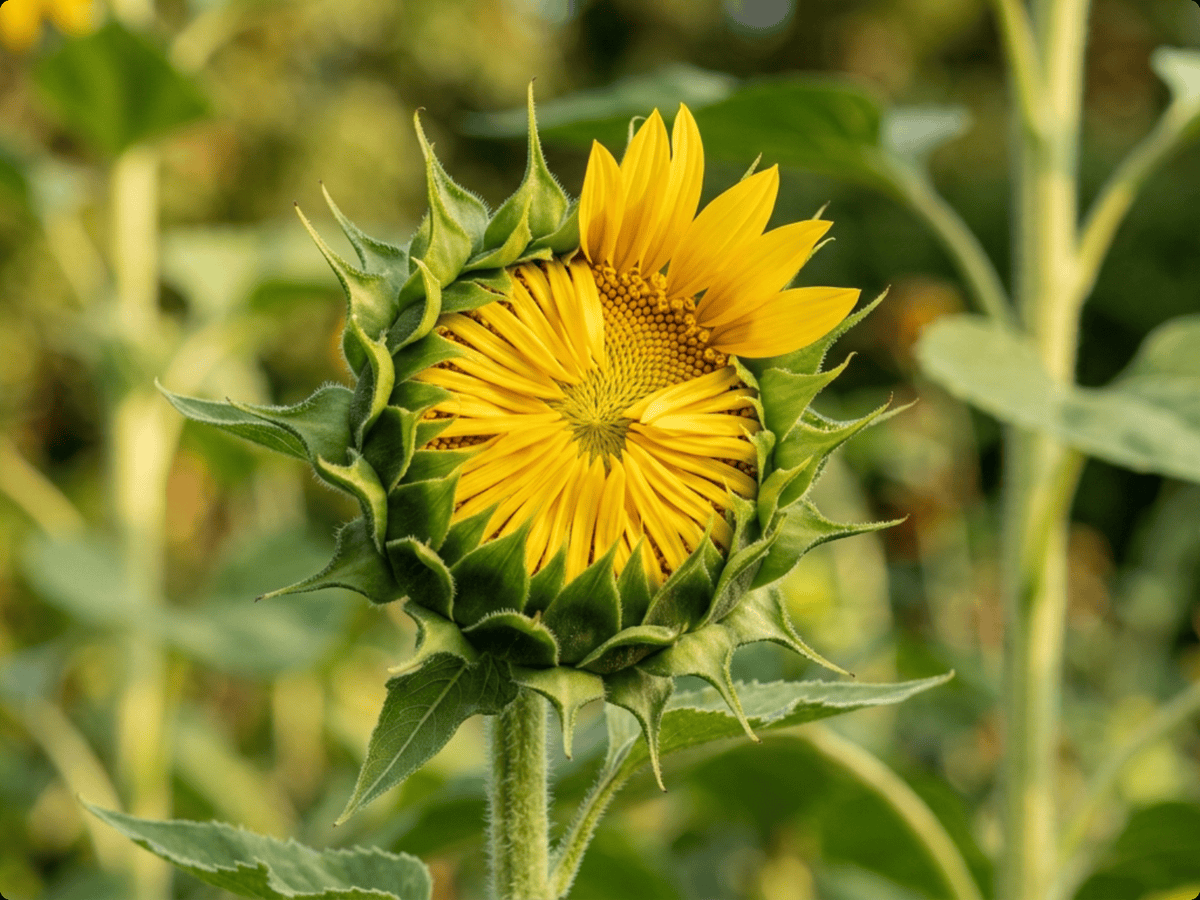
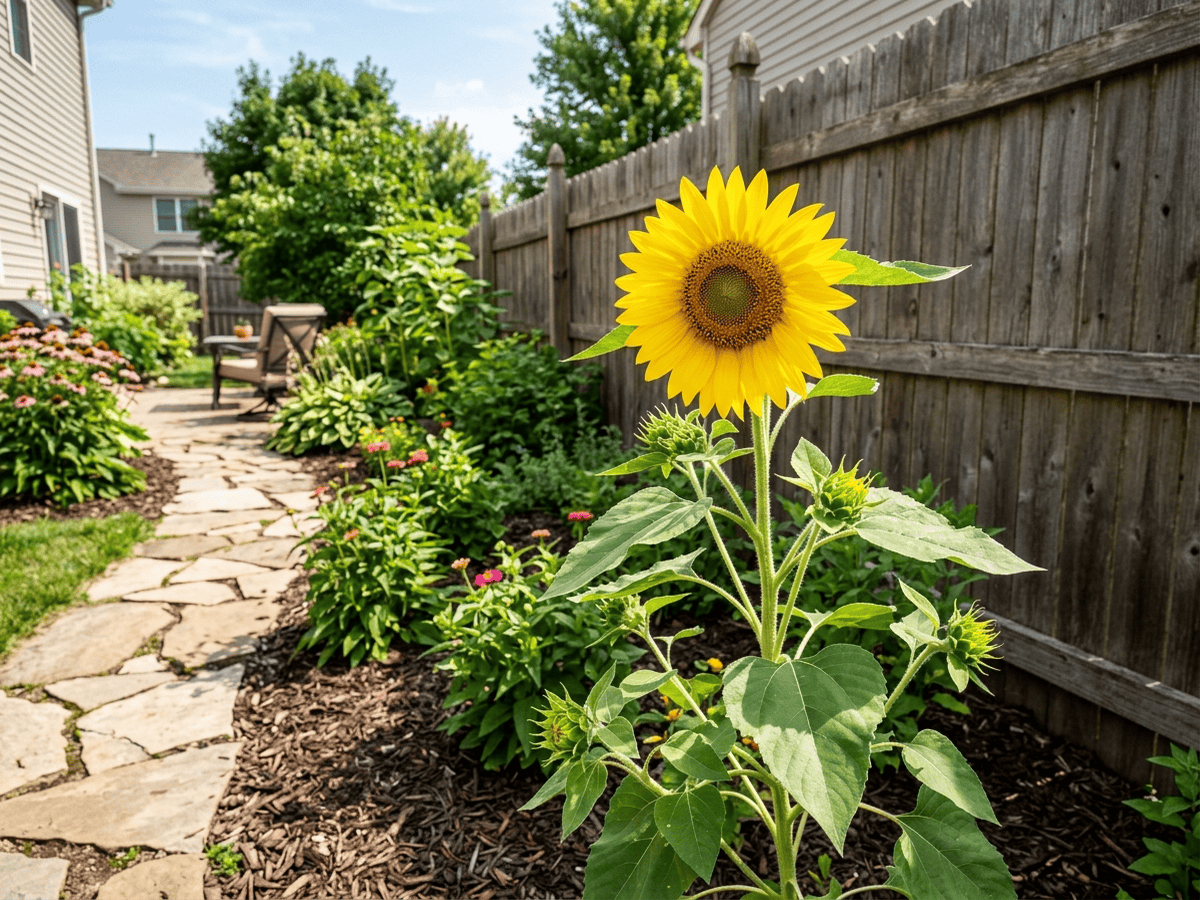
The Sunflower is a towering annual from North America that can reach 3 meters tall, always turning its face to follow the sun across the sky. Each flower head is actually hundreds of tiny individual flowers arranged in a mesmerizing Fibonacci spiral pattern. The seeds are a nutritious food source for both humans and wildlife. Fast-growing and cheerful, it's one of the easiest flowers to grow from seed.
- Edible
- Pollinator-friendly
How to care for Common Sunflower
Watering
- Springevery 5 days
- Summerevery 3 days
- Fallevery 7 days
- Winterpause watering
Soil · Well-draining
- Top dressingPine bark mulch10%
- Main mixPotting soil + perlite 2:170%
- DrainageLECA / gravel20%
Never skip the drainage layer — standing water is the top cause of root rot.
FERTILIZER
Balanced Feed 14-14-14
An even feed covers all three needs at once, keeping leaves, roots and blooms moving together with nothing pushed out of balance.
- Nitrogen · Leaves
- Phosphorus · Roots + Blooms
- Potassium · Strength
- Springevery 21 days
- Summerevery 21 days
At a Glance
- NativeNorth America
- Height5–10 ft (1.5–3 m)
- Spread1–3 ft (0.3–0.9 m)
- Flower colorYellow, Orange, Red
- Foliage colorGreen
- SoilLoamy, Well-drained, Rich
- LocationsYard
Bloom time
BLOOM CYCLE
Peak bloom
Jun–Aug
Fibonacci spiral heads
Fragrance
LIGHT FRAGRANCE
The flowers have a mild pollen scent.
Toxicity
Pets Safe
None reported
Not reported
EXPOSURE No exposure route is reported.
EFFECT Seeds widely consumed and no toxicity reported.
NOTE No human toxicity is reported in this catalog; avoid eating ornamental plants unless confirmed edible.
Safe
EXPOSURE No exposure route is reported.
EFFECT Not toxic per ASPCA and seed hulls may cause GI obstruction if consumed in quantity.
NOTE Listed as non-toxic for dogs; avoid eating ornamental plants unless confirmed edible.
Safe
EXPOSURE No exposure route is reported.
EFFECT Not toxic per ASPCA.
NOTE Listed as non-toxic for cats; avoid eating ornamental plants unless confirmed edible.
Educational information, not medical or veterinary advice. If exposure is suspected, contact a doctor or veterinarian.
DISTRIBUTION


- Native
- Introduced
- North America
History
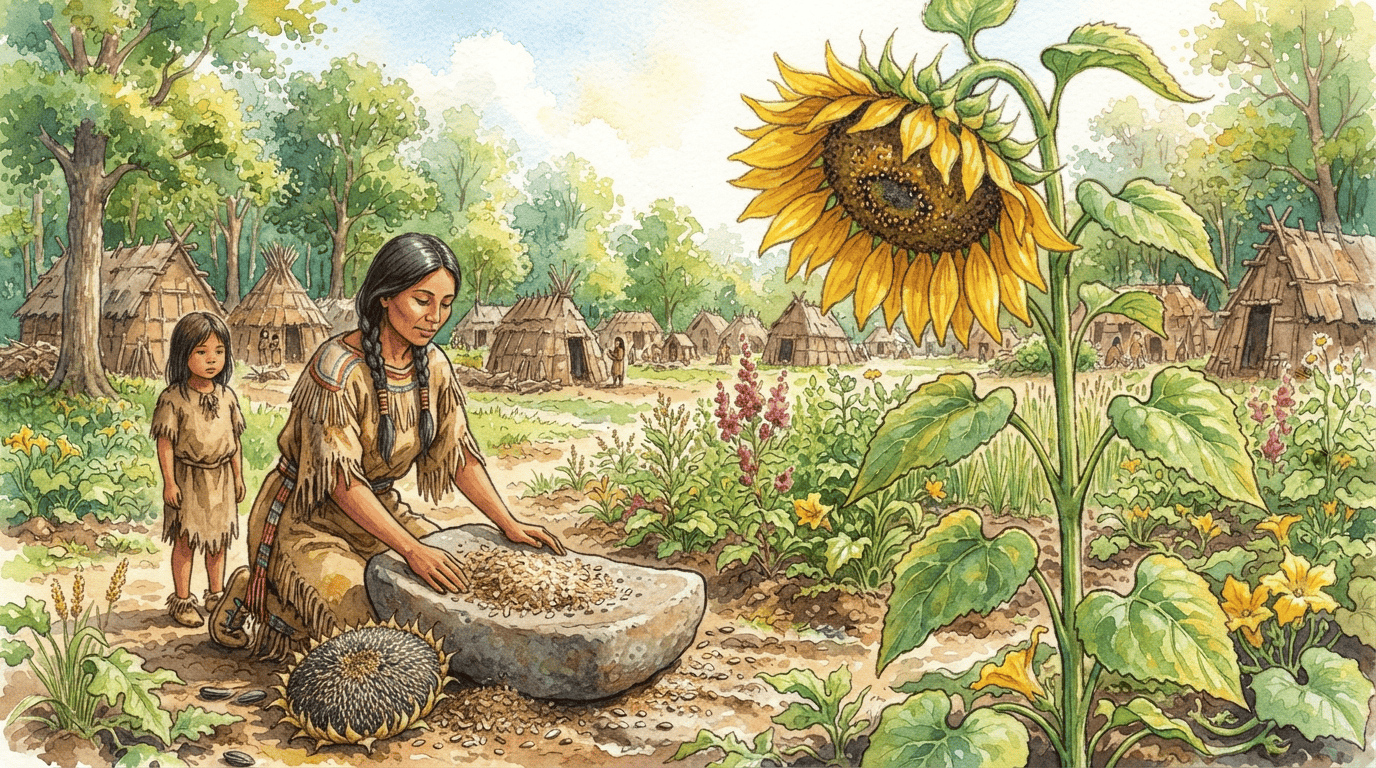
Helianthus annuus was domesticated by Indigenous peoples of eastern North America around 3000 BCE for its seeds, which were ground into meal, pressed for oil, and used for pigments, dyes, and ceremonial purposes. Archaeological remains at sites in Tennessee and Arkansas show cultivation predating that of maize in some regions. Spanish explorers encountered sunflowers in the 16th century and transported seeds to Europe, where they initially spread as ornamentals.
Russia transformed the crop agriculturally in the 18th century after the Russian Orthodox Church prohibited most oils during Lent but not sunflower oil, triggering massive cultivation; Russian breeders later developed the high-oil "VNIIMK" varieties that underpin modern global sunflower oil production. Van Gogh immortalized the flower in his 1888 Arles series. Native Americans domesticated sunflowers around 3000 BCE — a thousand years before they were cultivated in Mexico.
Spanish explorers brought them to Europe in the 1500s. They became the national flower of Ukraine, where vast fields of sunflowers produce a significant portion of the world's cooking oil. Van Gogh's 'Sunflowers' series (1888) made them the most painted flower in art history.
Symbolism & meaning
What It Symbolizes
The Common Sunflower turns its great face daily to follow the sun, embodying adoration and devoted love, the flower that watches its beloved across the sky. Its faithful tracking has made it a symbol of loyalty across cultures, while its bright golden petals carry vitality and unstoppable optimism. It is often read as a flower of devotion expressed as daily practice, joy and faithfulness wearing the same yellow crown.
- Adoration — turns to face the sun, symbolizing devoted love
- Loyalty — faithful tracking of the sun represents constancy
- Vitality — bright yellow color embodies energy and optimism
Where the Name Comes From
'Helianthus' from Greek 'helios' (sun) + 'anthos' (flower). 'Annuus' means annual, as it completes its life cycle in one season.
Uses & Fun Facts
- Seeds eaten as snack and pressed for cooking oil
- Mature seed heads feed songbirds and small mammals
- Massive blooms feed bees and beneficial insects
- Iconic summer cut flower for farmers'-market bouquets
Related plants
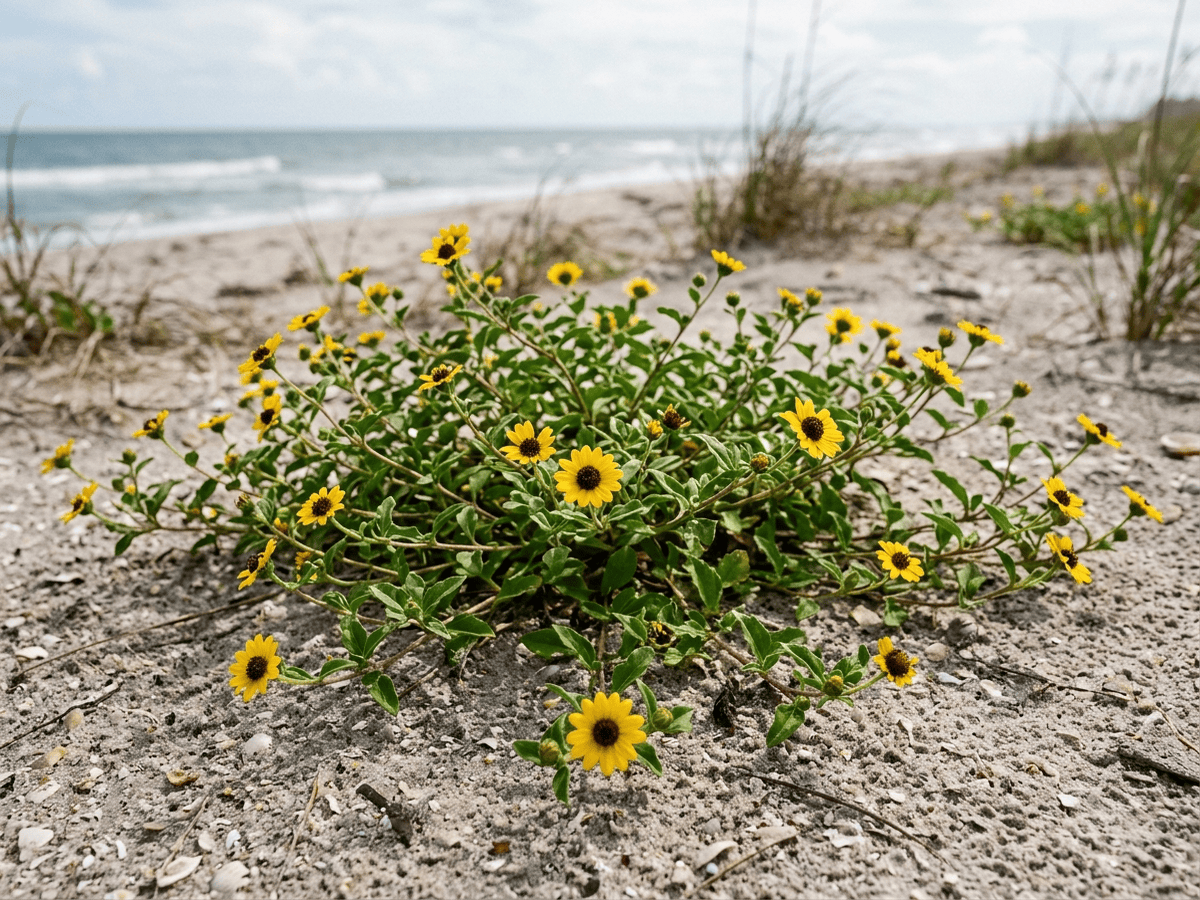
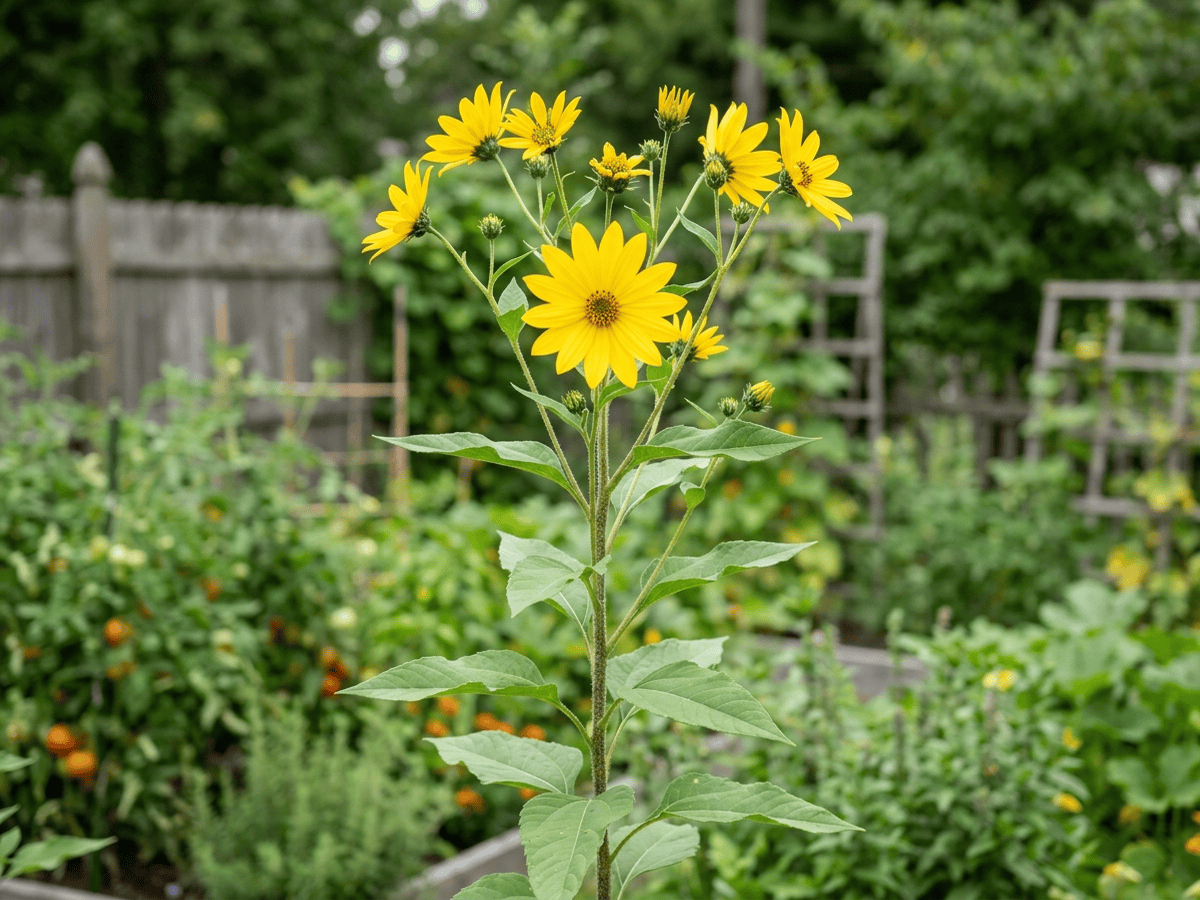
More Helianthus plants
Plants with similar care
 Chinese AbeliaAbelia chinensis
 Fragrant AbeliaAbelia mosanensis
 Large-Flowered AbeliaAbelia uniflora
 Glossy AbeliaAbelia x grandiflora
Frequently asked questions
How often should I water Common Sunflower?
Water about every 5 days during the growing season, and always let excess water drain away.
How much light does Common Sunflower need?
Full sun: 6+ hrs direct. Watch the leaves — scorching or stretching means the light needs adjusting.
Is Common Sunflower toxic to cats or dogs?
Pets Safe (Dogs Safe · Cats Safe) Educational information, not medical or veterinary advice. If exposure is suspected, contact a doctor or veterinarian.
Is Common Sunflower easy to grow?
Yes — it is considered an easy, beginner-friendly plant.
When does Common Sunflower bloom?
It typically blooms Jun–Aug in the Northern Hemisphere.
YardMate
Identify any plant in seconds
Snap a photo — YardMate names the plant, diagnoses problems, and reminds you when to water.
Download on the App Store