 YardMate

Jerusalem Artichoke
Helianthus tuberosus
Easy · Beginner friendlyAbout Jerusalem Artichoke
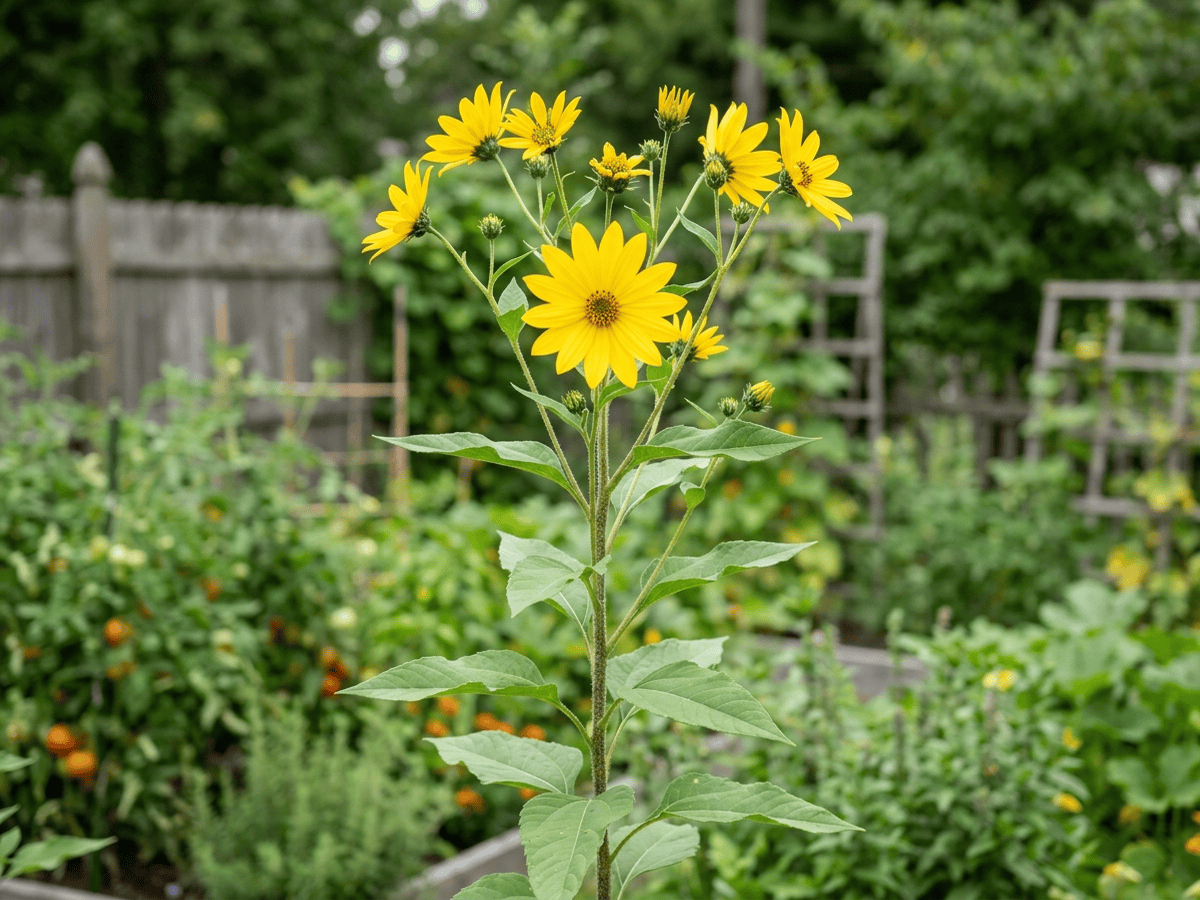
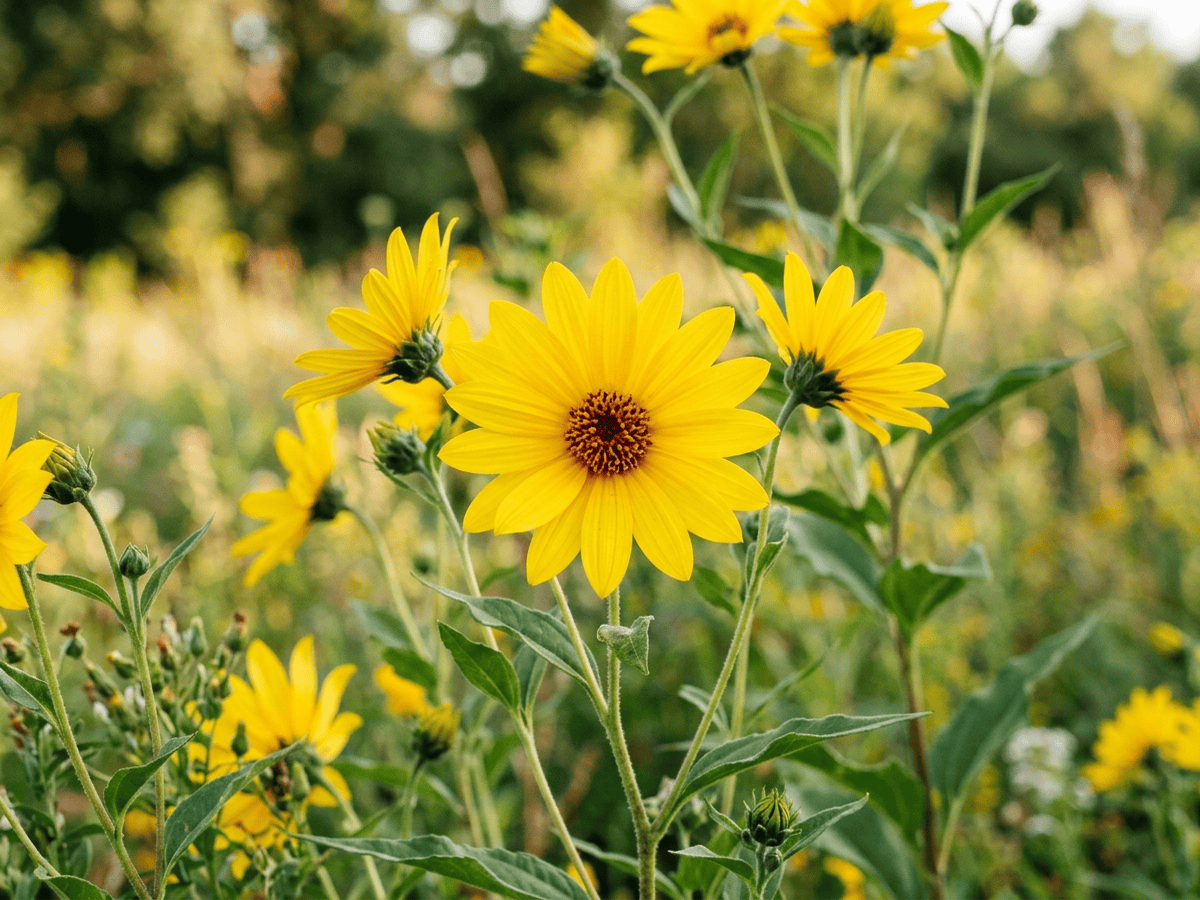
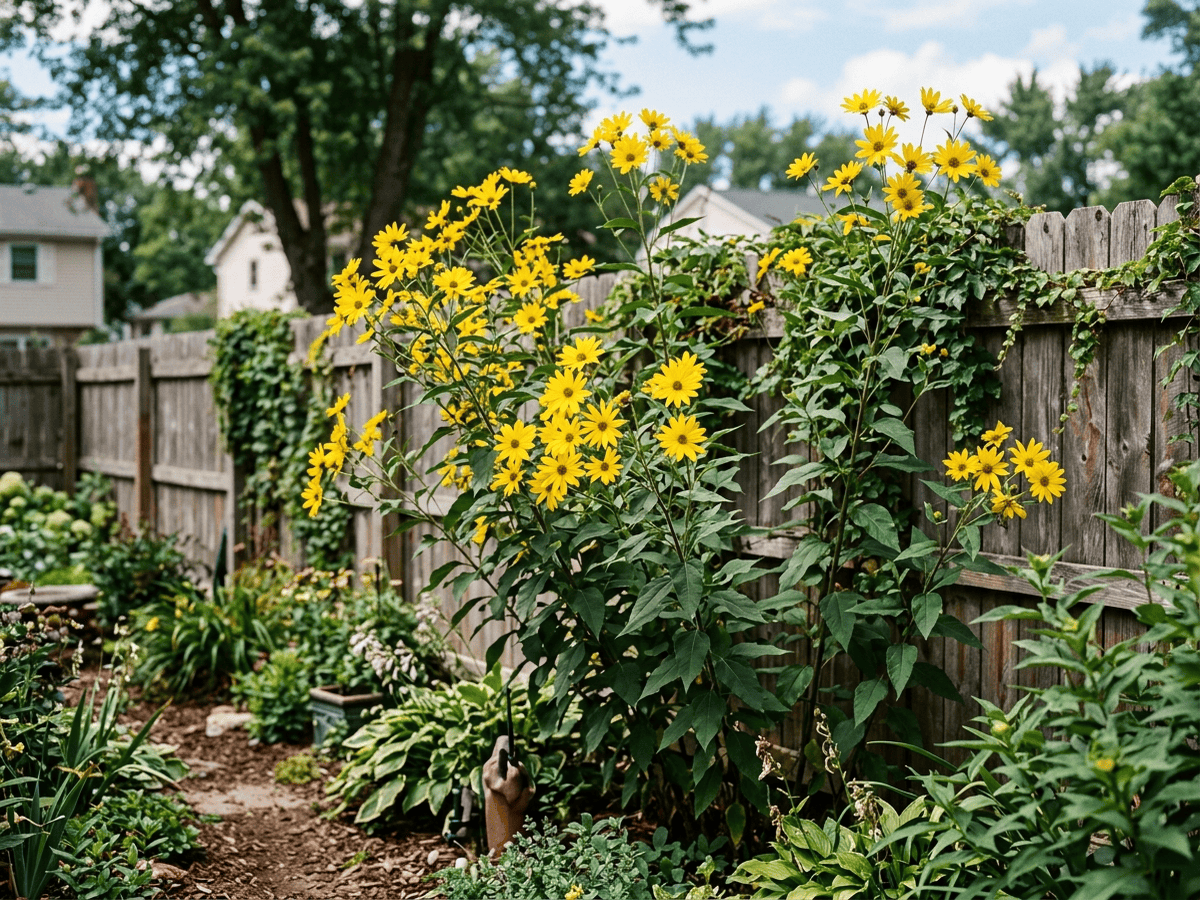
Jerusalem Artichoke or Sunchoke is a North American native perennial sunflower reaching 6-10 feet tall, with rough heart-shaped leaves and bright yellow daisy-like flowers in late summer. Cultivated for its knobby underground tubers with a sweet nutty flavor used like potatoes—roasted, mashed, or sliced raw in salads. A vigorous spreader that can become weedy, but a productive native food crop for American gardens.
- Edible
- Fast-growing
- Native
How to care for Jerusalem Artichoke
Watering
- Springevery 7 days
- Summerevery 5 days
- Fallevery 10 days
- Winterpause watering
Soil · Well-draining
- Top dressingPine bark mulch10%
- Main mixPotting soil + perlite 2:170%
- DrainageLECA / gravel20%
Never skip the drainage layer — standing water is the top cause of root rot.
FERTILIZER
Balanced Feed 14-14-14
An even feed covers all three needs at once, keeping leaves, roots and blooms moving together with nothing pushed out of balance.
- Nitrogen · Leaves
- Phosphorus · Roots + Blooms
- Potassium · Strength
- Springevery 45 days
At a Glance
- NativeNorth America
- Height6–10 ft (1.8–3 m)
- Spread3–5 ft (0.9–1.5 m)
- Flower colorYellow
- Foliage colorGreen
- SoilWell-drained, Loamy
- LocationsYard
Bloom time
BLOOM CYCLE
Peak bloom
Jun–Nov
Bright yellow daisy-like flowers in late summer to fall
Toxicity
Dogs Slight
inulin
Not reported
EXPOSURE No exposure route is reported.
EFFECT No toxic effect is reported.
NOTE No toxicity is reported for humans in this catalog; this is not evidence that the plant is edible or harmless.
Slight
- Tuber
- Ingestion
EXPOSURE Eating tubers.
EFFECT Large amounts of inulin-rich tubers may cause flatulence and loose stools.
NOTE Edible tuber; inulin ferments in the gut and can cause gas.
Not reported
EXPOSURE No exposure route is reported.
EFFECT No toxic effect is reported.
NOTE No toxicity is reported for cats in this catalog; this is not evidence that the plant is edible or harmless.
Educational information, not medical or veterinary advice. If exposure is suspected, contact a doctor or veterinarian.
DISTRIBUTION

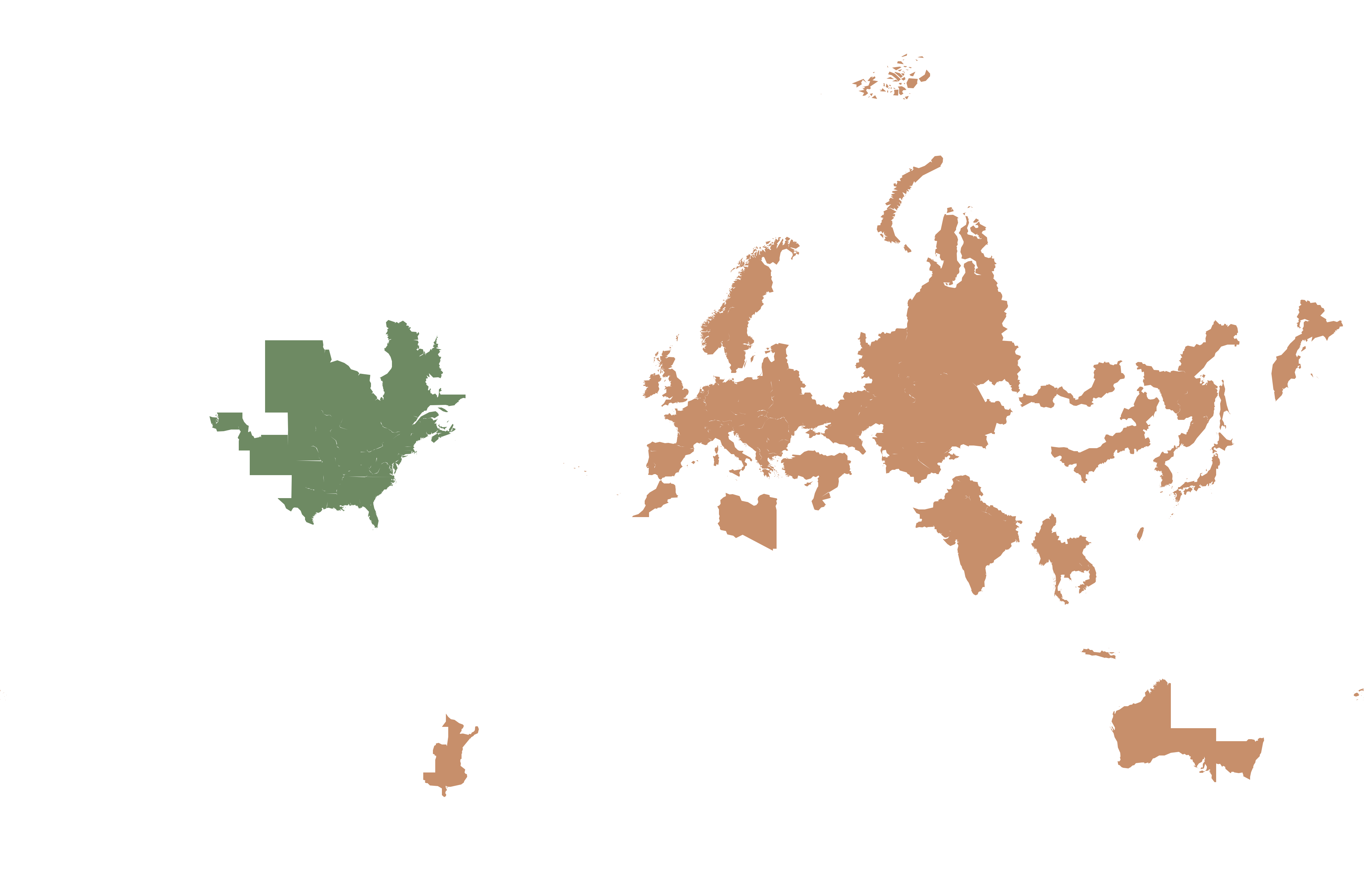
- Native
- Introduced
- North America
History
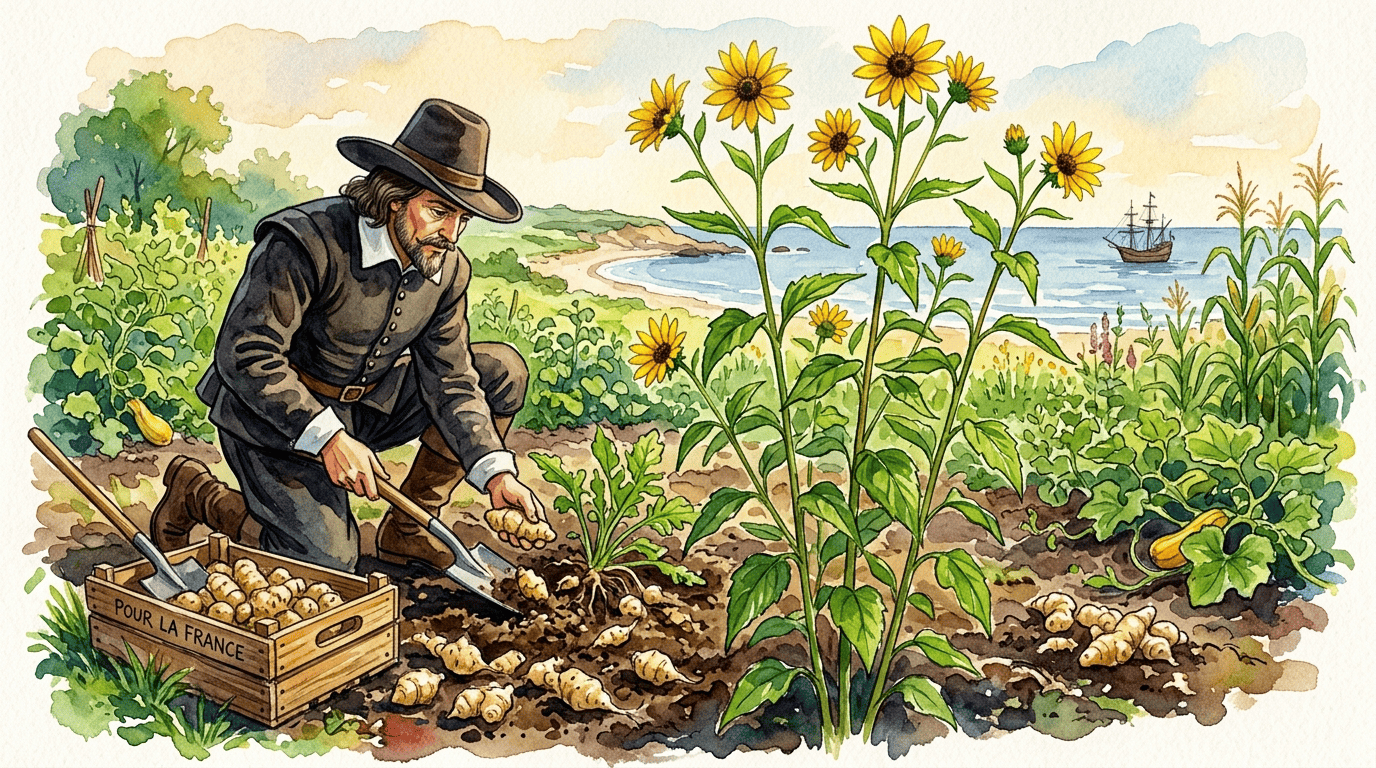
Helianthus tuberosus, the Jerusalem artichoke or sunchoke, is native to eastern North America, where Indigenous peoples including the Huron and Algonquian cultivated its tubers long before European arrival. Samuel de Champlain documented the plant in 1605 near Cape Cod and sent tubers to France, where by the 1620s it had become a widespread staple. The name Jerusalem is thought to derive from the Italian girasole, sunflower, unrelated to the city.
During European famines and both World Wars the crop sustained populations when potatoes failed. It fell from favor mid-20th century but has returned in diabetic and probiotic diets due to its high inulin content. The tall yellow-flowered stems also serve as late-season pollinator habitat. Brought to Europe in the early 1600s where it became an important famine crop. Recently rediscovered by farm-to-table chefs as a chic native vegetable.
Symbolism & meaning
What It Symbolizes
Jerusalem Artichoke is sustenance with deep roots — Indigenous peoples across eastern North America cultivated its tubers for thousands of years before European contact. It became a heritage crop of famines and farmsteads, and now reappears on farm-to-table menus as a rediscovered delicacy. Its meaning bridges centuries: a humble tuber that fed nations when other foods failed, and still nourishes anyone willing to dig.
- Sustenance — Indigenous food crop for thousands of years
- Heritage — famine crop and modern farm-to-table favorite
Where the Name Comes From
'Helianthus' from Greek 'helios' (sun) and 'anthos' (flower); 'tuberosus' refers to the edible tubers.
Uses & Fun Facts
- Knobby tubers eaten roasted boiled or raw as sunchokes
- Tall yellow daisies feed late-season bees and butterflies
Related plants
More Helianthus plants

Plants with similar care
 Chinese AbeliaAbelia chinensis
 Fragrant AbeliaAbelia mosanensis
 Large-Flowered AbeliaAbelia uniflora
 Glossy AbeliaAbelia x grandiflora
Frequently asked questions
How often should I water Jerusalem Artichoke?
Water about every 7 days during the growing season, and always let excess water drain away.
How much light does Jerusalem Artichoke need?
Full sun: 6+ hrs direct. Watch the leaves — scorching or stretching means the light needs adjusting.
Is Jerusalem Artichoke toxic to cats or dogs?
Pets Slight (Dogs Slight · Cats Not reported) Educational information, not medical or veterinary advice. If exposure is suspected, contact a doctor or veterinarian.
Is Jerusalem Artichoke easy to grow?
Yes — it is considered an easy, beginner-friendly plant.
When does Jerusalem Artichoke bloom?
It typically blooms Jun–Nov in the Northern Hemisphere.
YardMate
Identify any plant in seconds
Snap a photo — YardMate names the plant, diagnoses problems, and reminds you when to water.
Download on the App Store