 YardMate


Mophead Hydrangea
Hydrangea macrophylla
Medium · Some experienceAbout Mophead Hydrangea
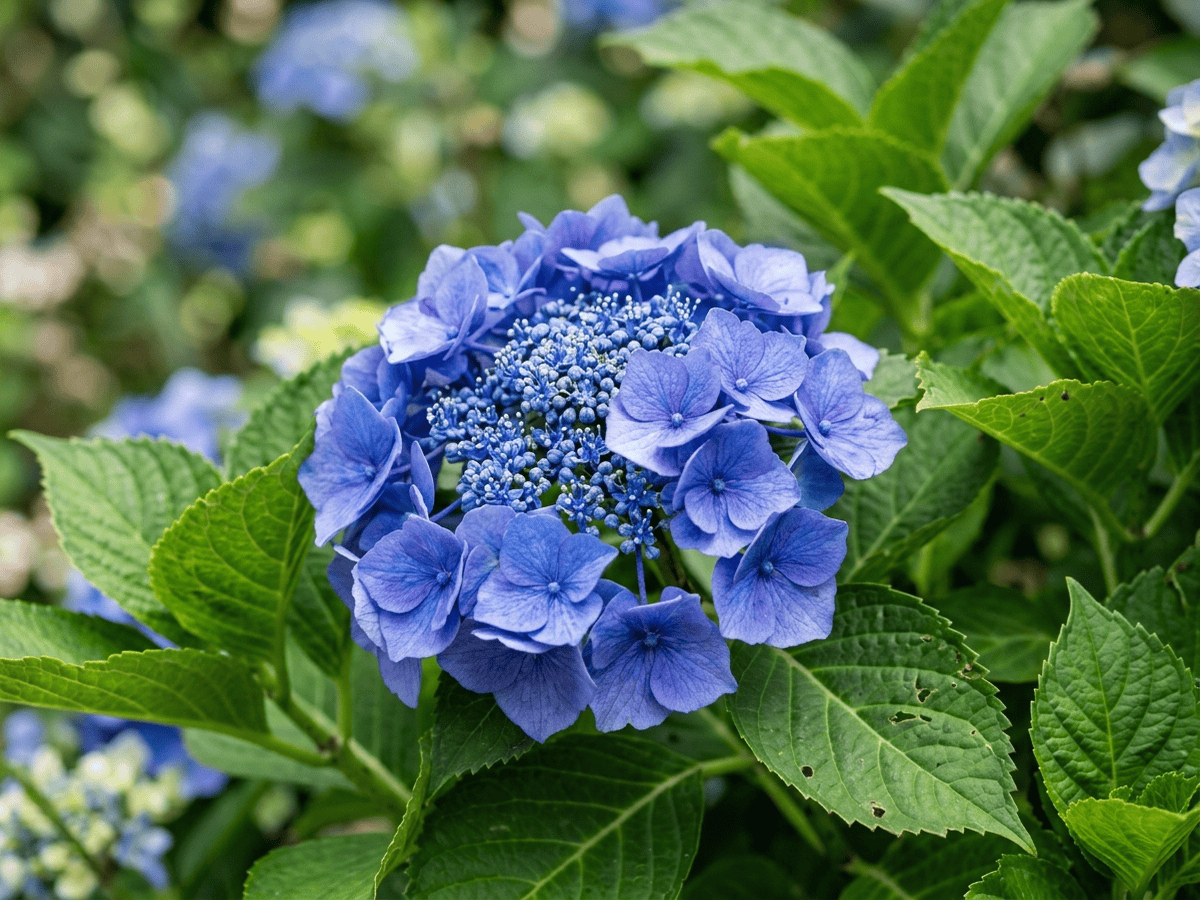
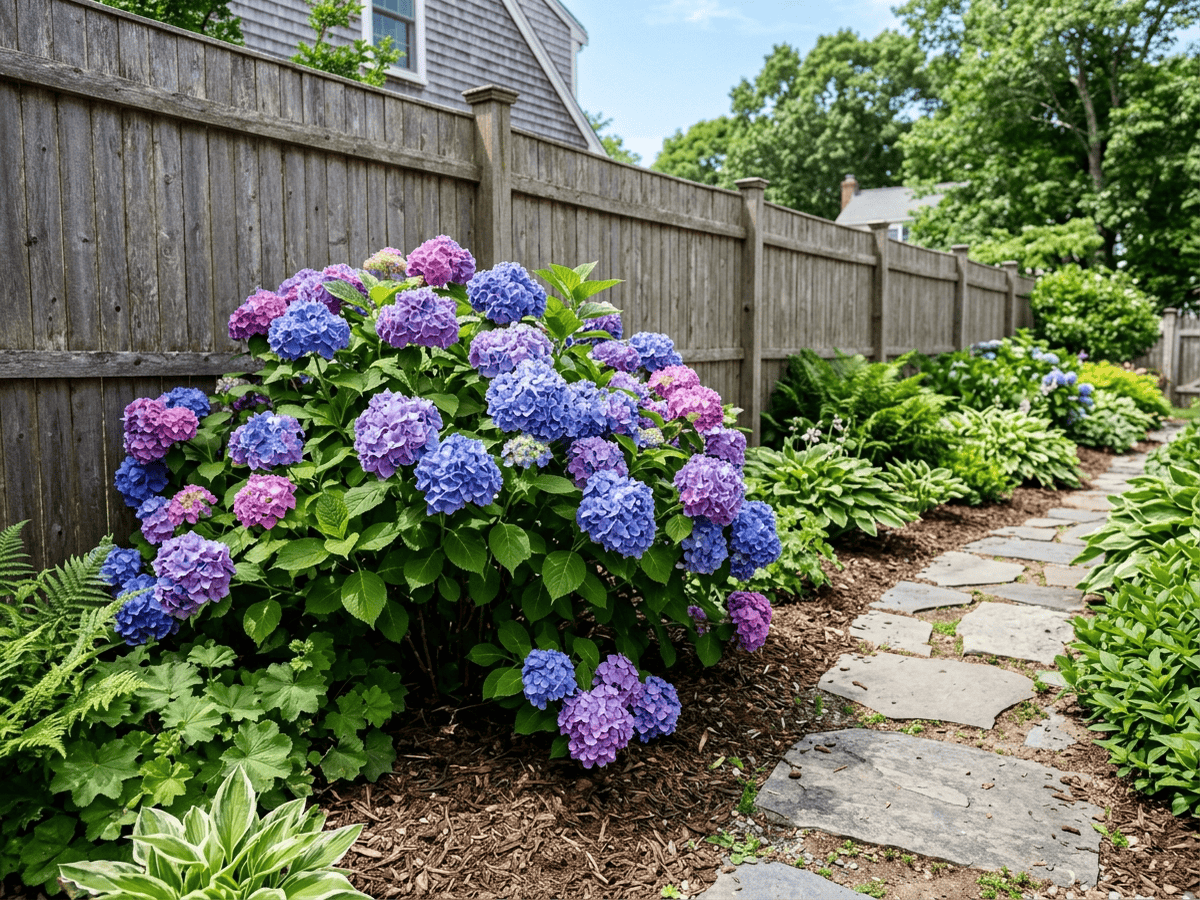
Bigleaf Hydrangea is a deciduous shrub from Japan that produces spectacular globe-shaped flower clusters in summer. Its unique party trick: flower color changes based on soil pH — acidic soil yields blue blooms, alkaline produces pink, and neutral gives purple. Each flower head can contain hundreds of individual florets. It's a garden classic that brings reliable drama to shaded borders and cottage gardens.
- Pollinator-friendly
How to care for Mophead Hydrangea
Watering
- Springevery 3 days
- Summerevery 2 days
- Fallevery 5 days
- Winterevery 14 days
Soil · Rich & loamy
- Top dressingBark mulch15%
- Main mixRich loam + compost 3:170%
- DrainageGravel15%
Use fully finished compost — fresh compost burns roots.
FERTILIZER
Acid-Loving Feed 4-3-4
One bag does both jobs. An acid feed carries the usual nitrogen, phosphorus and potassium, plus the sulfur and iron that keep the soil sour enough for the roots to take them up at all.
- Nitrogen · Leaves
- Phosphorus · Roots + Blooms
- Potassium · Strength
- Springevery 30 days
- Summerevery 30 days
At a Glance
- NativeEast Asia
- Height3–6 ft (0.9–1.8 m)
- Spread3–6 ft (0.9–1.8 m)
- Flower colorBlue, Pink, Purple, White
- Foliage colorGreen
- SoilLoamy, Moisture-retentive, Acidic
- LocationsYard
Bloom time
BLOOM CYCLE
Peak bloom
Jun–Aug
Color shifts by pH
Fragrance
LIGHT FRAGRANCE
Light honey-like scent at close range; most cultivars are weakly fragrant.
Toxicity
Humans Moderate · Pets Moderate
hydrangin (cyanogenic glycoside) and hydrangeic acid
Moderate
- Flower
- Leaf
- Stem
- Ingestion
EXPOSURE Eating flowers, leaves, and stems.
EFFECT Nausea, vomiting, abdominal pain, diarrhea and cyanogenic glycosides release hydrogen cyanide during digestion.
NOTE Severity depends on dose and on the plant's cyanogenic content, which varies with season and cultivar.
Moderate
- Flower
- Leaf
- Stem
- Ingestion
EXPOSURE Eating flowers, leaves, and stems.
EFFECT Vomiting, diarrhea, depression, lethargy and per ASPCA.
NOTE Severity depends on dose and on the plant's cyanogenic content, which varies with season and cultivar.
Moderate
- Flower
- Leaf
- Stem
- Ingestion
EXPOSURE Eating flowers, leaves, and stems.
EFFECT Vomiting, diarrhea, depression, lethargy and per ASPCA.
NOTE Severity depends on dose and on the plant's cyanogenic content, which varies with season and cultivar.
Educational information, not medical or veterinary advice. If exposure is suspected, contact a doctor or veterinarian.
DISTRIBUTION


- Native
- Introduced
- East Asia
History
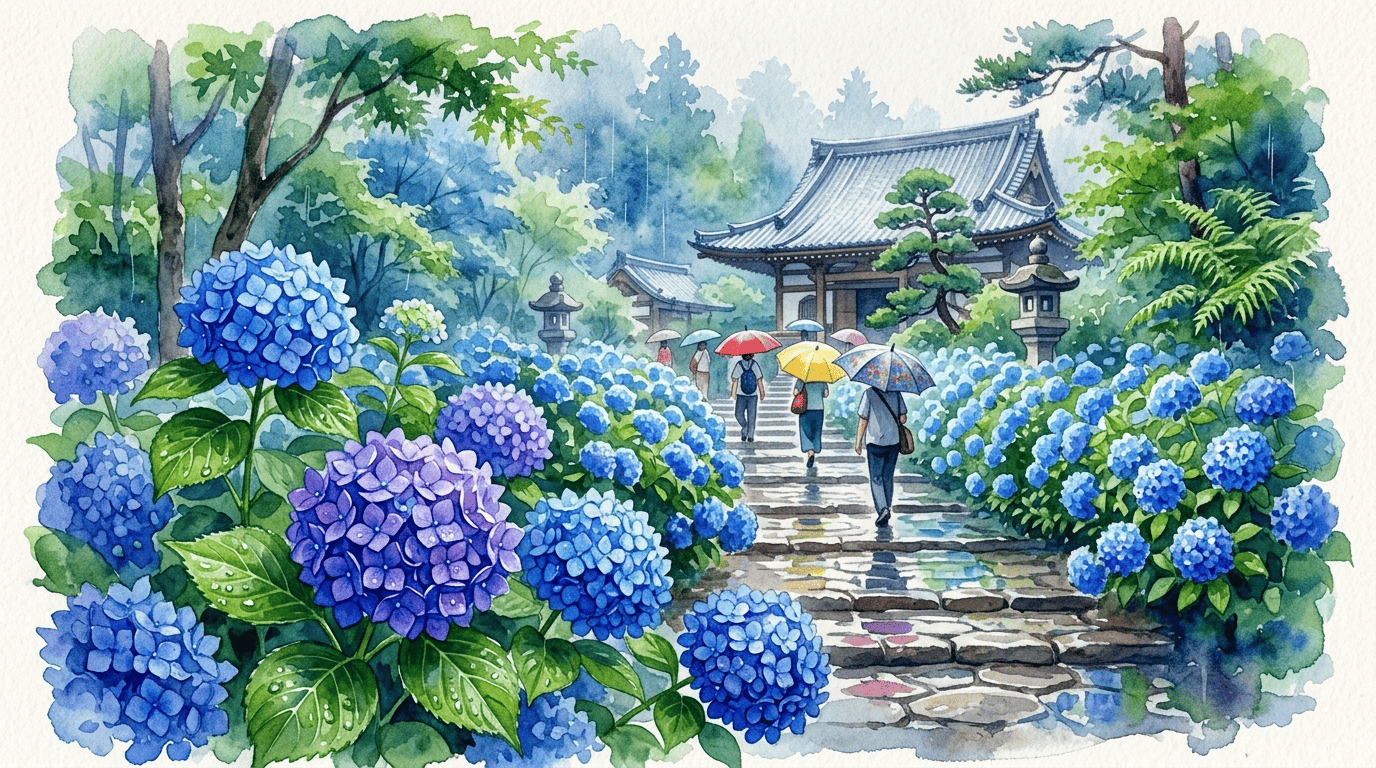
Hydrangea macrophylla is native to the coastal forests of Japan (Honshu, Shikoku, Kyushu) and parts of coastal China, where it grows in the humid shaded understory. It was introduced to European horticulture in 1790 by Joseph Banks from Kew Gardens. Its remarkable soil-dependent flower color — blue in acidic soil below pH 6, pink in alkaline soil above pH 7, with purple transitional shades — makes it one of the few plants whose flower color can be actively controlled by fertilizing with aluminum sulfate (for blue) or lime (for pink).
The underlying chemistry involves anthocyanin binding with aluminum ions that are only soluble at low pH. In Japan it has profound cultural associations with the rainy season (tsuyu) and is the featured flower of hundreds of temple gardens including Meigetsu-in in Kamakura, known as the 'Hydrangea Temple'. Moderately toxic to pets due to cyanogenic glycosides.
Cultivated in Japan for over 700 years, hydrangeas were introduced to Europe in the 1780s by the Swedish botanist Carl Peter Thunberg. In Japan's Kamakura period, samurai planted them at temples as offerings. Victorian-era Europeans considered them symbols of vanity because they produced showy flowers but rarely set seed. Today, Nagasaki's hillside hydrangea gardens draw millions of visitors each June.
Symbolism & meaning
What It Symbolizes
Mophead Hydrangea is the classic flower of gratitude, often given to express heartfelt thanks when ordinary words feel too small. It also evokes understanding — empathy and emotional depth held in those pale rounded heads — and abundance, as its massive flower clusters seem to overflow with quiet generosity. A shrub that has done a lot of emotional work for human relationships over the years.
- Gratitude — given to express heartfelt thanks
- Understanding — represents empathy and emotional depth
- Abundance — massive flower clusters symbolize overflowing generosity
Where the Name Comes From
'Hydrangea' from Greek 'hydor' (water) + 'angeion' (vessel), describing the cup-shaped seed capsule. 'Macrophylla' means 'large-leaved.'
Uses & Fun Facts
- Mophead blooms used fresh and dried in arrangements
- Iconic mophead shrub with pH-shifting blue or pink blooms
- Mounded growth massed into informal summer-blooming hedges
- Compact cultivars thrive in large patio pots
Related plants
More Hydrangea plants
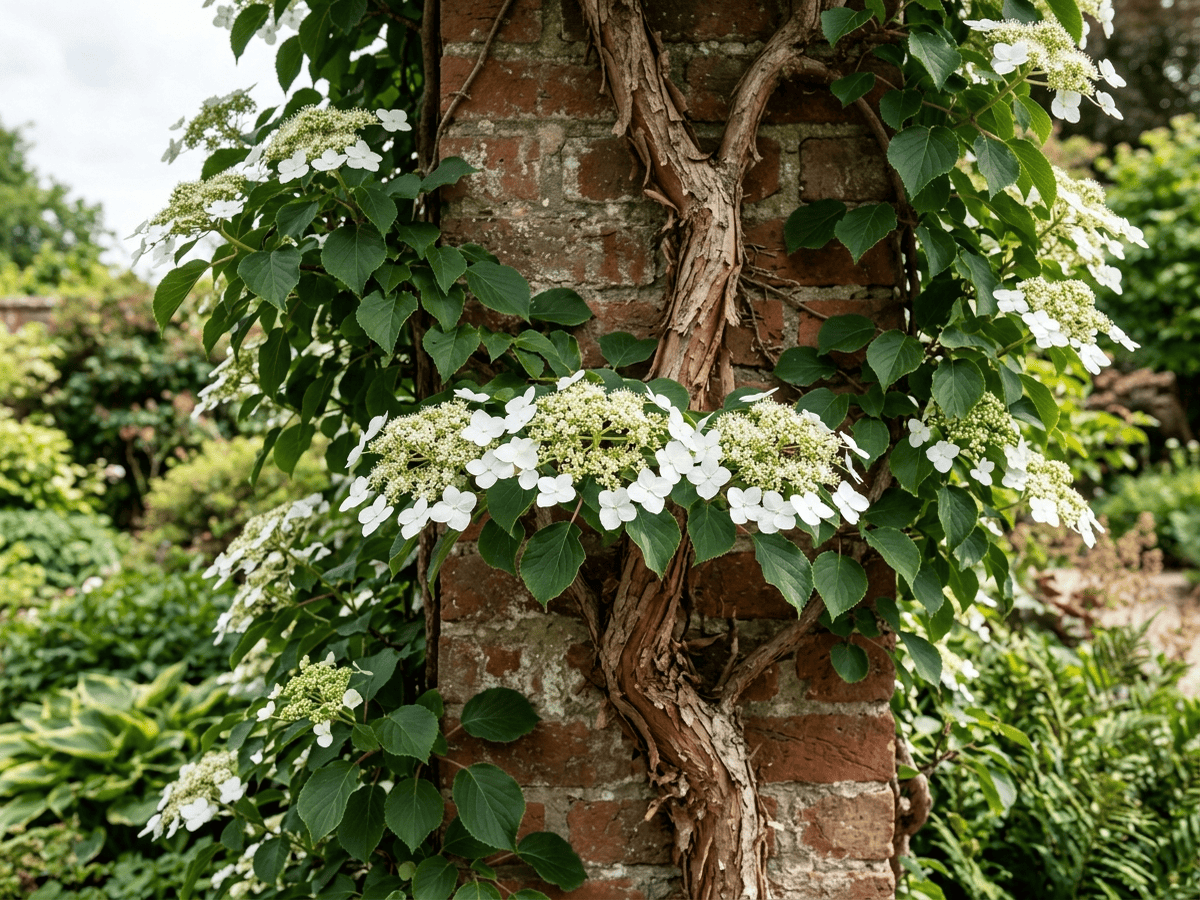 Chinese HydrangeaHydrangea anomala
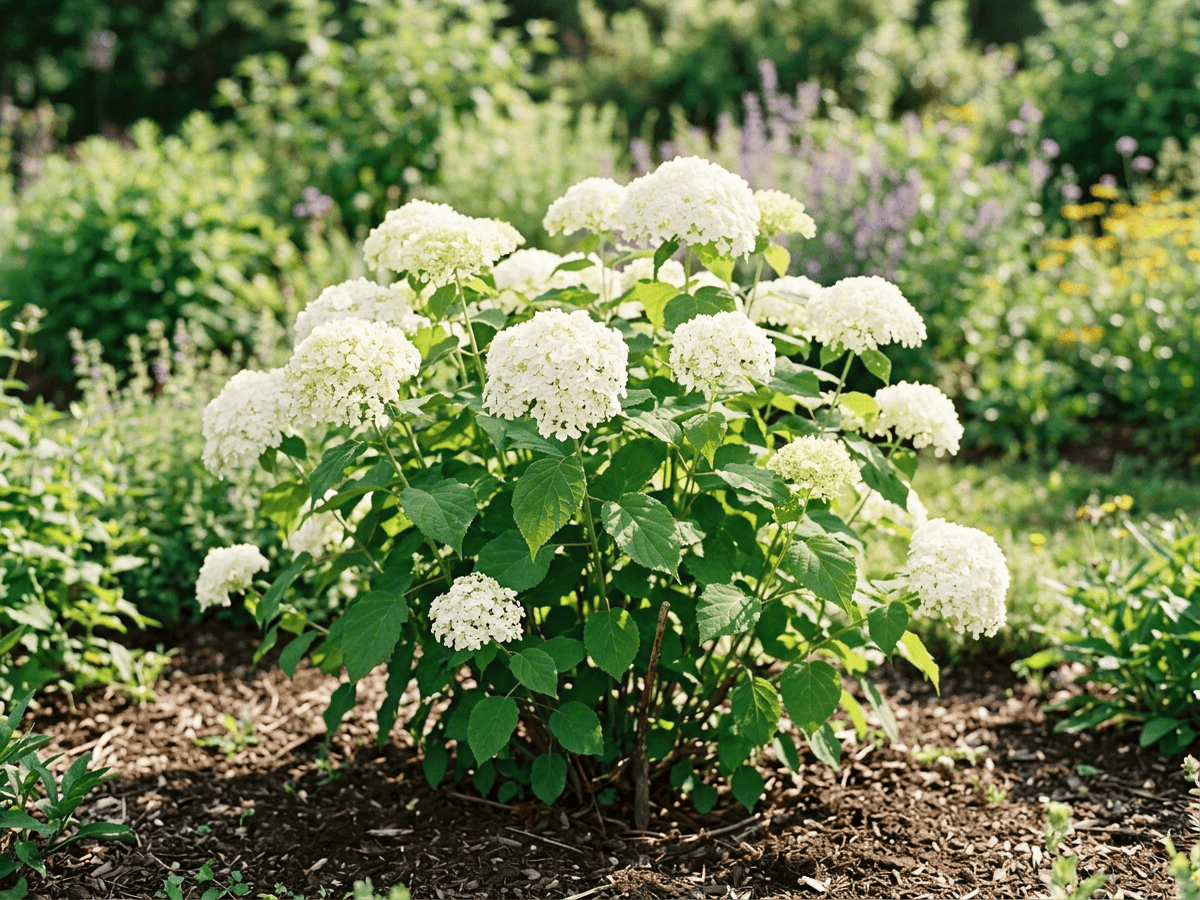 Wild HydrangeaHydrangea arborescens
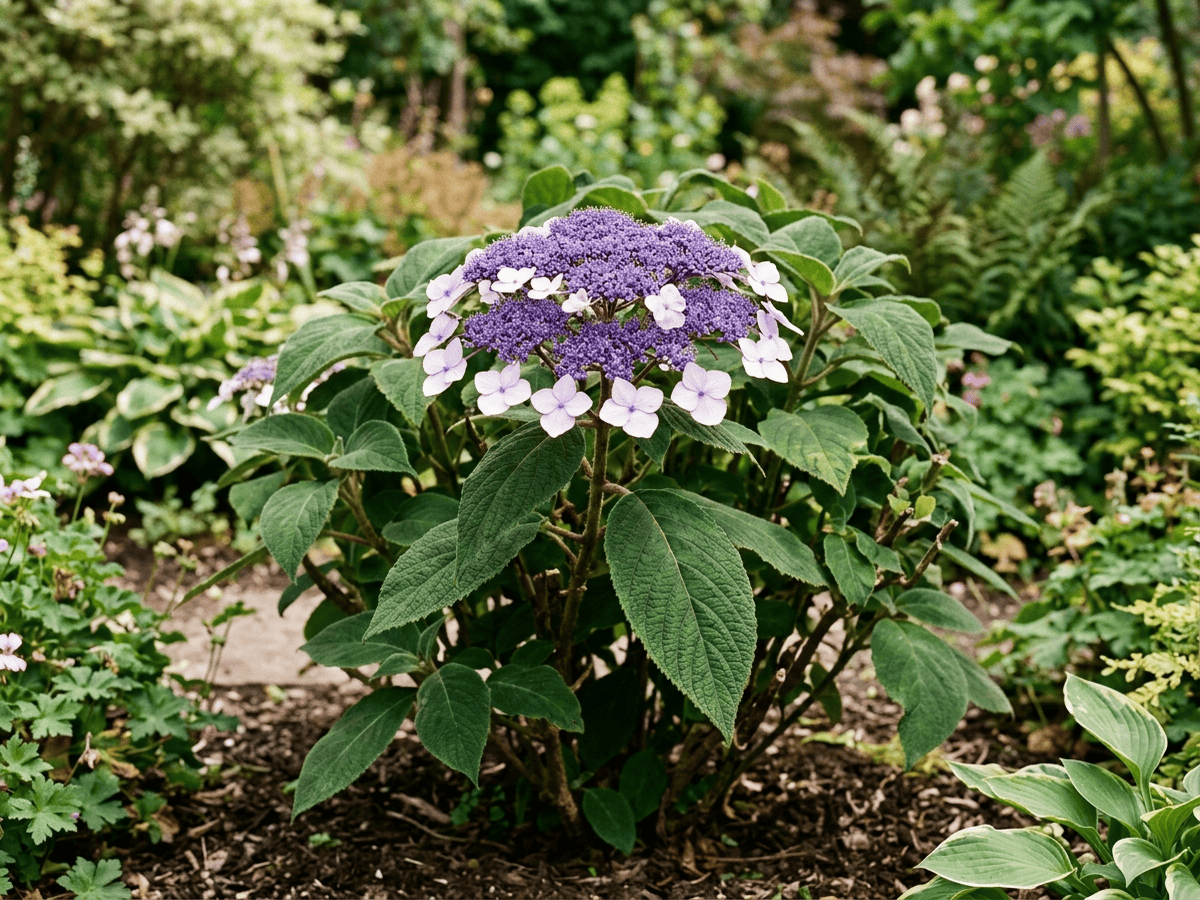 Rough-Leaved HydrangeaHydrangea aspera
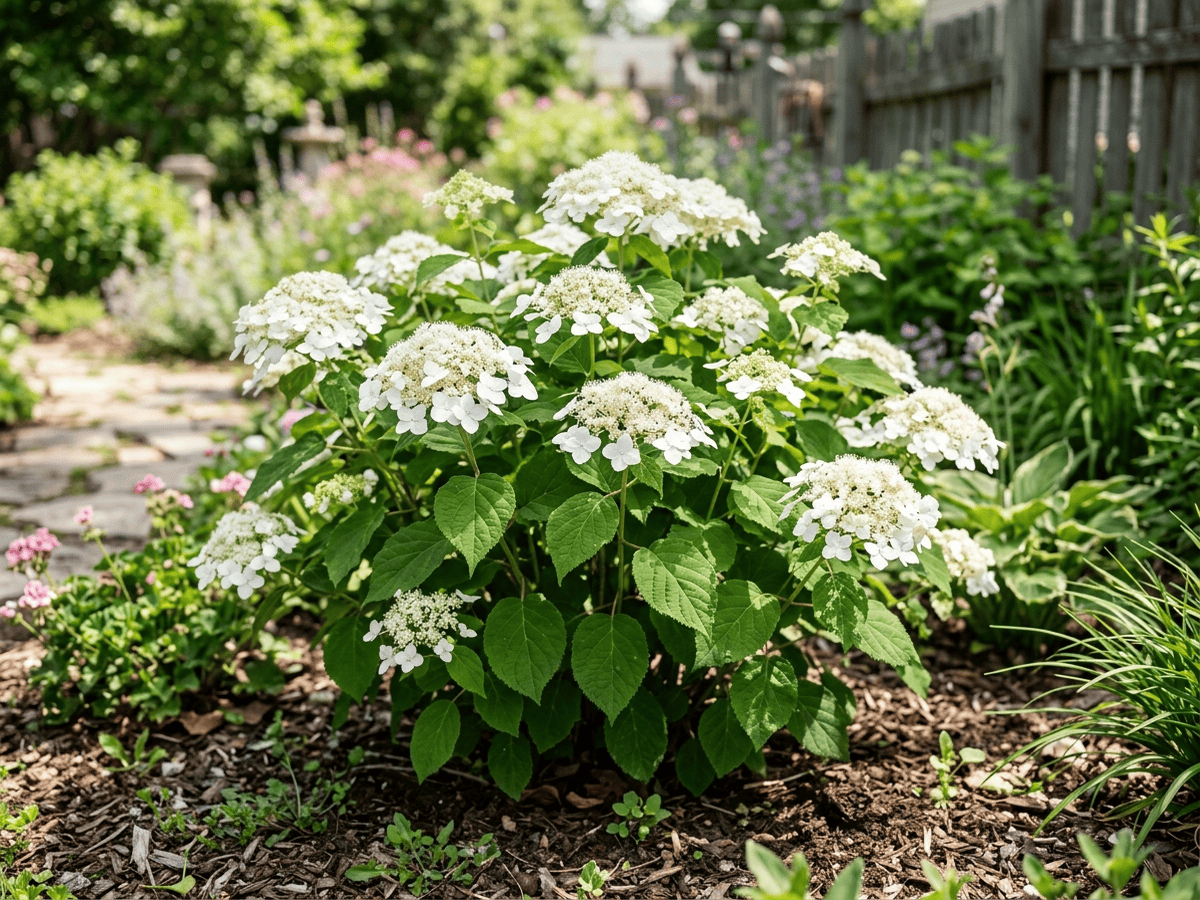 Himalayan HydrangeaHydrangea heteromalla
Plants with similar care
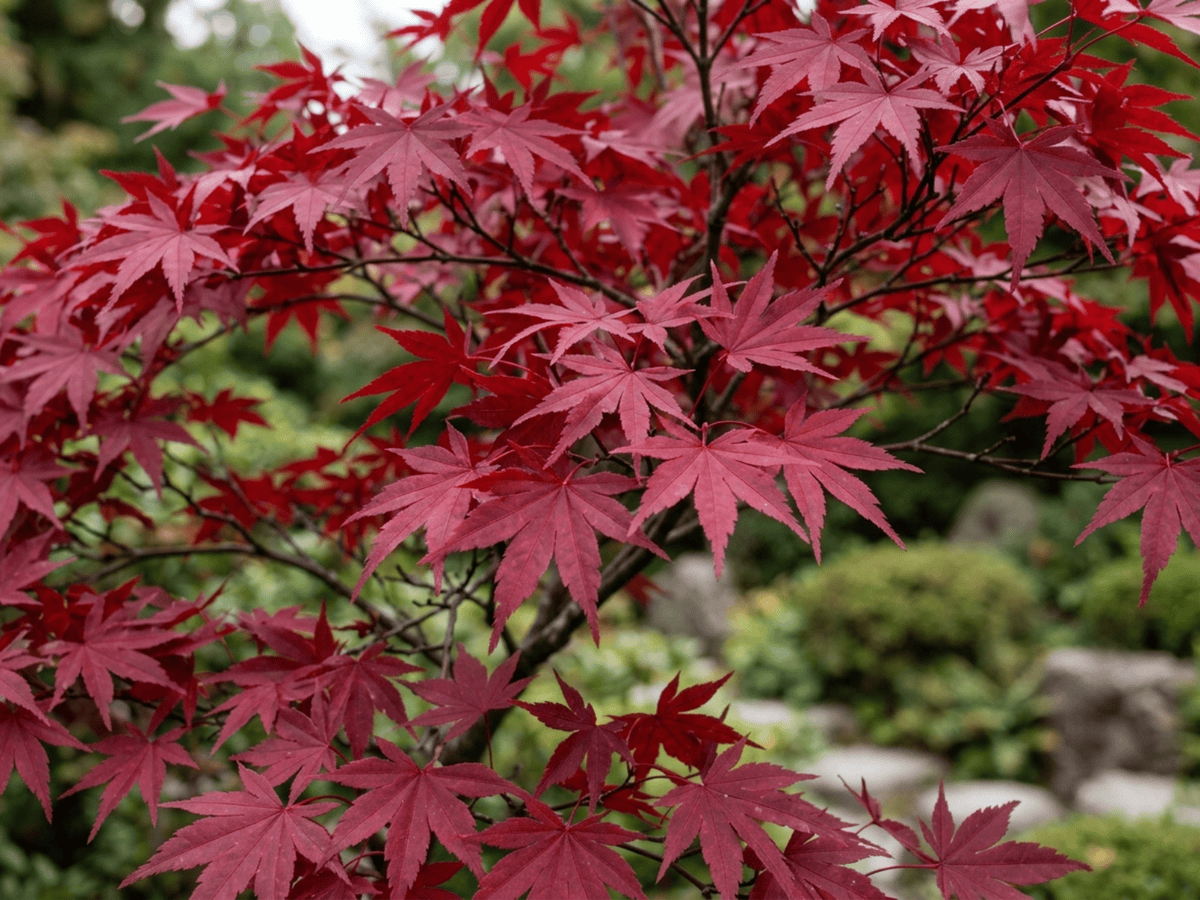 Japanese MapleAcer palmatum
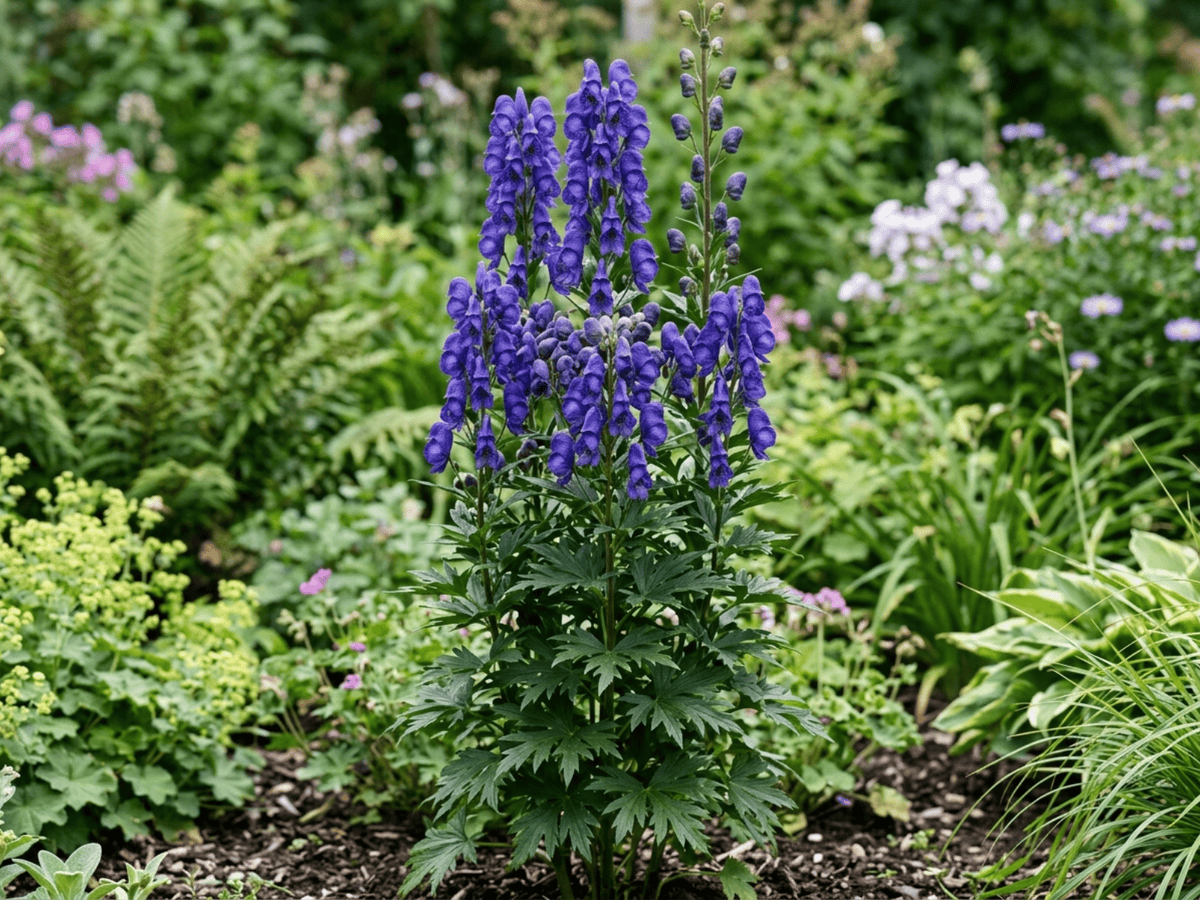 Azure MonkshoodAconitum carmichaelii
 Florida HobblebushAgarista populifolia
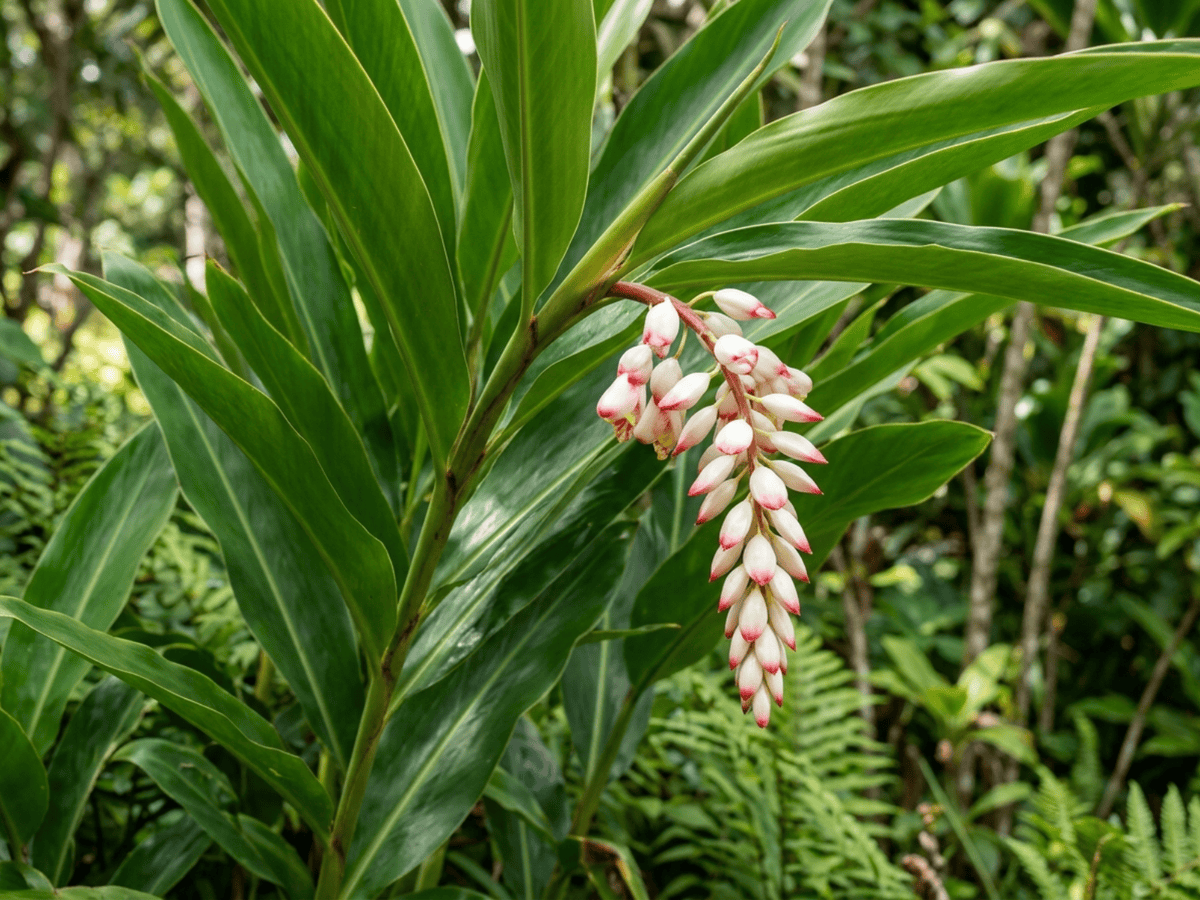 Shell GingerAlpinia zerumbet
Frequently asked questions
How often should I water Mophead Hydrangea?
In summer, water about every 2 days; in winter, about every 14 days. Adjust for heat, pot size and drainage.
How much light does Mophead Hydrangea need?
Part shade: 2–4 hrs direct. Watch the leaves — scorching or stretching means the light needs adjusting.
Is Mophead Hydrangea toxic to cats or dogs?
Pets Moderate (Dogs Moderate · Cats Moderate) Educational information, not medical or veterinary advice. If exposure is suspected, contact a doctor or veterinarian.
Is Mophead Hydrangea easy to grow?
It is moderately demanding: a good choice once you have a little experience.
When does Mophead Hydrangea bloom?
It typically blooms Jun–Aug in the Northern Hemisphere.
YardMate
Identify any plant in seconds
Snap a photo — YardMate names the plant, diagnoses problems, and reminds you when to water.
Download on the App Store