 YardMate


Western Ponderosa Pine
Pinus ponderosa
Medium · Some experienceAbout Western Ponderosa Pine
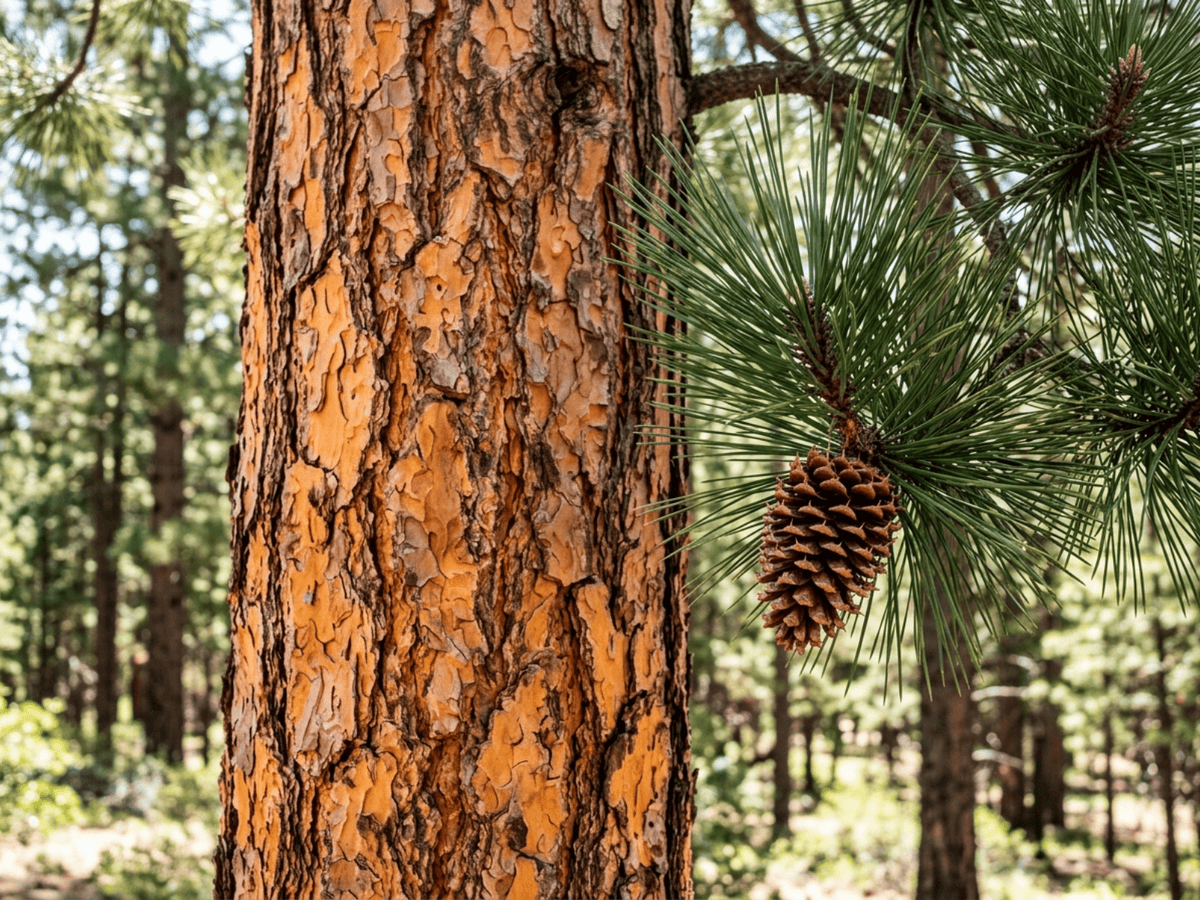
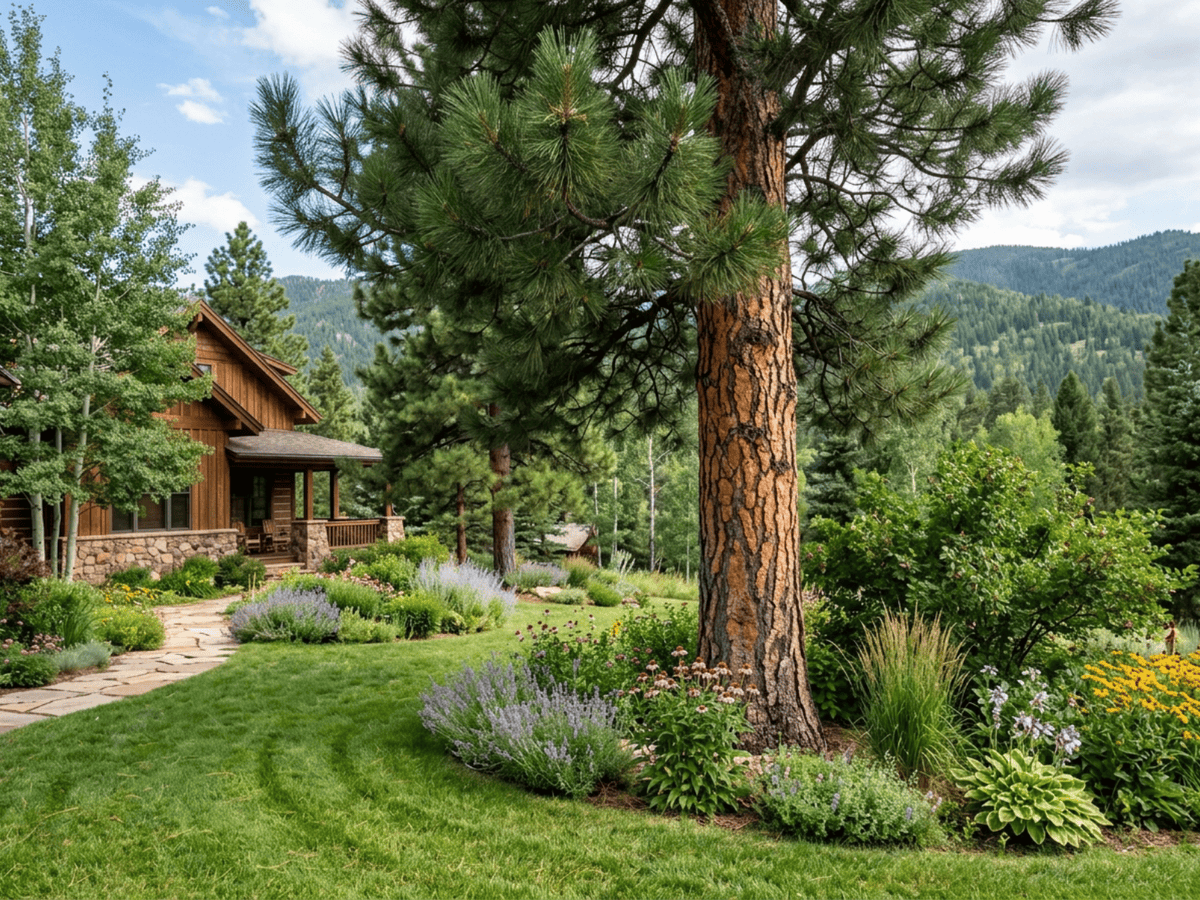
Ponderosa Pine is one of the most widespread and majestic pines in western North America, reaching 100-180 feet with a straight columnar trunk and distinctive puzzle-piece bark that smells of vanilla or butterscotch when warm. Native from British Columbia to Mexico and east to the Great Plains, it dominates California's montane forests from 2,000-7,000 feet elevation. The characteristic vanilla scent of the bark in warm sun is one of the most evocative aromas of the Sierra Nevada.
- Fragrant
- Drought-tolerant
- Evergreen
- Native
How to care for Western Ponderosa Pine
Watering
- Springevery 10 days
- Summerevery 14 days
- Fallevery 30 days
- Winterpause watering
Soil · Well-draining
- Top dressingPine bark mulch10%
- Main mixPotting soil + perlite 2:170%
- DrainageLECA / gravel20%
Never skip the drainage layer — standing water is the top cause of root rot.
FERTILIZER
This plant needs little to no feeding.
At a Glance
- NativeNorth America
- Height60–100 ft (18.3–30.5 m)
- Spread25–40 ft (7.6–12.2 m)
- Flower colorYellow
- Foliage colorGreen
- Fruit colorBrown
- SoilWell-drained, Sandy, Acidic
- LocationsYard
Bloom time
BLOOM CYCLE
Yellow pollen cones March to May
Fragrance
MODERATE FRAGRANCE
Warm bark releases distinctive butterscotch-vanilla scent on sunny afternoons — a signature sensation of western US pine forests.
Toxicity
No toxicity has been reported for this plant. Still, it is wise to keep pets from chewing on any houseplant.
Educational information, not medical or veterinary advice. If exposure is suspected, contact a doctor or veterinarian.
DISTRIBUTION

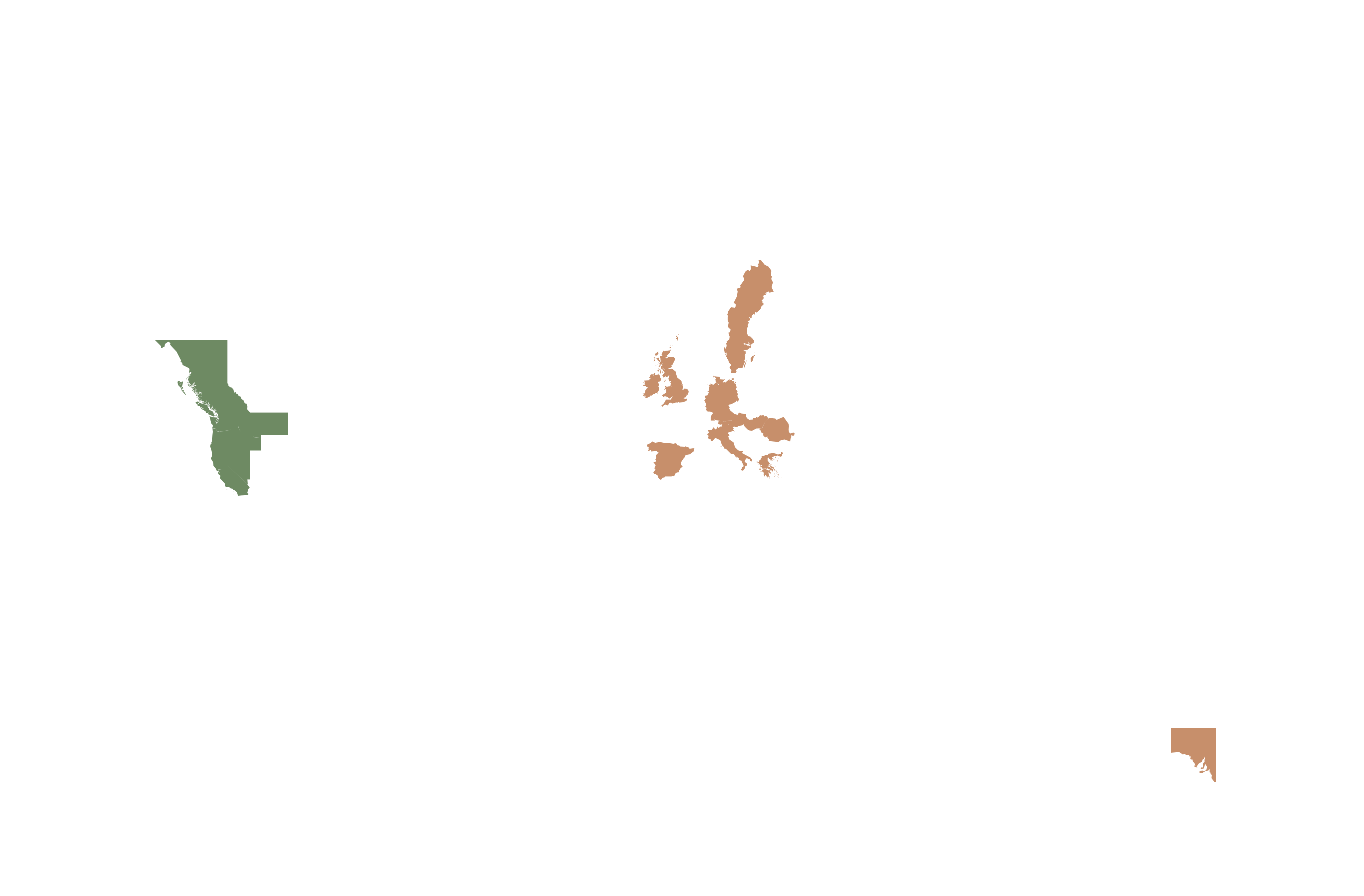
- Native
- Introduced
- North America
History
Pinus ponderosa is native across a vast range in western North America — from the southern interior of British Columbia south through the Cascade and Rocky Mountain regions, across the Sierra Nevada and Great Basin, and into northern Mexico, with an eastward range reaching parts of the Dakotas and Nebraska. It is one of the defining trees of interior western forest landscape — dominant or codominant across millions of acres of dry montane forest and foothill woodland between 500 and 2500 meters elevation. It is a tall straight-trunked conifer reaching 35-50 meters in height (occasionally exceeding 70 meters in rare giant specimens) with long dark-green needles in bundles of three (occasionally two in some populations). Mature specimens produce distinctive reddish-orange to yellow-orange deeply-furrowed plate-like bark — the bark plates resemble jigsaw-puzzle pieces separated by dark furrows — and on warm summer afternoons the bark plates emit a characteristic sweet butterscotch or vanilla scent that is one of the most distinctive sensory signatures of interior western conifer forest.
The species is the most commercially important softwood timber species of the American West, producing high-quality construction and millwork lumber. Ecologically it is a fire-adapted species — mature trees tolerate frequent low-intensity ground fires through thick insulating bark, and historical fire regimes in ponderosa forests involved roughly 10-25 year return intervals of low-intensity fire. 20th-century fire suppression has dramatically altered ponderosa forest structure, producing fuel-heavy stands now vulnerable to high-intensity megafire.
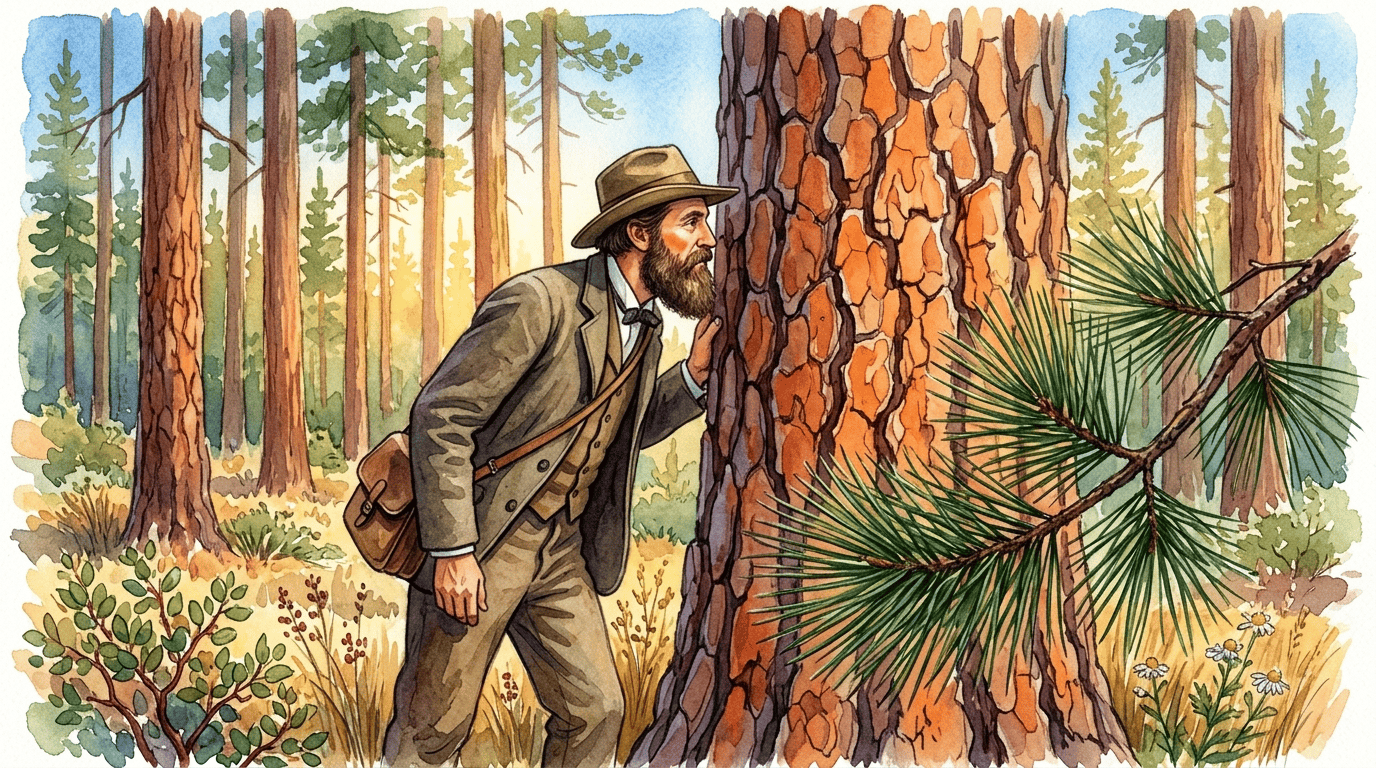
Mature trees can live 400-600 years. Indigenous peoples used the inner bark (cambium) as emergency food and extracted pitch for waterproofing. John Muir described ponderosa pines as 'the most beautiful conifer in America'. Climate change and bark beetle outbreaks are currently killing millions of trees across the West.
Symbolism & meaning
What It Symbolizes
Western Ponderosa Pine is Strength on a continental scale — massive columnar trunks that have stood for centuries through fire, drought, and snowpack. Its Warmth lives in the bark, which on hot days releases a vanilla-butterscotch scent unmistakable to anyone who has hiked the inland West. A tree you remember by smell almost as much as by sight.
- Strength — massive columnar trunks endure centuries
- Warmth — vanilla-scented bark evokes summer in the mountains
Where the Name Comes From
'Ponderosa' means 'heavy' or 'ponderous' in Latin, referring to the massive trunk and heavy wood.
Uses & Fun Facts
- Tall open canopy provides filtered shade in dry mountains
- Major western timber species for lumber and millwork
- Seeds feed squirrels, jays, and many western birds
- Bark releases warm vanilla-butterscotch scent in sun
Related plants
More Pinus plants
 Jack PinePinus banksiana
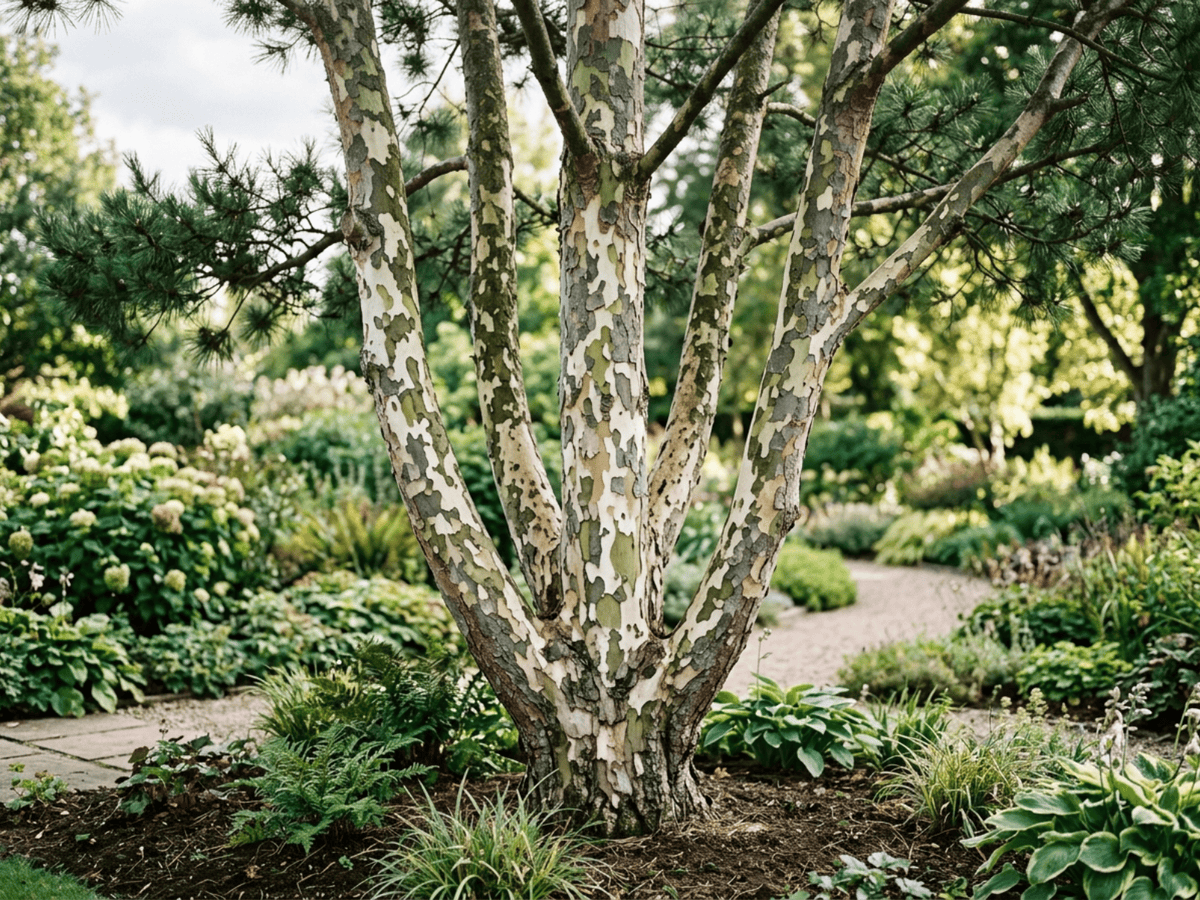 Lacebark PinePinus bungeana
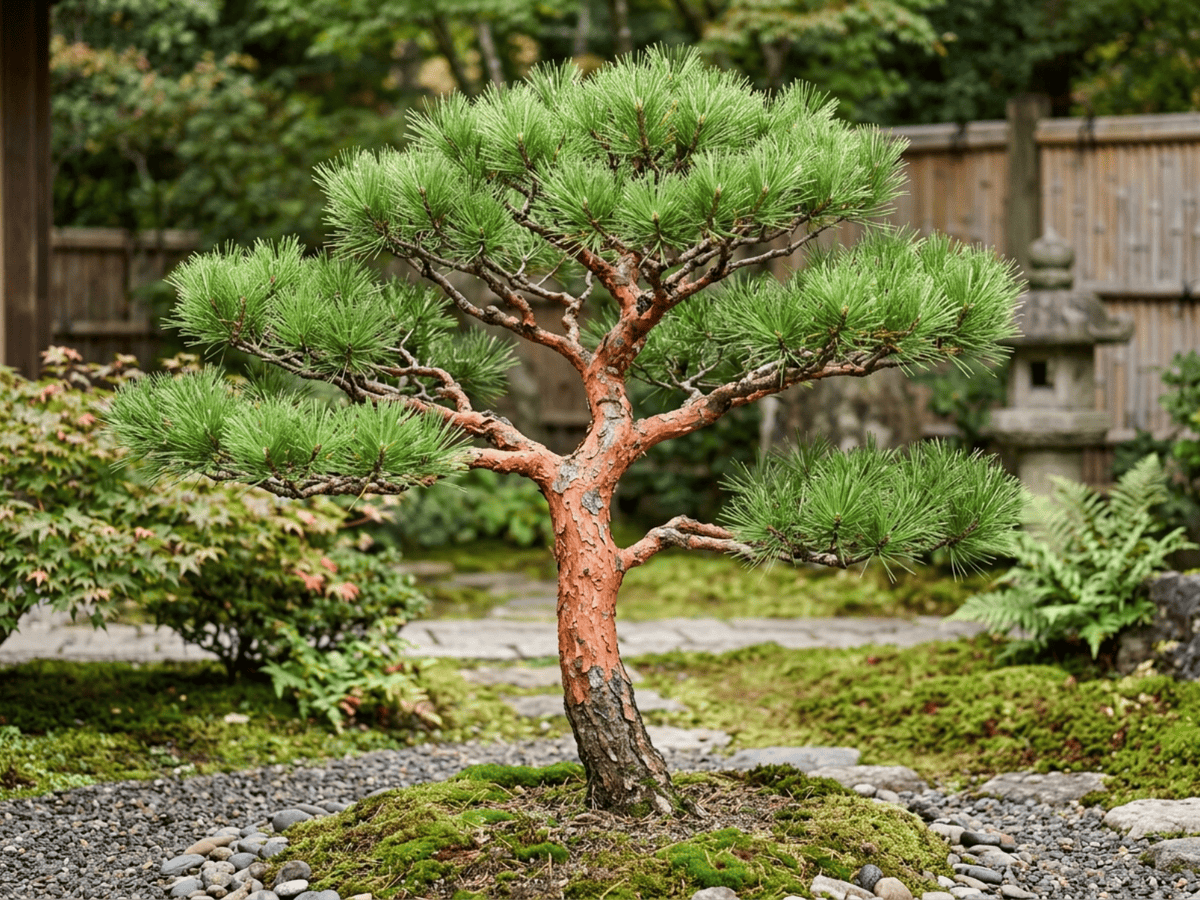 Japanese Red PinePinus densiflora
 Limber PinePinus flexilis
Plants with similar care
 Mexican AbeliaAbelia floribunda
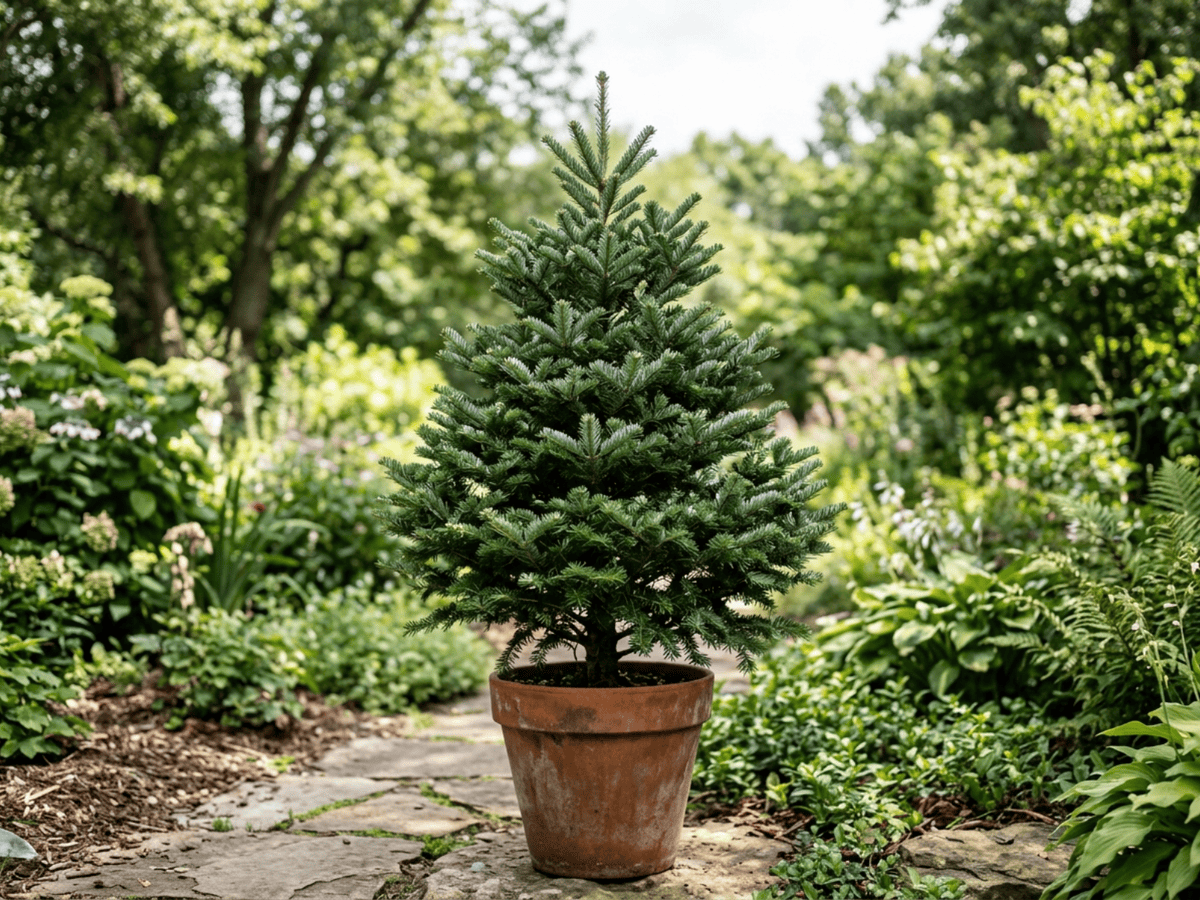 Fraser FirAbies fraseri
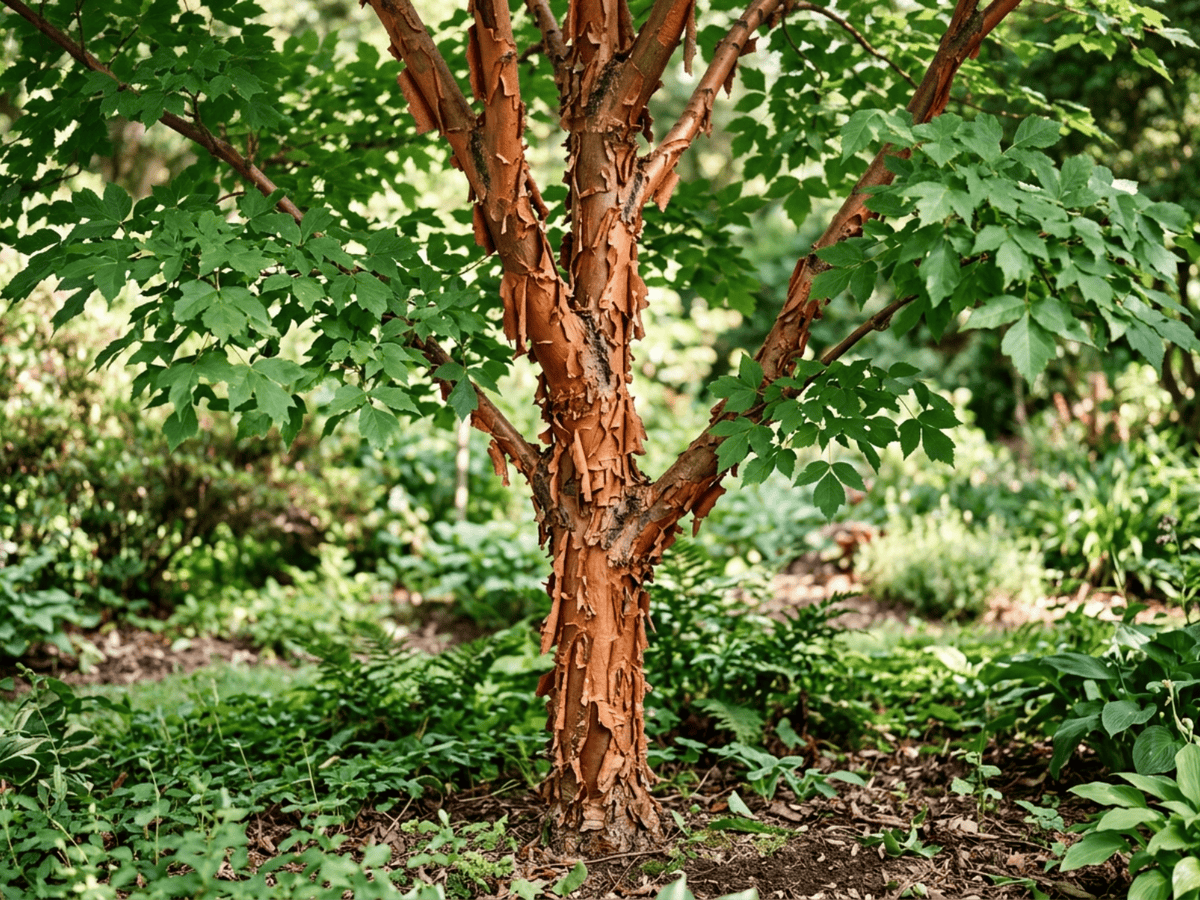 Paperbark MapleAcer griseum
 Sugar MapleAcer saccharum
Frequently asked questions
How often should I water Western Ponderosa Pine?
Water about every 10 days during the growing season, and always let excess water drain away.
How much light does Western Ponderosa Pine need?
Full sun: 6+ hrs direct. Watch the leaves — scorching or stretching means the light needs adjusting.
Is Western Ponderosa Pine toxic to cats or dogs?
No toxicity has been reported for this plant. Still, it is wise to keep pets from chewing on any houseplant. Educational information, not medical or veterinary advice. If exposure is suspected, contact a doctor or veterinarian.
Is Western Ponderosa Pine easy to grow?
It is moderately demanding: a good choice once you have a little experience.
YardMate
Identify any plant in seconds
Snap a photo — YardMate names the plant, diagnoses problems, and reminds you when to water.
Download on the App Store