 YardMate

Common Chickweed
Stellaria media
Easy · Beginner friendlyAbout Common Chickweed
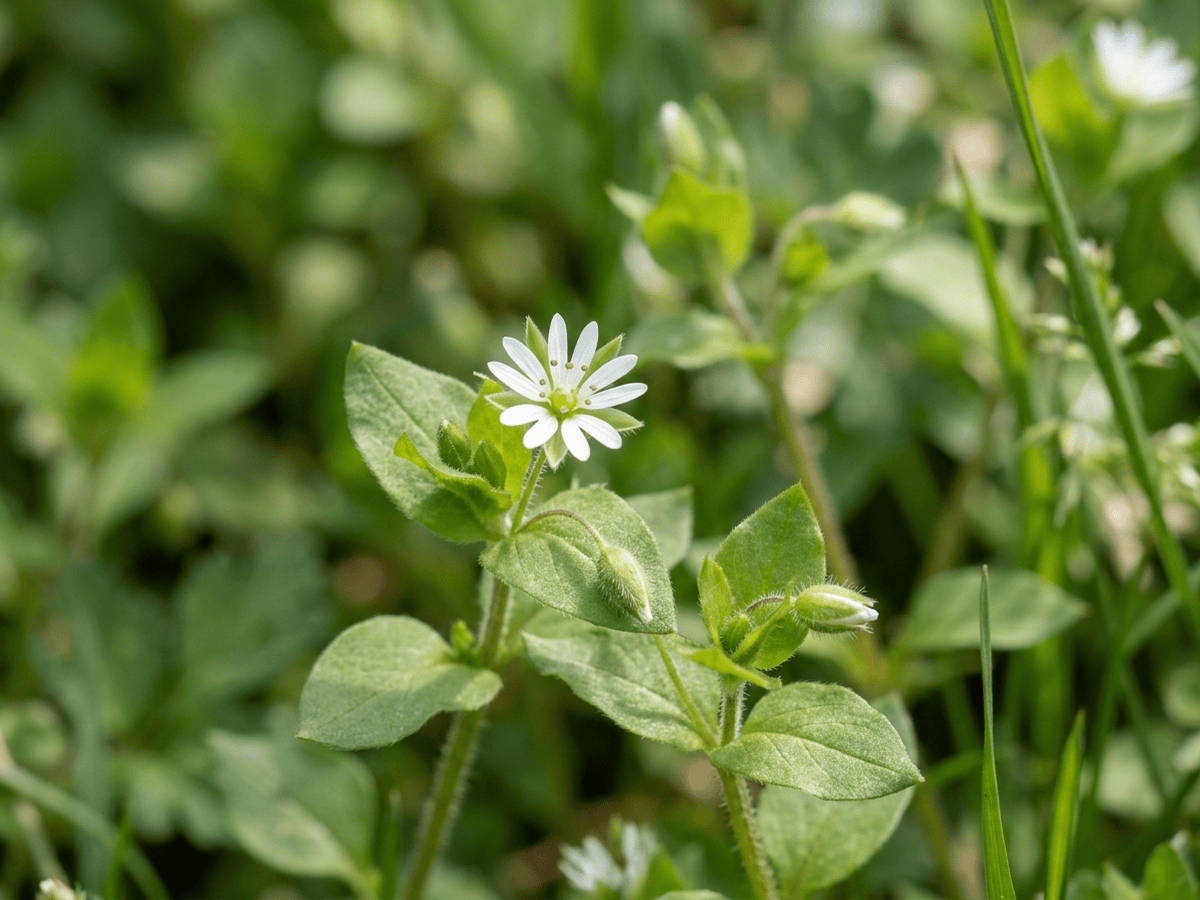
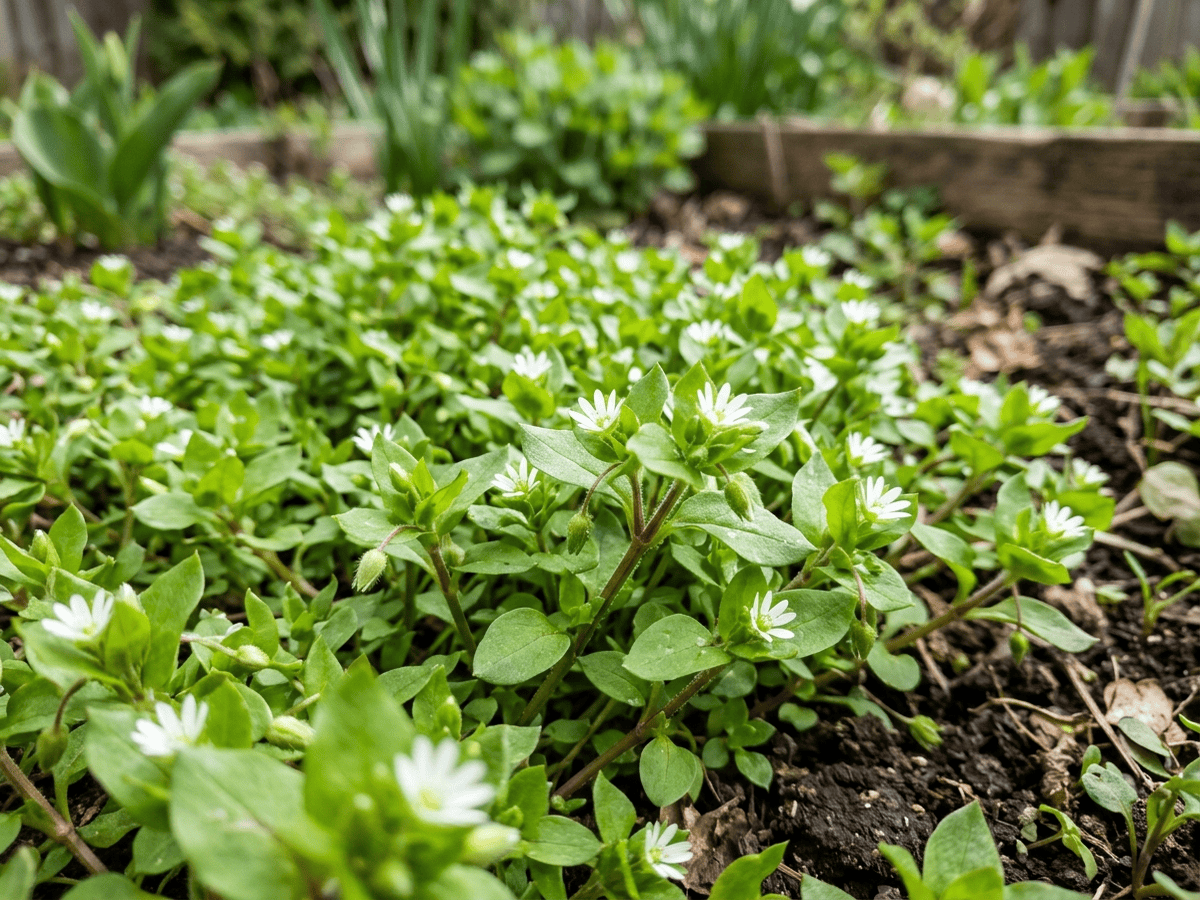
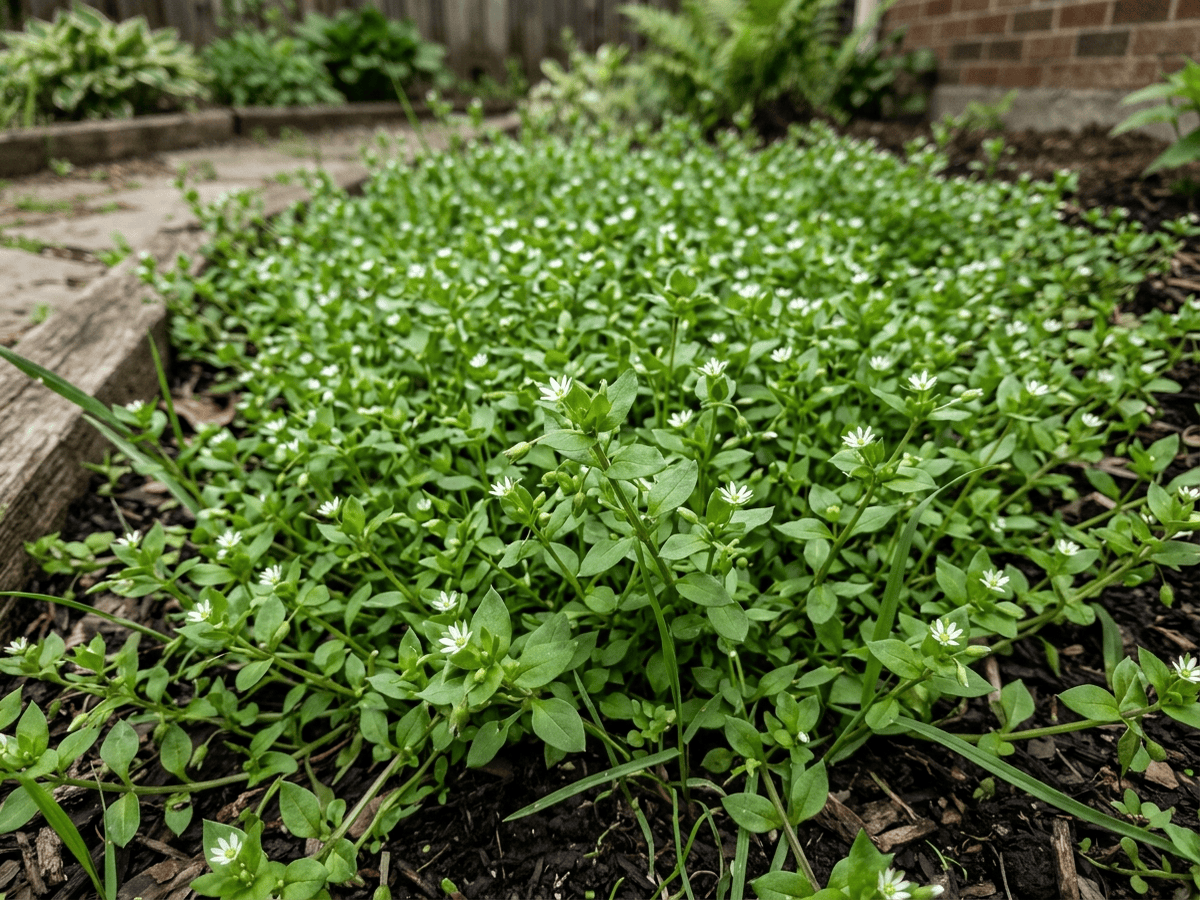
Common Chickweed is a small European winter annual naturalized throughout the US, forming low spreading mats of small oval leaves on delicate stems with a characteristic single line of hairs along one side. Produces tiny white star-shaped flowers with five deeply-cleft petals that appear as 10 petals. Invades lawns, gardens, and moist disturbed soil year-round in mild climates, and is edible with a fresh corn-silk flavor beloved by foragers.
- Edible
- Shade-tolerant
How to care for Common Chickweed
Watering
- Springevery 7 days
- Summerevery 5 days
- Fallevery 10 days
- Winterevery 14 days
Soil · Rich & well-draining
- Top dressingCompost10%
- Main mixPotting soil + compost 3:180%
- DrainageGravel10%
Top up the compost layer each season.
FERTILIZER
This plant needs little to no feeding.
At a Glance
- NativeEurope
- Height0.3–0.5 ft (0.1–0.2 m)
- Spread0.5–1.5 ft (0.2–0.5 m)
- Flower colorWhite
- Foliage colorGreen
- Fruit colorBrown
- SoilRich, Loamy, Well-drained
- LocationsYard
Bloom time
BLOOM CYCLE
Peak bloom
Jan–Dec
Tiny white star flowers nearly year-round in mild climates
Toxicity
No toxicity has been reported for this plant. Still, it is wise to keep pets from chewing on any houseplant.
Educational information, not medical or veterinary advice. If exposure is suspected, contact a doctor or veterinarian.
DISTRIBUTION

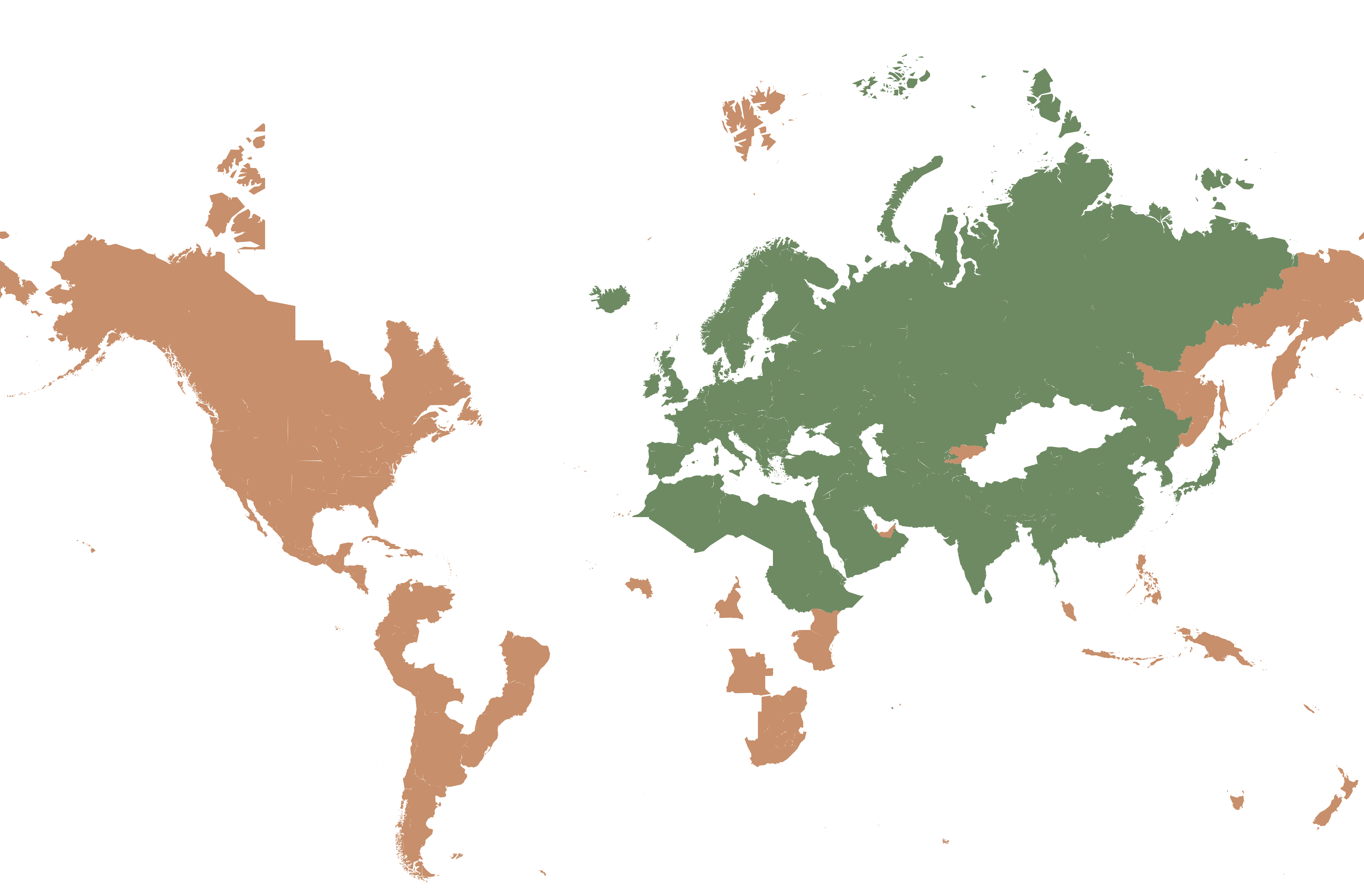
- Native
- Introduced
- Europe
History

Stellaria media originated in Europe and has spread to every continent as a cool-season annual of gardens, lawns, and disturbed ground. Linnaeus described it as Alsine media in 1753, and Villars transferred it to Stellaria in 1789. It has been eaten as a wild green since antiquity; fossil evidence shows it was part of Neolithic European diets.
Medieval herbalists including Culpeper used fresh poultices for skin inflammation, boils, and eczema — a use supported by modern research showing saponins in the leaves soothe irritation. The leaves and flowers remain a traditional spring tonic and salad green across Europe, added fresh to soups and sandwiches. It produces up to 15,000 seeds per plant that germinate even under snow, making it nearly impossible to eradicate from cool-weather gardens.
Birds eat the seeds eagerly. Native to Europe and western Asia, introduced to North America in colonial times and now one of the most widespread cool-season weeds. Historically gathered for chicken food, giving the common name. A favorite spring tonic green in European and American foraging traditions, high in vitamin C and minerals.
Symbolism & meaning
What It Symbolizes
Common Chickweed carries modesty in its tiny starry white flowers, hiding among lawn grass where only the careful eye notices them. As a spring tonic, it has been gathered for centuries as a foraged green — mild, tender, and full of the freshness early-season cooks crave. Its meaning is the quiet usefulness of a small plant, a humble star both edible and overlooked at the same time.
- Modesty — tiny starry flowers hide among lawn grass
- Spring tonic — traditional foraged spring green
Where the Name Comes From
'Stellaria' from Latin 'stella' meaning star, for the tiny star-shaped flowers; 'media' means middle for moderate size between related species.
Uses & Fun Facts
- Mild young leaves eaten in salads as wild green
- Traditional folk remedy used as poultice for skin irritation
Related plants
Plants with similar care
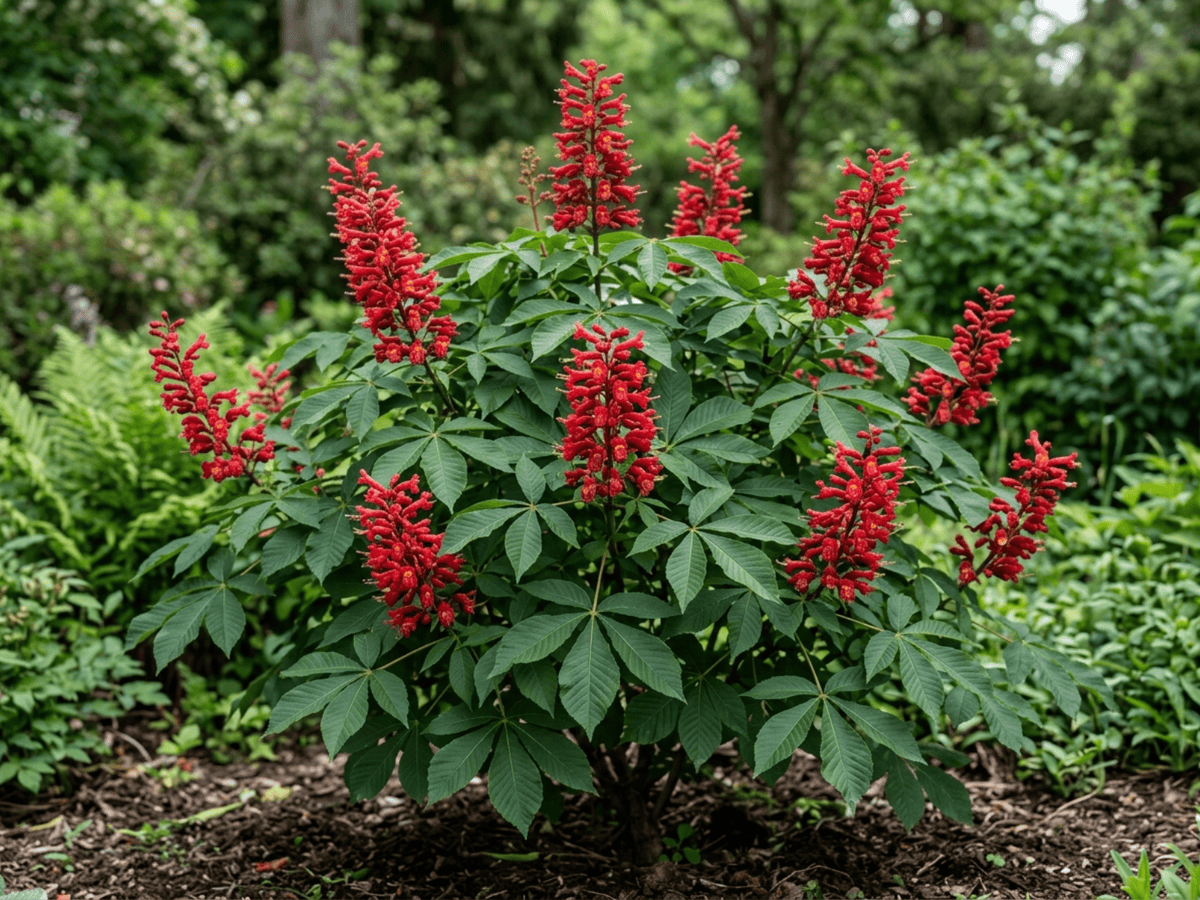 Red BuckeyeAesculus pavia
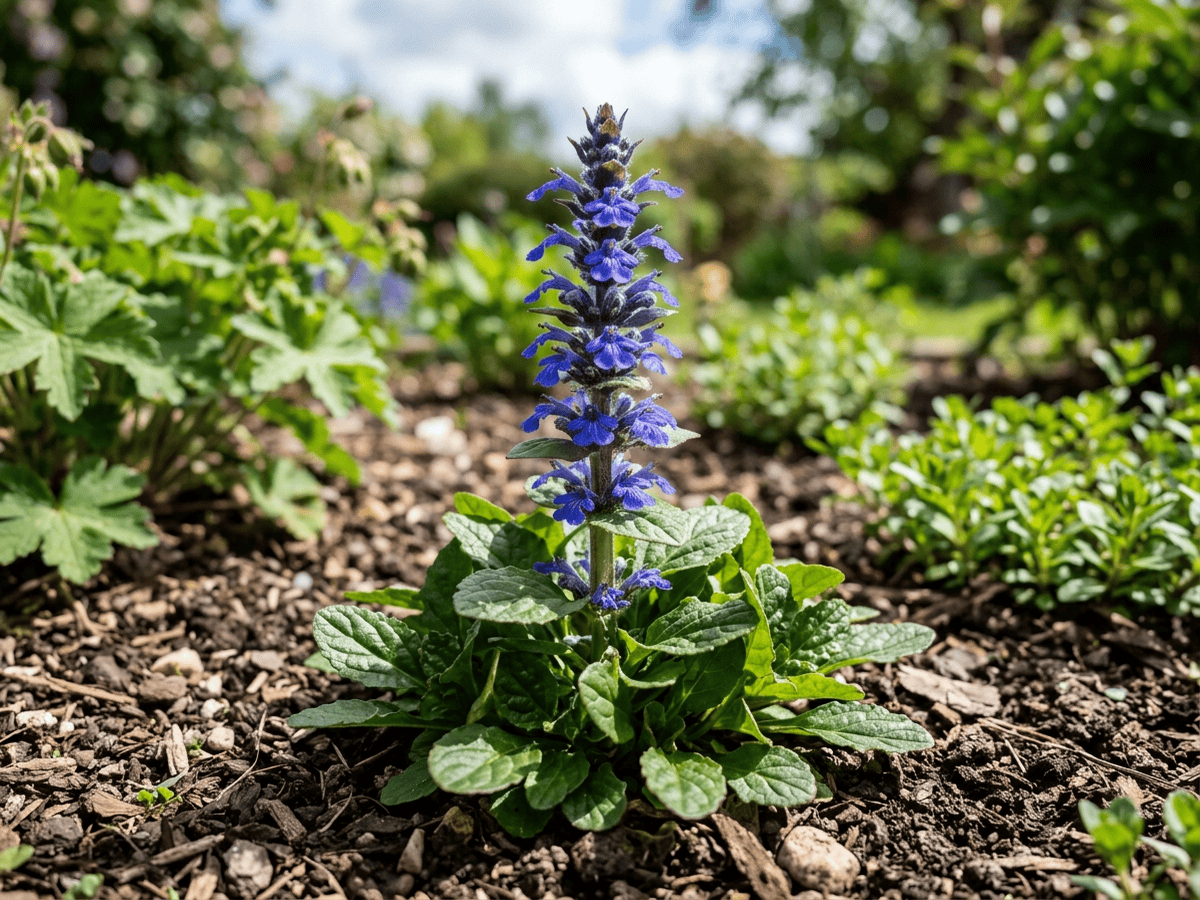 Blue BugleAjuga genevensis
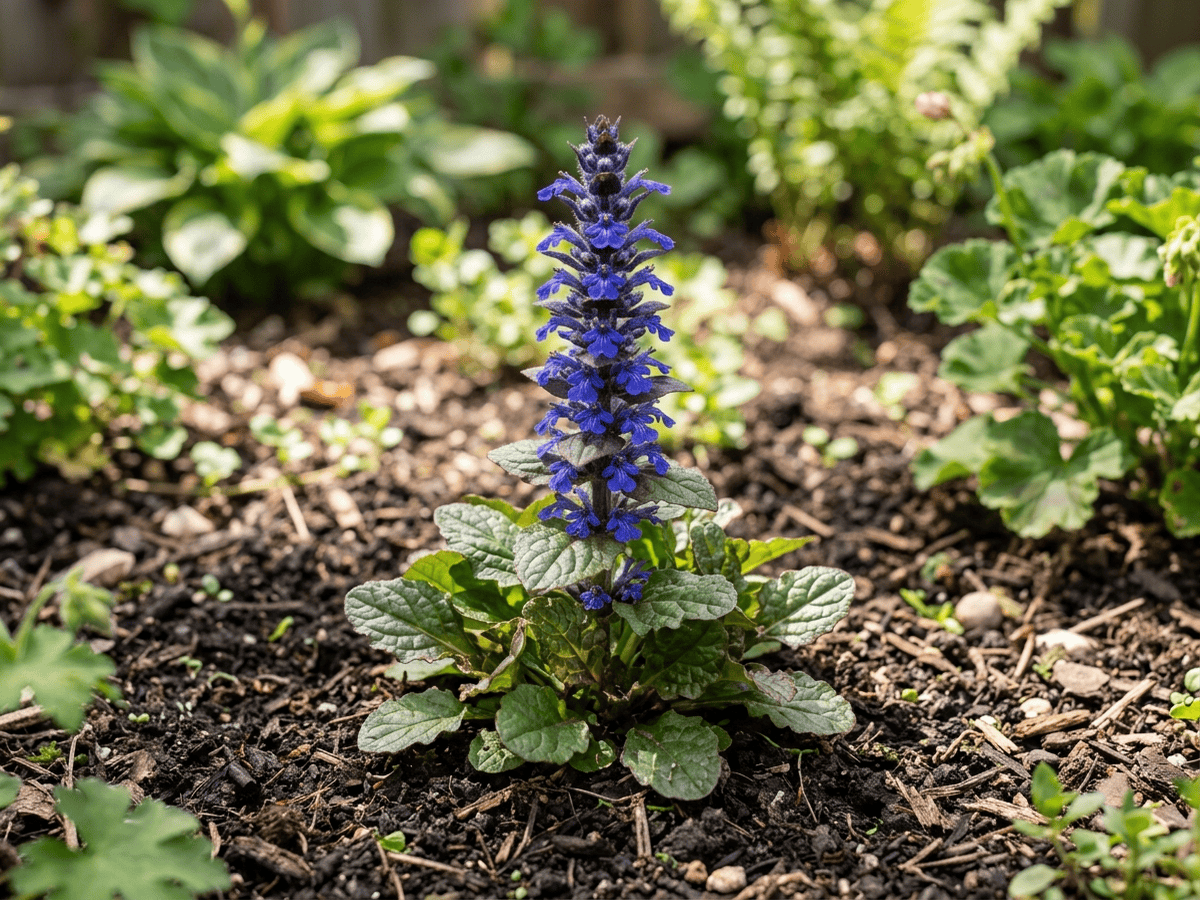 Pyramidal BugleAjuga pyramidalis
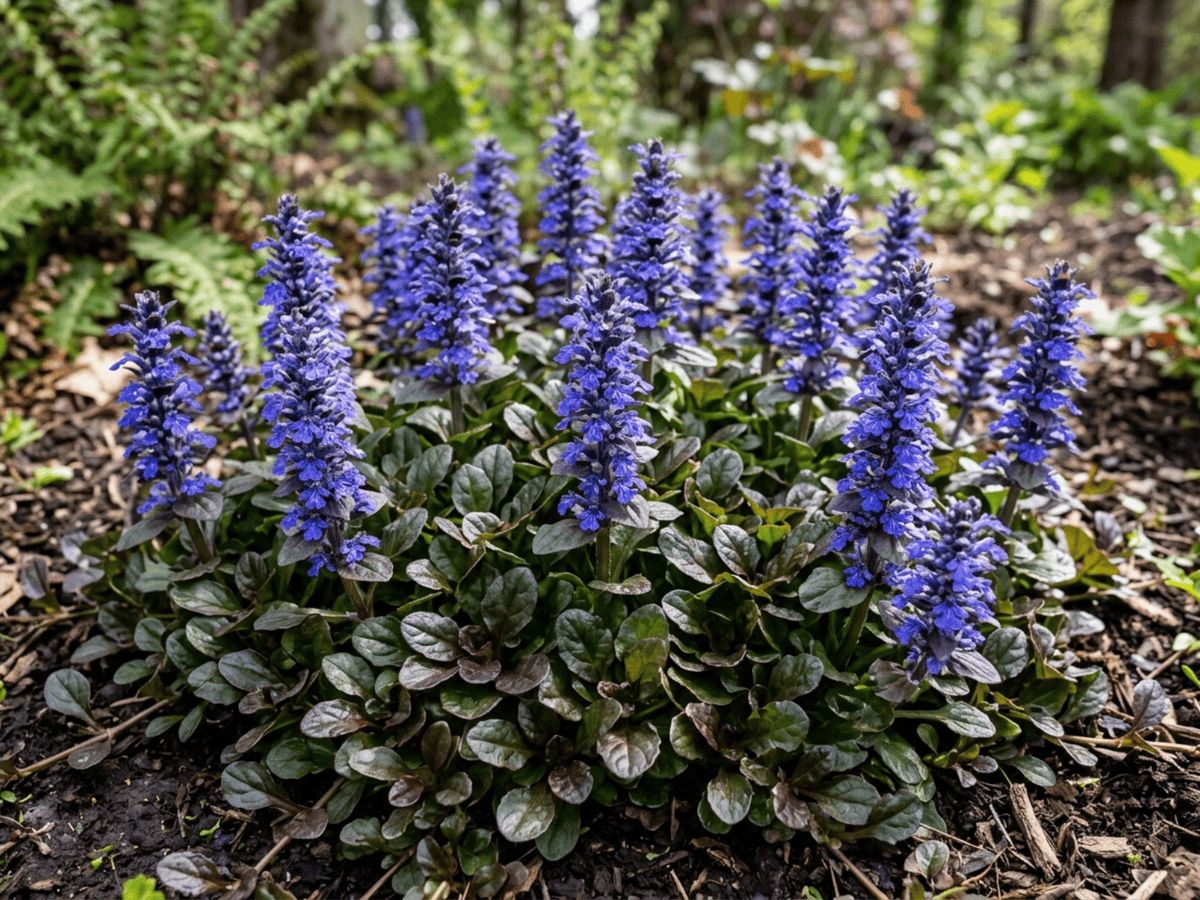 Carpet BugleAjuga reptans
Frequently asked questions
How often should I water Common Chickweed?
In summer, water about every 5 days; in winter, about every 14 days. Adjust for heat, pot size and drainage.
How much light does Common Chickweed need?
Part shade: 2–4 hrs direct. Watch the leaves — scorching or stretching means the light needs adjusting.
Is Common Chickweed toxic to cats or dogs?
No toxicity has been reported for this plant. Still, it is wise to keep pets from chewing on any houseplant. Educational information, not medical or veterinary advice. If exposure is suspected, contact a doctor or veterinarian.
Is Common Chickweed easy to grow?
Yes — it is considered an easy, beginner-friendly plant.
When does Common Chickweed bloom?
It typically blooms Jan–Dec in the Northern Hemisphere.
YardMate
Identify any plant in seconds
Snap a photo — YardMate names the plant, diagnoses problems, and reminds you when to water.
Download on the App Store