 YardMate
Alsike Clover
Trifolium hybridum
Hard · Experienced growersAbout Alsike Clover
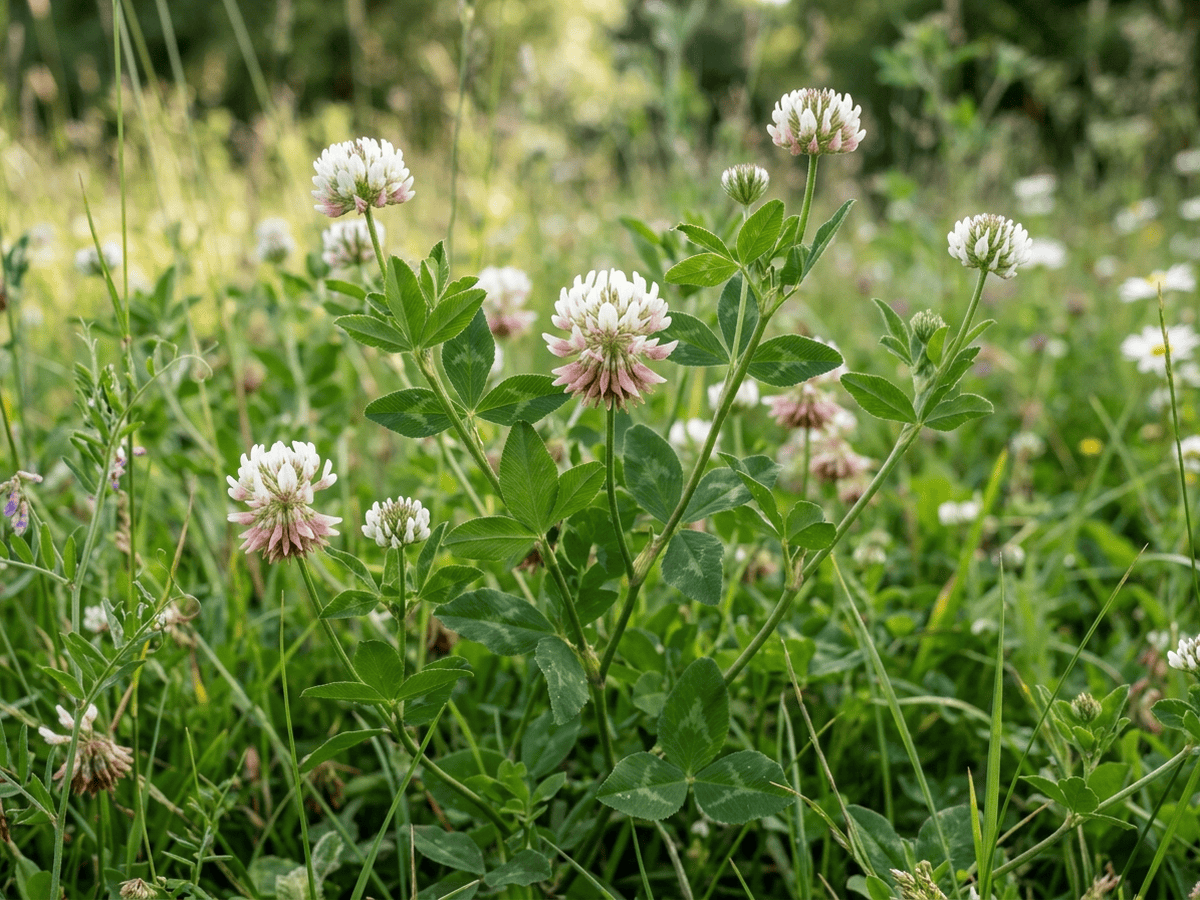
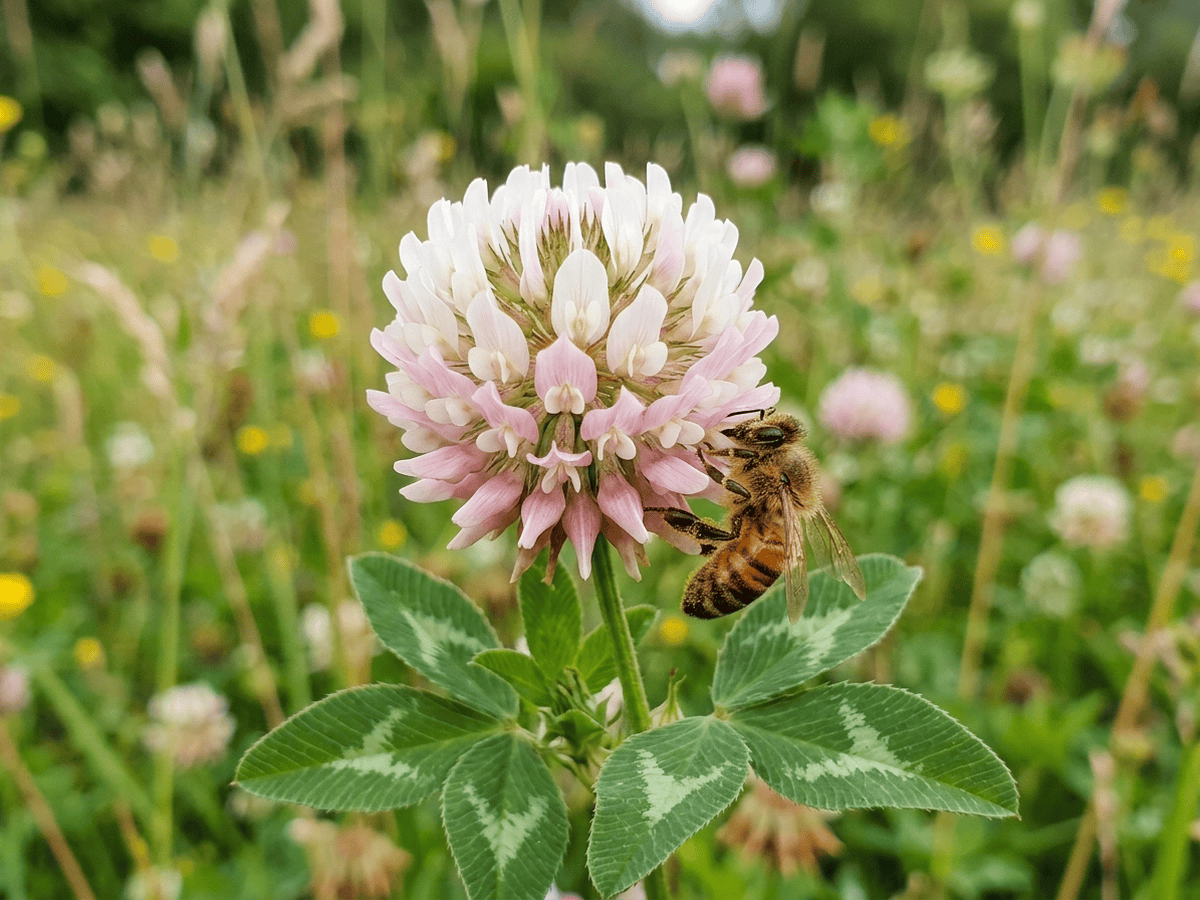
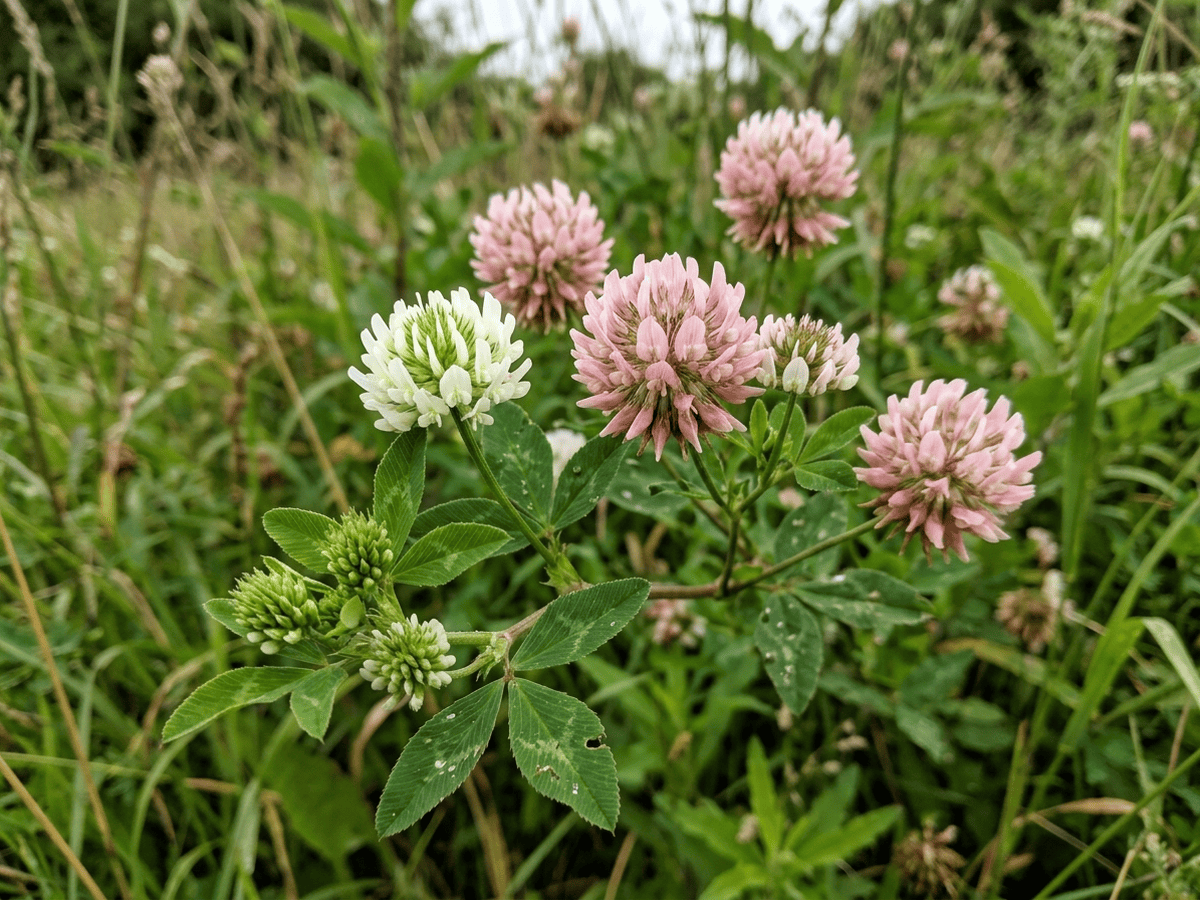
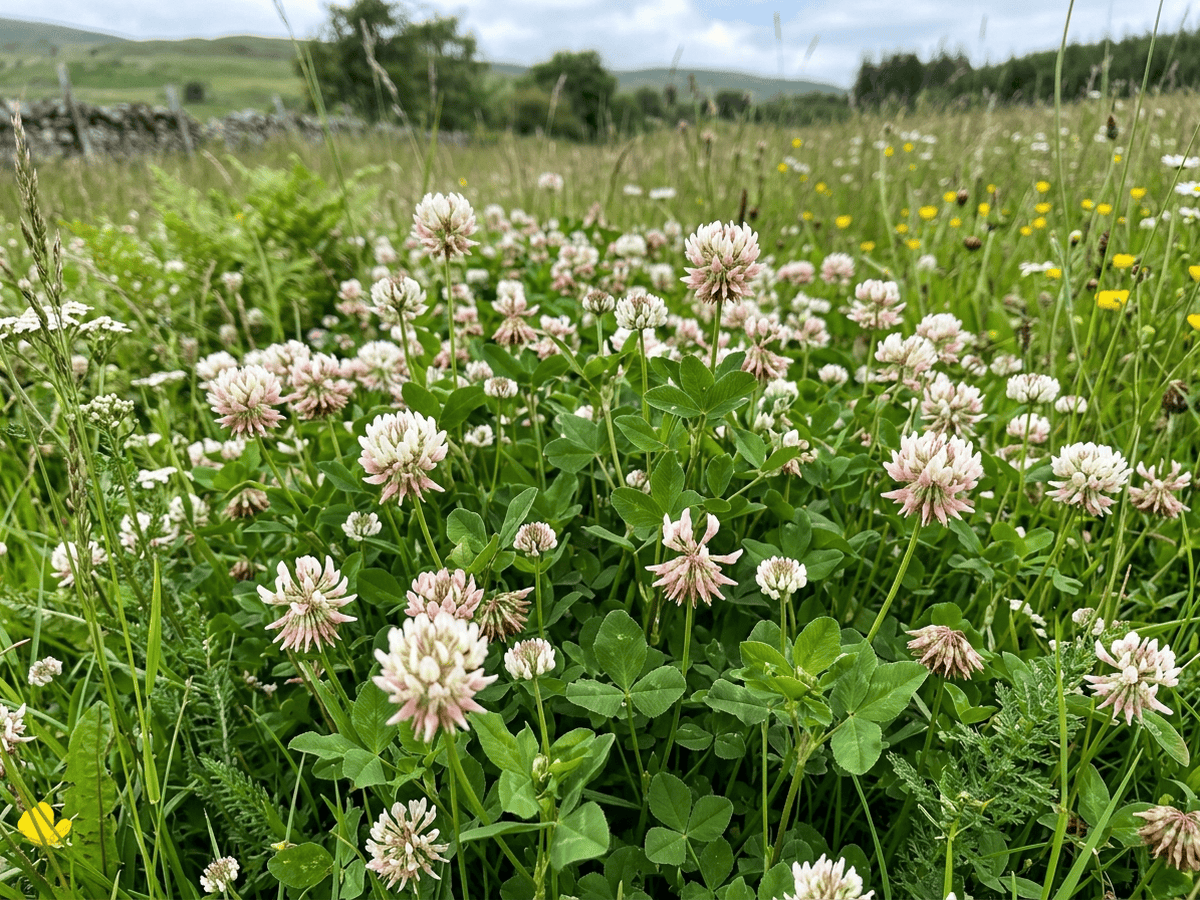
Trifolium hybridum, Alsike Clover, is a cold-hardy clover from Europe and Asia that blooms through summer with attractive globe-shaped flower heads opening white and aging to pink. Growing 1–1.5 feet tall on hollow, branching stems, it tolerates wet and acidic soils where red clover fails—making it the clover of choice for difficult northern pastures and meadow gardens. A rich nectar producer, it is highly valued by honeybees and has been an important hay and green manure crop across the cold temperate world since the 1800s.
- Deciduous
- Drought-tolerant
- Pollinator-friendly
- Cold-hardy
- Fast-growing
How to care for Alsike Clover
Watering
- Springevery 15 days
- Summerevery 10 days
- Fallevery 20 days
- Winterpause watering
Soil · Well-draining
- Top dressingPine bark mulch10%
- Main mixPotting soil + perlite 2:170%
- DrainageLECA / gravel20%
Never skip the drainage layer — standing water is the top cause of root rot.
FERTILIZER
- Springevery 30 days
- Summerevery 30 days
At a Glance
- NativeEurope, Asia
- Height1–1.5 ft (0.3–0.5 m)
- Spread2–3 ft (0.6–0.9 m)
- Flower colorWhite, Pink
- Foliage colorGreen
- SoilWell-drained, Moist, Neutral
- LocationsYard · Balcony
Bloom time
BLOOM CYCLE
Peak bloom
Jun–Aug
Offers attractive blooms throughout summer, attracting pollinators and enriching soil.
Fragrance
LIGHT FRAGRANCE
Faint sweet honey fragrance typical of Trifolium; noticeable close-up in mass plantings.
Toxicity
No toxicity has been reported for this plant. Still, it is wise to keep pets from chewing on any houseplant.
Educational information, not medical or veterinary advice. If exposure is suspected, contact a doctor or veterinarian.
DISTRIBUTION

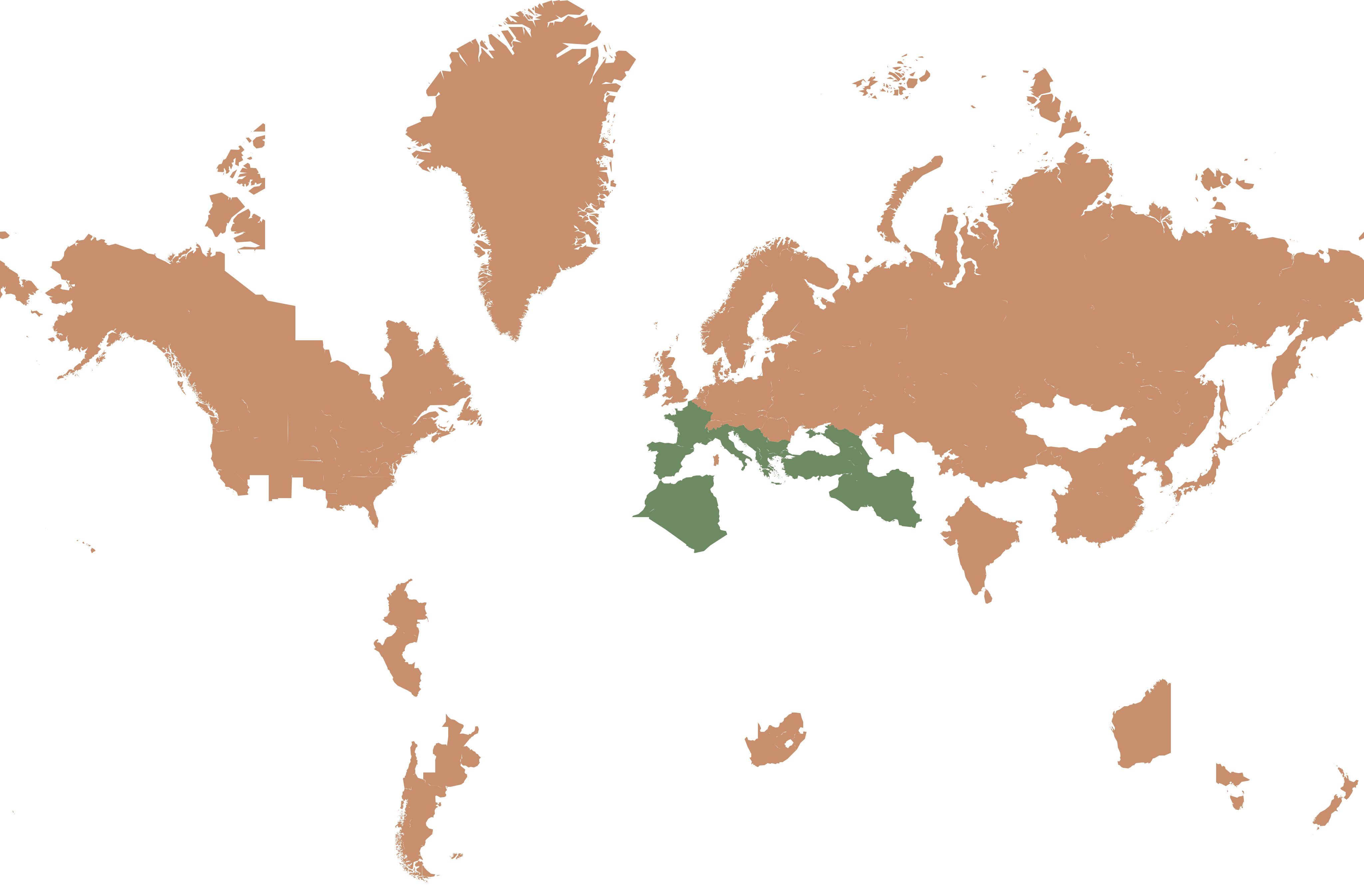
- Native
- Introduced
- Europe
- Asia
History
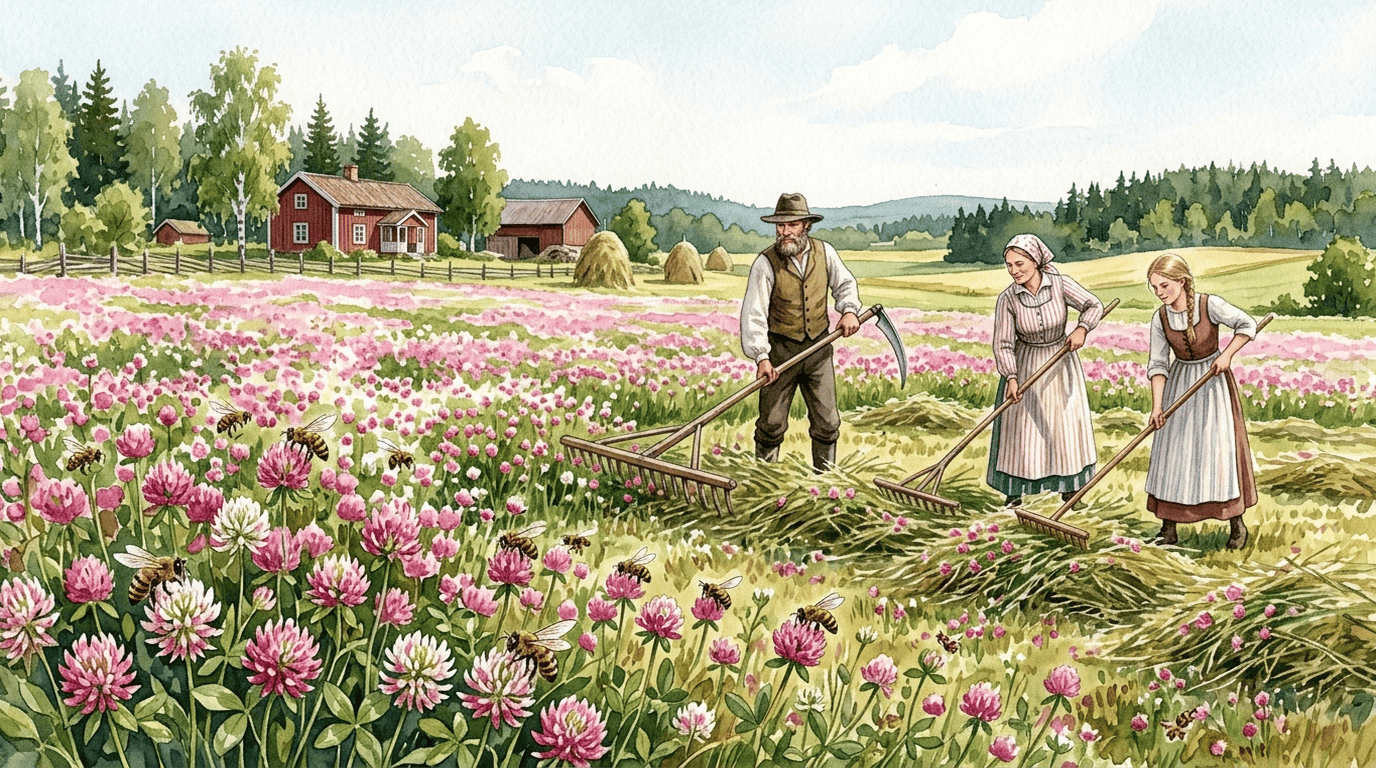
Trifolium hybridum is named for Alsike, a parish in Uppland, Sweden, where the plant was reportedly cultivated and from which it was described to European botanists. The species name 'hybridum' reflects a long-held belief that it arose as a natural hybrid between red clover (T. pratense) and white clover (T. repens)—an idea supported by its intermediate appearance, with hollow stems like white clover and upright growth more like red clover. Modern taxonomic consensus treats it as a distinct species rather than a hybrid, though the name persists.
Alsike clover fills an important ecological and agricultural niche: it tolerates cold, wet, and acidic soils that defeat T. pratense, making it the go-to clover for difficult northern and highland pastures across Scandinavia, Britain, the Alps, and northern North America. Introduced to North America in the early 1800s, it was widely adopted by farmers in Canada and the northern United States for hay production, soil improvement, and pollinator support.
For beekeepers, Alsike clover is a prized honey plant—its flowers produce abundant nectar across a long summer season, and Alsike honey is considered among the finest light-colored honeys in northern regions.
The plant is also notable as a historical cautionary tale for horse farmers: large quantities of Alsike clover, especially when wilted or moldy, can cause photosensitization ('alsike clover disease') in horses. This well-documented condition prompted careful management on mixed clover pastures across the 19th and 20th centuries.
Symbolism & meaning
What It Symbolizes
Alsike Clover came from a cold Swedish parish and followed farmers north and west to every difficult climate a clover could survive. It doesn't grow in the best conditions—it grows where nothing better will go. On the wettest, coldest, most acidic fields of the northern world, Alsike still blooms and feeds bees and fixes nitrogen and asks for nothing.
- adaptability — Where red clover gives up—the cold, the wet, the acid soil—Alsike quietly does its work.
- northern resilience — A Swedish farmyard plant that became the clover of cold temperate farms from Scandinavia to Canada, thriving on hardship.
Where the Name Comes From
The common name Alsike comes from Alsike parish in Uppland, Sweden, where the plant was historically cultivated. The genus name Trifolium is Latin for 'three-leaved.' The species epithet hybridum (Latin: hybrid) reflects an early belief—now taxonomically revised—that the species arose as a cross between red and white clover.
Uses & Fun Facts
- Abundant nectar producer over a long summer season; highly attractive to honeybees, producing prized light-colored Alsike honey across northern temperate regions
- Important hay, forage, and green manure crop in cold-climate agriculture; tolerates wet and acidic soils where other clovers fail
Related plants
More Trifolium plants
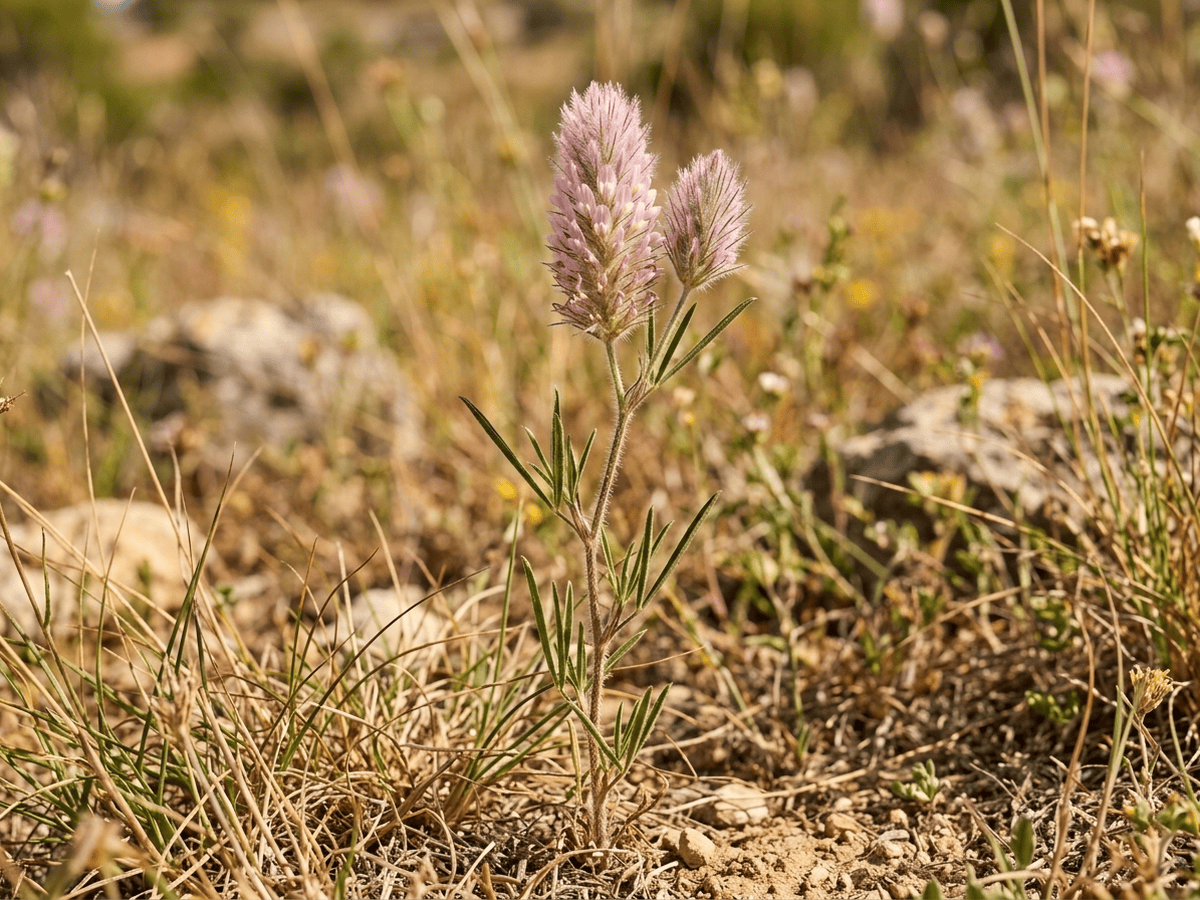 Narrow-leaved CloverTrifolium angustifolium
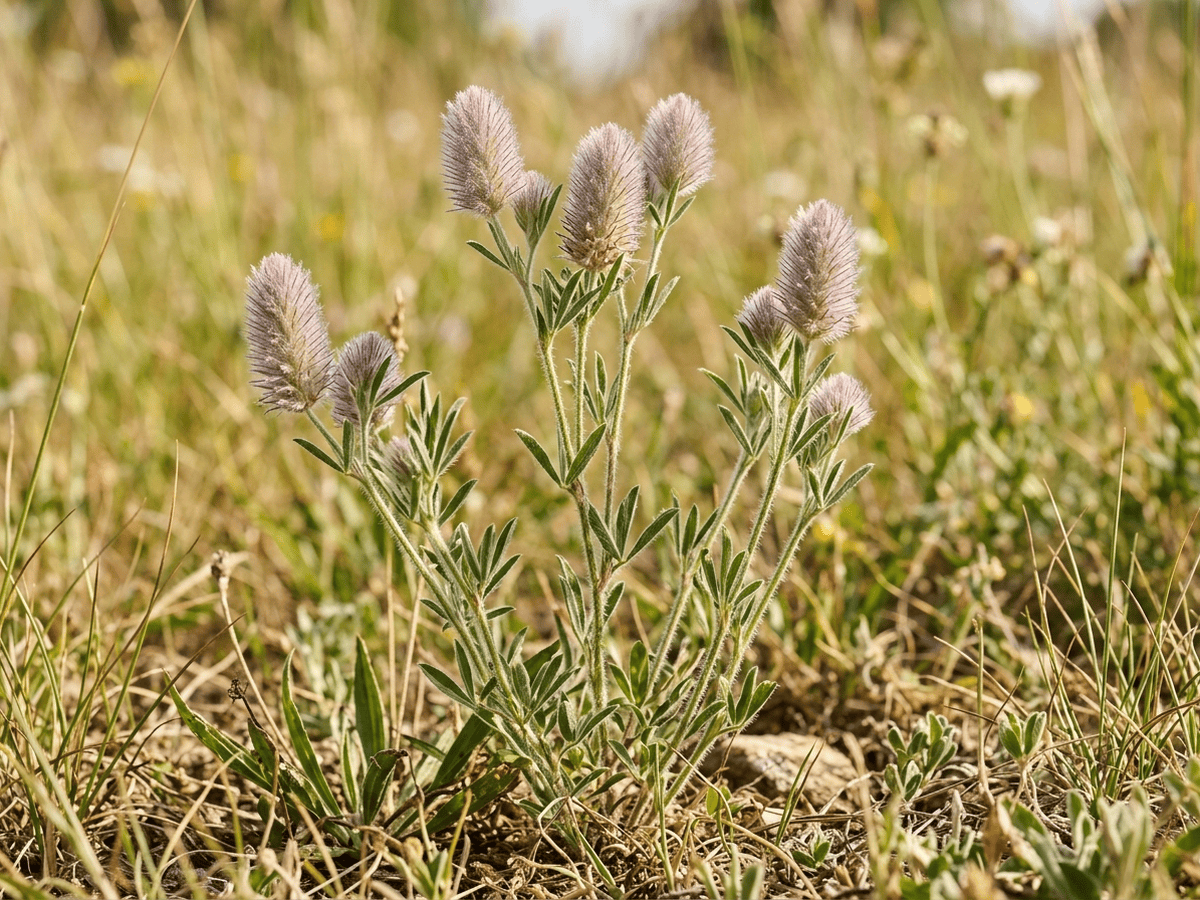 Rabbitfoot CloverTrifolium arvense
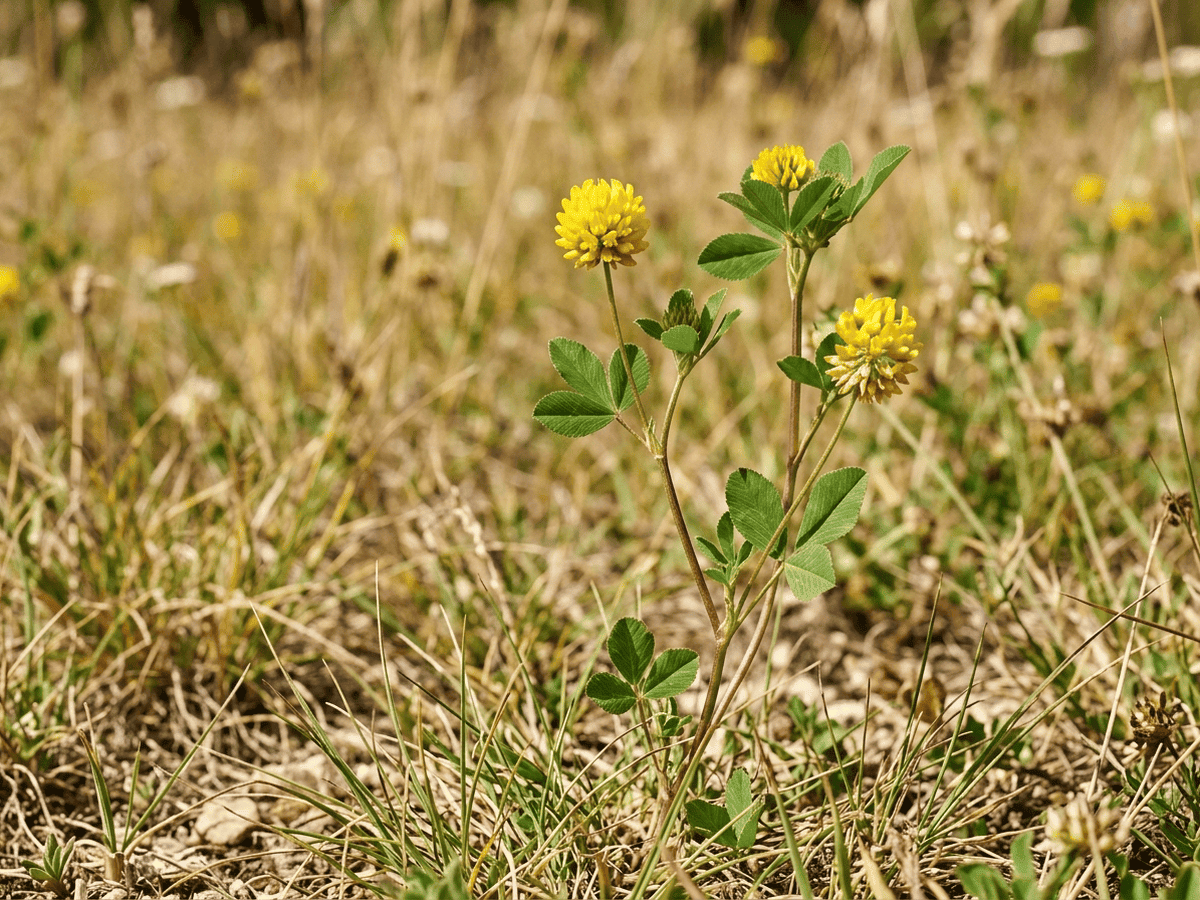 Large Hop CloverTrifolium aureum
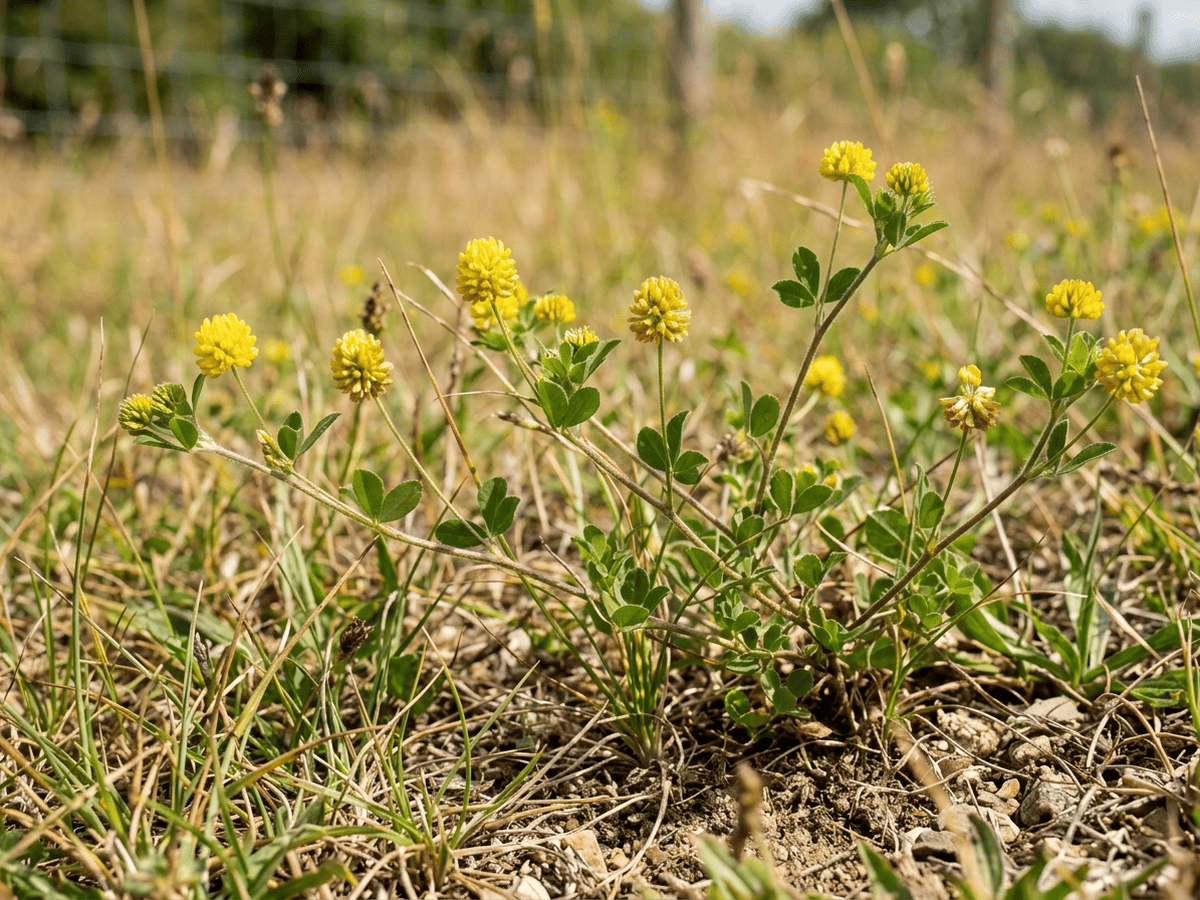 Hop TrefoilTrifolium campestre
Plants with similar care
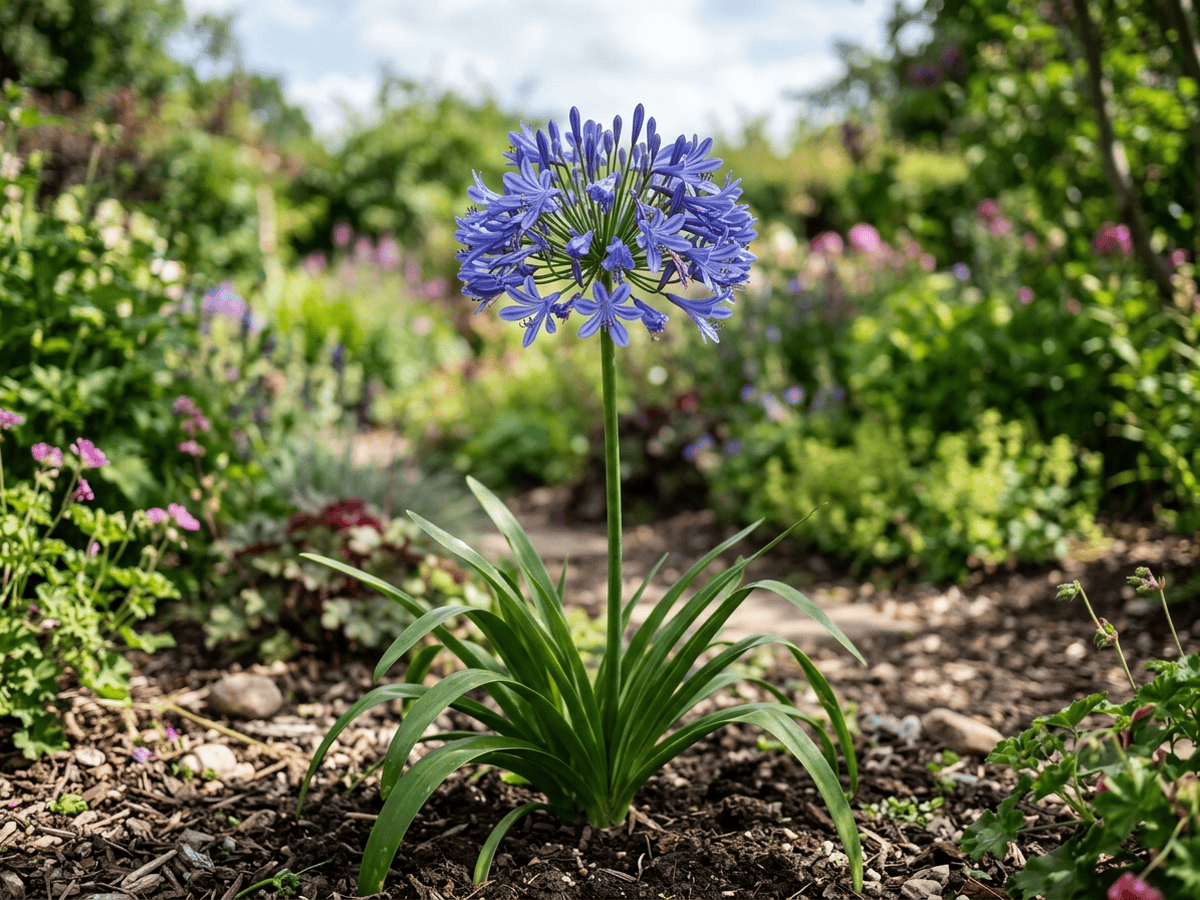 African LilyAgapanthus africanus
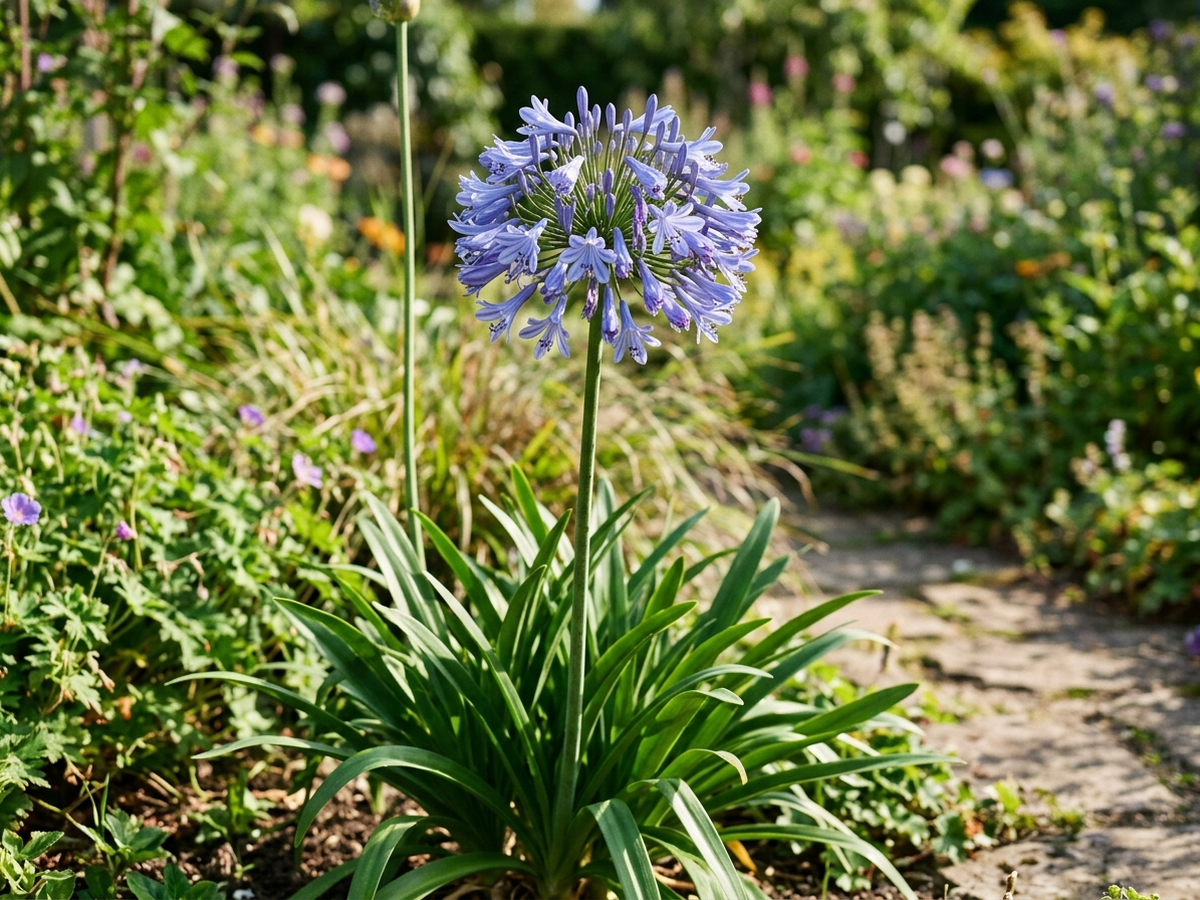 Bell AgapanthusAgapanthus campanulatus
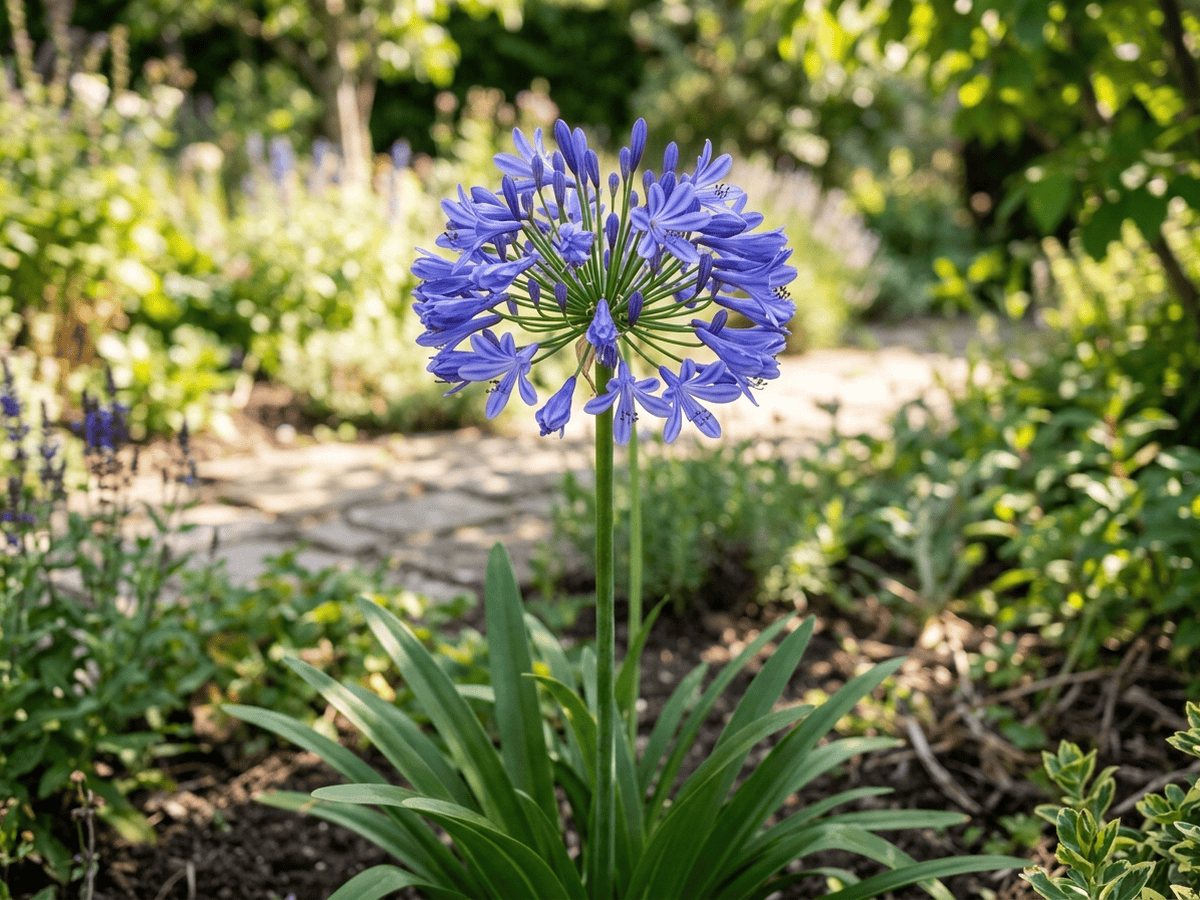 Common AgapanthusAgapanthus praecox
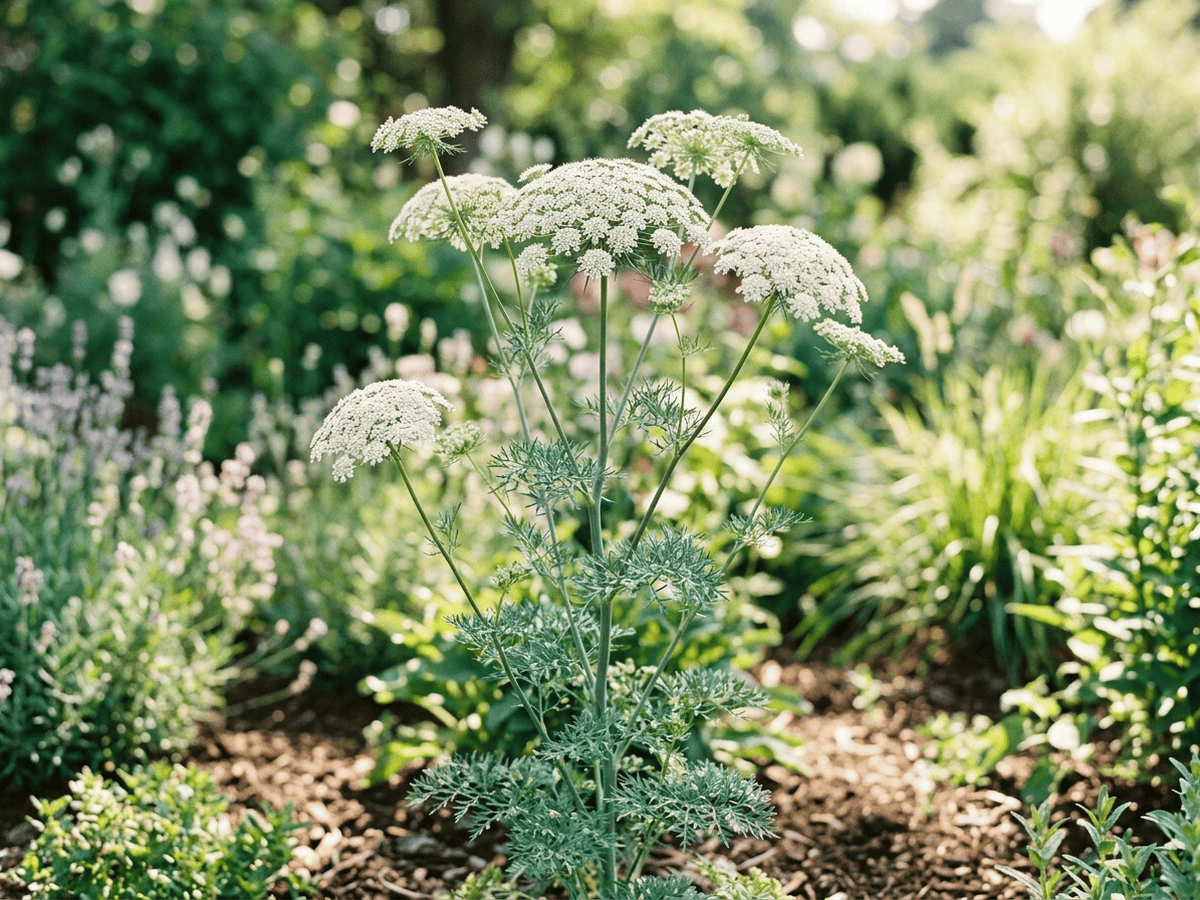 False Queen Anne's LaceAmmi majus glaucifolium
Frequently asked questions
How often should I water Alsike Clover?
Water about every 15 days during the growing season, and always let excess water drain away.
How much light does Alsike Clover need?
Part sun: 4–6 hrs direct. Watch the leaves — scorching or stretching means the light needs adjusting.
Is Alsike Clover toxic to cats or dogs?
No toxicity has been reported for this plant. Still, it is wise to keep pets from chewing on any houseplant. Educational information, not medical or veterinary advice. If exposure is suspected, contact a doctor or veterinarian.
Is Alsike Clover easy to grow?
It is considered challenging and rewards experienced growers.
When does Alsike Clover bloom?
It typically blooms Jun–Aug in the Northern Hemisphere.
YardMate
Identify any plant in seconds
Snap a photo — YardMate names the plant, diagnoses problems, and reminds you when to water.
Download on the App Store