 YardMate

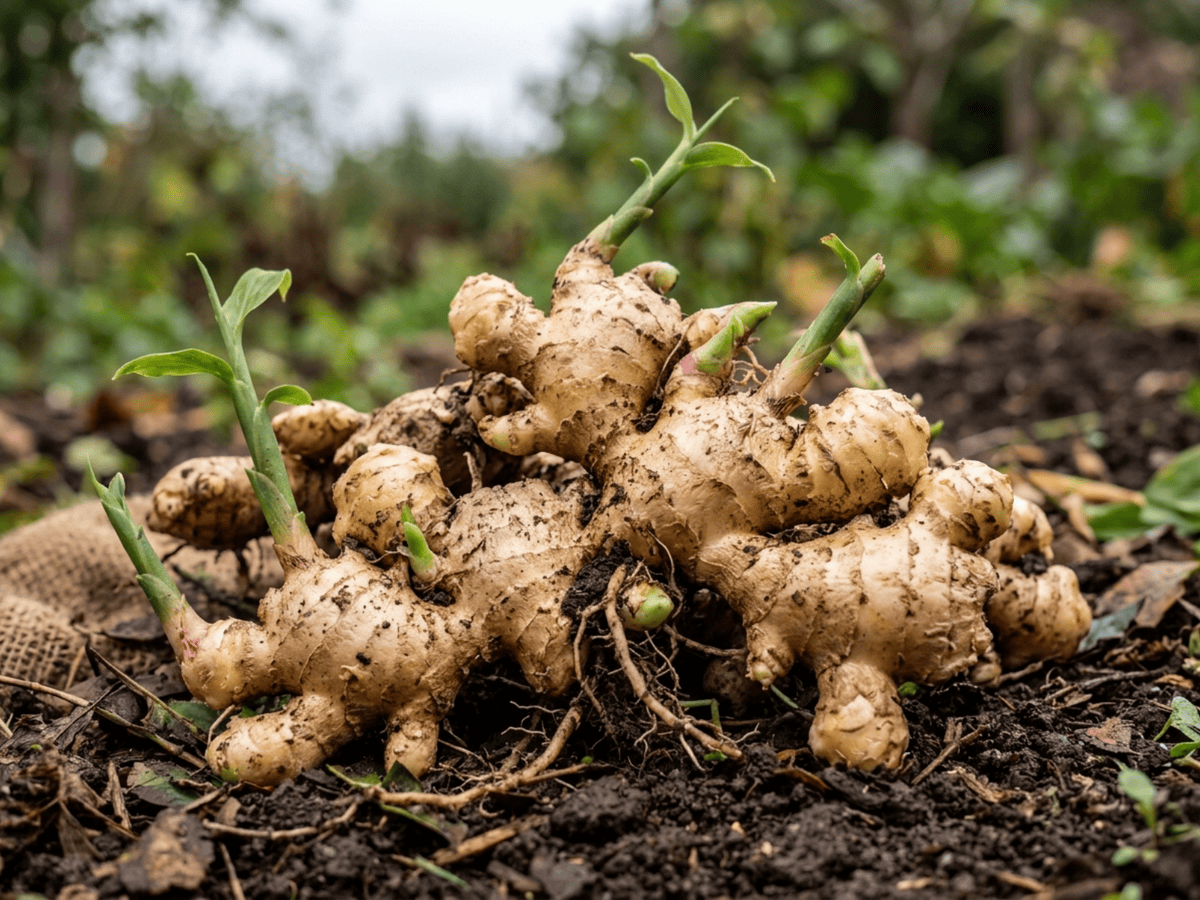


Ginger
Zingiber officinale
Medium · Some experienceAbout Ginger
Zingiber officinale, common ginger, is one of the world's essential spice plants, probably native to maritime Southeast Asia and known only from cultivation. Reed-like stems rise from thick aromatic rhizomes, the harvested ginger root that flavors cuisines from India and China to the Caribbean and the Middle East. In tropical climates it grows as a perennial; in temperate gardens it can be grown in containers and harvested after 8-10 months when the leaves yellow. The rhizome's heat and perfume come from gingerols and related compounds, which have made ginger important in food, trade, and traditional wellness practices for centuries. Fresh, dried, candied, pickled, or fermented, it is less a garnish than a global language of warmth.
- Edible
- Medicinal
- Tropical
How to care for Ginger
Watering
- Springevery 2 days
- Summerevery 2 days
- Fallevery 5 days
- Winterevery 30 days
Soil · Rich & well-draining
- Top dressingCompost10%
- Main mixPotting soil + compost 3:180%
- DrainageGravel10%
Top up the compost layer each season.
FERTILIZER
Balanced Feed 14-14-14
An even feed covers all three needs at once, keeping leaves, roots and blooms moving together with nothing pushed out of balance.
- Nitrogen · Leaves
- Phosphorus · Roots + Blooms
- Potassium · Strength
- Springevery 30 days
- Summerevery 30 days
- Fallevery 30 days
At a Glance
- NativeEast Asia
- Height2–4 ft (0.6–1.2 m)
- Spread1–2 ft (0.3–0.6 m)
- Flower colorYellow, Green, Purple
- Foliage colorGreen
- SoilRich, Moisture-retentive, Loamy
- LocationsYard · Indoor · Balcony
Bloom time
BLOOM CYCLE
Rarely flowers outside the tropics; pale yellow-purple spikes when it does
Fragrance
MODERATE FRAGRANCE
Classic warm spicy ginger scent from rhizome.
Toxicity
Pets Safe
gingerols, shogaols, and zingerone
Not reported
EXPOSURE No exposure route is reported.
EFFECT Universally consumed culinary and medicinal plant.
NOTE No human toxicity is reported in this catalog; avoid eating ornamental plants unless confirmed edible.
Safe
EXPOSURE No exposure route is reported.
EFFECT Not listed as toxic and sometimes used veterinarily for nausea.
NOTE Listed as non-toxic for dogs; avoid eating ornamental plants unless confirmed edible.
Safe
EXPOSURE No exposure route is reported.
EFFECT Not listed as toxic.
NOTE Listed as non-toxic for cats; avoid eating ornamental plants unless confirmed edible.
Educational information, not medical or veterinary advice. If exposure is suspected, contact a doctor or veterinarian.
DISTRIBUTION


- Native
- Introduced
- East Asia
History

Zingiber officinale is native to maritime Southeast Asia, though no clearly wild populations have ever been documented — suggesting the species was domesticated so early, and has been moved around by humans so thoroughly, that its wild ancestor is now unknown. (Some botanists hypothesize southern Chinese or Indian origin; the molecular evidence is ambiguous.) The rhizome was traded between India, China, and the Mediterranean world well before 500 BCE; Chinese medical text from approximately the 4th century BCE describes ginger, and Greek and Roman authors (Pliny the Elder, Dioscorides) wrote of it by the 1st century CE. Arab traders brought ginger along the medieval spice routes, and by the 13th-14th centuries it was one of the most important and expensive spices in European cuisine — Marco Polo described ginger production in China, and a pound of ginger cost approximately the price of a sheep in 14th-century England.
The English ballad carol "Here we go a-wassailing" and medieval gingerbread molds (still preserved from the 15th century) attest to its central European culinary role. Spanish colonists carried ginger to the Caribbean and Mesoamerica in the 16th century. Modern production is concentrated in India, China, Indonesia, and Nigeria.
Health research has extensively documented its anti-nausea effects, particularly for morning sickness, motion sickness, and post-operative nausea. Ginger has been cultivated for over 5,000 years, originating in Southeast Asia. Ancient Chinese and Indian civilizations prized it as both spice and medicine. It was one of the first spices to reach Europe via the Roman spice trade. Spanish conquistadors brought it to the Caribbean in the 16th century, establishing Jamaica as a major producer. Today it remains among the world's most traded spices.
Symbolism & meaning
What It Symbolizes
Ginger is warmth with a passport. Its horn-shaped rhizomes moved through maritime Southeast Asia, India, China, the Middle East, and the Caribbean, changing every cuisine they entered. Symbolically it is animated comfort: heat that travels, settles into kitchens, and makes sweetness and spice speak the same language.
- Warmth — the spicy heat of ginger represents comfort and inner fire
- Vitality — centuries of medicinal use symbolize health and energy
Where the Name Comes From
'Zingiber' derives from Sanskrit 'srngaveram' meaning horn-shaped body, describing the rhizome's appearance. 'Officinale' indicates apothecary recognition.
Uses & Fun Facts
- Pungent rhizomes used worldwide as culinary spice and tea
- Traditional remedy for nausea digestion and inflammation
- Tropical rhizome grown in deep pots in cool climates
- Ancient spice central to Asian cuisine and Ayurveda
Related plants
Plants with similar care
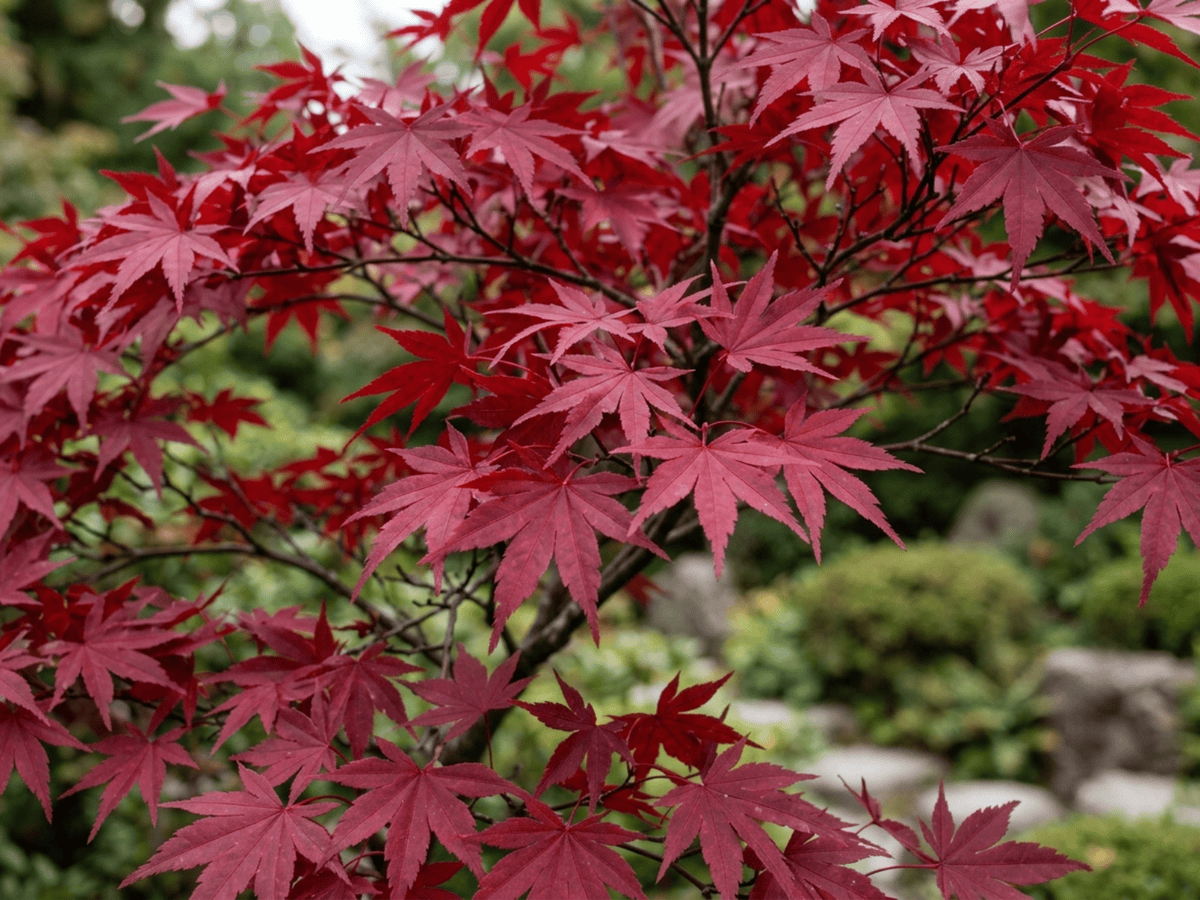 Japanese MapleAcer palmatum
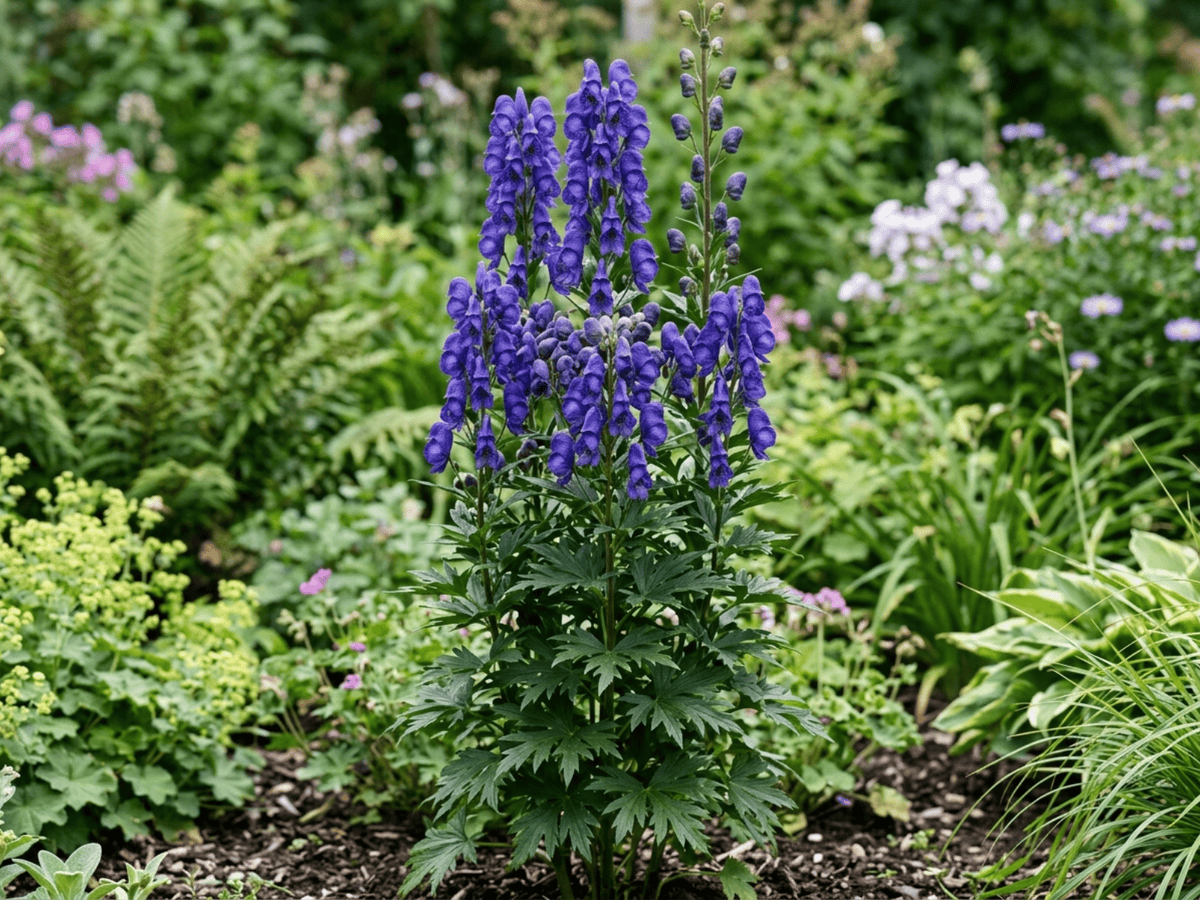 Azure MonkshoodAconitum carmichaelii
 Florida HobblebushAgarista populifolia
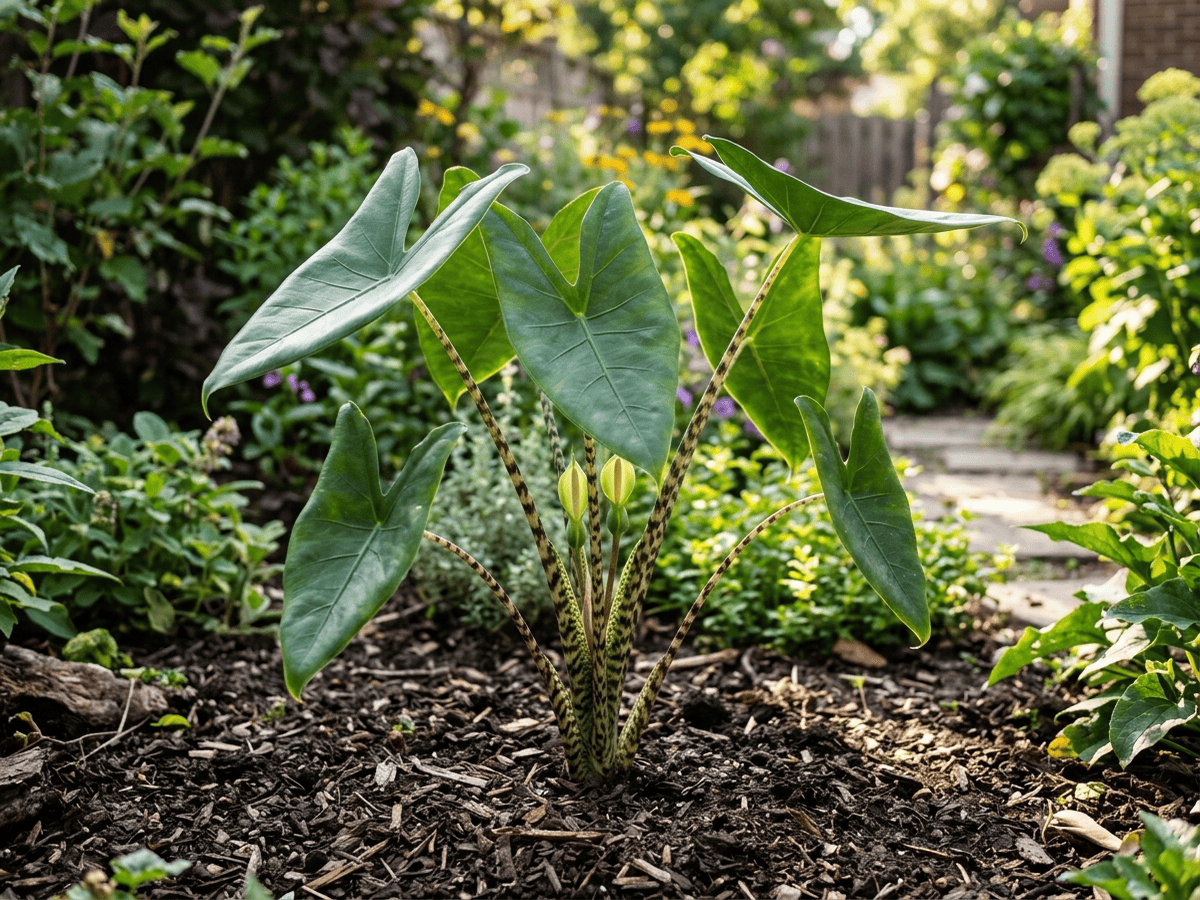 Alocasia zebrinaAlocasia zebrina
Frequently asked questions
How often should I water Ginger?
In summer, water about every 2 days; in winter, about every 30 days. Adjust for heat, pot size and drainage.
How much light does Ginger need?
Part shade: 2–4 hrs direct. Watch the leaves — scorching or stretching means the light needs adjusting.
Is Ginger toxic to cats or dogs?
Pets Safe (Dogs Safe · Cats Safe) Educational information, not medical or veterinary advice. If exposure is suspected, contact a doctor or veterinarian.
Is Ginger easy to grow?
It is moderately demanding: a good choice once you have a little experience.
Can Ginger be grown indoors?
Yes, it adapts well to indoor growing given the right light.
YardMate
Identify any plant in seconds
Snap a photo — YardMate names the plant, diagnoses problems, and reminds you when to water.
Download on the App Store