 YardMate


Beet
Beta vulgaris
Easy · Beginner friendlyAbout Beet
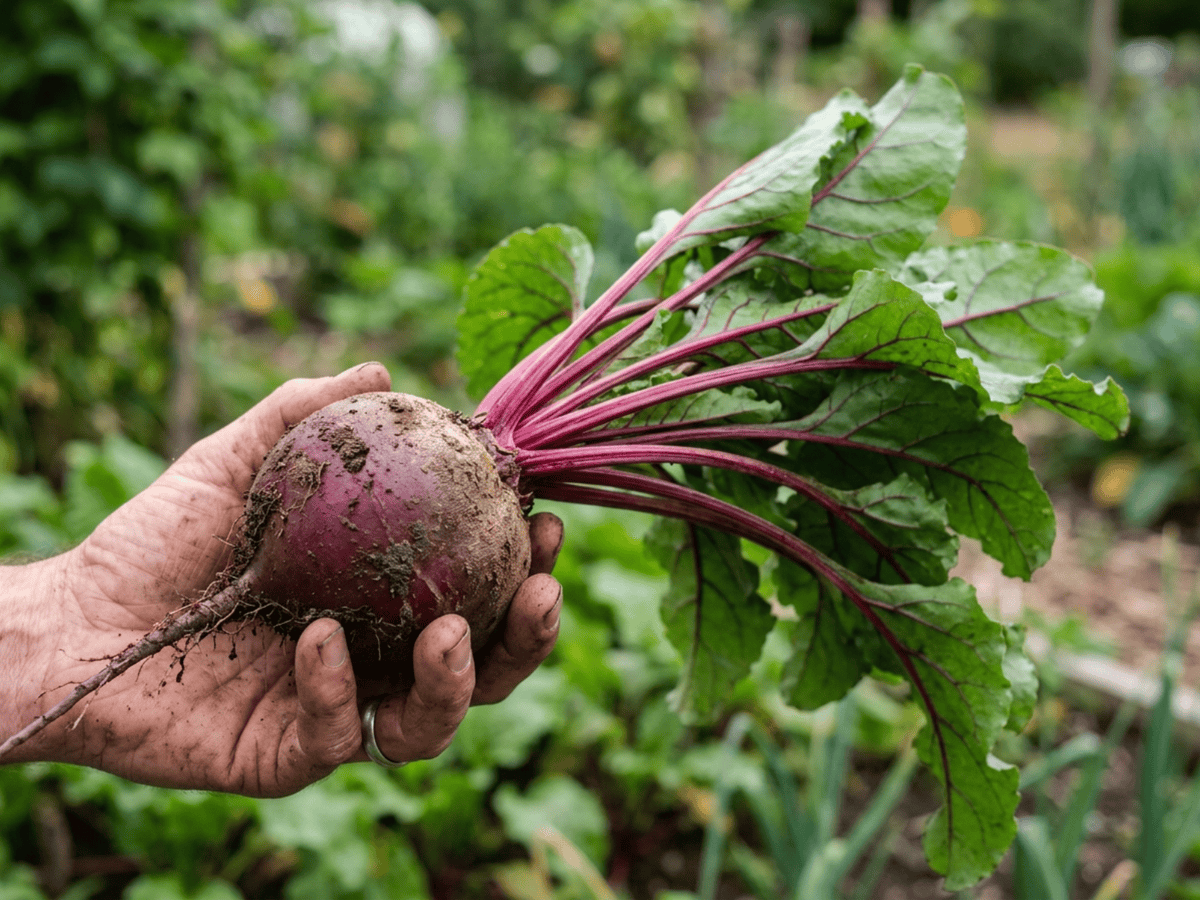
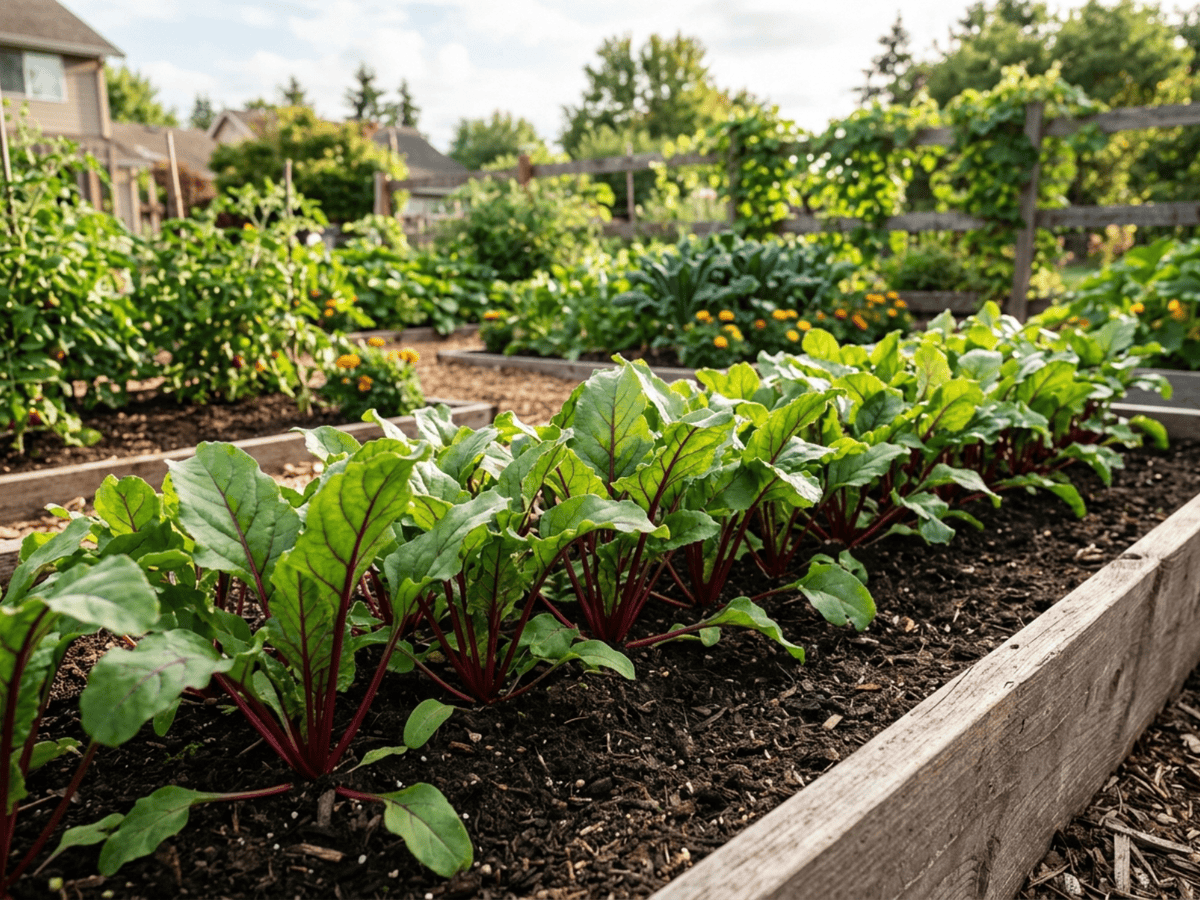
Beta vulgaris, the beet or beetroot, is a cool-season biennial domesticated from sea beet along Mediterranean and Atlantic coasts. One species gave us a surprising pantry: red beetroot, golden and candy-striped Chioggia beets, Swiss chard, sugar beet, and mangel-wurzel for livestock feed. Garden beets like full sun, loose well-drained soil, and steady moisture, maturing quickly enough for spring and autumn crops. Each seed ball contains several embryos, so thinning is part of growing them well. The whole plant is edible: earthy-sweet roots for roasting, pickling, borscht, salads, and even cakes, plus tender greens cooked like chard. Their deep red color comes from betalain pigments, while golden forms bring the same beet sweetness without staining every cutting board in sight.
- Edible
- Fast-growing
How to care for Beet
Watering
- Springevery 3 days
- Summerevery 2 days
- Fallevery 4 days
- Winterevery 7 days
Soil · Rich & well-draining
- Top dressingCompost10%
- Main mixPotting soil + compost 3:180%
- DrainageGravel10%
Top up the compost layer each season.
FERTILIZER
Balanced Feed 14-14-14
An even feed covers all three needs at once, keeping leaves, roots and blooms moving together with nothing pushed out of balance.
- Nitrogen · Leaves
- Phosphorus · Roots + Blooms
- Potassium · Strength
- Springevery 21 days
- Summerevery 21 days
- Fallevery 30 days
At a Glance
- NativeMediterranean, Western Asia
- Height1–2 ft (0.3–0.6 m)
- Spread0.5–1 ft (0.2–0.3 m)
- Flower colorGreen
- Foliage colorGreen, Red, Yellow, Variegated
- Fruit colorRed
- SoilLoamy, Well-drained, Neutral
- LocationsYard · Indoor · Balcony
Bloom time
BLOOM CYCLE
Peak bloom
Jun–Aug
Biennial — flowers only in the second year. Harvest roots in the first year.
Fragrance
NO FRAGRANCE
No notable fragrance.
Toxicity
Humans Safe · Pets Safe
betanin and oxalates
Safe
EXPOSURE No exposure route is reported.
EFFECT Widely consumed and causes harmless red urine ("beeturia") in some individuals.
NOTE Listed as non-toxic for humans; avoid eating ornamental plants unless confirmed edible.
Safe
EXPOSURE No exposure route is reported.
EFFECT Not listed as toxic and moderate oxalate content.
NOTE Listed as non-toxic for dogs; avoid eating ornamental plants unless confirmed edible.
Safe
EXPOSURE No exposure route is reported.
EFFECT Not listed as toxic.
NOTE Listed as non-toxic for cats; avoid eating ornamental plants unless confirmed edible.
Educational information, not medical or veterinary advice. If exposure is suspected, contact a doctor or veterinarian.
DISTRIBUTION


- Native
- Introduced
- Mediterranean
- Western Asia
History
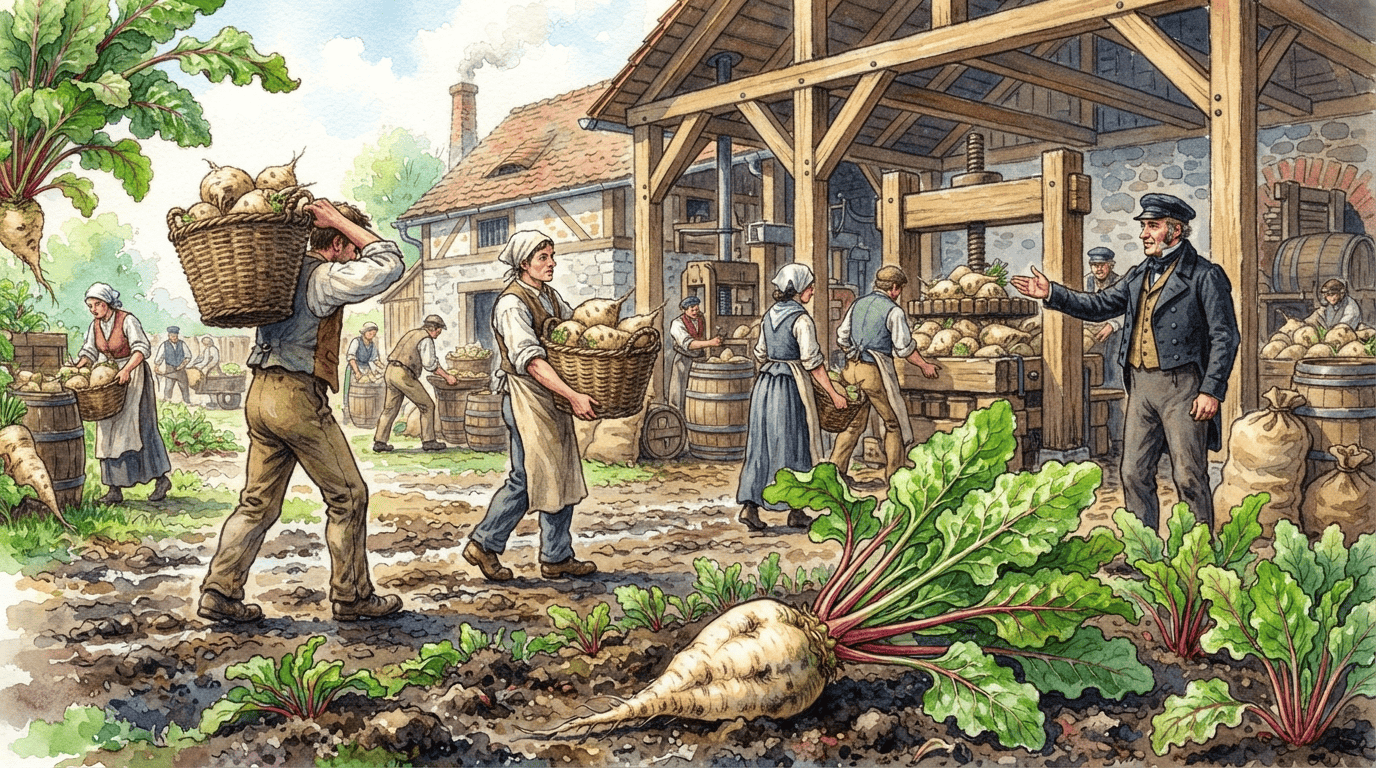
Beta vulgaris is native to the Mediterranean coast and naturalized along sea-shores across Europe and western Asia. Wild sea beet (B. vulgaris subsp. maritima) is the direct ancestor of all cultivated forms — including table beetroot, Swiss chard, sugar beet, and fodder beet. Leaf forms (chard) were probably the earliest domesticated, documented from Greek and Roman antiquity; swollen-root table beets emerged in medieval Europe.
The transformative development came in 18th-century Prussia when chemist Andreas Marggraf discovered in 1747 that beet roots contained the same sucrose as sugarcane. His student Franz Karl Achard developed the first sugar beet in the 1790s-1800s. When Napoleon's Continental System (1806-1814) blocked British Caribbean sugar from reaching continental Europe, he actively promoted sugar beet cultivation — subsidizing factories, mandating cultivation, and awarding titles.
The industry survived Napoleon's fall and expanded throughout the 19th century, eventually producing roughly 30% of the world's sugar today (cane the rest). Beet sugar is now a major European and North American crop. Romans cultivated it for leaves, and root forms developed in the Middle Ages in Germany. In 1747, German chemist Andreas Marggraf discovered sugar in beets, and by 1801 the first sugar beet factory opened. Napoleon promoted sugar beet cultivation during the British naval blockade, founding an industry that now produces 20% of global sugar.
Symbolism & meaning
What It Symbolizes
The Beet symbolizes earthiness in the deepest sense — a root that draws its character straight from the soil and offers it back as flavor. Its blood-red juice, rich in nitrates that sharpen athletes' endurance, evokes vitality and life force pulled directly from the ground. In the kitchen garden, the beet is the patron of groundedness, the humble taproot that reminds us where strength truly comes from.
- Earthiness — Deep-rooted and earthy in flavor, the beet symbolizes groundedness and connection to the soil
- Vitality — Its blood-red juice and performance-boosting nitrates represent life force and physical vigour
Where the Name Comes From
Beta from the Greek letter beta or possibly from Celtic 'bett' (red); 'vulgaris' means common.
Uses & Fun Facts
- Tender leaves harvested for salads and cooking
Related plants
Plants with similar care
 Chinese AbeliaAbelia chinensis
 Fragrant AbeliaAbelia mosanensis
 Large-Flowered AbeliaAbelia uniflora
 Glossy AbeliaAbelia x grandiflora
Frequently asked questions
How often should I water Beet?
In summer, water about every 2 days; in winter, about every 7 days. Adjust for heat, pot size and drainage.
How much light does Beet need?
Full sun: 6+ hrs direct. Watch the leaves — scorching or stretching means the light needs adjusting.
Is Beet toxic to cats or dogs?
Pets Safe (Dogs Safe · Cats Safe) Educational information, not medical or veterinary advice. If exposure is suspected, contact a doctor or veterinarian.
Is Beet easy to grow?
Yes — it is considered an easy, beginner-friendly plant.
Can Beet be grown indoors?
Yes, it adapts well to indoor growing given the right light.
When does Beet bloom?
It typically blooms Jun–Aug in the Northern Hemisphere.
YardMate
Identify any plant in seconds
Snap a photo — YardMate names the plant, diagnoses problems, and reminds you when to water.
Download on the App Store