 YardMate
Carob Tree
Ceratonia siliqua
Hard · Experienced growersAbout Carob Tree
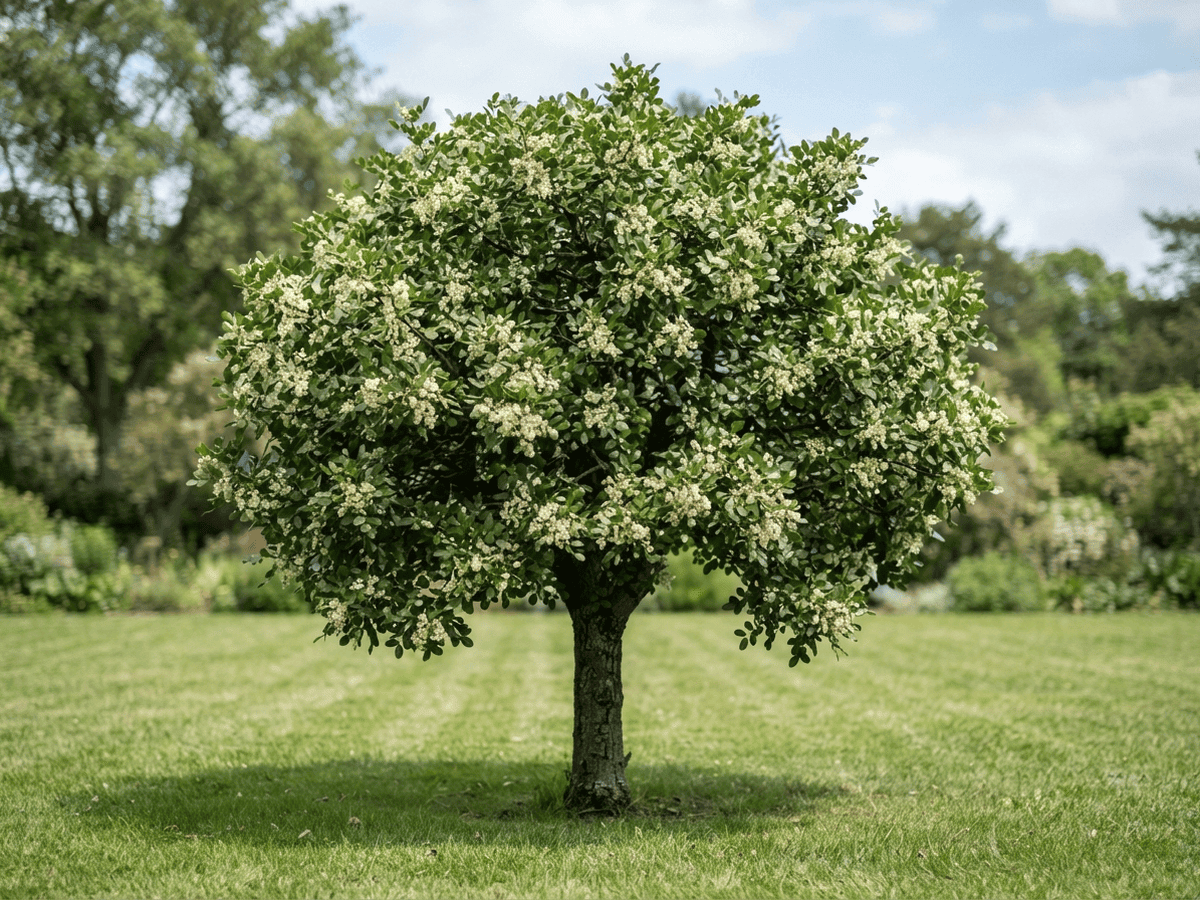
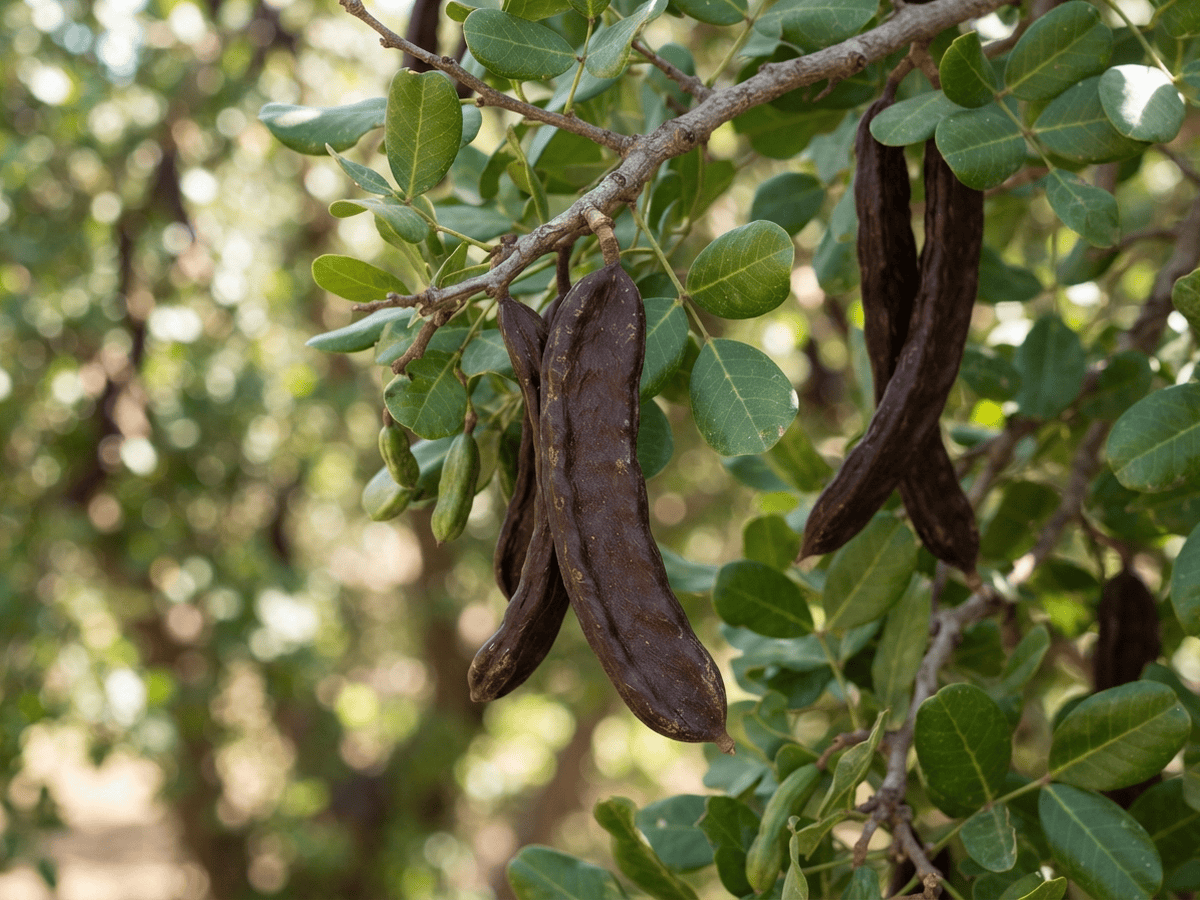
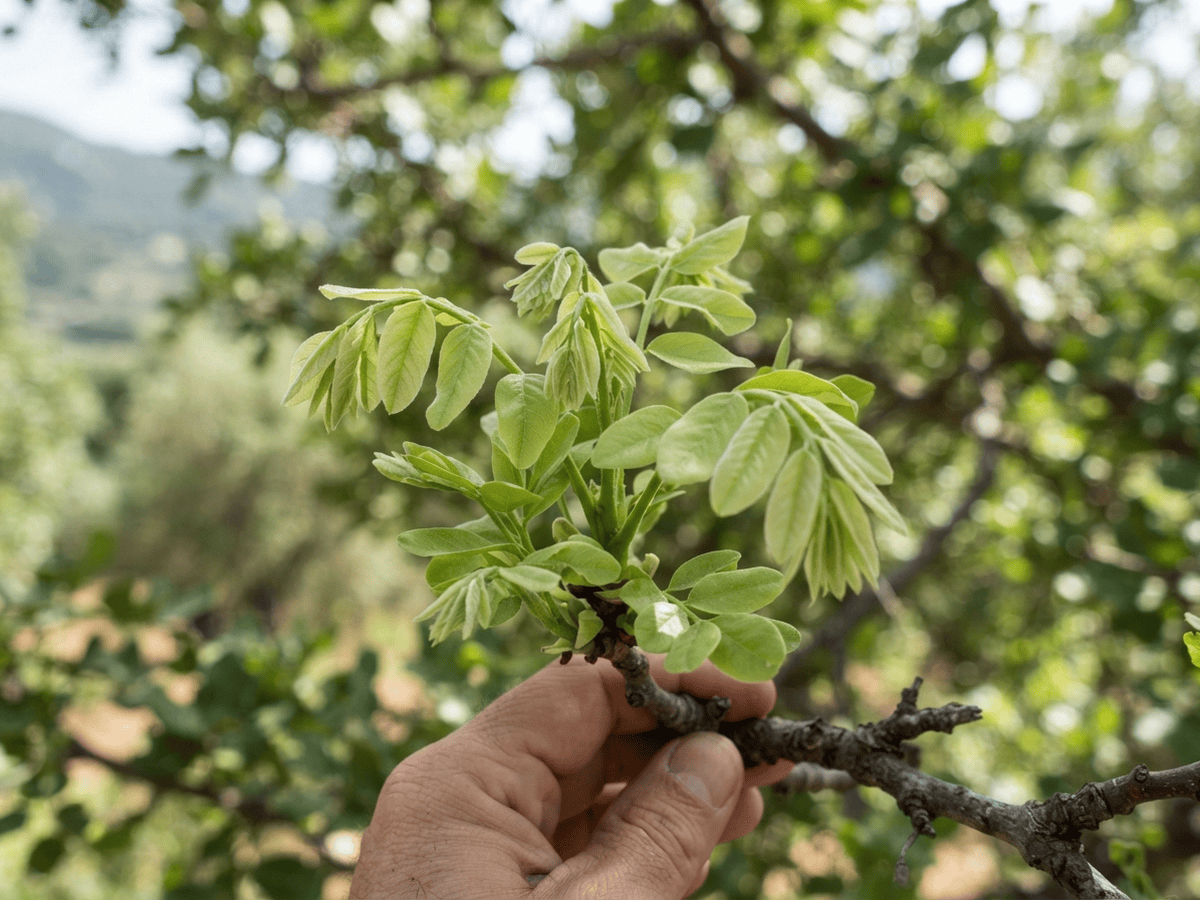
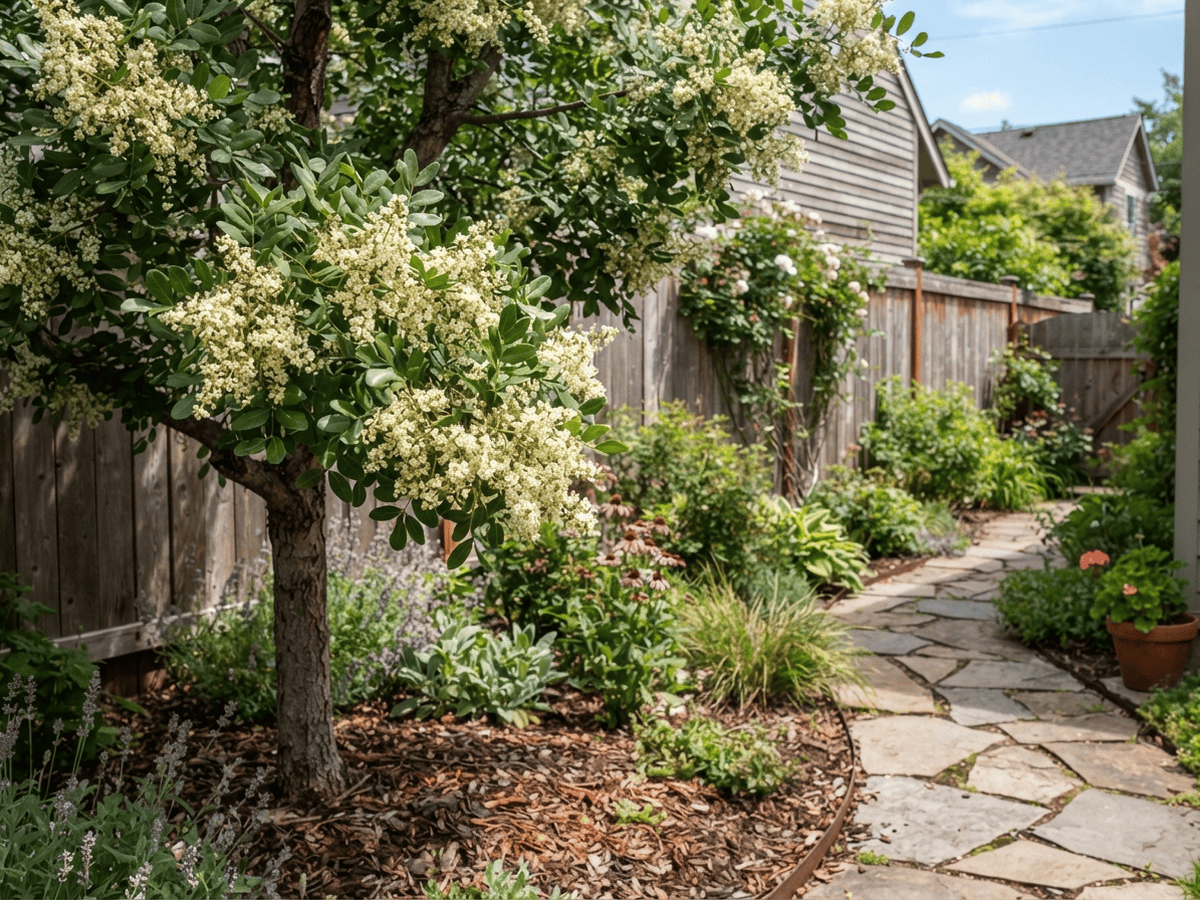
The Carob Tree is a slow-growing evergreen native to the Mediterranean basin, prized for its broad, rounded canopy of glossy pinnate leaves and remarkable drought tolerance once established. Clusters of small, unassuming flowers appear directly along its branches and trunk each autumn, drawing pollinators before maturing into long, leathery brown pods over the following year. Those pods hold a sweet, chocolate-like pulp that has fed people and livestock across the Mediterranean for thousands of years. Hardy, long-lived, and undemanding in poor, rocky soil, the Carob Tree remains a fixture of dry gardens, roadside plantings, and traditional orchards alike.
- Edible
- Drought-tolerant
- Evergreen
- Slow-growing
- Pollinator-friendly
How to care for Carob Tree
Watering
- Springevery 15 days
- Summerevery 10 days
- Fallevery 20 days
- Winterevery 30 days
Soil · Well-draining
- Top dressingPine bark mulch10%
- Main mixPotting soil + perlite 2:170%
- DrainageLECA / gravel20%
Never skip the drainage layer — standing water is the top cause of root rot.
FERTILIZER
- Springevery 60 days
- Summerevery 60 days
At a Glance
- NativeMediterranean
- Height20–40 ft (6.1–12.2 m)
- Spread15–30 ft (4.6–9.1 m)
- Flower colorWhite
- Foliage colorGreen
- Fruit colorBrown
- SoilWell-drained, Moist, Neutral
- LocationsYard · Patio
Bloom time
BLOOM CYCLE
Peak bloom
May–Jun
Flowers usually bloom in spring, attracting many pollinators.
Fragrance
MODERATE FRAGRANCE
Autumn flowers give off a distinctive, musky scent that some find unpleasant up close, though it fades within a few feet of the tree.
Toxicity
Pets Safe
None reported
Not reported
EXPOSURE No exposure route is reported.
EFFECT No toxic effect is reported.
NOTE No toxicity is reported for humans in this catalog; this is not evidence that the plant is edible or harmless.
Safe
EXPOSURE No exposure route is reported.
EFFECT No toxic effect is reported.
NOTE Authoritative sources report this plant as non-toxic to dogs; this is not evidence that the plant is edible.
Safe
EXPOSURE No exposure route is reported.
EFFECT No toxic effect is reported.
NOTE Authoritative sources report this plant as non-toxic to cats; this is not evidence that the plant is edible.
Educational information, not medical or veterinary advice. If exposure is suspected, contact a doctor or veterinarian.
DISTRIBUTION

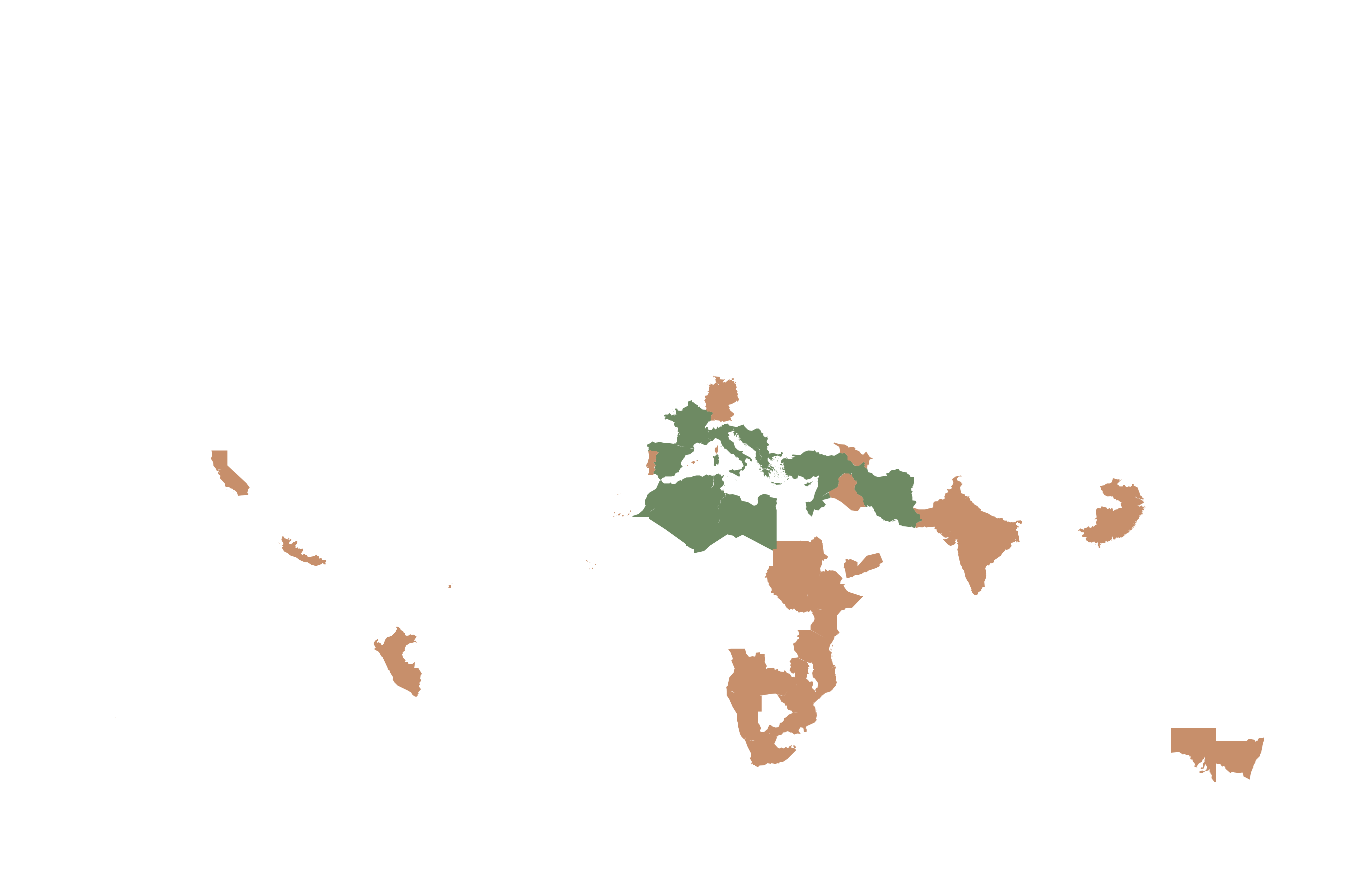
- Native
- Introduced
- Mediterranean
History
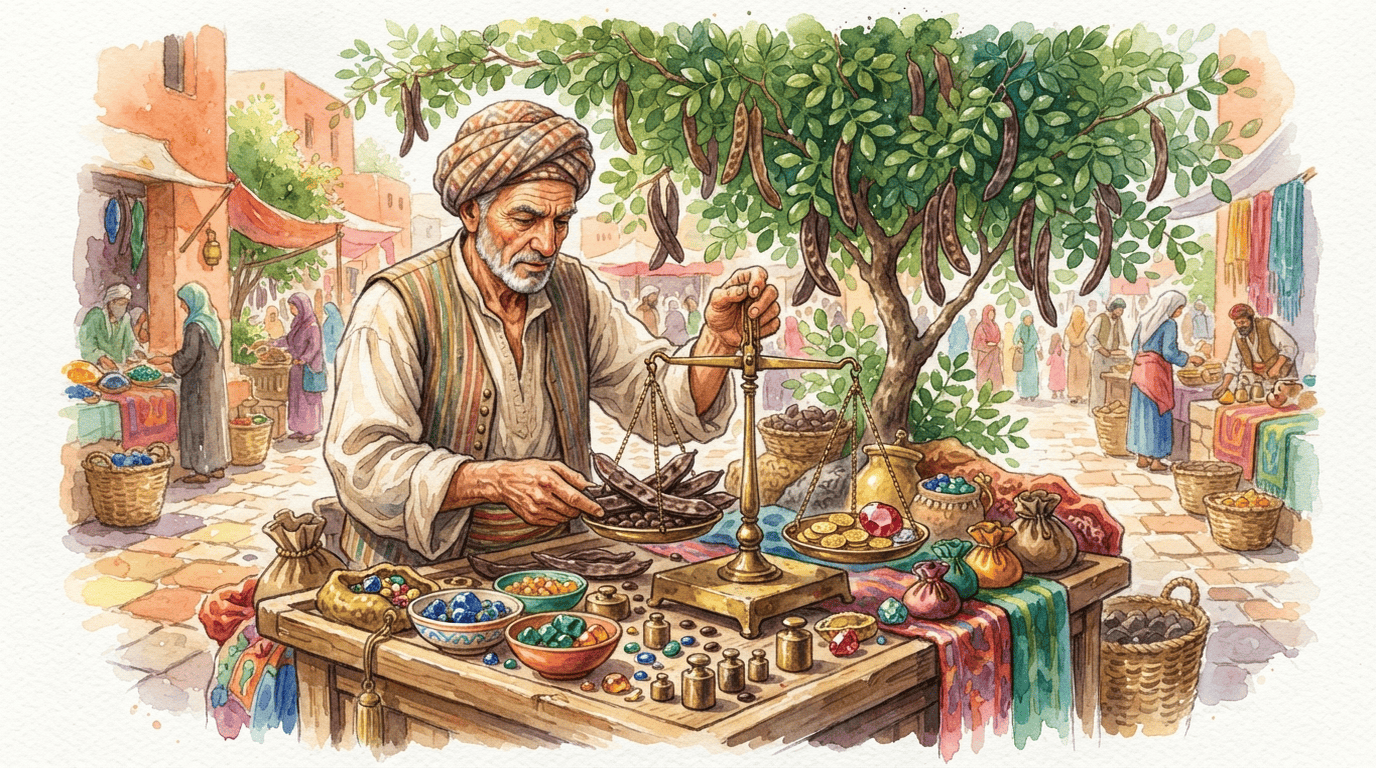
Long before precision scales existed, the Carob Tree's seeds carried out a kind of quiet global commerce. Each carob seed weighs an unusually consistent 200 milligrams, seed after seed, tree after tree — a natural uniformity almost unheard of in the plant world. Merchants along ancient Mediterranean and Middle Eastern trade routes noticed this and began using dried carob seeds as counterweights on their balance scales when trading gold, pearls, and gemstones. The Greek word for the carob pod, keration, meaning 'little horn' after its curved shape, passed into Arabic, then Italian, and eventually English as carat — the unit still used today to weigh diamonds and measure the purity of gold. A jeweler weighing a stone against a handful of carob seeds was, for centuries, the closest thing the ancient world had to a certified scale.
The tree carried other names into folklore as well. Its long, sugar-rich pods were called St. John's Bread, after a tradition holding that John the Baptist survived on them in the wilderness rather than on locusts, and the same pods are widely believed to be the 'husks' fed to swine in the biblical parable of the Prodigal Son — humble food, but food that kept people and livestock alive through lean Mediterranean summers when little else would grow. Planted along terraced hillsides from Cyprus to Morocco, the Carob Tree needed no irrigation and no rich soil, only patience: a young tree can take fifteen years to bear its first pods, but once established it may produce for well over a century, a slow-built partnership between rocky ground and generations of farmers.
Symbolism & meaning
What It Symbolizes
Rooted in rocky Mediterranean hillsides for centuries, the Carob Tree has come to symbolize quiet endurance — thriving where richer soil fails, and rewarding patience with generations of sweet, dependable harvests.
- Endurance — Its ability to thrive for centuries in rocky, drought-stricken soil has made the Carob Tree a symbol of resilience and patience.
- Abundance — Heavy with pods even in lean years, the tree has long stood for steady provision and quiet generosity.
Where the Name Comes From
The genus name Ceratonia comes from the Greek keras, meaning 'horn,' for the curved shape of its seed pods — the same pods that later gave the world the word 'carat.'
Uses & Fun Facts
- Pods are dried and ground into carob powder, a caffeine-free substitute for cocoa in baking and drinks.
- Autumn flowers are an important late-season nectar source for bees when little else is blooming.
- Its dense evergreen canopy makes it a popular shade tree for dry gardens, courtyards, and roadside plantings.
- Ripe pods are a traditional livestock feed and are readily eaten by wildlife.
Related plants
Plants with similar care
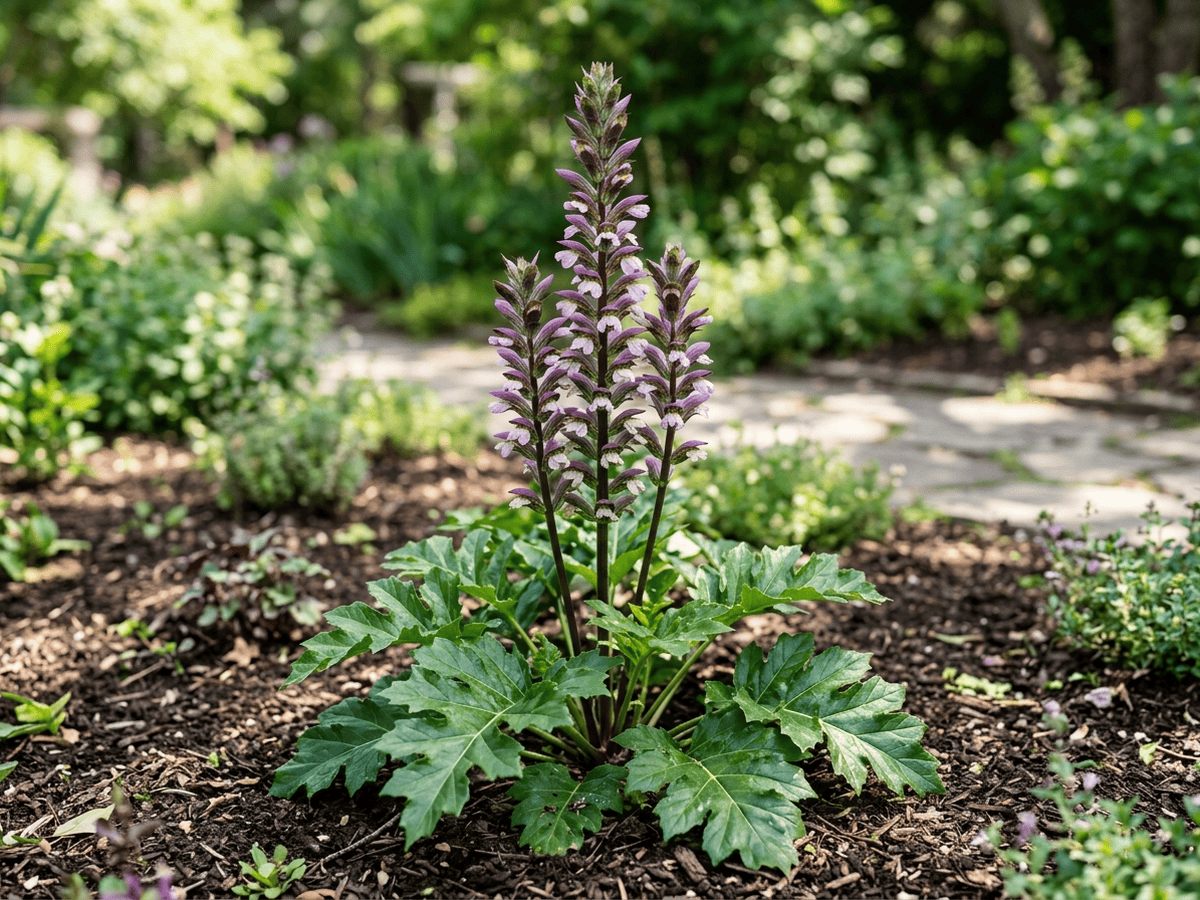 Bear's BreechesAcanthus mollis
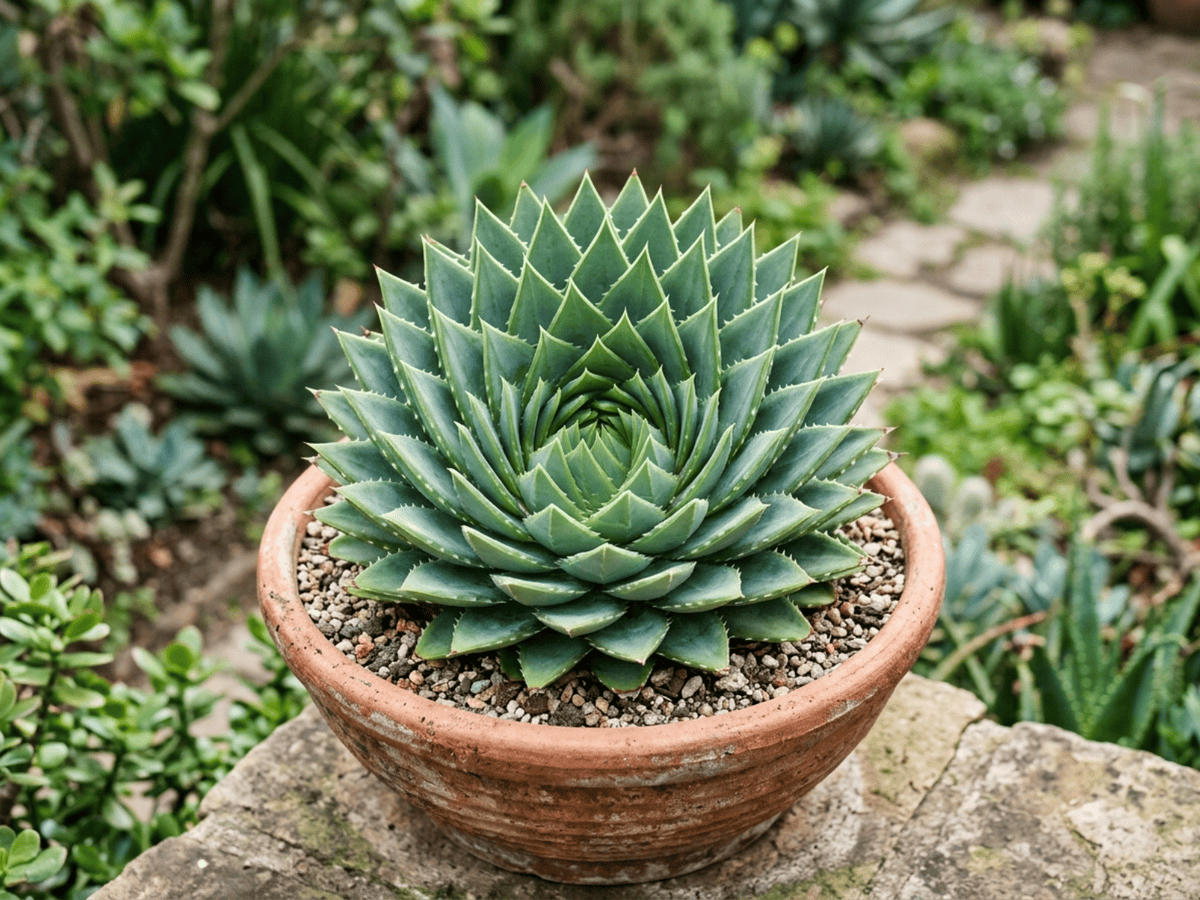 Spiral AloeAloe polyphylla
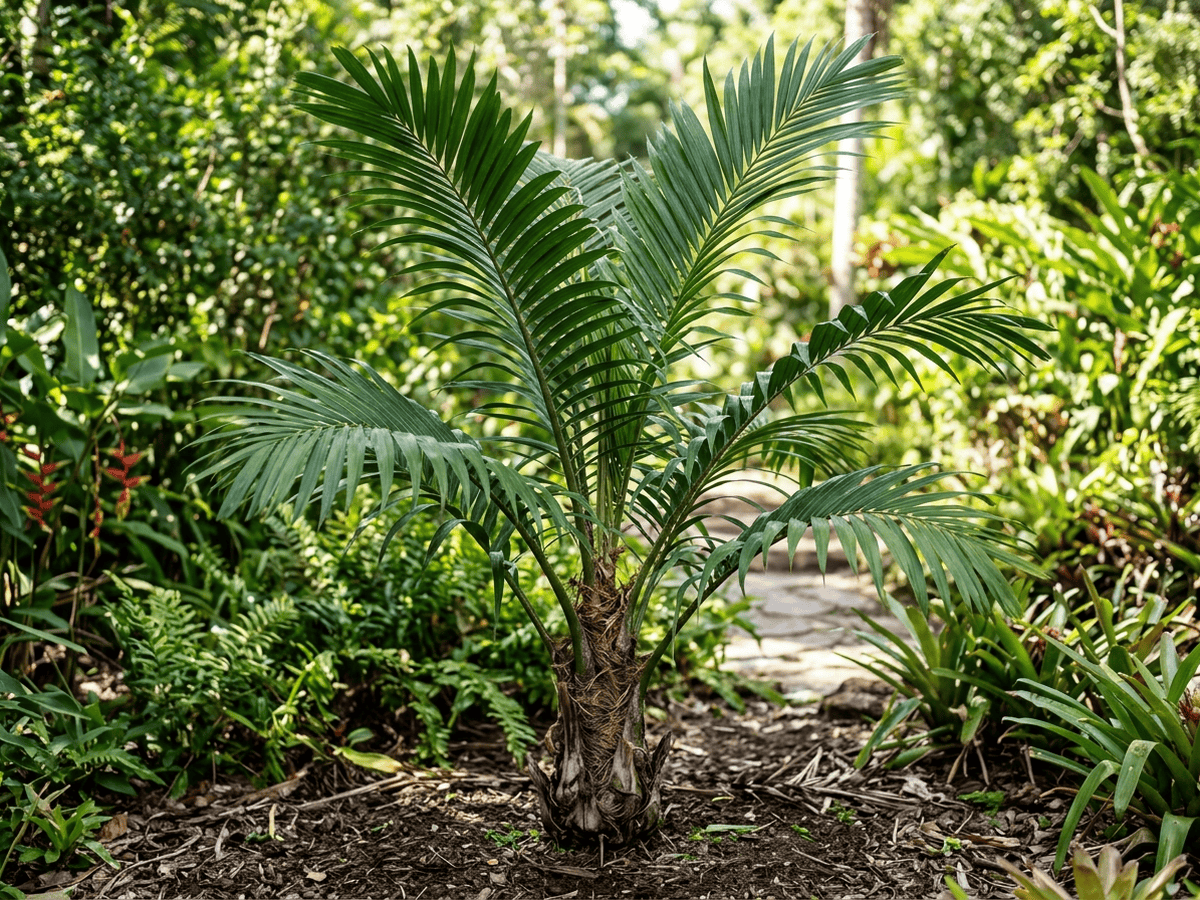 Formosa PalmArenga engleri
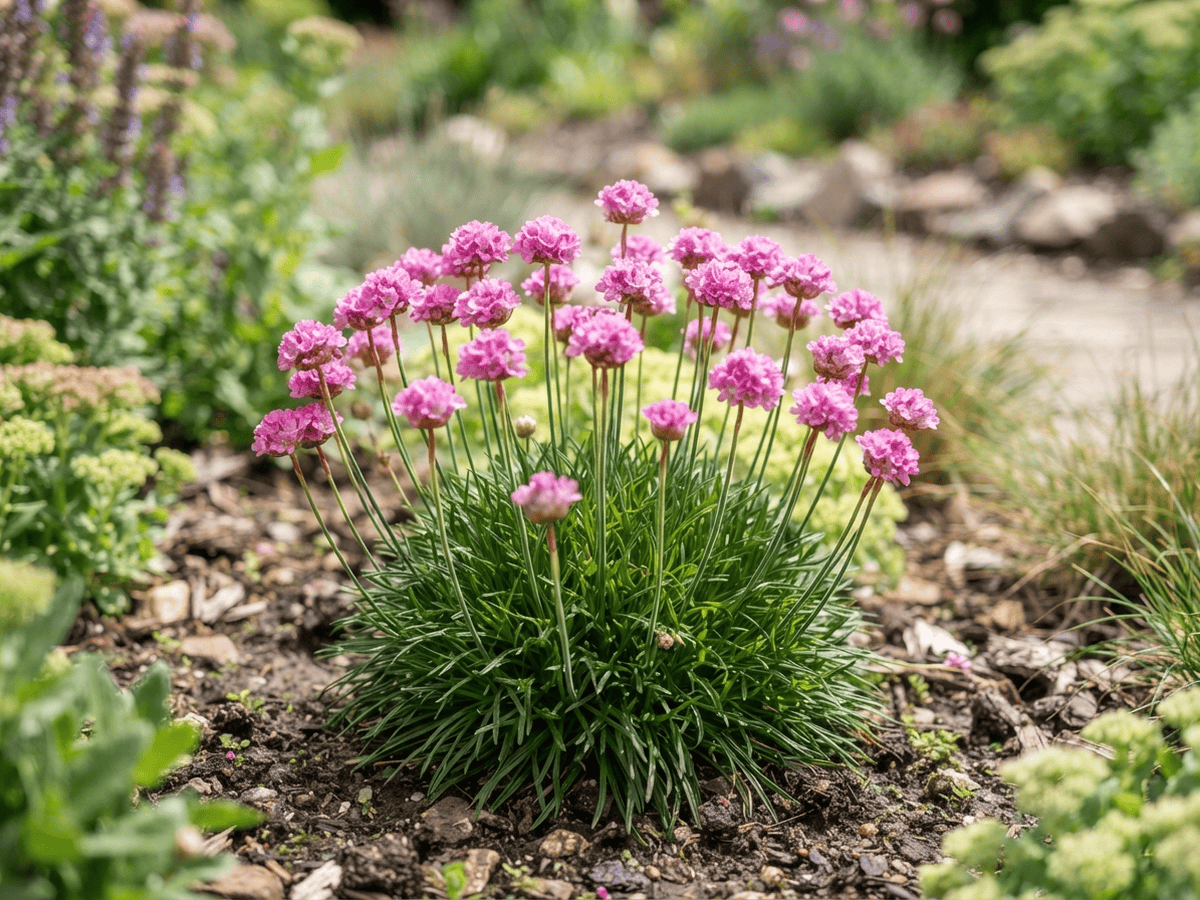 Sea ThriftArmeria maritima
Frequently asked questions
How often should I water Carob Tree?
In summer, water about every 10 days; in winter, about every 30 days. Adjust for heat, pot size and drainage.
How much light does Carob Tree need?
Part shade: 2–4 hrs direct. Watch the leaves — scorching or stretching means the light needs adjusting.
Is Carob Tree toxic to cats or dogs?
Pets Safe (Dogs Safe · Cats Safe) Educational information, not medical or veterinary advice. If exposure is suspected, contact a doctor or veterinarian.
Is Carob Tree easy to grow?
It is considered challenging and rewards experienced growers.
When does Carob Tree bloom?
It typically blooms May–Jun in the Northern Hemisphere.
YardMate
Identify any plant in seconds
Snap a photo — YardMate names the plant, diagnoses problems, and reminds you when to water.
Download on the App Store