 YardMate


Artichoke Thistle
Cynara cardunculus
Medium · Some experienceAbout Artichoke Thistle
Cynara cardunculus is the Mediterranean thistle behind both globe artichokes and cardoons. Globe artichokes are selected for their edible flower buds, especially the fleshy bract bases and tender heart; cardoons are grown for blanched, celery-like leaf stalks. Both forms are statuesque perennials with silver-gray divided leaves and huge purple thistle flowers if allowed to bloom. They like full sun, deep fertile soil, mild winters, and room to become architectural. The plant has ancient roots around the western Mediterranean and remains central to Italian, Spanish, and French cooking, from Roman-style artichokes to gratins of cardoon stems. Bees adore the flowers; cooks adore the buds before the bees get them.
- Edible
- Medicinal
- Pollinator-friendly
How to care for Artichoke Thistle
Watering
- Springevery 4 days
- Summerevery 3 days
- Fallevery 5 days
- Winterevery 10 days
Soil · Rich & well-draining
- Top dressingCompost10%
- Main mixPotting soil + compost 3:180%
- DrainageGravel10%
Top up the compost layer each season.
FERTILIZER
Balanced Feed 14-14-14
An even feed covers all three needs at once, keeping leaves, roots and blooms moving together with nothing pushed out of balance.
- Nitrogen · Leaves
- Phosphorus · Roots + Blooms
- Potassium · Strength
- Springevery 30 days
- Summerevery 30 days
- Fallevery 45 days
At a Glance
- NativeMediterranean
- Height4–8 ft (1.2–2.4 m)
- Spread3–6 ft (0.9–1.8 m)
- Flower colorPurple, Blue
- Foliage colorGreen, Silver
- SoilLoamy, Well-drained, Rich
- LocationsYard
Bloom time
BLOOM CYCLE
Peak bloom
Jun–Aug
Harvest buds before they open for eating; let a few bloom for spectacular purple thistle flowers.
Fragrance
LIGHT FRAGRANCE
Mild thistle-honey aroma from open flowers.
Toxicity
Humans Safe · Pets Safe
cynarine and silymarin-type compounds
Safe
EXPOSURE No exposure route is reported.
EFFECT Widely consumed and contains cynarine that temporarily alters sweet taste perception.
NOTE Listed as non-toxic for humans; avoid eating ornamental plants unless confirmed edible.
Safe
EXPOSURE No exposure route is reported.
EFFECT Not listed as toxic.
NOTE Listed as non-toxic for dogs; avoid eating ornamental plants unless confirmed edible.
Safe
EXPOSURE No exposure route is reported.
EFFECT Not listed as toxic.
NOTE Listed as non-toxic for cats; avoid eating ornamental plants unless confirmed edible.
Educational information, not medical or veterinary advice. If exposure is suspected, contact a doctor or veterinarian.
DISTRIBUTION

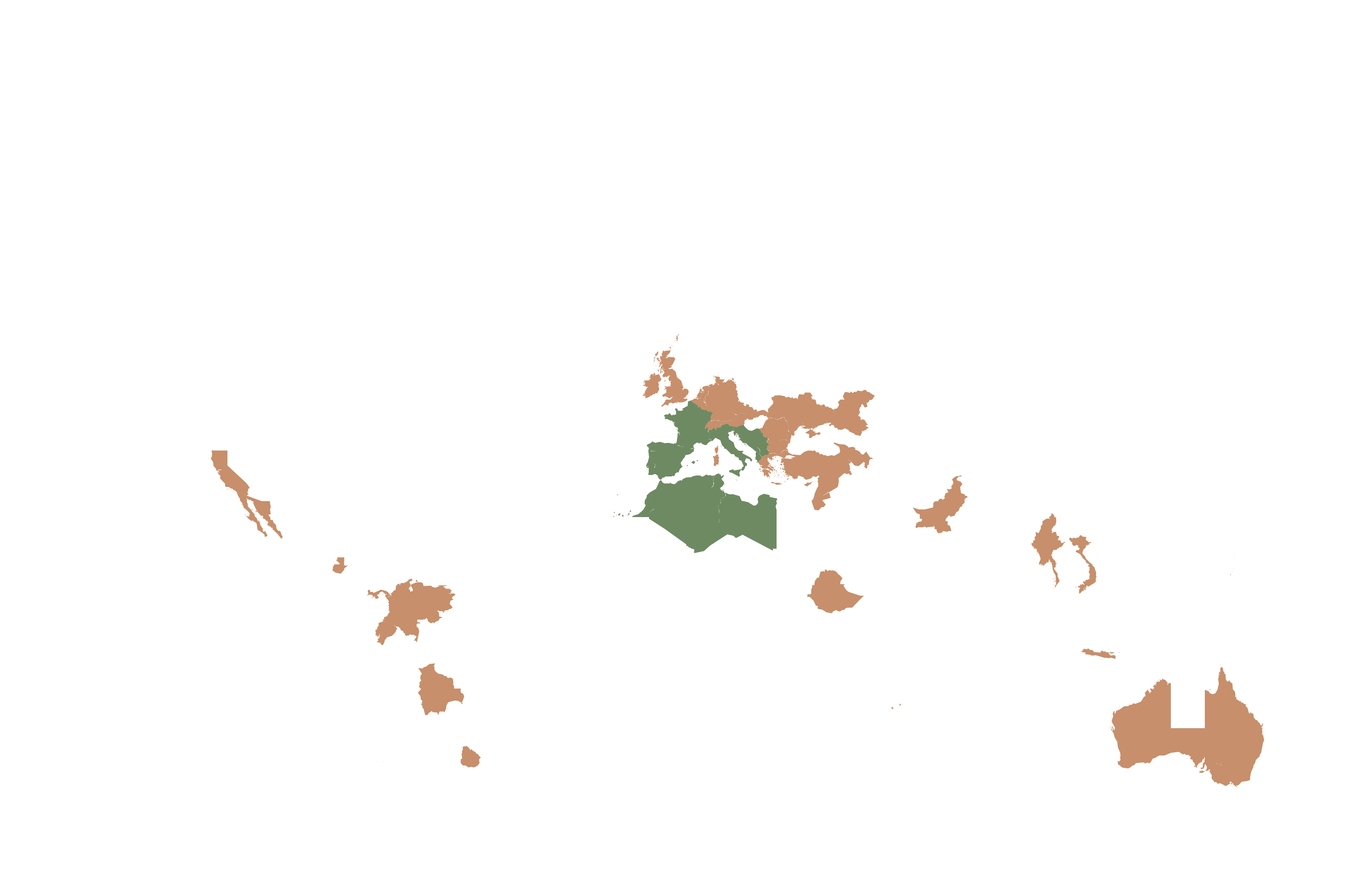
- Native
- Introduced
- Mediterranean
History

Cynara cardunculus is native to the Mediterranean Basin, where wild cardoon (C. cardunculus subsp. cardunculus) still grows in North Africa, Iberia, and southern Italy. Domestication likely occurred in Roman or medieval Arab North Africa, producing the swollen flower-bud "globe artichoke" (C. cardunculus var. scolymus). It reached medieval Sicily under Arab rule and spread to Italy by the 15th century.
Catherine de Medici, upon her 1533 marriage to King Henry II of France, popularized artichokes at the French court, to contemporary scandal — artichokes were considered aphrodisiac, a food improper for women to consume publicly. Artichoke spread across Europe. Spanish colonists introduced it to California in the 18th century, and California now produces nearly all US domestic artichokes; Castroville, California declared itself "Artichoke Capital of the World."
Italy remains the largest global producer, with Egypt a close second. Cardoon — the leaf-stem form — remains culinarily important in Italian, French, and Spanish cuisine. Recent commercial interest includes artichoke-derived vegetable rennet for cheese and inulin extraction for prebiotics. Cultivated since ancient Greece and Rome, artichokes were considered an aphrodisiac and luxury food. Catherine de' Medici introduced them to French cuisine in the 16th century. Spanish settlers brought them to California in the 1600s. Castroville, CA, was declared the Artichoke Capital; Marilyn Monroe was its first Artichoke Queen in 1948.
Symbolism & meaning
What It Symbolizes
The Artichoke Thistle is elegance grown spiny, a luxury vegetable served at the tables of kings and queens long before it became modern bistro fare. Its many overlapping bracts teach patience: only by peeling layer after layer does one reach the tender, prized heart. In its silver-blue form, refinement and reward both demand a careful, deliberate hand.
- Elegance — A luxury vegetable of kings and queens, the artichoke symbolizes refined taste and sophistication
- Patience — Peeling through many layers to reach the tender heart represents the reward of patient effort
Where the Name Comes From
Cynara from Greek 'kinara' (artichoke); 'cardunculus' is a diminutive of Latin 'carduus' (thistle). 'Artichoke' from Arabic 'al-kharshuf' via Italian 'articiocco.'
Uses & Fun Facts
- Globe artichoke flower buds and cardoon stems eaten cooked
- Leaf extracts traditionally used to support liver and digestion
- Silvery thistle-like foliage adds Mediterranean structure to borders
- Purple thistle blooms attract bees if buds left to flower
Related plants
Plants with similar care
 Mexican AbeliaAbelia floribunda
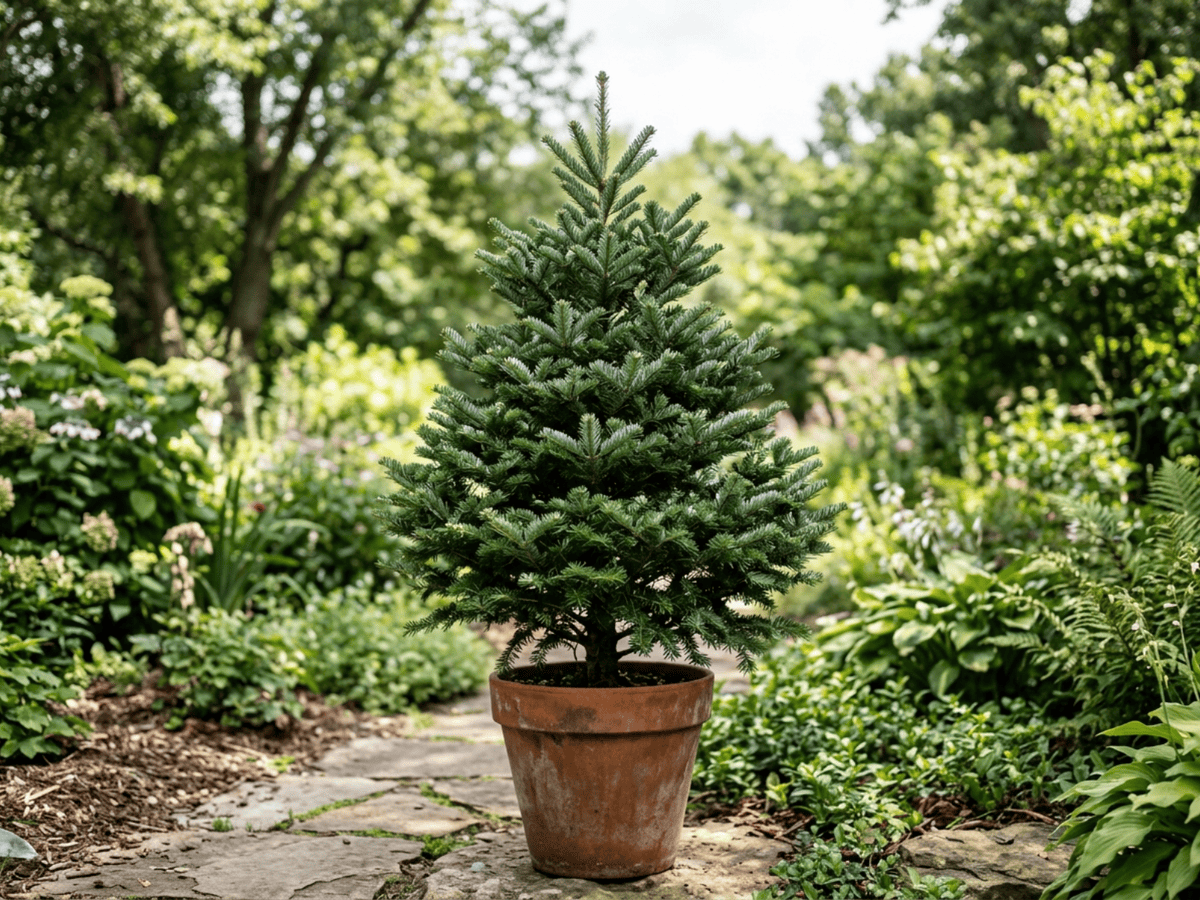 Fraser FirAbies fraseri
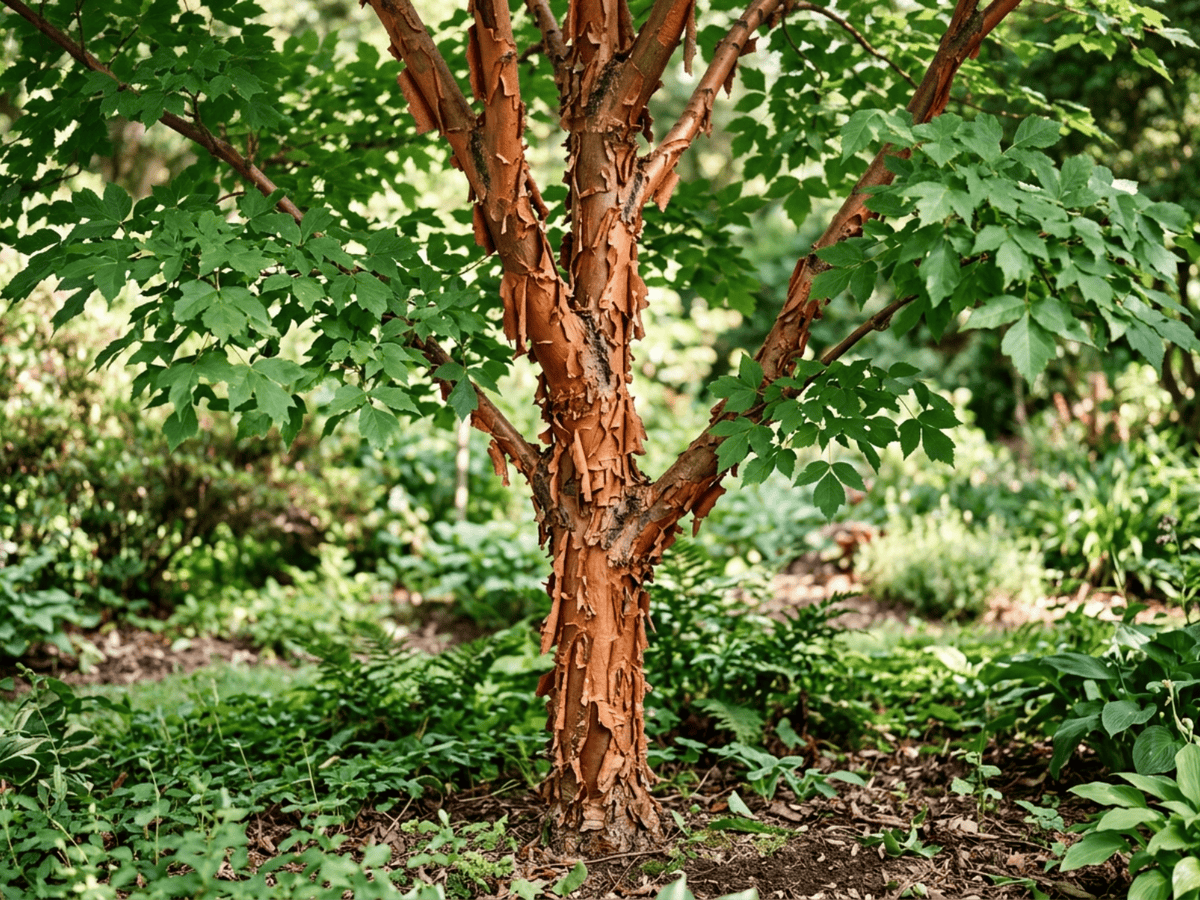 Paperbark MapleAcer griseum
 Sugar MapleAcer saccharum
Frequently asked questions
How often should I water Artichoke Thistle?
In summer, water about every 3 days; in winter, about every 10 days. Adjust for heat, pot size and drainage.
How much light does Artichoke Thistle need?
Full sun: 6+ hrs direct. Watch the leaves — scorching or stretching means the light needs adjusting.
Is Artichoke Thistle toxic to cats or dogs?
Pets Safe (Dogs Safe · Cats Safe) Educational information, not medical or veterinary advice. If exposure is suspected, contact a doctor or veterinarian.
Is Artichoke Thistle easy to grow?
It is moderately demanding: a good choice once you have a little experience.
When does Artichoke Thistle bloom?
It typically blooms Jun–Aug in the Northern Hemisphere.
YardMate
Identify any plant in seconds
Snap a photo — YardMate names the plant, diagnoses problems, and reminds you when to water.
Download on the App Store