 YardMate




Wild Carrot
Daucus carota
Medium · Some experienceAbout Wild Carrot
Daucus carota, the carrot, is a biennial root vegetable in the Apiaceae family native to Europe and southwestern Asia. Wild carrots (Queen Anne's lace) produce thin, white, woody roots, but millennia of selection have created the sweet, tender, brightly coloured roots we know today. Modern carrots come in orange (by far the most common), purple, red, yellow, and white, with shapes from stumpy Chantenay to long Imperator types.
Carrots grow in USDA zones 3–10 as a cool-season crop, preferring loose, deep, sandy loam soil free of rocks (which cause forking). They are direct-sown because they don't transplant well, and seeds are tiny and slow to germinate (14–21 days). Consistent moisture during germination is essential. Roots mature in 60–80 days for most varieties.
Carrots are the world's most important root vegetable by production volume. They are famously rich in beta-carotene—the precursor to vitamin A that gives them their orange colour. The wartime British claim that carrots helped RAF pilots see in the dark was propaganda to conceal radar technology, but the vitamin A connection is real. Carrots are extraordinarily versatile: raw snacks, roasted, in soups, juiced, grated in cakes, and as a base for mirepoix and soffritto. They store for months in cool, humid conditions.
- Edible
How to care for Wild Carrot
Watering
- Springevery 3 days
- Summerevery 2 days
- Fallevery 4 days
- Winterevery 7 days
Soil · Rich & well-draining
- Top dressingCompost10%
- Main mixPotting soil + compost 3:180%
- DrainageGravel10%
Top up the compost layer each season.
FERTILIZER
Foliage Feed 24-8-16
Nitrogen leads so the plant spends its energy on dense green growth. Phosphorus and potassium follow just far enough to keep roots and stems up to speed.
- Nitrogen · Leaves
- Phosphorus · Roots + Blooms
- Potassium · Strength
- Springevery 21 days
- Summerevery 21 days
- Fallevery 30 days
At a Glance
- NativeWestern Asia
- Height2–4 ft (0.6–1.2 m)
- Spread1–2 ft (0.3–0.6 m)
- Foliage colorGreen
- Fruit colorOrange
- SoilSandy, Well-drained, Loamy
- LocationsYard · Indoor · Balcony
Fragrance
LIGHT FRAGRANCE
Distinctive carrot aroma in crushed foliage and roots.
Toxicity
Humans Slight
falcarinol and furanocoumarins (foliage)
Slight
- Leaf
- Stem
- Contact
EXPOSURE Touching leaves and stems.
EFFECT Wild D. carota foliage contains furanocoumarins that can cause photosensitive dermatitis and cultivated carrot roots safe.
NOTE Roots safe; avoid handling wet foliage in sun. Wild carrot resembles toxic poison hemlock — forage with extreme caution.
Not reported
EXPOSURE No exposure route is reported.
EFFECT Root not listed as toxic and commonly used as low-calorie dog treat.
NOTE No toxicity is reported for dogs in this catalog; this is not evidence that the plant is edible or harmless.
Not reported
EXPOSURE No exposure route is reported.
EFFECT Root generally safe.
NOTE No toxicity is reported for cats in this catalog; this is not evidence that the plant is edible or harmless.
Educational information, not medical or veterinary advice. If exposure is suspected, contact a doctor or veterinarian.
DISTRIBUTION


- Native
- Introduced
- Western Asia
History

Daucus carota has two subspecies: wild D. carota subsp. carota (Queen Anne's Lace) is native to most of temperate Europe and Asia and is a widespread roadside weed. The cultivated carrot (D. carota subsp. sativus) was domesticated around 1,000 years ago in Afghanistan and adjacent central Asia, originally as a purple or yellow root. Purple-rooted carrots spread via Arab agricultural networks through the medieval Mediterranean and into Europe.
The orange carrot emerged in the Netherlands during the 16th-17th centuries. One popular account holds that Dutch growers bred orange carrots as a patriotic tribute to William of Orange and the House of Orange-Nassau; horticultural historians debate whether this was the primary driver or a post-hoc narrative. Regardless of origin, Dutch orange carrots proved sweeter, more vitamin-A-rich (beta-carotene, from which vitamin A is named), and more visually distinctive from parsnips than purple carrots, and rapidly displaced the older varieties globally.
Purple "heirloom" carrots have made a 21st-century comeback. The WWII British air-force myth — that eating carrots dramatically improves night vision — was a deliberate propaganda ruse to conceal the real technology (radar) behind British interception successes. Orange carrots were developed in the 17th-century Netherlands — legend credits Dutch growers honoring William of Orange, though this is debated. Carrots are now the second most popular vegetable in the world after potatoes.
Symbolism & meaning
What It Symbolizes
The wild carrot is vision both literal and metaphorical, its taproot rich in the beta-carotene that becomes vitamin A on which our eyes depend. Hidden in the dark for months before harvest, it also stands for patience — the quiet faith of the gardener who pulls in October what was sown in April. It is proof that what ripens slowest, and out of sight, is often what feeds us best.
- Vision — Rich in vitamin A precursors, the carrot symbolizes clarity of sight—both literal and metaphorical
- Patience — Hidden underground for months before harvest, carrots represent the rewards of patient cultivation
Where the Name Comes From
Daucus from Greek 'daukos' (a type of parsnip); 'carota' from Greek 'karoton,' possibly related to 'keras' (horn), describing the root shape.
Uses & Fun Facts
- Sweet taproots eaten raw, roasted, juiced, or stored fresh
- Lacy white umbels host beneficial hoverflies and parasitoid wasps
Related plants
Plants with similar care
 Mexican AbeliaAbelia floribunda
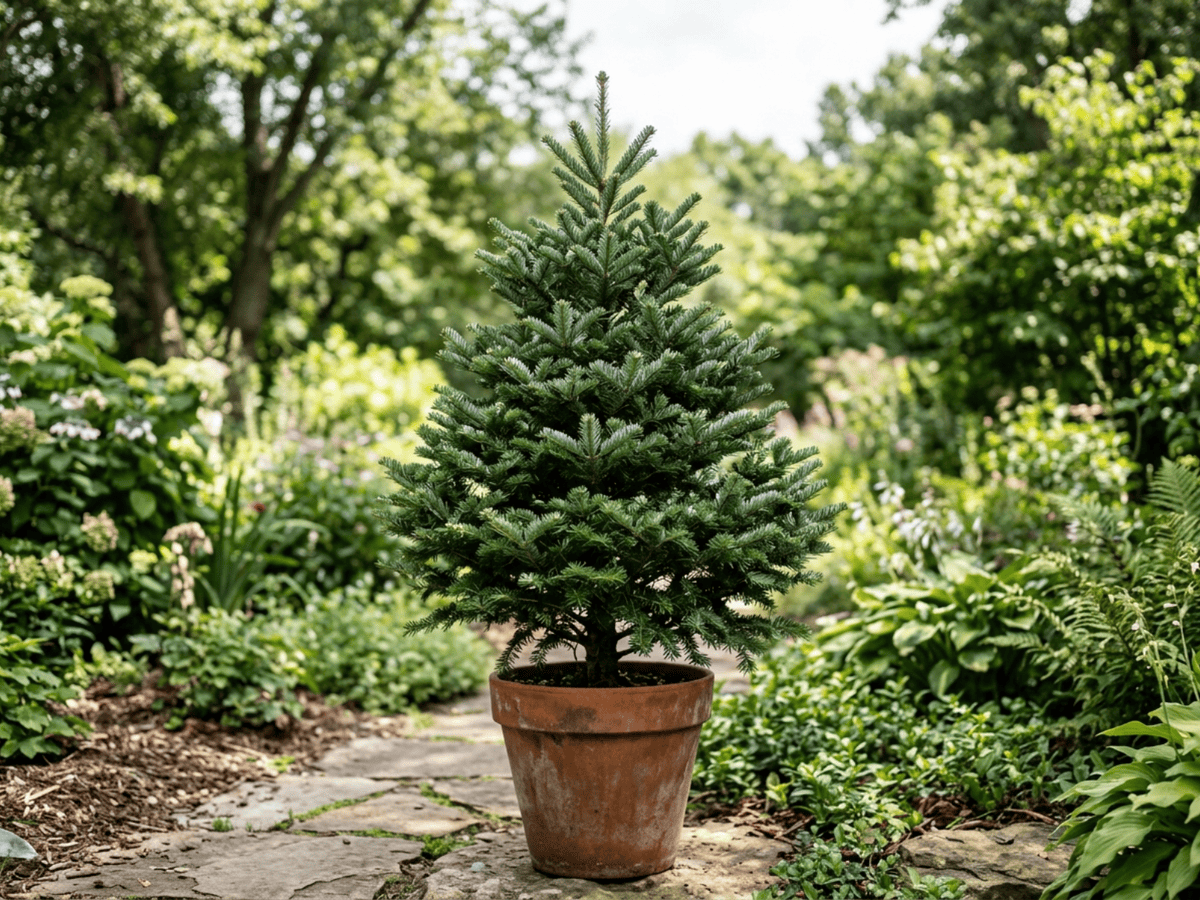 Fraser FirAbies fraseri
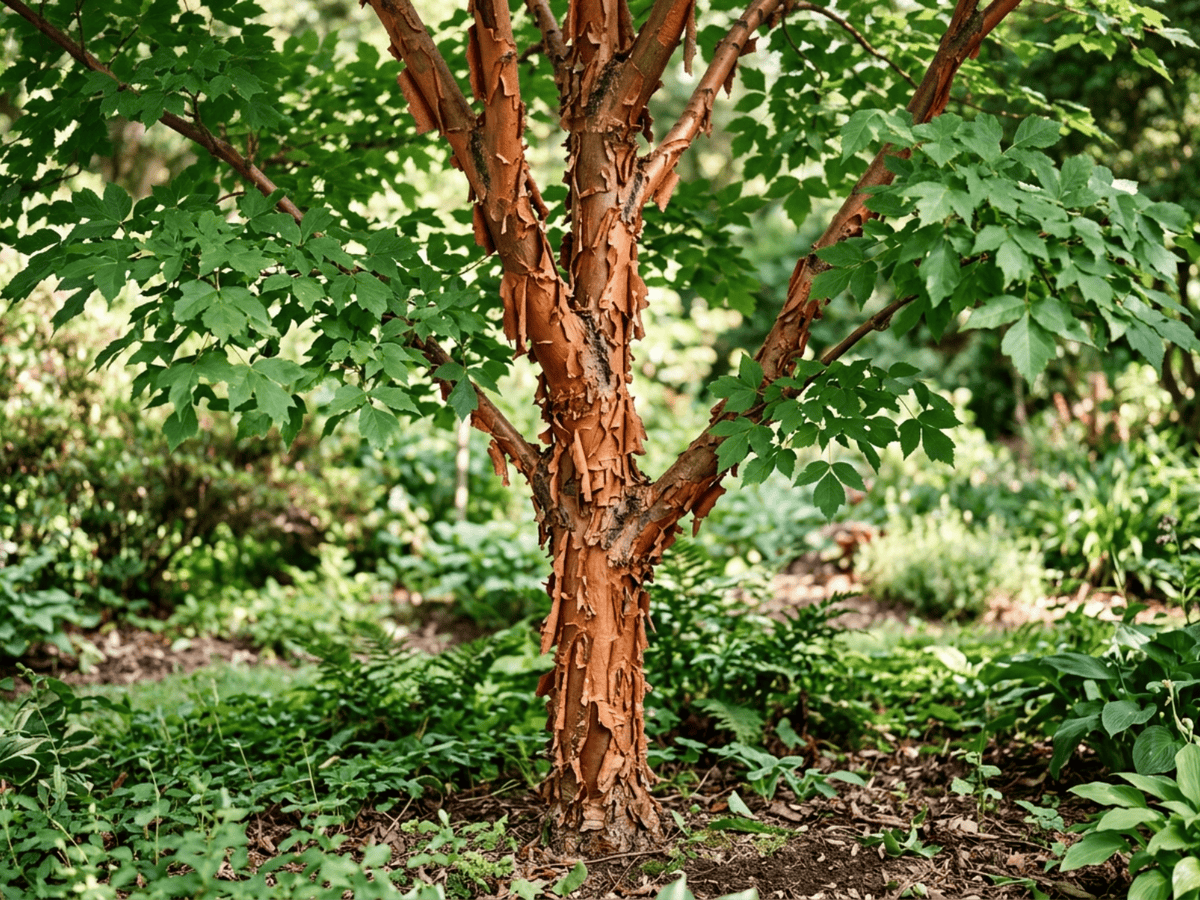 Paperbark MapleAcer griseum
 Sugar MapleAcer saccharum
Frequently asked questions
How often should I water Wild Carrot?
In summer, water about every 2 days; in winter, about every 7 days. Adjust for heat, pot size and drainage.
How much light does Wild Carrot need?
Full sun: 6+ hrs direct. Watch the leaves — scorching or stretching means the light needs adjusting.
Is Wild Carrot toxic to cats or dogs?
Pets Not reported (Dogs Not reported · Cats Not reported) Educational information, not medical or veterinary advice. If exposure is suspected, contact a doctor or veterinarian.
Is Wild Carrot easy to grow?
It is moderately demanding: a good choice once you have a little experience.
Can Wild Carrot be grown indoors?
Yes, it adapts well to indoor growing given the right light.
YardMate
Identify any plant in seconds
Snap a photo — YardMate names the plant, diagnoses problems, and reminds you when to water.
Download on the App Store