 YardMate


Poinsettia
Euphorbia pulcherrima
Medium · Some experienceAbout Poinsettia
Euphorbia pulcherrima, the poinsettia, is a Mexican and Central American shrub that became the world's most recognizable holiday plant. Its showy red, white, pink, or marbled display is made of bracts, not petals; the true flowers are the small yellow structures clustered at the center. In the wild it can reach 3-4 meters, far taller than the compact potted forms sold in December. The Aztecs used the colorful bracts for dye, and Franciscan monks later linked the star-like display with Christmas processions. Joel Roberts Poinsett introduced the plant to US horticulture in 1828. Recoloring it requires weeks of long uninterrupted nights, which is why commercial growers manage darkness with almost clockmaker precision.
- Tropical
How to care for Poinsettia
Watering
- Springevery 5 days
- Summerevery 4 days
- Fallevery 7 days
- Winterevery 14 days
Soil · Fast-draining
- Main mixSand + pumice + soil 1:1:150%
- DrainagePumice / gravel50%
Keep grit at half the mix or more — this soil is meant to dry out fast.
FERTILIZER
Balanced Feed 14-14-14
An even feed covers all three needs at once, keeping leaves, roots and blooms moving together with nothing pushed out of balance.
- Nitrogen · Leaves
- Phosphorus · Roots + Blooms
- Potassium · Strength
- Springevery 30 days
- Summerevery 30 days
- Fallevery 30 days
At a Glance
- NativeNorth America, Central America
- Height2–4 ft (0.6–1.2 m)
- Spread1–3 ft (0.3–0.9 m)
- Flower colorRed, Pink, White, Cream
- Foliage colorGreen, Variegated
- SoilLoamy, Well-drained
- LocationsIndoor · Yard
Bloom time
BLOOM CYCLE
Peak bloom
Jun–Aug
Red bracts need 14 hours of darkness nightly for 6–8 weeks to color; true flowers are tiny and yellow
Fragrance
NO FRAGRANCE
No notable fragrance.
Toxicity
Humans Slight · Pets Slight
diterpene esters (in latex)
Slight
- Leaf
- Sap
- Ingestion
- Contact
EXPOSURE Eating leaves and sap. Touching leaves and sap.
EFFECT Milky latex can cause mild GI upset if eaten, skin irritation from sap and fatal-poisoning reputation is a myth.
NOTE Documented concern for humans: Milky latex can cause mild GI upset if eaten, skin irritation from sap and fatal-poisoning reputation is a myth.
Slight
- Leaf
- Sap
- Ingestion
EXPOSURE Eating leaves and sap.
EFFECT Mild vomiting, drooling — not dangerous despite reputation.
NOTE ASPCA classifies poinsettia as mildly toxic — the "deadly poinsettia" reputation is unsupported by evidence. Skin contact can irritate latex-sensitive individuals.
Slight
- Leaf
- Sap
- Ingestion
EXPOSURE Eating leaves and sap.
EFFECT Mild vomiting, drooling.
NOTE ASPCA classifies poinsettia as mildly toxic — the "deadly poinsettia" reputation is unsupported by evidence. Skin contact can irritate latex-sensitive individuals.
Educational information, not medical or veterinary advice. If exposure is suspected, contact a doctor or veterinarian.
DISTRIBUTION


- Native
- Introduced
- North America
- Central America
History
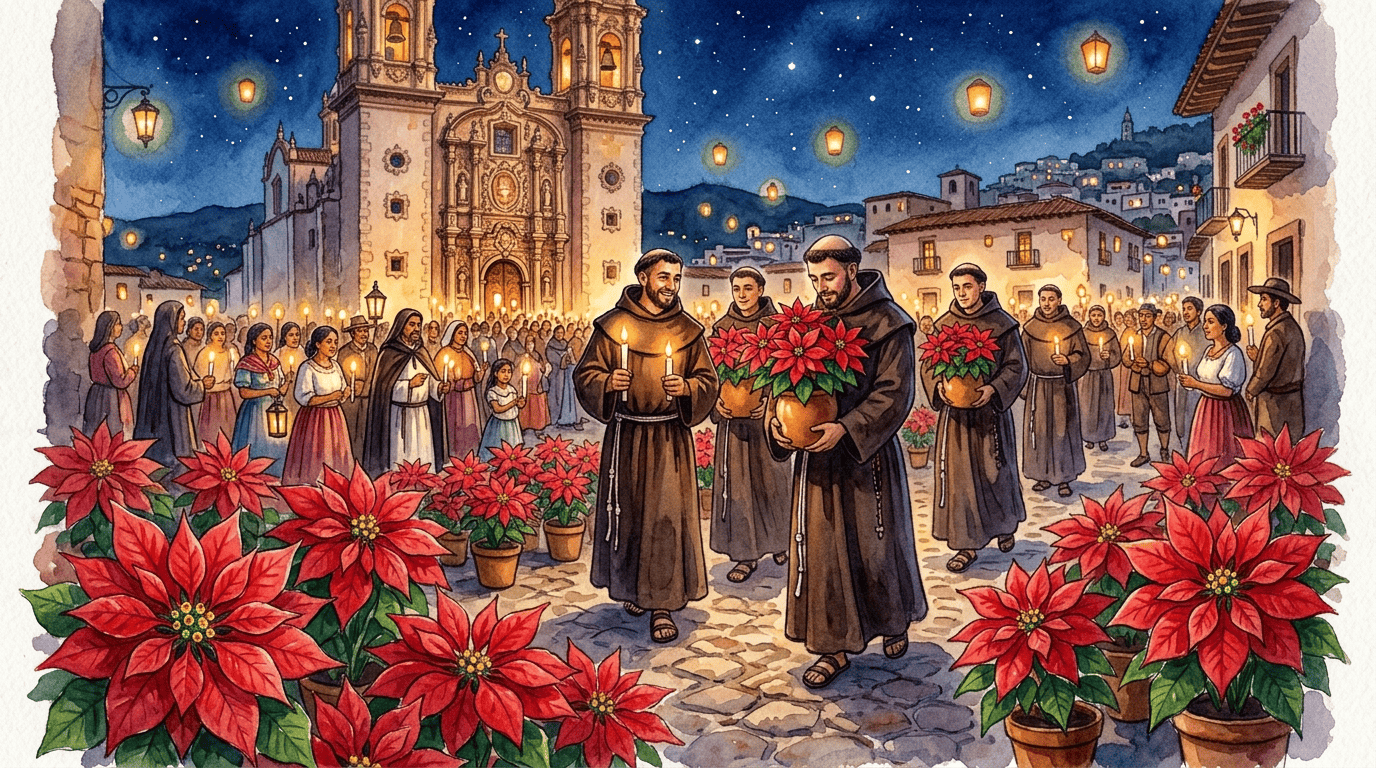
Euphorbia pulcherrima is native to the Pacific and southern mountains of Mexico and adjacent western Guatemala, where it grows as a shrub or small tree reaching 3-4 meters in open tropical forest. The Aztecs called it "cuetlaxochitl" and cultivated it for its intense red winter bracts, which they used to dye textiles and in religious ceremonial contexts; the plant was associated with the winter solstice. After Spanish conquest, 16th-17th century Franciscan friars in the Taxco region incorporated the plant into Christmas nativity celebrations, creating the "Flor de Nochebuena" (Christmas Eve Flower) tradition that remains central to Mexican Christmas culture. Joel Roberts Poinsett — botanist, politician, and first US Minister to Mexico — observed the plant during his 1825-1829 posting and sent cuttings back to his South Carolina greenhouse in 1828.
The English name "poinsettia" honors Poinsett. The species gradually spread through American horticulture in the later 19th century, but the modern commercial Christmas poinsettia industry was essentially invented by the Ecke family of Encinitas, California, who from about 1906 to 2008 dominated global cuttings production through a closely-held propagation secret (they grafted poinsettia cultivars to produce the compact, bushy, multi-stemmed houseplant form). When the technique was finally published by a university researcher in 1991, the industry opened up; the Ecke operation was sold in 2012.
The common belief that poinsettias are deadly toxic is a persistent myth — modern studies show the plant is only mildly irritant, not deadly, to pets and humans. The poinsettia's journey from Mexican wild shrub to global Christmas icon is a remarkable cultural story. The Aztecs cultivated it as 'cuetlaxochitl,' extracting red dye from the bracts and using the latex medicinally. In the 16th century, Franciscan monks in Taxco incorporated the red star-shaped bracts into their Christmas Eve Nativity processions, beginning the Christmas association. The Ecke family of California dominated poinsettia production for most of the 20th century, developing the compact forms we know today through a grafting secret kept for decades. Over 70 million poinsettias are sold in the U.S. each holiday season, making it the best-selling potted plant in America.
Symbolism & meaning
What It Symbolizes
The Poinsettia is celebration crystallized in scarlet, the quintessential Christmas plant whose star-shaped bracts crown countless winter mantels. In its bright reds and creams it evokes good cheer, lifting darkened December rooms with a pulse of festive warmth. From its native Mexican hillsides to global holiday displays, it has become the floral signature of the season's joy.
- Celebration — The quintessential Christmas plant symbolizing holiday joy and festivity
- Good Cheer — Bright red bracts bring warmth and merriment to winter homes
Where the Name Comes From
Euphorbia honors Euphorbus, physician to King Juba II of Mauretania. Pulcherrima means 'most beautiful' in Latin. Common name honors Joel Roberts Poinsett (1779–1851).
Uses & Fun Facts
- Iconic Christmas and holiday display plant across United States
- Indoor potted bracts deliver weeks of festive winter color
- Mexican Aztecs historically used red bracts as natural dye
Related plants
More Euphorbia plants
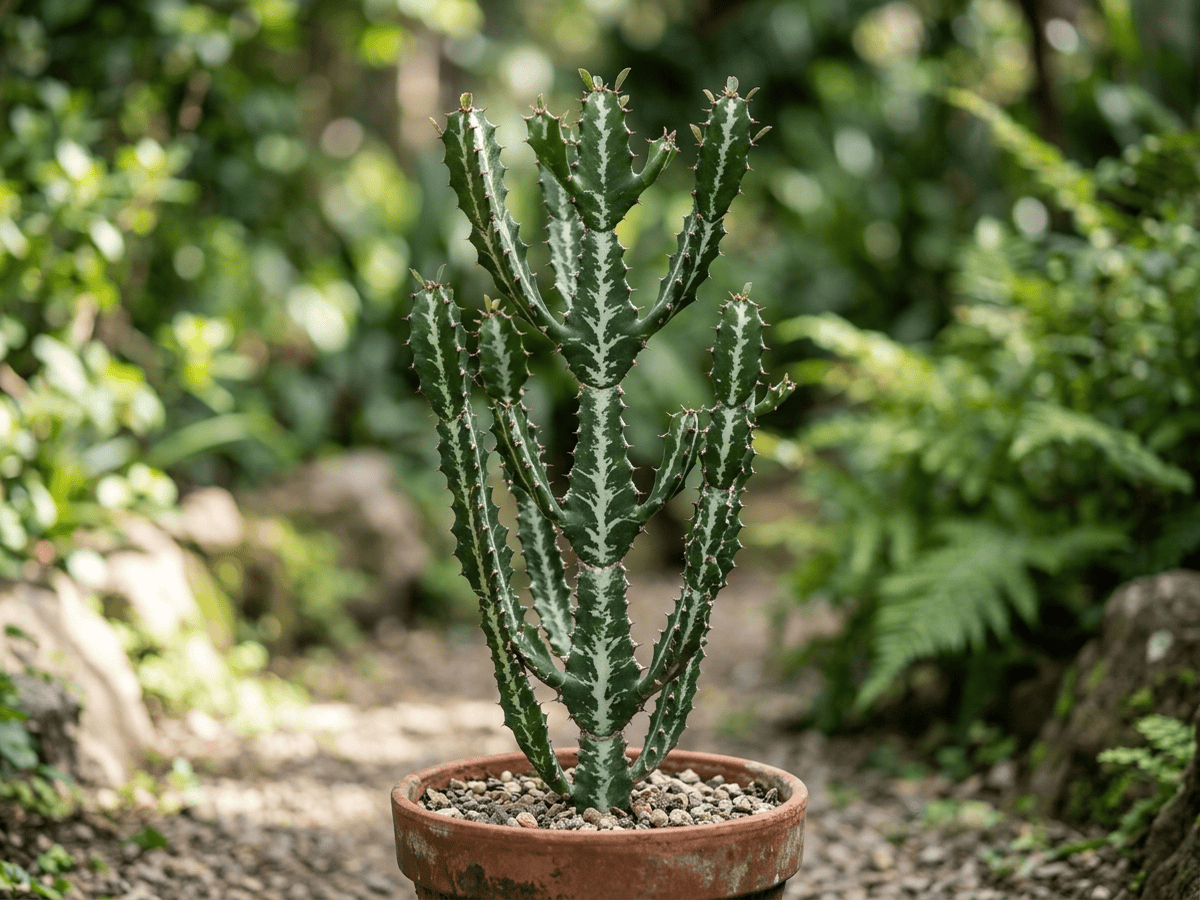 Mottled SpurgeEuphorbia lactea
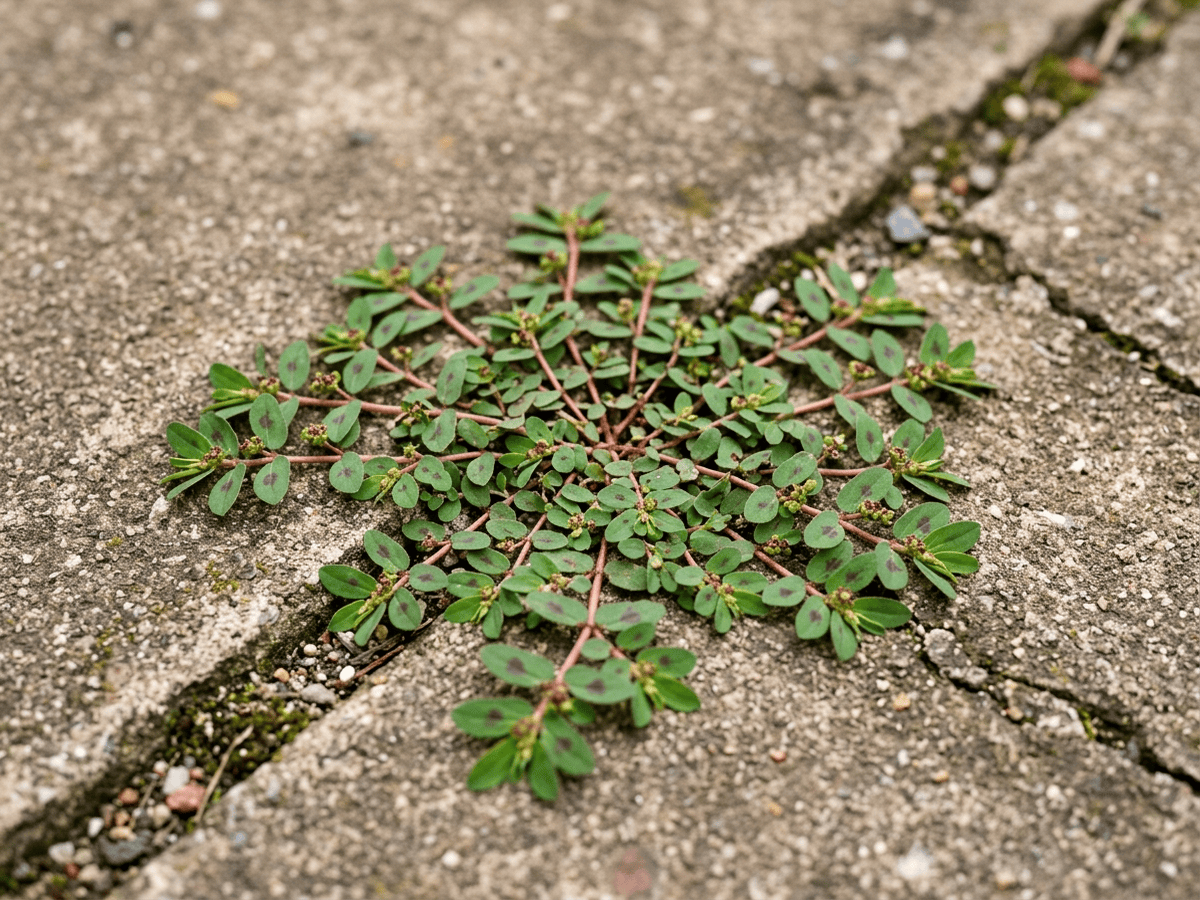 Spotted SpurgeEuphorbia maculata
 Crown-Of-ThornsEuphorbia milii
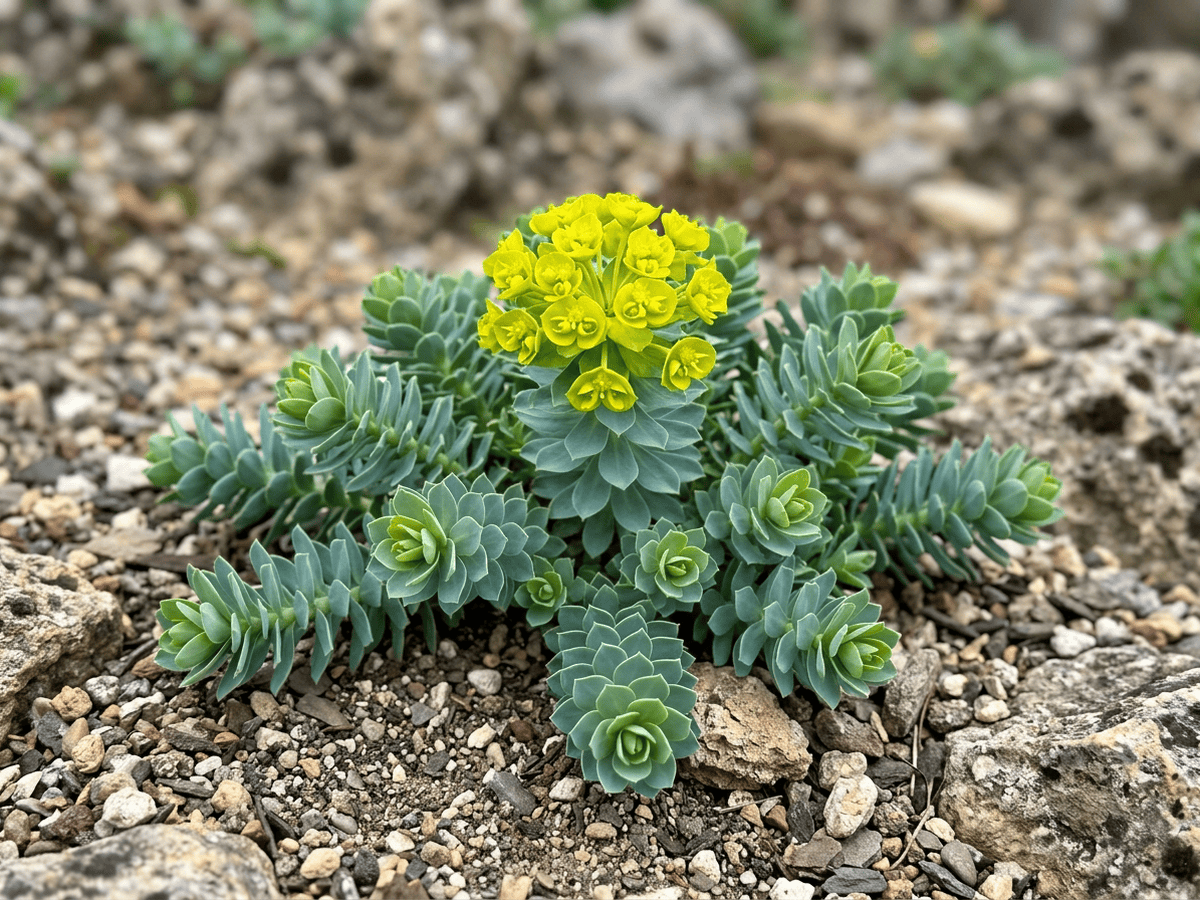 Myrtle SpurgeEuphorbia myrsinites
Plants with similar care
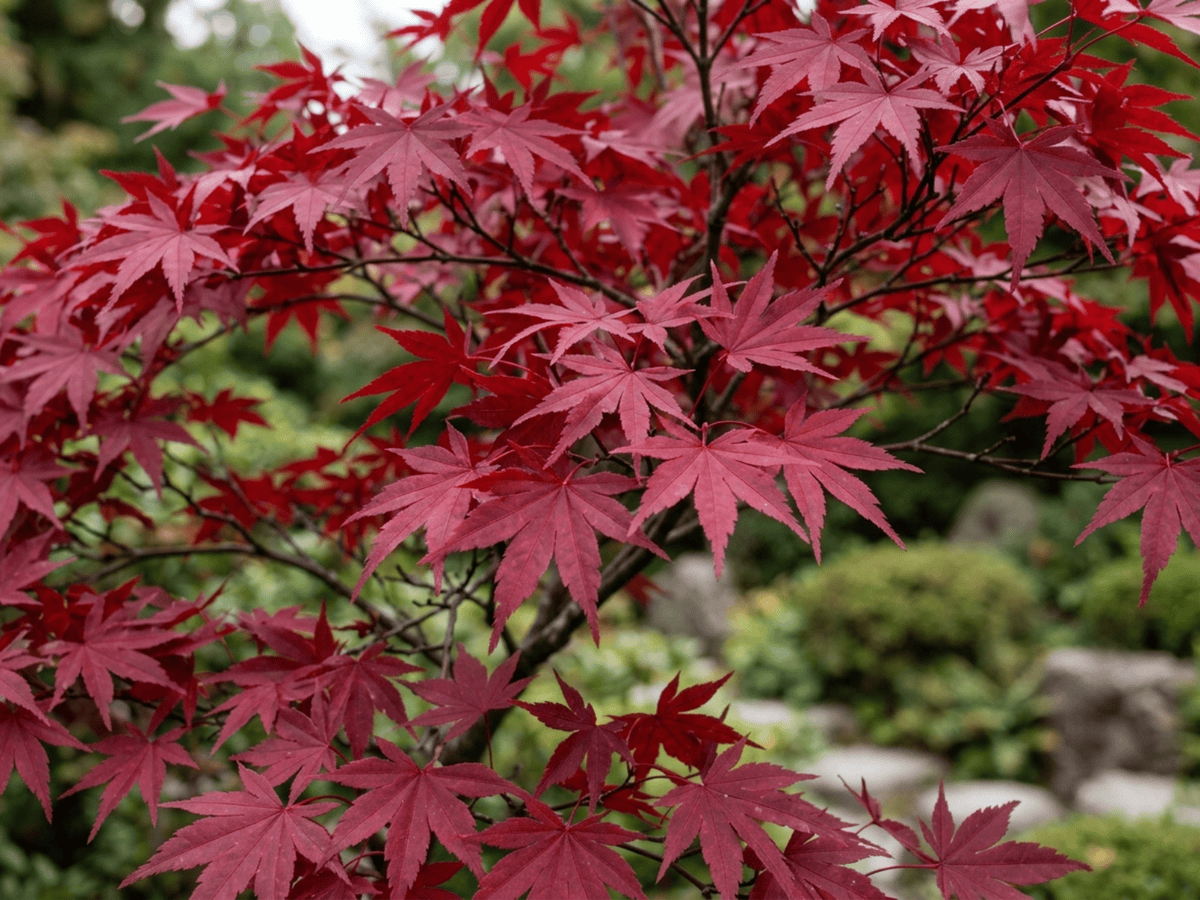 Japanese MapleAcer palmatum
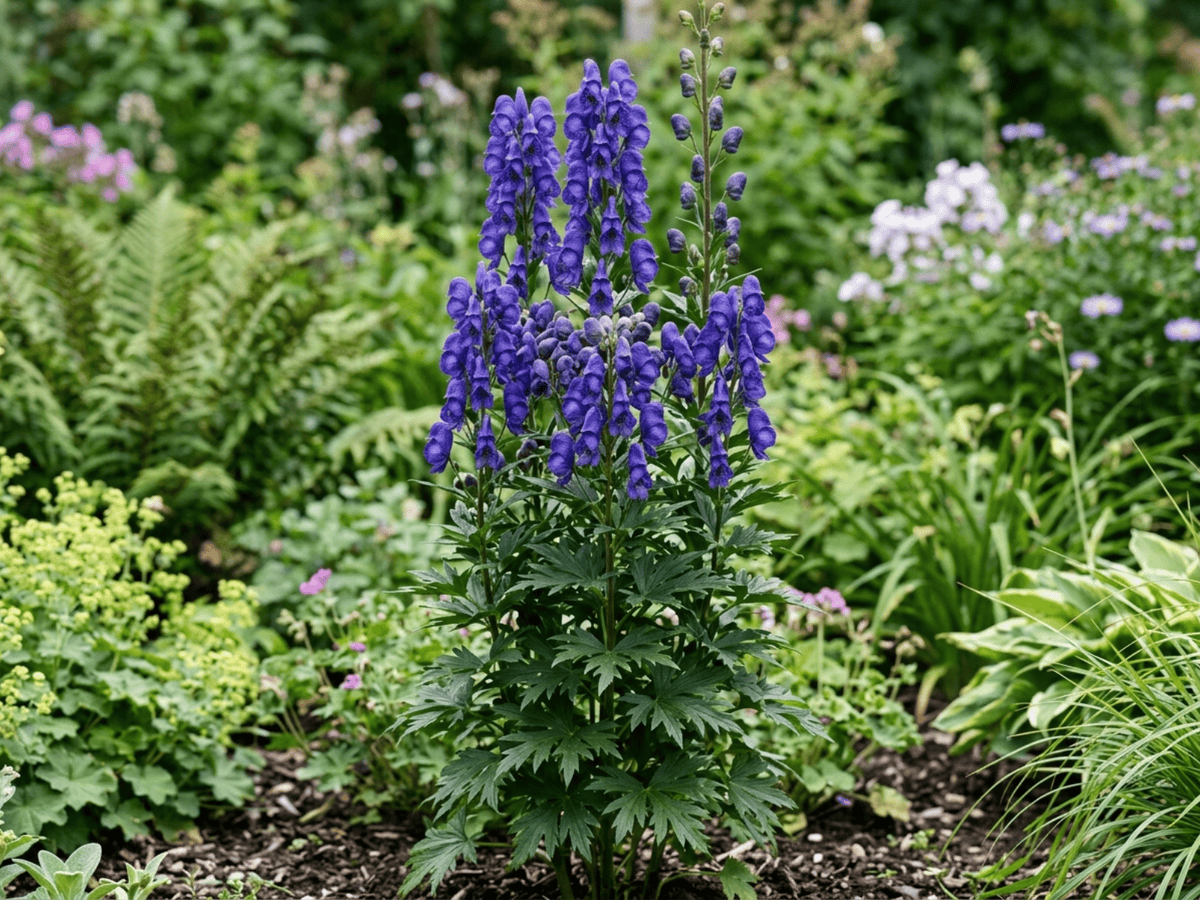 Azure MonkshoodAconitum carmichaelii
 Florida HobblebushAgarista populifolia
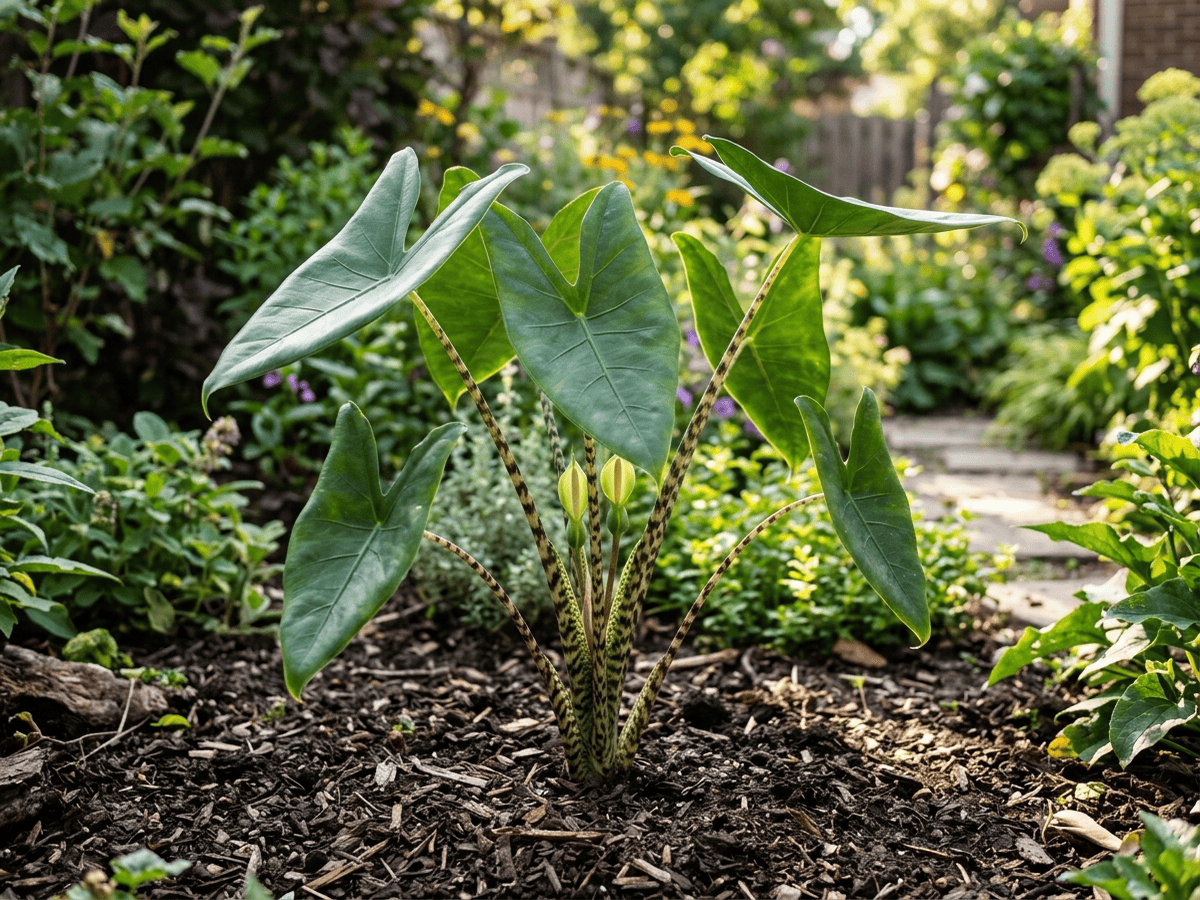 Alocasia zebrinaAlocasia zebrina
Frequently asked questions
How often should I water Poinsettia?
In summer, water about every 4 days; in winter, about every 14 days. Adjust for heat, pot size and drainage.
How much light does Poinsettia need?
Part shade: 2–4 hrs direct. Watch the leaves — scorching or stretching means the light needs adjusting.
Is Poinsettia toxic to cats or dogs?
Pets Slight (Dogs Slight · Cats Slight) Educational information, not medical or veterinary advice. If exposure is suspected, contact a doctor or veterinarian.
Is Poinsettia easy to grow?
It is moderately demanding: a good choice once you have a little experience.
Can Poinsettia be grown indoors?
Yes, it adapts well to indoor growing given the right light.
When does Poinsettia bloom?
It typically blooms Jun–Aug in the Northern Hemisphere.
YardMate
Identify any plant in seconds
Snap a photo — YardMate names the plant, diagnoses problems, and reminds you when to water.
Download on the App Store