 YardMate
Sweet Pea
Lathyrus odoratus
Hard · Experienced growersAbout Sweet Pea
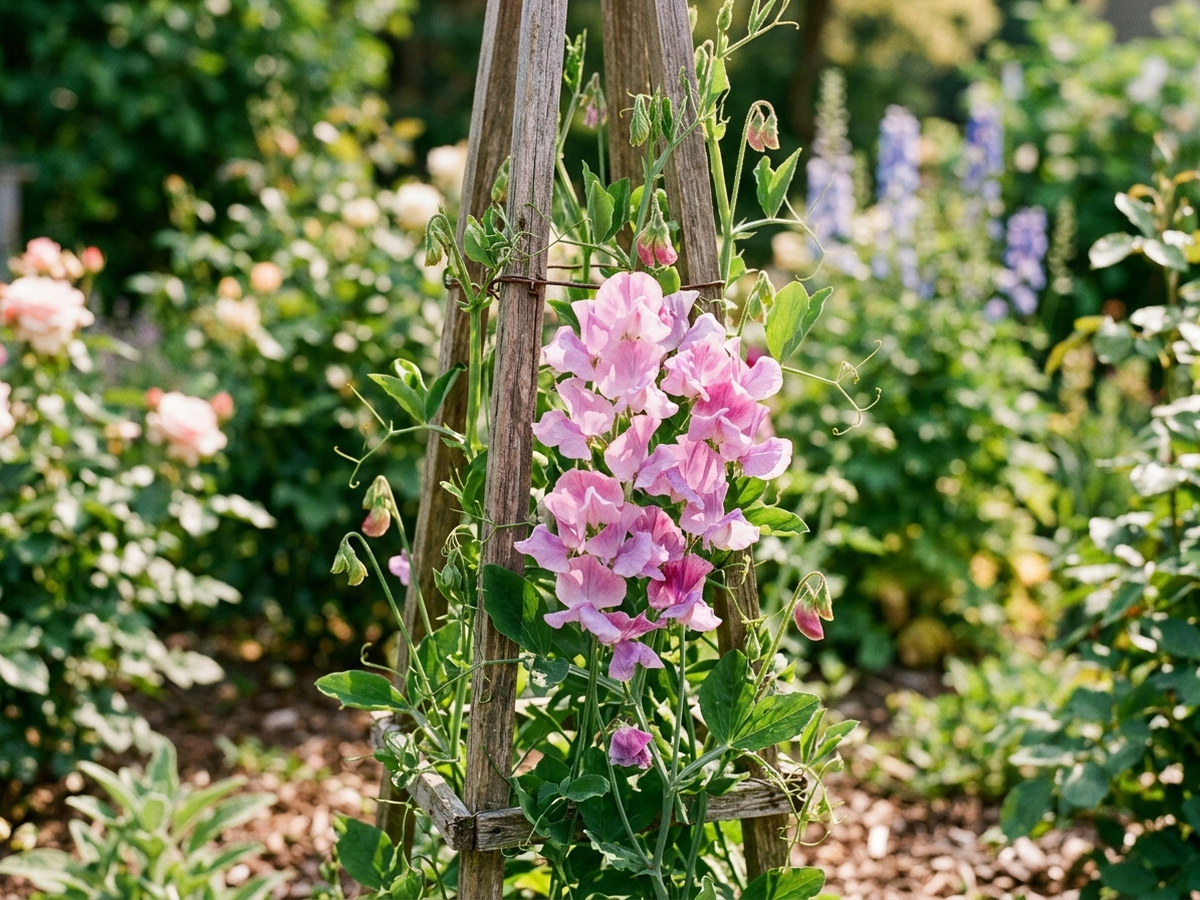
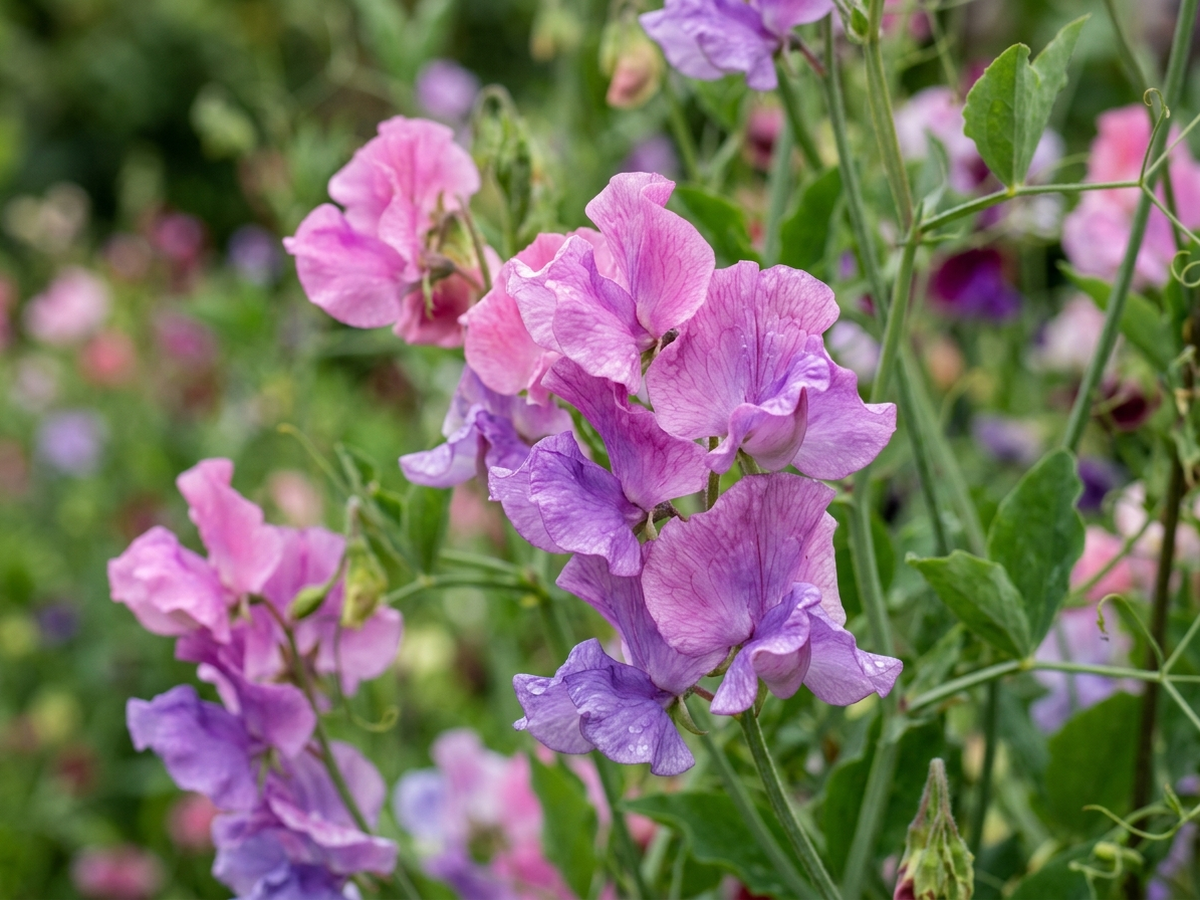
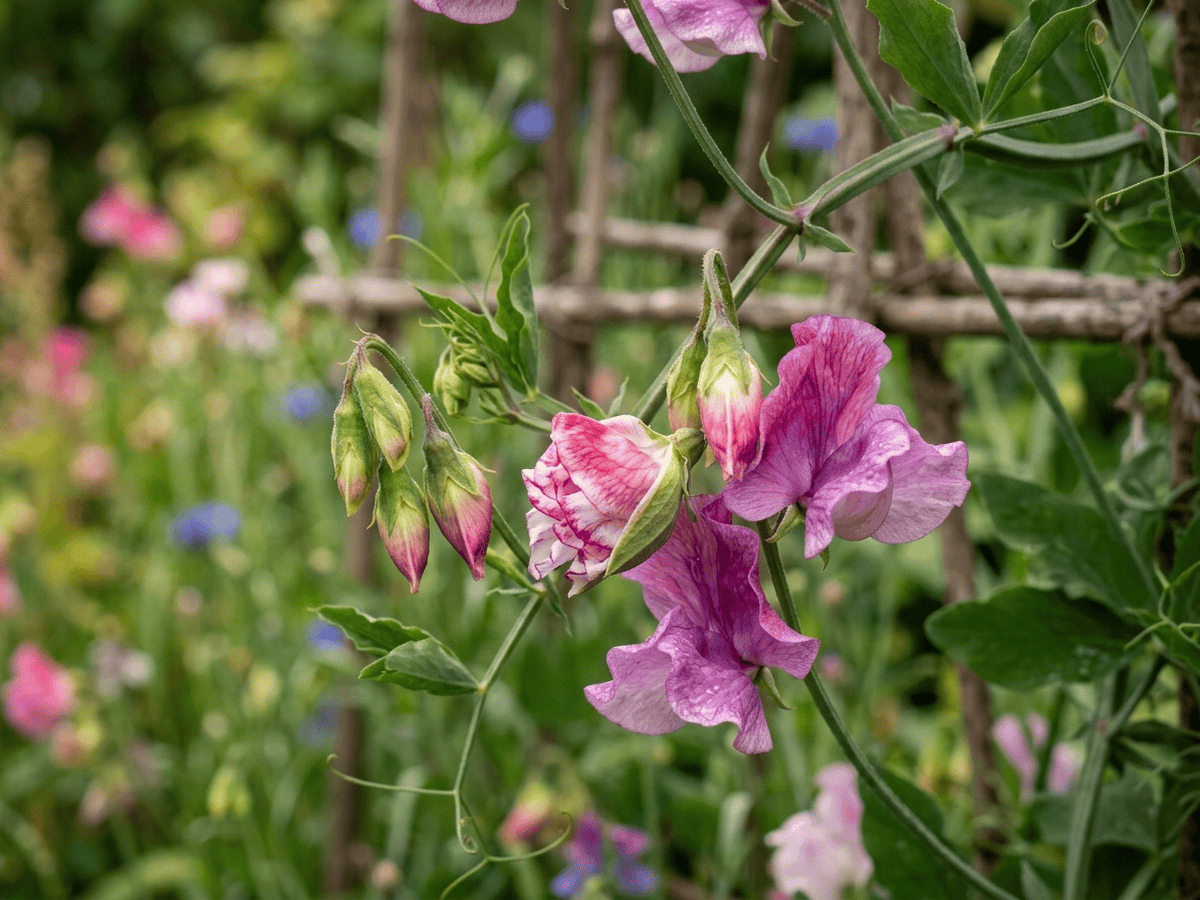
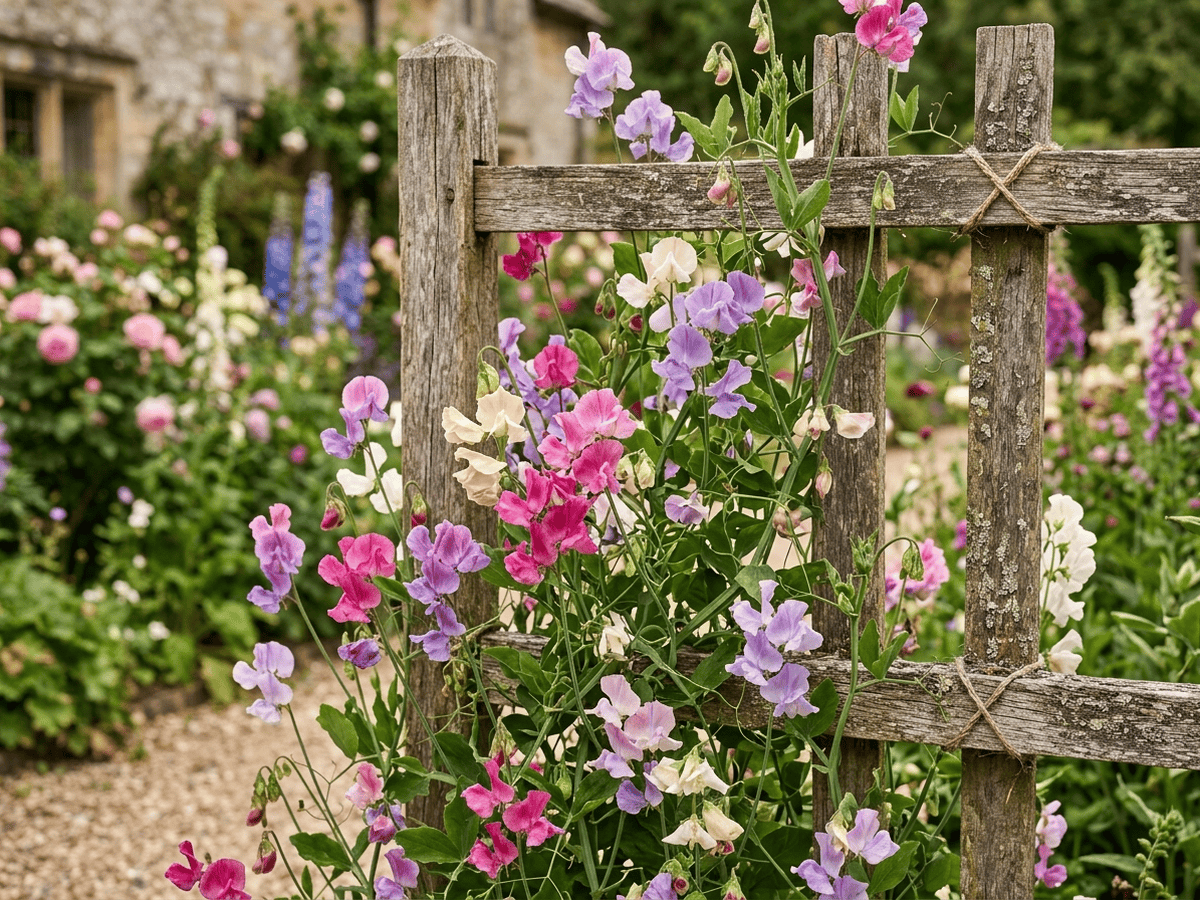
Lathyrus odoratus, the Sweet Pea, is a climbing annual vine native to Sicily and the southern Italian peninsula, where Franciscan friar Francesco Cupani first collected and described it in 1695. Celebrated above all for its intense, complex fragrance—sweet, powdery, and unmistakable—Sweet Pea produces butterfly-shaped flowers in a range from white through pastel pink and lavender to deep purple and crimson, on long stems ideally suited to cutting. It climbs by tendrils to 5–8 feet and blooms prolifically in cool spring weather, making it an ideal early-season annual for trellises, fences, and cottage garden borders. Centuries of breeding—most notably by Scottish hybridizer Henry Eckford in the late 1800s—have produced hundreds of cultivars, though fragrance enthusiasts often seek out old-fashioned heirloom types to recapture the powerful scent that first captivated European gardeners.
- Fragrant
- Climbing
- Pollinator-friendly
- Long-blooming
- Fast-growing
How to care for Sweet Pea
Watering
- Springevery 7 days
- Summerevery 7 days
- Fallevery 15 days
- Winterpause watering
Soil · Well-draining
- Top dressingPine bark mulch10%
- Main mixPotting soil + perlite 2:170%
- DrainageLECA / gravel20%
Never skip the drainage layer — standing water is the top cause of root rot.
FERTILIZER
Bloom Booster 10-52-10
A phosphorus-forward feed fuels abundant blooms, with just enough nitrogen and potassium to keep foliage and roots steady.
- Nitrogen · Leaves
- Phosphorus · Roots + Blooms
- Potassium · Strength
- Springevery 30 days
- Summerevery 30 days
At a Glance
- NativeMediterranean
- Height3–8 ft (0.9–2.4 m)
- Spread2–4 ft (0.6–1.2 m)
- Flower colorPink, Purple, White, Red
- Foliage colorGreen
- SoilWell-drained, Moist, Neutral
- LocationsYard · Balcony
Bloom time
BLOOM CYCLE
Peak bloom
Apr–Aug
Sweet peas produce highly fragrant flowers from spring to summer, attracting pollinators.
Fragrance
STRONG FRAGRANCE
Sweet Pea has one of the most celebrated fragrances in the garden—warm, powdery-sweet with honeyed depth; modern cultivars are often less fragrant than old-fashioned heirloom varieties.
Toxicity
Humans Slight
ODAP (beta-N-oxalyl-L-alpha,beta-diaminopropionic acid) and lathyrogens
Slight
- Seed
- Ingestion
EXPOSURE Eating seeds.
EFFECT Weakness, paralysis, and lathyrism from large quantities of seeds.
NOTE Seeds and all parts contain neurotoxic amino acids (ODAP/lathyrogens). In humans, large-quantity consumption of seeds can cause lathyrism (neurological disease). Toxic to dogs and cats causing weakness and neurological signs. Listed by ASPCA as toxic to dogs and cats.
Unknown
EXPOSURE No exposure route is reported.
EFFECT No toxic effect is reported.
NOTE Toxicity for dogs is not well documented; use caution until verified.
Unknown
EXPOSURE No exposure route is reported.
EFFECT No toxic effect is reported.
NOTE Toxicity for cats is not well documented; use caution until verified.
Educational information, not medical or veterinary advice. If exposure is suspected, contact a doctor or veterinarian.
DISTRIBUTION


- Native
- Introduced
- Mediterranean
History
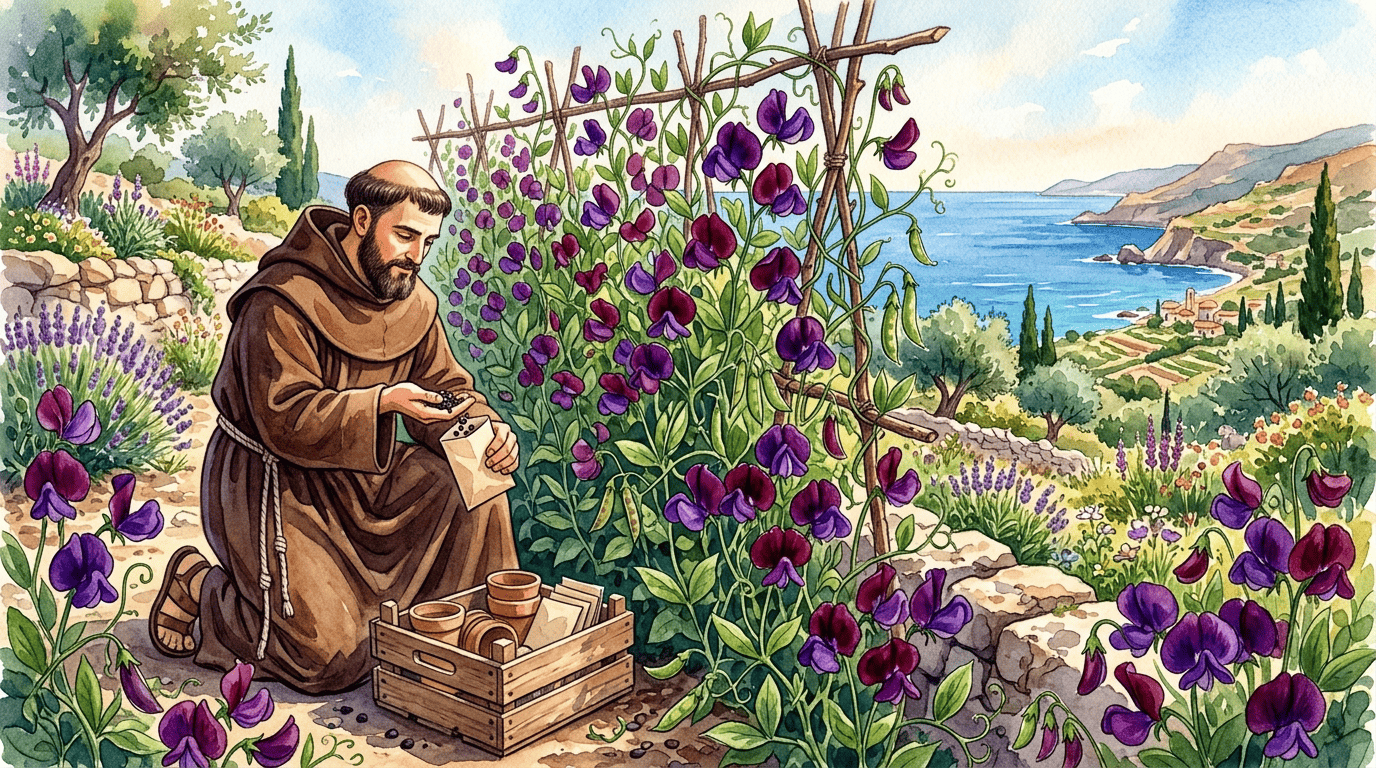
In 1695, Francesco Cupani—a Franciscan friar and amateur botanist in Palermo—found a small climbing plant with intensely fragrant purple-and-maroon flowers growing on the hillsides of western Sicily. He pressed specimens, described the plant in his Hortus Catholicus (1697), and sent seeds to a schoolmaster named Robert Uvedale in England and a physician named Caspar Commelin in Holland. From that single packet of Sicilian seeds, one of the great horticultural obsessions of the following three centuries began.
For much of the 18th century, Sweet Pea was grown as a botanical curiosity in a few color forms. Then in the 1870s and 1880s, a Scottish gardener named Henry Eckford settled in the small Shropshire town of Wem and began a systematic breeding program. Working alone with no formal botanical training, Eckford raised hundreds of new cultivars over two decades—improving flower size, introducing new colors, extending the season. By 1900, when the first National Sweet Pea Society show was held in London, he entered 264 named varieties. He was the dominant figure in sweet pea breeding for thirty years.
The next chapter began in 1901, when a gardener named Silas Cole, working at Lord Spencer's estate Althorp in Northamptonshire, noticed a spontaneous mutation among Eckford's varieties: a plant with broad, waved and frilled petals quite unlike the flat-faced forms then in cultivation. 'Lady Spencer'—the first of the so-called Spencer sweet peas—transformed the flower. Spencer types became the dominant form and remain so today, filling florist bundles and cottage gardens with their ruffled, fragrant blooms every spring.
Symbolism & meaning
What It Symbolizes
Edwardian hostesses filled their entrance halls and reception rooms with Sweet Peas every June—the scent marking the height of the season. They were given as farewell tokens at the end of house parties, chosen precisely because they would wilt before the week was out. Something beautiful and brief, pressed into a guest's hand at the door.
- blissful departure — Sweet Peas have long symbolized farewell and gentle departure—given as parting gifts in Victorian and Edwardian England, their brief season making them emblems of transient beauty.
- delicate pleasure — In the language of flowers, Sweet Pea meant delicate, pleasurable bliss—a fleeting sweetness to be treasured precisely because it doesn't last.
Where the Name Comes From
Lathyrus is the ancient Greek name for a pea-like plant, derived from la (very) and thouros (stimulating), referring to the supposed stimulating properties attributed to the plant by ancient writers. The species name odoratus is Latin for 'fragrant' or 'sweet-smelling'—an understatement for one of the most powerfully fragrant flowers in the garden. Sweet Pea is the English common name, combining the sweet fragrance with the pea family resemblance.
Uses & Fun Facts
- One of the finest cut flowers, with long stems, ruffled petals, and incomparable fragrance; cut in the morning when buds are half open for longest vase life
- Produces one of the most celebrated garden fragrances—warm, honeyed, and complex; most intense in old-fashioned heirloom varieties grown in cool conditions
- Attracts bumblebees and long-tongued bees that are able to force open the keeled flower structure to reach the nectar
Related plants
Plants with similar care
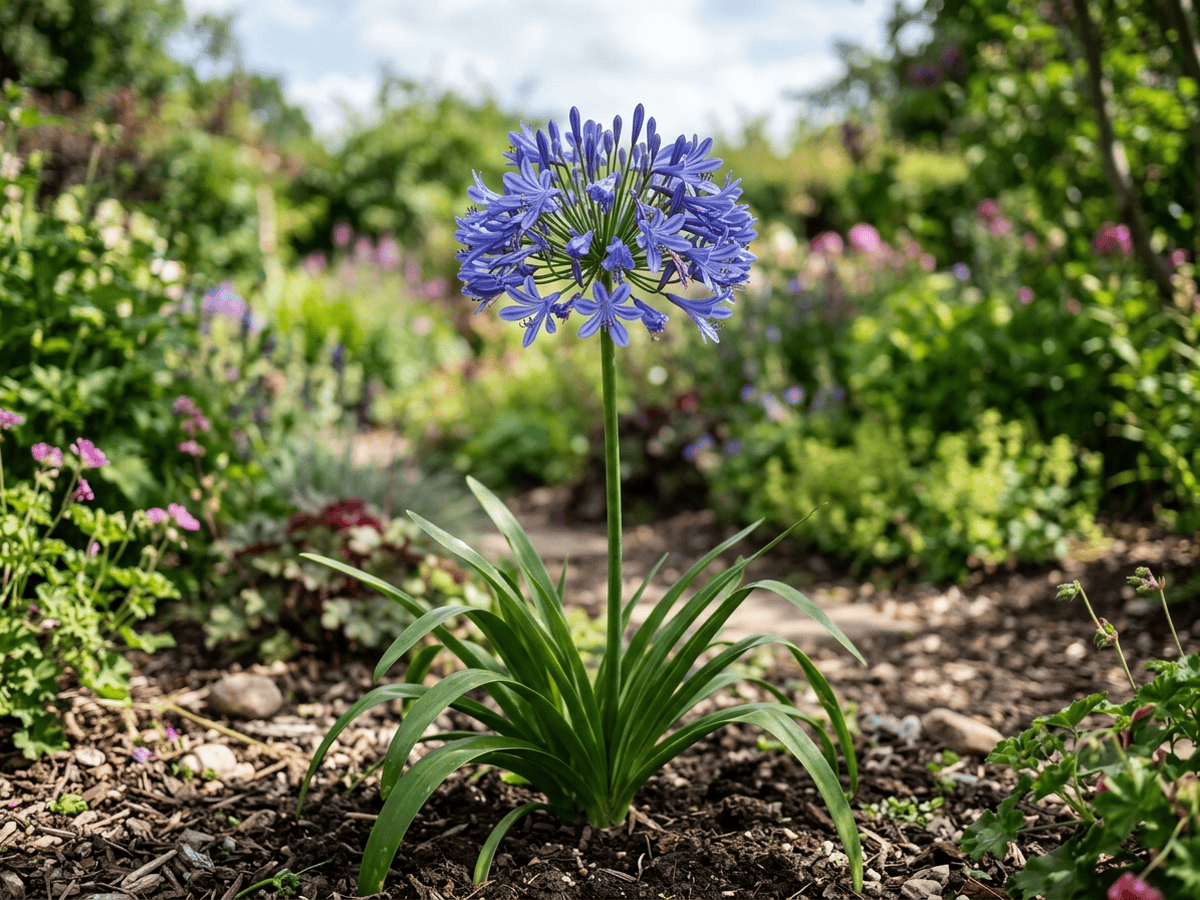 African LilyAgapanthus africanus
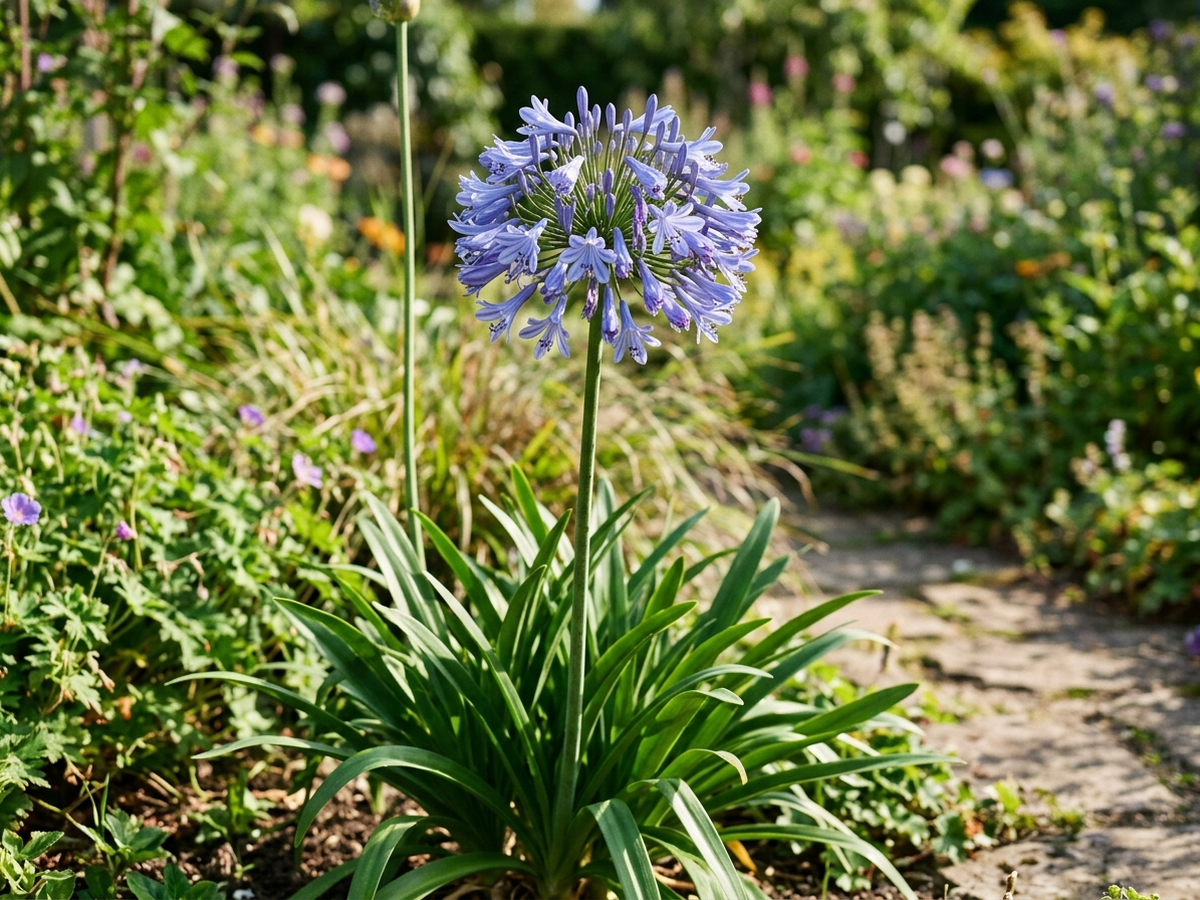 Bell AgapanthusAgapanthus campanulatus
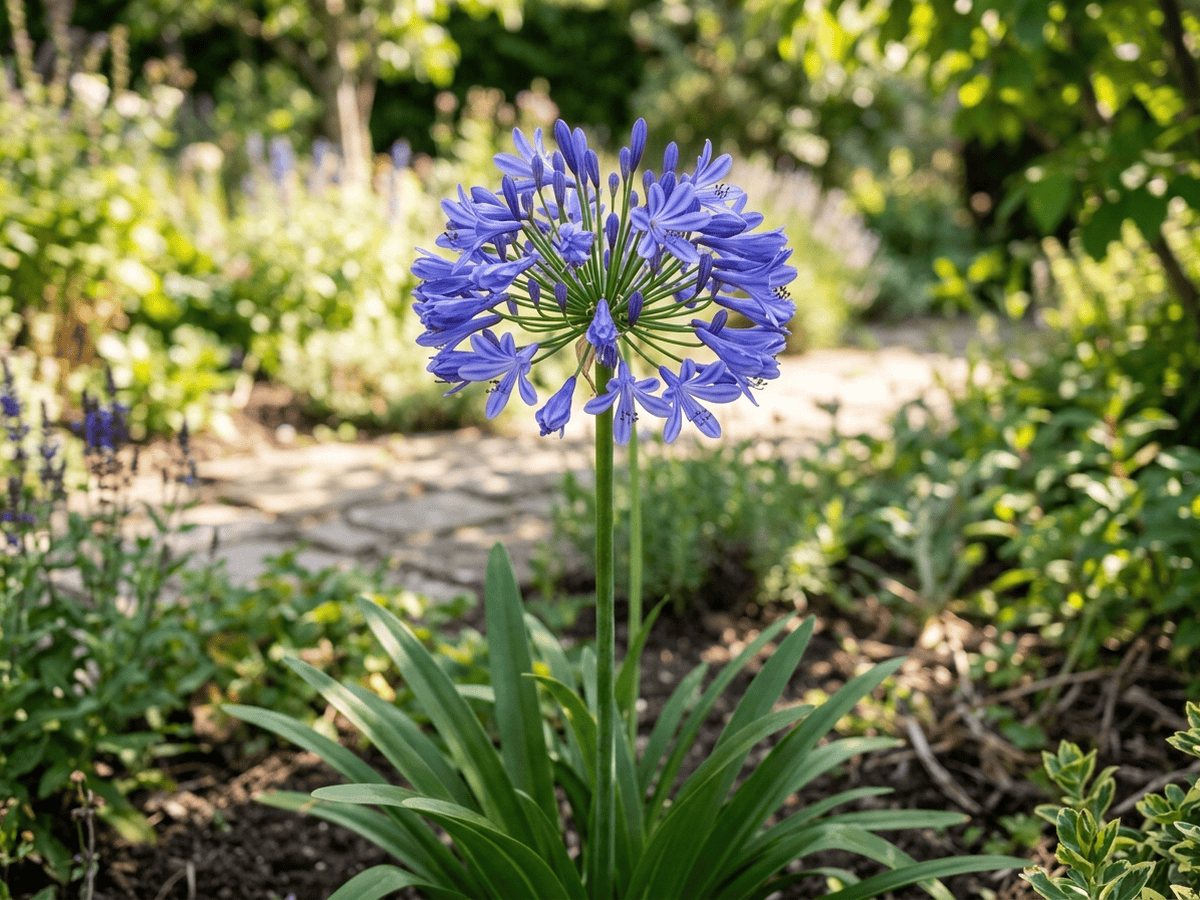 Common AgapanthusAgapanthus praecox
 False Queen Anne's LaceAmmi majus glaucifolium
Frequently asked questions
How often should I water Sweet Pea?
Water about every 7 days during the growing season, and always let excess water drain away.
How much light does Sweet Pea need?
Part sun: 4–6 hrs direct. Watch the leaves — scorching or stretching means the light needs adjusting.
Is Sweet Pea toxic to cats or dogs?
Pets Unknown (Dogs Unknown · Cats Unknown) Educational information, not medical or veterinary advice. If exposure is suspected, contact a doctor or veterinarian.
Is Sweet Pea easy to grow?
It is considered challenging and rewards experienced growers.
When does Sweet Pea bloom?
It typically blooms Apr–Aug in the Northern Hemisphere.
YardMate
Identify any plant in seconds
Snap a photo — YardMate names the plant, diagnoses problems, and reminds you when to water.
Download on the App Store