 YardMate


Opium Poppy
Papaver somniferum
Easy · Beginner friendlyAbout Opium Poppy
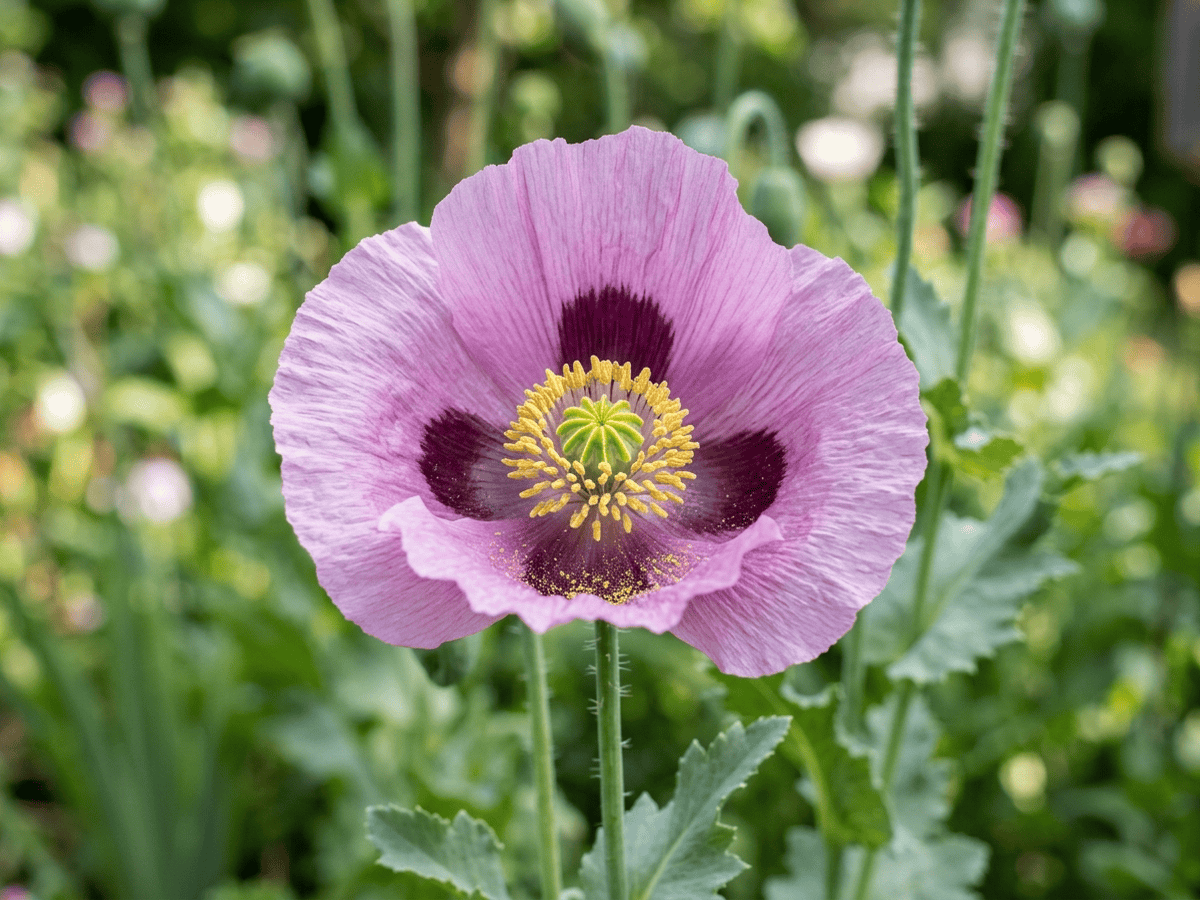
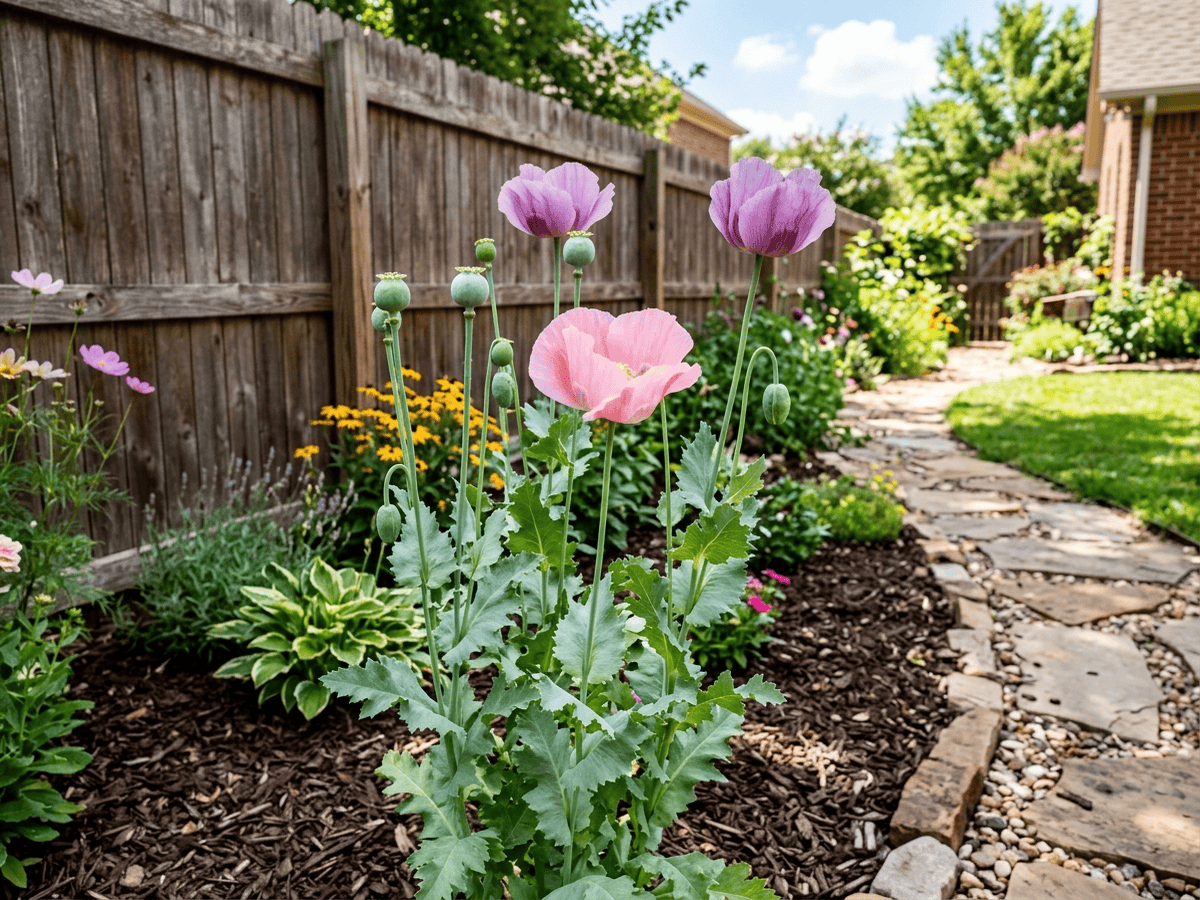
Papaver somniferum, the opium poppy, is an annual native to the eastern Mediterranean and Western Asia. It produces stunning 10 cm single or double flowers in white, pink, red, or purple on 60-120 cm glaucous stems, followed by distinctive urn-shaped seed capsules. Every part of the plant except the mature seed contains morphine, codeine, and other opiate alkaloids.
This is the source of opium, codeine, morphine, heroin, and most of the world's medical painkillers. The species has been cultivated for at least 6000 years — the earliest evidence comes from Neolithic sites in Switzerland (4000 BCE) and Iraq (3400 BCE, the Sumerians called it 'hul gil,' the joy plant).
The dried seed is an entirely legal culinary ingredient — used on bagels, in pastries, and for poppy seed oil. Ornamental 'breadseed' poppies (including the same species) are legal in most jurisdictions, though commercial cultivation for latex extraction is strictly regulated worldwide. A plant of extraordinary beauty, historical importance, and pharmacological significance.
- Medicinal
- Cut-flower
How to care for Opium Poppy
Watering
- Springevery 5 days
- Summerevery 4 days
- Fallevery 7 days
- Winterpause watering
Soil · Rich & well-draining
- Top dressingCompost10%
- Main mixPotting soil + compost 3:180%
- DrainageGravel10%
Top up the compost layer each season.
FERTILIZER
Foliage Feed 24-8-16
Nitrogen leads so the plant spends its energy on dense green growth. Phosphorus and potassium follow just far enough to keep roots and stems up to speed.
- Nitrogen · Leaves
- Phosphorus · Roots + Blooms
- Potassium · Strength
- Springevery 30 days
- Summerevery 45 days
At a Glance
- NativeMediterranean, Western Asia
- Height2–4 ft (0.6–1.2 m)
- Spread1–1.5 ft (0.3–0.5 m)
- Flower colorRed, Pink, White, Purple
- Foliage colorBlue-green, Green
- Fruit colorGreen
- SoilLoamy, Well-drained
- LocationsYard
Bloom time
BLOOM CYCLE
Peak bloom
Mar, Apr, May, Sep, Oct, Nov
Crinkled silky petals open for 1-3 days; sow seed directly in autumn or early spring.
Fragrance
LIGHT FRAGRANCE
The flowers have a very light sweet scent.
Toxicity
Humans Toxic · Pets Toxic
morphine, codeine, thebaine, and papaverine
Toxic
- Latex
- Capsule
- Leaf
- Ingestion
EXPOSURE Eating latex, capsule, and leaves.
EFFECT Opiate poisoning: sedation, respiratory depression, death. Mature dried seed safe.
NOTE Documented concern for humans: Opiate poisoning: sedation, respiratory depression, death. Mature dried seed safe.
Toxic
- All except mature seed
- Ingestion
EXPOSURE Eating all except mature seed.
EFFECT Severe opioid toxicity.
NOTE All plant parts except mature dry seed contain opiate alkaloids. ASPCA lists as toxic.
Toxic
- All except mature seed
- Ingestion
EXPOSURE Eating all except mature seed.
EFFECT Severe opioid toxicity.
NOTE All plant parts except mature dry seed contain opiate alkaloids. ASPCA lists as toxic.
Educational information, not medical or veterinary advice. If exposure is suspected, contact a doctor or veterinarian.
DISTRIBUTION

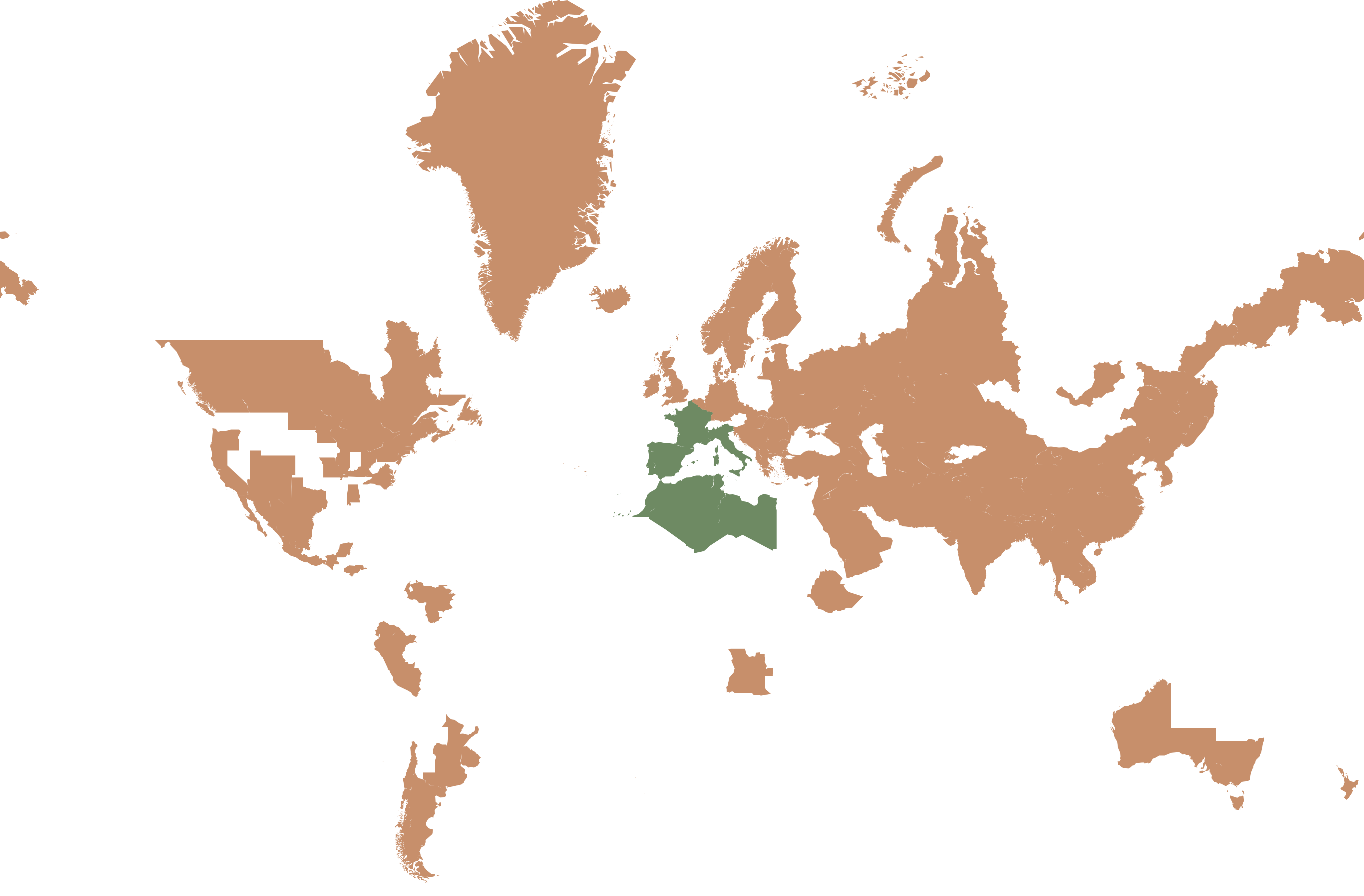
- Native
- Introduced
- Mediterranean
- Western Asia
History
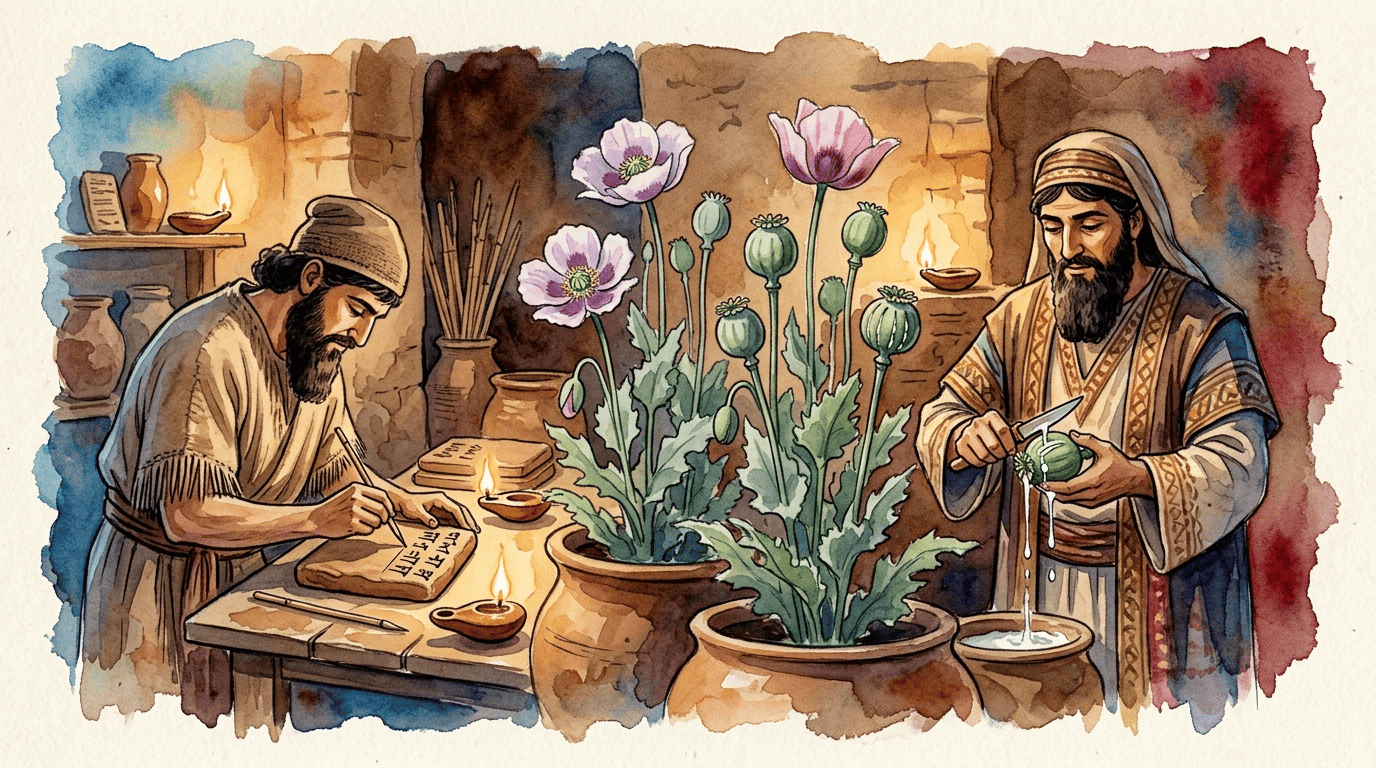
Papaver somniferum originated in the eastern Mediterranean and Western Asia. The earliest evidence of cultivation comes from Neolithic lake-dwelling sites in Switzerland (c. 4000 BCE) and Sumerian cuneiform tablets (c. 3400 BCE), which call the plant 'hul gil,' the joy plant. Opium was used medicinally and ritually across ancient Mediterranean civilizations.
German pharmacist Friedrich Sertürner isolated morphine from opium in 1805 — one of the earliest plant alkaloid isolations — naming it for Morpheus, god of dreams. Bayer synthesized heroin from morphine in 1898 and marketed it as a non-addictive morphine substitute (notoriously wrong). The plant became central to the 19th-century opium trade and the Opium Wars between Britain and Qing China.
In 1961 the UN Single Convention on Narcotic Drugs placed opium cultivation under strict international control. Today most medical morphine and codeine originate from licensed pharmaceutical cultivation in Australia (Tasmania), Turkey, India, and Spain. Culinary 'breadseed' varieties are legal in most jurisdictions; dried mature seeds contain negligible alkaloid. Ornamental garden use is legal in most US states, EU countries, UK, Canada, and Australia, with some restrictions. Cultivated for 6000+ years. Sumerians called it hul gil ('joy plant') c. Primary global medical painkiller source. The red-flowered variety is the remembrance poppy of WWI (though British remembrance poppies are specifically Papaver rhoeas, the corn poppy, not this species).
Symbolism & meaning
What It Symbolizes
The Opium Poppy is an ancient symbol of sleep and forgetfulness, its drowsy associations stretching back through Greco-Roman dream imagery and the realm of Morpheus. In the modern world, paired with remembrance, the red poppy of Flanders fields became the emblem of soldiers fallen in WWI. Few flowers hold both meanings so completely — slumber and memory, oblivion and honor — in the same fragile petal.
- Sleep — Ancient symbol of slumber and forgetfulness
- Remembrance — Red poppies evoke WWI Flanders fields and fallen soldiers
Where the Name Comes From
Papaver from Latin for poppy; 'somniferum' means sleep-bringing.
Uses & Fun Facts
- Ripe seeds used in baking, pastries, and seed dressings
- Historic source of opium alkaloids morphine and codeine
- Silky lavender-purple blooms striking in summer arrangements
- Crepe-paper poppy flowers and decorative seed capsules for borders
Related plants
More Papaver plants
 Welsh PoppyPapaver cambricum
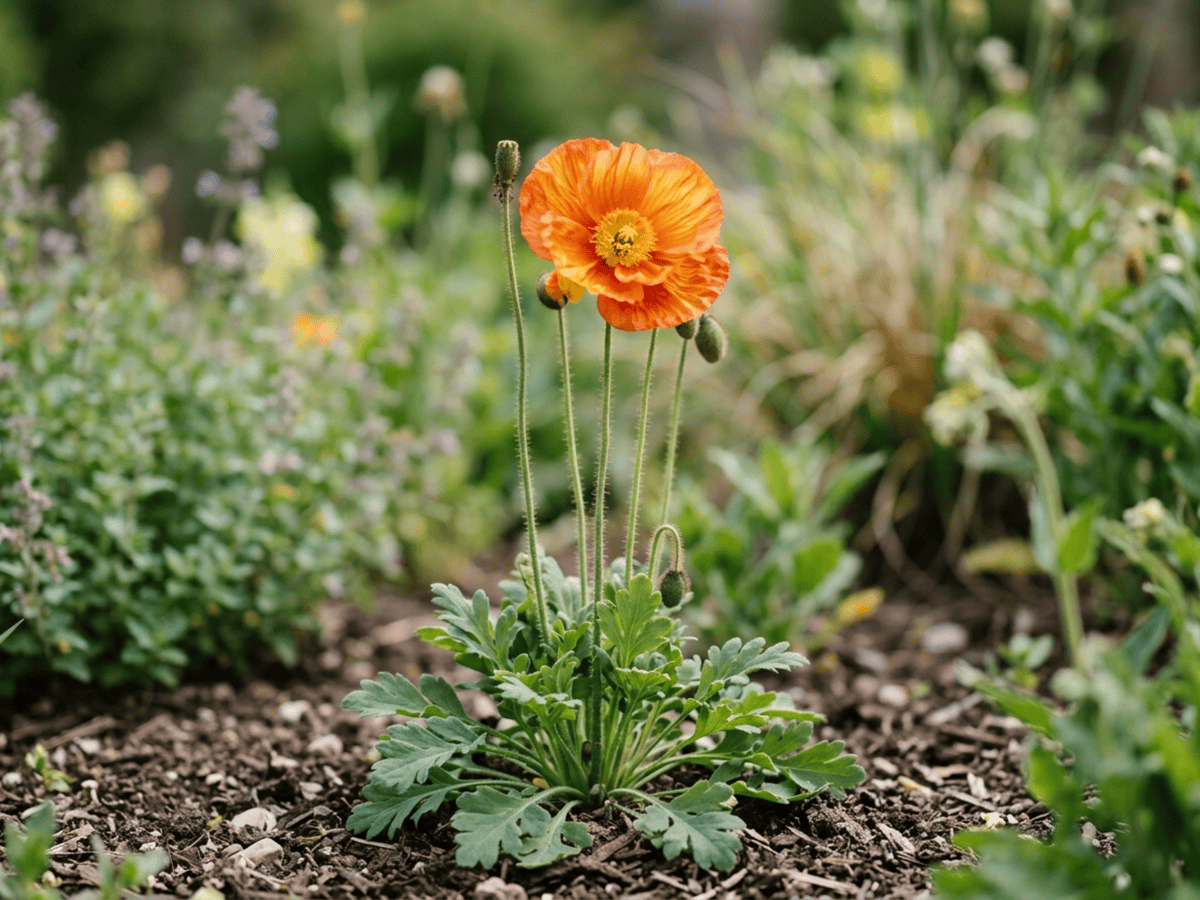 Iceland PoppyPapaver nudicaule
 Oriental PoppyPapaver orientale
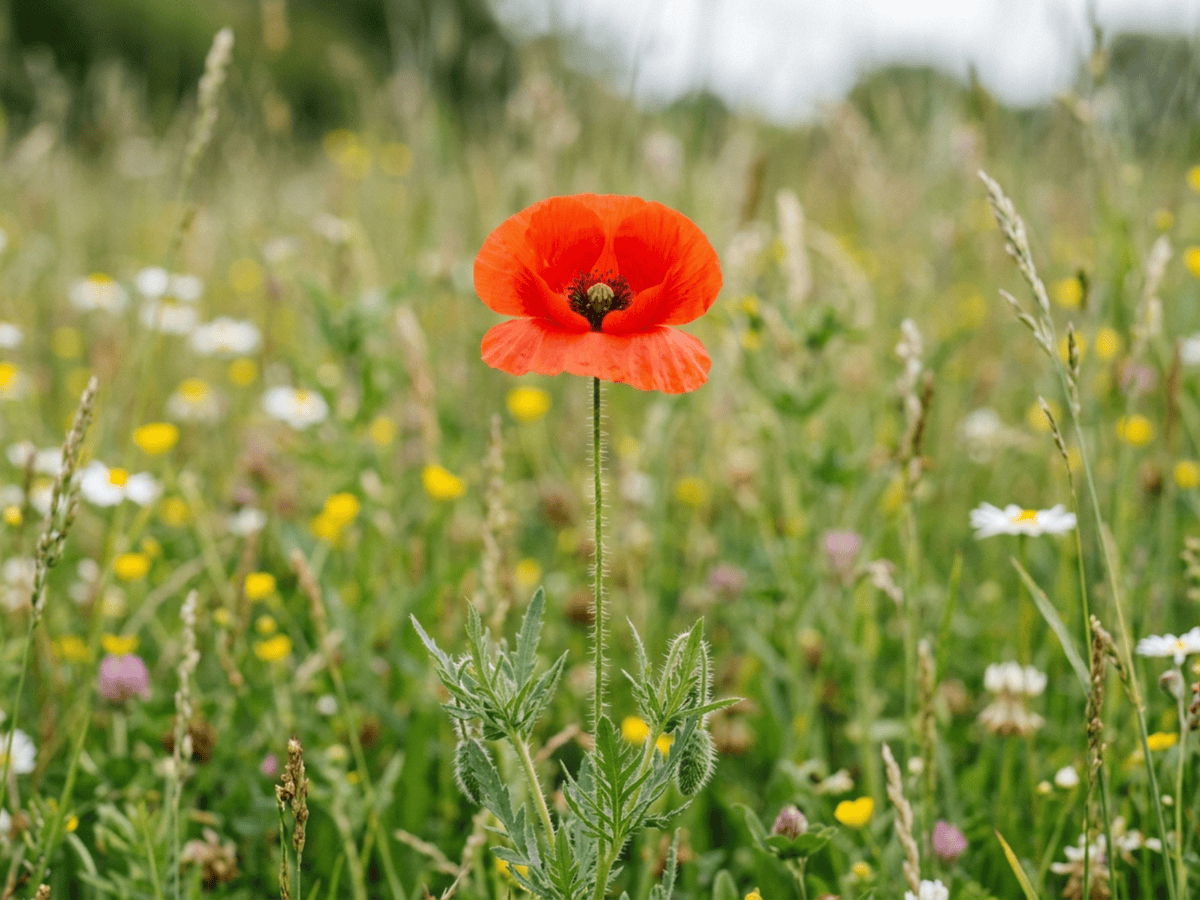 Common PoppyPapaver rhoeas
Plants with similar care
 Chinese AbeliaAbelia chinensis
 Fragrant AbeliaAbelia mosanensis
 Large-Flowered AbeliaAbelia uniflora
 Glossy AbeliaAbelia x grandiflora
Frequently asked questions
How often should I water Opium Poppy?
Water about every 5 days during the growing season, and always let excess water drain away.
How much light does Opium Poppy need?
Full sun: 6+ hrs direct. Watch the leaves — scorching or stretching means the light needs adjusting.
Is Opium Poppy toxic to cats or dogs?
Pets Toxic (Dogs Toxic · Cats Toxic) Educational information, not medical or veterinary advice. If exposure is suspected, contact a doctor or veterinarian.
Is Opium Poppy easy to grow?
Yes — it is considered an easy, beginner-friendly plant.
When does Opium Poppy bloom?
It typically blooms Mar, Apr, May, Sep, Oct, Nov in the Northern Hemisphere.
YardMate
Identify any plant in seconds
Snap a photo — YardMate names the plant, diagnoses problems, and reminds you when to water.
Download on the App Store