 YardMate


Anise-Scented Sage
Salvia guaranitica
Easy · Beginner friendlyAbout Anise-Scented Sage
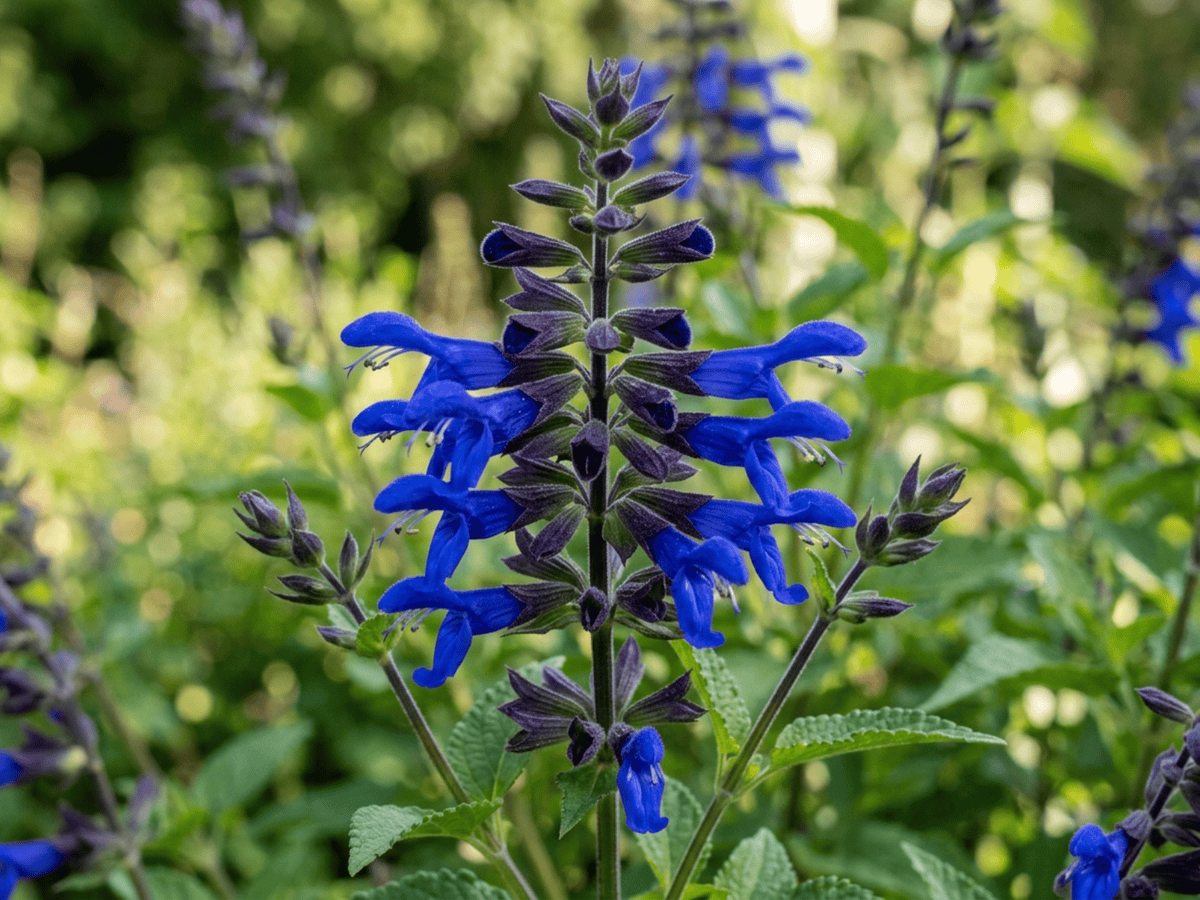
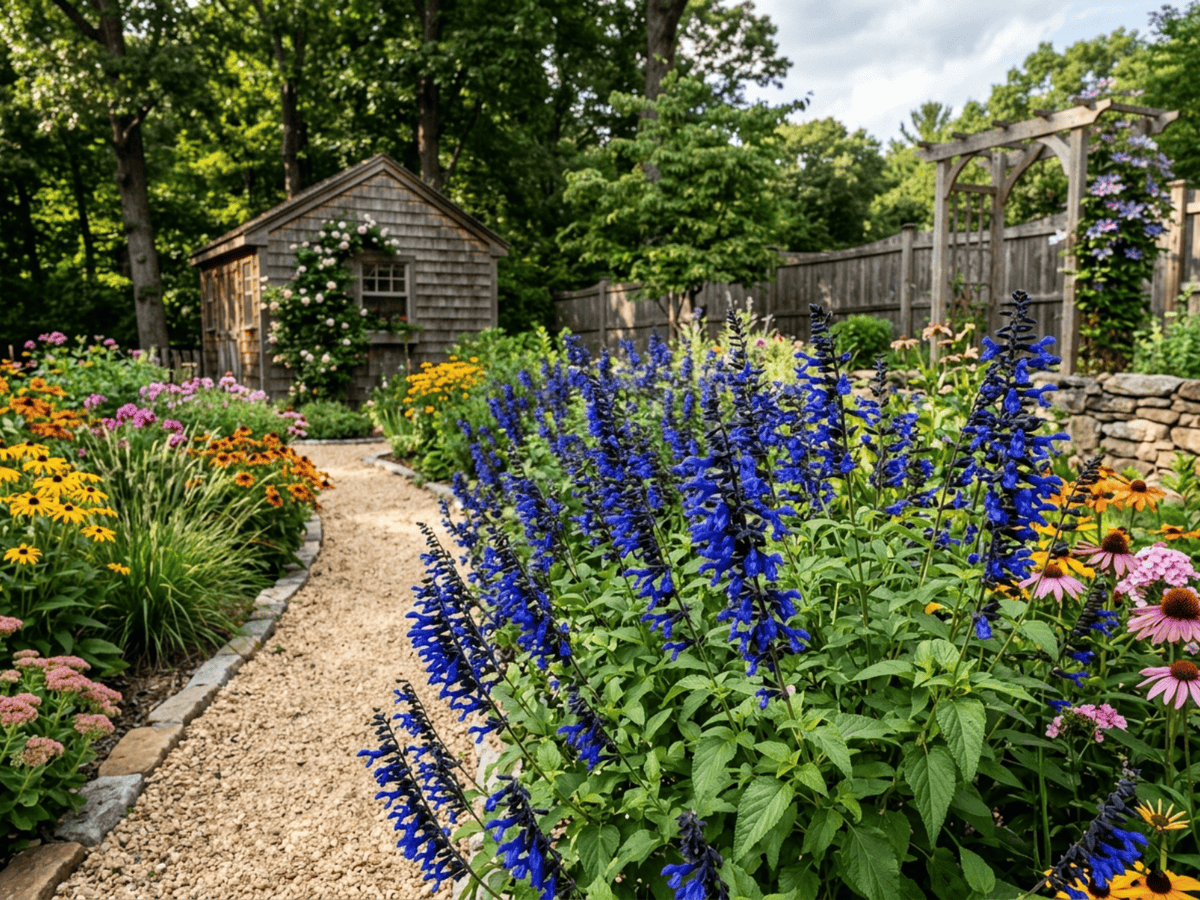
Anise-scented Sage is a tender perennial from South America, grown as a summer annual in northern US zones and as a long-lived perennial in zones 7–10. It forms bushy, shrubby plants 3–5 feet tall with deep cobalt-blue to violet tubular flowers in late summer and fall. The cultivar 'Black and Blue' is among the most popular salvias in America for its near-black calyces contrasting with electric-blue corollas. Hummingbirds and long-tongued bees flock to its nectar-rich blooms.
- Fragrant
- Deer-resistant
- Long-blooming
- Wildlife-friendly
How to care for Anise-Scented Sage
Watering
- Springevery 5 days
- Summerevery 4 days
- Fallevery 10 days
- Winterevery 21 days
Soil · Well-draining
- Top dressingPine bark mulch10%
- Main mixPotting soil + perlite 2:170%
- DrainageLECA / gravel20%
Never skip the drainage layer — standing water is the top cause of root rot.
FERTILIZER
Balanced Feed 14-14-14
An even feed covers all three needs at once, keeping leaves, roots and blooms moving together with nothing pushed out of balance.
- Nitrogen · Leaves
- Phosphorus · Roots + Blooms
- Potassium · Strength
- Springevery 30 days
- Summerevery 30 days
At a Glance
- NativeSouth America
- Height4–5 ft (1.2–1.5 m)
- Spread2–3 ft (0.6–0.9 m)
- Flower colorBlue, Purple
- Foliage colorGreen
- SoilLoamy, Well-drained
- LocationsYard · Balcony
Bloom time
BLOOM CYCLE
Peak bloom
Aug–Nov
Cobalt-blue spikes late summer to fall
Fragrance
LIGHT FRAGRANCE
Mild licorice-anise scent from crushed leaves.
Toxicity
No toxicity has been reported for this plant. Still, it is wise to keep pets from chewing on any houseplant.
Educational information, not medical or veterinary advice. If exposure is suspected, contact a doctor or veterinarian.
DISTRIBUTION


- Native
- South America
History
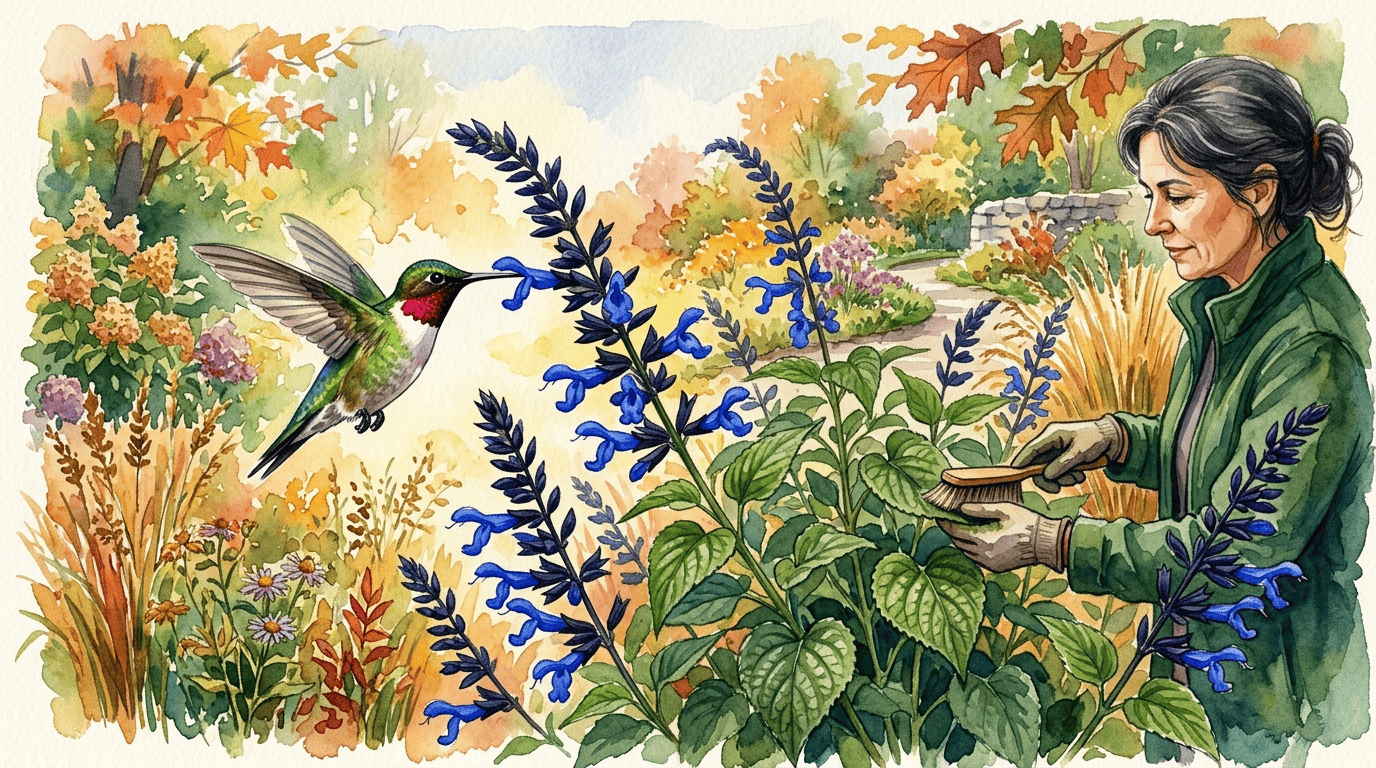
Salvia guaranitica is native to Paraguay, northeastern Argentina, Uruguay, and southern Brazil, growing in moist forest edges, grasslands, and streamside habitats in the subtropical humid climate zone of southern South America. The species epithet "guaranitica" honors the Guaraní people, indigenous to this region of South America. The common name "anise-scented sage" refers to the mild licorice-anise scent released by crushed leaves, a distinctive attribute among salvias. The plant produces a large spreading perennial 1.2-1.8 meters tall (forming running colonies from underground rhizomes in mild climates) with large heart-shaped medium-green leaves, and through summer and autumn produces long arching flower spikes bearing dense whorls of 3-5 cm tubular two-lipped flowers in spectacular deep electric-blue (wild-type) through cobalt, indigo, and purple shades.
The most widely-grown cultivar "Black and Blue" (introduced in the 1990s by horticulturist Kenneth Hayne) has distinctively near-black purple calyces contrasted against electric cobalt-blue flowers, creating one of the most striking flower color effects of any American garden salvia and making it a staple of hummingbird-garden planting across the eastern and southern United States. Other cultivars include "Argentine Skies" (pale sky blue), "Purple Majesty" (deep purple), "Amistad" (violet-purple, a S. guaranitica hybrid popular since ~2010), and "Costa Rica Blue" (vigorous intense-blue). Hardy to approximately USDA zone 8; grown as a tender perennial or summer annual further north.
Native to Brazil, Paraguay, Uruguay, and northern Argentina, it entered American gardens in the late 1900s. 'Black and Blue' was introduced in the 1990s by Kurt Bluemel nursery and rapidly became one of the most widely grown salvias in the US for its striking color and magnetic appeal to ruby-throated hummingbirds during fall migration.
Symbolism & meaning
What It Symbolizes
Anise-Scented Sage carries fragrance as memory. Brush the leaves and a sweet licorice note rises before the blue flowers even matter, linking the plant to kitchen, pollinator garden, and childhood candy all at once. Its symbolism is welcome: scent arriving before the guest is seen.
- Wisdom — traditional salvia symbolism of knowledge
- Vitality — late-season vigor supports migrating hummingbirds
Where the Name Comes From
The name Anise-Scented Sage describes its scent. Genus comes from Latin 'salvere' meaning to be well; 'guaranitica' refers to the Guarani people of South America.
Uses & Fun Facts
- Aromatic leaves release sweet anise-like scent when brushed
- Cobalt-blue tubular flowers favored by hummingbirds
- Tall blue salvia for long late-summer perennial display
Related plants
More Salvia plants
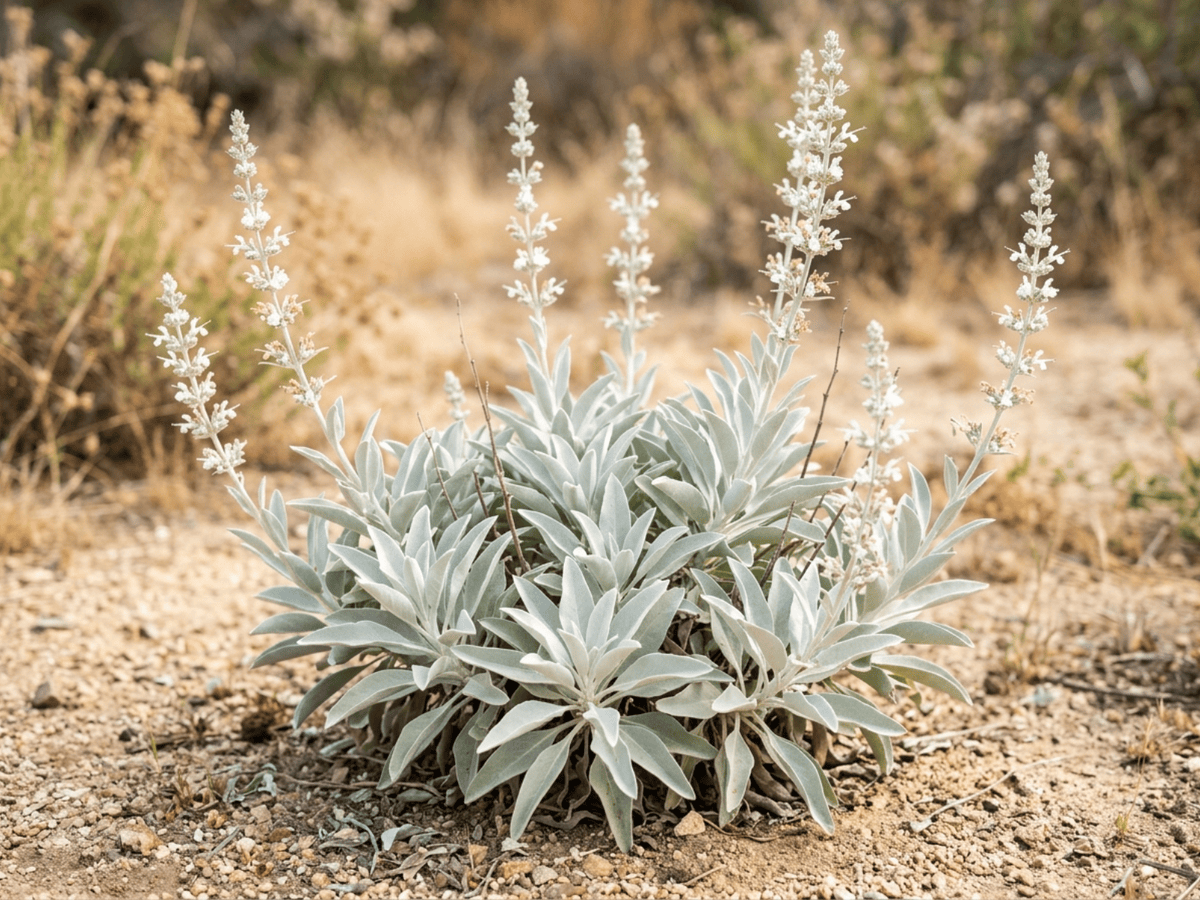 White SageSalvia apiana
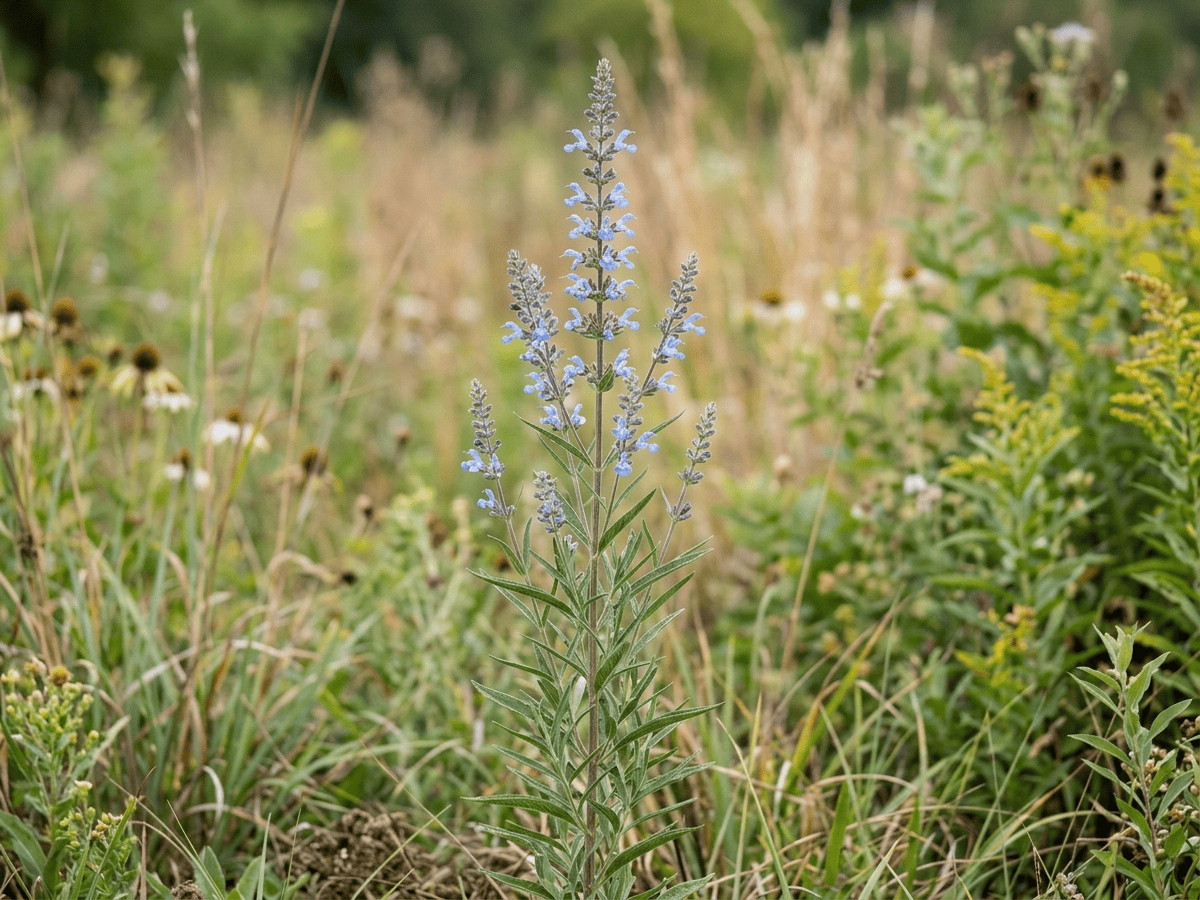 Giant Blue SageSalvia azurea
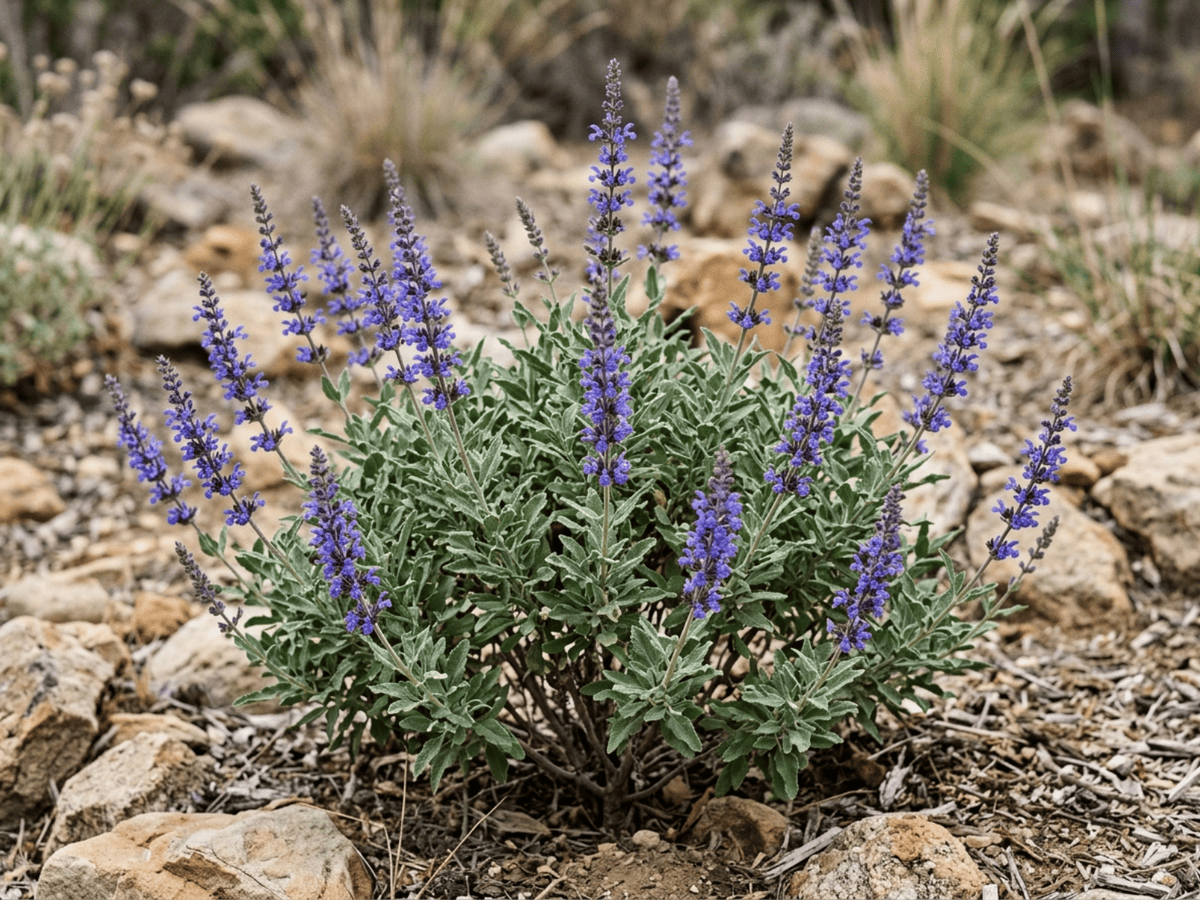 Cleveland SageSalvia clevelandii
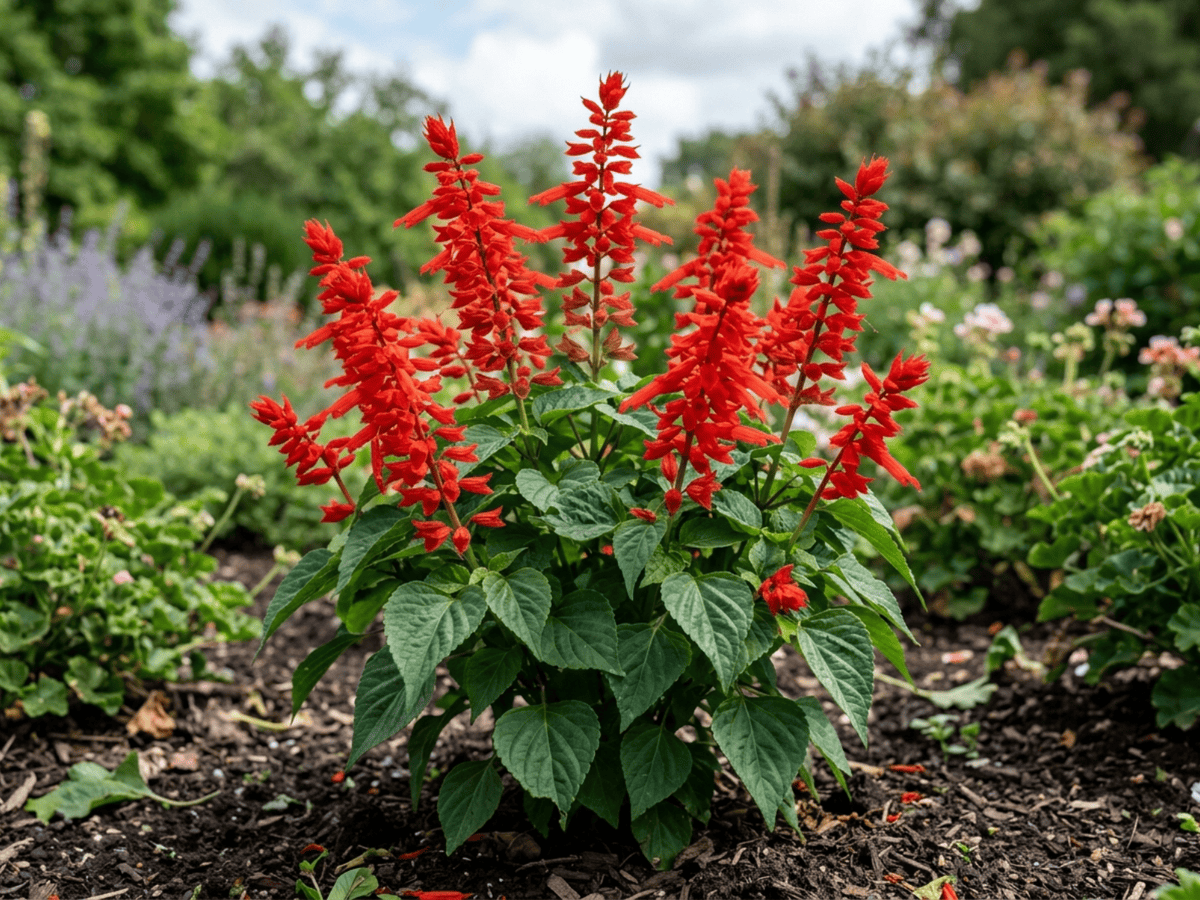 Tropical SageSalvia coccinea
Plants with similar care
 Chinese AbeliaAbelia chinensis
 Fragrant AbeliaAbelia mosanensis
 Large-Flowered AbeliaAbelia uniflora
 Glossy AbeliaAbelia x grandiflora
Frequently asked questions
How often should I water Anise-Scented Sage?
In summer, water about every 4 days; in winter, about every 21 days. Adjust for heat, pot size and drainage.
How much light does Anise-Scented Sage need?
Full sun: 6+ hrs direct. Watch the leaves — scorching or stretching means the light needs adjusting.
Is Anise-Scented Sage toxic to cats or dogs?
No toxicity has been reported for this plant. Still, it is wise to keep pets from chewing on any houseplant. Educational information, not medical or veterinary advice. If exposure is suspected, contact a doctor or veterinarian.
Is Anise-Scented Sage easy to grow?
Yes — it is considered an easy, beginner-friendly plant.
When does Anise-Scented Sage bloom?
It typically blooms Aug–Nov in the Northern Hemisphere.
YardMate
Identify any plant in seconds
Snap a photo — YardMate names the plant, diagnoses problems, and reminds you when to water.
Download on the App Store