 YardMate
Jujube
Ziziphus jujuba
Hard · Experienced growersAbout Jujube
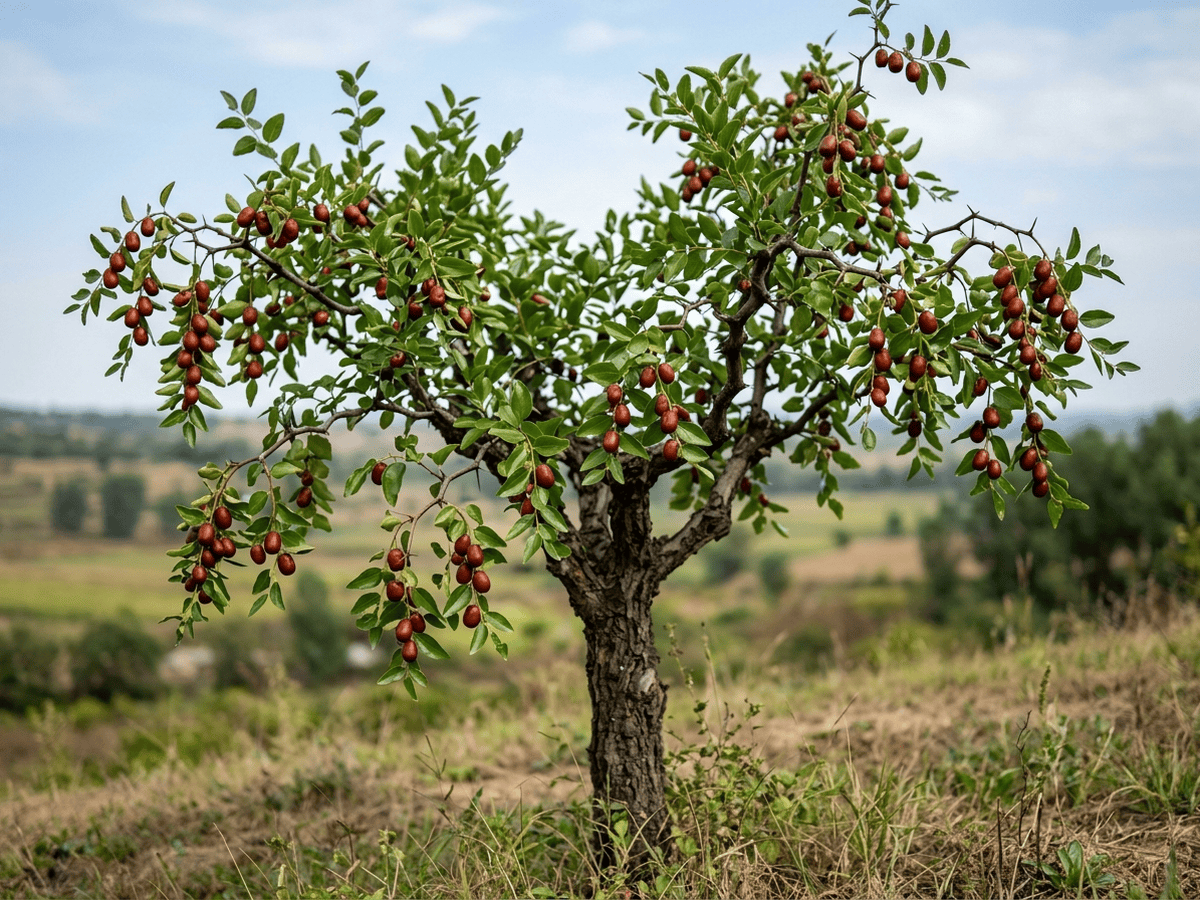
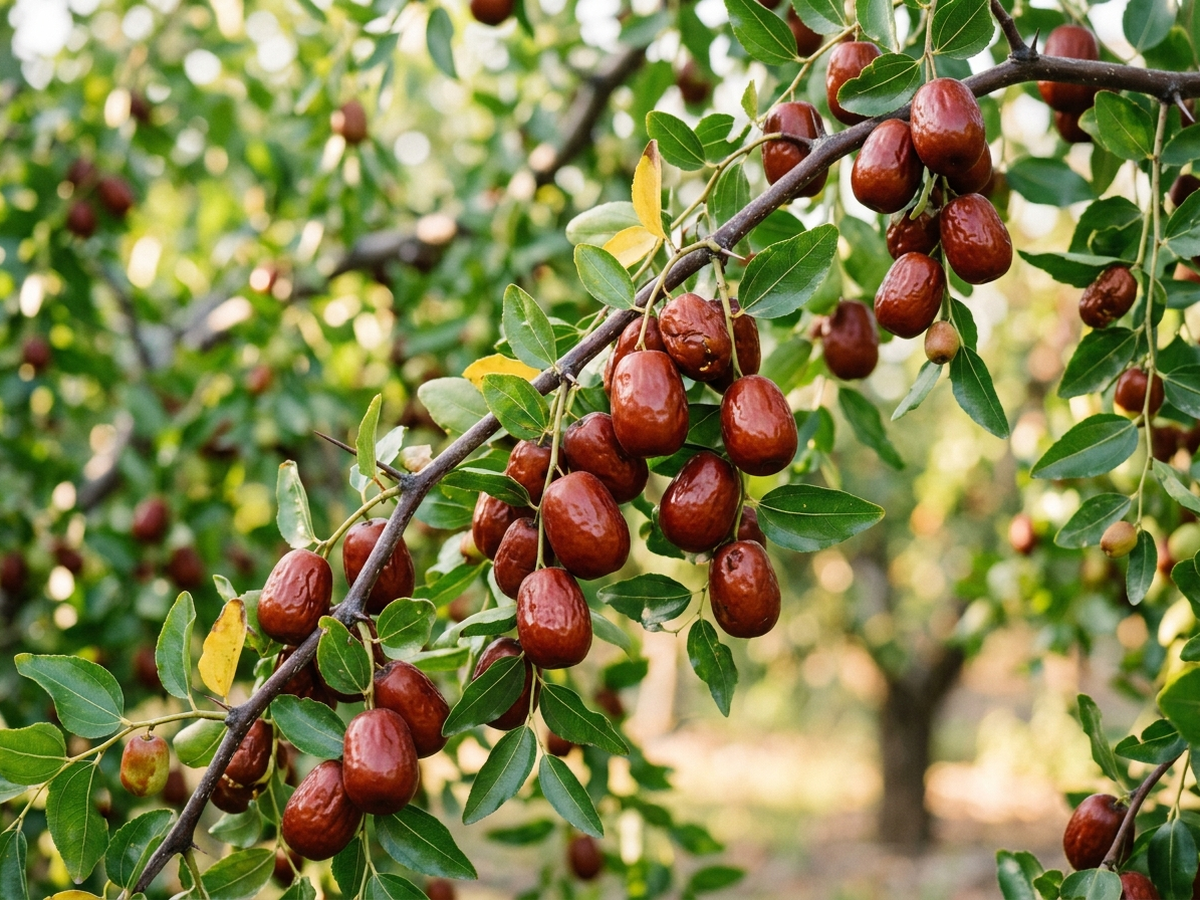
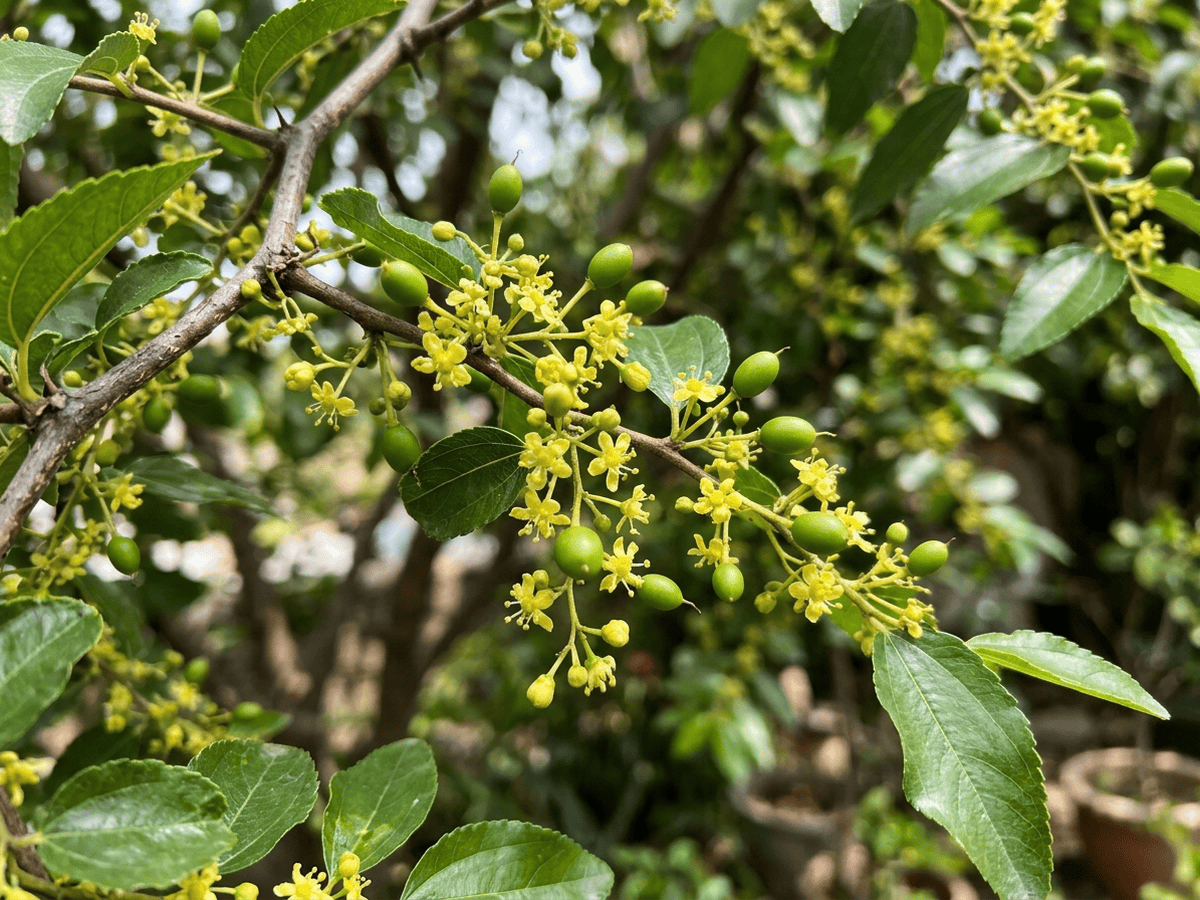
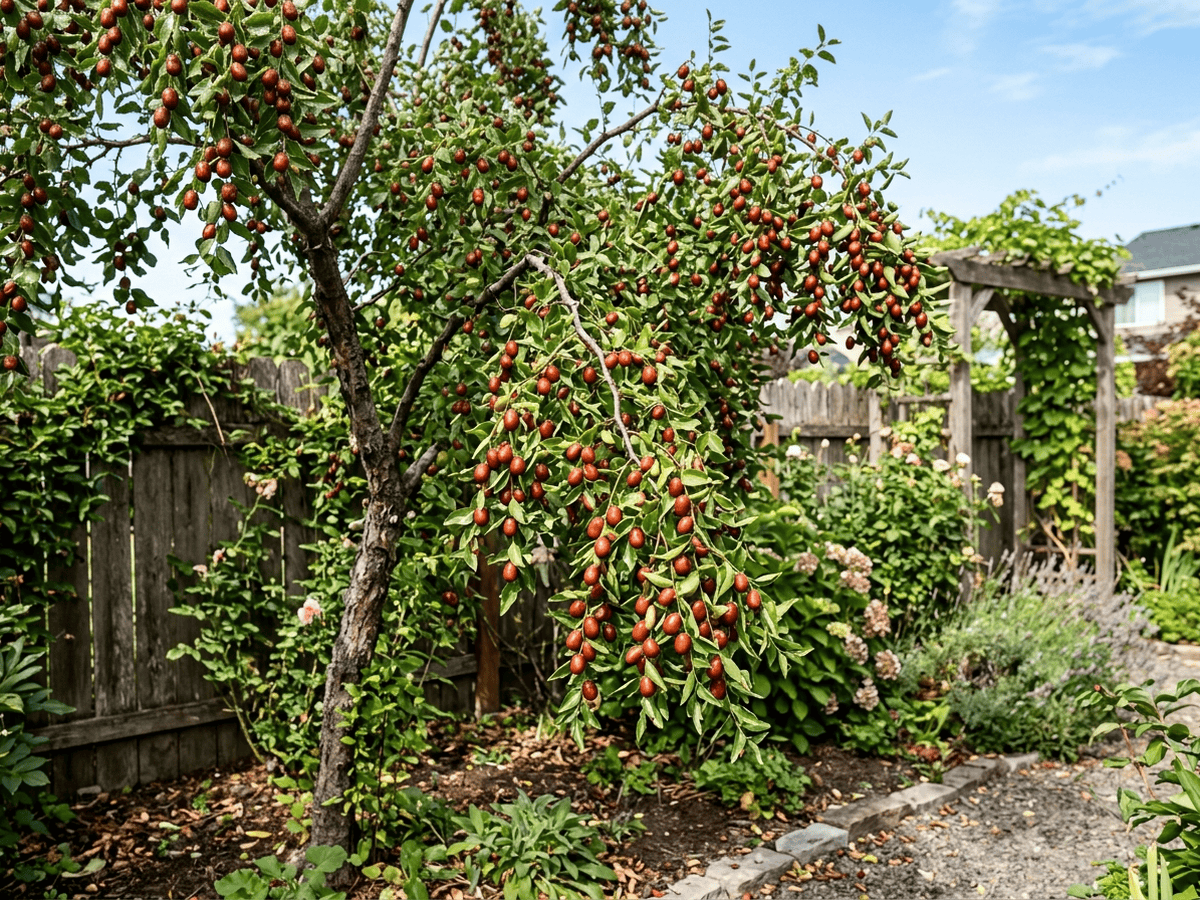
Ziziphus jujuba, the Jujube or Chinese Date, is a deciduous tree native to northern China with one of the oldest cultivation histories of any fruit tree—over 4,000 years of documented cultivation. Growing 10–20 feet tall with graceful zigzag branches and glossy oval leaves, it bears small honey-fragrant yellow flowers in late spring, followed by glossy red-brown fruit that begins apple-crisp when fresh and turns sweet and chewy as it dries. Exceptionally drought-tolerant and cold-hardy to Zone 6, it thrives in poor, dry soils where most fruit trees struggle.
- Edible
- Drought-tolerant
- Deciduous
- Cold-hardy
- Pollinator-friendly
- Showy-fruit
How to care for Jujube
Watering
- Springevery 15 days
- Summerevery 10 days
- Fallevery 20 days
- Winterevery 30 days
Soil · Rich & well-draining
- Top dressingCompost10%
- Main mixPotting soil + compost 3:180%
- DrainageGravel10%
Top up the compost layer each season.
FERTILIZER
Balanced Feed 14-14-14
An even feed covers all three needs at once, keeping leaves, roots and blooms moving together with nothing pushed out of balance.
- Nitrogen · Leaves
- Phosphorus · Roots + Blooms
- Potassium · Strength
- Springevery 30 days
- Summerevery 30 days
- Fallevery 30 days
At a Glance
- NativeAsia
- Height10–20 ft (3–6.1 m)
- Spread15–20 ft (4.6–6.1 m)
- Flower colorYellow
- Foliage colorGreen
- Fruit colorBrown, Red
- SoilWell-drained, Sandy, Loamy
- LocationsYard · Balcony
Bloom time
BLOOM CYCLE
Peak bloom
May–Jun
Jujube flowers appear in late spring, followed by fruit development.
Fragrance
LIGHT FRAGRANCE
Small yellow flowers have a mild honey-sweet fragrance highly attractive to bees.
Toxicity
No toxicity has been reported for this plant. Still, it is wise to keep pets from chewing on any houseplant.
Educational information, not medical or veterinary advice. If exposure is suspected, contact a doctor or veterinarian.
DISTRIBUTION


- Native
- Introduced
- Asia
History
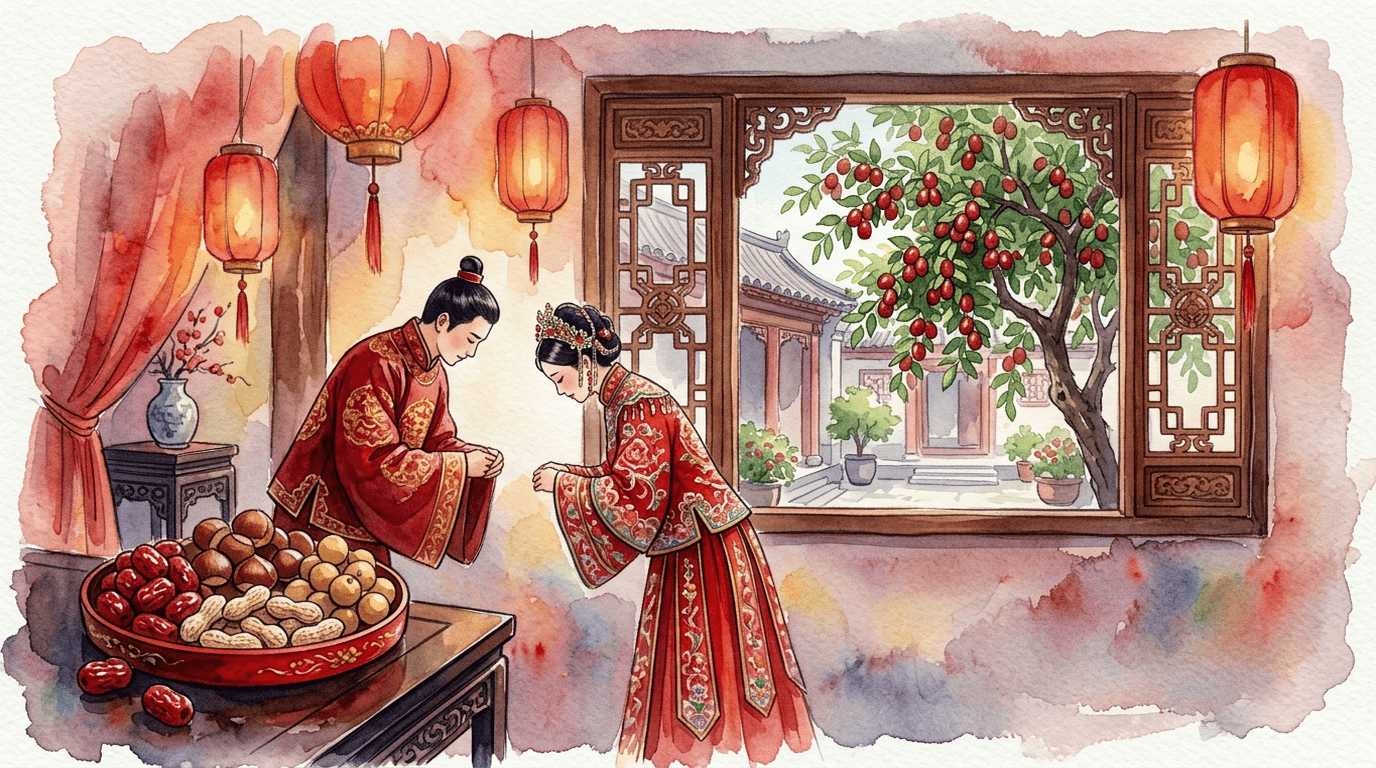
Ziziphus jujuba has been cultivated in China for at least 4,000 years, with archaeological evidence of consumption from sites dating to 7,000 BCE. It is one of the earliest domesticated fruit trees in East Asia and appears frequently in the Shijing (Book of Songs, ~1000 BCE), China's oldest poetry collection, where jujube orchards are a recurring image of settled, prosperous life.
The tree became one of the classical Five Fruits of Chinese tradition (alongside peach, plum, apricot, and chestnut) and is deeply embedded in Traditional Chinese Medicine as da zao (dà zǎo), the 'great date.' TCM practitioners have used dried jujubes for over 2,000 years to tonify the spleen and stomach, nourish the blood, calm the mind, and harmonize the effects of other herbs in formulas—jujubes appear in hundreds of classical TCM prescriptions.
In Chinese wedding culture, the red date acquired particular significance through a charming linguistic tradition: a display of four items—red dates (zǎo zao), chestnuts (lì 栗), peanuts (huāshēng 花生), and longan (guìyuán 桂圆)—was placed in the bridal bedroom, their initials forming the phrase 'zao-li huasheng guiyuan,' a homophone for 'may you soon bear a precious child.' This tradition continues in Chinese weddings today.
From China, jujube spread along the Silk Road to Central Asia, Persia, and eventually Europe, where the Romans knew it as 'giuggiola.' In the 20th century, American horticulturalists introduced improved Chinese varieties to the United States, where it has found a new following as a low-maintenance fruit tree for arid western gardens.
Symbolism & meaning
What It Symbolizes
No fruit is more embedded in Chinese celebration than the red date. At weddings, the arrangement of dates, chestnuts, peanuts, and longan on the bridal table is not decoration but a spoken wish—the initials of the four fruits forming a blessing for swift and precious parenthood. A fruit that has sustained Chinese civilization for 4,000 years carries its meaning effortlessly.
- fertility — In Chinese wedding tradition, red dates symbolize early and blessed childbirth, placed in the bridal chamber as an auspicious homophonic wish.
- longevity — The tree's exceptional drought tolerance and centuries-long cultivation embody endurance; jujubes in TCM are associated with vitality and long life.
Where the Name Comes From
The genus name Ziziphus derives from the ancient Greek 'zizyphon,' itself borrowed from Arabic or Persian, referring to the same plant known across the Old World. The species epithet jujuba comes from the Medieval Latin 'jujuba,' ultimately from the Arabic 'zizfun' or 'unnab.' The English name Jujube traces the same Arabic-Latin route. The Chinese name zao (zǎo) is one of the oldest unbroken botanical names still in use.
Uses & Fun Facts
- Fresh dates eaten crisp like apples; dried red dates used extensively in Chinese cooking, teas, soups, rice congee, and pastries
- Dried dates (大枣 dà zǎo) are a fundamental ingredient in Traditional Chinese Medicine, used for over 2,000 years to tonify blood and calm the nervous system
- Elegant deciduous tree with zigzag branches, glossy foliage, and decorative red fruit; excellent low-maintenance specimen for dry gardens
Related plants
Plants with similar care
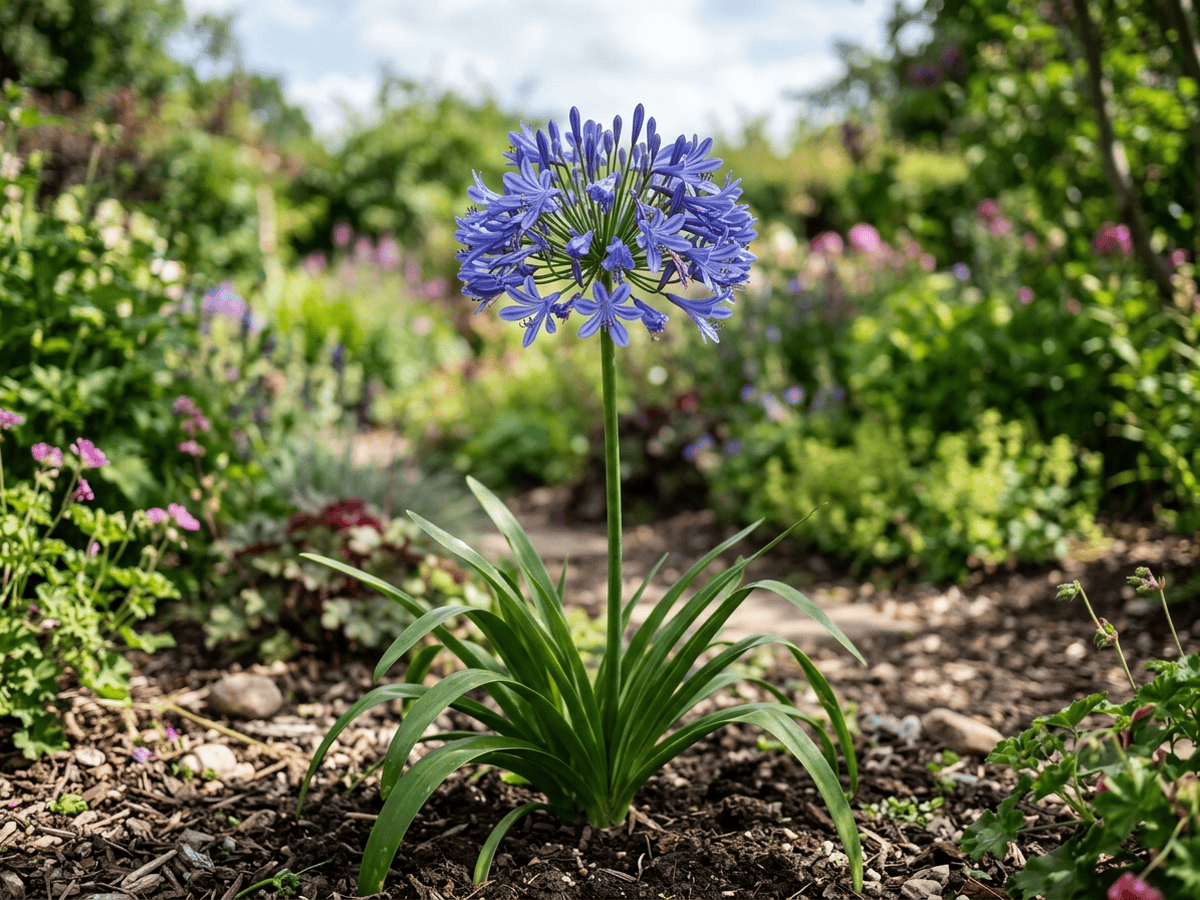 African LilyAgapanthus africanus
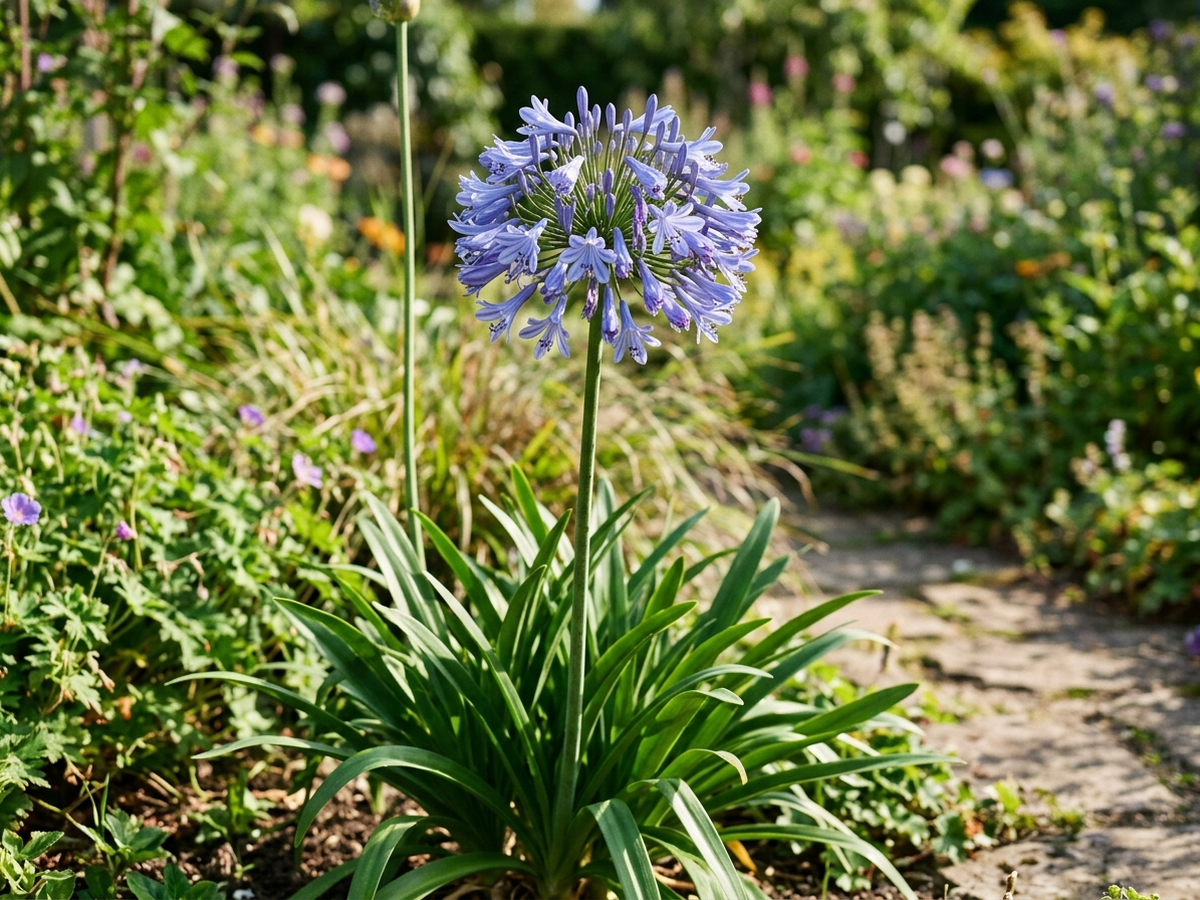 Bell AgapanthusAgapanthus campanulatus
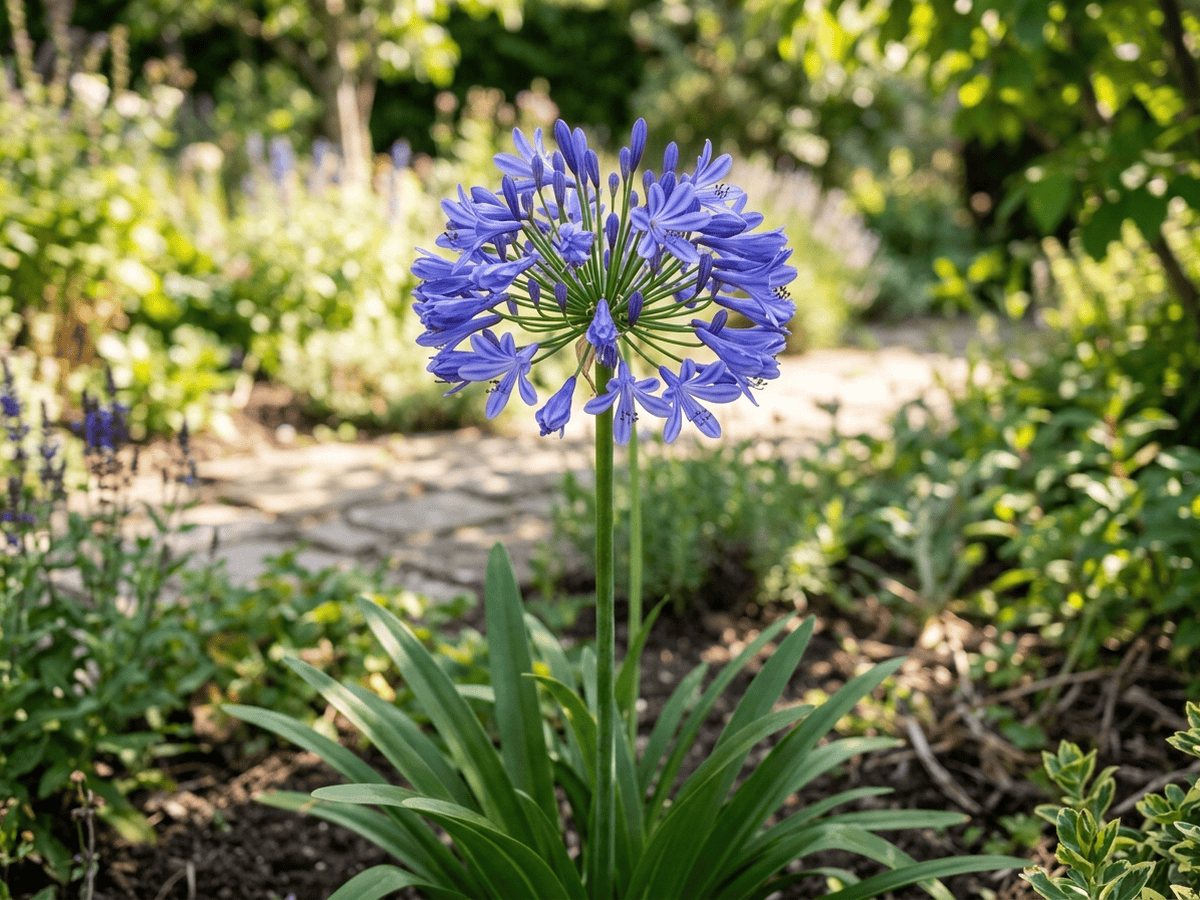 Common AgapanthusAgapanthus praecox
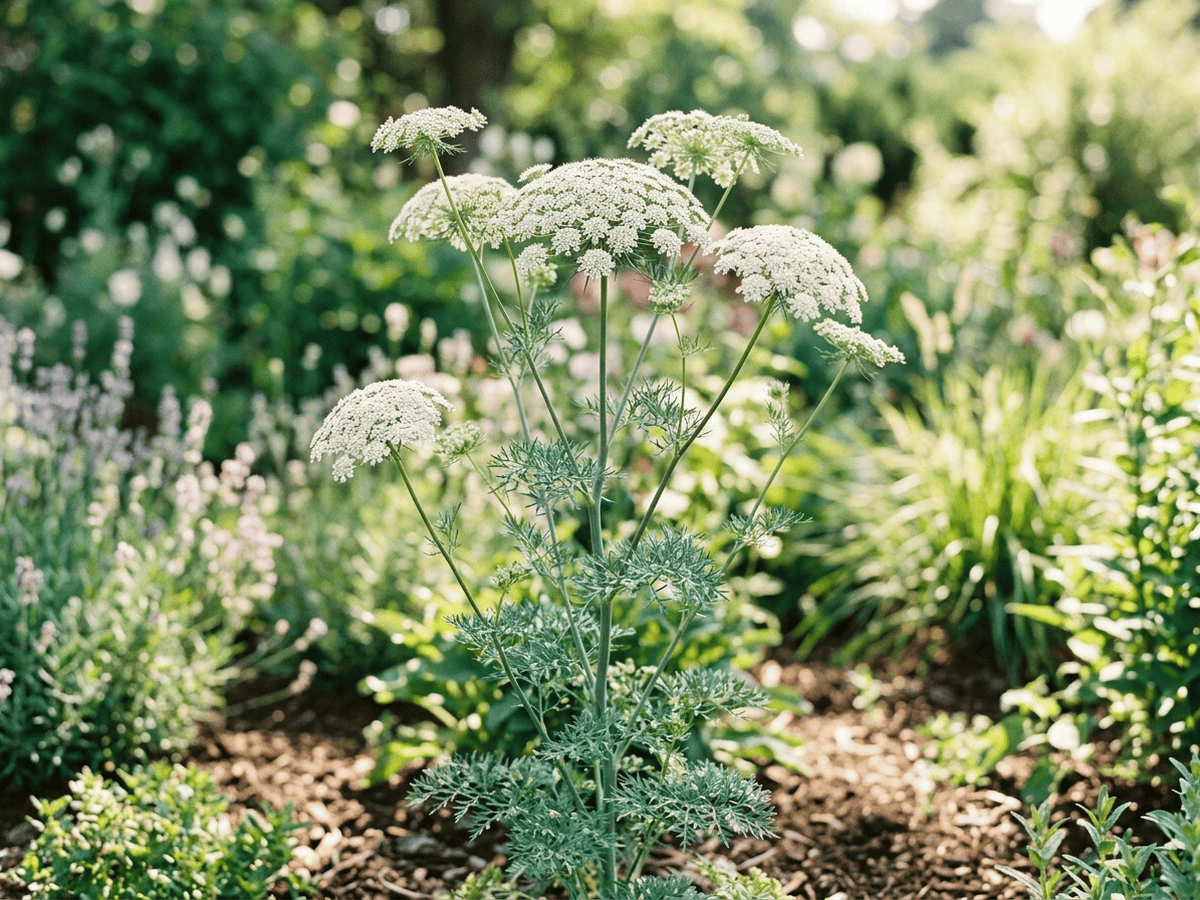 False Queen Anne's LaceAmmi majus glaucifolium
Frequently asked questions
How often should I water Jujube?
In summer, water about every 10 days; in winter, about every 30 days. Adjust for heat, pot size and drainage.
How much light does Jujube need?
Part sun: 4–6 hrs direct. Watch the leaves — scorching or stretching means the light needs adjusting.
Is Jujube toxic to cats or dogs?
No toxicity has been reported for this plant. Still, it is wise to keep pets from chewing on any houseplant. Educational information, not medical or veterinary advice. If exposure is suspected, contact a doctor or veterinarian.
Is Jujube easy to grow?
It is considered challenging and rewards experienced growers.
When does Jujube bloom?
It typically blooms May–Jun in the Northern Hemisphere.
YardMate
Identify any plant in seconds
Snap a photo — YardMate names the plant, diagnoses problems, and reminds you when to water.
Download on the App Store