 YardMate


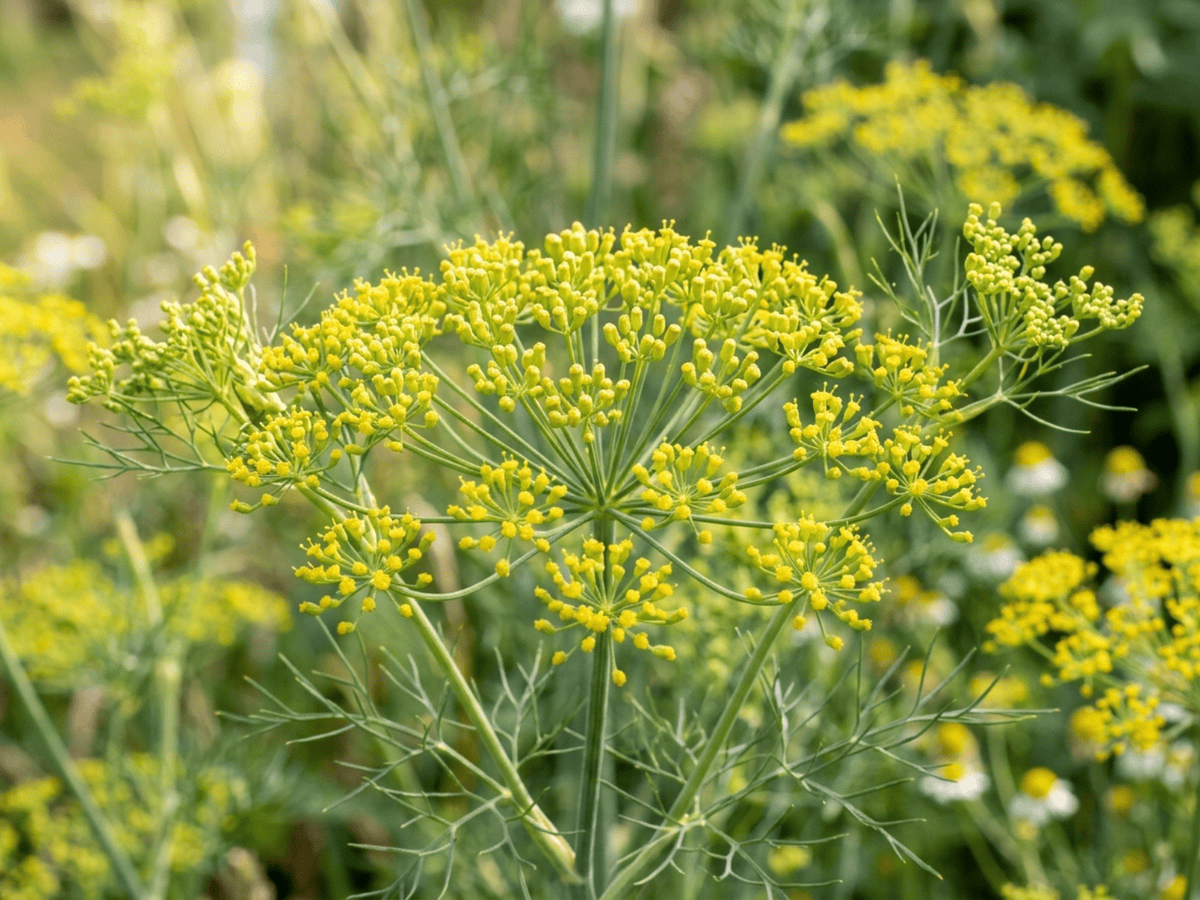

Coriander
Coriandrum sativum
Easy · Beginner friendlyAbout Coriander
Coriandrum sativum, cilantro/coriander, is a dual-purpose herb — the fresh leaves (cilantro) are essential in Mexican, Thai, Indian, and Chinese cuisines, while the dried seeds (coriander) are a foundational spice. The plant is deeply polarizing: genetic research shows that OR6A2 gene variants make some people perceive cilantro as soapy. Growing 30–60 cm tall, it bolts quickly in heat, producing lacy white or pink flowers that become round coriander seeds. Native to the Mediterranean and Middle East, it has been cultivated for over 5,000 years.
- Edible
- Fast-growing
How to care for Coriander
Watering
- Springevery 2 days
- Summerevery 2 days
- Fallevery 3 days
- Winterevery 5 days
Soil · Rich & well-draining
- Top dressingCompost10%
- Main mixPotting soil + compost 3:180%
- DrainageGravel10%
Top up the compost layer each season.
FERTILIZER
Balanced Feed 14-14-14
An even feed covers all three needs at once, keeping leaves, roots and blooms moving together with nothing pushed out of balance.
- Nitrogen · Leaves
- Phosphorus · Roots + Blooms
- Potassium · Strength
- Springevery 14 days
- Summerevery 14 days
- Fallevery 21 days
At a Glance
- NativeMediterranean, Western Asia
- Height1.5–2 ft (0.5–0.6 m)
- Spread0.5–1 ft (0.2–0.3 m)
- Flower colorWhite, Pink
- Foliage colorGreen
- Fruit colorBrown
- SoilLoamy, Well-drained
- LocationsYard · Balcony
Bloom time
BLOOM CYCLE
Peak bloom
Jun–Aug
Bolts quickly in heat; sow every 3 weeks for continuous harvest; let some flower for seeds
Fragrance
STRONG FRAGRANCE
Leaf with distinctive citrus-soap aroma (the "soap" perception is genetically mediated); seed with warm citrus-spice notes.
Toxicity
Humans Safe · Pets Safe
linalool and decanal
Safe
EXPOSURE No exposure route is reported.
EFFECT Culinary herb and spice and no significant toxicity.
NOTE Listed as non-toxic for humans; avoid eating ornamental plants unless confirmed edible.
Safe
EXPOSURE No exposure route is reported.
EFFECT Not listed as toxic.
NOTE Listed as non-toxic for dogs; avoid eating ornamental plants unless confirmed edible.
Safe
EXPOSURE No exposure route is reported.
EFFECT Not listed as toxic.
NOTE Listed as non-toxic for cats; avoid eating ornamental plants unless confirmed edible.
Educational information, not medical or veterinary advice. If exposure is suspected, contact a doctor or veterinarian.
DISTRIBUTION

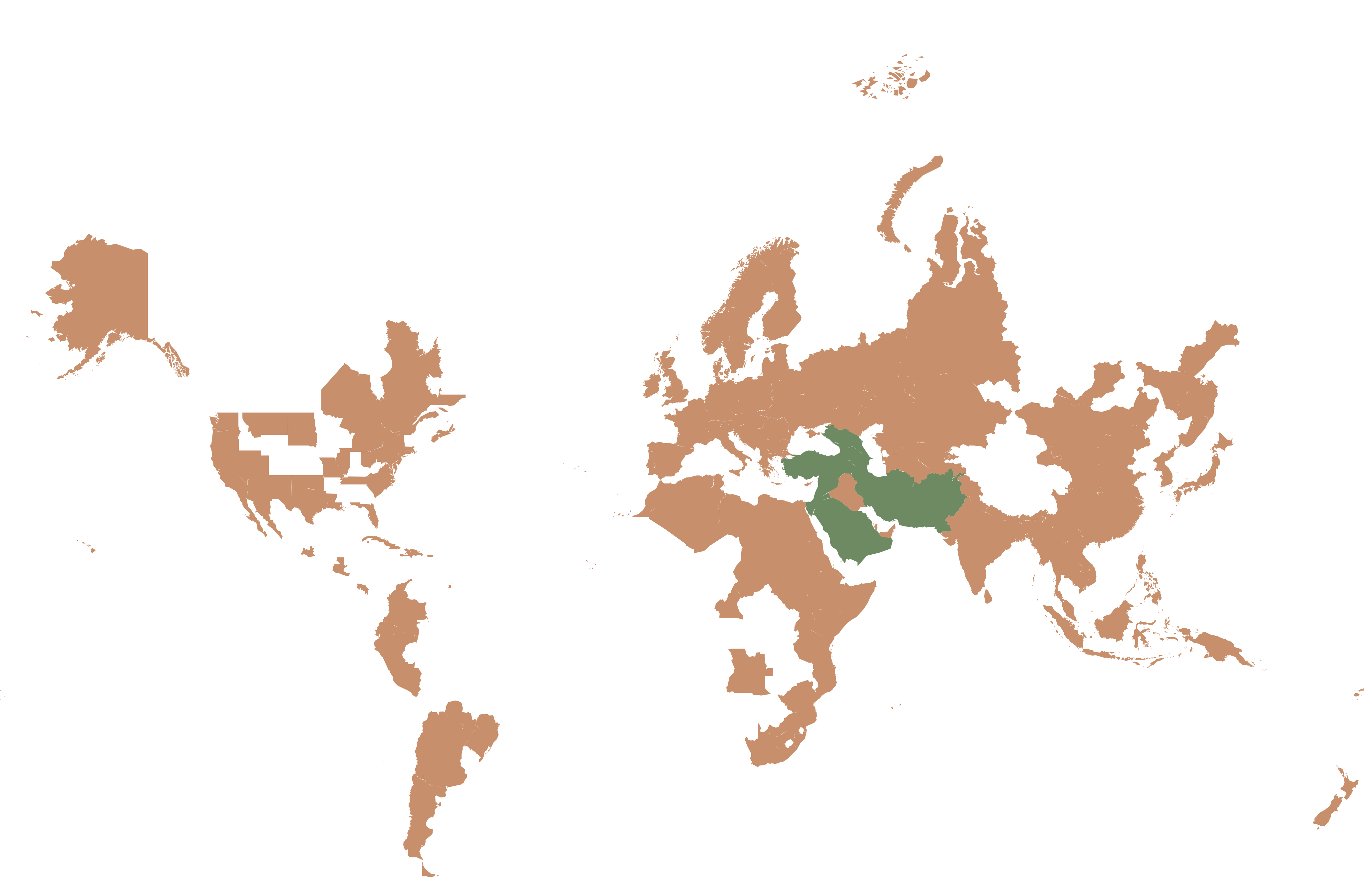
- Native
- Introduced
- Mediterranean
- Western Asia
History

Coriandrum sativum is probably native to the eastern Mediterranean or southwest Asia. Seeds have been recovered from the Nahal Hemar cave in Israel dating to approximately 6000 BCE, making it one of the earliest-cultivated spices. Egyptian pharaonic tombs (including Tutankhamun's) contained coriander seeds, and it is mentioned in the Book of Exodus as resembling manna.
Ancient Greeks and Romans used the seeds for flavoring and medicine. The plant has a unique global cultural split: in most Anglosphere usage "coriander" means the seed and "cilantro" (Spanish for coriander) means the fresh leaf, reflecting the Americas' stronger connection to Mexican cuisine. Indian "dhania" covers both.
A substantial genetic polymorphism in the human OR6A2 olfactory receptor gene causes a significant minority of people to perceive cilantro leaf as tasting like soap — a trait concentrated in European-heritage populations and largely absent in populations with long cilantro-eating traditions. Essential to Mexican, Indian, Thai, Vietnamese, and Middle Eastern cuisines. The 'cilantro soap gene' (OR6A2) was identified in 2012 — carriers detect aldehyde compounds in the leaves that others perceive as fresh and citrusy. This genetic divide has created one of food's most passionate debates. In Thai cuisine, the root (not just leaves or seeds) is a crucial paste ingredient. Coriander seed was an ingredient in the original Coca-Cola recipe. India is the world's largest producer and consumer.
Symbolism & meaning
What It Symbolizes
Coriander is concealment in herb form — its name comes from the Greek koris, bedbug, for the divisive scent of it leaves, and a single gene splits humanity into those who taste cilantro as bright citrus and those who taste soap. Beneath its plain feathery foliage hides this quiet genetic drama. It is the herb that reminds us our perceptions of even small things are not as shared as we assume.
- Concealment — Named for bugs, dividing humanity genetically — it hides complexity beneath simplicity
Where the Name Comes From
Coriandrum from Greek 'koris' (bedbug) — the fresh leaves' smell was compared to crushed bedbugs. Sativum means 'cultivated.'
Uses & Fun Facts
- Fresh cilantro leaves and dried Coriander seeds flavor world cuisines
- Lacy white umbels attract hoverflies and beneficial wasps
Related plants
Plants with similar care
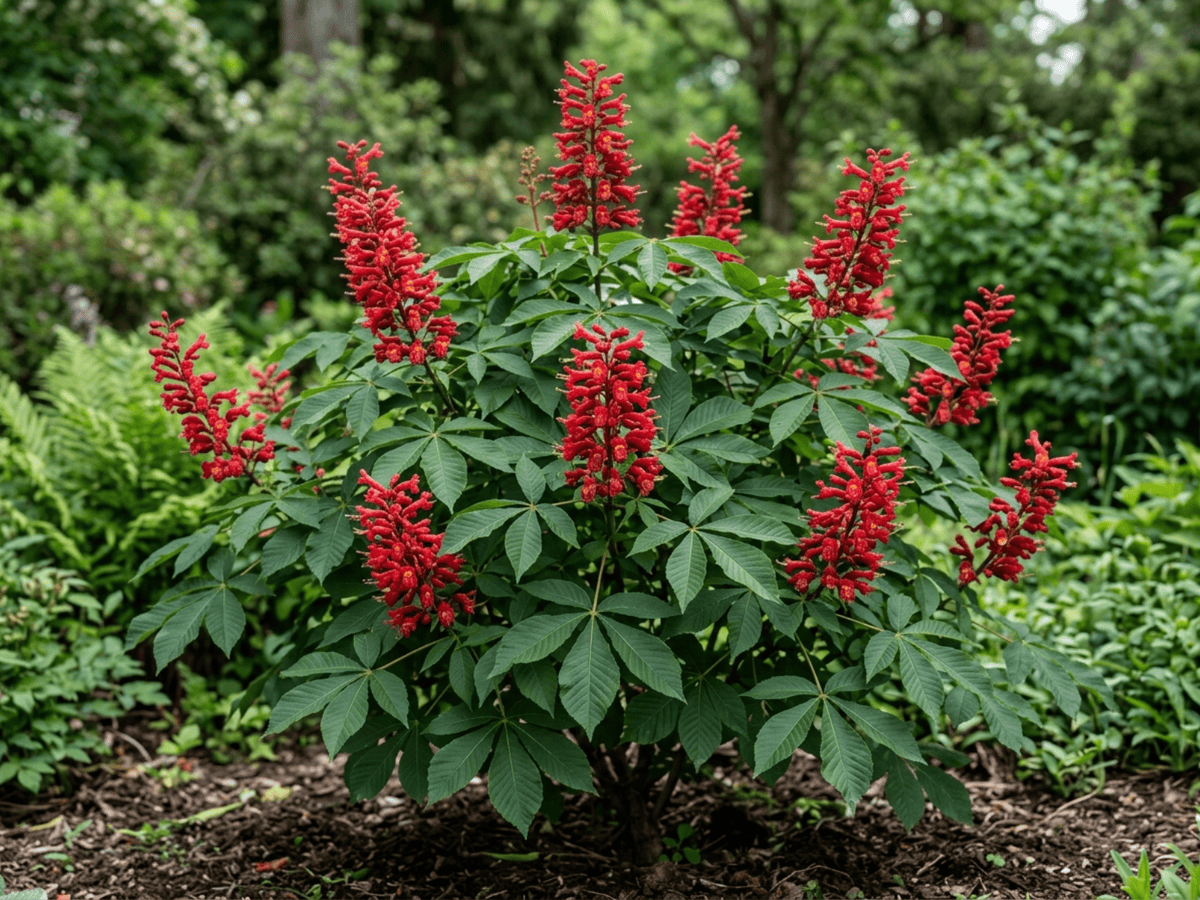 Red BuckeyeAesculus pavia
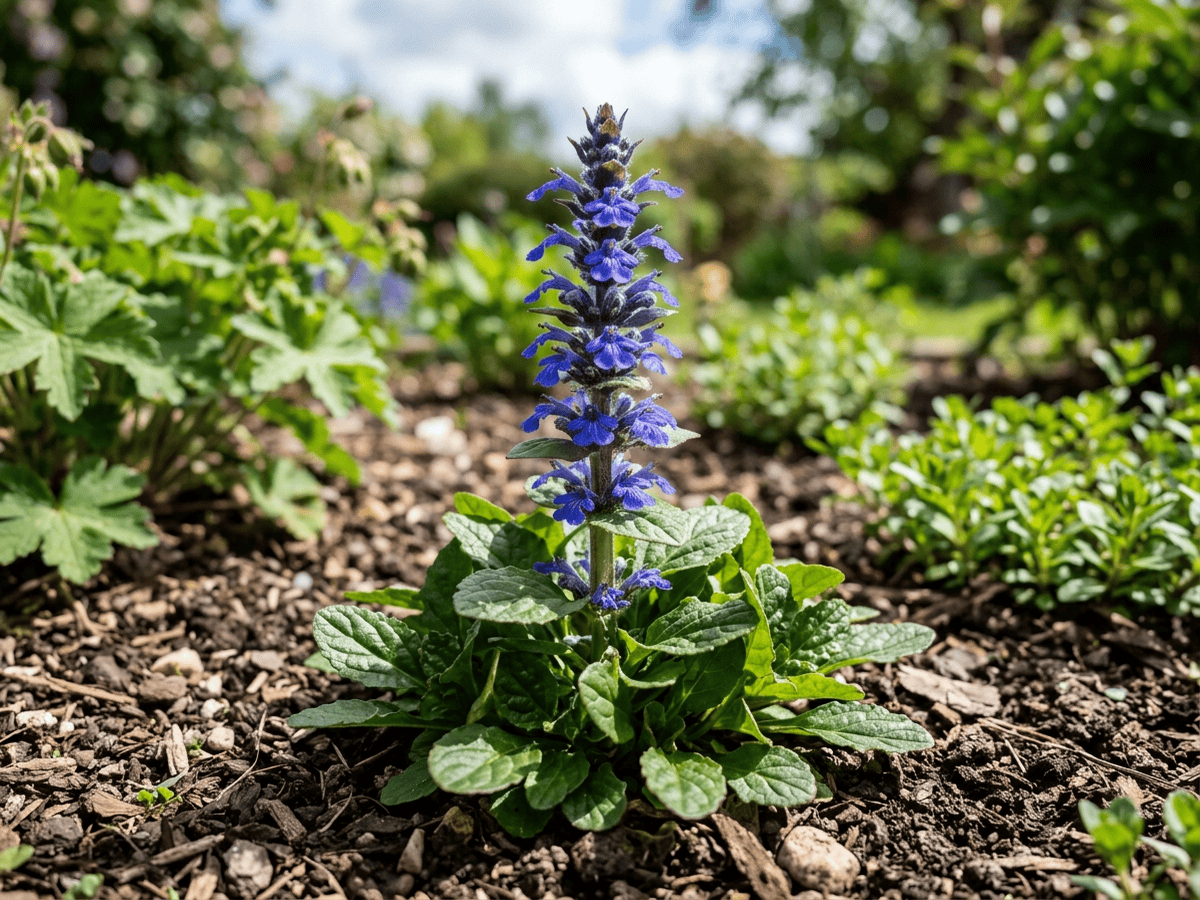 Blue BugleAjuga genevensis
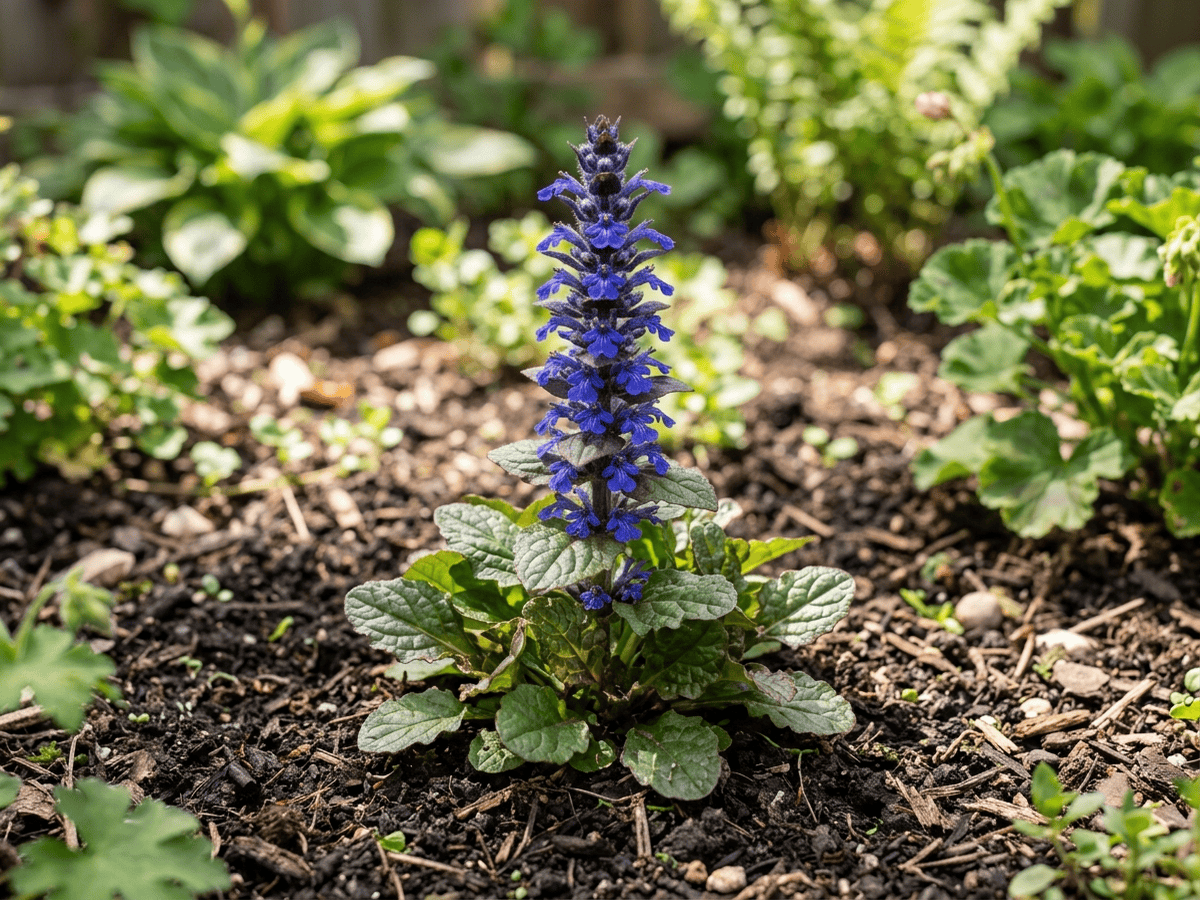 Pyramidal BugleAjuga pyramidalis
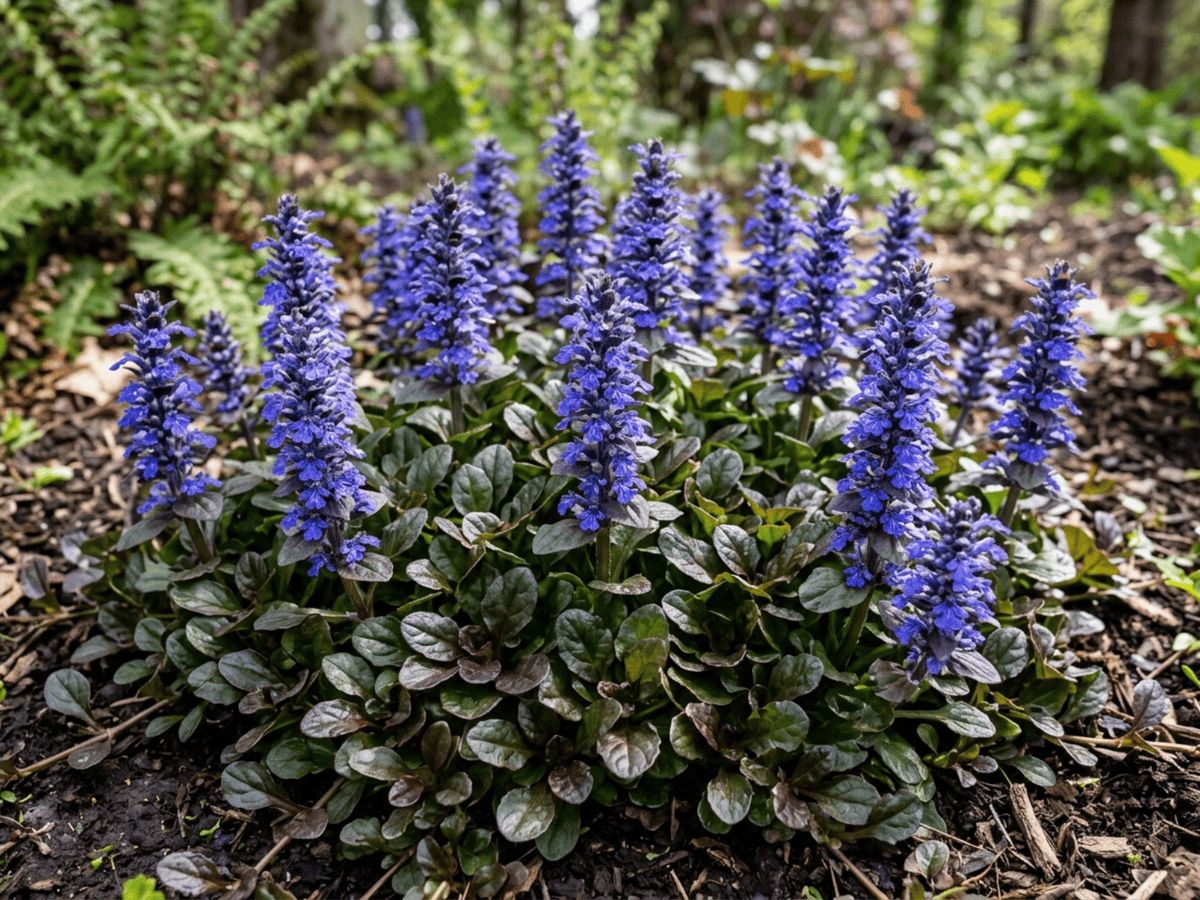 Carpet BugleAjuga reptans
Frequently asked questions
How often should I water Coriander?
In summer, water about every 2 days; in winter, about every 5 days. Adjust for heat, pot size and drainage.
How much light does Coriander need?
Part shade: 2–4 hrs direct. Watch the leaves — scorching or stretching means the light needs adjusting.
Is Coriander toxic to cats or dogs?
Pets Safe (Dogs Safe · Cats Safe) Educational information, not medical or veterinary advice. If exposure is suspected, contact a doctor or veterinarian.
Is Coriander easy to grow?
Yes — it is considered an easy, beginner-friendly plant.
When does Coriander bloom?
It typically blooms Jun–Aug in the Northern Hemisphere.
YardMate
Identify any plant in seconds
Snap a photo — YardMate names the plant, diagnoses problems, and reminds you when to water.
Download on the App Store