 YardMate
Quince
Cydonia oblonga
Hard · Experienced growersAbout Quince
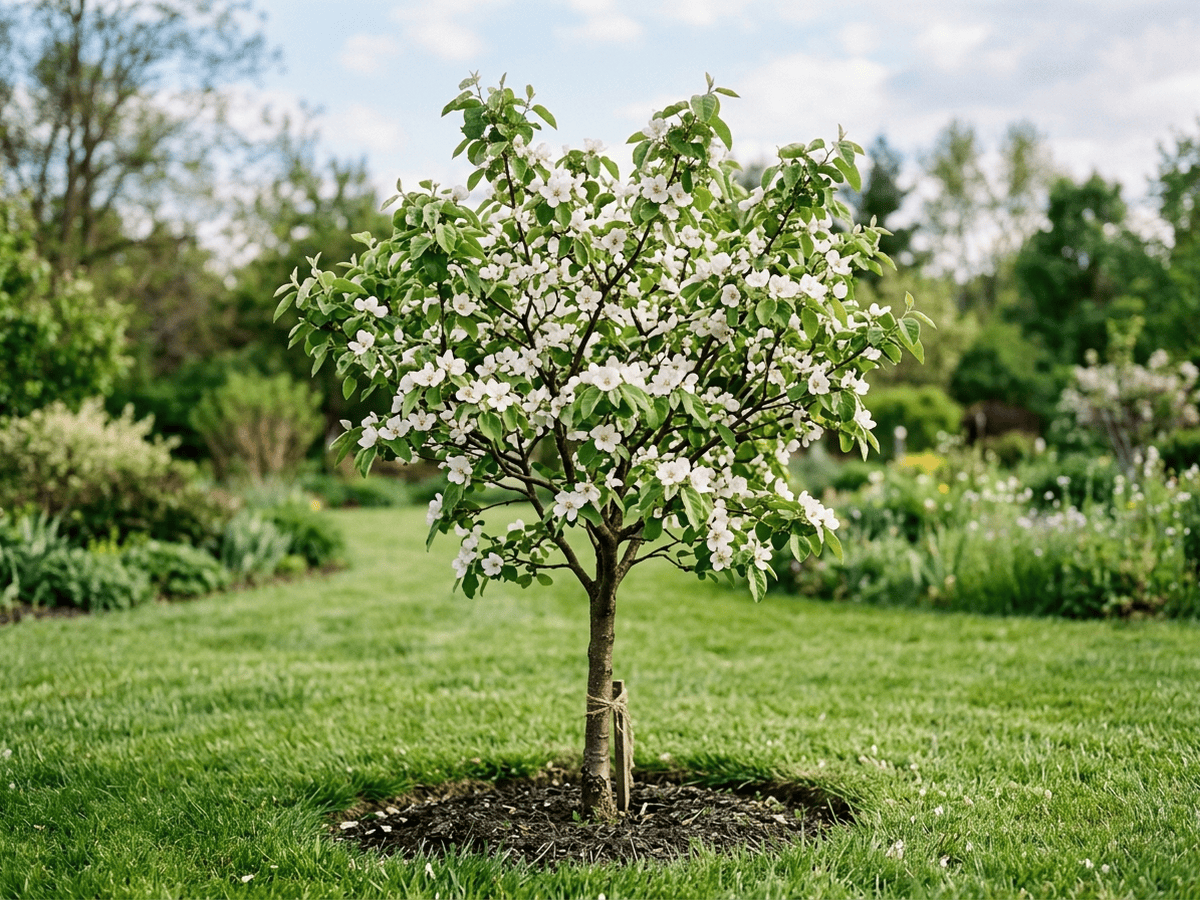
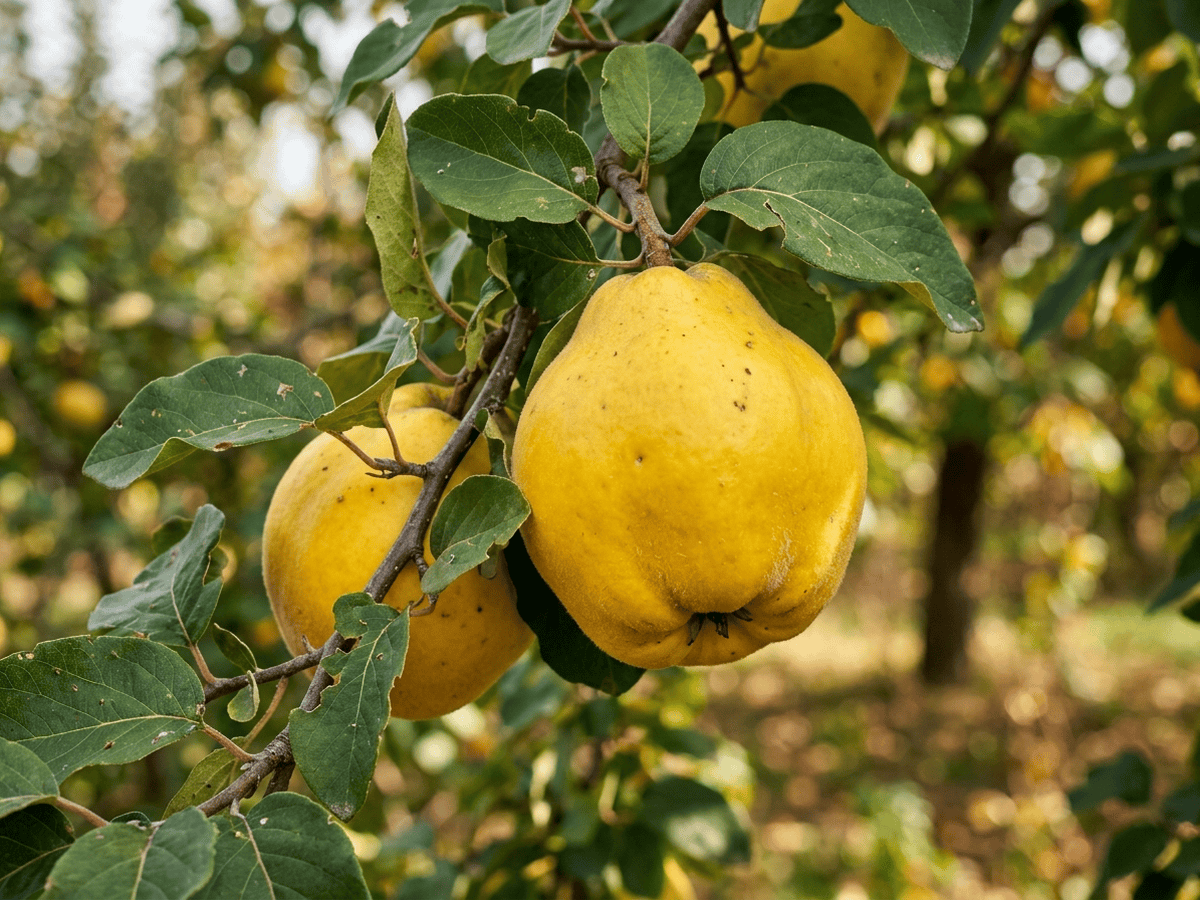
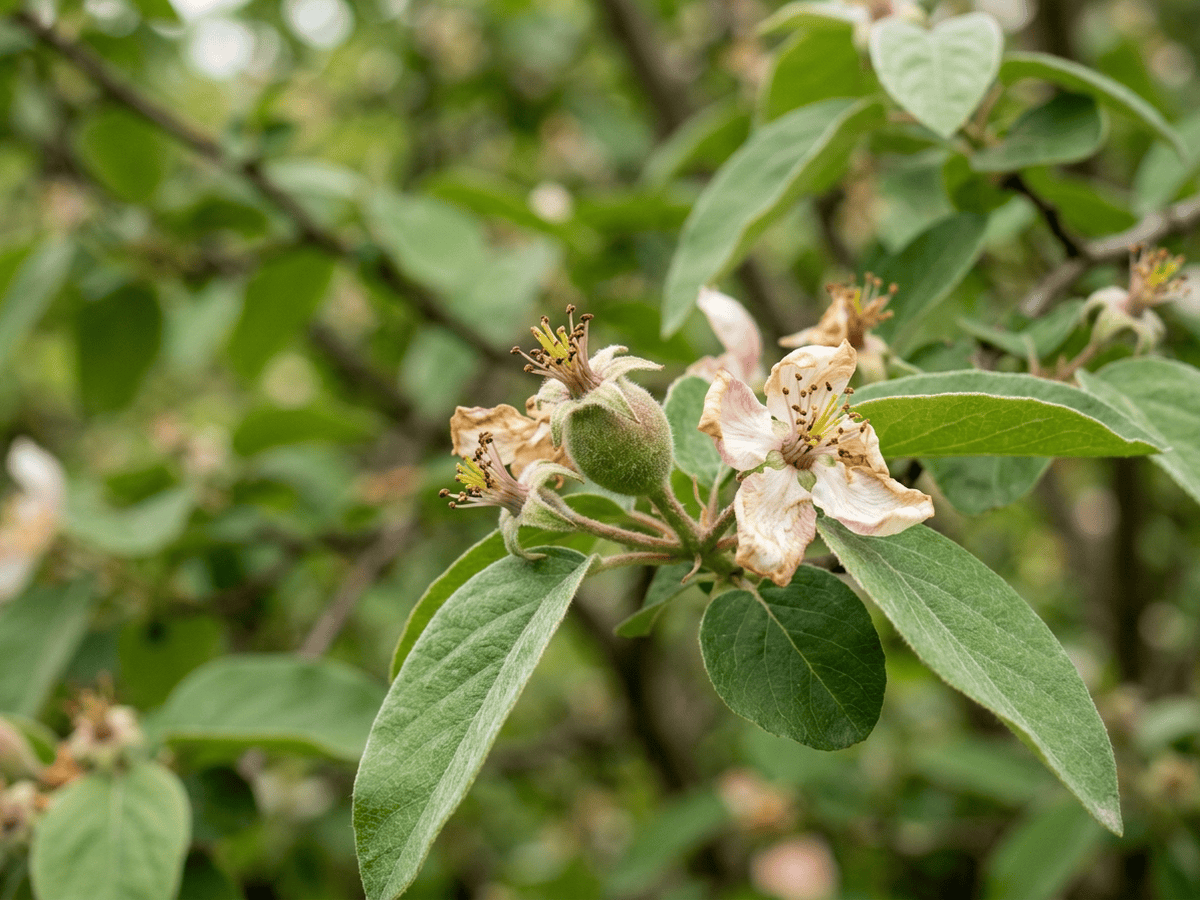
Cydonia oblonga, the Quince, is one of the oldest cultivated fruit trees, native to the Caucasus and Middle East. In spring its large white-to-pale-pink blossoms appear before the leaves, turning bare branches into clouds of delicate color. By autumn the tree produces golden-yellow, pear-shaped fruits with an intoxicating perfume. Too astringent to eat raw, quince transforms with cooking into gloriously fragrant jams, jellies, paste (membrillo), and preserves. Its beauty, fragrance, and culinary richness have made it a garden treasure for millennia.
- Edible
- Deciduous
- Showy-fruit
- Pollinator-friendly
- Fragrant
How to care for Quince
Watering
- Springevery 15 days
- Summerevery 10 days
- Fallevery 20 days
- Winterpause watering
Soil · Rich & well-draining
- Top dressingCompost10%
- Main mixPotting soil + compost 3:180%
- DrainageGravel10%
Top up the compost layer each season.
FERTILIZER
Bloom Booster 10-52-10
A phosphorus-forward feed fuels abundant blooms, with just enough nitrogen and potassium to keep foliage and roots steady.
- Nitrogen · Leaves
- Phosphorus · Roots + Blooms
- Potassium · Strength
- Springevery 15 days
- Summerevery 30 days
- Fallevery 30 days
At a Glance
- NativeEast Asia, Mediterranean
- Height10–15 ft (3–4.6 m)
- Spread8–10 ft (2.4–3 m)
- Flower colorWhite, Pink
- Foliage colorGreen
- Fruit colorYellow, Green
- SoilLoamy, Well-drained
- LocationsYard · Balcony
Bloom time
BLOOM CYCLE
Peak bloom
Apr–Jun
This plant's flowers typically bloom in spring, attracting many pollinating insects.
Fragrance
STRONG FRAGRANCE
Flowers emit a soft, sweet perfume in spring; ripe fruits fill the garden with an intensely honeyed aroma through autumn.
Toxicity
No toxicity has been reported for this plant. Still, it is wise to keep pets from chewing on any houseplant.
Educational information, not medical or veterinary advice. If exposure is suspected, contact a doctor or veterinarian.
DISTRIBUTION


- Native
- Introduced
- East Asia
- Mediterranean
History
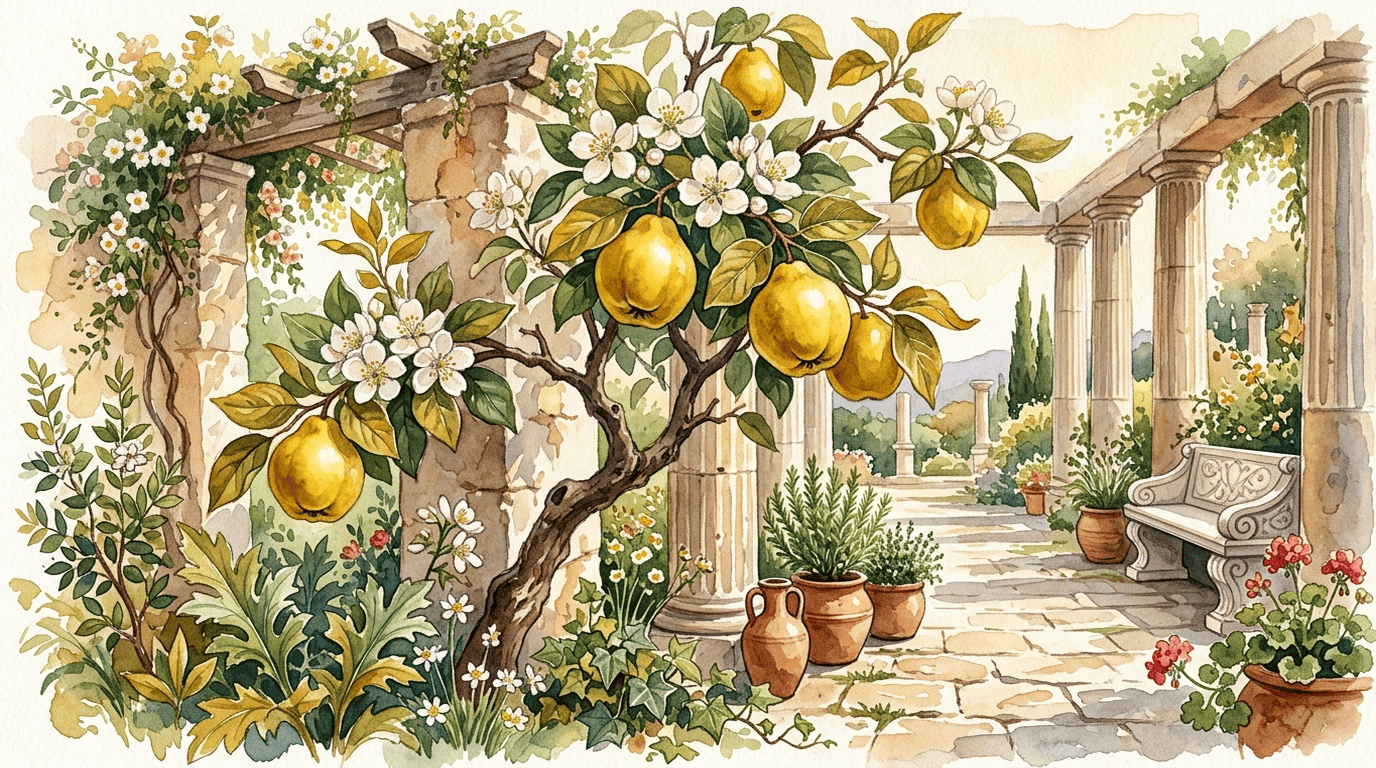
Cydonia oblonga takes its genus name from the ancient city of Cydonia (modern Chania) on the island of Crete, where the fruit was abundantly cultivated and prized by the ancient Greeks. Believed by many scholars to be the 'golden apple' at the center of Paris's judgment, the quince was considered sacred to Aphrodite and her Roman counterpart Venus. Greek brides nibbled quince before entering the bridal chamber—a custom the Romans adopted and spread throughout their empire.
Among the oldest domesticated fruit trees in human history, the quince was cultivated across Mesopotamia, Persia, and the Levant thousands of years before the Common Era. By the first century AD, the Roman writer Pliny the Elder documented multiple named varieties, and the fruit was a fixture of both kitchen gardens and pleasure grounds.
During the Middle Ages the quince remained vital to European and Islamic culinary and medicinal traditions. Arab physicians prescribed it for digestive ailments; European cooks used it to produce the earliest marmalades—the Portuguese word 'marmelada' derives directly from 'marmelo,' the Portuguese name for quince.
By the 17th and 18th centuries the quince was gradually displaced in Western kitchens by sweet apple and pear varieties that could be eaten fresh. Today it is experiencing a revival among food enthusiasts and heritage-orchard growers who prize its incomparable fragrance and the depth it lends to preserves, pastries, and slow-cooked savory dishes.
Symbolism & meaning
What It Symbolizes
Long before the apple claimed the title, it was the quince—golden, perfumed, and beautiful—that was called the fruit of the gods. Ancient Greeks left offerings of quince at Aphrodite's shrines; Roman brides nibbled a slice before their wedding night. In Moorish Spain, poets compared the quince's bittersweet character to the nature of desire itself. To grow a quince tree is to tend something that asks for patience: its gifts are never given raw, but reveal themselves, gloriously, only through the alchemy of heat and time.
- love — Sacred to Aphrodite and given as a wedding gift in ancient Greece and Rome, the quince has symbolized love, fertility, and marriage for over three thousand years
- transformation — Astringent and unappealing when raw, quince becomes exquisitely fragrant and sweet with heat—a symbol of patience revealing hidden beauty
Where the Name Comes From
The genus name Cydonia derives from the ancient city of Cydonia (modern Chania, Crete), famous in antiquity for its fine quince cultivation. The species epithet oblonga is Latin for 'oblong,' describing the elongated shape typical of the fruit.
Uses & Fun Facts
- Ripe fruits are prized for jams, jellies, quince paste (membrillo), marmalade, and slow-cooked sauces that pair beautifully with meats and cheeses
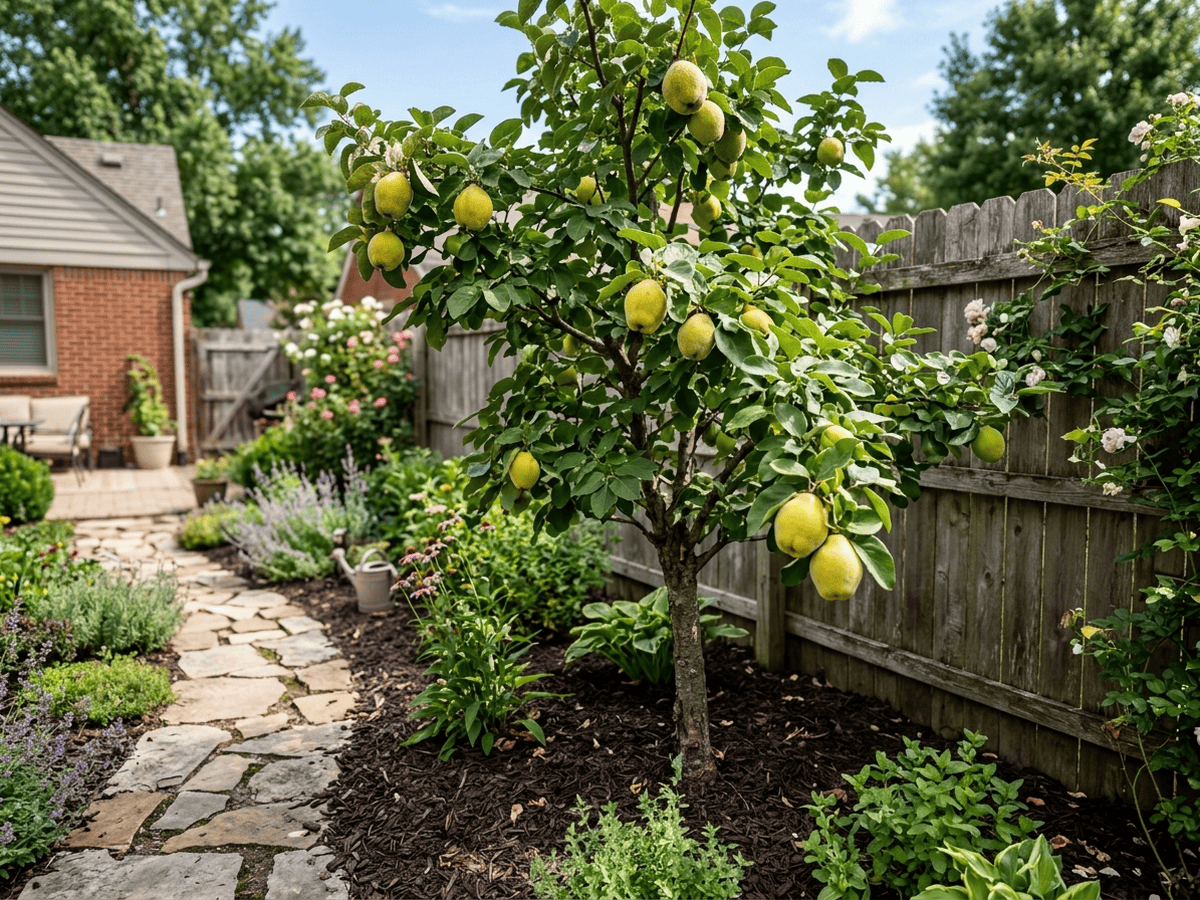
- Showy spring blossoms and golden autumn fruits make quince a handsome specimen tree for cottage gardens and heritage orchards
- Ripe fruits emit one of the most intensely sweet, honeyed perfumes of any temperate fruit—a signature scent of the autumn garden
- Large spring flowers attract bees and beneficial insects early in the season, before most other fruit trees come into bloom
Related plants
Plants with similar care
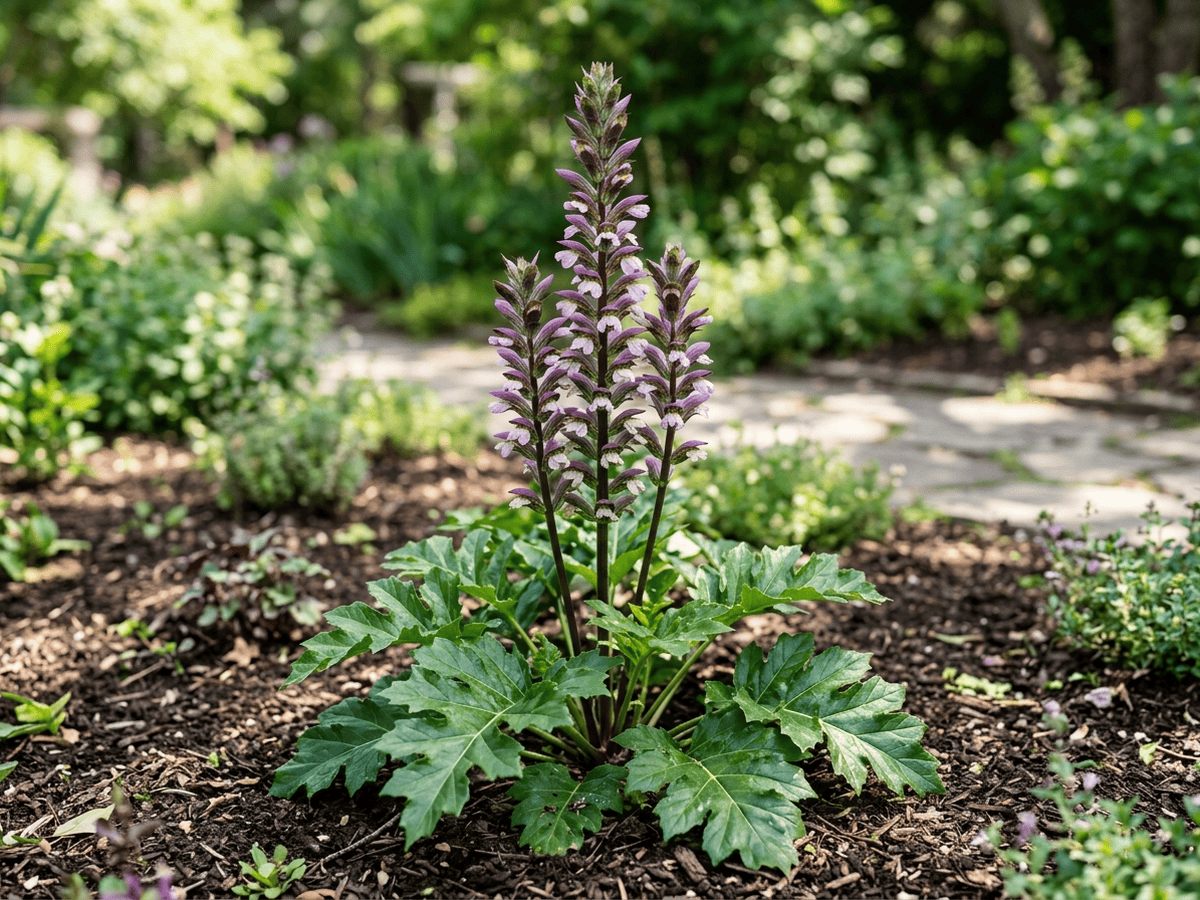 Bear's BreechesAcanthus mollis
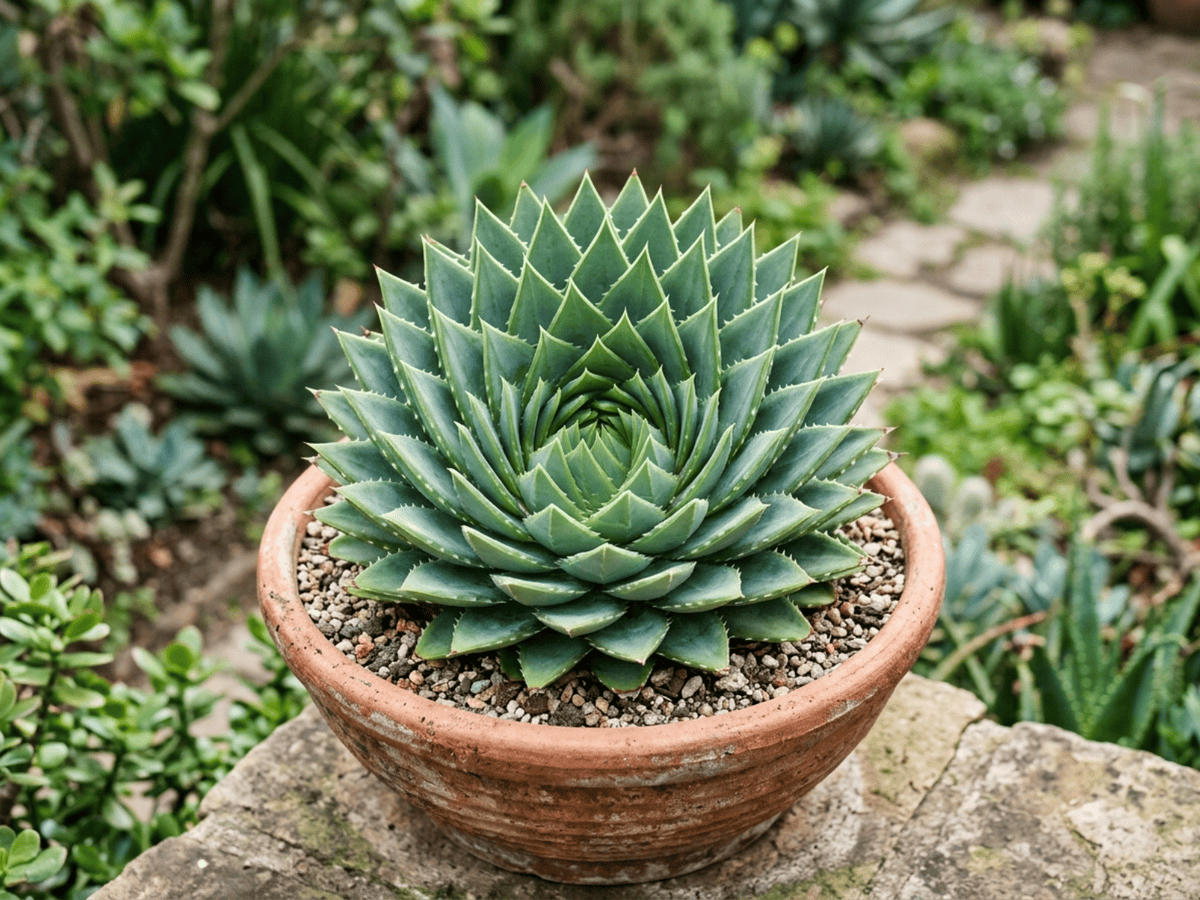 Spiral AloeAloe polyphylla
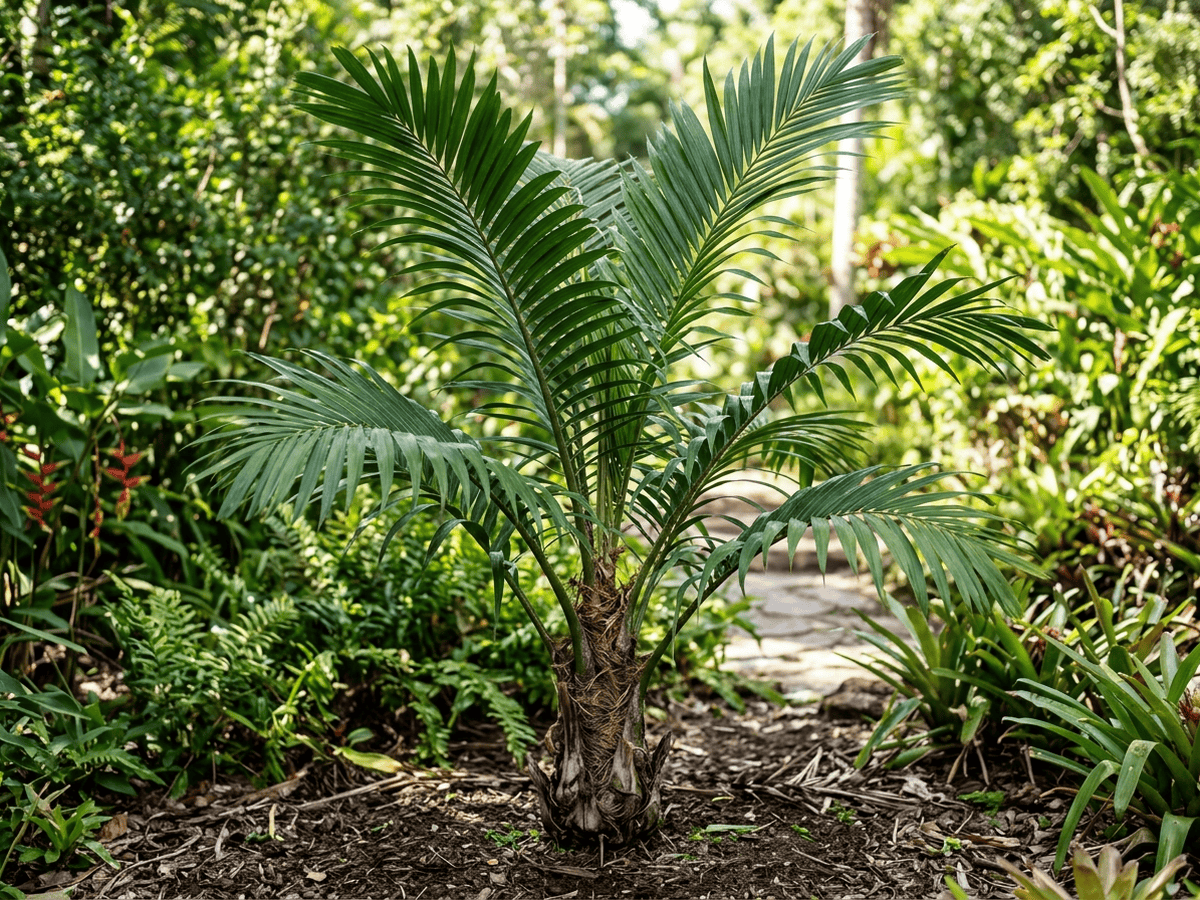 Formosa PalmArenga engleri
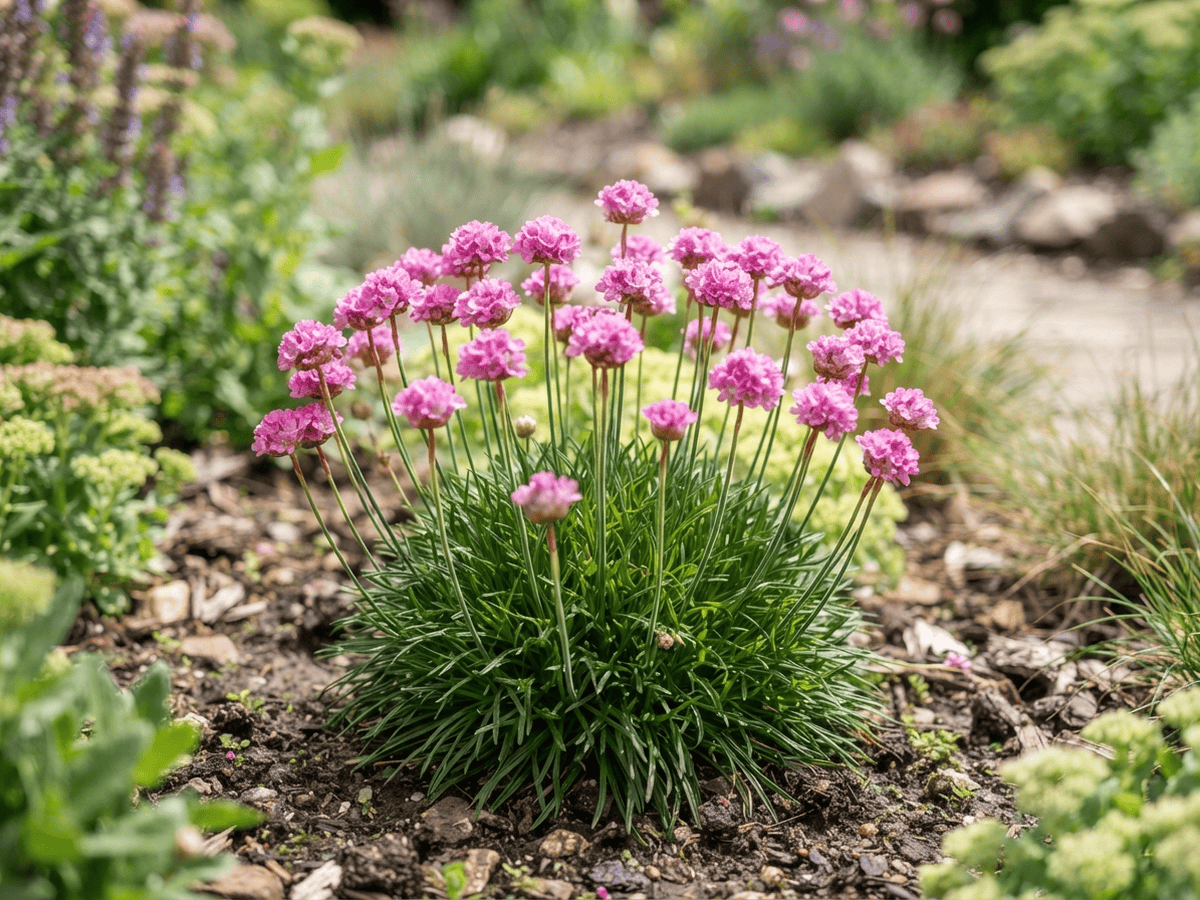 Sea ThriftArmeria maritima
Frequently asked questions
How often should I water Quince?
Water about every 15 days during the growing season, and always let excess water drain away.
How much light does Quince need?
Part shade: 2–4 hrs direct. Watch the leaves — scorching or stretching means the light needs adjusting.
Is Quince toxic to cats or dogs?
No toxicity has been reported for this plant. Still, it is wise to keep pets from chewing on any houseplant. Educational information, not medical or veterinary advice. If exposure is suspected, contact a doctor or veterinarian.
Is Quince easy to grow?
It is considered challenging and rewards experienced growers.
When does Quince bloom?
It typically blooms Apr–Jun in the Northern Hemisphere.
YardMate
Identify any plant in seconds
Snap a photo — YardMate names the plant, diagnoses problems, and reminds you when to water.
Download on the App Store