 YardMate



Common Bean
Phaseolus vulgaris
Easy · Beginner friendlyAbout Common Bean
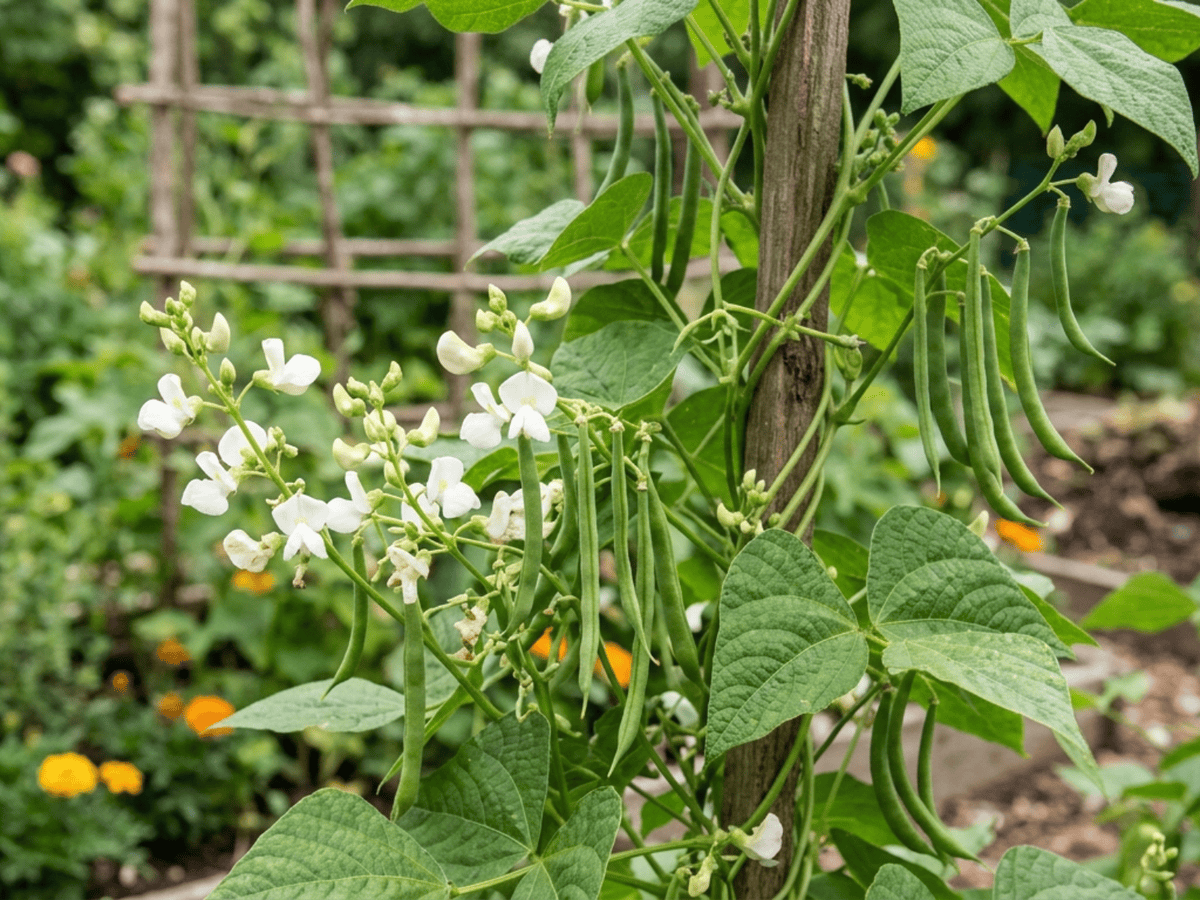
Phaseolus vulgaris, the common bean, is an annual climbing or bush plant in the Fabaceae family native to the Americas—domesticated independently in both Mesoamerica and the Andes over 8,000 years ago. It is the world's most important food legume, encompassing kidney beans, black beans, pinto beans, navy beans, cannellini, and green (snap) beans in one remarkably polymorphic species.
Beans are warm-season crops requiring soil temperatures above 15°C for germination. They thrive in USDA zones 3–11 during summer in full sun and well-drained, fertile soil. Bush types mature in 50–60 days, while pole (climbing) types produce over a longer season. As legumes, beans fix atmospheric nitrogen via root nodule bacteria, enriching the soil for subsequent crops—making them essential in crop rotation.
Dried beans are a nutritional powerhouse: high in protein, fibre, iron, and folate, with a very low glycaemic index. They are a dietary staple for billions of people and a cornerstone of food security worldwide. Green snap beans are harvested young before seeds develop, offering a tender, versatile vegetable. The species is one of the Three Sisters of Native American agriculture, traditionally grown with maize (for support) and squash (for ground shade).
- Edible
- Fast-growing
How to care for Common Bean
Watering
- Springevery 3 days
- Summerevery 2 days
- Fallevery 4 days
- Winterevery 7 days
Soil · Rich & well-draining
- Top dressingCompost10%
- Main mixPotting soil + compost 3:180%
- DrainageGravel10%
Top up the compost layer each season.
FERTILIZER
Balanced Feed 14-14-14
An even feed covers all three needs at once, keeping leaves, roots and blooms moving together with nothing pushed out of balance.
- Nitrogen · Leaves
- Phosphorus · Roots + Blooms
- Potassium · Strength
- Springevery 21 days
- Summerevery 21 days
At a Glance
- NativeNorth America, South America
- Height1.5–8 ft (0.5–2.4 m)
- Spread1–2 ft (0.3–0.6 m)
- Flower colorWhite, Pink, Purple, Red
- Foliage colorGreen
- SoilLoamy, Well-drained
- LocationsYard · Indoor · Balcony
Bloom time
BLOOM CYCLE
Peak bloom
Jun–Aug
White or purple flowers are self-pollinating; consistent watering during bloom prevents flower drop.
Fragrance
NO FRAGRANCE
No notable fragrance.
Toxicity
Humans Moderate · Pets Slight
phytohaemagglutinin (raw seeds)
Moderate
- Seed (raw)
- Ingestion
EXPOSURE Eating seed (raw).
EFFECT Raw or undercooked beans (especially red kidney) contain phytohaemagglutinin lectins causing severe GI distress and boiling destroys the toxin.
NOTE Always cook beans thoroughly (boil at least 10 minutes) to destroy lectins; slow-cookers below boiling can actually increase toxicity.
Slight
- Seed (raw)
- Ingestion
EXPOSURE Eating seed (raw).
EFFECT Raw beans can cause GI upset and cooked beans generally safe.
NOTE Always cook beans thoroughly (boil at least 10 minutes) to destroy lectins; slow-cookers below boiling can actually increase toxicity.
Slight
- Seed (raw)
- Ingestion
EXPOSURE Eating seed (raw).
EFFECT Raw beans can cause GI upset.
NOTE Always cook beans thoroughly (boil at least 10 minutes) to destroy lectins; slow-cookers below boiling can actually increase toxicity.
Educational information, not medical or veterinary advice. If exposure is suspected, contact a doctor or veterinarian.
DISTRIBUTION


- Native
- Introduced
- North America
- South America
History
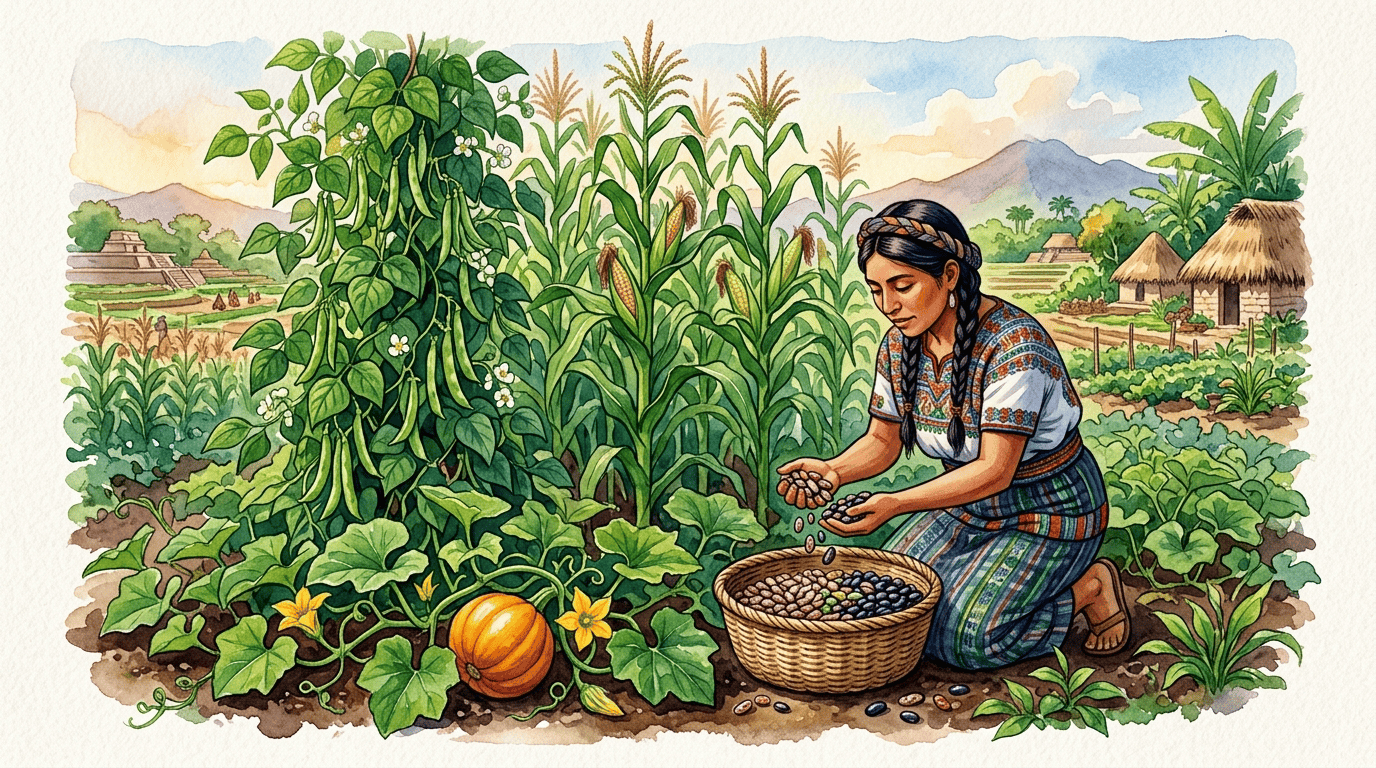
Phaseolus vulgaris has the unusual distinction of two independent domestications in the Americas. Genetic studies show Mesoamerican domestication occurred in central Mexico around 8,000 years ago, producing black, pinto, and pink beans. Andean domestication occurred independently in Peru around 8,000-10,000 years ago, producing kidney, cranberry, and most large-seeded beans.
These two gene pools remained distinct until modern breeding combined them. Beans were essential to the "Three Sisters" companion planting with corn and squash across pre-Columbian North America, providing nitrogen fixation and complete protein with the corn. The Columbian Exchange carried beans to Europe (where they replaced fava beans in Mediterranean cuisine), Africa, and Asia within 200 years of Columbus — Italian fagioli, Spanish frijoles, French haricots, and Chinese cowpea dishes all descend from this rapid transfer.
Modern production is greatest in India, Brazil, and Myanmar. Spanish and Portuguese explorers distributed them worldwide in the 1500s. Today they feed over a billion people daily and are central to cuisines from Brazil (feijoada) to India (rajma) to Italy (pasta e fagioli). Green "snap beans," selected from stringless cultivars developed in the 19th-century US, are eaten with pods immature.
Symbolism & meaning
What It Symbolizes
The Common Bean is the very emblem of sustenance — a primary protein source for billions, the humble seed that has anchored countless cuisines from Latin America to the Mediterranean. Paired with growth, real beans' rapid climbing habit (rather than Jack's mythic version) makes them a quiet symbol of ambition and upward striving. To plant a bean is to repeat one of agriculture's oldest, most reliable contracts.
- Sustenance — As a primary protein source for billions, the bean symbolizes fundamental nourishment and food security
- Growth — Jack's beanstalk aside, real beans' rapid climbing growth represents ambition and upward striving
Where the Name Comes From
Phaseolus from Greek 'phaselos' (a type of bean or boat, from the pod shape); 'vulgaris' means common.
Uses & Fun Facts
- Pods and dry beans eaten in countless cuisines worldwide
- Pole varieties twine up trellises and tepees in vegetable gardens
- Ancient Mesoamerican Three Sisters crop with corn and squash
Related plants
Plants with similar care
 Chinese AbeliaAbelia chinensis
 Fragrant AbeliaAbelia mosanensis
 Large-Flowered AbeliaAbelia uniflora
 Glossy AbeliaAbelia x grandiflora
Frequently asked questions
How often should I water Common Bean?
In summer, water about every 2 days; in winter, about every 7 days. Adjust for heat, pot size and drainage.
How much light does Common Bean need?
Full sun: 6+ hrs direct. Watch the leaves — scorching or stretching means the light needs adjusting.
Is Common Bean toxic to cats or dogs?
Pets Slight (Dogs Slight · Cats Slight) Educational information, not medical or veterinary advice. If exposure is suspected, contact a doctor or veterinarian.
Is Common Bean easy to grow?
Yes — it is considered an easy, beginner-friendly plant.
Can Common Bean be grown indoors?
Yes, it adapts well to indoor growing given the right light.
When does Common Bean bloom?
It typically blooms Jun–Aug in the Northern Hemisphere.
YardMate
Identify any plant in seconds
Snap a photo — YardMate names the plant, diagnoses problems, and reminds you when to water.
Download on the App Store