 YardMate


Guelder-Rose
Viburnum opulus
Easy · Beginner friendlyAbout Guelder-Rose
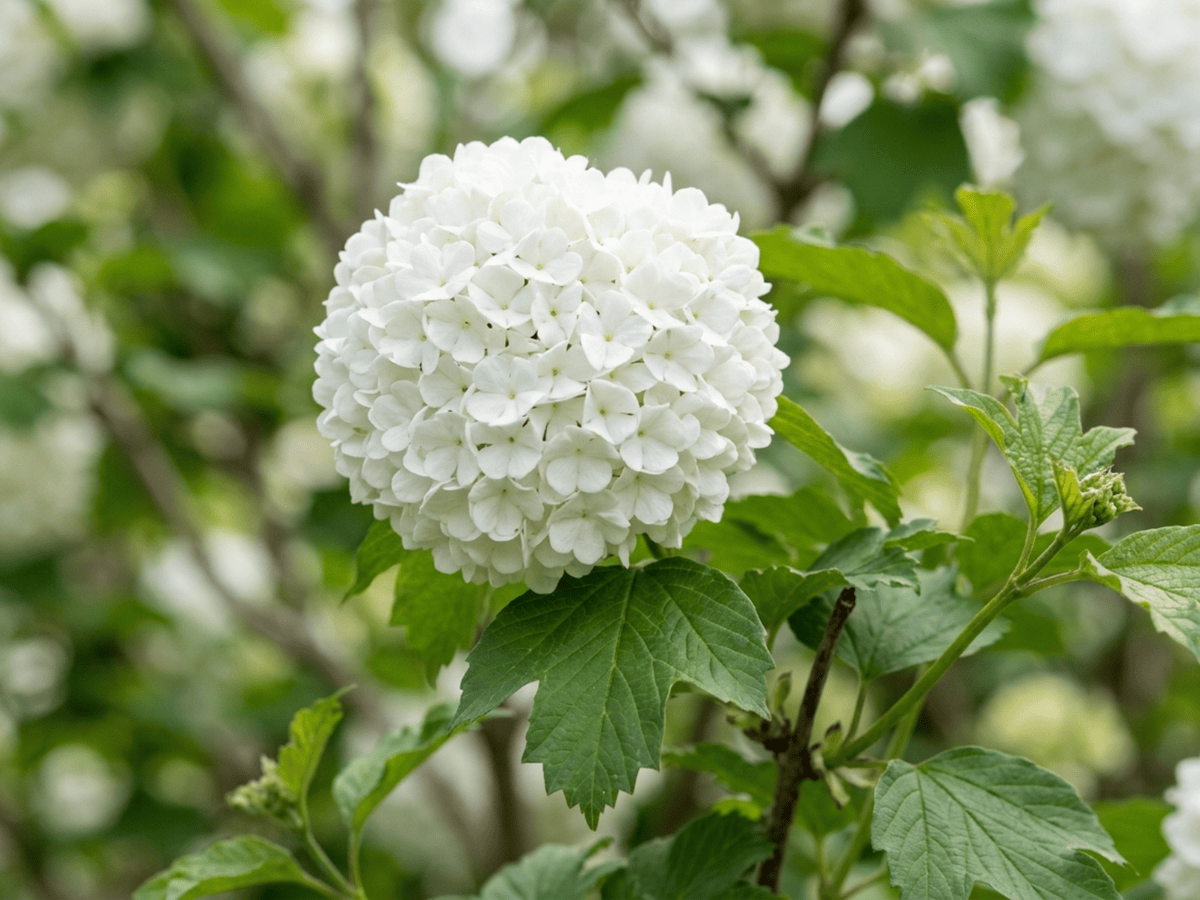
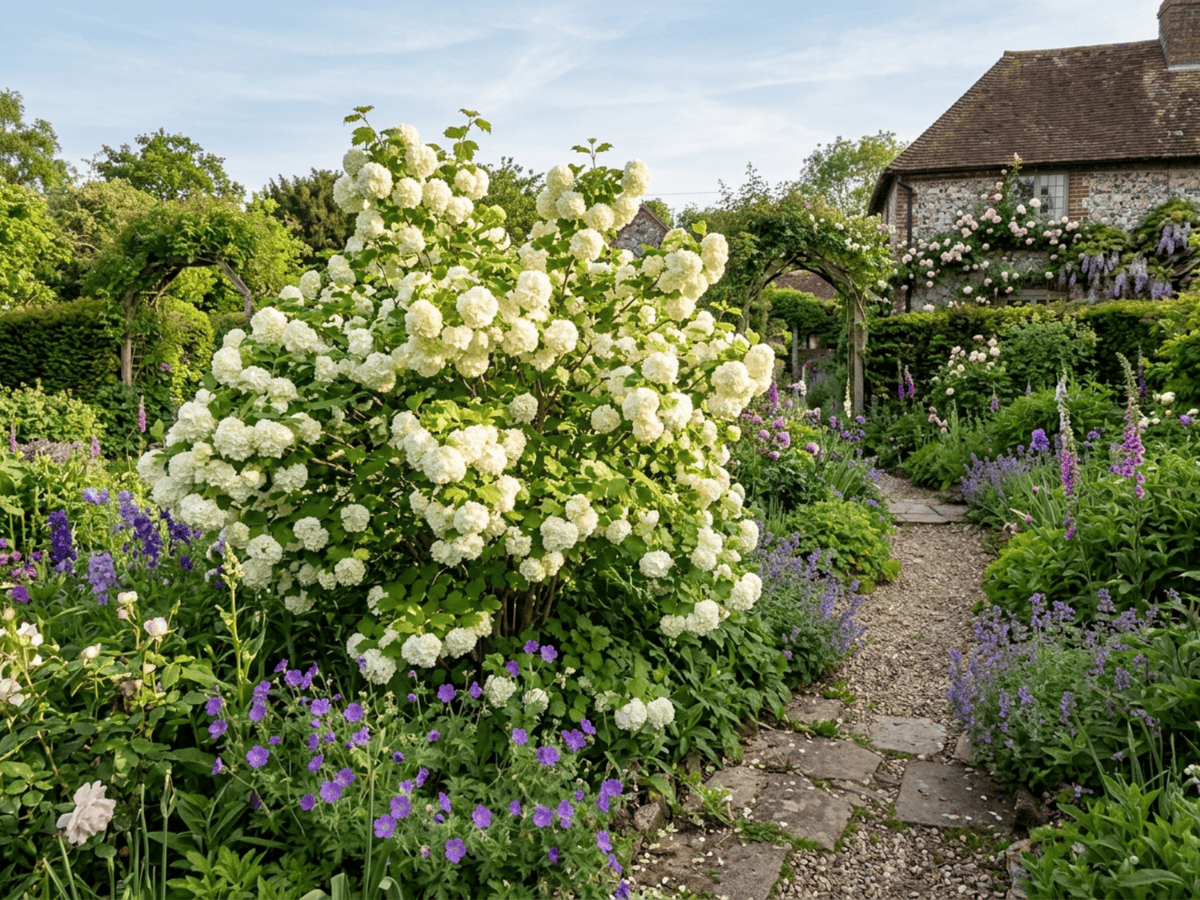
Viburnum opulus, the guelder rose or European cranberrybush, is a deciduous shrub native across Europe and into central Asia. Growing 8 to 15 feet tall, it provides outstanding three-season interest with flat-topped lacecap clusters of white flowers in late spring, followed by translucent red berries that hang in jewel-like bunches through autumn and into winter. The maple-shaped leaves turn rich shades of burgundy and red in fall. The cultivar 'Roseum' (Snowball bush) bears large spherical flower heads composed entirely of sterile flowers — one of the most iconic garden shrubs of the 19th century. The wild species is ecologically valuable, with berries providing winter food for birds and flowers supporting pollinators. It prefers moist, well-drained soil in full sun to partial shade and tolerates clay and wet conditions better than many ornamental shrubs. The raw berries are mildly toxic and extremely sour but have been used in traditional Eastern European cuisine when cooked with sugar.
- Wildlife-friendly
- Native
How to care for Guelder-Rose
Watering
- Springevery 5 days
- Summerevery 4 days
- Fallevery 10 days
- Winterevery 30 days
Soil · Rich & loamy
- Top dressingBark mulch15%
- Main mixRich loam + compost 3:170%
- DrainageGravel15%
Use fully finished compost — fresh compost burns roots.
FERTILIZER
Balanced Feed 14-14-14
An even feed covers all three needs at once, keeping leaves, roots and blooms moving together with nothing pushed out of balance.
- Nitrogen · Leaves
- Phosphorus · Roots + Blooms
- Potassium · Strength
- Springevery 45 days
At a Glance
- NativeEurope, East Asia, Africa
- Height8–15 ft (2.4–4.6 m)
- Spread8–15 ft (2.4–4.6 m)
- Flower colorWhite
- Foliage colorGreen, Red, Purple
- SoilMoisture-retentive, Loamy, Neutral
- LocationsYard
Bloom time
BLOOM CYCLE
Peak bloom
Mar–May
Lacecap white flower clusters in late spring; Snowball cultivar has round sterile heads. Prune after flowering to maintain shape
Fragrance
LIGHT FRAGRANCE
Light, slightly musky scent from flowers.
Toxicity
Humans Slight · Pets Slight
viburnin (berries) and saponins
Slight
- Fruit
- Ingestion
EXPOSURE Eating fruit.
EFFECT Raw berries can cause stomach upset and cooking renders them safe for traditional use.
NOTE Documented concern for humans: Raw berries can cause stomach upset and cooking renders them safe for traditional use.
Slight
- Fruit
- Ingestion
EXPOSURE Eating fruit.
EFFECT Raw berries may cause gastrointestinal upset.
NOTE Not specifically listed by ASPCA. Raw berries have mild laxative/emetic effect; cooked traditional.
Slight
- Fruit
- Ingestion
EXPOSURE Eating fruit.
EFFECT Raw berries may cause gastrointestinal upset.
NOTE Not specifically listed by ASPCA. Raw berries have mild laxative/emetic effect; cooked traditional.
Educational information, not medical or veterinary advice. If exposure is suspected, contact a doctor or veterinarian.
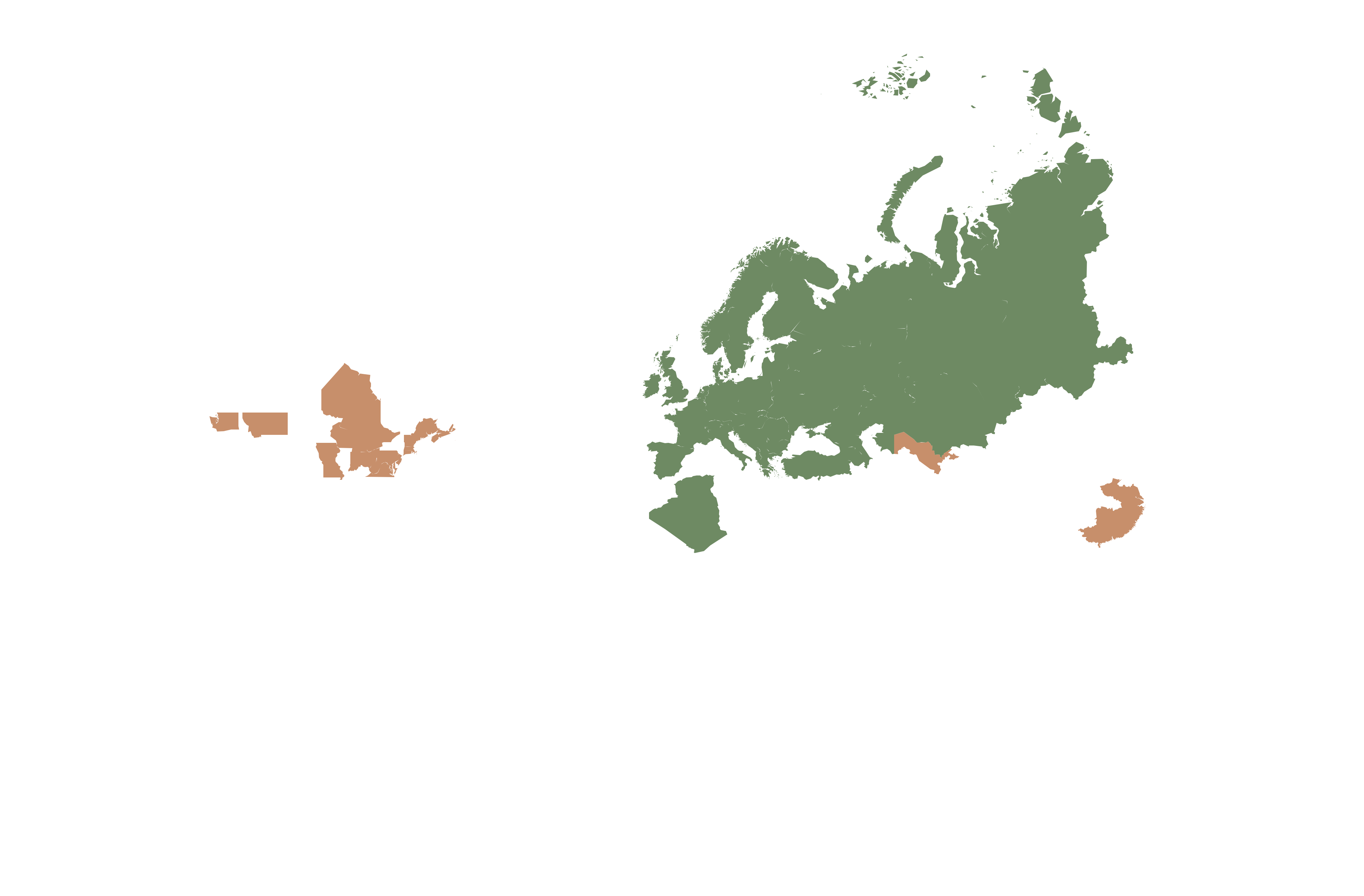
DISTRIBUTION

- Native
- Introduced
- Europe
- East Asia
- Africa
History

Viburnum opulus is native across Europe, northern Asia, and northern Africa, growing as an understory shrub in moist woodlands and hedgerows. Its common English name "Guelder rose" comes from the Dutch province of Gelderland (Guelders), where a sterile double-flowered "snowball" form (V. opulus "Roseum") was developed in cultivation by at least the 16th century — this mutation produces round ball-like clusters of sterile white florets and no fruit. The wild form has flat lacecap inflorescences with a ring of sterile showy flowers surrounding fertile inner flowers, followed by bright red translucent berries in autumn.
In Ukrainian, Russian, and broader Slavic culture the plant is known as "kalyna" (Ukrainian) or "kalina" (Russian) and is a central cultural symbol: in Ukraine kalyna represents homeland, motherhood, youth, blood shed for freedom, and national identity, appearing in countless folk songs, embroidered rushnyky, and state symbols. The raw berries are mildly toxic but are cooked into preserves, wine, and traditional remedies across Eastern Europe.
Indigenous North American peoples and European colonists used the closely related native V. opulus var. americanum (highbush cranberry) similarly. In medieval Europe, the bark was used medicinally as an antispasmodic, a use later validated by discovery of the compound viopudial.
Symbolism & meaning
What It Symbolizes
Guelder-Rose carries Unity — kalyna in Ukrainian, a national symbol embroidered onto shirts, woven into songs, and pictured on coins as an emblem of homeland. Its red berries also stand for Beauty in Ukrainian folk tradition, representing feminine grace and faithful love. A shrub whose berries hold both a culture's identity and its language of romance.
- Unity — National symbol of Ukraine representing unity, homeland, and shared heritage
- Beauty — In Ukrainian folk tradition, the red berries symbolize feminine beauty and love
Where the Name Comes From
The name Guelder-Rose describes its rose-like blooms. 'Viburnum' is the classical Latin name for the wayfaring tree. 'Opulus' may derive from the Latin for maple, referencing the maple-like leaf shape.
Uses & Fun Facts
- Lacecap white flowers and red autumn berries on native shrub
- Berries feed waxwings and thrushes through winter
- Spring blooms attract bees and beneficial insects
- Dense growth makes informal mixed-shrub screen
Related plants
More Viburnum plants
 Sweet ViburnumViburnum awabuki
 Korean Spice ViburnumViburnum carlesii
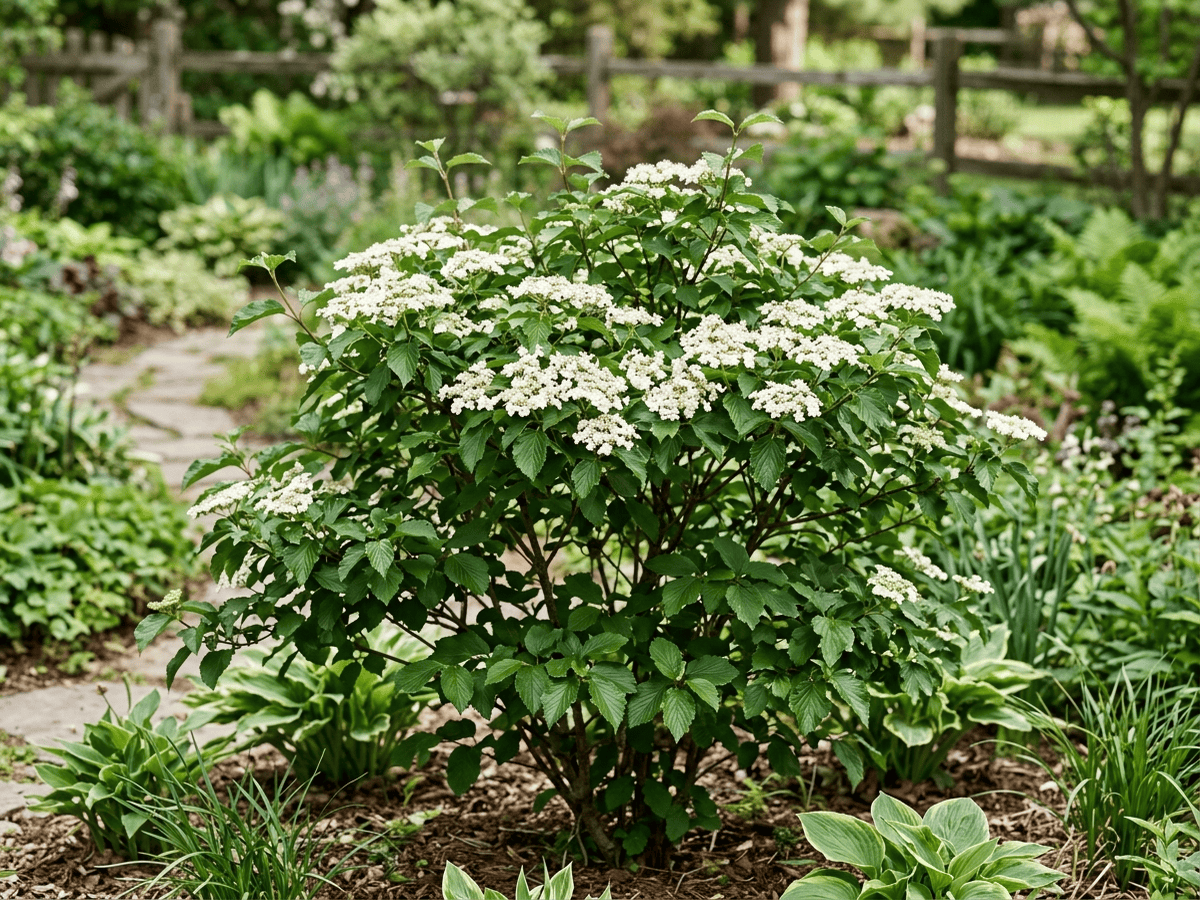 Southern ArrowwoodViburnum dentatum
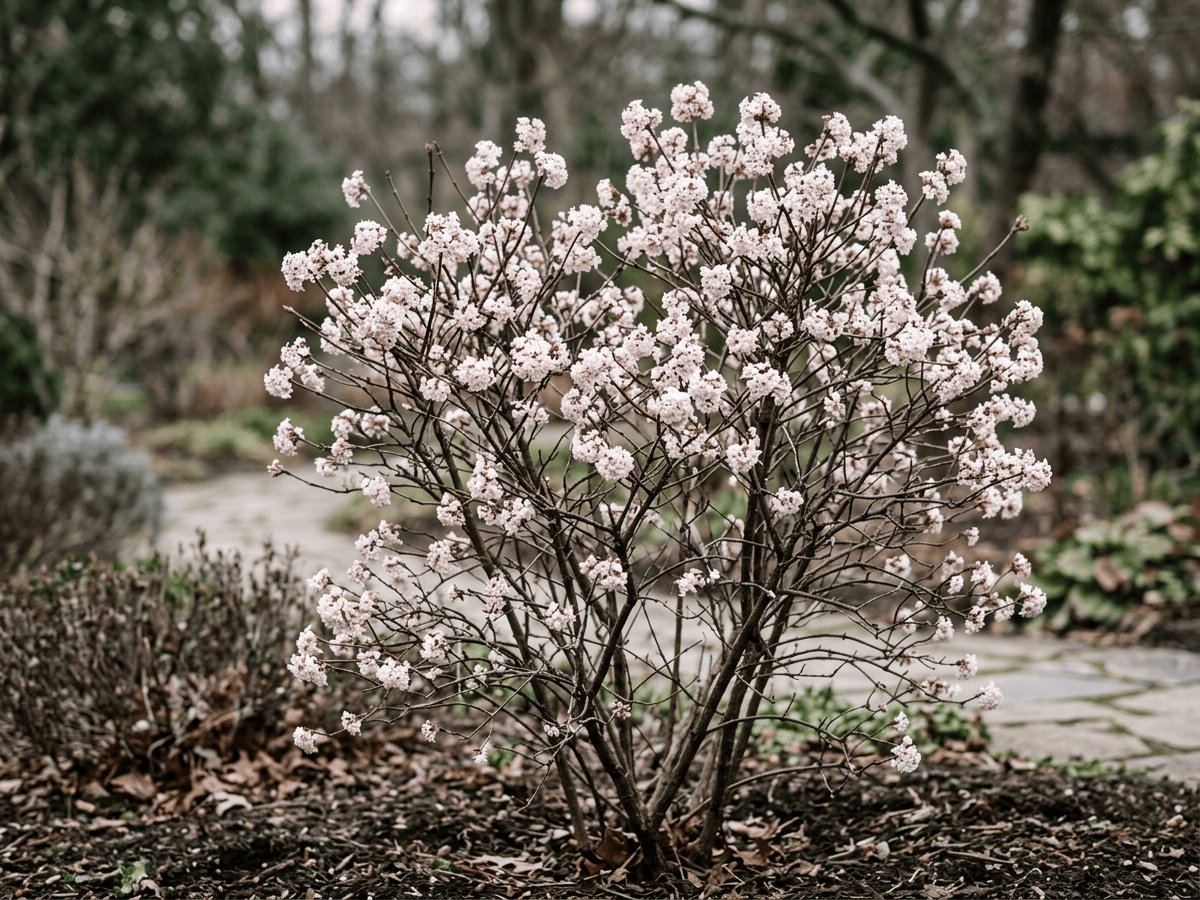 Fragrant ViburnumViburnum farreri
Plants with similar care
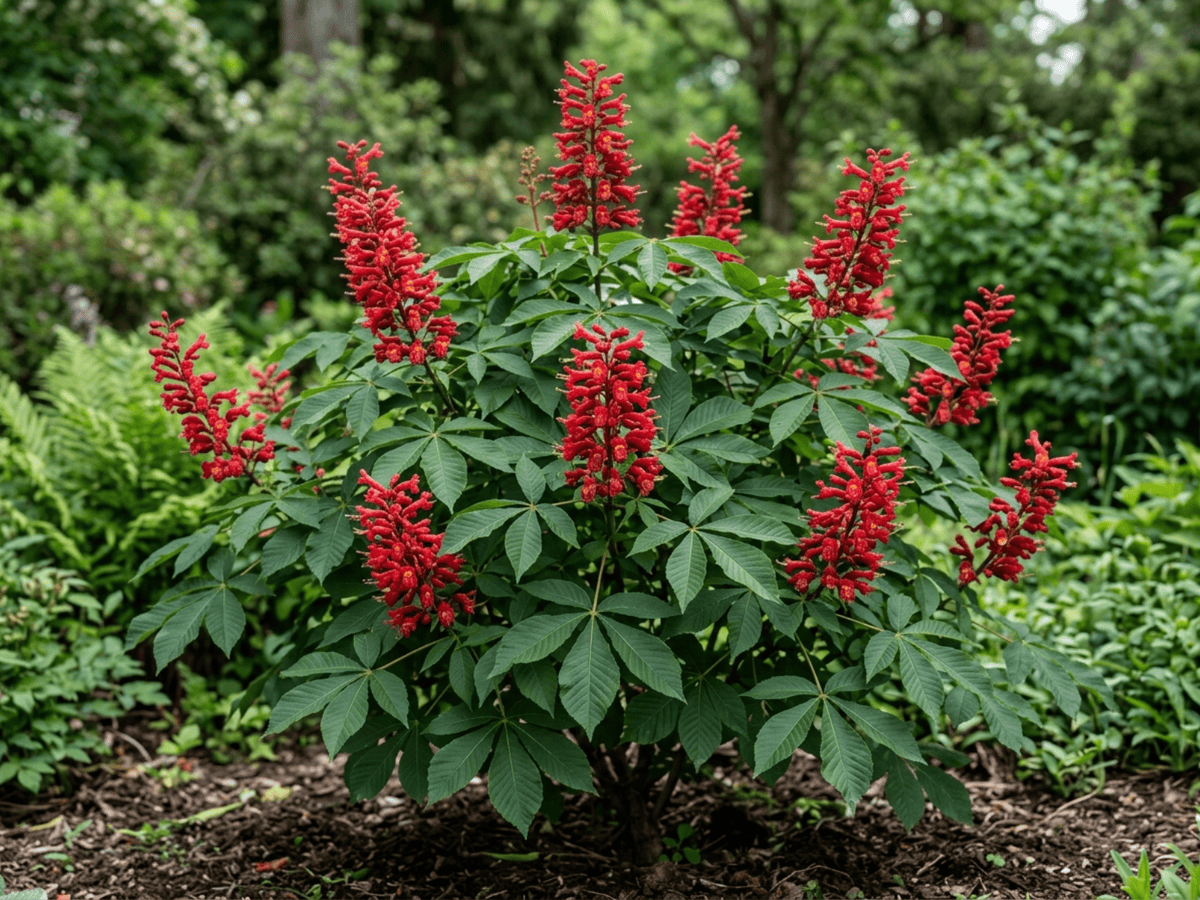 Red BuckeyeAesculus pavia
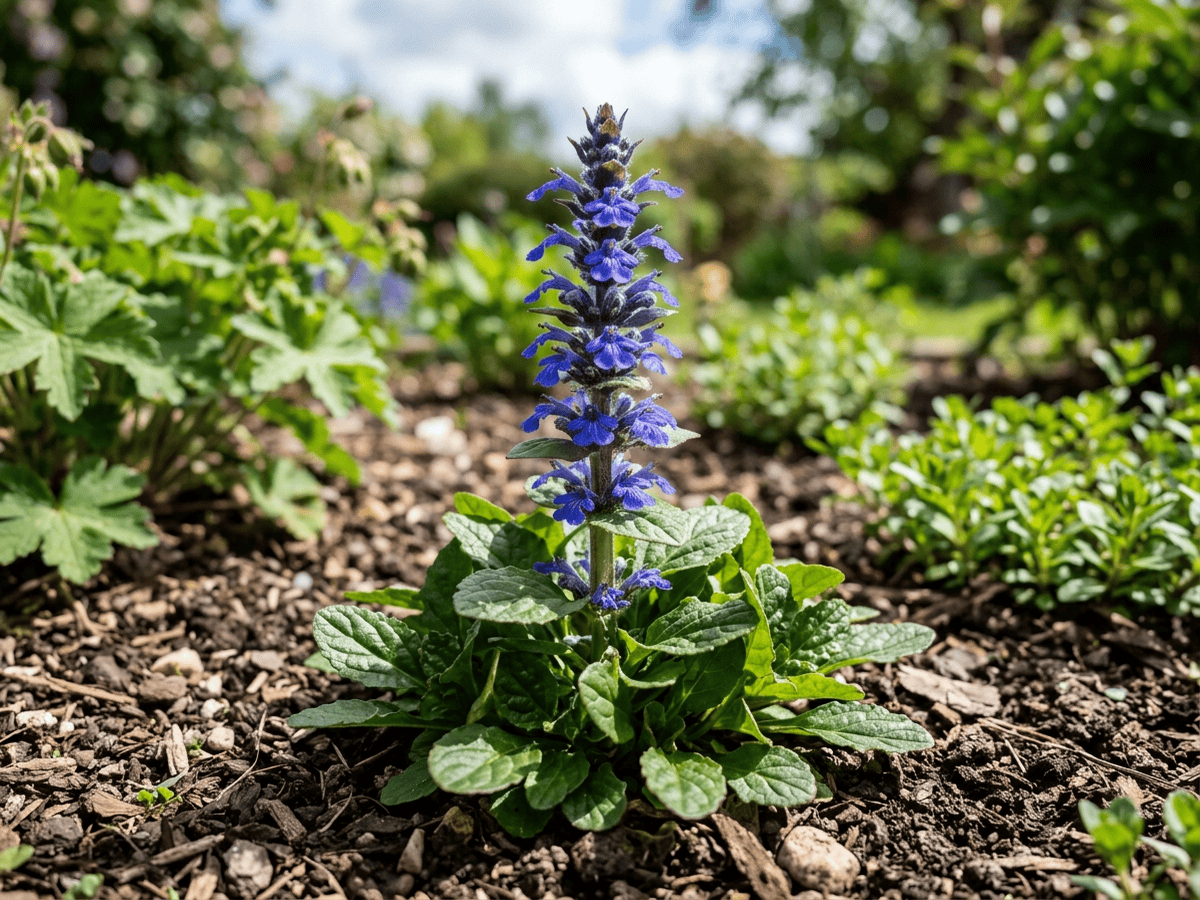 Blue BugleAjuga genevensis
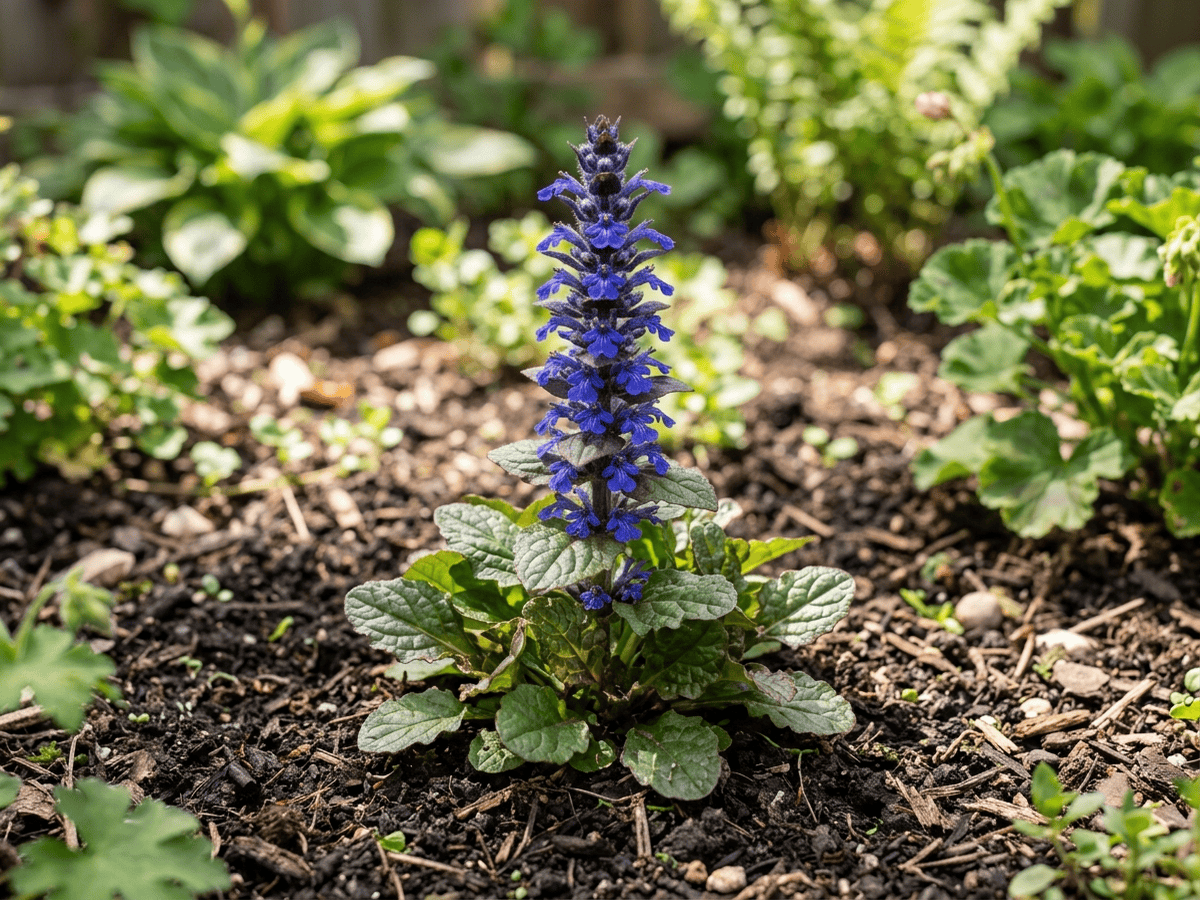 Pyramidal BugleAjuga pyramidalis
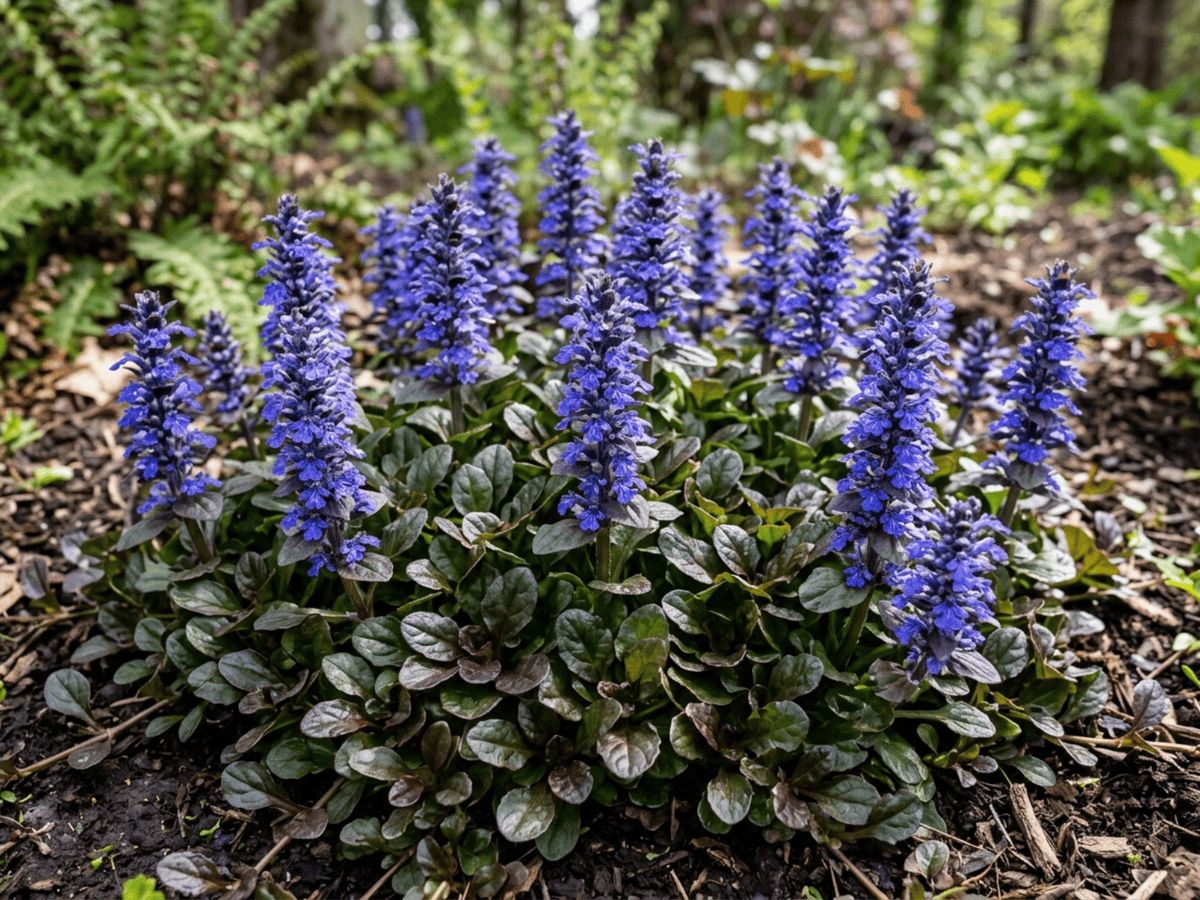 Carpet BugleAjuga reptans
Frequently asked questions
How often should I water Guelder-Rose?
In summer, water about every 4 days; in winter, about every 30 days. Adjust for heat, pot size and drainage.
How much light does Guelder-Rose need?
Part shade: 2–4 hrs direct. Watch the leaves — scorching or stretching means the light needs adjusting.
Is Guelder-Rose toxic to cats or dogs?
Pets Slight (Dogs Slight · Cats Slight) Educational information, not medical or veterinary advice. If exposure is suspected, contact a doctor or veterinarian.
Is Guelder-Rose easy to grow?
Yes — it is considered an easy, beginner-friendly plant.
When does Guelder-Rose bloom?
It typically blooms Mar–May in the Northern Hemisphere.
YardMate
Identify any plant in seconds
Snap a photo — YardMate names the plant, diagnoses problems, and reminds you when to water.
Download on the App Store