 YardMate
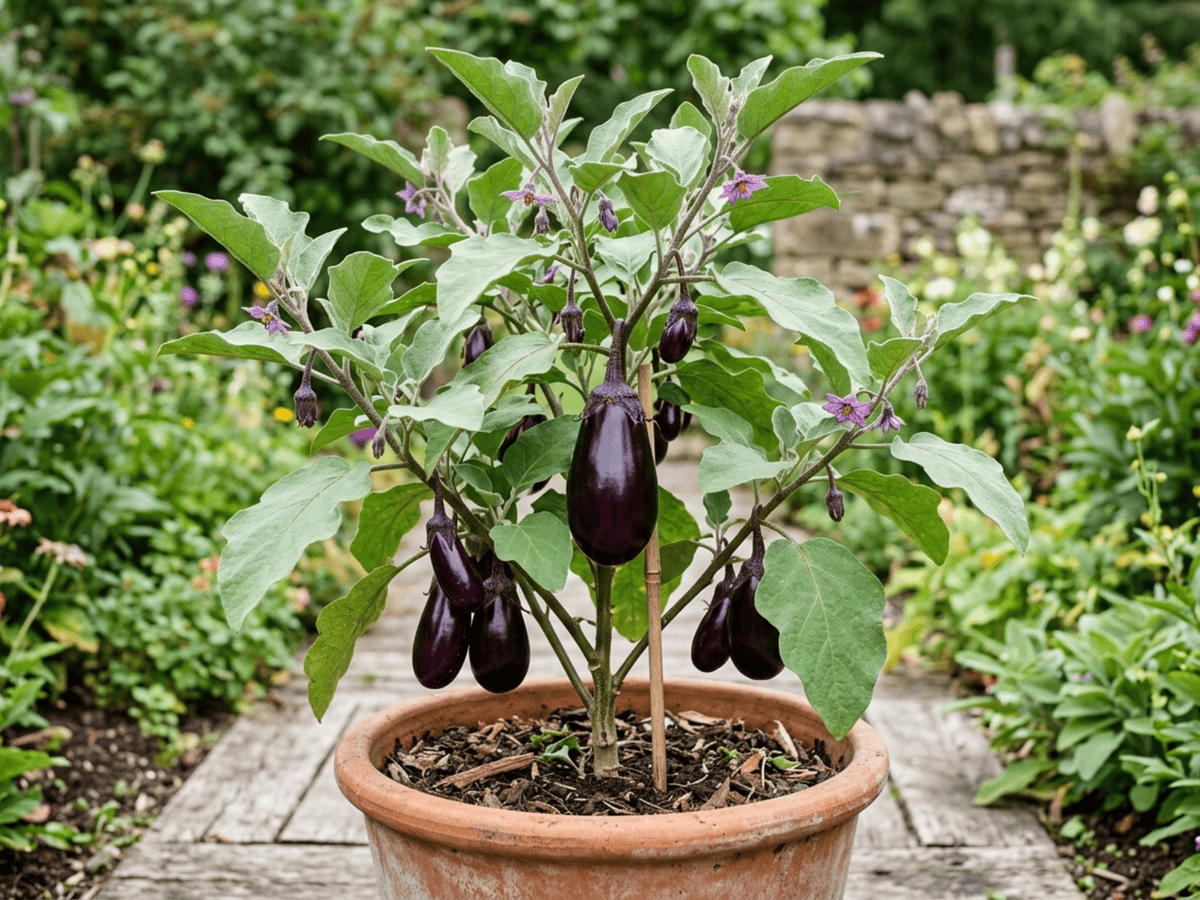


Aji Pepper
Capsicum chinense
Hard · Experienced growersAbout Aji Pepper
Capsicum chinense is a species of chilli pepper in the Solanaceae family, native to the Yucatán Peninsula and Caribbean basin—not China, despite the misleading epithet. This species includes some of the world's hottest peppers: the Carolina Reaper, Trinidad Moruga Scorpion, Scotch Bonnet, and Habanero, ranging from 100,000 to over 2 million Scoville heat units.
Plants grow 40–80 cm tall as compact, branching bushes with slightly wrinkled, lantern-shaped fruit. They thrive in USDA zones 10–12 year-round, or as summer annuals in warmer temperate regions. Full sun, warm soil (above 18°C), and consistent moisture are essential. The species is notably slower to germinate and mature than C. annuum, often requiring 90–120 days to fruit. Starting seeds indoors 10–12 weeks before the last frost is recommended in temperate climates.
Habaneros and Scotch Bonnets are indispensable in Caribbean jerk seasoning, Yucatecan salsas, and West African stews. The intense heat comes from capsaicin concentrated in the placental tissue. Capsaicin is also used medicinally in topical pain creams. The superhot cultivars have spawned a global competitive hot-pepper culture, with growers vying for Guinness World Records.
- Edible
- Heat-tolerant
How to care for Aji Pepper
Watering
- Springevery 3 days
- Summerevery 2 days
- Fallevery 4 days
- Winterevery 7 days
Soil · Rich & well-draining
- Top dressingCompost10%
- Main mixPotting soil + compost 3:180%
- DrainageGravel10%
Top up the compost layer each season.
FERTILIZER
Balanced Feed 14-14-14
An even feed covers all three needs at once, keeping leaves, roots and blooms moving together with nothing pushed out of balance.
- Nitrogen · Leaves
- Phosphorus · Roots + Blooms
- Potassium · Strength
- Springevery 14 days
- Summerevery 14 days
- Fallevery 21 days
At a Glance
- NativeSouth America, Central America
- Height2–4 ft (0.6–1.2 m)
- Spread1–2 ft (0.3–0.6 m)
- Flower colorWhite, Green
- Foliage colorGreen
- Fruit colorOrange
- SoilLoamy, Well-drained, Rich
- LocationsYard · Indoor · Balcony
Bloom time
BLOOM CYCLE
Peak bloom
Jun–Aug
Small white flowers self-pollinate; warm temperatures (above 18°C night) are essential for fruit set.
Fragrance
MODERATE FRAGRANCE
Distinctive fruity-floral aroma unique to the species.
Toxicity
Humans Moderate · Pets Slight
capsaicin (very high concentration)
Moderate
- Fruit
- Contact
- Ingestion
EXPOSURE Touching fruit. Eating fruit.
EFFECT Extreme pungency, severe oral burning, stomach pain, and vomiting from super-hot varieties, and eye contact causes intense pain.
NOTE Super-hot varieties can cause hospitalization — do not consume ghost peppers or hotter in quantity.
Slight
- Fruit
- Ingestion
EXPOSURE Eating fruit.
EFFECT GI irritation.
NOTE Super-hot varieties can cause hospitalization — do not consume ghost peppers or hotter in quantity.
Slight
- Fruit
- Ingestion
EXPOSURE Eating fruit.
EFFECT GI irritation.
NOTE Super-hot varieties can cause hospitalization — do not consume ghost peppers or hotter in quantity.
Educational information, not medical or veterinary advice. If exposure is suspected, contact a doctor or veterinarian.
DISTRIBUTION


- Native
- Introduced
- South America
- Central America
History
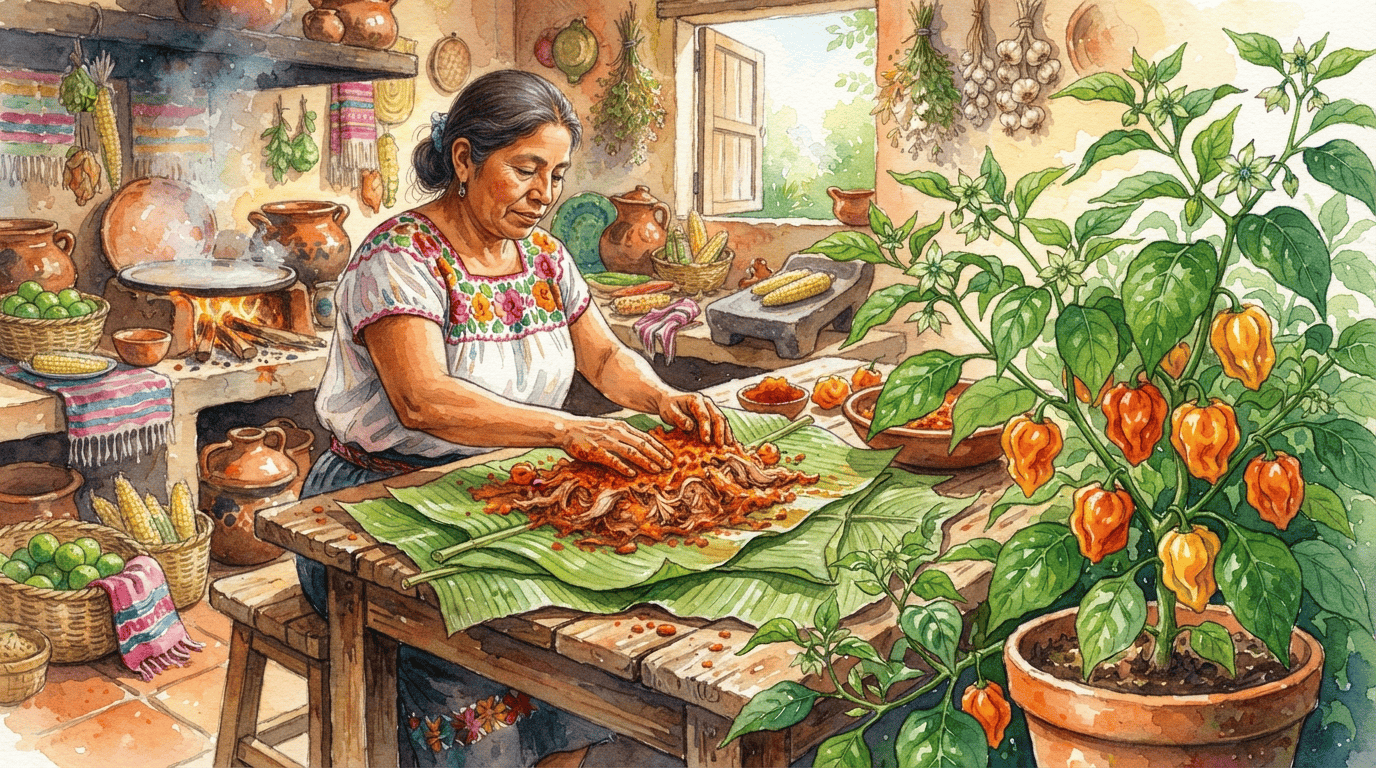
Capsicum chinense was misnamed by Dutch botanist Nikolaus Joseph von Jacquin in 1776, who mistakenly believed the specimens he examined came from China; they were actually from the Caribbean, and genetic and archaeological evidence places the species' origin in the Amazon basin of South America, with secondary diversification across the Caribbean. The species has been cultivated for at least 7,000 years. It includes most of the world's hottest pepper cultivars — habanero, Scotch bonnet, ghost pepper (bhut jolokia), Trinidad moruga scorpion, and the Carolina Reaper (over 2 million Scoville units, bred by South Carolinian Ed Currie and certified by Guinness in 2013).
Despite the extreme heat, the fruit has a distinctive fruity-floral aroma that makes it central to Caribbean and Yucatán Mayan cuisines — habanero is the defining pepper of Yucatán cochinita pibil, Jamaican jerk, and Bahamian Scotch bonnet sauces. Modern capsaicin extraction supplies pharmaceutical pain-relief creams and pepper spray.
The habanero has been central to Yucatecan cuisine for millennia, and the 21st-century superhot movement has turned pepper growing into a global sport.
Symbolism & meaning
What It Symbolizes
The Aji Pepper embodies intensity, its extreme heat representing passion, fire, and a willingness to live at full volume. As the species behind the world's superhot peppers, it also speaks to challenge, the human desire to test limits and push past comfortable boundaries. It is often read as a flower of those who refuse moderation, a small fruit holding more conviction than most gardens dare grow.
- Intensity — The extreme heat of this species represents passion, fire, and living life at full volume
- Challenge — Superhot peppers symbolize the human desire to test limits and push boundaries
Where the Name Comes From
Capsicum from Greek 'kapto' (to bite/gulp); 'chinense' is a misnomer — Jacquin believed the species originated in China, but it is entirely New World in origin.
Uses & Fun Facts
- Superhot peppers fuel hot sauces and Caribbean cuisine
- Capsaicin extracted for topical pain-relief preparations
- Compact hot pepper plants thrive in patio pots
Related plants
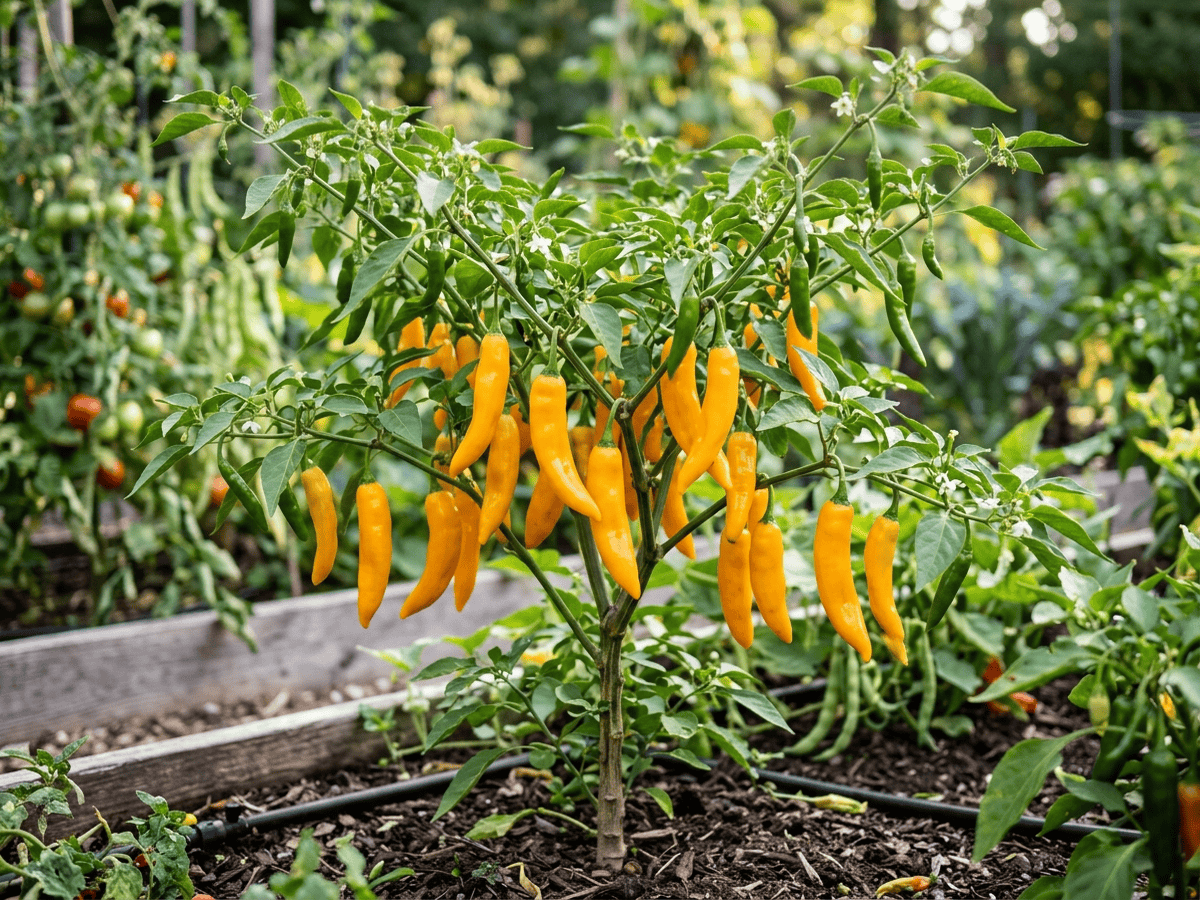
More Capsicum plants


Plants with similar care
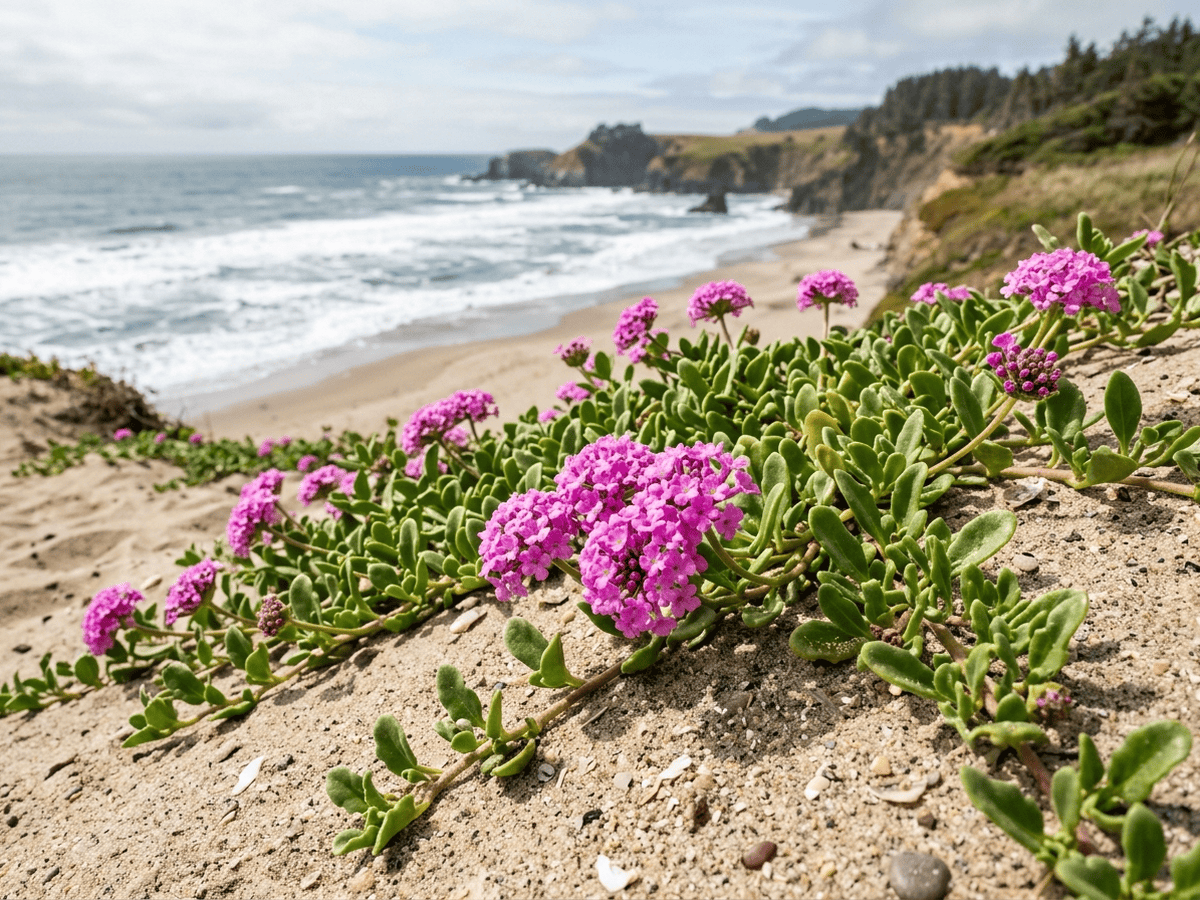 Pink Sand VerbenaAbronia umbellata
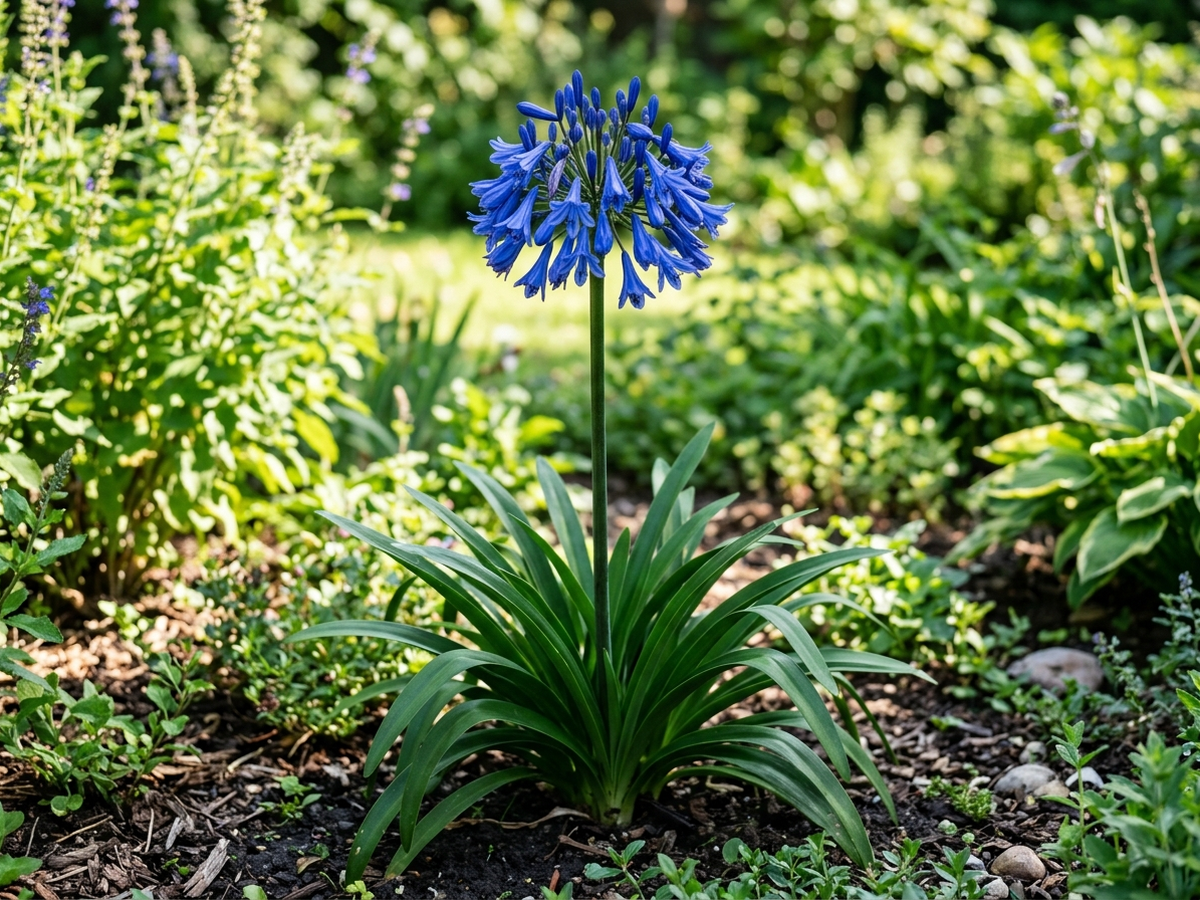 Drooping AgapanthusAgapanthus inapertus
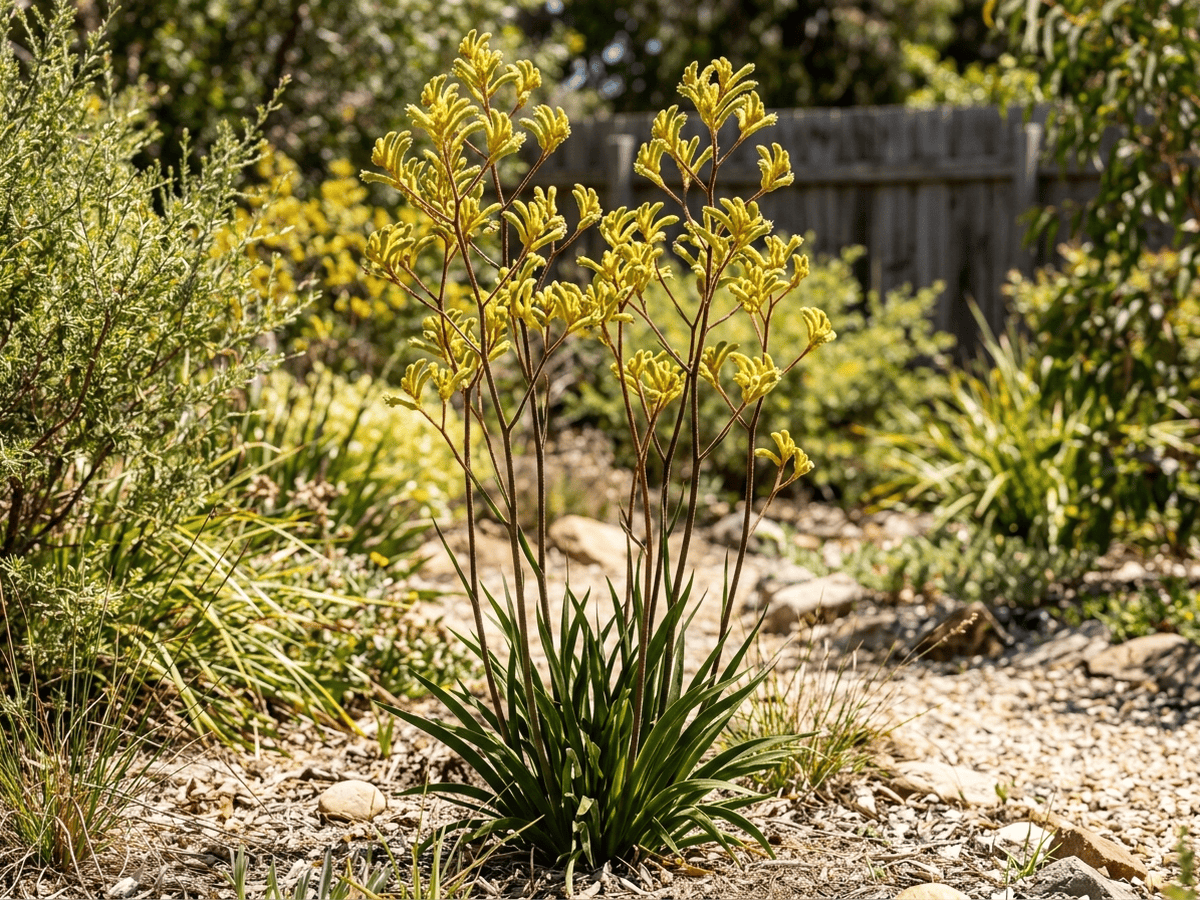 Tall Kangaroo PawAnigozanthos flavidus
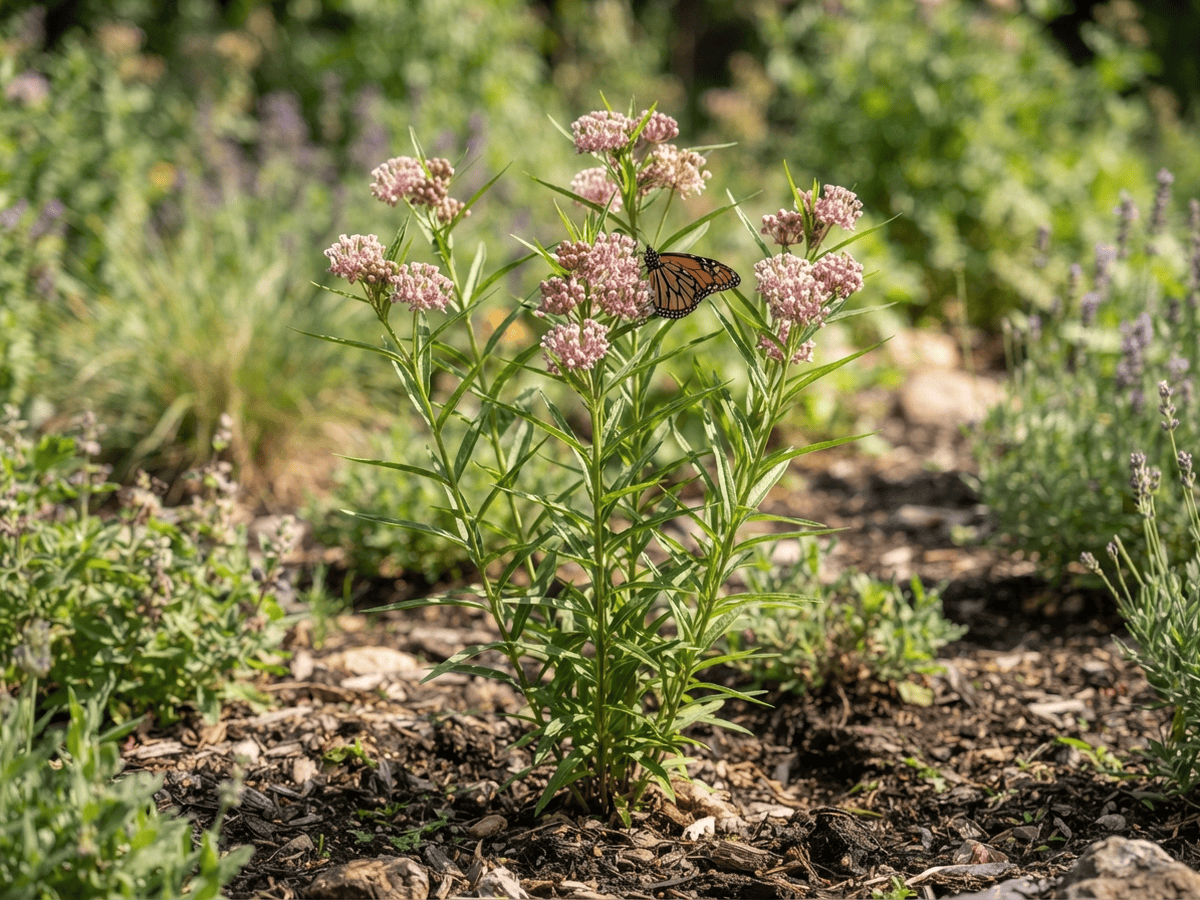 Narrowleaf MilkweedAsclepias fascicularis
Frequently asked questions
How often should I water Aji Pepper?
In summer, water about every 2 days; in winter, about every 7 days. Adjust for heat, pot size and drainage.
How much light does Aji Pepper need?
Full sun: 6+ hrs direct. Watch the leaves — scorching or stretching means the light needs adjusting.
Is Aji Pepper toxic to cats or dogs?
Pets Slight (Dogs Slight · Cats Slight) Educational information, not medical or veterinary advice. If exposure is suspected, contact a doctor or veterinarian.
Is Aji Pepper easy to grow?
It is considered challenging and rewards experienced growers.
Can Aji Pepper be grown indoors?
Yes, it adapts well to indoor growing given the right light.
When does Aji Pepper bloom?
It typically blooms Jun–Aug in the Northern Hemisphere.
YardMate
Identify any plant in seconds
Snap a photo — YardMate names the plant, diagnoses problems, and reminds you when to water.
Download on the App Store