 YardMate


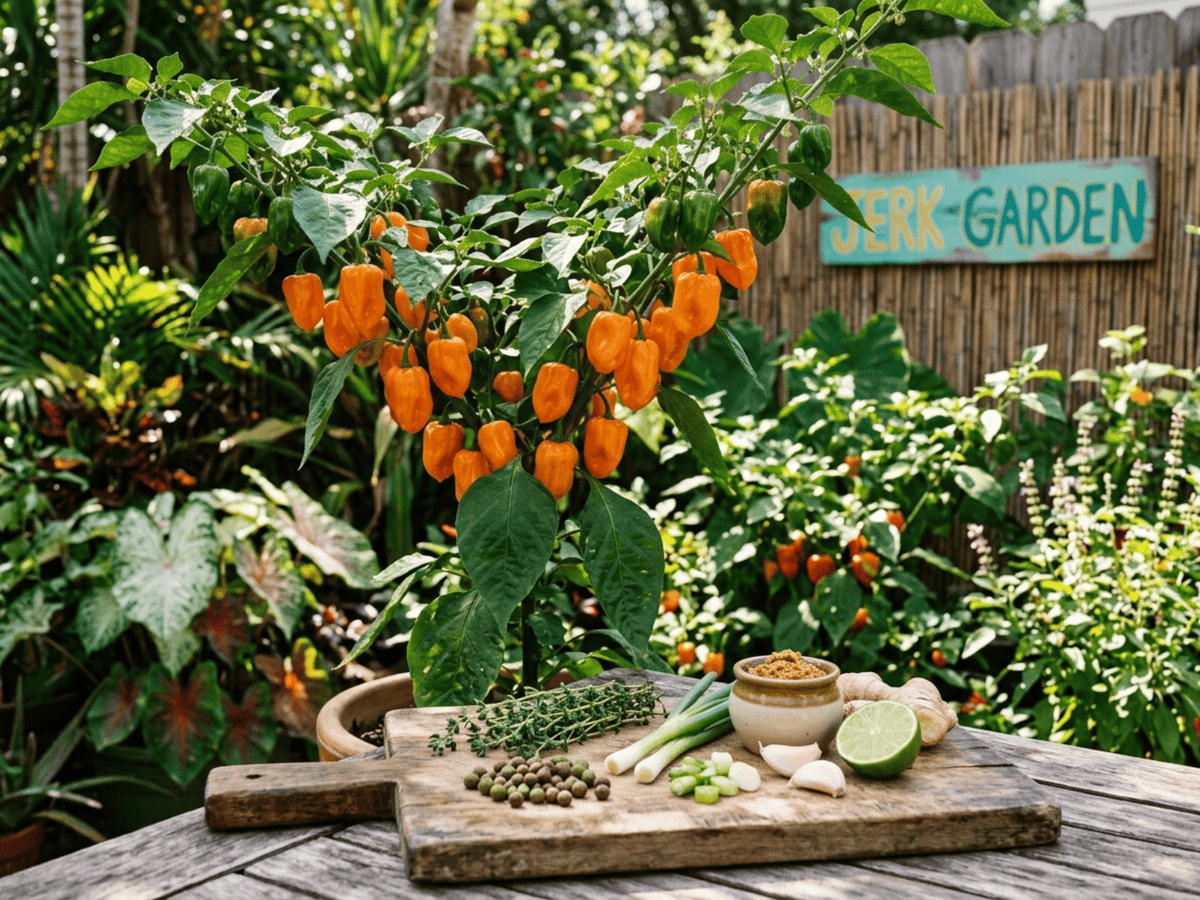
Chili Pepper
Capsicum annuum
Medium · Some experienceAbout Chili Pepper
Capsicum annuum is the astonishing species behind sweet bell peppers, paprika, jalapenos, cayenne, and many other familiar peppers. Native to Mexico and cultivated for thousands of years, it ranges from completely sweet to fiery, with heat measured in Scoville units. Plants grow 30-90 cm and need warmth, sun, and a long frost-free season. Capsaicin, concentrated mostly in the pale inner ribs rather than the seeds, creates the burning sensation that made chile peppers central to cuisines from Mexico to India, Hungary, Korea, and the American Southwest. Beyond heat, the species offers fruit colors from green to red, yellow, orange, purple, and near-black.
- Edible
- Heat-tolerant
How to care for Chili Pepper
Watering
- Springevery 3 days
- Summerevery 2 days
- Fallevery 4 days
- Winterevery 7 days
Soil · Rich & well-draining
- Top dressingCompost10%
- Main mixPotting soil + compost 3:180%
- DrainageGravel10%
Top up the compost layer each season.
FERTILIZER
Bloom Booster 10-52-10
A phosphorus-forward feed fuels abundant blooms, with just enough nitrogen and potassium to keep foliage and roots steady.
- Nitrogen · Leaves
- Phosphorus · Roots + Blooms
- Potassium · Strength
- Springevery 14 days
- Summerevery 14 days
- Fallevery 21 days
At a Glance
- NativeNorth America
- Height1–3 ft (0.3–0.9 m)
- Spread1–2 ft (0.3–0.6 m)
- Flower colorWhite
- Foliage colorGreen
- Fruit colorRed, Green, Yellow, Orange
- SoilLoamy, Well-drained, Rich
- LocationsYard · Balcony
Bloom time
BLOOM CYCLE
Peak bloom
Jun–Aug
Small white flowers; fruit in 60–90 days; needs warm soil to thrive
Fragrance
LIGHT FRAGRANCE
The foliage has a mild Solanaceae foliage aroma.
Toxicity
Humans Slight · Pets Slight
capsaicin and solanine (in foliage)
Slight
- Fruit
- Contact
- Ingestion
EXPOSURE Touching fruit. Eating fruit.
EFFECT Burning sensation from capsaicin and irritation to eyes/skin from hot varieties.
NOTE Documented concern for humans: Burning sensation from capsaicin and irritation to eyes/skin from hot varieties.
Slight
- Fruit
- Ingestion
EXPOSURE Eating fruit.
EFFECT GI irritation and aSPCA notes plant foliage is toxic.
NOTE Ripe fruit safe for humans; foliage mildly toxic per ASPCA.
Slight
- Fruit
- Ingestion
EXPOSURE Eating fruit.
EFFECT GI irritation.
NOTE Ripe fruit safe for humans; foliage mildly toxic per ASPCA.
Educational information, not medical or veterinary advice. If exposure is suspected, contact a doctor or veterinarian.
DISTRIBUTION

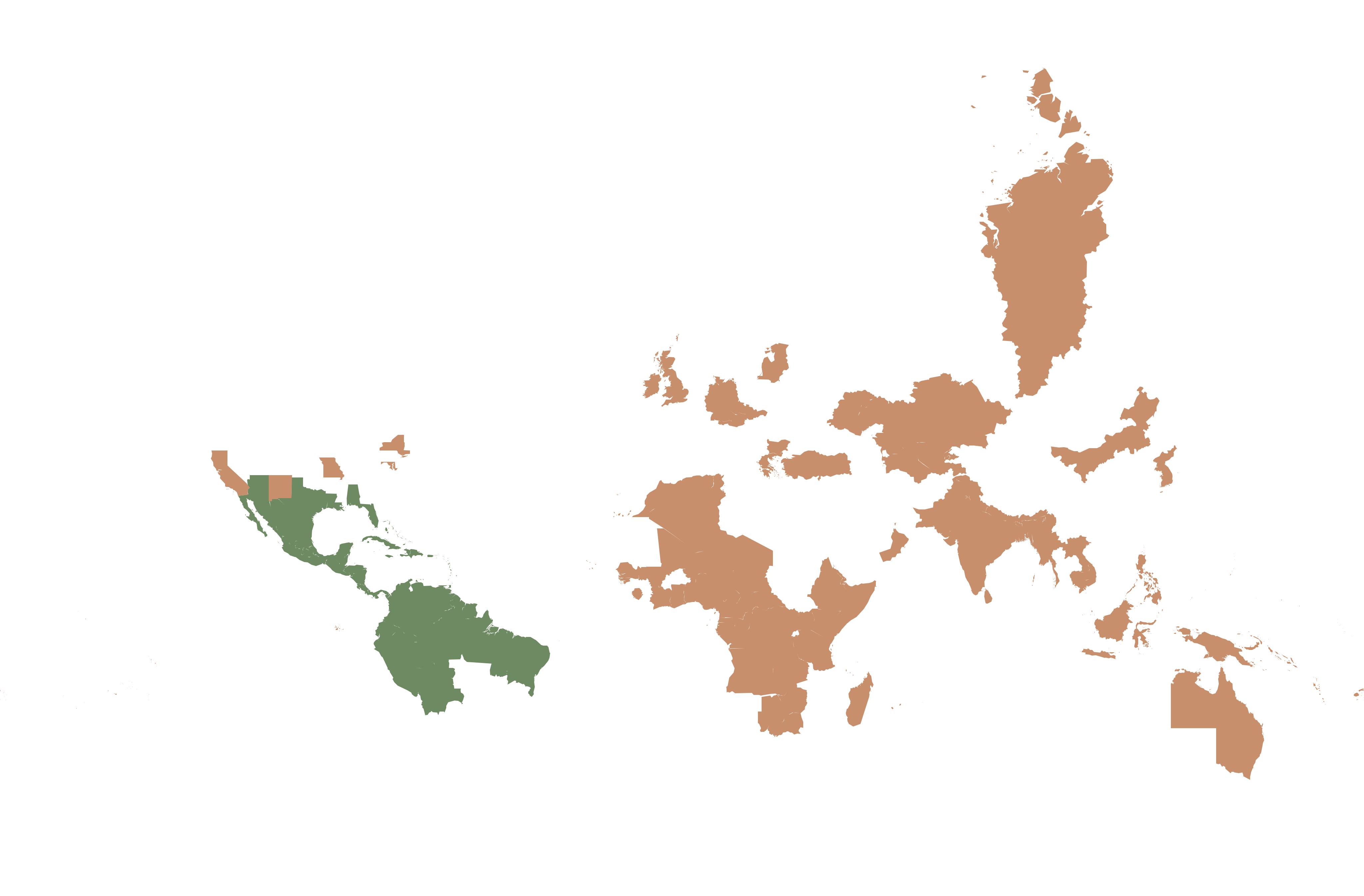
- Native
- Introduced
- North America
History
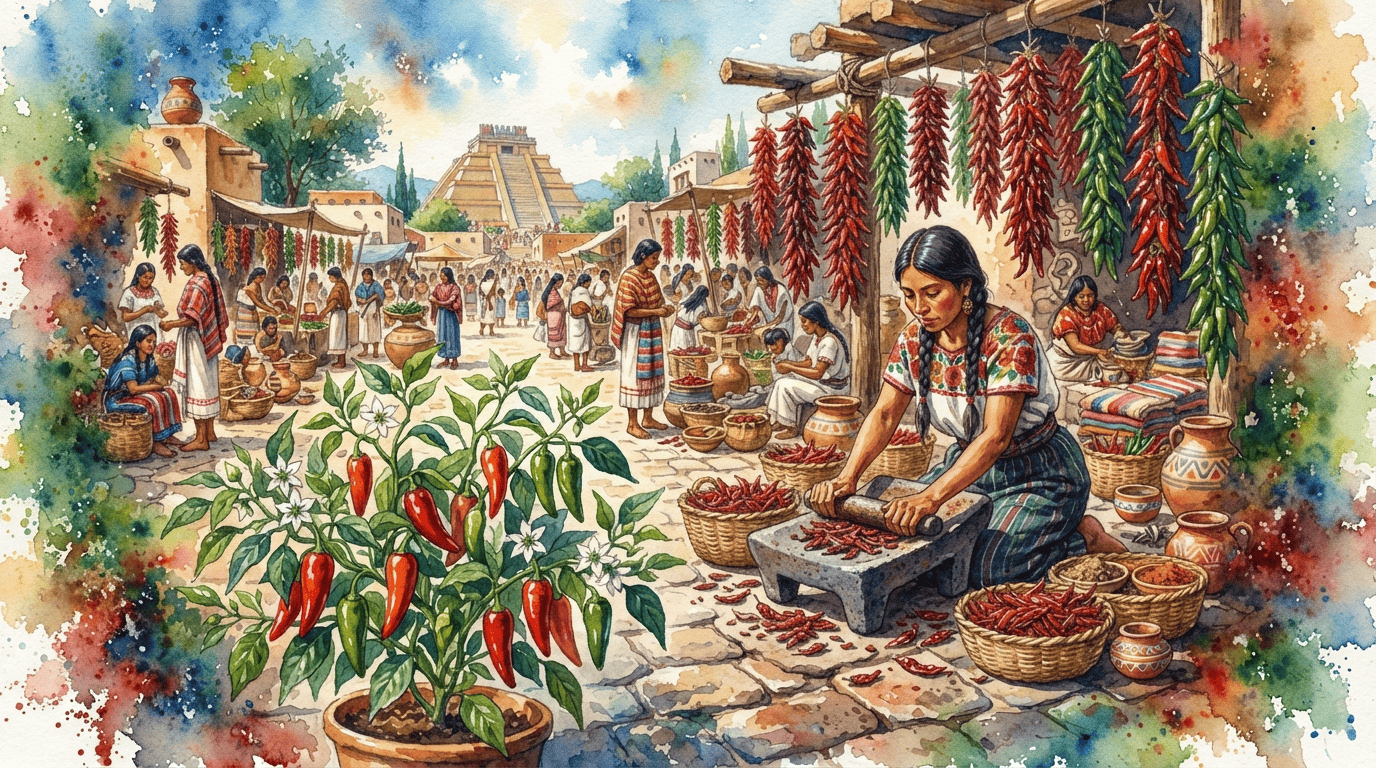
Capsicum annuum was first domesticated in central Mexico at least 6,000 years ago — archaeological evidence from Tehuacán Valley in Puebla records Capsicum use and cultivation. It was a staple of Aztec and Maya cuisine. Columbus carried Capsicum seeds back to Europe in 1493 on his first return voyage. Within 150 years of this introduction, Capsicum had transformed cuisines across three continents: Portuguese traders brought it to India and coastal Africa by the 1520s, and from India it spread to Southeast Asia, to Korea via Japan in the 16th-17th centuries, and to southwestern China (Sichuan, Hunan, Guizhou) in the Ming-Qing transition.
Hungarian cuisine's signature paprika derives from Capsicum annuum varieties imported via Ottoman Turkish routes in the 16th-17th centuries. Today C. annuum encompasses bell peppers, paprika peppers, cayenne, jalapeño, serrano, poblano, ancho, and many others. Pungency is measured by capsaicin content on the Scoville scale.
Columbus brought peppers from the Caribbean to Spain in 1493, and within 50 years they had spread across the entire Old World — the fastest adoption of any New World crop. Portuguese traders carried them to India, Africa, and Southeast Asia, where they became so integral to local cuisines that many people don't realize they're not native. Capsaicin evolved as a bird-dispersal mechanism — mammals feel the burn, but birds are immune, eating peppers and spreading seeds widely. Capsaicin cream is FDA-approved for neuropathic pain relief, and research shows it may boost metabolism and reduce appetite.
Symbolism & meaning
What It Symbolizes
The Chili Pepper is the spice of life made botanical, ranging from sweetly mild bell to scorching ghost within a single domesticated species. Carried from the Americas across the world by sixteenth-century traders, it now defines cuisines from Sichuan to West Africa. The chili signals diversity and bold living — the pleasure of intensity, and the conviction that flavor, like life itself, deserves to be felt.
- Spice of life — From zero to inferno heat in one species — representing diversity and bold living
Where the Name Comes From
Capsicum possibly from Greek 'kapto' (to bite) or Latin 'capsa' (box), for the hollow fruit. Annuum means 'annual,' though it can be perennial in the tropics.
Uses & Fun Facts
- Fruits bring heat, color, and depth to sauces, pickles, and stews
Related plants
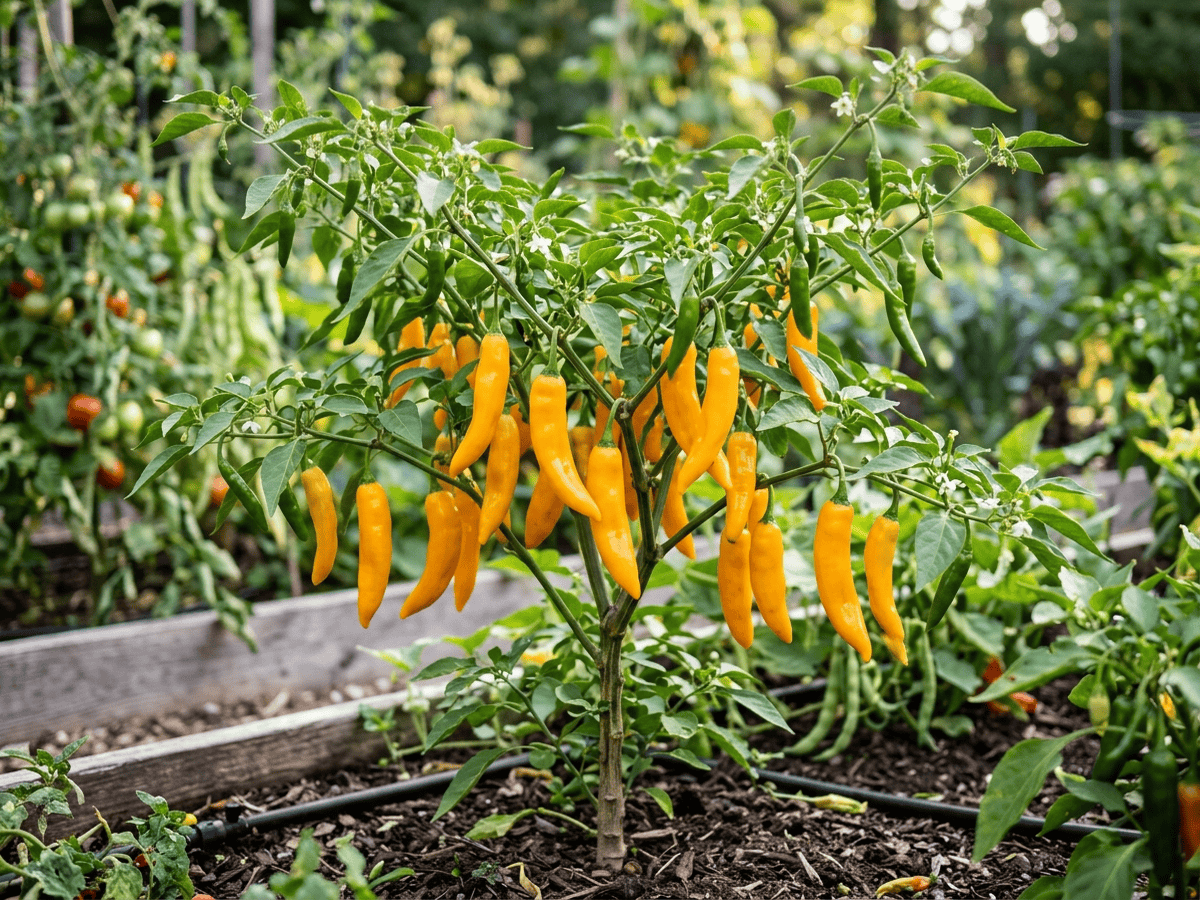
More Capsicum plants
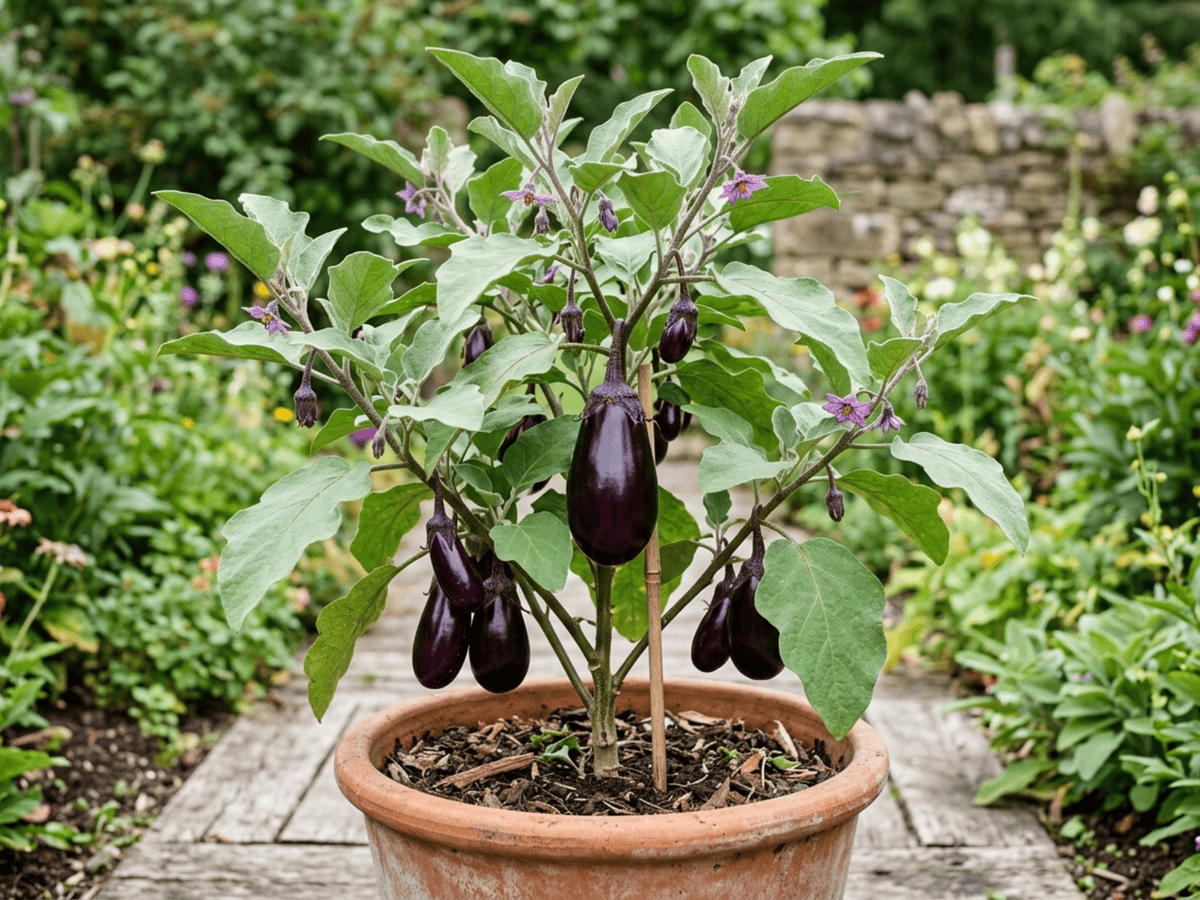

Plants with similar care
 Mexican AbeliaAbelia floribunda
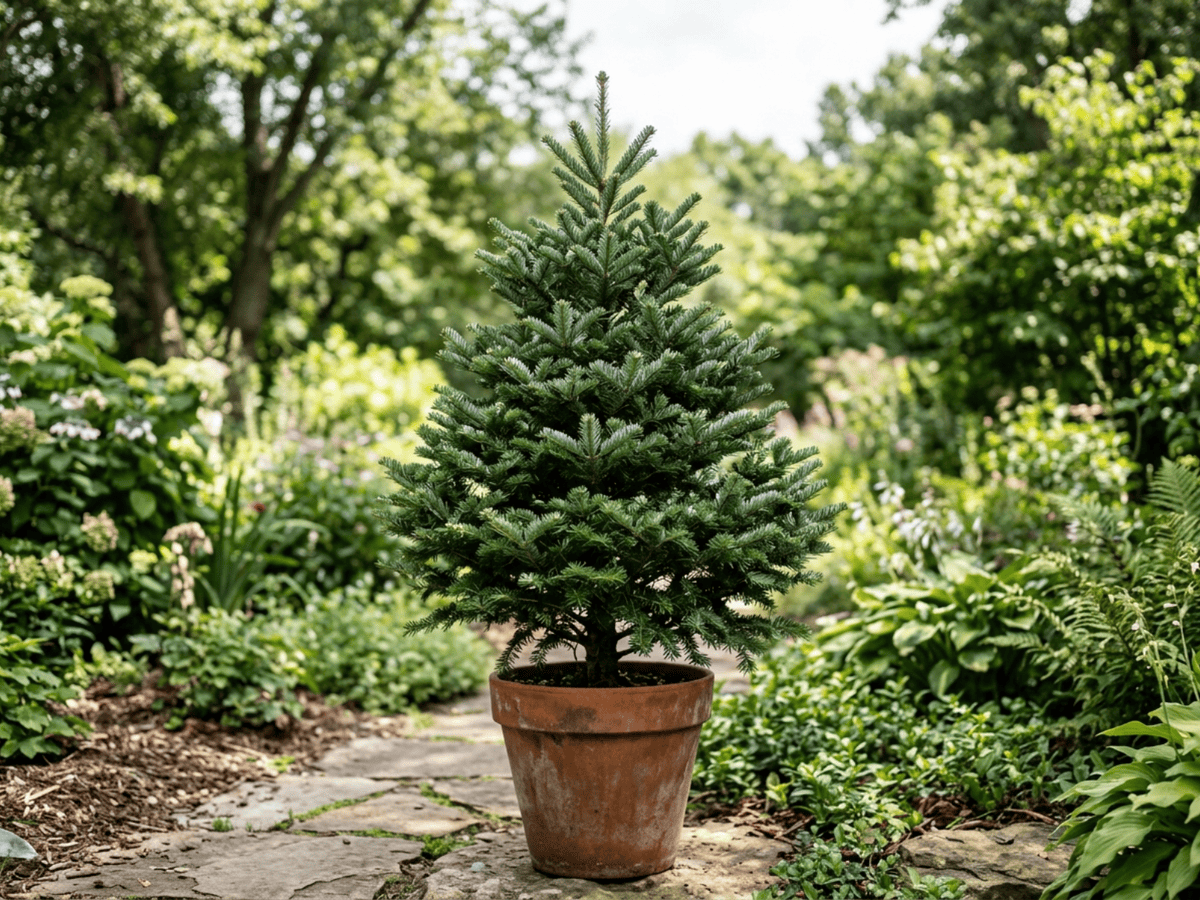 Fraser FirAbies fraseri
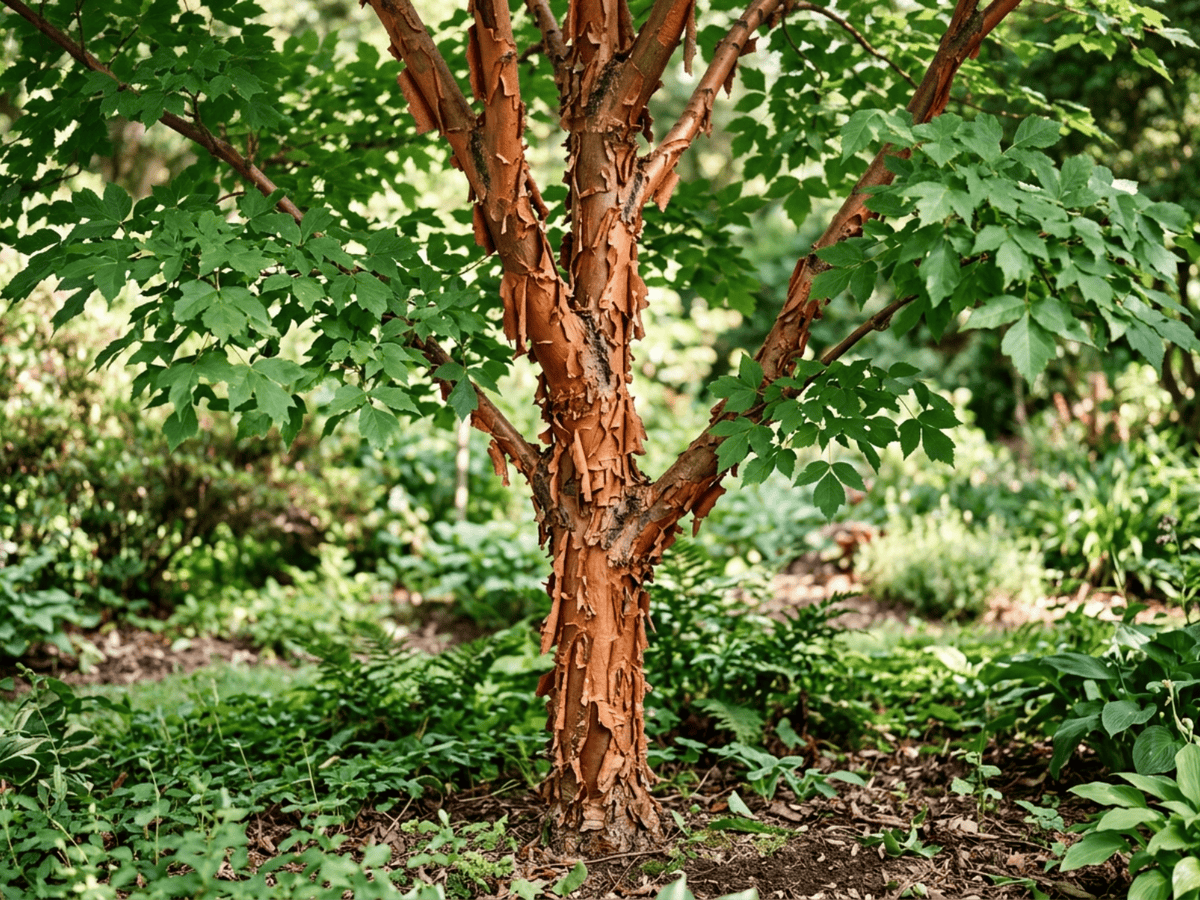 Paperbark MapleAcer griseum
 Sugar MapleAcer saccharum
Frequently asked questions
How often should I water Chili Pepper?
In summer, water about every 2 days; in winter, about every 7 days. Adjust for heat, pot size and drainage.
How much light does Chili Pepper need?
Full sun: 6+ hrs direct. Watch the leaves — scorching or stretching means the light needs adjusting.
Is Chili Pepper toxic to cats or dogs?
Pets Slight (Dogs Slight · Cats Slight) Educational information, not medical or veterinary advice. If exposure is suspected, contact a doctor or veterinarian.
Is Chili Pepper easy to grow?
It is moderately demanding: a good choice once you have a little experience.
When does Chili Pepper bloom?
It typically blooms Jun–Aug in the Northern Hemisphere.
YardMate
Identify any plant in seconds
Snap a photo — YardMate names the plant, diagnoses problems, and reminds you when to water.
Download on the App Store