 YardMate


Rocoto
Capsicum pubescens
Hard · Experienced growersAbout Rocoto
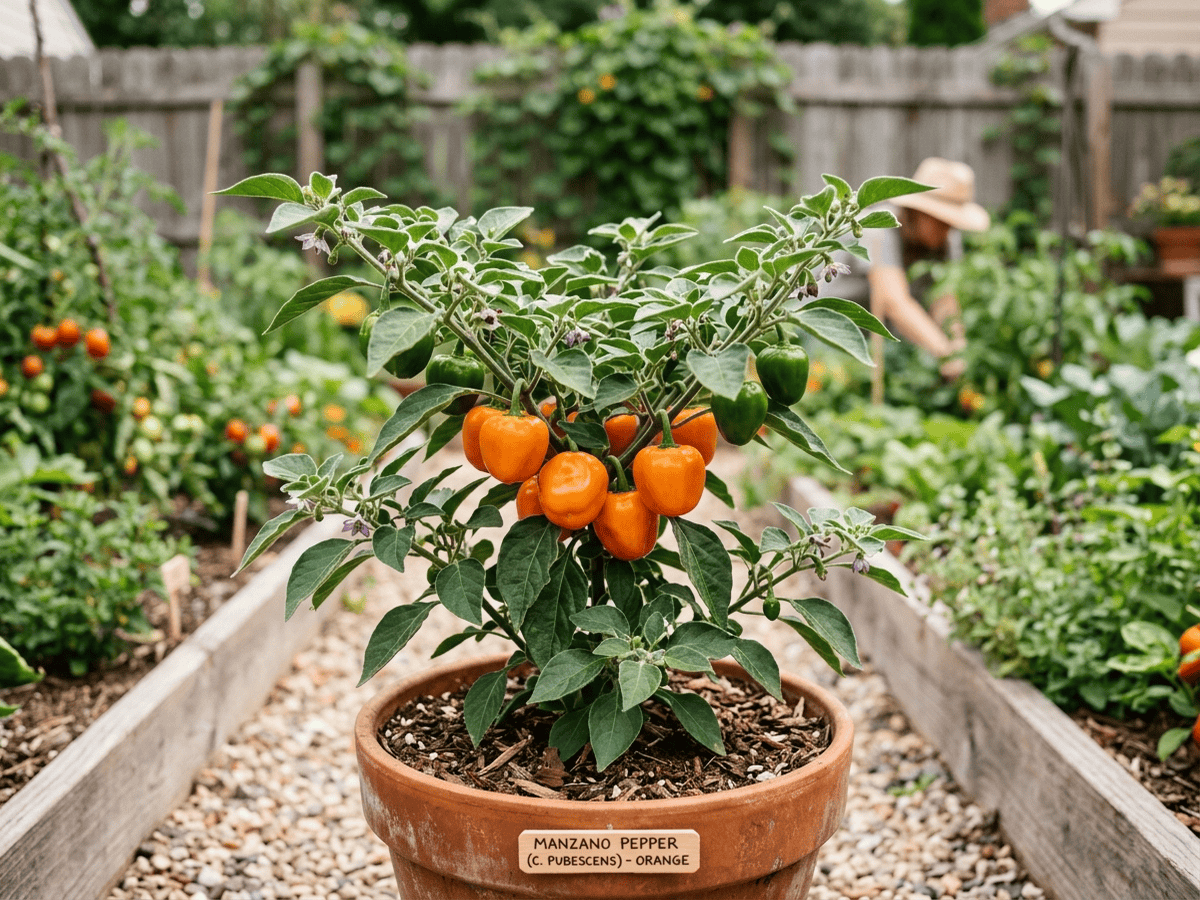
Rocoto Pepper or Manzano Pepper is a unique South American chili reaching 3-6 feet tall, with distinctive purple flowers, fuzzy leaves, and round apple-shaped peppers containing black seeds—a unique trait among Capsicum species. Native to the Andes at high elevations, it tolerates cooler temperatures than other peppers but is also slow to ripen. Very hot with a fruity flavor. Grown by specialty pepper enthusiasts in America for its unique appearance and authenticity in Peruvian and Mexican cooking.
- Edible
How to care for Rocoto
Watering
- Springevery 5 days
- Summerevery 5 days
- Fallevery 7 days
- Winterevery 14 days
Soil · Rich & well-draining
- Top dressingCompost10%
- Main mixPotting soil + compost 3:180%
- DrainageGravel10%
Top up the compost layer each season.
FERTILIZER
Balanced Feed 14-14-14
An even feed covers all three needs at once, keeping leaves, roots and blooms moving together with nothing pushed out of balance.
- Nitrogen · Leaves
- Phosphorus · Roots + Blooms
- Potassium · Strength
- Springevery 30 days
- Summerevery 30 days
At a Glance
- NativeSouth America
- Height4–8 ft (1.2–2.4 m)
- Spread3–5 ft (0.9–1.5 m)
- Flower colorPurple
- Foliage colorGreen
- Fruit colorRed, Yellow, Orange
- SoilLoamy, Well-drained, Rich
- LocationsYard · Balcony
Bloom time
BLOOM CYCLE
Peak bloom
Jun–Aug
Distinctive purple flowers in summer
Toxicity
Humans Slight · Pets Moderate
capsaicin and dihydrocapsaicin
Slight
- Fruit
- Contact
- Ingestion
EXPOSURE Touching fruit. Eating fruit.
EFFECT Burning sensation.
NOTE Capsaicin irritating to pets. Culinary-safe for humans.
Moderate
- Fruit
- Leaf
- Ingestion
EXPOSURE Eating fruit and leaves.
EFFECT Oral burning and vomiting.
NOTE Capsaicin irritating to pets. Culinary-safe for humans.
Moderate
- Fruit
- Leaf
- Ingestion
EXPOSURE Eating fruit and leaves.
EFFECT Oral burning and vomiting.
NOTE Capsaicin irritating to pets. Culinary-safe for humans.
Educational information, not medical or veterinary advice. If exposure is suspected, contact a doctor or veterinarian.
DISTRIBUTION


- Native
- Introduced
- South America
History
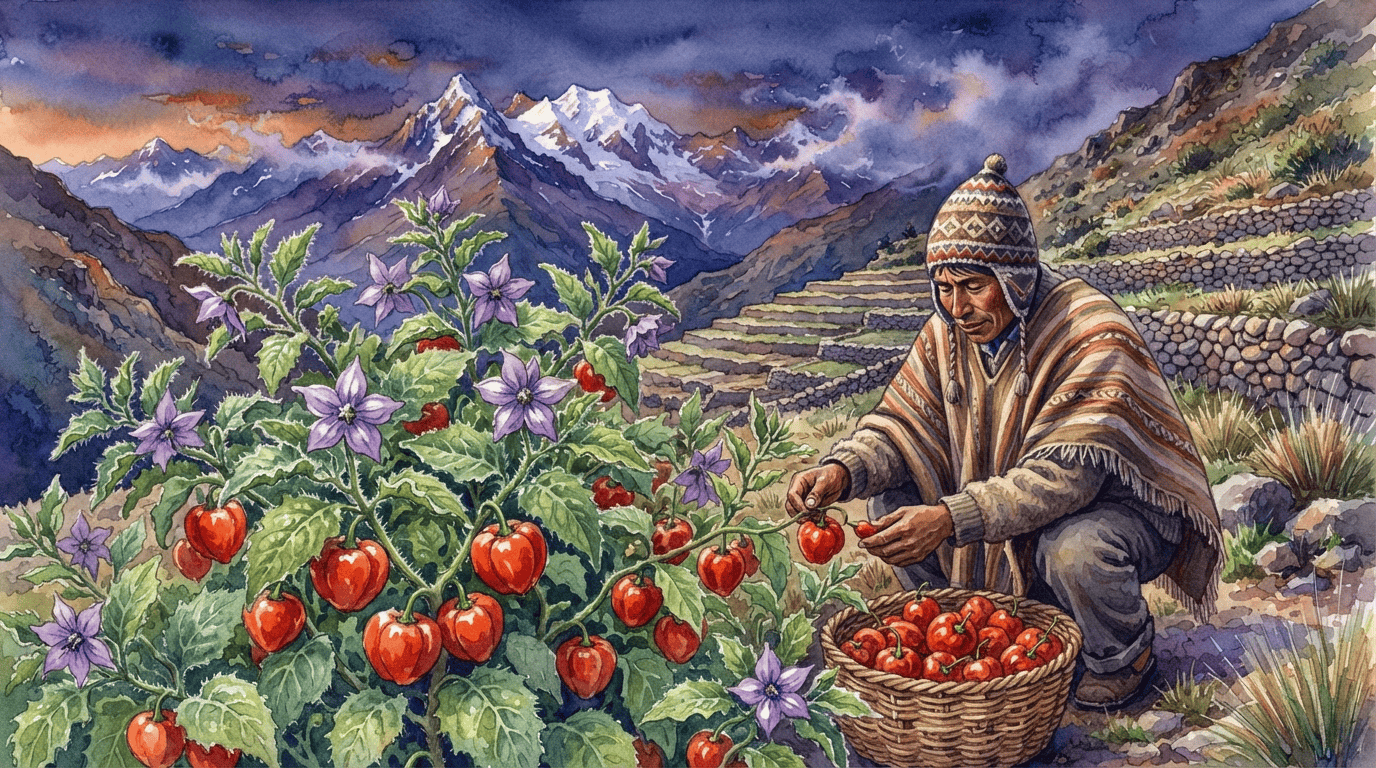
Capsicum pubescens, commonly called rocoto in Peru and Bolivia, locoto in Argentina, or manzano (apple) or chile peron in Mexico, is one of the five domesticated Capsicum species and the least commercially known internationally. Spanish botanists Hipólito Ruiz López and José Antonio Pavón Jiménez formally described it in 1799 in Flora Peruviana et Chilensis. The species is unique among domesticated chiles for its cold tolerance (persisting as a short-lived perennial at 1500-3500 meter Andean elevations where other Capsicums fail), its large purple or lavender-blue flowers (rather than white), its black seeds (rather than the typical cream), and its hairy (pubescens) leaves and stems.
Archaeological evidence suggests domestication at least 5000 years ago from wild populations in Bolivia. Plants grow 1.5-2.5 meter tall with distinctive fuzzy leaves. Fruit pods are thick-walled, crisp, apple-shaped 5-8 cm in red, orange, or yellow, with intense heat (30,000-100,000 Scoville) and a fruity flavor reminiscent of fresh apple with fire.
Too frost-sensitive for most temperate gardens. Native to the high Andes from Bolivia to Mexico, where it has been cultivated for over 5,000 years. Among the oldest domesticated chili species. The Mexican Manzano variety is essential in regional Mexican salsas and pickled preparations.
Symbolism & meaning
What It Symbolizes
Tree Pepper, or rocoto, stands apart by distinction — its purple flowers and unusual black seeds set it visibly outside the rest of the chili family. Behind that singularity lies a 5,000-year-old Andean lineage, cultivated in the high valleys of Peru long before colonial gardens existed. Heat and heritage in one fruit, both inherited from mountain kitchens far older than recipe books.
- Distinction — unique purple flowers and black seeds
- Heritage — 5,000-year-old Andean chili lineage
Where the Name Comes From
'Pubescens' from Latin meaning hairy, referring to the fuzzy leaves and stems.
Uses & Fun Facts
- Hairy-leaved pepper bearing fiery rocoto fruits for Andean cooking
Related plants
More Capsicum plants

Plants with similar care
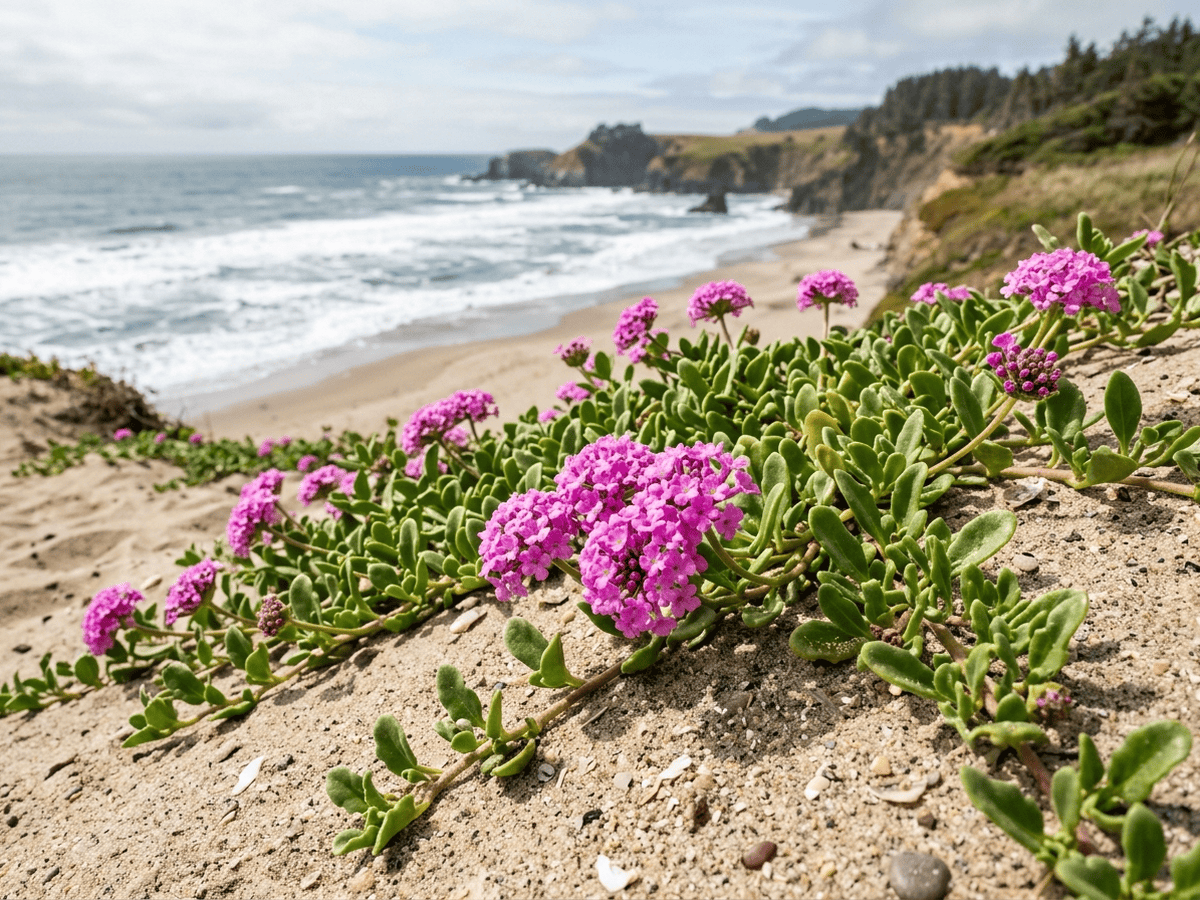 Pink Sand VerbenaAbronia umbellata
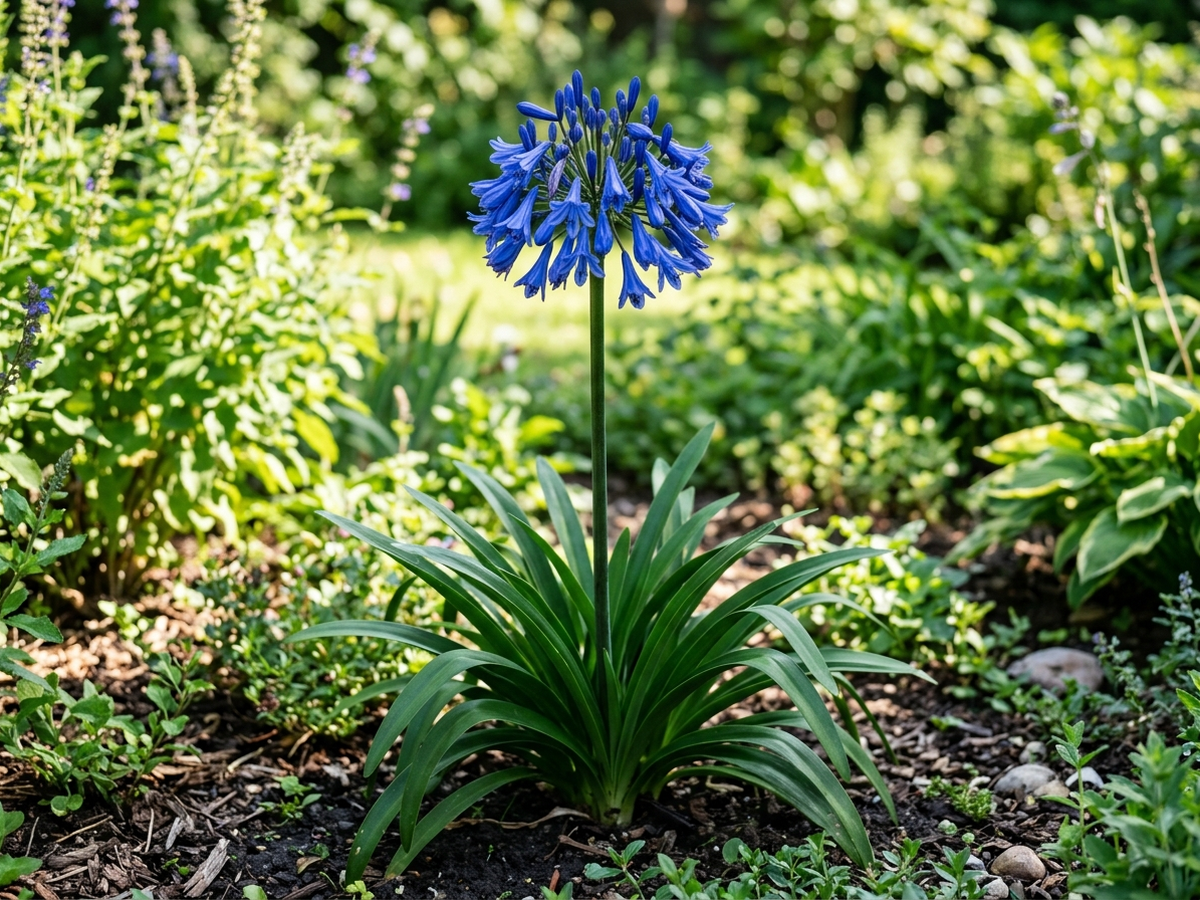 Drooping AgapanthusAgapanthus inapertus
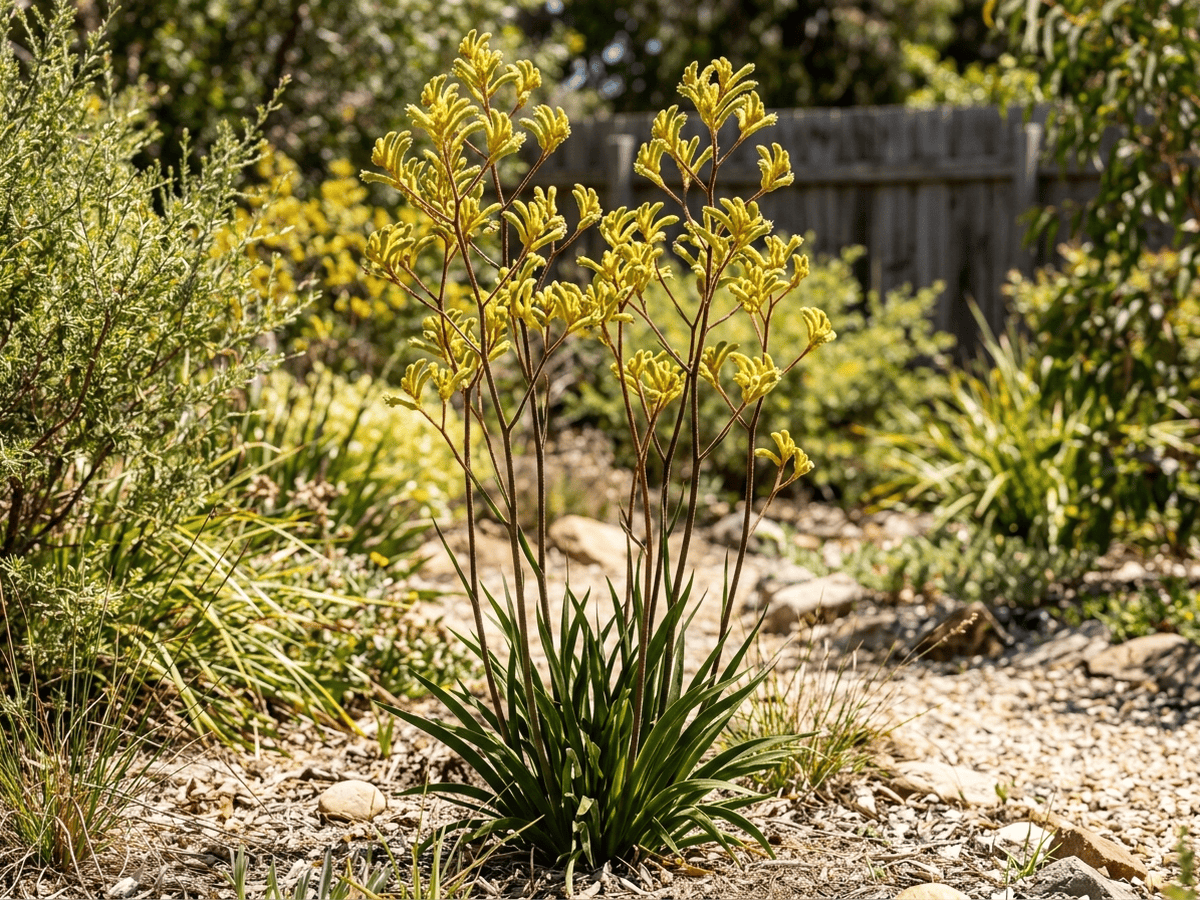 Tall Kangaroo PawAnigozanthos flavidus
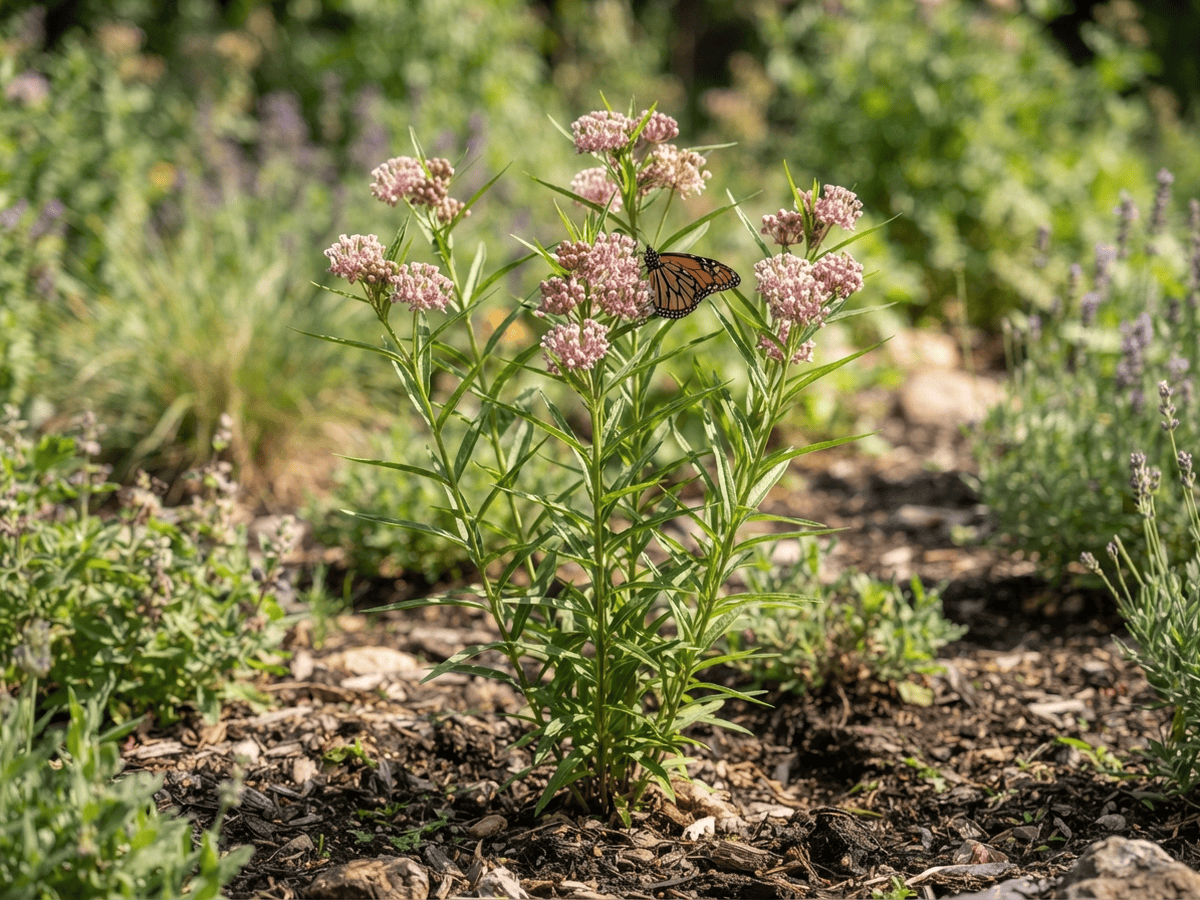 Narrowleaf MilkweedAsclepias fascicularis
Frequently asked questions
How often should I water Rocoto?
In summer, water about every 5 days; in winter, about every 14 days. Adjust for heat, pot size and drainage.
How much light does Rocoto need?
Full sun: 6+ hrs direct. Watch the leaves — scorching or stretching means the light needs adjusting.
Is Rocoto toxic to cats or dogs?
Pets Moderate (Dogs Moderate · Cats Moderate) Educational information, not medical or veterinary advice. If exposure is suspected, contact a doctor or veterinarian.
Is Rocoto easy to grow?
It is considered challenging and rewards experienced growers.
When does Rocoto bloom?
It typically blooms Jun–Aug in the Northern Hemisphere.
YardMate
Identify any plant in seconds
Snap a photo — YardMate names the plant, diagnoses problems, and reminds you when to water.
Download on the App Store