 YardMate

Ají
Capsicum baccatum
Medium · Some experienceAbout Ají
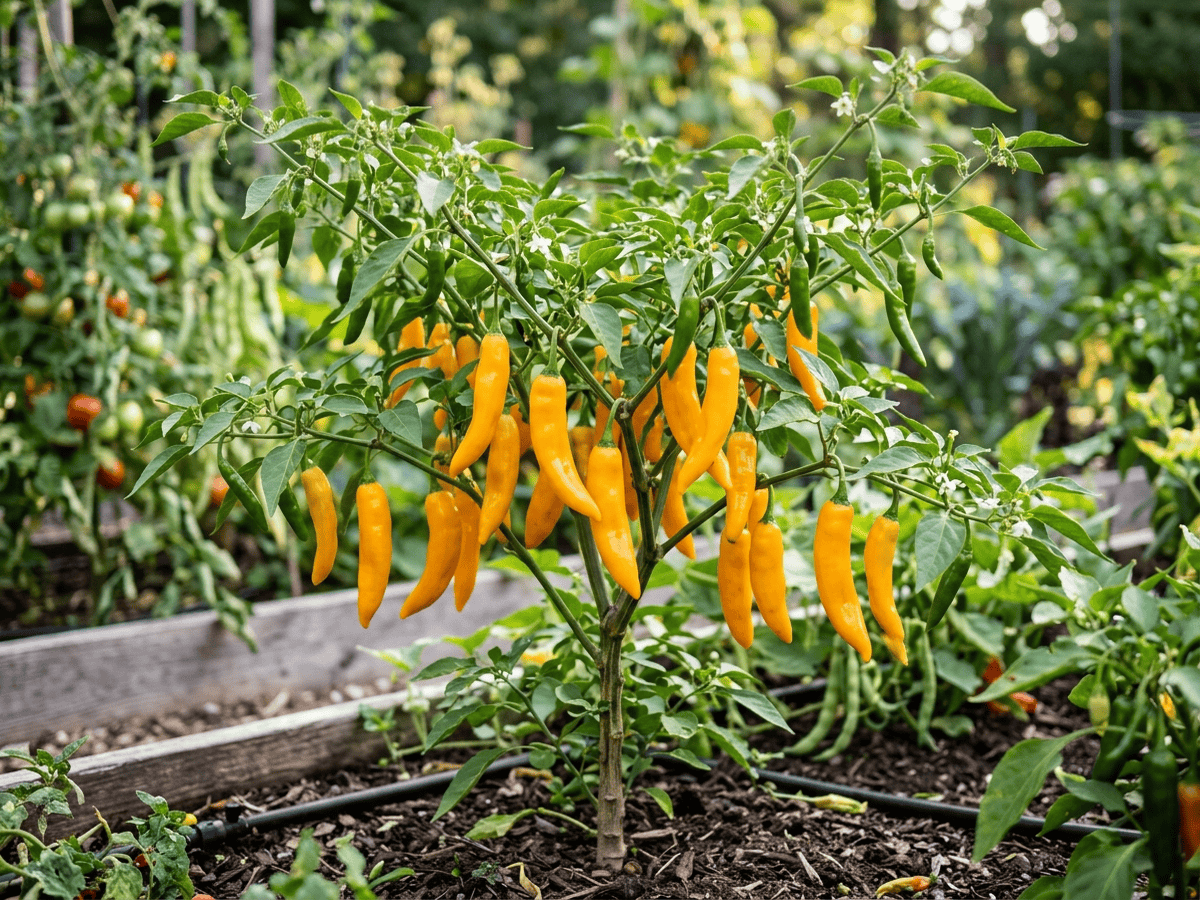
Aji Pepper is a South American chili pepper species reaching 3-5 feet tall, producing distinctive medium-hot fruity-flavored peppers in shades of yellow, orange, red, and brown. The signature chili of Peruvian and Bolivian cuisine, with cultivars like Aji Amarillo and Aji Limon. Increasingly grown in American specialty pepper gardens as international cuisines drive demand for authentic chili varieties beyond the common Capsicum annuum types.
- Edible
- Fast-growing
How to care for Ají
Watering
- Springevery 3 days
- Summerevery 3 days
- Fallevery 5 days
- Winterevery 10 days
Soil · Rich & well-draining
- Top dressingCompost10%
- Main mixPotting soil + compost 3:180%
- DrainageGravel10%
Top up the compost layer each season.
FERTILIZER
Balanced Feed 14-14-14
An even feed covers all three needs at once, keeping leaves, roots and blooms moving together with nothing pushed out of balance.
- Nitrogen · Leaves
- Phosphorus · Roots + Blooms
- Potassium · Strength
- Springevery 30 days
- Summerevery 30 days
At a Glance
- NativeSouth America
- Height3–5 ft (0.9–1.5 m)
- Spread2–3 ft (0.6–0.9 m)
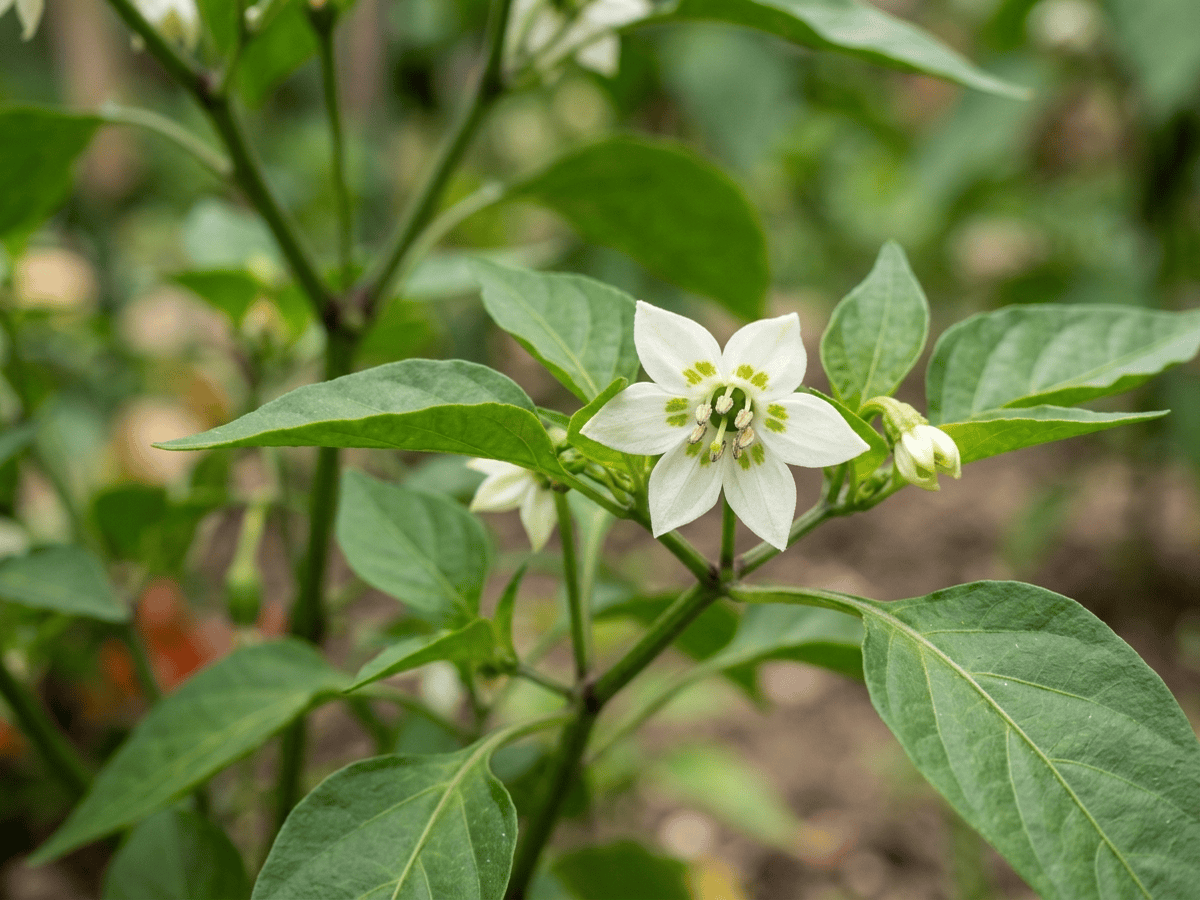
- Flower colorWhite, Cream, Green
- Foliage colorGreen
- Fruit colorYellow, Orange, Red, Brown
- SoilLoamy, Well-drained, Rich
- LocationsYard · Balcony
Bloom time
BLOOM CYCLE
Peak bloom
Jun–Aug
Small white-cream flowers with greenish spots in summer
Fragrance
LIGHT FRAGRANCE
Fruity citrus aroma from pods.
Toxicity
Humans Slight · Pets Moderate
capsaicin and dihydrocapsaicin
Slight
- Fruit
- Contact
- Ingestion
EXPOSURE Touching fruit. Eating fruit.
EFFECT Burning sensation and mucous membrane irritation.
NOTE Capsaicin irritating to pets; green plant parts contain low solanine. Culinary-safe for humans.
Moderate
- Fruit
- Leaf
- Ingestion
EXPOSURE Eating fruit and leaves.
EFFECT Oral burning, vomiting, and diarrhea.
NOTE Capsaicin irritating to pets; green plant parts contain low solanine. Culinary-safe for humans.
Moderate
- Fruit
- Leaf
- Ingestion
EXPOSURE Eating fruit and leaves.
EFFECT Oral burning and vomiting.
NOTE Capsaicin irritating to pets; green plant parts contain low solanine. Culinary-safe for humans.
Educational information, not medical or veterinary advice. If exposure is suspected, contact a doctor or veterinarian.
DISTRIBUTION


- Native
- Introduced
- South America
History
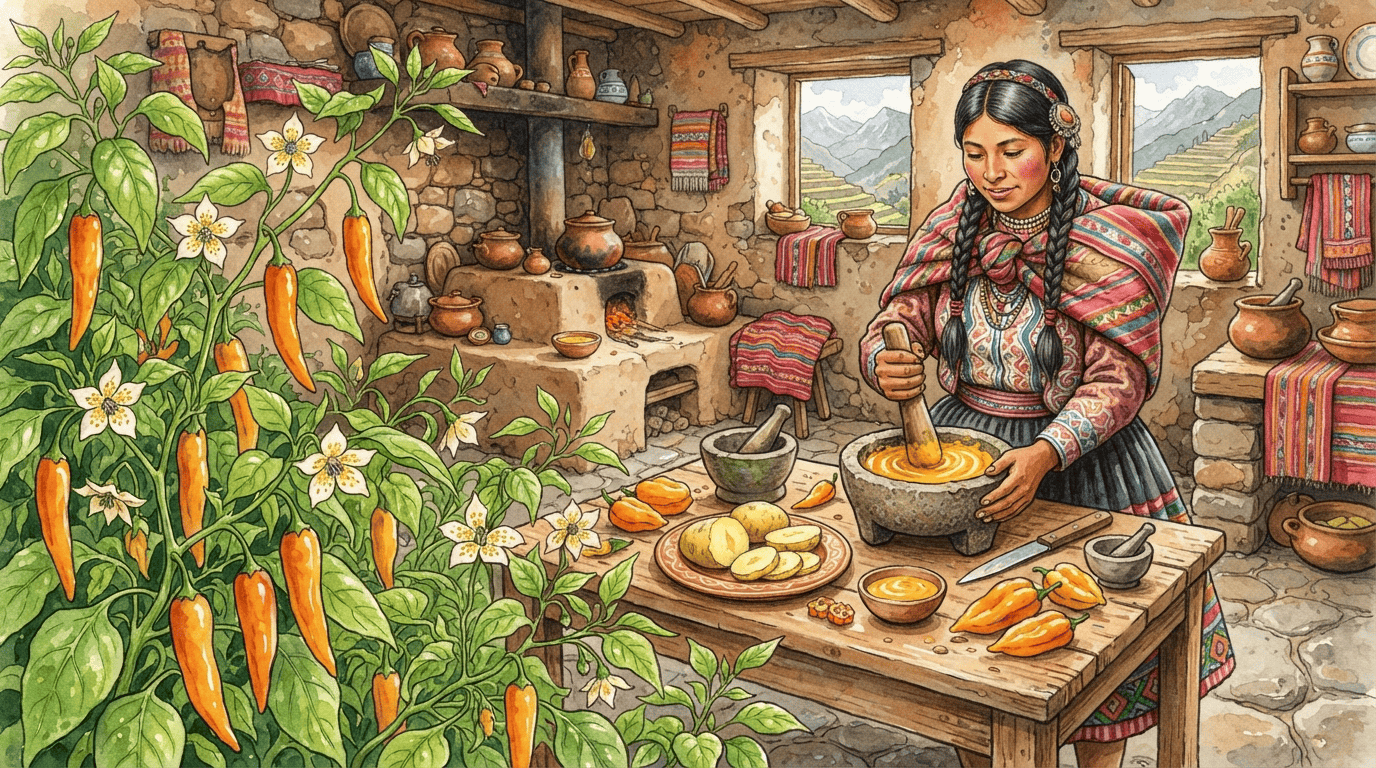
Capsicum baccatum, commonly called ají chile, ají amarillo, or Peruvian ají, is one of the five fully domesticated species of Capsicum, native to the central Andes (principally modern-day Peru and Bolivia) and domesticated from wild populations around 2500 BCE—archaeological evidence from Huaca Prieta in Peru confirms this ancient cultivation. Carl Linnaeus described it in 1767. The epithet baccatum means berry-bearing.
The species is the foundational chile of Peruvian cuisine, where ají amarillo (orange-yellow pods) is essential to dishes like papa a la huancaína and ají de gallina. Plants are tall and sprawling at 1.5-2 meters with distinctive cream-yellow spots at the base of the five petals of the flowers (a diagnostic feature distinguishing the species from C. annuum, C. chinense, and C. frutescens).
Fruit pods are typically 10-15 cm long, tapering, in bright orange, yellow, or red, with a distinctive fruity citrusy flavor and moderate heat (30,000-50,000 Scoville). Increasingly available in American garden seed catalogs as Peruvian cuisine grows in popularity. Cultivars include 'Lemon Drop', 'Aji Amarillo', 'Aji Limo', and 'Bishop's Crown'.
Symbolism & meaning
What It Symbolizes
The Locoto Pepper carries the fruity heat that defines Peruvian cooking, a warmth less aggressive than smoldering and bright. Its heritage stretches back four thousand years through Andean kitchens and ceremonial meals, one of the oldest domesticated chilis on earth. To grow it is to taste a long line of Andean cooks, gardeners, and traders connecting fields to plates.
- Heat — fruity heat of Peruvian cuisine
- Heritage — 4,000-year-old Andean chili tradition
Where the Name Comes From
'Capsicum' from Greek 'kapto' (to bite); 'baccatum' from Latin meaning berry-like.
Uses & Fun Facts
- Aji peppers used fresh, dried, or in South American hot sauces
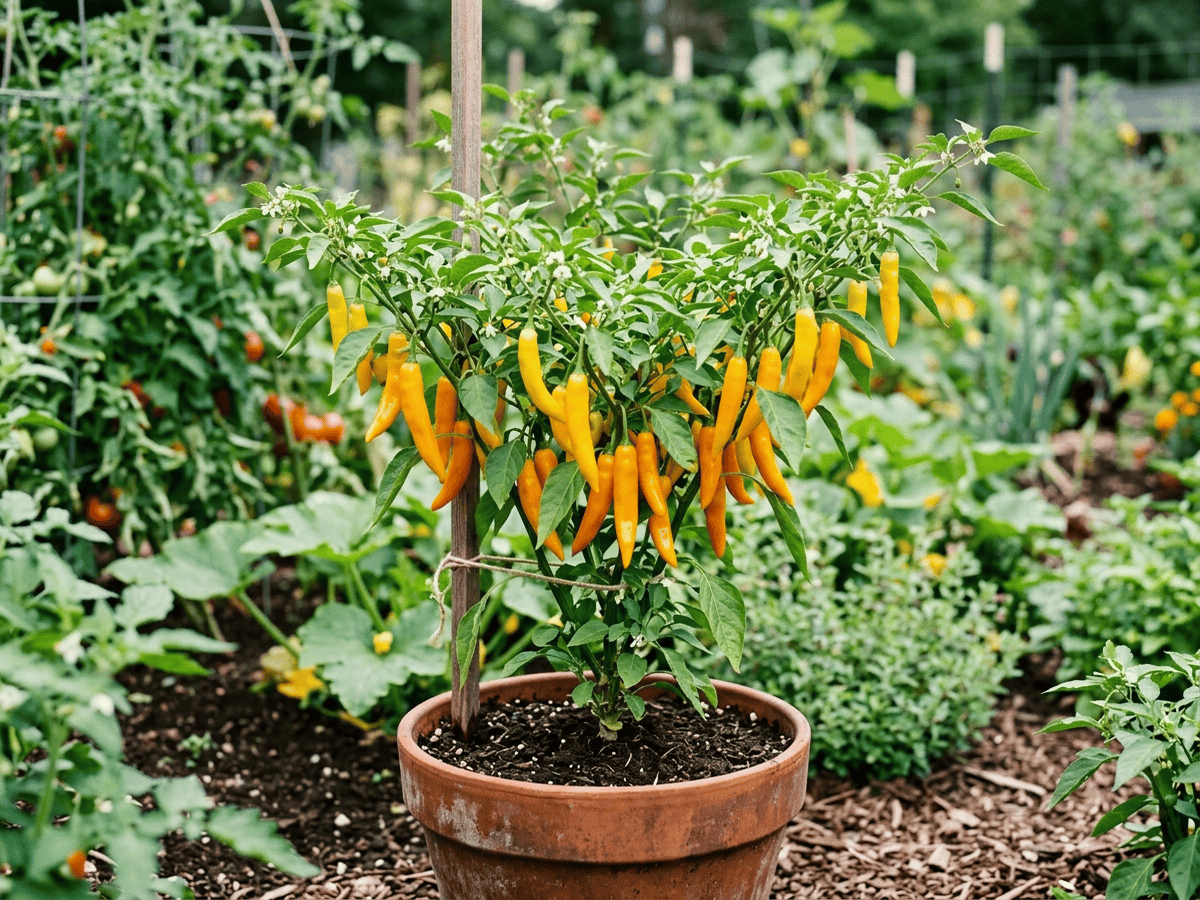
- Productive pepper plants suit large patio pots and balconies
- Glossy red and yellow fruits decorative through autumn
Related plants
More Capsicum plants


Plants with similar care
 Mexican AbeliaAbelia floribunda
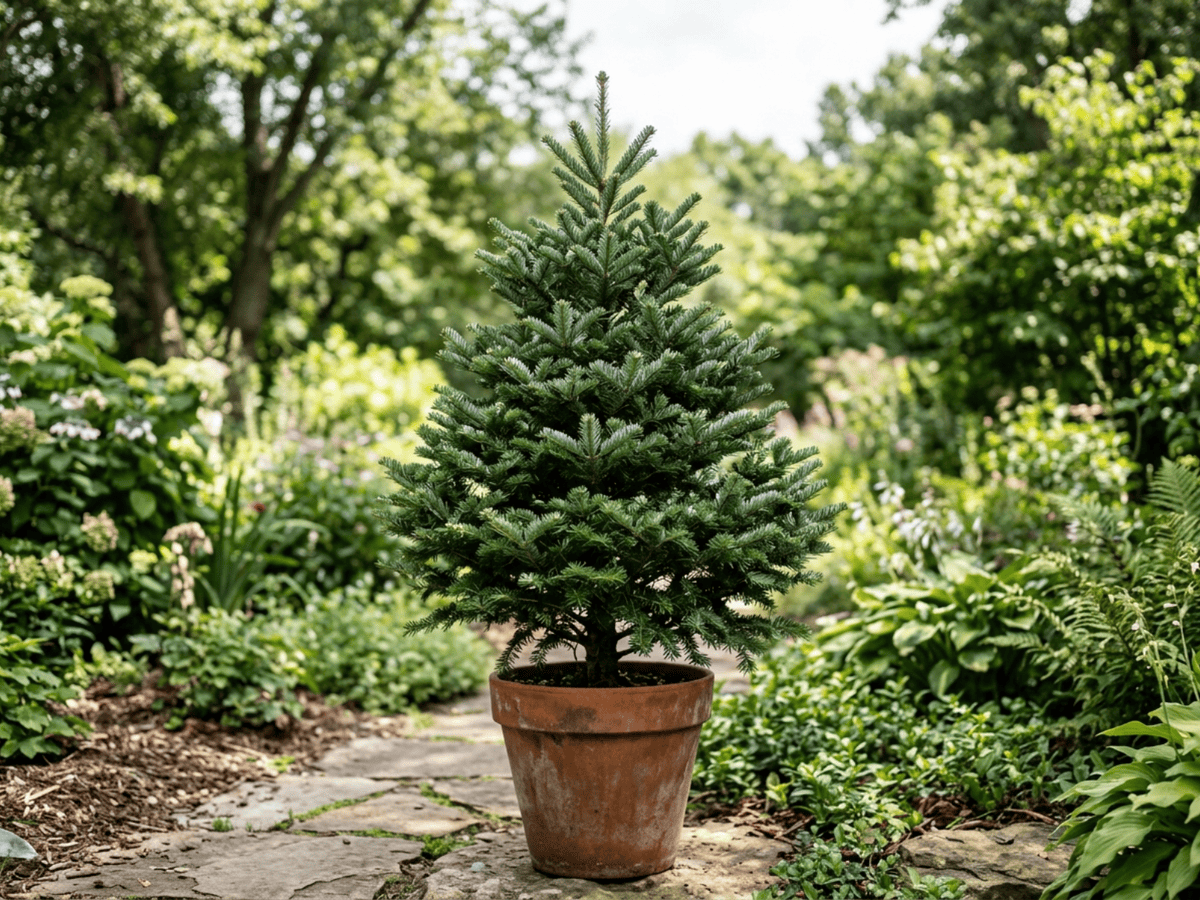 Fraser FirAbies fraseri
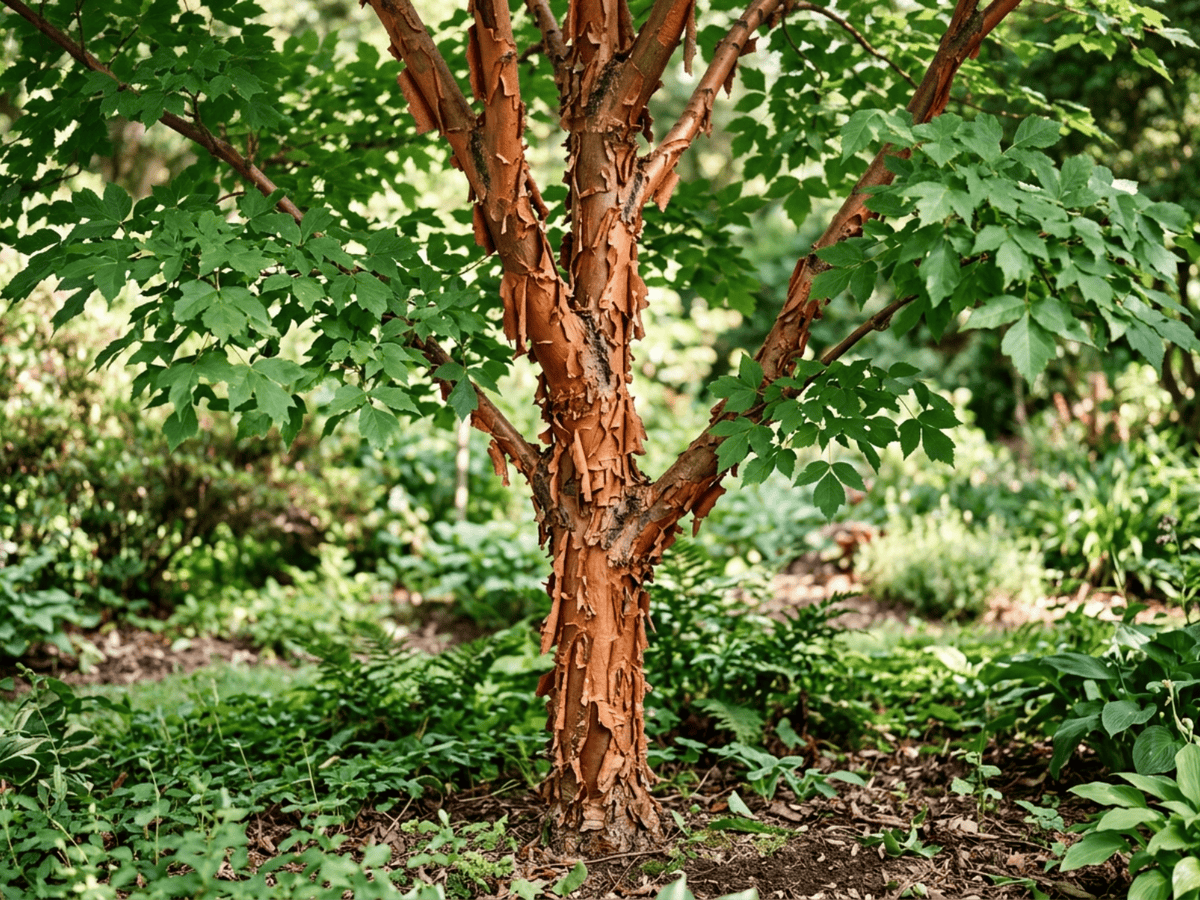 Paperbark MapleAcer griseum
 Sugar MapleAcer saccharum
Frequently asked questions
How often should I water Ají?
In summer, water about every 3 days; in winter, about every 10 days. Adjust for heat, pot size and drainage.
How much light does Ají need?
Full sun: 6+ hrs direct. Watch the leaves — scorching or stretching means the light needs adjusting.
Is Ají toxic to cats or dogs?
Pets Moderate (Dogs Moderate · Cats Moderate) Educational information, not medical or veterinary advice. If exposure is suspected, contact a doctor or veterinarian.
Is Ají easy to grow?
It is moderately demanding: a good choice once you have a little experience.
When does Ají bloom?
It typically blooms Jun–Aug in the Northern Hemisphere.
YardMate
Identify any plant in seconds
Snap a photo — YardMate names the plant, diagnoses problems, and reminds you when to water.
Download on the App Store