 YardMate


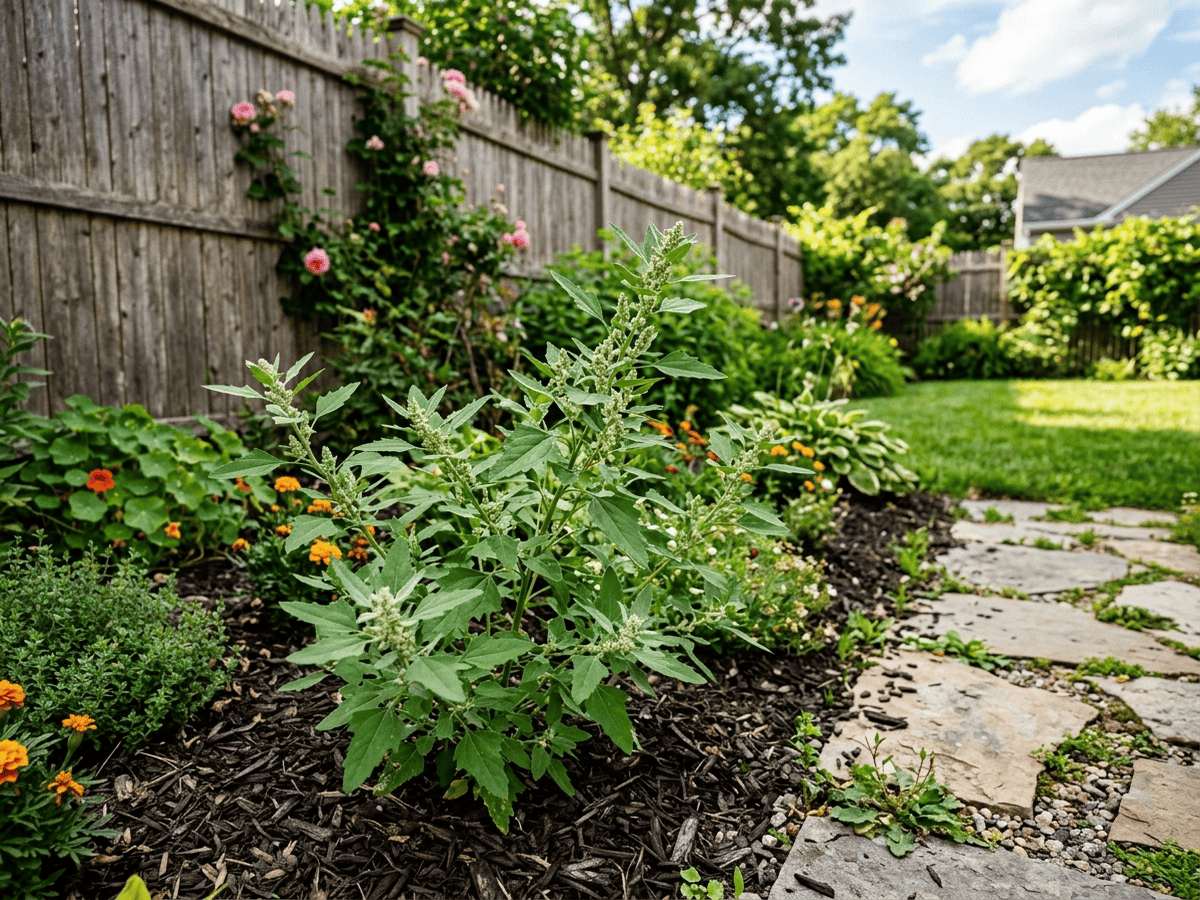
Common Lambsquarters
Chenopodium album
Easy · Beginner friendlyAbout Common Lambsquarters
Lambsquarters or White Goosefoot is an annual weed of Eurasian origin, ubiquitous in US gardens, farm fields, and disturbed ground. Growing 1 to 7 feet tall with diamond-shaped gray-green leaves coated in mealy white powder, it produces inconspicuous green flower clusters and seeds prolifically. One of the most common weeds in American vegetable gardens and a top-ten agricultural weed globally.
- Edible
- Fast-growing
How to care for Common Lambsquarters
Watering
- Springevery 7 days
- Summerevery 5 days
- Fallevery 10 days
- Winterevery 21 days
Soil · Rich & well-draining
- Top dressingCompost10%
- Main mixPotting soil + compost 3:180%
- DrainageGravel10%
Top up the compost layer each season.
FERTILIZER
This plant needs little to no feeding.
At a Glance
- NativeEurope, Western Asia
- Height2–6 ft (0.6–1.8 m)
- Spread1–2 ft (0.3–0.6 m)
- Flower colorGreen
- Foliage colorGreen
- SoilWell-drained, Loamy
- LocationsYard
Bloom time
BLOOM CYCLE
Peak bloom
Jun–Nov
Inconspicuous green flower clusters summer to fall
Toxicity
Humans Slight · Pets Slight
oxalates and saponins
Slight
- Leaf
- Ingestion
EXPOSURE Eating leaves.
EFFECT High oxalate content; moderate consumption only for those with kidney stones.
NOTE Safe and nutritious as cooked vegetable. Seeds edible like quinoa. High oxalates at very high intake.
Slight
- All
- Ingestion
EXPOSURE Eating any part of the plant.
EFFECT GI upset in quantity.
NOTE Safe and nutritious as cooked vegetable. Seeds edible like quinoa. High oxalates at very high intake.
Slight
- All
- Ingestion
EXPOSURE Eating any part of the plant.
EFFECT GI upset in quantity.
NOTE Safe and nutritious as cooked vegetable. Seeds edible like quinoa. High oxalates at very high intake.
Educational information, not medical or veterinary advice. If exposure is suspected, contact a doctor or veterinarian.
DISTRIBUTION

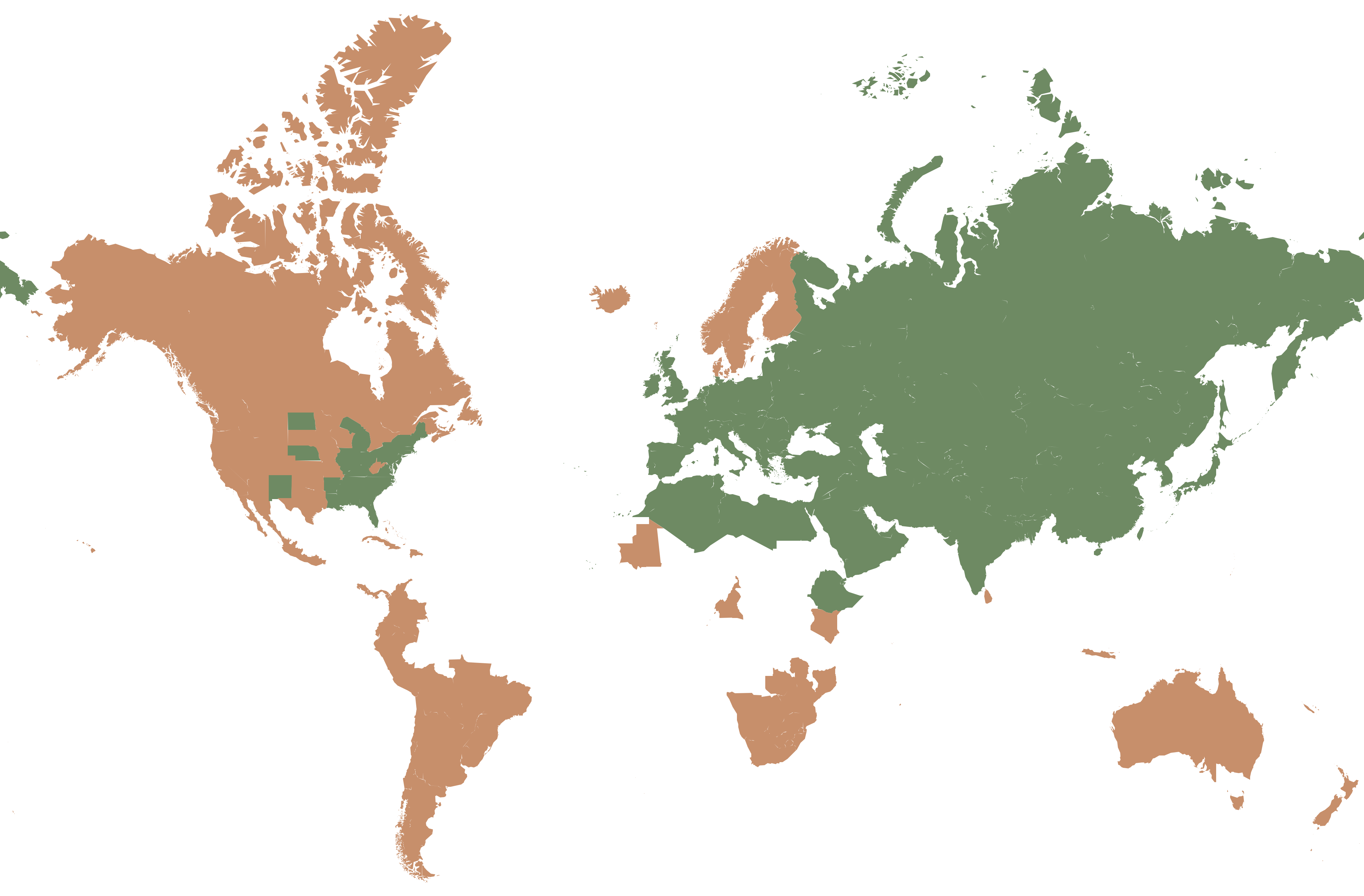
- Native
- Introduced
- Europe
- Western Asia
History
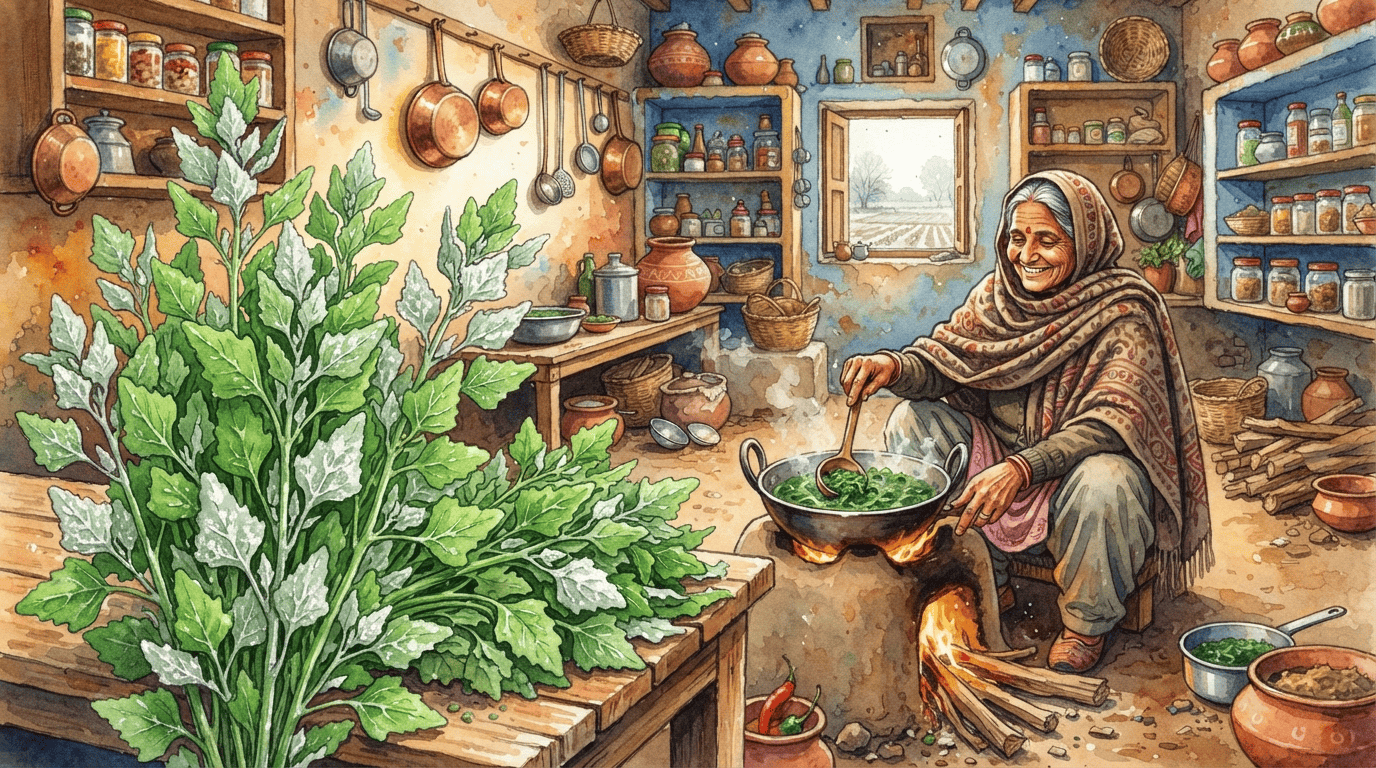
Chenopodium album has a probable ancient native range in Europe, but was cultivated and spread so widely it has lost clear native-weed boundaries. Linnaeus described it in Species Plantarum (1753). It has been a globally shared leafy green for at least 2000 years: European peasants ate it when wheat failed; 'bathua' is a winter green in Indian cuisine; Himalayan communities cultivate a domesticated form; Native Americans consumed related C. berlandieri for centuries before and after European contact.
Its cousin C. quinoa was the principal staple grain of the Inca empire. Modern nutritional studies show the leaves contain more protein, iron, calcium, and vitamin C than spinach. Despite its culinary importance, it is one of the world's worst weeds of row crops, with each plant producing 70,000+ seeds that persist in soil 40+ years.
Herbicide resistance is rapidly spreading in US corn and soybean fields. Native to Europe and Asia and spread globally with agriculture, Lambsquarters has been eaten as a wild spring green for at least 4,000 years across Eurasia. Now one of the most widespread agricultural and garden weeds in the US, remaining a favorite of American foragers despite its weedy status.
Symbolism & meaning
What It Symbolizes
Lambsquarters is humble sustenance: an ancient wild green, eaten across continents long before it was reclassified as weed. Its leaves, shaped like webbed goose feet, gave it folk names in many languages and a place in countless peasant kitchens. The plant's lesson is ecological more than romantic — that what we now pull from gardens once kept families alive through lean springs.
- Humble nutrition — ancient wild food now seen as weed
- Goose foot — leaves resemble webbed goose feet
Where the Name Comes From
'Chenopodium' from Greek 'chen-podion' meaning goose-foot, for leaf shape; 'album' from Latin means white, for the mealy leaf coating.
Uses & Fun Facts
- Young leaves cooked as nutritious wild spinach substitute
Related plants
Plants with similar care
 Chinese AbeliaAbelia chinensis
 Fragrant AbeliaAbelia mosanensis
 Large-Flowered AbeliaAbelia uniflora
 Glossy AbeliaAbelia x grandiflora
Frequently asked questions
How often should I water Common Lambsquarters?
In summer, water about every 5 days; in winter, about every 21 days. Adjust for heat, pot size and drainage.
How much light does Common Lambsquarters need?
Full sun: 6+ hrs direct. Watch the leaves — scorching or stretching means the light needs adjusting.
Is Common Lambsquarters toxic to cats or dogs?
Pets Slight (Dogs Slight · Cats Slight) Educational information, not medical or veterinary advice. If exposure is suspected, contact a doctor or veterinarian.
Is Common Lambsquarters easy to grow?
Yes — it is considered an easy, beginner-friendly plant.
When does Common Lambsquarters bloom?
It typically blooms Jun–Nov in the Northern Hemisphere.
YardMate
Identify any plant in seconds
Snap a photo — YardMate names the plant, diagnoses problems, and reminds you when to water.
Download on the App Store